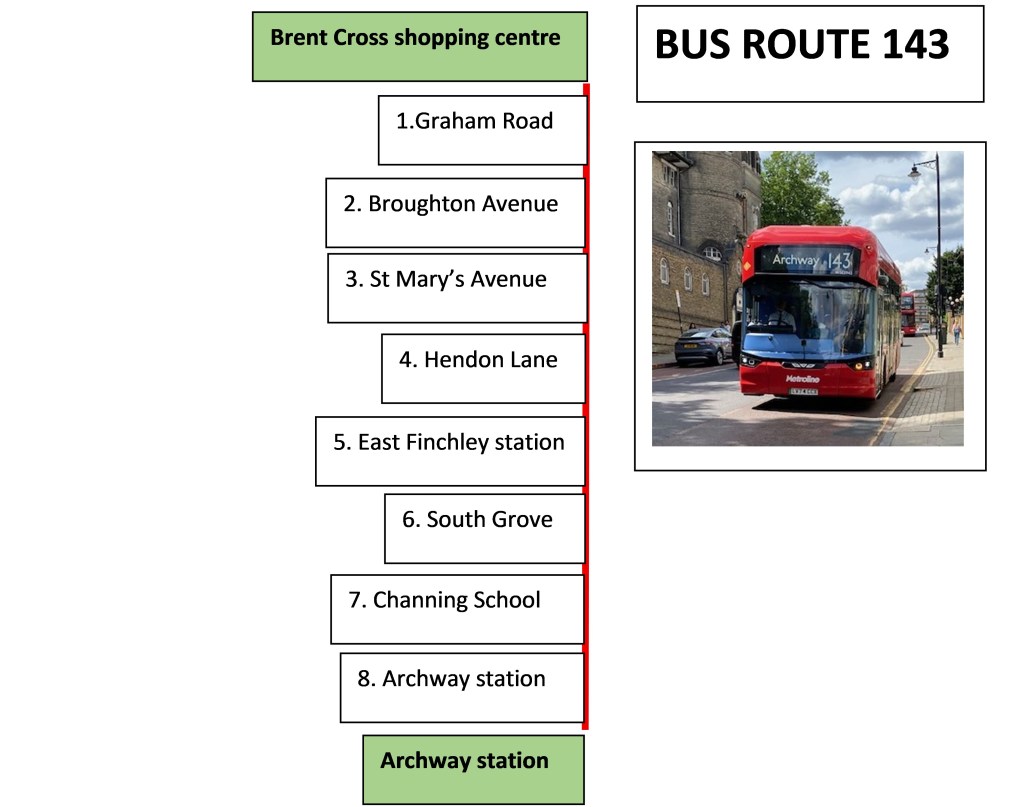
Brent Cross shopping centre to Archway station
Highlights:
- Stephens House and Gardens
- Waterlow Park
1. Graham Road bus stop
When you get off the bus at this stop, walk round the corner to Hendon Park. There you’ll immediately see twin panels that were installed as a celebration of HM Queen Elizabeth II’s Diamond Jubilee in 2012. After her death in September 2022 the panels were re-imagined as a celebration of Queen Elizabeth II’s life and reign.
Step inside the park and find your way to the Memorial Garden which is there to commemorate all those who have suffered persecution and been the victims of atrocity. It’s a pretty park with plenty of greenery and trees as well as a pergola and benches for ambling and resting.
One more thing to see here is the café that was once a bomb shelter. It’s a single storey, lead lined, solid brick built building under a flat roof. On Sunday 21st July 1940, a large propaganda rally was held in this park – it was known as “Rout the Rumour”. The rally included songs, music and sketches. It was intended to promote the idea that gossip and rumour harmed the war effort.



2. Broughton Avenue bus stop
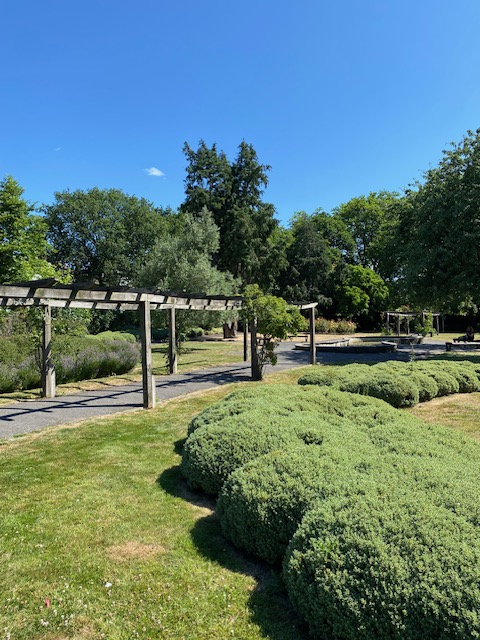
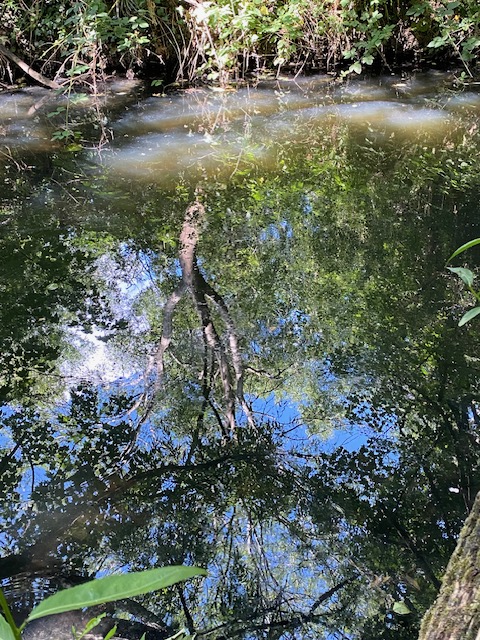
Off the bus and you’re just a stone’s throw to Dollis Valley Greenwalk – this is a footpath in the London Borough of Barnet that’s over 10 miles long and is a link between the Capital Ring and London Loop. This part of the walk is full of beautiful flora and you can walk along the brook itself in places. It’s a haven for wildlife and if you’re lucky, you’ll get to see the resident heron.


3. St Mary’s Avenue bus stop
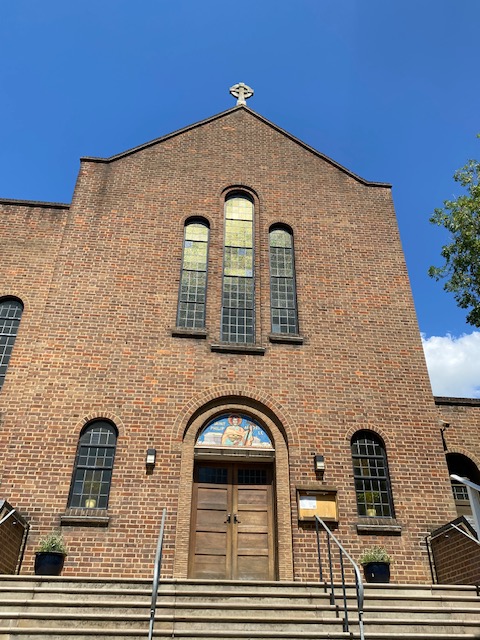
The catholic church of Philip the Apostle can be found at this stop. Philip was one of the main apostles who took part in the miracle of the feeding of the five thousand. In 1919, the sisters of Marie Auxiliatrice, a convent providing homes for young girls in business, moved to a property here in Finchley, Manor House. The house was used as a chapel for the local Catholic community and over time, the congregation grew to such an extent that the building had to be enlarged and it’s this church that is the result. These days, it’s a thriving community, that’s over a hundred years old.

4. Hendon Lane bus stop
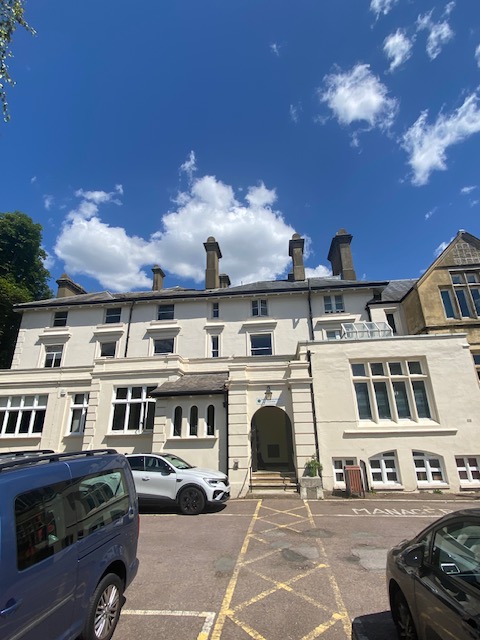
You can either hop back on the bus or walk from the church to get to the next place of interest, Stephens House and Gardens. Although before you get there, take a look at Hertford Lodge, which itself is steeped in history. This lovely building is a Grade II listed Italianate villa that was built around 1860. Initially, it was likely a grand residence, possibly with market garden surroundings, and later served as a girls’ school and then Finchley council offices. It’s believed that it was built at about the same time as Stephens House and looking at the two buildings, it’s certainly probable.
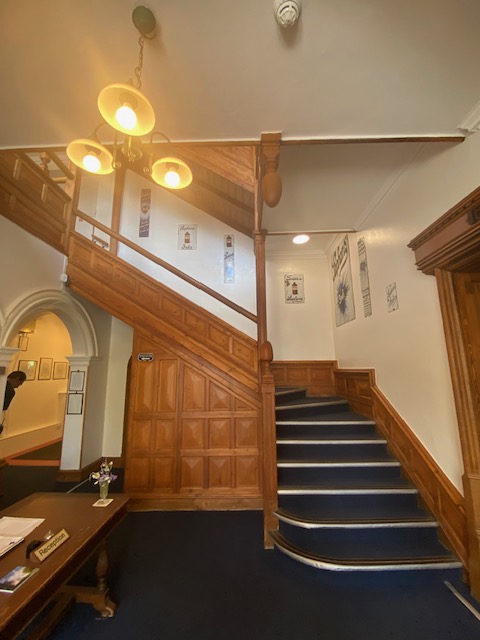
Stephens House – at one time called Avenue House – was built in the 1870s by Henry “Inky” Stephens. It’s a wonderful Victorian mansion set in equally magnificent Gardens. Henry Stephens lived here from 1878 and the house and grounds were left for public enjoyment by Stephens in his will. At the time of his death it was already in use as a Voluntary Aid Detachment Hospital and between 1919 and 1925 was the RAF central hospital before the grounds were formally opened to the public on 3 May 1928. The house is now a meetings and events venue, while the gardens and arboretum are open to the public free of charge.


Henry ‘Inky’ Stephens (1841 – 1918) was an English businessman and Conservative Party politician. He was the Member of Parliament for the Hornsey division of Middlesex, which included Finchley.
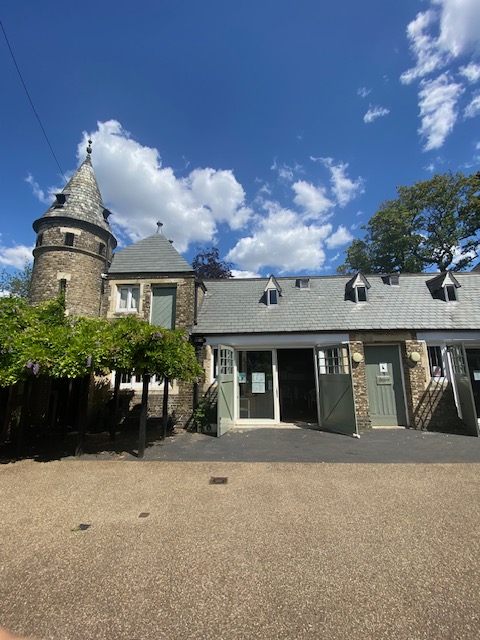
Stephens’ father, Dr Henry Stephens was the inventor in 1832 of an indelible “blue-black writing fluid” which formed the foundation of Stephens Ink, a successful worldwide company for over 130 years. The younger Stephens bought Avenue House in 1874 and employed a landscape gardener to develop the extensive grounds. Stephens added a water tower with adjacent glasshouses, a lodge, coach house and stable block and arranged for a number of rare trees to be planted throughout the grounds.




5. East Finchley station bus stop
This stop is also on the 102. Just at the stop is Cherry Tree Wood, which may date back to prehistoric times. The wood in this area likely served as a source for firing nearby Roman kilns. The first mention of the park is in the 13th century when it was the hunting grounds of the Bishop of London. It was later known as Dirthouse Wood because the night soil and horse manure from London’s streets was brought to the Dirthouse, now the White Lion pub over the road, as fertiliser for hay meadows. It’s been a public park since 1914.
So now go over the road to the Old White Lion pub which dates back to the late 17th century. It’s designed in the style of an old coaching inn which is in keeping with the tales that abound about highwaymen supping here in between robberies, most notably Dick Turpin. It’s a large, cheery pub with an even cheerier garden.


6. South Grove bus stop
The bus stops just outside Highgate School – or to give it its full name, Sir Roger Cholmeley’s School at Highgate – that was founded in 1565, thanks to permission from Queen Elizabeth I, to provide a grammar school and a “most liberal education and instruction of the boys and young men around Highgate”. As well as school buildings, a chapel was built on site which was used both by the school and parishioners. This chapel was eventually pulled down and a parish church put in its place, built for the local villagers. In the 1820s, the school started charging for extra lessons and extra-curricular activities thus creating its “public school” status, which it maintains to this day. At the start of WWII, most of the school buildings were commandeered by the government so the majority of Highgate’s staff and pupils were evacuated to Westward Ho! in Devon. There are many famous alumni from the school, including Sir John Betjeman and T. S. Eliot.


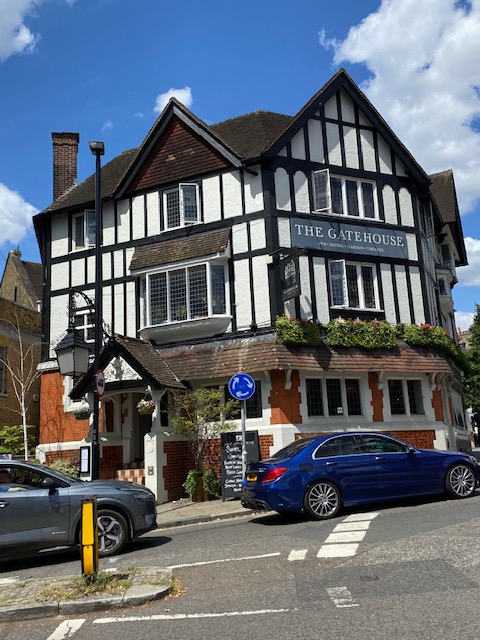
Over the road from the school is the Gatehouse pub and theatre. It’s probably the oldest inn in Highgate, as there has been a licensed building on the site since 1337. The building has been used for a variety of functions, including as a meeting house and courtroom. Byron, Cruikshank, and Dickens all made use of its services at times. At the turn of the 20th century, The Gatehouse was renowned for its “shilling ordinaries”—gigantic lunches which filled many a Victorian stomach!
The theatre upstairs was opened in 1895 as Highgate Hall, and has been used since then as a Victorian Music Hall, a cinema, a Masonic Lodge, and a venue for amateur dramatics. In the 60s, a jazz and folk club featured, on one famous occasion, Paul Simon. Today, the theatre prides itself on being one of the finest of the fringe theatres, focusing heavily on supporting early-career artists, innovative revivals, and new writing.


7. Channing School bus stop
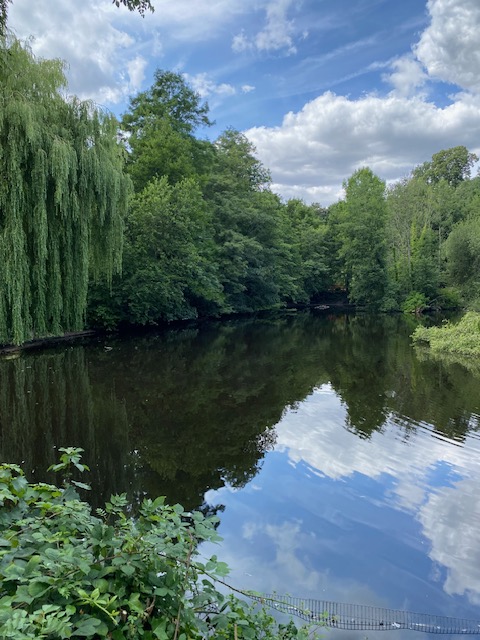
Cross over the road and find Waterlow Park, one of the highlights of Highgate! It was formed out of the combined grounds of five houses that had been bought by Sir Sydney Waterlow during the late 1800s. Sir Sydney was Mayor of London and a respected businessman. In 1889, he bequeathed the site as a public park which was officially opened in 1891, with music being provided by the Grenadier Guards.
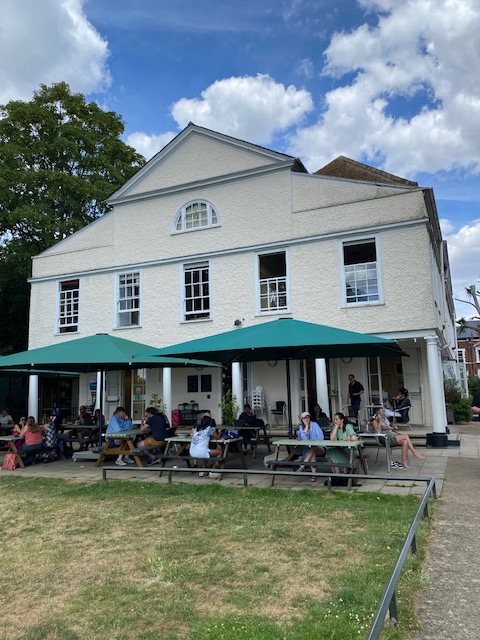
One of the main features of the park is Lauderdale House, built in 1582 for two wealthy members of a radical religious community, Richard and Dorcas Martin. Treading a fine line, this couple supported Queen Elizabeth I in public, while undermining her in private. As goldsmith to the Queen and Master of the Royal Mint, Richard Martin would have been paid handsomely with which he was able to invest in Francis Drake’s trip around the world. Having plundered Spanish ports, Drake returned in 1580 with a ship full of spices and Spanish treasure. As an investor, Richard received a share of this rich cargo. As it happens, the Martins may never have lived in Lauderdale House as they owned several other grand houses in London.
There have been several other notorious residents or owners of Lauderdale House, including Scottish politician John Maitland, known as the Earl of Lauderdale, who was an advisor to King Charles I and who later went on to govern Scotland on behalf of Charles II. His wife Anne inherited Lauderdale House from her mother in 1644, during the English Civil War. At the time John encouraged the Scots to support Oliver Cromwell’s forces against King Charles I. He later swapped sides, staying loyal to the Crown until his death. Charles I was executed in 1649. By then, Parliament had confiscated Lauderdale House from its royalist owners. When Charles II won back the throne in 1660, John was released and the Lauderdales claimed their property back.
The house was described by John Wesley, who preached here in 1782, as “one of the most elegant boarding houses in England”. Later it became a private boarding school , reverting to a private house again in the early 19th Century. Lauderdale’s last private owner was Sir Sidney Waterlow, who leased it for a time to St Bartholomew’s Hospital as a convalescent home. And so it was that in 1889, the grounds became a public park and the House was restored in 1893 to serve for 70 years as a Park tearoom and park-keepers’ flats. Sadly, a fire broke out in 1963 destroying the roof and much of the interior of the House. In 1978, the ground floor of the House was (re-)opened by Yehudi Menuhin as an arts and education centre. Nowadays, it’s open for weddings and other events, an art gallery and an outreach programme working with schools and hospitals.


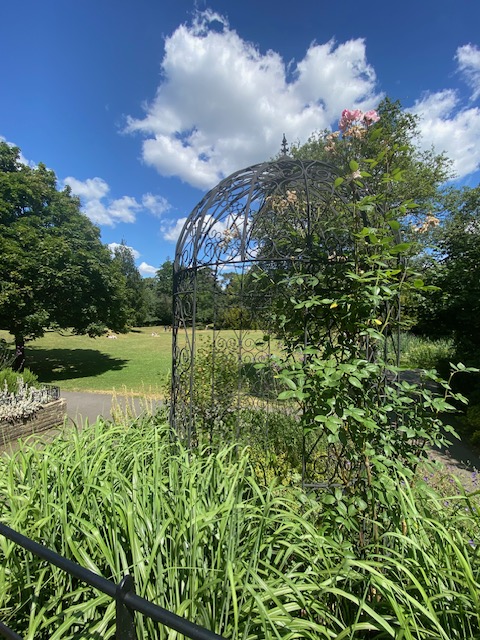
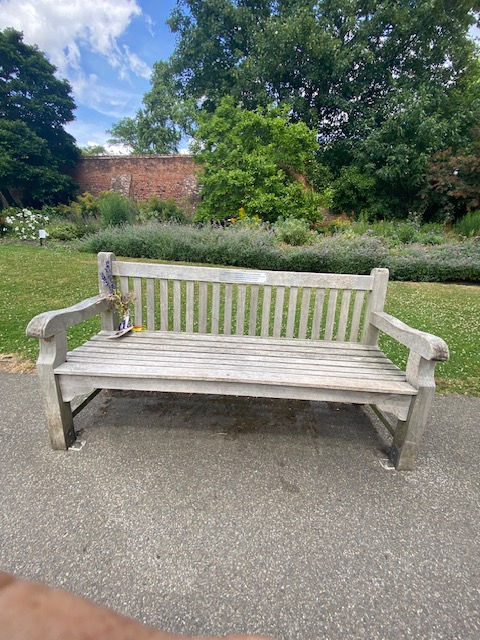
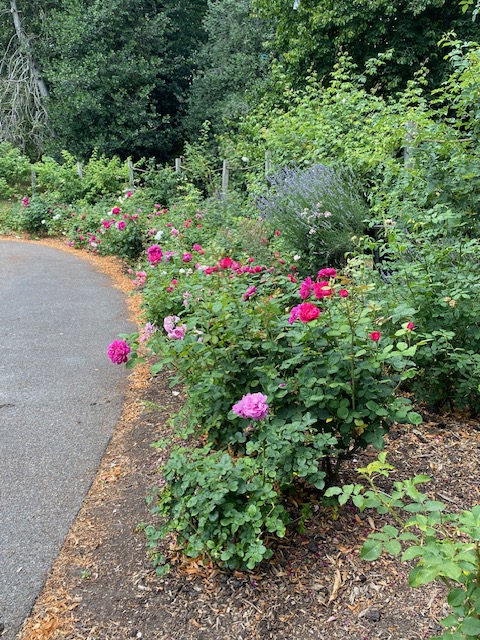
The house is maintained separately from Waterlow Park, which as stated above was bestowed by Sir Sydney Waterlow for the public to enjoy. The park has so much to offer – there’s the lovely kitchen garden and a small but similarly lovely rose garden. The pools are a haven for wildlife and seating has been provided for visitors to sit and watch the ducks glide by. There are some grade II listed garden walls with stone birds at the bottom of a flight of stone steps. Look out too for the George Michael bench that has a plaque with the words “Georgios Kyriacos Panayiotou (George Michael) Auteur Compositeur Interprete Producteur Philanthrope”. Another place to visit is a gap in the gates overlooking Highgate Cemetery where you can see in the distance, the tomb of Karl Marx. There are also playgrounds for children, sculptures and other art installations and so much more, that it’s a delight to spend time in Waterlow Park.



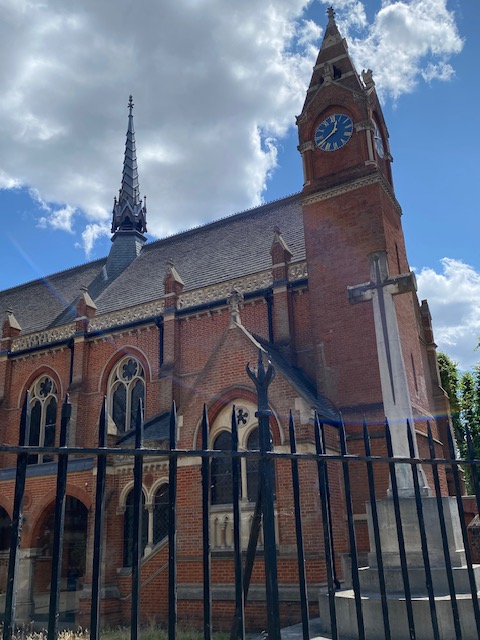
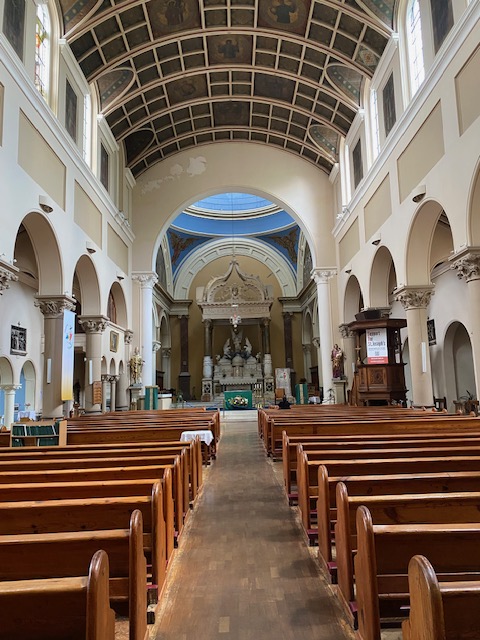
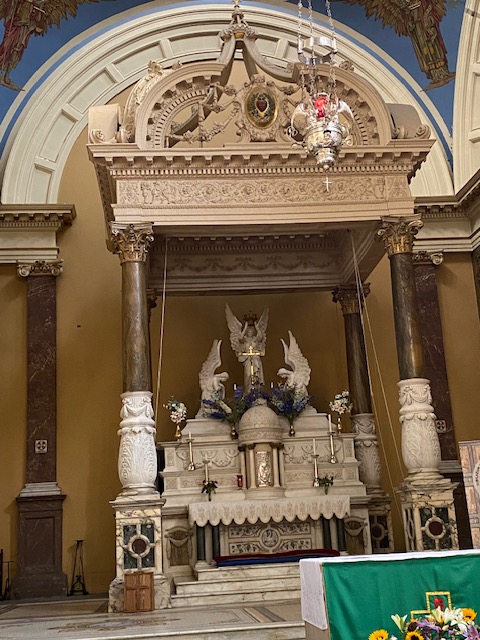
On your way back to the bus stop at Channing School, you’ll pass St Joseph’s Catholic church, built in the mid 1850s, at a time when Catholicism was still being treated with suspicion and resentment. One Father Ignatius Spencer, with financial help from his cousin, the fifth Earl of Spencer, bought the Old Black Dog Inn. He died before his work came to fruition, but the local Catholic community grew rapidly, and a chapel attached to the old pub was replaced by a purpose built church in 1861. Owing to a burden of debt outstanding on the church, it wasn’t until 1932 that the church was consecrated. The church is known for its rich interior, particularly the painted ceiling by Nathaniel Westlake. The church’s design is Italian Romanesque with a prominent dome, and the interior features wall paintings, side altars, and a baldacchino over the high altar.

8. Archway Station bus stop
Final stop will get you to the Whittington Stone and the pub of the same name. The stone is an 1821 monumental stone with a statue of a cat sitting atop. Its location marks roughly where the forlorn character of Dick Whittington, loosely based on the real-life Richard Whittington (c.1354–1423), returning to his home from a disastrous journey to the city of London, heard Bow Bells ringing from 4½ miles away, prophesying his good fortune leading to the homage “Turn again Whittington, thrice Lord Mayor of London!”
The pub of the same name was originally called the Archway Tavern and the present building has been on this site since 1888. The name change obviously came from its very close proximity to the actual Stone.


And so the end of yet another surprisingly great route. It definitely helped that the weather was extremely clement so that I could really savour all the outdoor places on the way. These were without doubt the highlights, with the only real disappointment being that Lauderdale House was closed to the public today due to a private event taking place. The surrounding grounds more than made up for it and it’s somewhere to go on another day.
Toilets that are open to the public and free of charge:
- Hendon Park café
- Stephens Gardens
- The Old White Lion pub
- The Gatehouse pub
- Waterlow Park
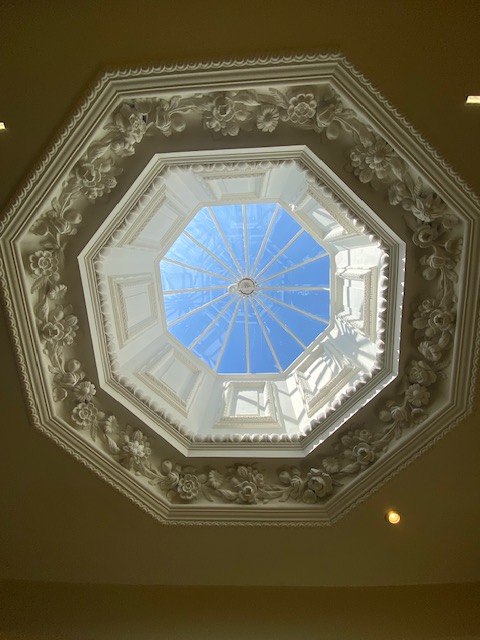
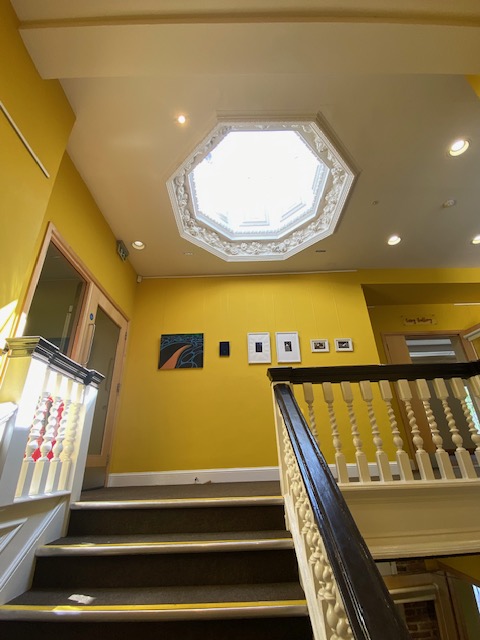
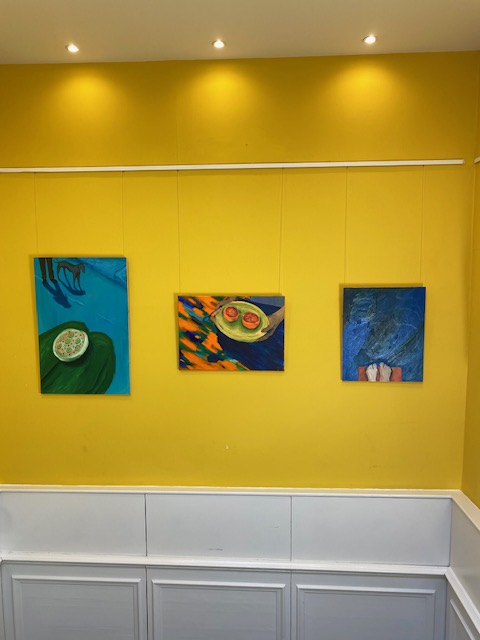
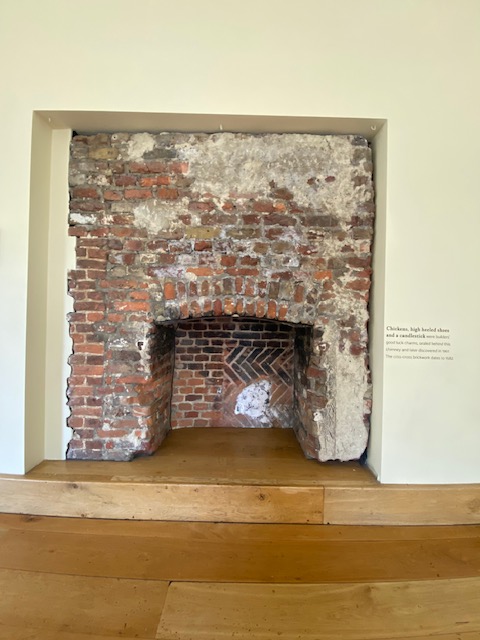
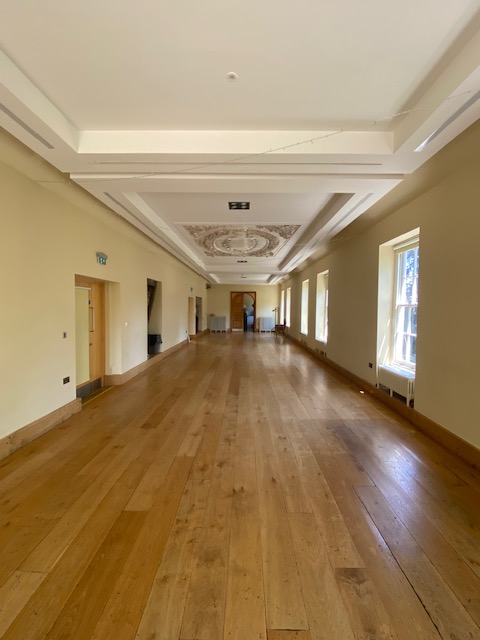
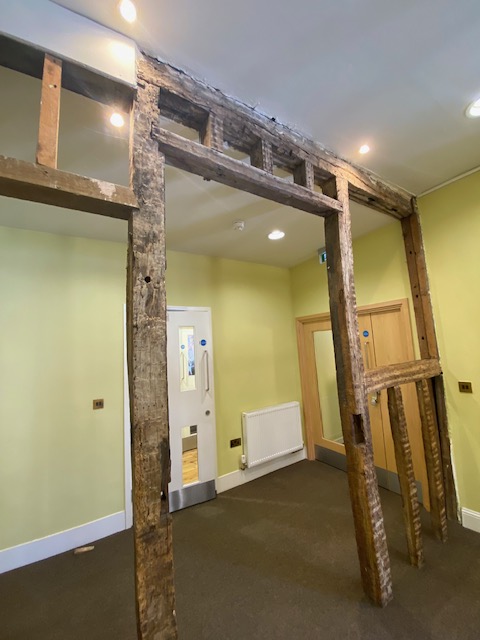
Addendum to route 143. As Lauderdale House was closed when I went on the route, I decided to go back when it was open to the public. It was a real treat and definitely worth while making a return visit. These are the highlights:


 london routemistress