Grove Park station to Elephant and Castle
Highlights:
- Peter Pan’s Park
- The Stone House
- LGBTQ+ mural
- Elephant Park and sculptures
Before getting to the bus stop, take a look at the railway station where there is a fitting mural to The Railway Children, placed here because the author of the book, E Nesbit, moved to the locality and was inspired by the station. Also near the stop is the Baring Hall Hotel, a former pub and stable block dating back to 1882. At present, the stables are derelict and the rest of the building is unoccupied, though there is planning permission to bring it back to its former glory.


1. Downham Way/Valeswood Road bus stop
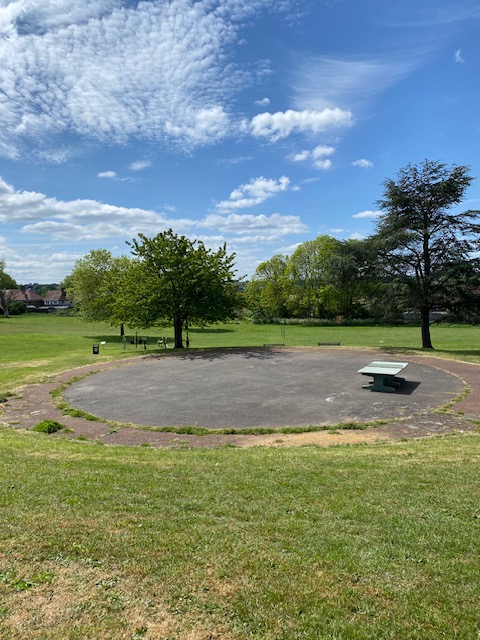
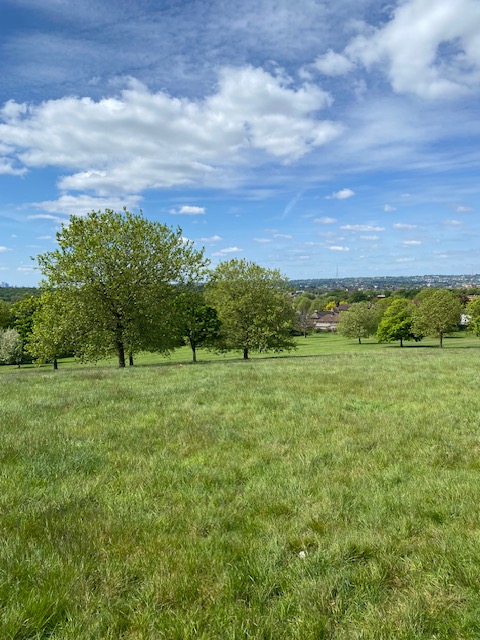
The first stop is to see Downham Fields, a large green park, on a steep hillside, with beautiful trees and far views over London. It is situated near the Downham Estate which was built between 1924-38 and both the estate and the park are named after Lord Downham, who had been Chairman of LCC in 1919-20. The main glory of this park is the abundance of lovely trees with willows and oaks, larches and limes. I did however notice a few trees had fallen, presumably from high winds – it didn’t look as if they’d been deliberately chopped down.

2. Green Man Community Hub bus stop
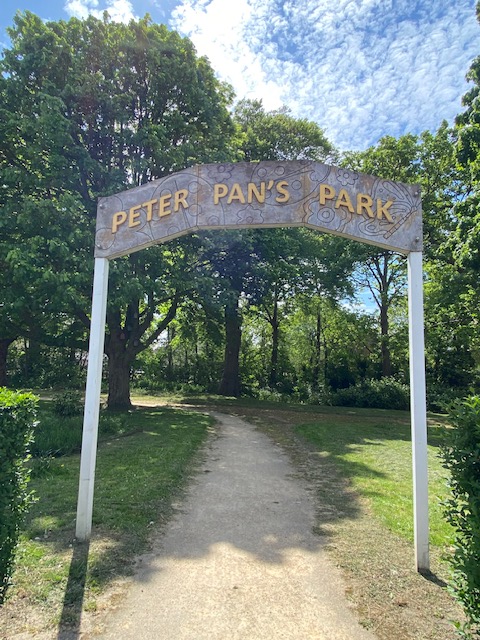
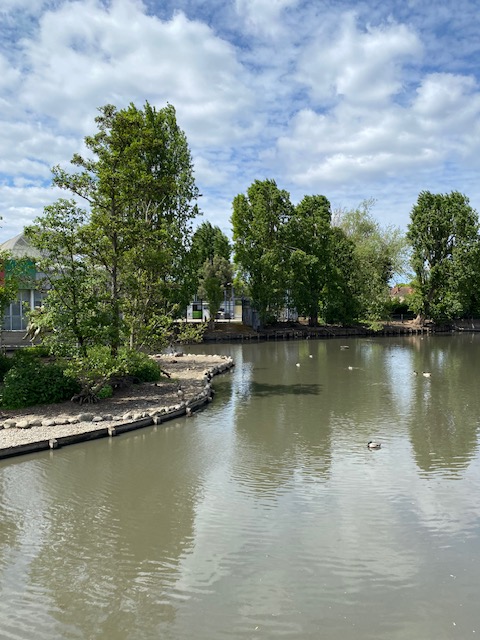
The bus stops almost outside Peter Pan’s Park with its similar preponderance of trees as Downham, although on a much smaller scale.
The Park was created on a neglected patch of land on the site of the former 1920s pleasure park Peter Pan’s Pool. The old site was the first public space in the world to be named after JM Barrie’s creation and had a boating lake, gardens, fun fair and sandpit. Now the trees are full of small bird houses and the river Ravensbourne skirts its edges.


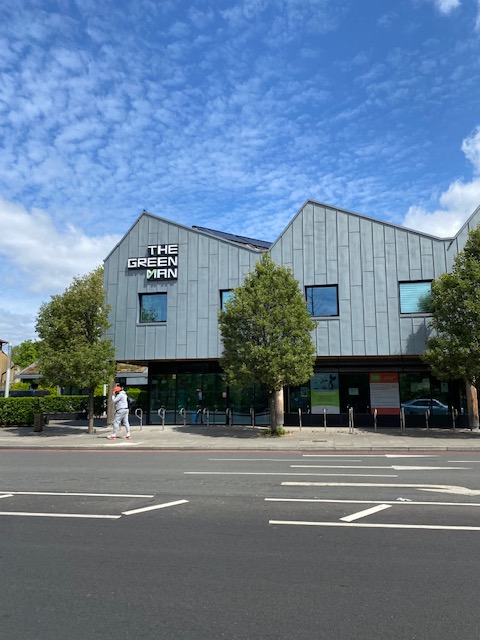
Just on the opposite side of the road are a couple of small ponds, now part of the Homebase DIY store but nevertheless, they are still home to wildlife. Over the road is the Green Man, which was built a hundred years or more ago and was rebuilt in 1935. This building was demolished in 2011 and has had another iteration, this time as the Green Man Community Centre.

3. The Catford Centre bus stop
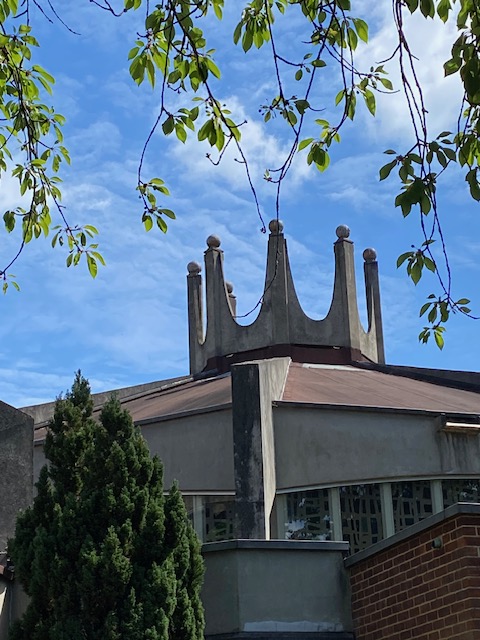
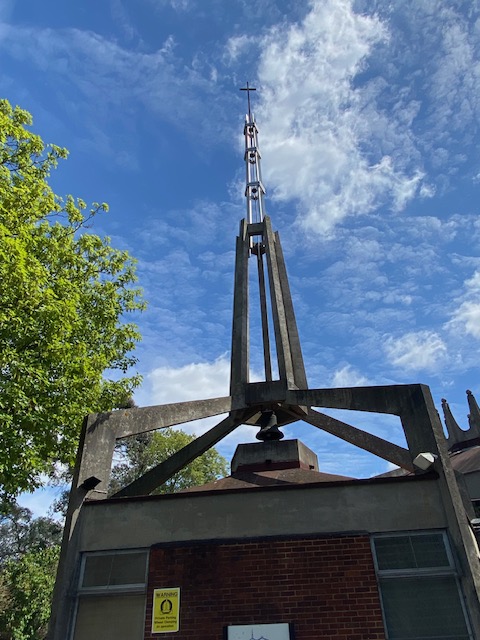
First find your way to St. Laurence Church, originally established in 1887. Although It was built to accommodate a growing population, it was demolished in 1968 and a new St. Laurence Church was built which is now known for its “space-age” architecture. Even if you’re unable to go inside, you can admire its polygonal roof and the tall slender spire which acts as a foil to the low, broad span of the main church.
Near the church is The Broadway Theatre, also seen on previous routes. Built in 1932, it started as an extension to the original gothic style town hall that has since been demolished and gives it a unique blend of architectural elements including art deco, Tudor and gothic revival.
Initially it was used for regular orchestral concerts and dances. At the start of WWII, the theatre auditorium floor was strengthened to be used as an air raid shelter. The building was also used as a telephone exchange and ration distribution centre.

Head over to the main street in Catford and you’ll see The Duke of Catford pub. Its previous name was the Ninth Life – referencing its location in Catford, presumably – and was reopened in 2024 with its new name. The front of the building has some dramatic murals that catch the eye when passing.
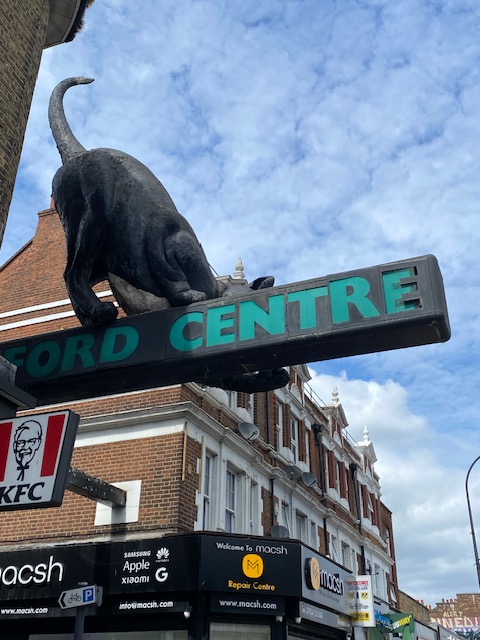
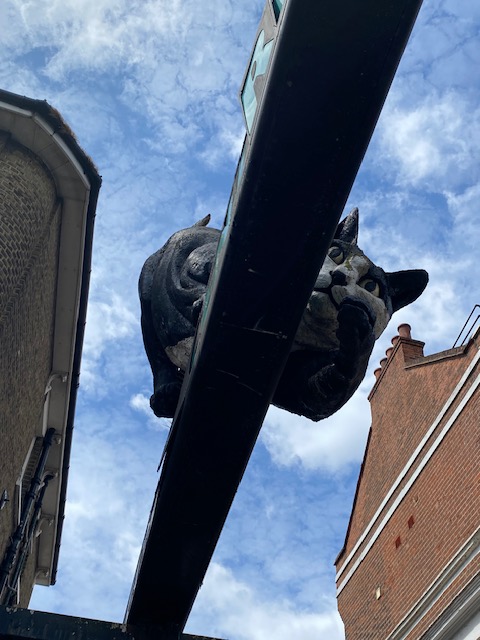
And so to the Cat of Catford. You’ll need to look up when you get to the Catford Shopping Centre and you’ll be amused to see the large statue of a black and white cat sitting on top of the sign for the Shopping Centre. The cat has become a popular local symbol and when Lewisham Council proposed to have it taken down, many Catford locals signed, and won, a petition for the sculpture to stay.

4. Lewisham College bus stop
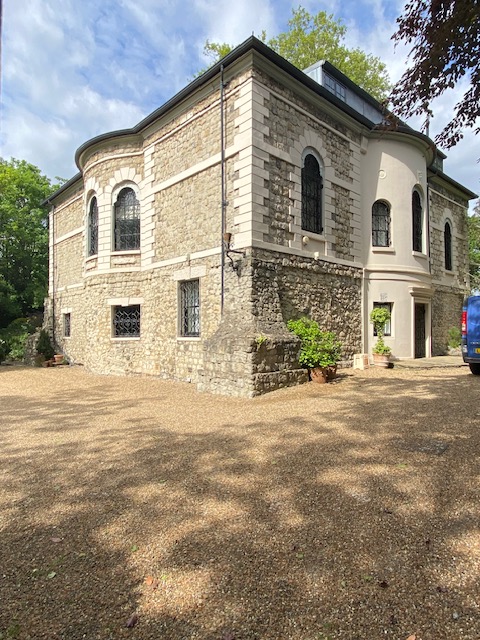
Almost opposite the bus stop is a magnificent grade II* listed building, known as the Stone House. It was built in the 1770s and is open to visitors during London Open House week in September each year. The building has such an idiosyncratic design that in the 19th century it was commonly known as the Comical House. From the street, you can see only two sides of the house. In fact, three sides have full height projecting bay windows. The architect was George Gibson Jnr who also designed St Mary’s Church, Lewisham with similar stone finish.

5. Amersham Road bus stop
This is the stop to find things around Goldsmiths College, part of the University of London, that has some rather lovely buildings. The main one that you can see from here is the grade II listed Richard Hoggart Building which was originally built in 1843 as a Royal Naval school. The Worshipful Company of Goldsmiths, one of the most powerful of London’s City Livery Companies, bought the site and buildings once the Naval School moved out in 1889 and created the Goldsmiths’ Technical and Recreative Institute in 1891. It’s now the main building on campus and is named after Richard Hoggart, one of the former wardens of Goldsmiths. Attached to this is the George Wood Theatre, a large open space which can seat up to 140. There are 6 studios of varying sizes and facilities that students can use for training in the different aspects of theatre and performance.


6. New Cross bus garage bus stop
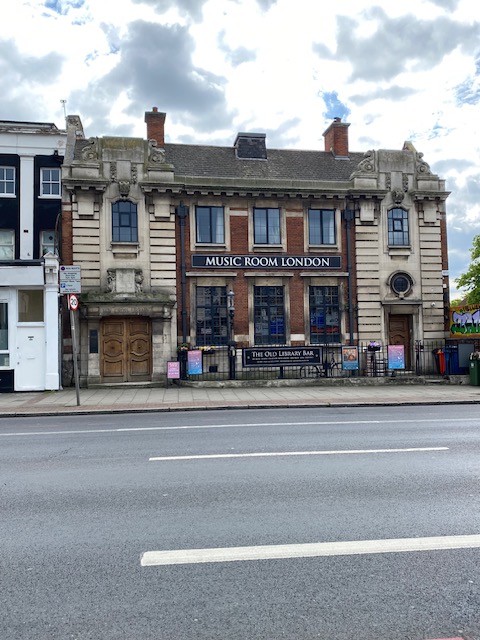
It’s a little walk but go towards the Music Room‘s Old Library Bar where you might recognise the building from the 2004 film Shaun of the Dead. The former library became base camp, housing make-up, wardrobe and catering for most of the five day’s shooting of the film, which took place locally at The Duke of Albany Pub – it’s known in the film as The Winchester Arms.
In fact, this building was the old New Cross Library at one time, one of several thanks to Andrew Carnegie’s benevolence. When it converted to the Music Room, 5 rehearsal studios were created.
And because of the connection with the film, walk round the corner to what was the Duke of Albany although now it has a sign saying it’s 39 Monsoon Road. On further investigation, it seems that the building has been converted to residential properties, but the fabric of the building remains intact.
Another 2 minutes’ walk from here is an interesting mural, inspired by the LGBTQ+ community. The themes of inclusivity are global and this is seen to be a piece of art that is hopefully meaningful to everyone. The large mural is on a flank wall belonging to Corner New Cross, a coffee shop and art gallery.
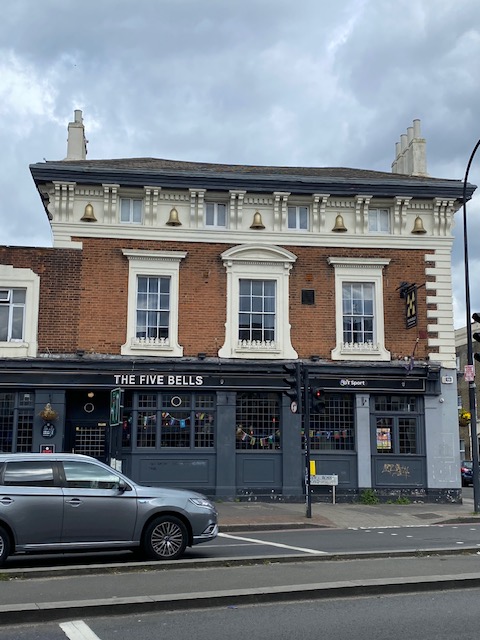
If you get the chance, pop in to see the Five Bells pub, not just for its 19th century architecture, built in the classic style, with its 5 bells nestling in the friezes above the pub. But also the fact that this is where Charles Dickens wrote “Our Mutual Friend”, when he was living in a building close by. He used the local area of New Cross as part of the setting of the novel.


7. Alsace Road bus stop
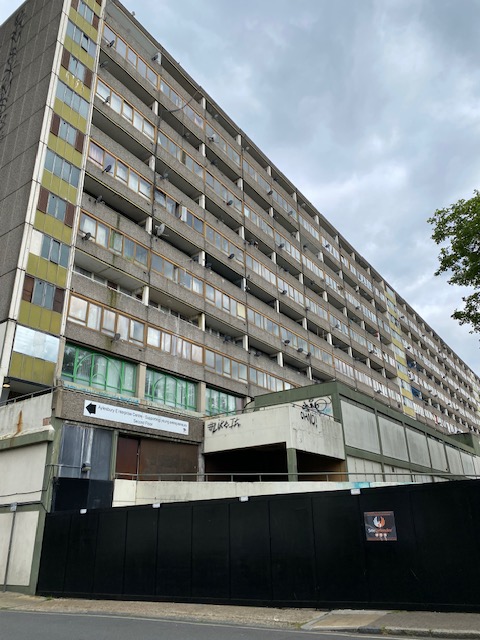
This stop is near the Aylesbury Estate, probably best known for being the location for Tony Blair’s first speech as Prime Minister in 1997. He chose it in an effort to demonstrate that the government would care for the poorest in society. It’s a large housing estate that was built between 1963 and 1977 and has around 2,700 homes. The estate has the reputation of being considered one of the most notorious in the UK and has been the focus of significant urban decay.
A few minutes’ walk away is the Una Marson Library. It’s named in honour of Una Marson, a poet, playwright, and the BBC’s first black radio producer. The library’s name was chosen by local residents to honour Southwark’s cultural heritage and Marson’s contributions as a Black activist, feminist, and broadcaster.


8. Hampton Street bus stop
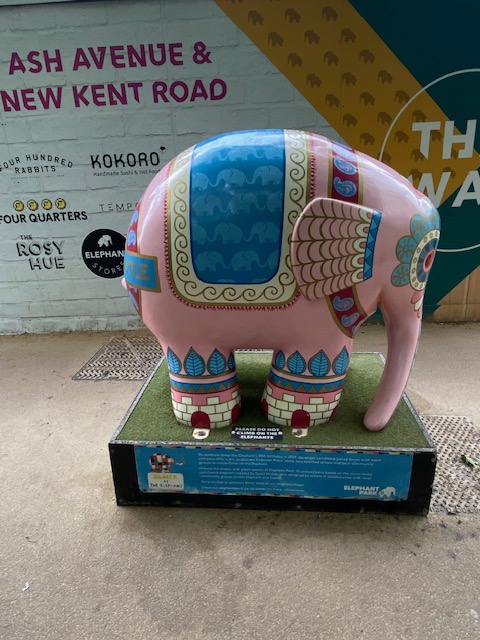
The final stop on this route is to see things around Elephant Park. As you’d expect, the main theme around the park is Elephants and especially for the youngsters, there’s an Elmer the Elephant trail. Ten statues are based on the patchwork elephant created by author David McKee, with the designs made by artists in collaboration with local community groups across Elephant and Castle. Also within the park are different sculptures by Ryan Gander in collaboration with London Bronze Casting, on the theme of Duckface Wolf Waffle Potter – if anyone knows the significance of these bronze statues, please let me know!


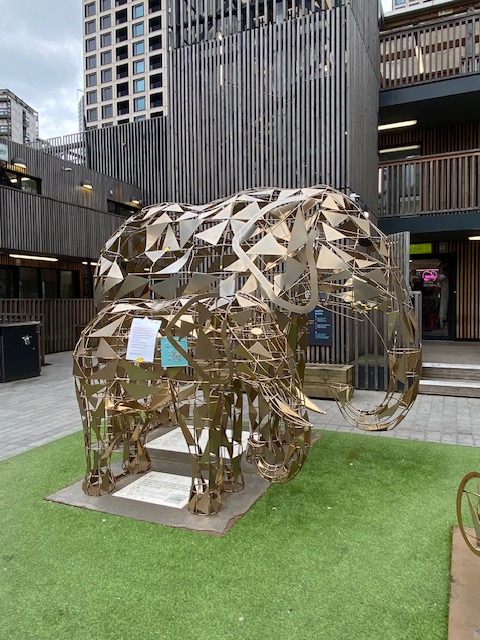
Set within Castle Square, also at Elephant and Castle, are some more elephant sculptures, these are almost life-size and are also made from bronze. Each one has a little tale to tell on the plinth that the elephant is standing on and the whole tells a story of an elephant journey from over the seas. The sculptures are also made by Ryan Gander and they stand in the square for passers-by to get up close and touch them though they are definitely not for climbing on.


There were some really interesting buildings along this route though frustratingly, not all of them were open. It was fun to revisit the Cat at Catford as well as the elephant sculptures in Elephant Park and Castle Square. There was plenty of green open spaces and trees to admire so all in all, it was a good route, albeit not a great one.
Toilets that are open to the public and free of charge:
- Grove Park station
- Catford Centre
- Five Bells pub
 london routemistress