
Streatham station to Holborn Drake Street
Highlights:
- Cinema Museum (when open)
- Old Operating Theatre Museum
- Hunterian Museum
1. Streatham station bus stop
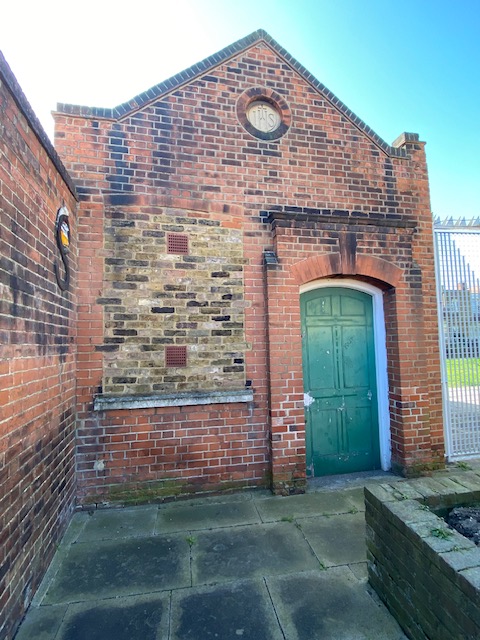
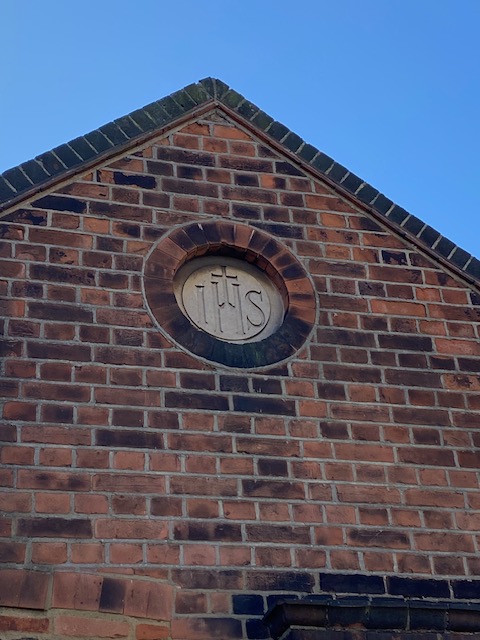
I went looking for the Thrale Almhouses in Polworth Road but they no longer exist. However, there is an interesting brick construction with a door set inside and a plaque above with the initials IHS. This could have been part of the original almhouses buildings complex. Walking back to the start of the bus route, you’ll pass Streatham United Reform Church, a grade II listed building, built in 1900 by James Cubitt, in modified Gothic style. As with many churches these days, the door isn’t always open. But the exterior is pretty impressive with its fancy brick detailing on the tower.

2. Brixton Station bus stop
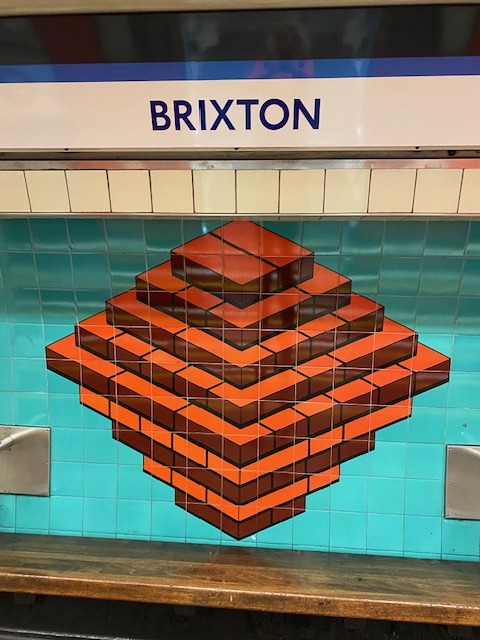
Brixton station is also on bus route 118 where reference is made to the 3 murals at the top of the stairs at Brixton station itself, all painted by Claudette Johnson. Venture down to the platform level at the station and you’ll see tiled murals in each of the seat recesses – the work is by Hans Unger and is meant as a pun on the station name, suggesting a “ton of bricks”.


Round the corner from the station is Pop Brixton. It was founded as a “Meanwhile” project in partnership with Lambeth Council and is on the site of a disused ice-rink. The “Meanwhile Foundation” enables projects that turn costs involved in leaving properties empty, into opportunities to create social and economic value. Pop Brixton was created from 55 containers and is internationally recognised for its social impact. If you fancy going, you need to wait till 12 midday when it opens.
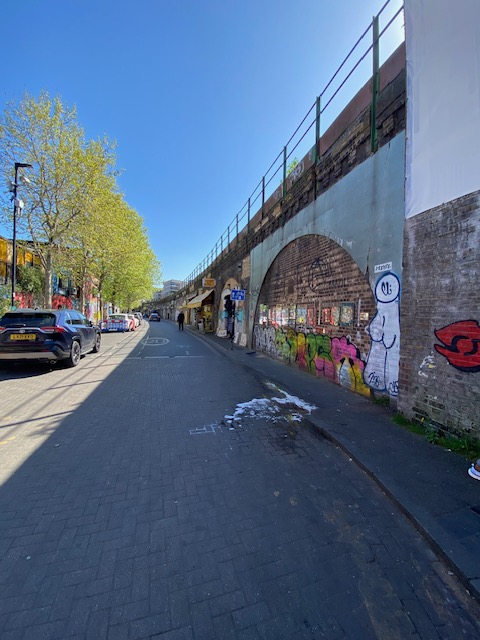
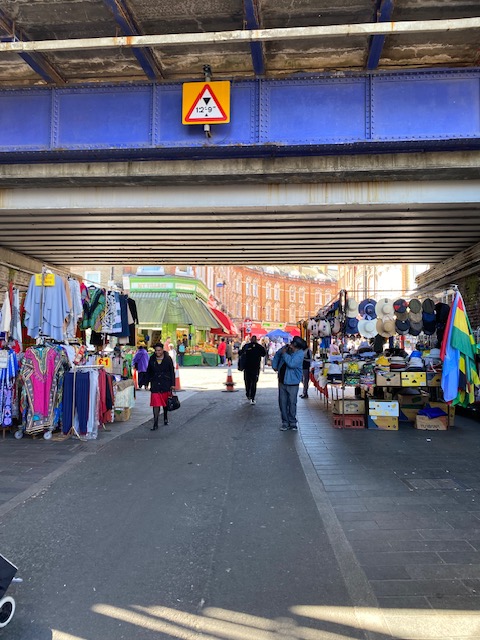
Directly opposite Pop are shops set in the arches under the railway bridge. See also some street art by Thierry Jaspart with his J’Existe signature and Brixton market, all in the same strip of Brixton Station Road.


3. St Mark’s Church bus stop
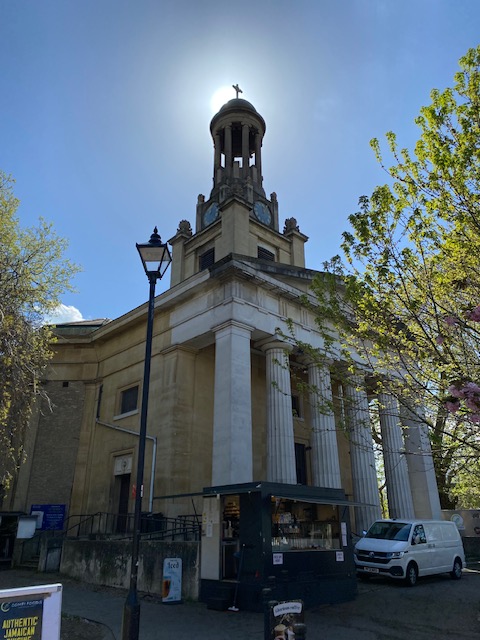
The bus stops right by St Mark’s Church and although it’s not always open, it’s quite a sight even from the outside, and has plenty of history. It was opened in 1824 and its walls and gate piers are grade II* listed. It was badly bombed during WWII and was restored mainly thanks to the efforts of the post-war vicar, eventually reopening in 1949. St Mark’s was known as a Waterloo Church, being paid for by the government in gratitude for the defeat of Napoleon.
Before the church was here, the site was part of Kennington Common and for 6 months of the year, it was grazing ground for sheep and cattle. It was even the site of a gallows up until 1799 – in fact, in 1746, 21 members of the Jacobite Rebellion who had been captured at Culloden Moor, were executed here.


Opposite the church is Touchstone, a two part sculpture commissioned by TfL. It’s carved from two Bavarian granite boulders chosen for their natural form. The work is the creation of British sculptor Peter Randall-Page. Next to this is the Kennington Monument, a tall pillar with a gold ball on the top. There is no signage to say why it was erected here and it has the letters of Kennington written down the side of the column.


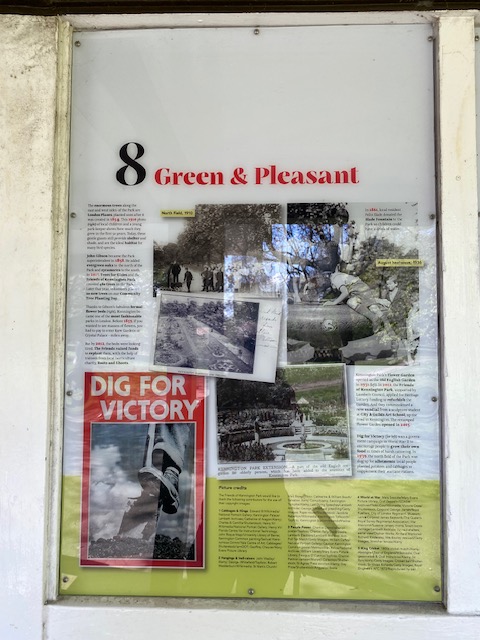
Next, find your way into Kennington Park which is also on bus routes 3 and 59. First you’ll see the Kennington Park History Hut, which has plenty of local information to keep you busy for a while. There’s a history panel, telling of the gift from King Edward III to his son the Black Prince of a manor that he later converted into a palace. The other panels continue on the history theme, including the various hangings and demonstrations in the park. The two wars get a mention, with one of the first WWI bombs dropping in one of the fields. Then of course, there’s the cricket with the earliest recorded match played here in 1724 and the Oval ground is but a stone’s throw away. Reference to Vincent van Gogh who lived near and enjoyed walking through the park and Charlie Chaplin who was born in Kennington in 1899.
Another panel tells us that before 1840, there were no public parks in Britain and that Kennington Park was the first one in south London when it opened in 1854. It was suitable for promenading and in 1861, a gymnasium opened. Finally, there is a panel dedicated to the green and pleasant park, explaining about the different trees that have been planted.


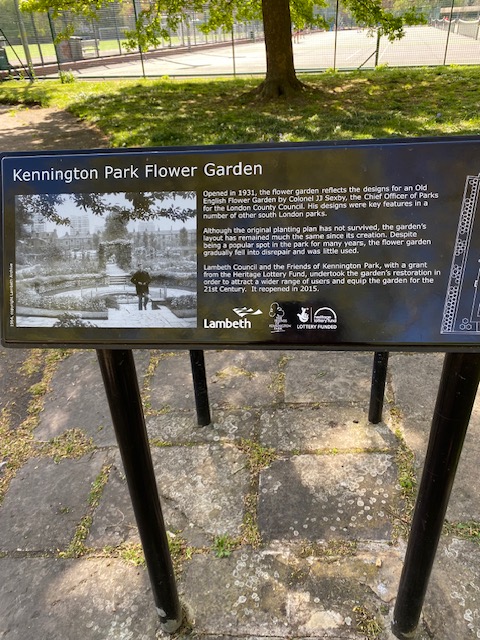
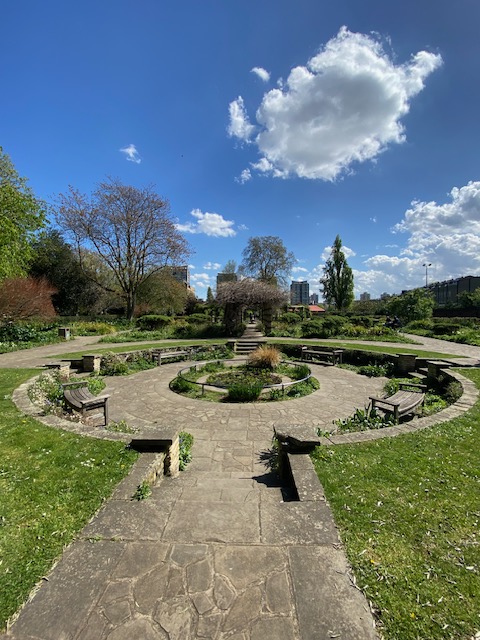
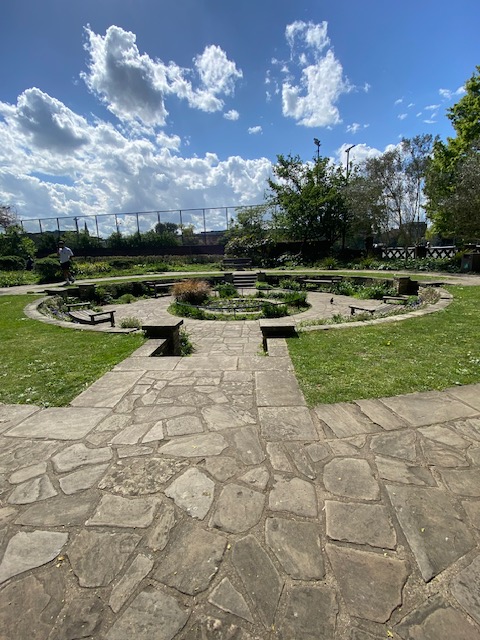
Which leads on to the English Flower Garden which opened in 1931. Today’s layout is much the same as the original although the planting plan itself hasn’t survived. Over the years, the Flower Garden became overgrown and neglected and in 2012 the Friends of Kennington Park started a fundraising process that saw the Flower Garden being restored and re-planted, a new sundial was erected and a water feature added, opening in July 2015.
4. Kennington Road bus stop
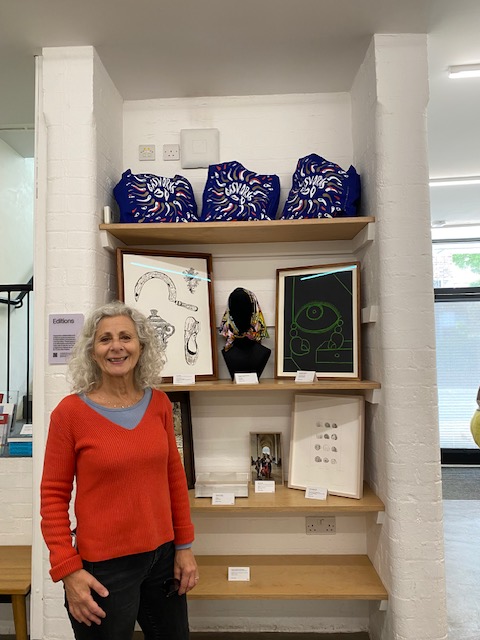
A few minutes’ walk from the stop is the Gasworks, a contemporary arts gallery close to the Oval cricket ground. Gasworks is part of the Triangle Network, a global network of artists and visual arts organisations. Each of their partners is independent and develops activities that respond directly to the local needs and aspirations of artists and their audiences. So Gasworks in south London commissions and produces exhibitions by emerging and underrepresented artists, and host residencies that enable global artists to research and develop new work. The latest exhibition (April to June 2025) is called “throwers” and is by south African artist Nolan Oswald Dennis. This will include large-scale murals, intricate diagrams, and a 3D-printed installation.
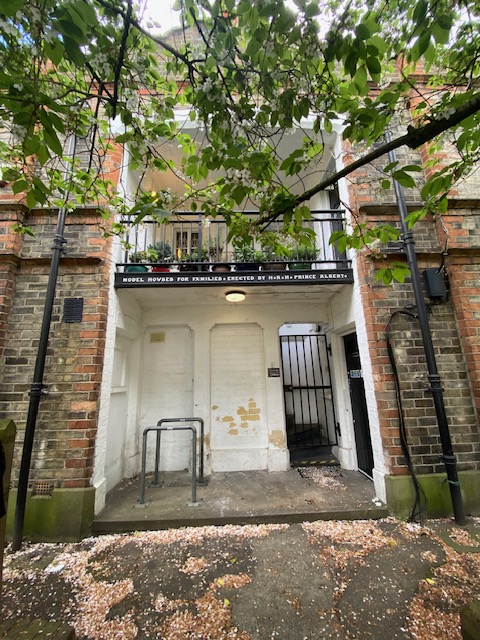
On the way back to the bus stop, you will find yourself at a different entrance to Kennington Park. You’ll see in front of you The Trees for Cities, a charity whose aim is to improve lives by planting trees in cities. They are committed to working with local communities to cultivate lasting change in their neighbourhoods. The building that houses the charity within the park states over one of the entrances “Model Houses for Families Erected by HRH Prince Albert”. This 2-storey structure was actually one of what has become known as Prince Albert’s Model Cottages and was built for display at the 1851 Great Exhibition in Hyde Park.

5. Newington Butts bus stop
The cinema museum is close to the stop but it’s open only for tours on special days, so you’d need to check the website before planning a visit. However, the building itself is worthy of note as it was once a workhouse where Charlie Chaplin lived as a child. The workhouse’s former master’s house and chapel are now the site for the Cinema Museum which is a grade II listed building. The museum celebrates all aspects of cinema , from silent films shown in exactly the correct gauge and at the right speed using specially adapted projectors, to screenings of modern television culture.
Round the corner from the museum is Osborne Water Tower House. It was rescued from dereliction around 2010 and has had a major transformation, being converted into a luxury home of 4,500 sq. ft. The tower was originally built in 1867 to provide a 30,000-gallon water supply for the nearby Lambeth Workhouse where more than 800 destitute families were once housed and where seven-year-old Charlie Chaplin lived with his impoverished mother (see above).


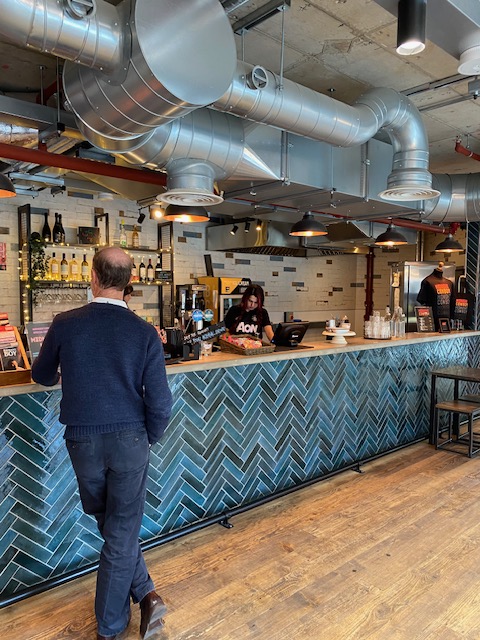
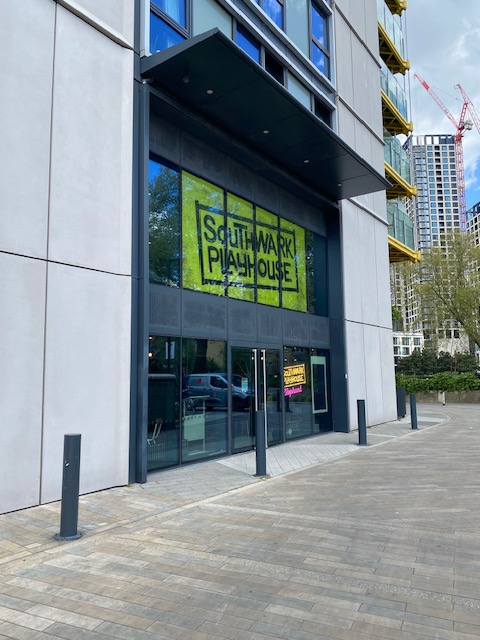
Also at this stop is Southwark Playhouse Elephant, one of a pair of playhouses in the area that was founded in 1993. The founders leased a disused workshop, in a then comparatively neglected part of Southwark, to serve as a place to showcase new productions by emerging theatre artists, as well as being a resource for the local community. These days, it’s considered one of London’s leading theatres, curating a programme of world class theatre.

6. Elephant and Castle/Newington Causeway bus stop
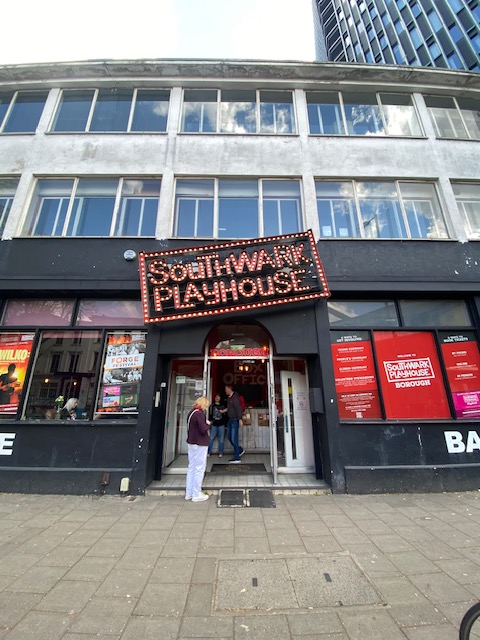
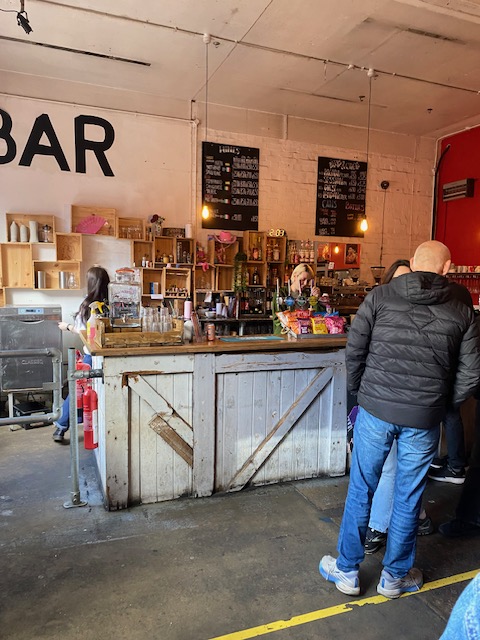
At this stop, you’ll find the other local theatre, Southwark Theatre Borough. The history of the theatre is the same as that in Elephant. They produce a diverse programme of productions throughout the year, telling entertaining stories from an array of voices. They also run a year-round participation programme, to develop and provide theatre-making activities for the young and old alike, offering opportunities to the local community to explore their creativity and build confidence.
Along the road from here is Inner London Crown Court, a magnificent-looking building but isn’t open to the general public. The first building on the site opened as the Surrey County Sessions House in 1791. It sat alongside Horsemonger Lane Gaol so that convicted criminals could easily go from one building to the other. In 1889, London County Council decided that Sessions House wasn’t big enough and set out extending it in the classical style, with it being completed in 1921. The building was designated as a Crown Court venue in 1971 and was extended in 1974 to provide 10 courts for use on the South Eastern Circuit.

7. Union Street bus stop
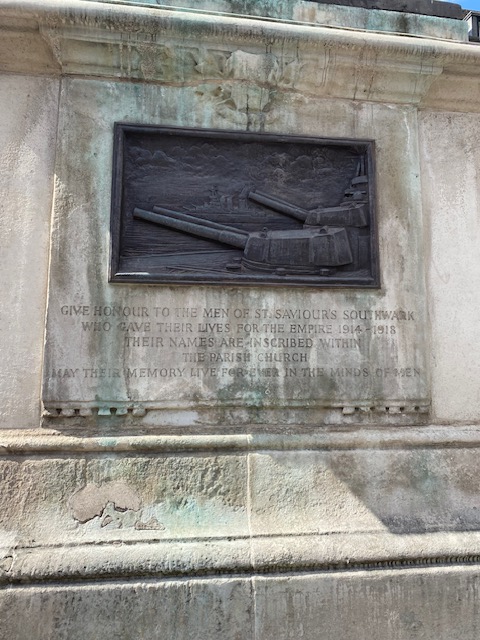
The first thing you’ll notice as you walk from the stop is the St Saviours Southwark War Memorial, represented by a crouched infantryman in battledress with slung rifle, advancing through mud. The plinth bears bronze reliefs, one of which is a naval scene.
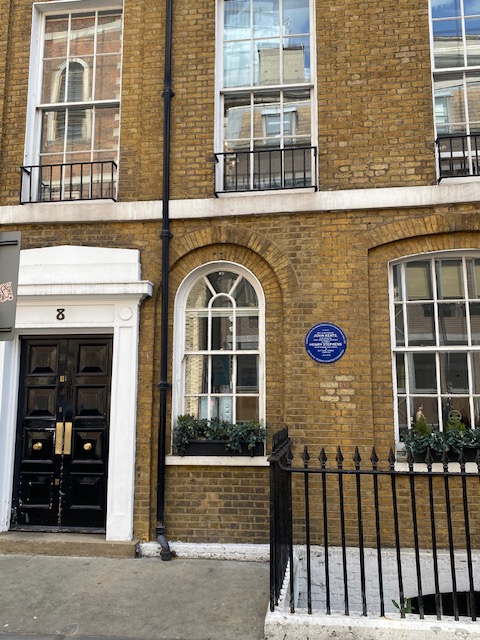
At 8 St. Thomas Street, is a terrace house that was owned by a tallow chandler named Markham, who let out rooms as study-bedrooms, with a communal sitting room, for students at Guy’s Hospital, with its main gates just down the road. The poet John Keats moved in as a lodger soon after he began studying at Guy’s in October 1815. He invited two fellow students, Henry Stephens and George Wilson Mackereth, to move in with him. Stephens wrote that Keats “was always at the window [of their sitting room], peering into space, so that the window-seat was spoken of by his comrades as Keats’s place”. The blue plaque on the wall outside commemorates Keats and Stephens sharing lodgings there while studying at the hospital.


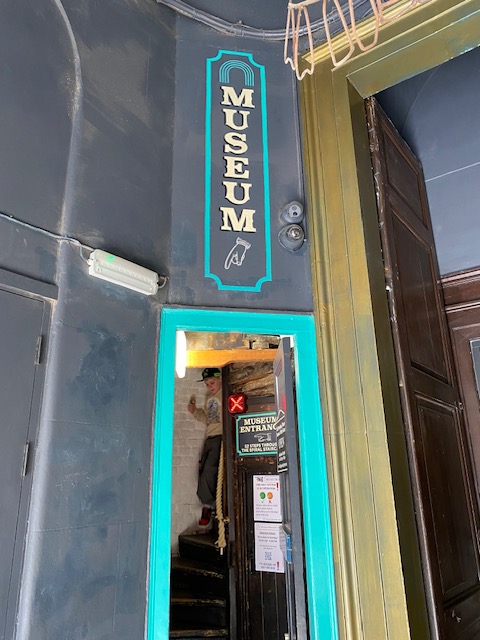
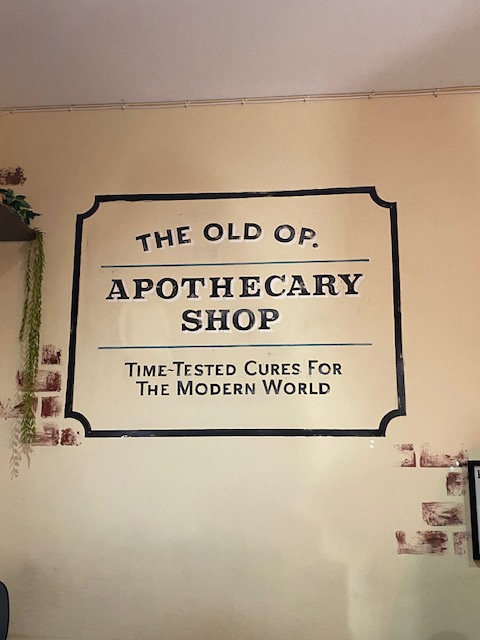
Head now towards the Old Operating Theatre Museum and Herb Garret but venture only if you’re fit and slim! The very narrow spiral staircase has 52 steps and is actually in the attic space of a 320-year-old church. The museum offers a unique insight into the history of medicine and surgery. The original timber-framed Herb Garret was once used to dry and store herbs for patients’ medicines, and in 1822, an operating theatre was installed. Once used for operations that pre-dated anaesthetics and antiseptics, it is the oldest surviving surgical theatre in Europe for female patients. There is an entrance fee and it’s only open Thursday to Sunday.

8. Brownlow Street bus stop
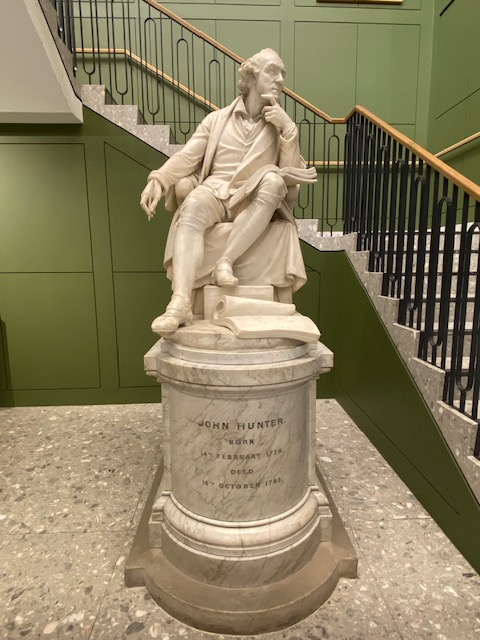
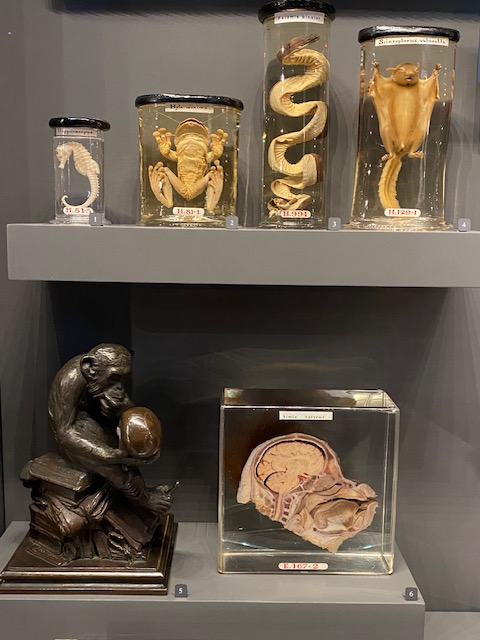
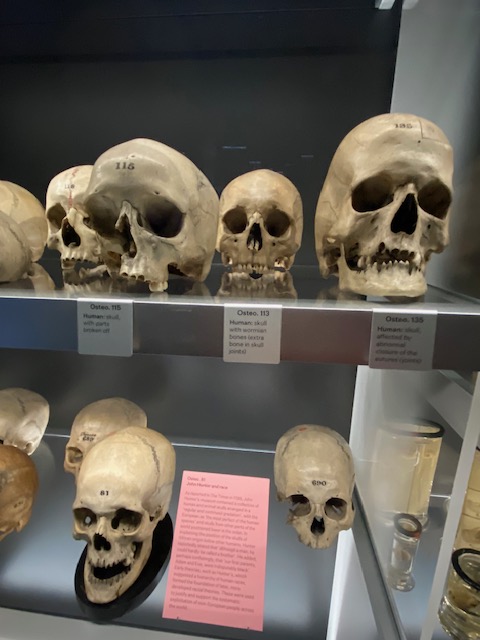
Final stop on this route is to visit the Hunterian Museum, something of a gem, tucked away as it is in the Royal College of Surgeons. Step inside and you’ll see a marble bust of the eponymous John Hunter, an 18th century surgeon and anatomist. The museum includes the display of over 2,000 anatomical preparations from Hunter’s original collection so do come with a strong stomach. There are exhibits of instruments, equipment, models, paintings and archive material, tracing the history of surgery from ancient times to the latest robot-assisted operations. It’s free entry and it’s well worth a visit.



At first I thought it was going to be rather a dull route but I was pleasantly surprised with some of the places visited. The start of the 133 had been seen before on other routes but as the bus wound its way north, there were some very interesting places. St Mark’s Church had a series of plaques explaining some fascinating local history and I loved the building that is now the Cinema Museum as well as the newly-converted Water Tower. The two museums, both with medical history, are definitely worth seeing and merit a return journey. All in all, a good route and not a disappointment.
Toilets that are open to the public and free of charge:
- Gasworks
- Southwark Playhouse – both Elephant and Borough
- Hunterian Museum
 london routemistress
