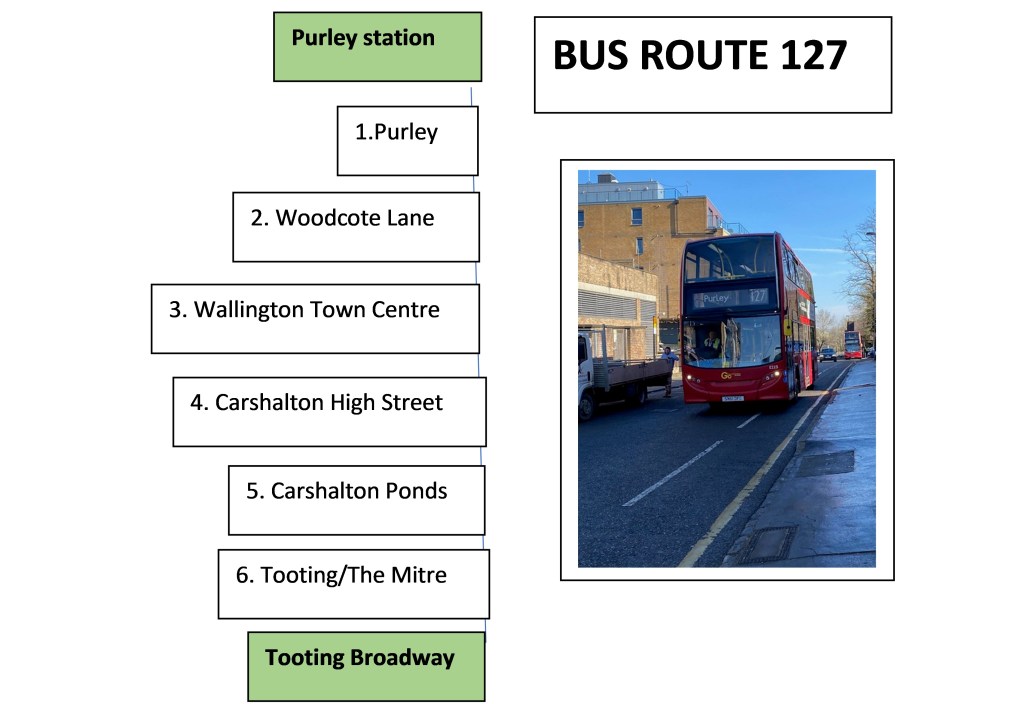
Purley to Tooting Broadway
Highlights:
- Promenade de Verdun and Rose Walk
- Carshalton Ponds
- Honeywood Museum
1. Start of route
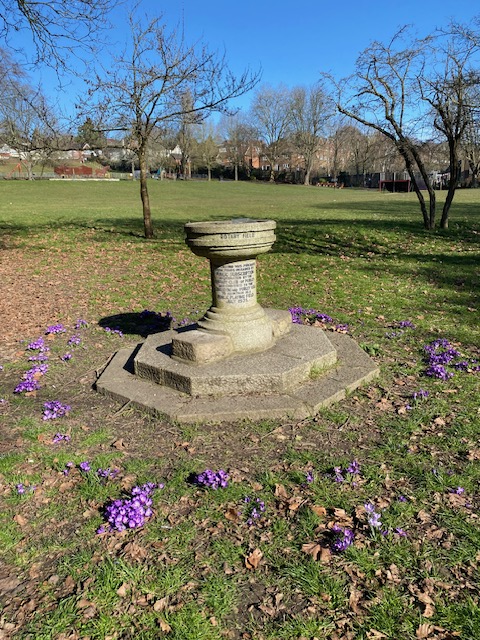
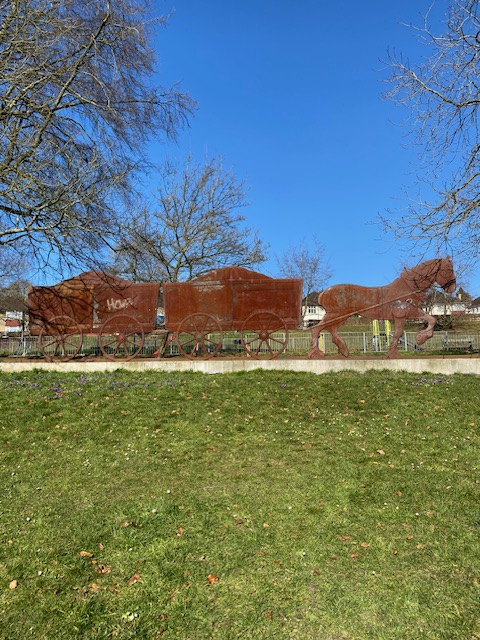
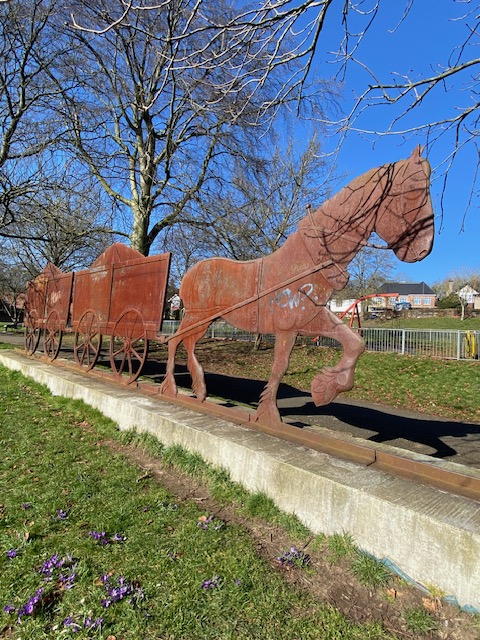
Before getting on the bus at Purley station, walk round to Rotary Field. It was given to the people of Purley by the Purley Rotary Club (hence its name) in 1925. During the first half of the 19th century the “Worlds First Railway Line” ran through the ground. The Surrey Iron Railway was the first public railway in the world, and its line was intended as an iron way worked by members of the public using their own horses and wagons on payment of tolls, in a similar way to the canal system that had served the public in the past. Parts of the old railway, which was eventually abandoned in 1846, can still be seen in Rotary Field. There is a cast iron sculpture of a horse drawing two carriages in one part of the field as well as a water fountain donated by the Rotary Club of Purley.
2. Woodcote Lane bus stop
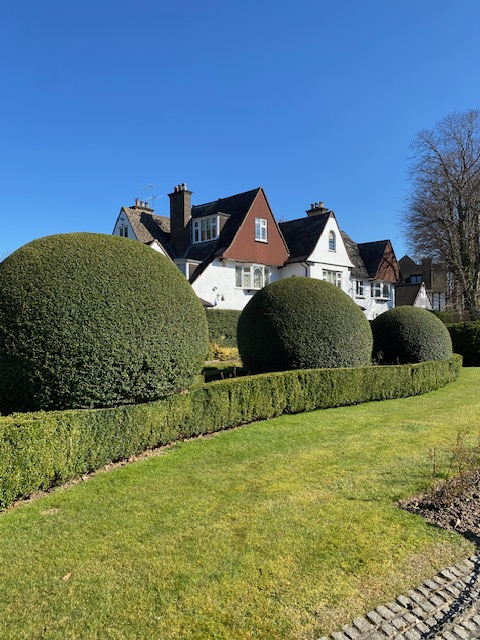
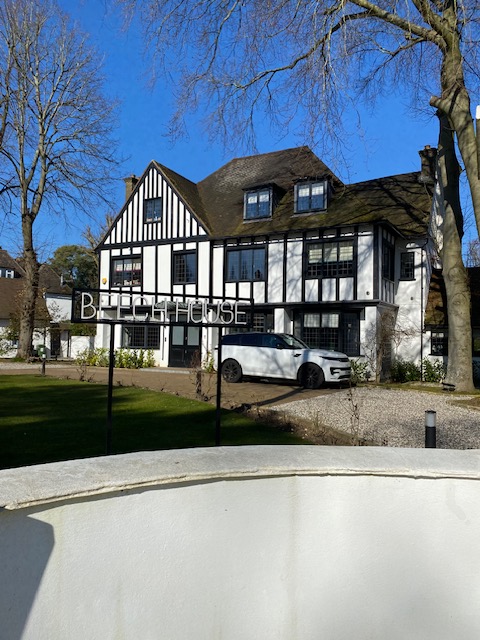
Just a few minutes’ walk from the bus stop is Promenade de Verdun, a lovely tree-lined avenue in Wallington. The trees are Lombardy Poplars that had been planted in memory of “The brave soldiers of France who fell in the Great War”, The earth came from the neighbourhood of Armentieres so that each tree could grow in a combination of French and British soil. The trees are still bare, being early March, so it might be worth revisiting later in the spring/summer when the leaves have grown, Round the corner from here is Rose Walk, a gated private road part of the Webb Estate, and which is known for the 6,000 roses planted at its inception, earning it the name and a reputation as a prestigious location. Each house is more lavish and beautiful than the next so it’s a joy just to wander up and down and admire them.

3. Wallington Town Centre bus stop
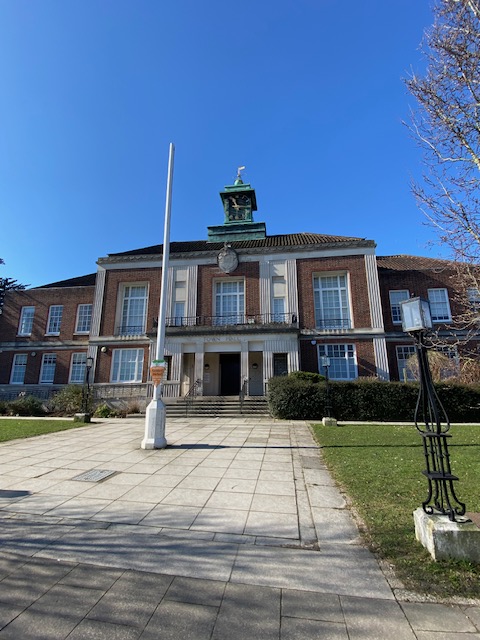
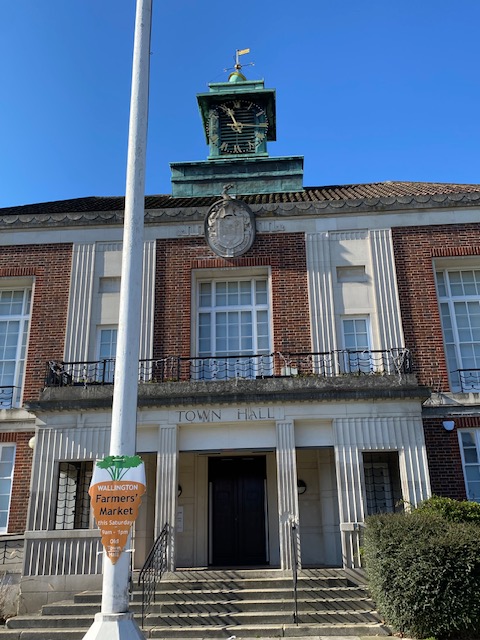
More or less at the stop is Wallington Town Hall, a grade II listed building which was originally called “Sunny Bank”. Built in the Georgian style, it was officially opened in 1934. The design involved a symmetrical main frontage with eleven bays facing onto the main Woodcote Road. Above the central portico is the borough coat of arms carved by the sculptor, Eric Aumonier. Above this is an impressive copper-clad clock tower with a weather vane at roof level. Having served as the town hall for many years, in 2005, it became part of Sutton College.
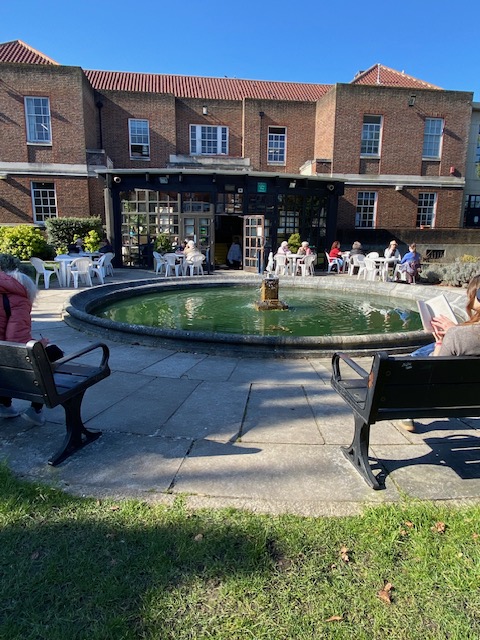
Round the back of the town hall is the library with a café in a very pretty setting. There is a conservatory feel about the place and a definite calm as you sit surrounding a pond in the centre. As the weather was warm, it was a pleasure to see people sitting outside for their mid-morning cup of tea.
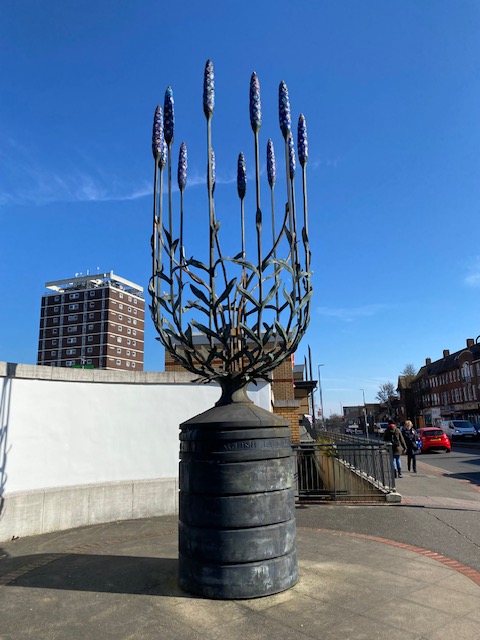
A few minutes’ walk from here is an interesting lavender sculpture. Until WWI, Wallington had been an important centre for the production of lavender oil. Lavender and herb growing were very prominent and lucrative in the area in Victorian times and much earlier. This sculpture called “English Lavender” was created by sculptor Guy Portelli.
4. Carshalton High Street bus stop
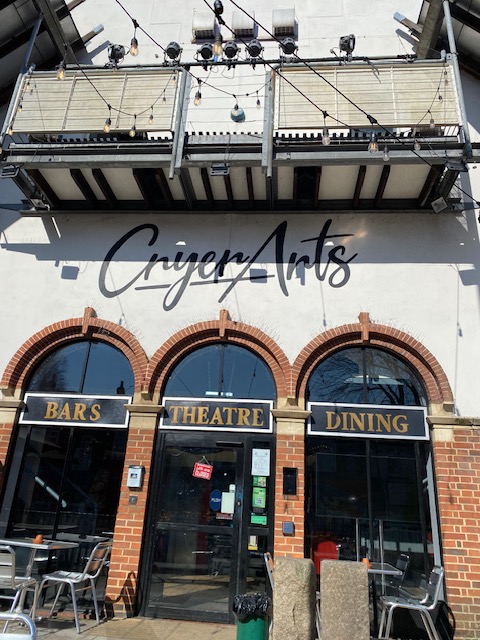
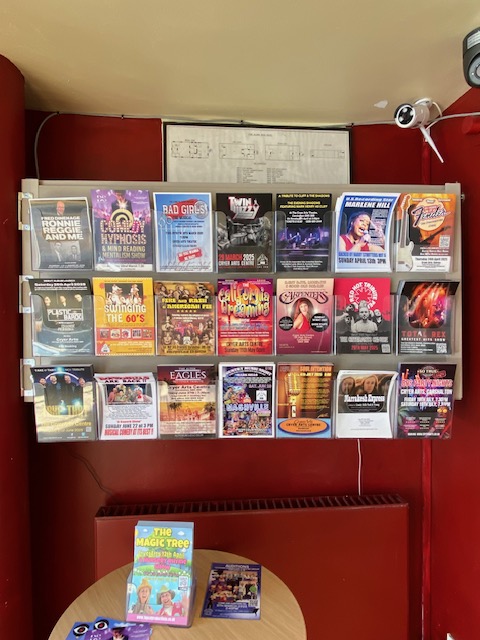
Opposite the bus stop is the Charles Cryer Arts Centre. The centre is housed in a building which was built as a public hall in 1874 for the village of Carshalton. Before becoming a theatre, it had been used as a roller skating rink and a cinema. It was opened as the Arts Centre/Theatre in 1991, after extensive renovations, both inside and out. There is a lovely restaurant downstairs and the small auditorium is upstairs, where they put on a range of events, including music, film and theatre. It’s got a great atmosphere and is a great local resource.
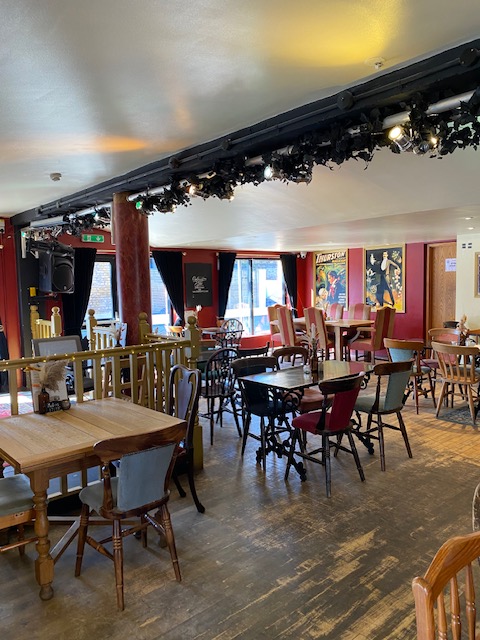
5. Carshalton Ponds bus stop
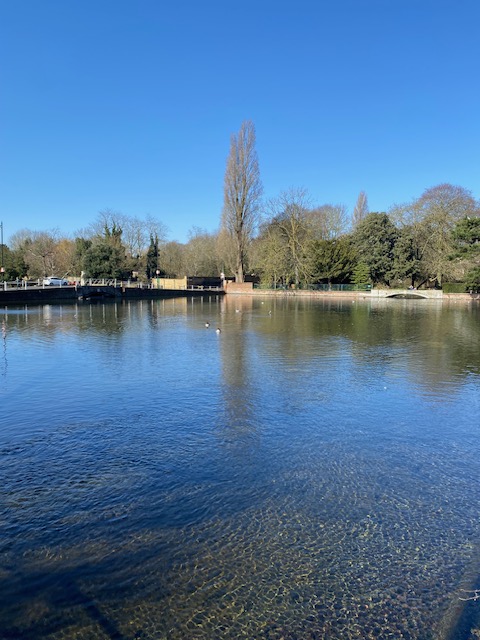
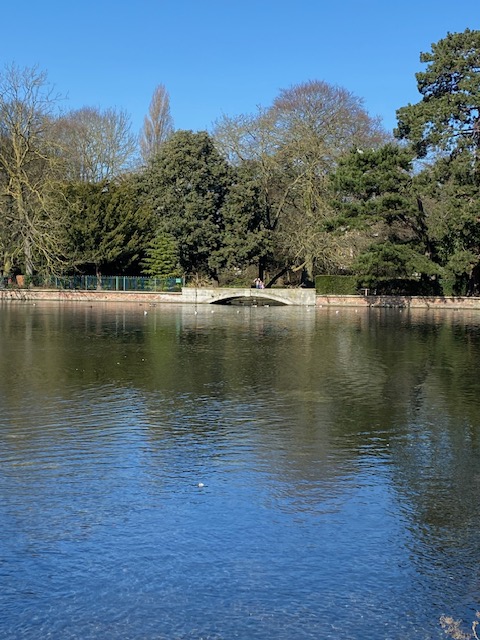
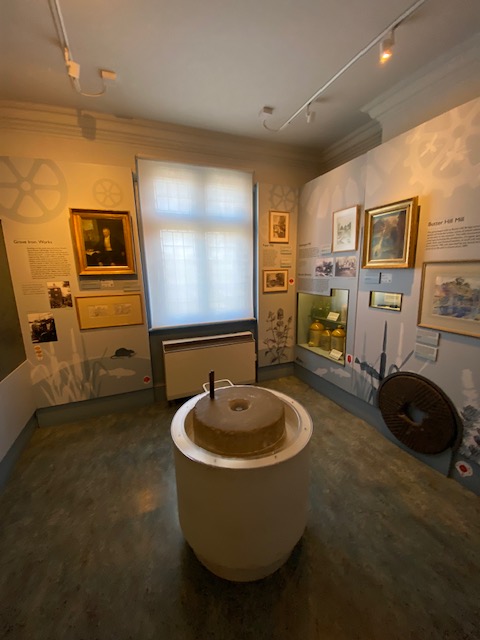
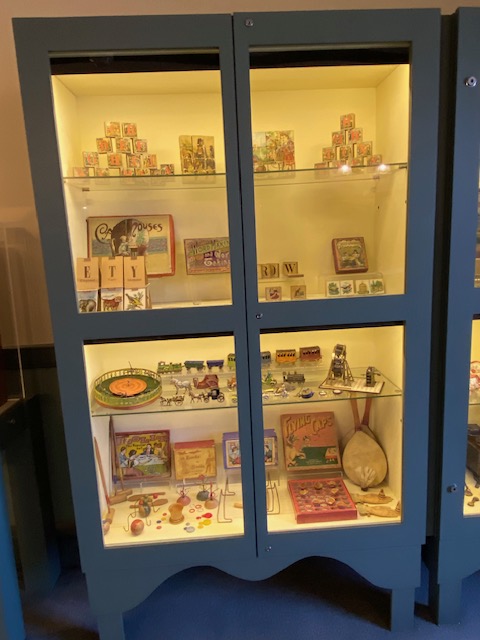
There are two Carshalton ponds – East and West – and on the side of one is Honeywood Lodge, which houses a fascinating museum. The ponds date back centuries, and were once a single pond. It was divided into two pools in the 15th century – one for the public and one private, and were also the source of power for the Upper Mill that ground corn for Carshalton.
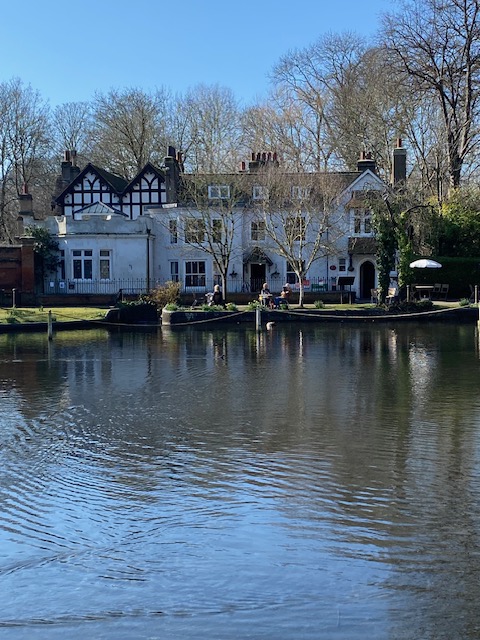
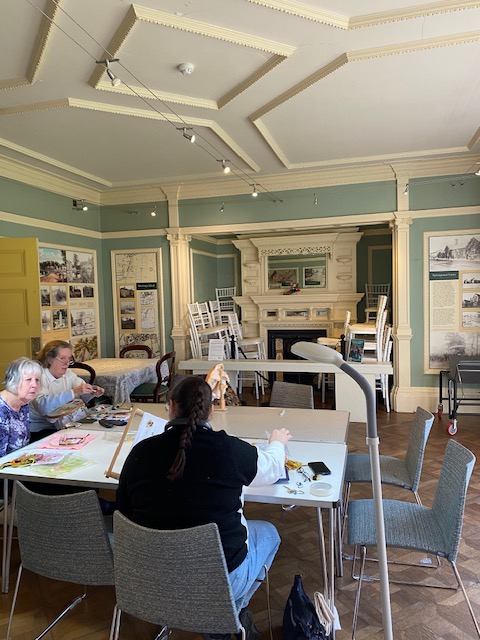
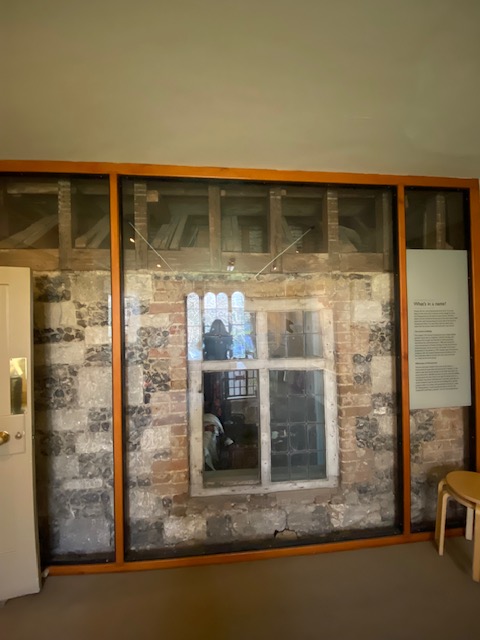
The front of the grade II listed Honeywood Museum mostly dates from the 19th/early 20th centuries but behind the façade there is a 17th century flint and chalk chequer building. The first known occupant of the house was George Otway in 1749, a Southwark cheesemonger who had presumably made enough money to acquire an out of town house. There followed a succession of tenants, the most prominent of whom was William Hale White, a civil servant who later became a significant writer.
It was in September 1878 that John Pattinson Kirk and his wife Leah became tenants of Wandle cottage and transformed it into the Honeywood that is seen today. At that time he was working for Marion and Co., the largest photographic retailers in Europe. After becoming their managing partner, he had enough money to improve the house.
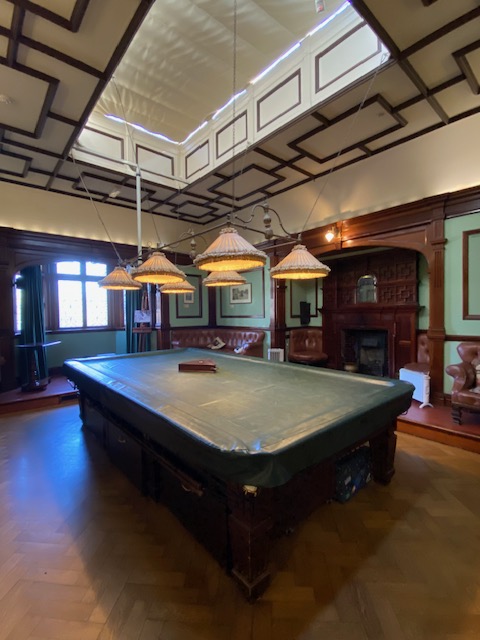
In 1902/3 Kirk made a number of additions to the house. These included a billiard room, drawing room, photographic dark room, wine store and toilet on the ground floor with two bedrooms and a large nursery above. All the rooms are intact to this day and it’s definitely worth a visit to see this gem. The billiards room has built-in raised seating, a table and scoreboard and a Jacobean style fireplace. The drawing room opens to the garden through French doors and has a seat in a window niche above the stream from the garden.
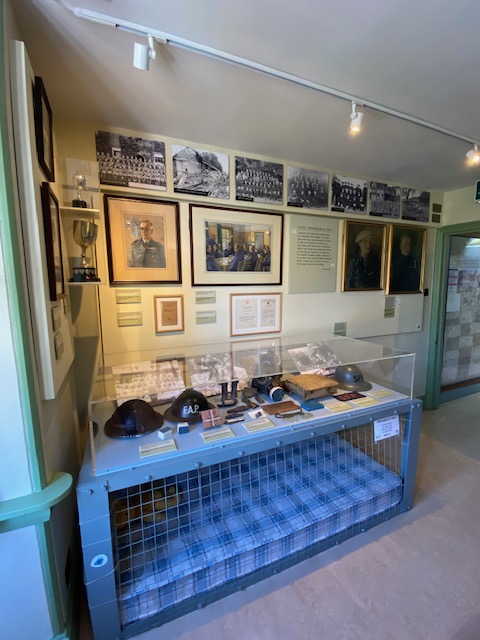
By the 1930s Carshalton and the surrounding area were becoming suburbanised. The local Council was anxious to preserve the area around the Ponds and bought Honeywood at the beginning of WWII. The house was allocated to the air raid precautions service to be used as a training and recreation centre for the wardens and as a store for their equipment. By the 1980s, the building was in a poor state and infested with dry rot. The Council decided to use the house as a heritage centre for the borough, not least because of its attractive pond side location and its obvious historic interest. And this is what you see today in all its glory.
6. Tooting/The Mitre bus stop
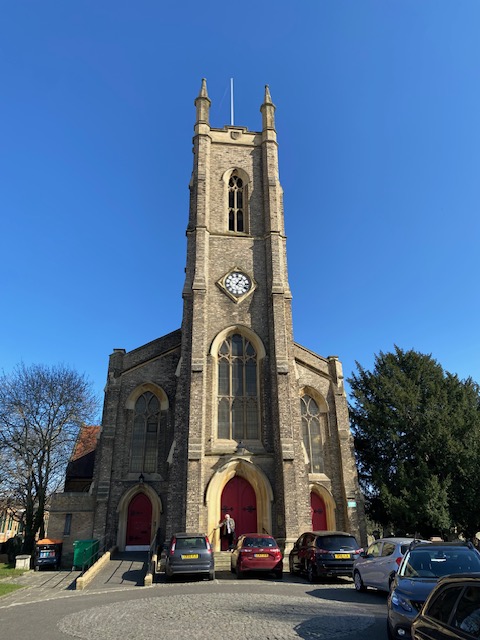
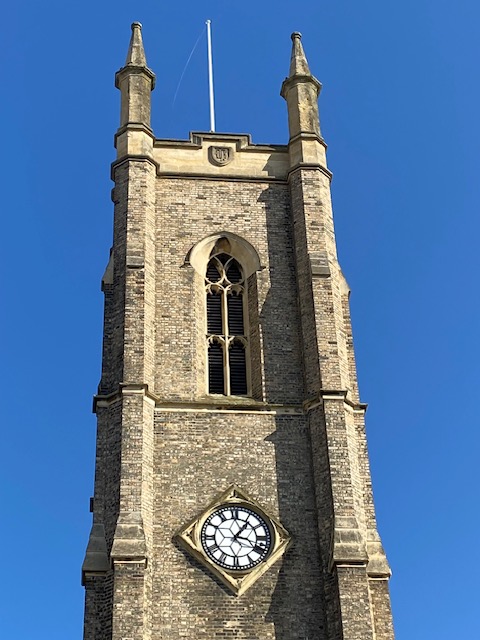
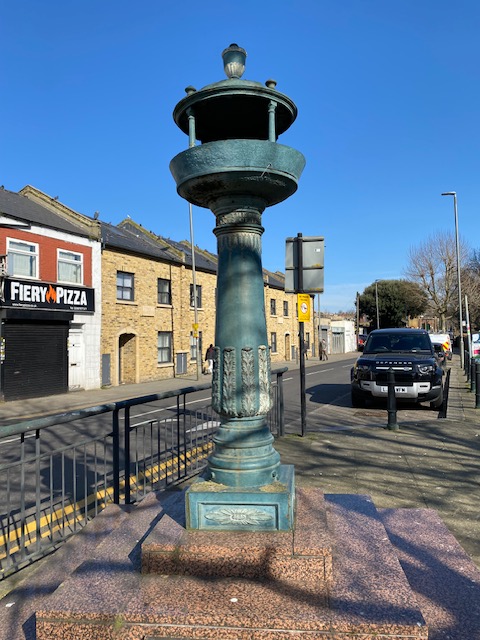
The final stop on this route has been visited on a previous route (77) with its St Nicholas Church and the parish pump. Read the blog entry to find out the history of both. Here are some photos as reminders.
It was good to be back on the bus after a few weeks’ interlude and the number 127 was a pretty good one. It certainly helped that the weather was clement as can be seen in the blue sky of the photos. I loved the fact that there is a road named after a French town and without a doubt, the icing on the cake on this route was the Honeywood Museum. Not only is it free and very interesting, the volunteer staff who work there are especially friendly and knowledgeable about the history of the house.
Toilets that are free and open to the public:
- Wallington Library café
- Cryer Arts Centre
- Honeywood Museum
 london routemistress