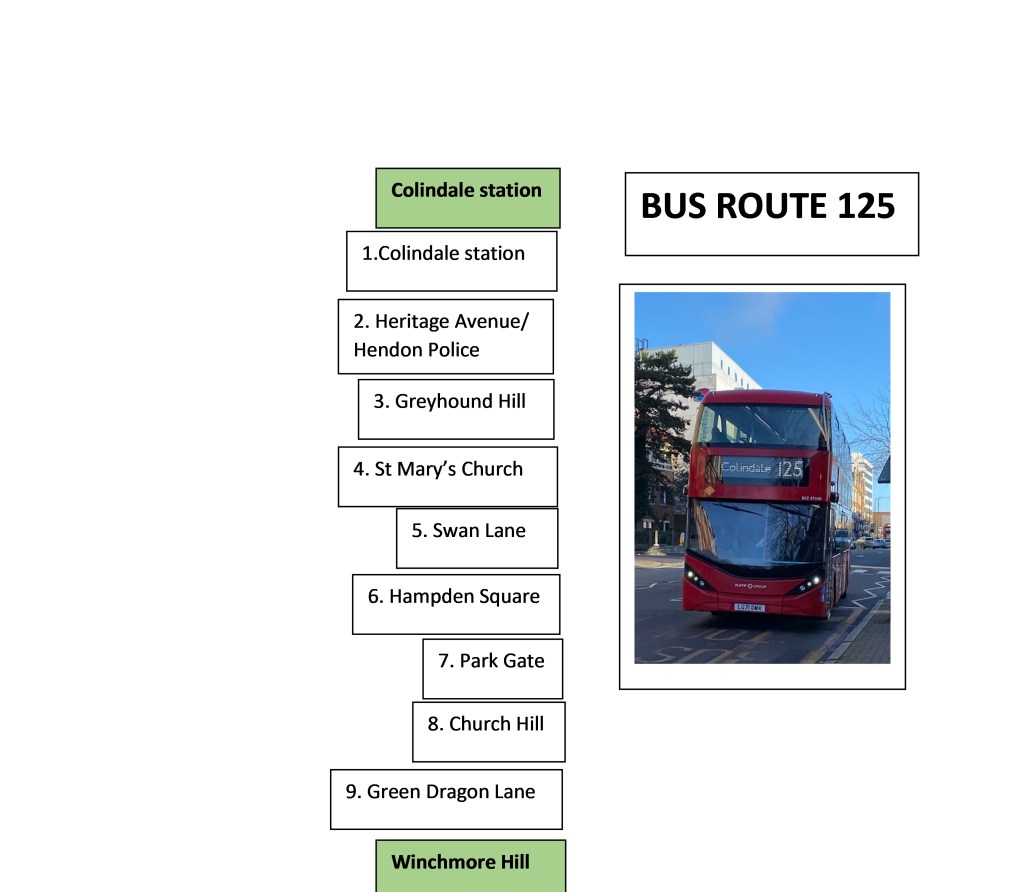
Colindale station to Winchmore Hill
Highlights:
- RAF Museum
- Grovelands House
- All the old buildings in Church Hill
1. Colindale station bus stop
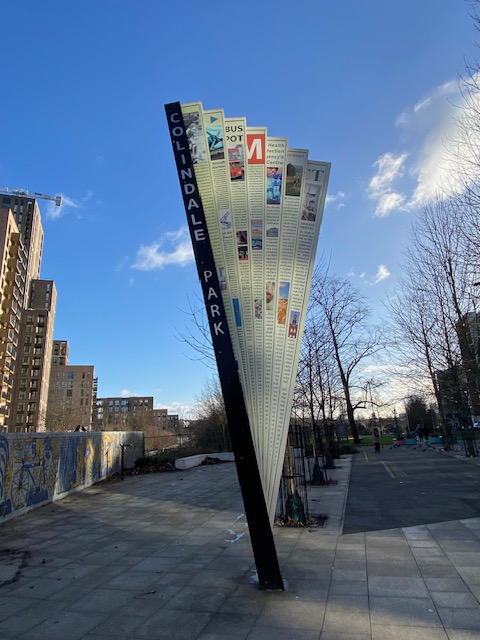
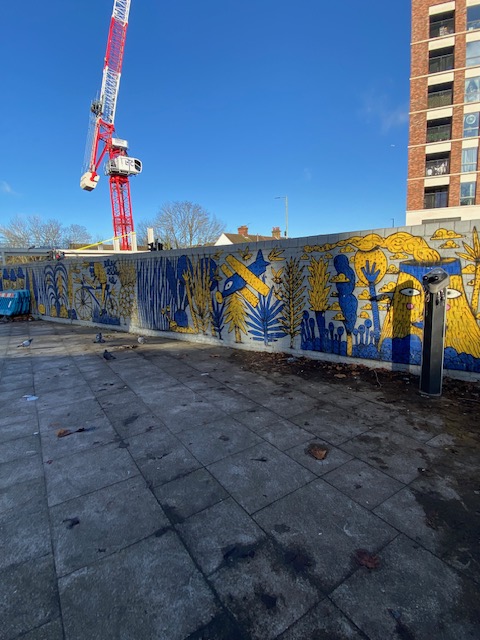
Near the station is Colindale Park, at the entrance of which is a totem fan-shaped sculpture. This shows local information about the area, in a contemporary style. Also nearby is a walk-way with some lovely blue and yellow graffiti to amuse you as you walk to or from the park.
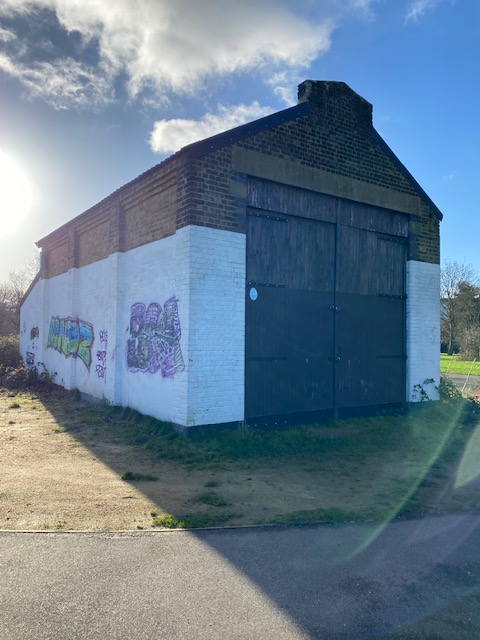
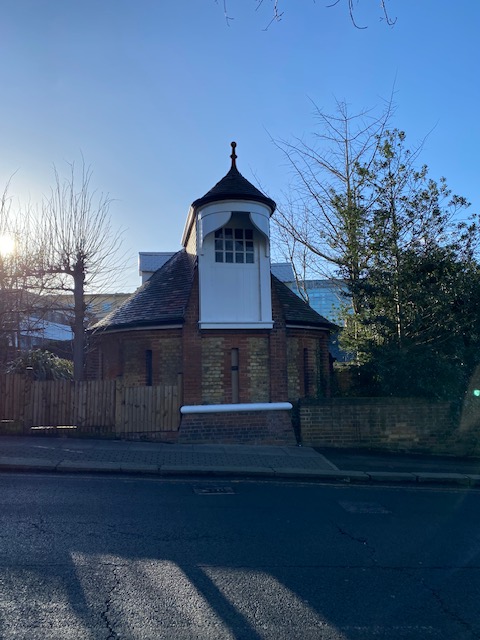
Walk to Montrose Park where you’ll find a Tramshed building, once used to house trams but not any more. This had been the site of an aerodrome, in fact it’s where Louis Bleriot (the first person to cross the channel in a flying machine) had an aerodrome built which he used as a Flying School. A factory was built at the beginning of WWI and in order to aid the transportation of materials, a spur was added. An engine – the Tram – was supplied by the Air Ministry to pull the wagons and carriages and this was stored and serviced in the Tramshed. It’s not obvious if it’s being used at present, as it was locked up. It still looks to be in a reasonable condition so perhaps it has a current use, as it’s bang in the middle of the park.
2. Heritage Avenue/Hendon Police bus stop
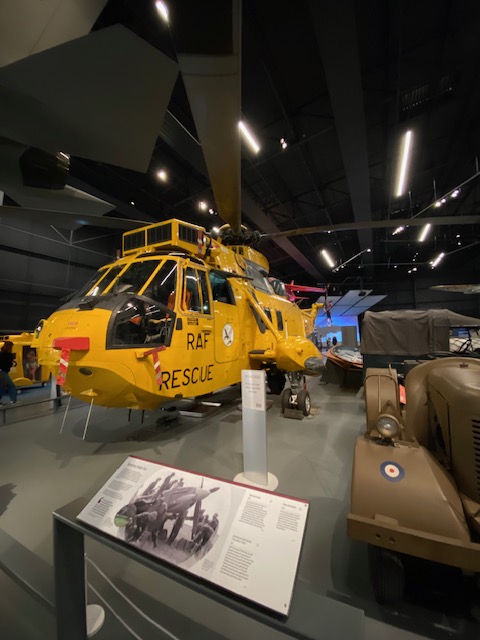
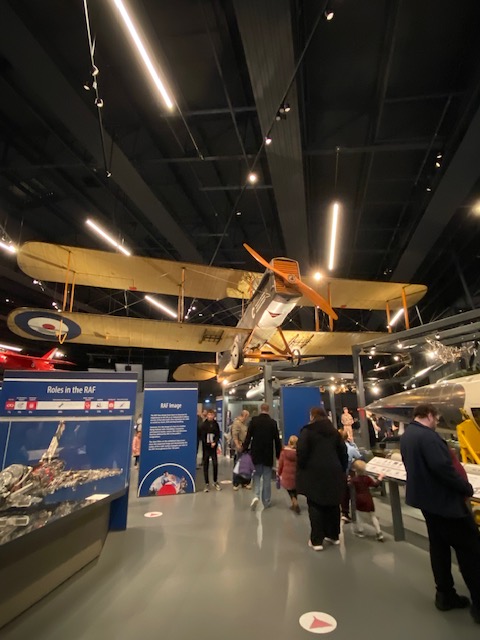
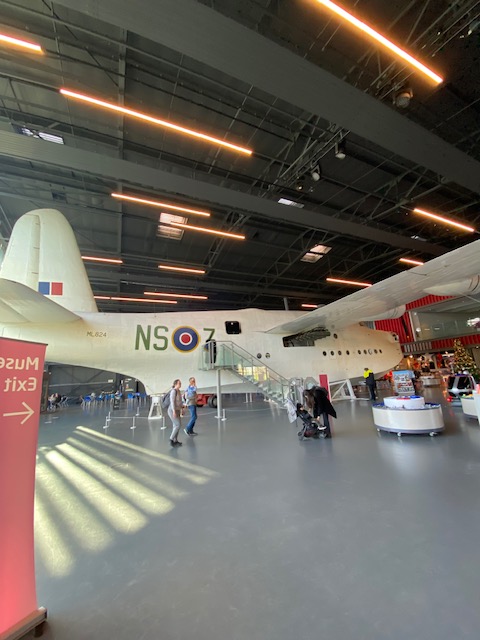
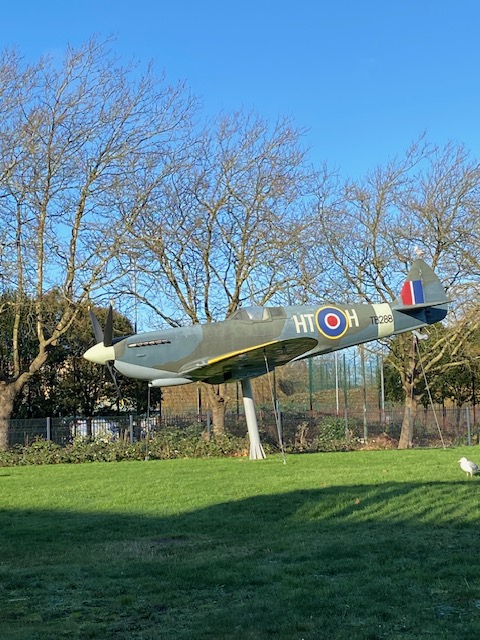
This is the stop for the Royal Air Force Museum which has free entry and is a great place to spend a few hours. There are 6 hangars full of planes and all things to do with the RAF. As you walk through the entrance gate, you will immediately see on your left hand side, a replica spitfire, arguably the most recognisable of all WWII aircraft. Step inside hangar 1, the main entry point of the museum, where there are two exhibitions, RAF Stories (the first 100 years of the RAF – 1918-2018) and RAF First to the Future.
The other hangars showpiece the earliest flights and Hendon’s place in this world of air travel. You can see the history of aircraft in WWII and the Cold War, including Battle of Britain and right up to the present time. It’s a truly remarkable place and worth a visit, even if wars and planes aren’t your thing. It’s packed with history and information such that you’ll come away better informed.
3. Greyhound Hill bus stop
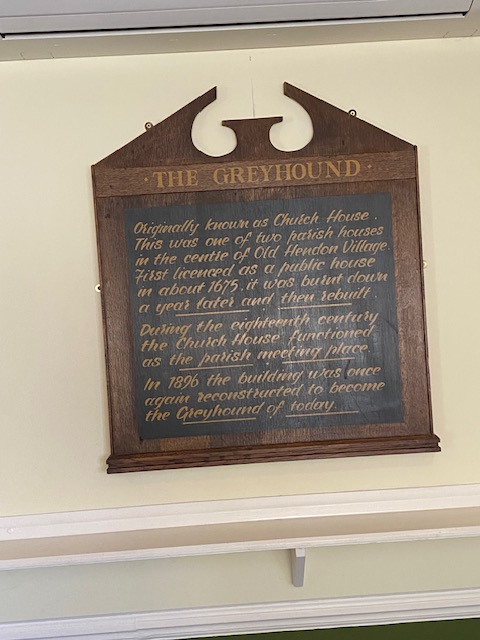
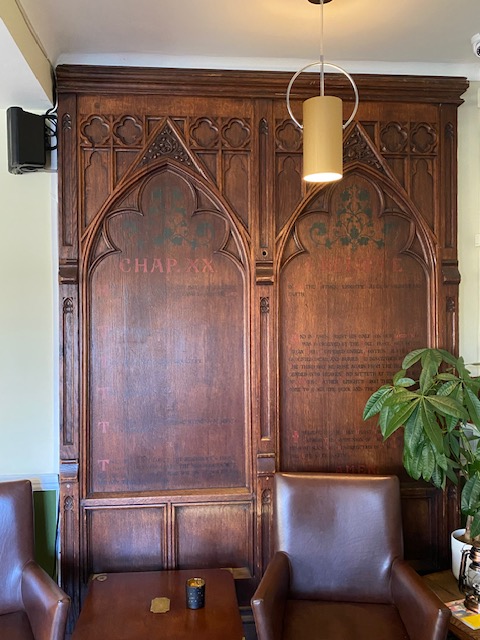
The bus stops opposite the Greyhound pub which is steeped in history. It was originally Church House, and was used, until 1878, for vestry meetings. Inside the pub, you can still see the church’s Commandments boards hanging in one of the bars. Another board states “This was one of two parish houses in the centre of Old Hendon Village. First licenced as a public house in about 1675, it was burnt down a year later then rebuilt. During the eighteenth century, the Church House functioned as the parish meeting place. In 1896, the building was once again reconstructed to become the Greyhound of today”. Its parlour marks the boundary of the Church and in fact next door to the pub is St Mary’s Church.
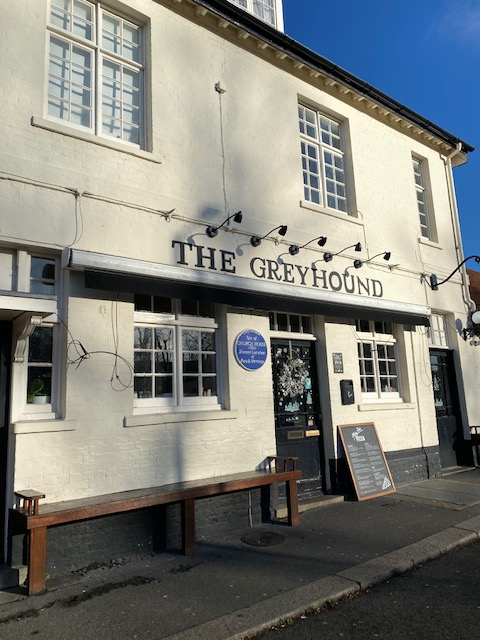
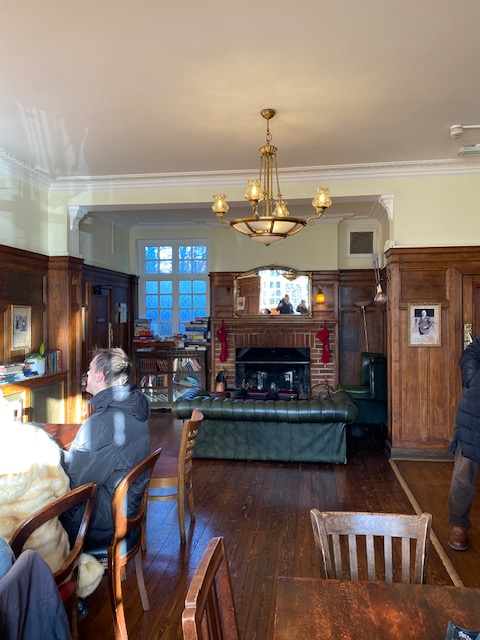
The pub also honours celebrities from days gone by, who have a connection with Hendon. Inside one of the bar areas are photos of Stamford Raffles (yes, he of the famous Singapore hotel) and Herbert Chapman – well-known if you’re an Arsenal supporter as he steered the club to their first ever league title – and who is buried in the adjacent graveyard.
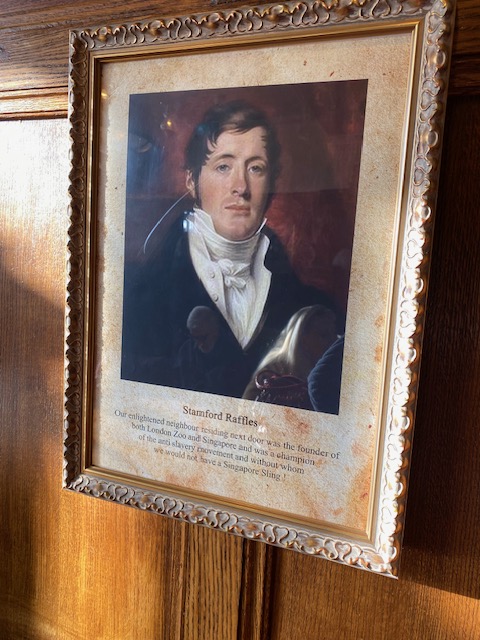
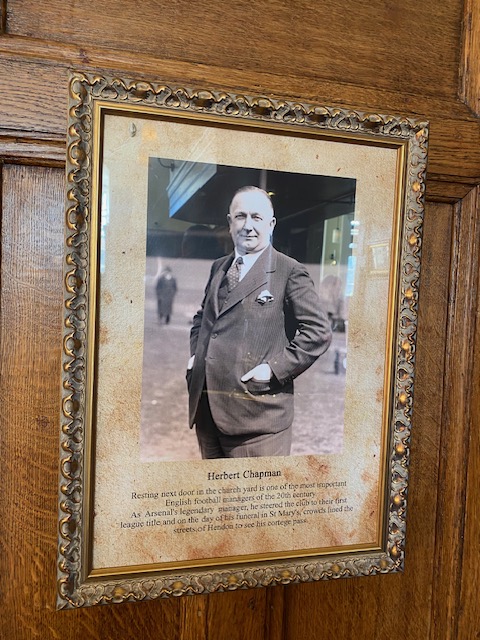
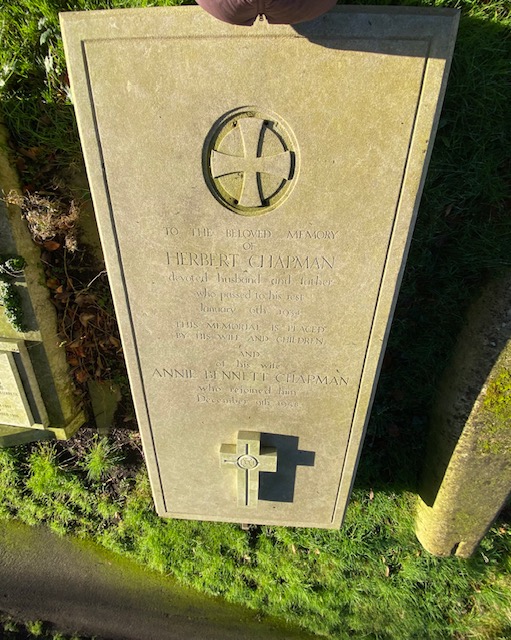
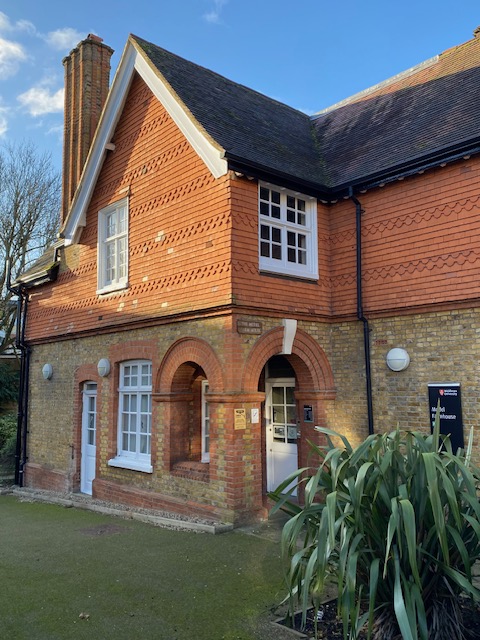
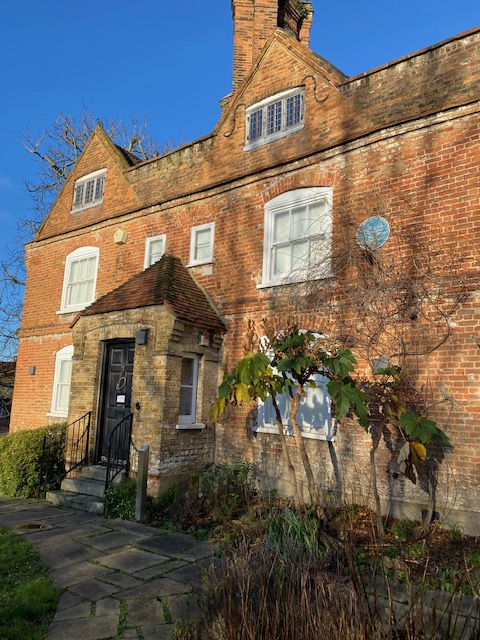
All around the vicinity are old houses and buildings, giving it a hamlet-style appearance and feel. Opposite the pub is The Model Farmhouse, with its milking parlour, dating from the end of the 19th century and which has grade II listed status. Next door to the pub is the Mark Lemon House, also 19th century and it’s where the co-founder and first editor of the magazine “Punch” lived 1817-1823. This building was once the home of Church House Museum but funding was withdrawn and it lost its status. These days it’s occupied by Middlesex University.
4. St Mary’s Church, Finchley bus stop
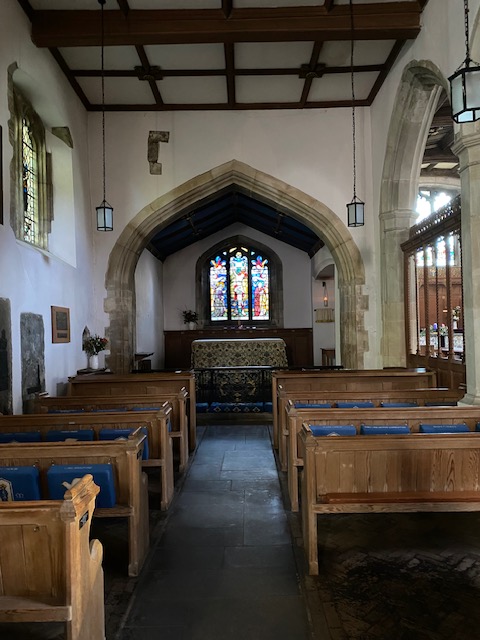
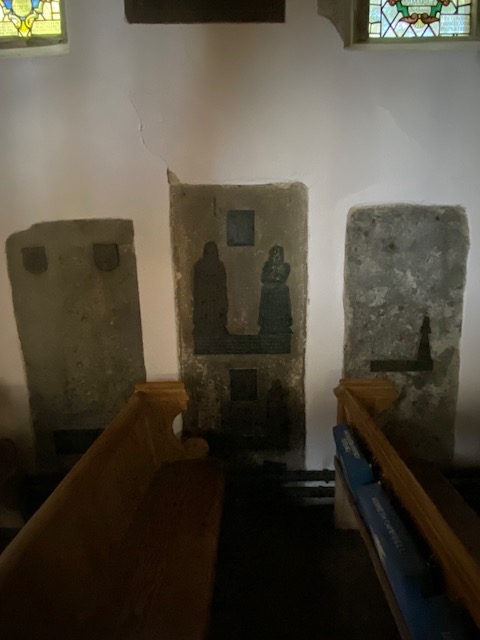
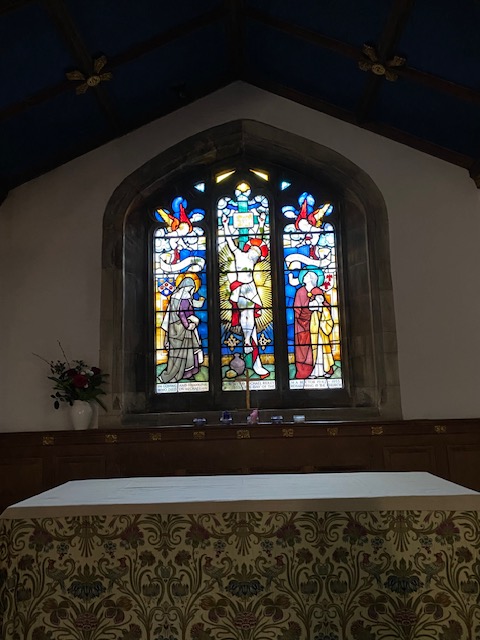
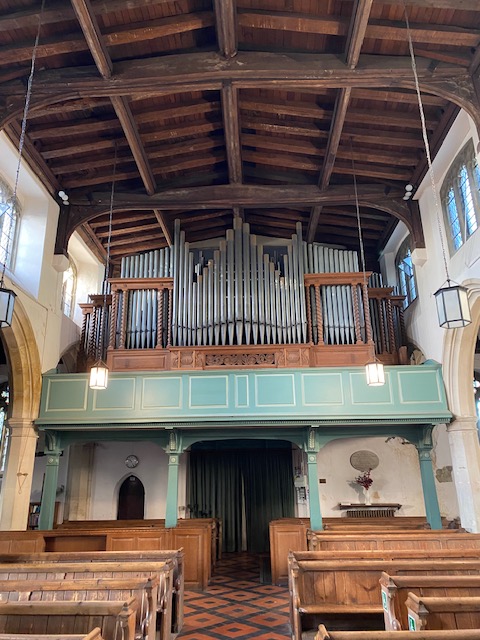
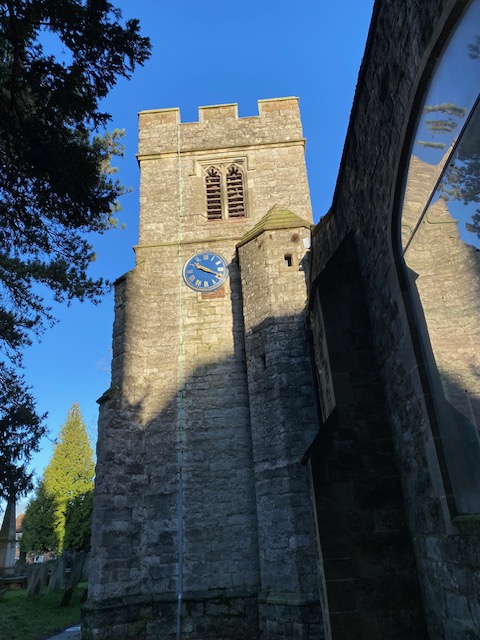
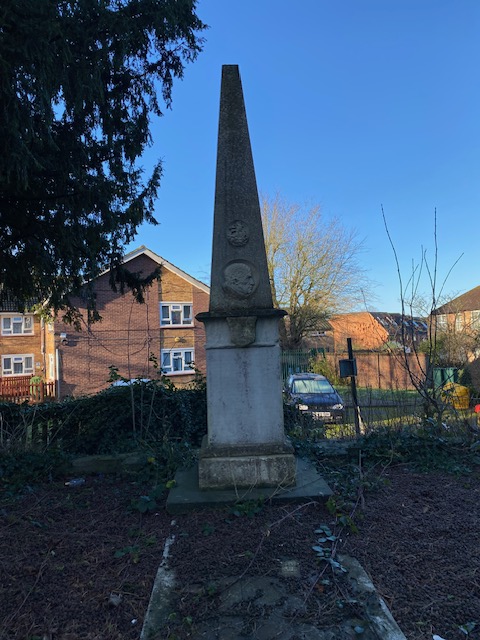
The bus stops at St Mary’s At Finchley church and it’s worth a visit, both inside and outside. The church was established as long ago as the 12th century although this present building has its oldest parts from the time of Henry VII. This includes the tower and the chapel. During the blitz, the church suffered damage, including the organ, which has since been restored. The stained glass window was made in memory of Michael Ridley, who was responsible for the restoration. Also inside are several 15-16th century brasses have been re-sited to the north wall of the chapel. Outside is an obelisk commemorating the reformer Major John Cartwright.
5. Swan Lane bus stop
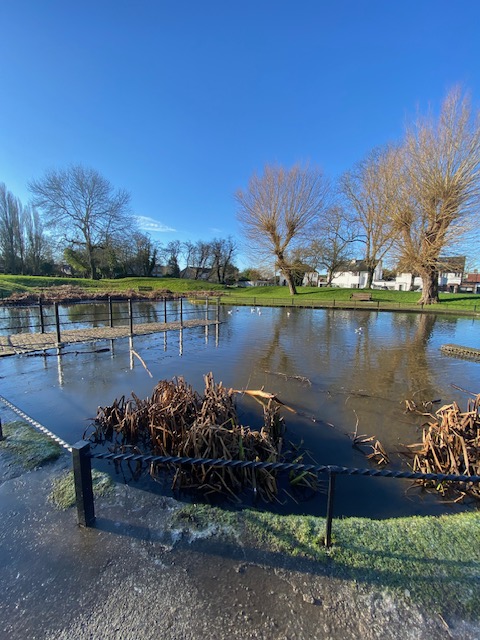
Swan Lane has a pretty park with a pond that is home to much wildlife. The park was created around the 1930s on the site of former gravel pits beside a nineteenth-century estate. The pond is a natural spring and was the scene of a tragedy in the early 1920s when children were drowned while playing in the disused gravel workings.
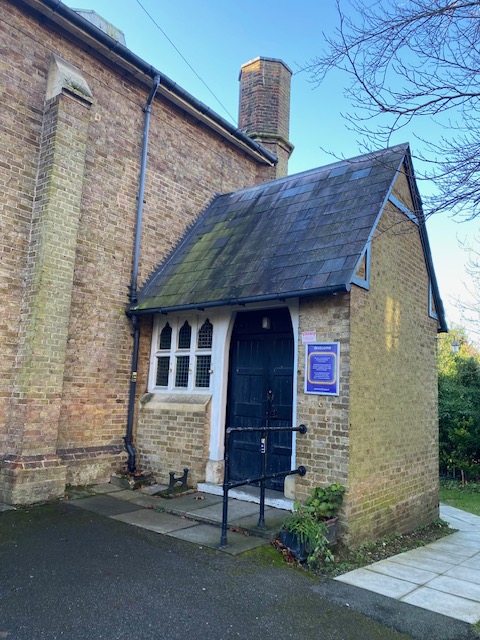
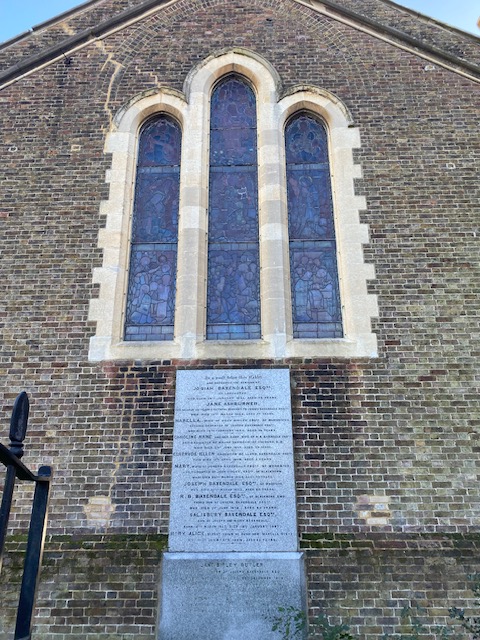
Walk through the park and along the main road and you’ll come to St John the Apostle Church, which was opened and consecrated in May 1832. It’s not always open so if you want to go inside, you need to check before you go. On one of the exterior walls is the Baxendale vault – the church was built by Joseph Baxendale, a local businessman, on his own land at his own expense.
6. Hampden Square bus stop
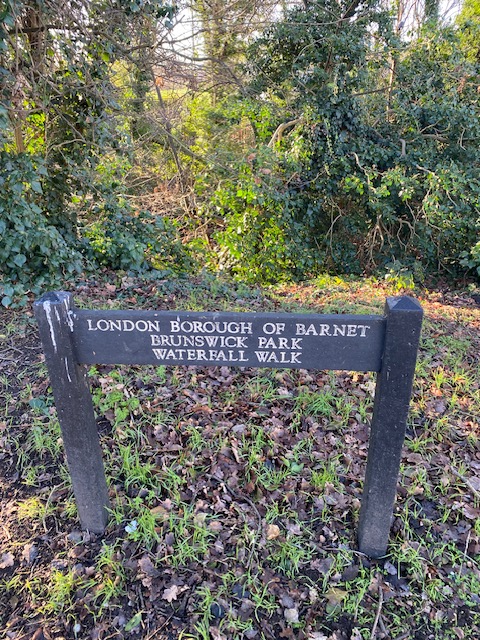
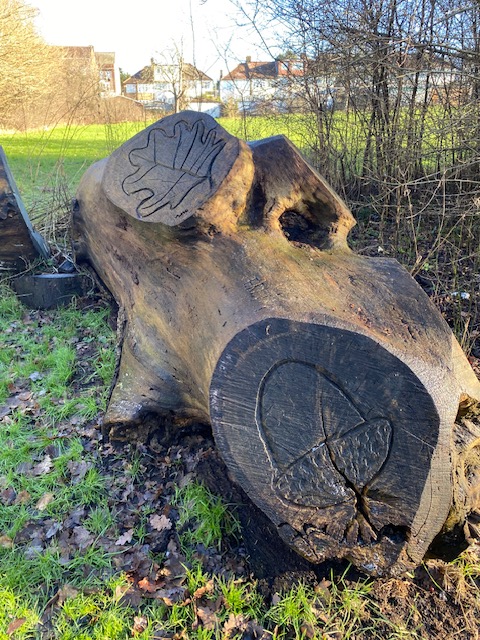
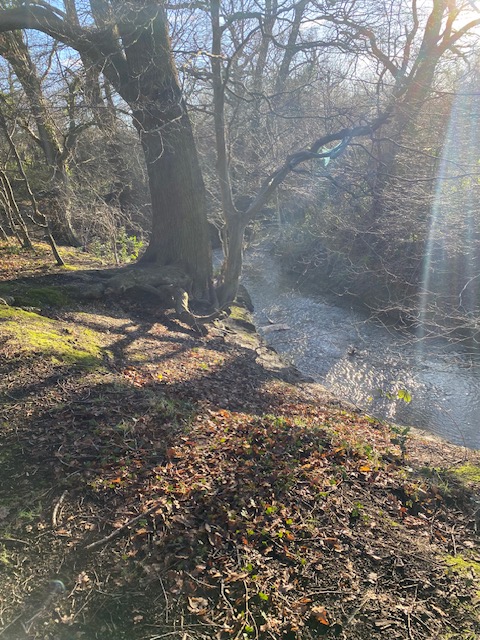
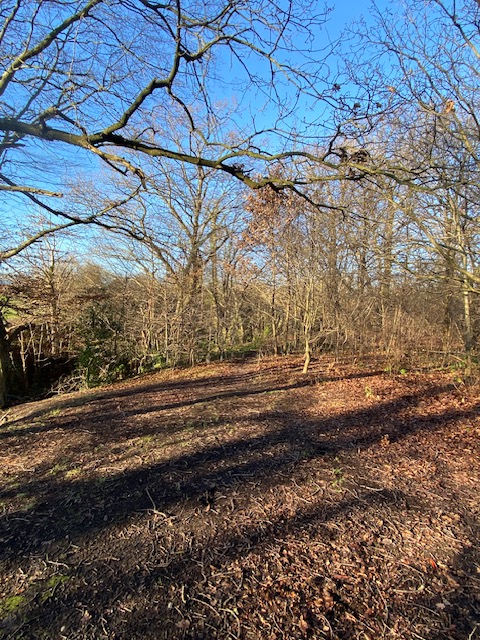
Cross the road from the stop and you’ll see a sign that says Brunswick Park/Waterfall Walk. The walk goes along Pymmes Brook and despite the name, there aren’t any major waterfalls though there’s plenty of water and some weirs. Along the way, you’ll come across a tree trunk from an old oak which has an acorn and oak leaves carved out of the trunk. It’s an easy walk, with plenty of paths and trees. Listen out for the birds as you wander along.
7. Park Gate bus stop
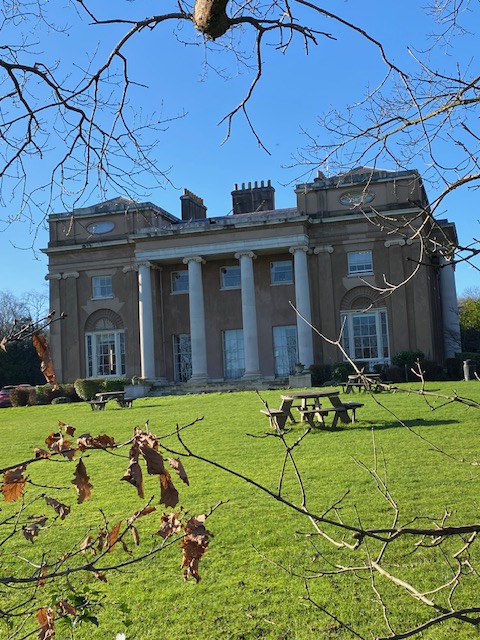
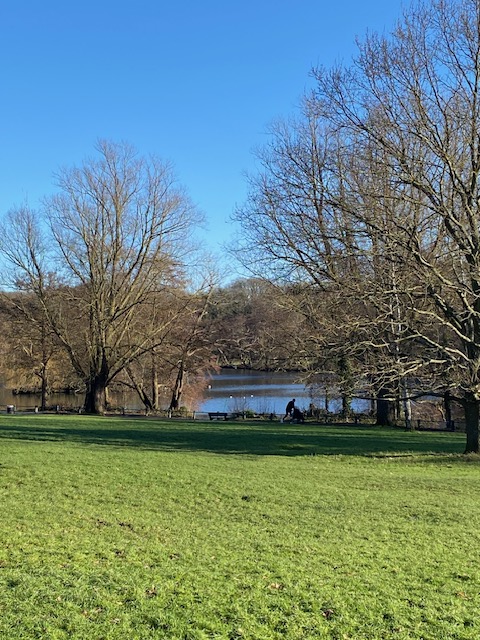
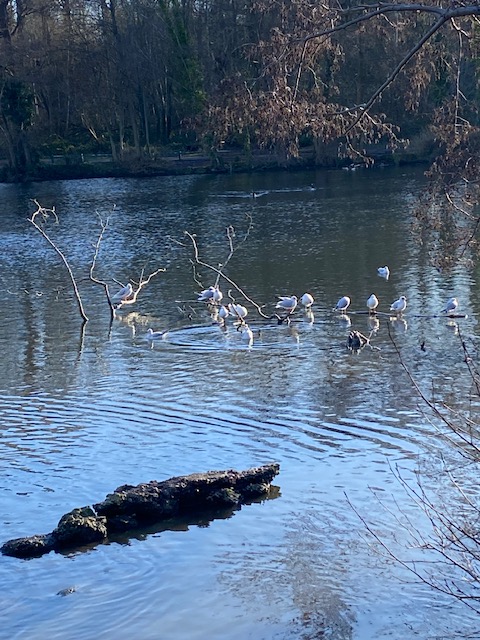
There is often one surprise on each route and this one is here. The bus stops near Grovelands Park which is a huge open space with a large lake in the middle. Plenty of wildlife to see here though possibly not so much in the winter. What is a delight is the mansion that overlooks the park and lake. This is Grovelands, a grade I listed mansion which was built in 1797–98 to the designs of John Nash for Walker Gray, a Quaker brewer. After Gray’s death the property was bought by John Donnithorne Taylor (connected to the Taylor Walker & Co Brewery), whose family continued to live at Grovelands up to WWI. As the property is now part of the Priory Hospital Group, it’s not possible to go inside which seems to be rather a shame as it has been described as “idiosyncratically flounced” with, amongst other things, an octagonal dining-room, painted as if you are in a bamboo birdcage.
8. Church Hill bus stop
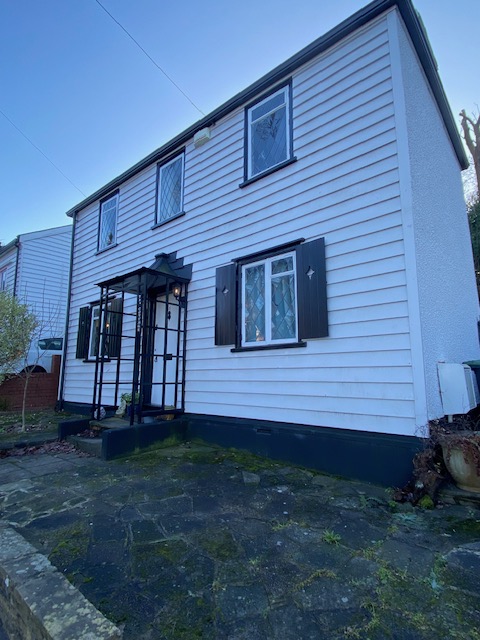
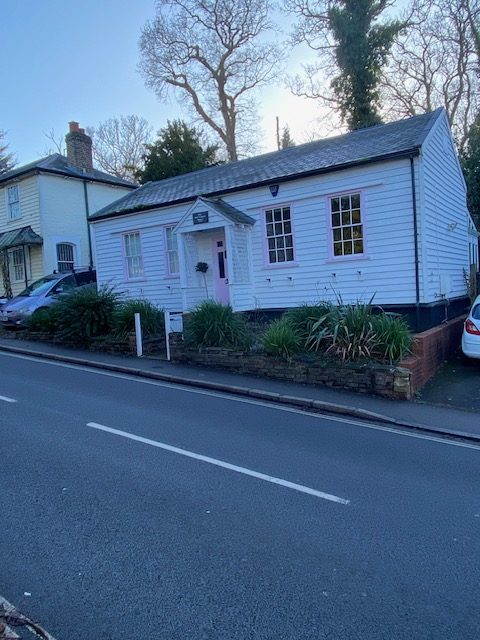
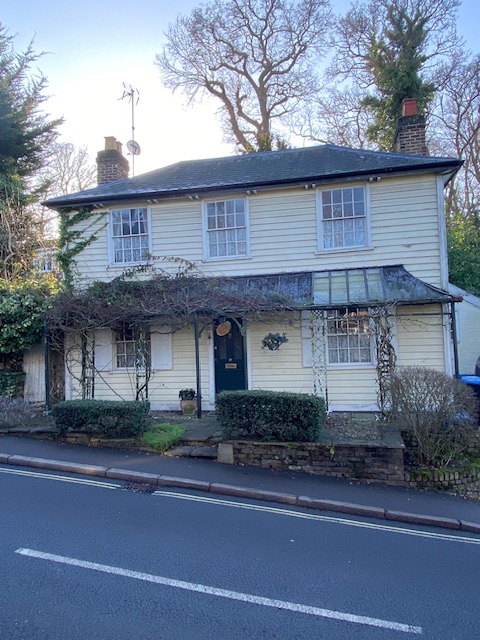
If you’ve still got stamina, it’s worth a walk up the hill from the bus stop. You’ll see a row of pretty weather-board houses, known as Woodside Cottages. All three cottages are grade II listed and it’s pretty obvious why they have been given this status. They were built in the late 18th century and at one time were destined for demolition to allow the road to be widened. Luckily, they were saved by being given listed status. The Old School House in the middle of the three had been the village school in the early 19th century.
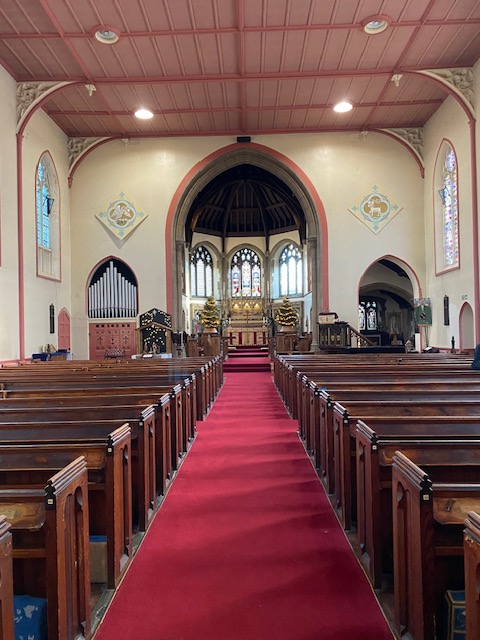
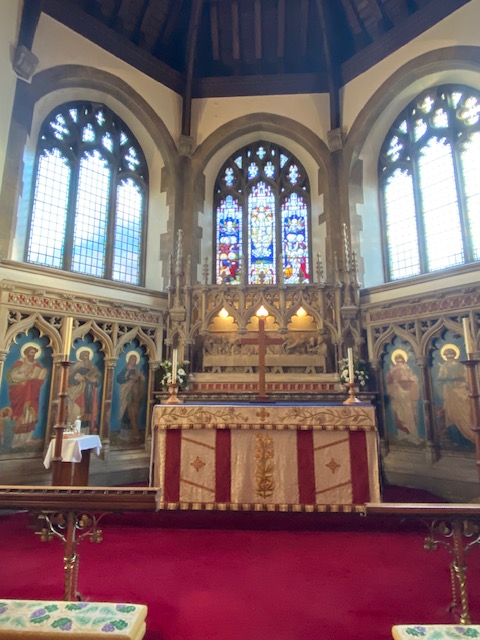
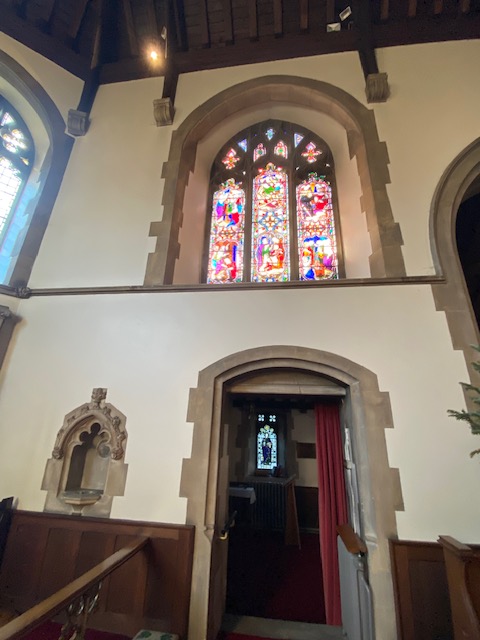
Keep going up the hill and visit St Paul’s Church on the right hand side. It was originally consecrated in 1827 as a chapel-of-ease to the Church of All Saints, Edmonton, and built as a Commissioners’ church on land donated from the Grovelands estate by Walker Gray (see entry above for Grovelands Park). Following the defeat of Napoleon at the Battle of Waterloo, a Commission was set up to build churches as a means of giving thanks and commemorating the victory.
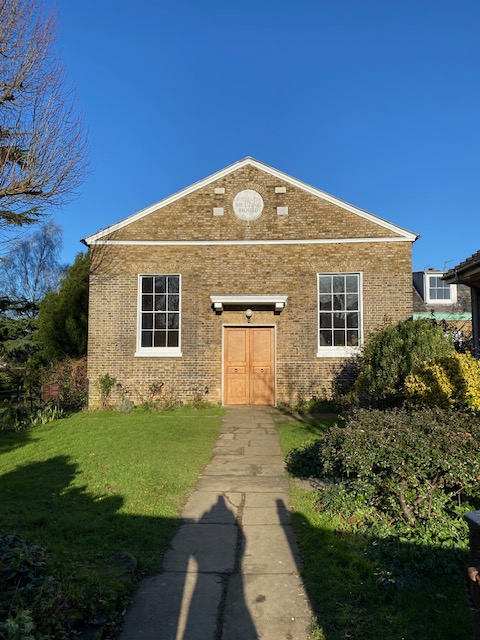
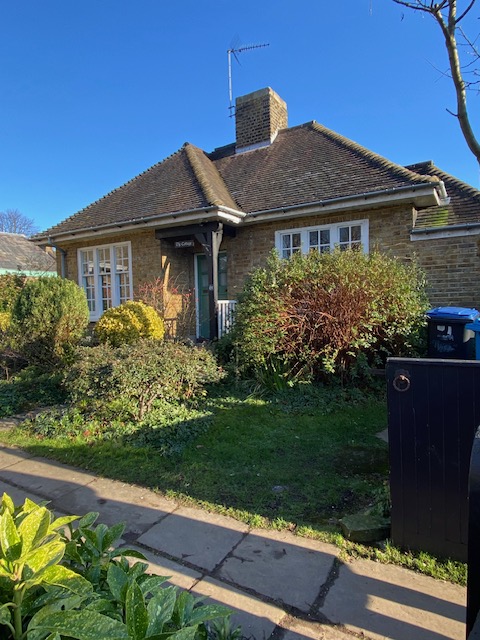
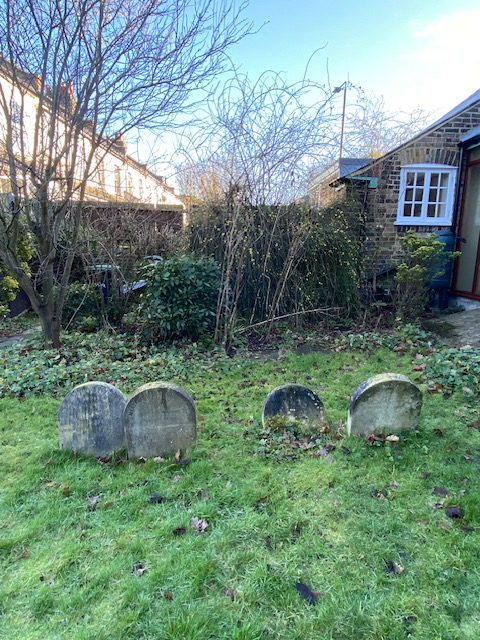
On the opposite side of the road is the Society of Friends’ Quaker House and cottage. The structure of the Meeting House remains more or less the same as it was built in 1790, except for the removal of the gallery. In 1974 it became a Grade II listed building of special architectural and historic interest. Round the back of the House is the small burial ground, where visitors are welcome to come and enjoy the peaceful surroundings. The Burial Ground was extended in 1821 over land previously let for grazing. The earliest burials were unmarked, but later burials have the characteristic Quaker headstones – small, round-topped and bearing only the most basic information. This expressed equality between individuals and a lack of ostentation.
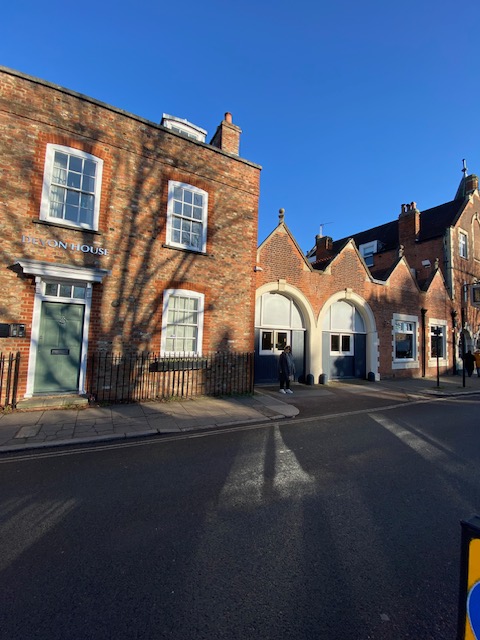
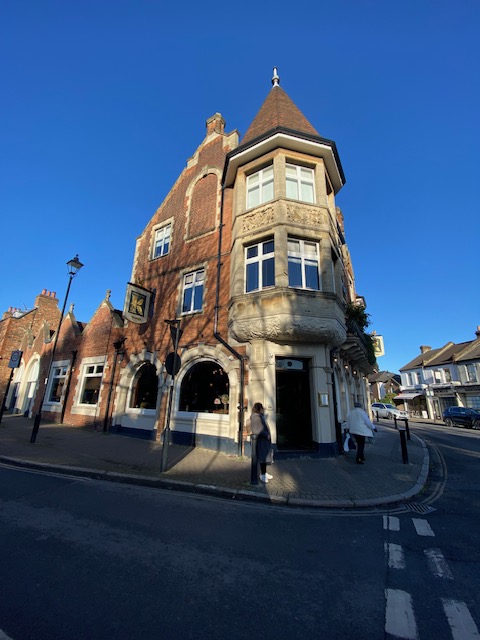
Just up from the Quaker house is the Georgian Devon House, which was originally built in about 1720 as a rather splendid family home. It has undergone many changes over the last 300 years. The twin arches of the stables on the right led to a courtyard where the village fire engine was kept. These days the building is used for offices but estate agents seem to think it would make an ideal family home again. Almost next door is the King’s Head pub, built in 1899. The building has a distinctive elaborate projecting turret and inside it has a restaurant as well as bars in which you can relax.

9. Green Dragon Lane bus stop
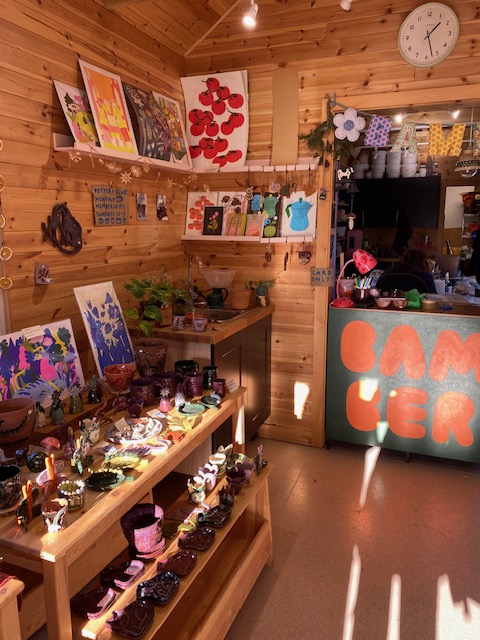
Final stop on this route. Go past Winchmore Hill station, built in 1871 and find Bamber‘s a pottery shop and studio that sells other delights too. It’s owned and run by Amber who is only too happy to welcome you to her lovely shop.
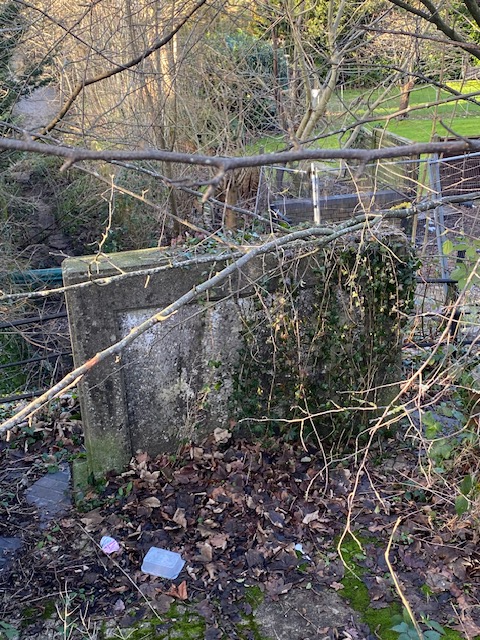
You want to find your way to Bush Hill to see the Clarendon Arch. At one time, Thames Water funded a public viewing area overlooking the arch but due to a lack of maintenance and anti-social behaviour, the viewing area has since closed. Clarendon Arch is an aqueduct carrying the New River over Salmons Brook and is the oldest structure on the New River so it’s a shame that it’s not possible to see the actual arch. What you can see from the road is an information board and a plinth with an inset stone tablet. It might be that the arch will be open to visitors at a later date.
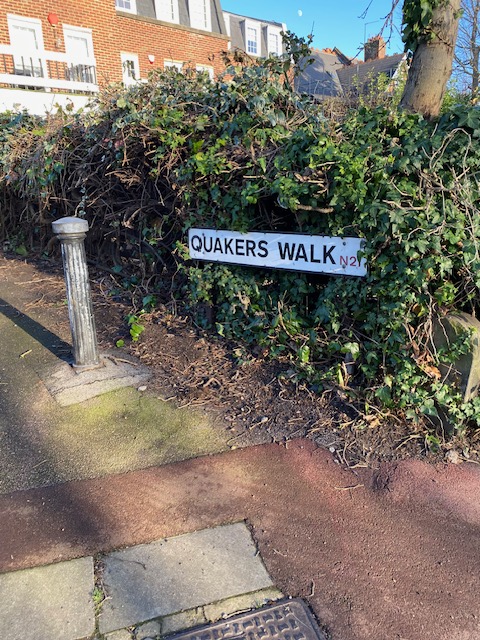
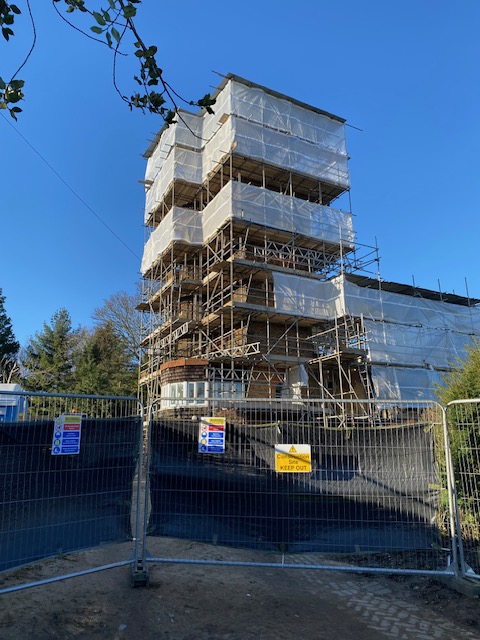
And finally, head towards Quakers Walk, presumably thus called because of the Quaker influence in the local area. Along the walk is a water tower, which is actually a 19th century folly. It’s grade II listed and is currently undergoing massive renovation, as it’s covered in scaffolding so its structure can’t be fully appreciated. I think it has been converted into a residential home but it’s impossible to tell just by looking at it. I suspect it will be worth a return visit at some point in the future.
This route had a lot to recommend it, from the RAF Museum to the various churches along the way and the magnificent Grovelands mansion. There is a lot to see that’s outdoors so it’s probably wise to go when the weather is clement. There was a great mix of lovely old buildings and parks & open spaces so be prepared to discover all that this area of London has to offer.
Toilets that are free and open to the public:
- RAF Museum
- Greyhound pub
- Kings Head pub
 london routemistress