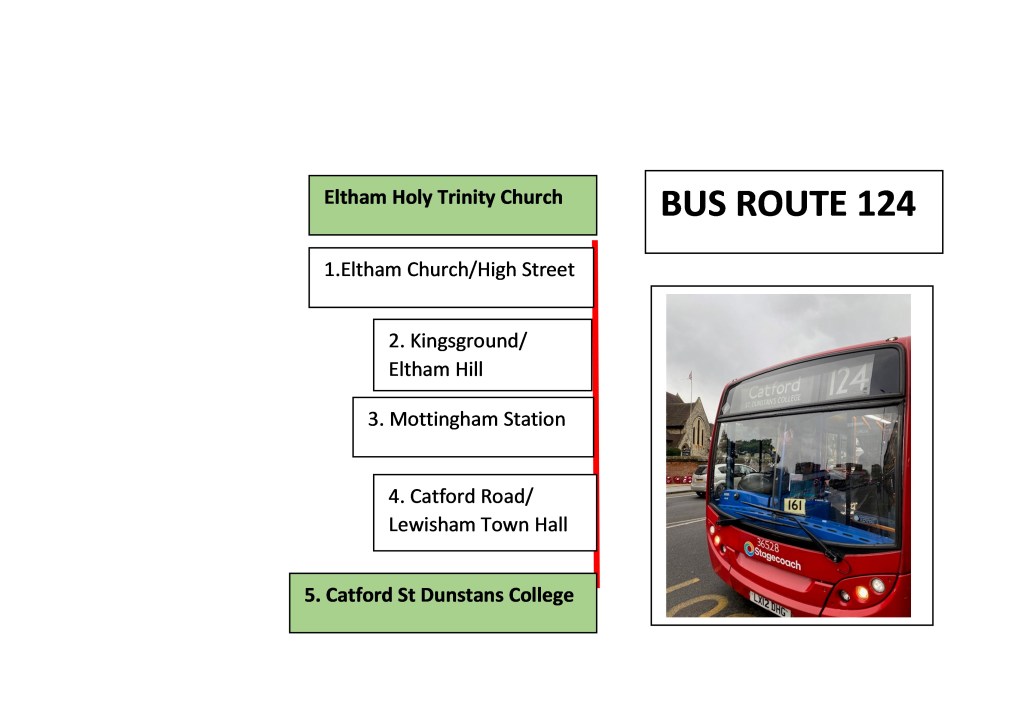
Eltham Holy Trinity Church to Catford St Dunstan’s College
Highlights:
- Eltham Palace
- Bob Hope Theatre
- Ice Well and the Tarn
It’s worth stating here that the 124 is best served for visiting Eltham Palace and its surrounding area. Other buses have parts of their route that overlap with the 124, but if you do nothing else than visit the Palace, you’ll be delighted that you chose this route. I have chosen, therefore, to focus on this area for this blog but the 126 overlaps at least part of the route with the 124 so I’ll be writing about other places to see when I come to do that journey.
1. Eltham Church /High Street bus stop
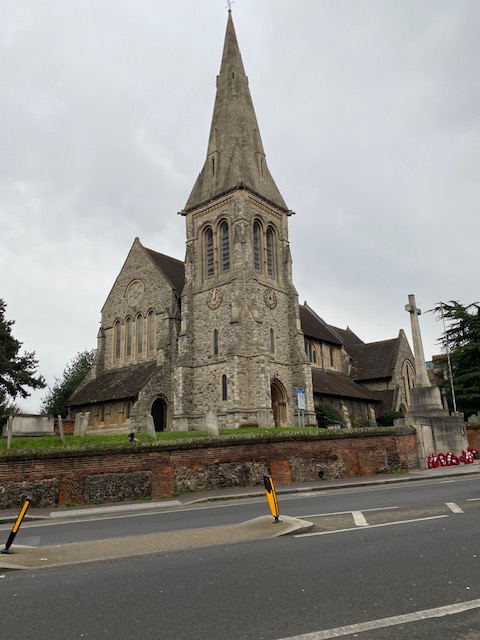
Opposite the bus stop is Eltham Parish church of St John the Baptist, a grade II listed building. A church has stood in this spot from the early 12th century. This church was designed in the Victorian Gothic Revival style. The prominent Tower is constructed of Kentish Ragstone and supports a stone spire.
2. Kingsground/Eltham Hill bus stop
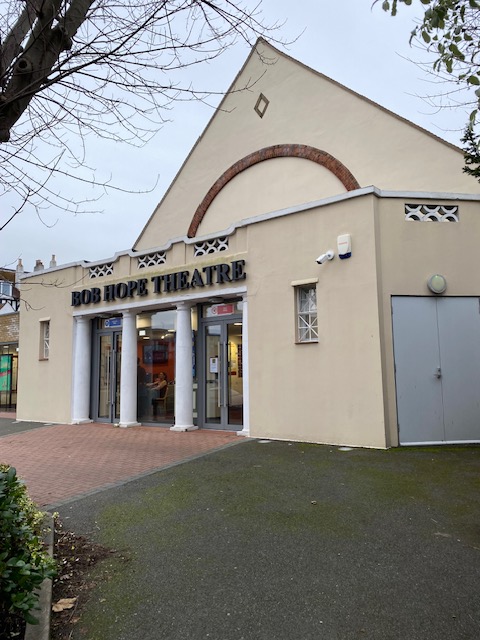
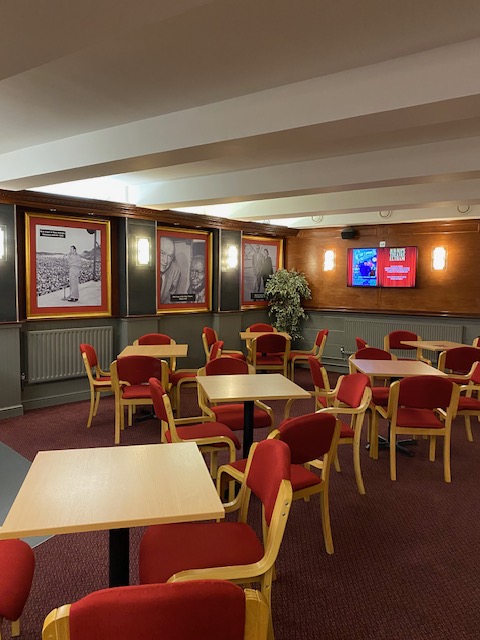
Alight here for the Bob Hope theatre, previously known as Eltham Little Theatre. It came into being in 1943 to promote the arts in the Eltham vicinity. Originally without a permanent home, in 1946 Eltham Parish Hall became available for the theatre company to rent on an annual basis, with a view to eventually buying the building. Fast forward to 1980, by which point the theatre seemed doomed owing to lack of funds, and a certain Mr Bob Hope stepped in. As a native of Eltham (though he moved to the US at the age of 4). Bob Hope raised money through his golfing tournaments, to purchase the premises and to start to refurbish the building. At his second visit to the theatre in 1982, he unveiled the new name to The Bob Hope Theatre. With ongoing refurbishment over the years, Bob and his family continued to maintain support and contact with the theatre. Although Bob sadly died in 2003, his family have remained involved – in 2018, his daughter Linda, was guest of honour at a special gala night.
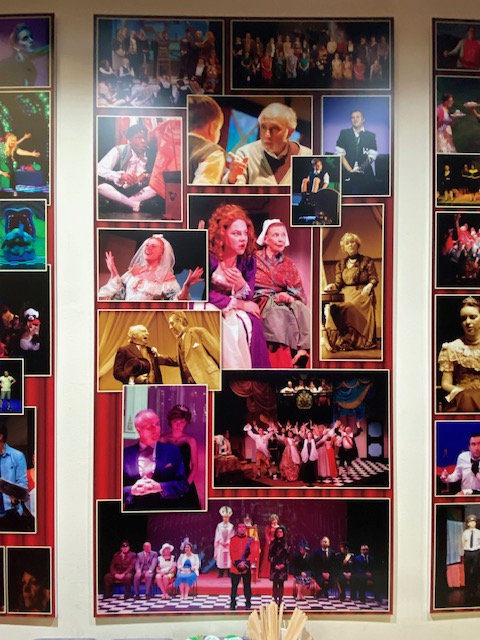
It’s a terrific local resource for residents of Eltham and almost all the people who work at the theatre are volunteers. They do an amazing job, supporting front of house, selling tickets, programmes and refreshments and generally taking care of the audience. The shows that are put on at the Bob Hope theatre are an eclectic mix and are very well attended, thus ensuring the future of this invaluable resource.
Walk from here to Eltham Palace. There is an entrance fee to the palace unless you have an Art Pass or you’re a member of English Heritage. But it’s worth it!
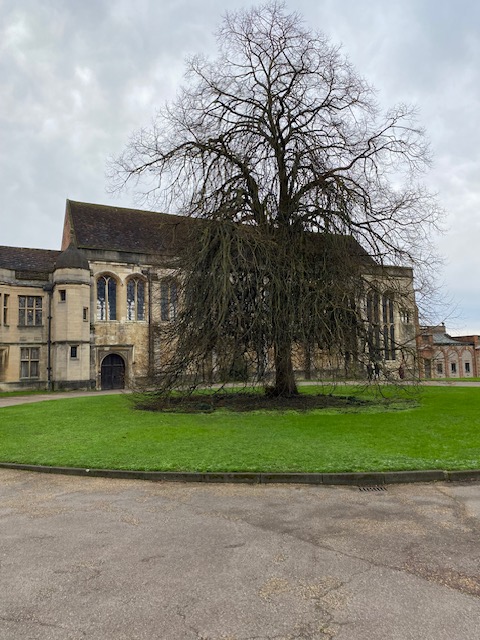
In medieval times, from 14th – 16th century it was an important royal palace, where monarchs often stayed and hunted in the surrounding parks. Known as a manor house, it was presented to the future Edward II in 1305. Both Edward and his father had frequently stayed at Eltham. Edward II later granted the manor to his queen, Isabella. During his reign considerable improvements were made, including the construction of a new retaining wall with buttresses to support the earlier masonry. The remains of these buttresses can still be seen outside.
By the early 14th century Eltham had become one of the largest and most frequented royal residences in the country. Edward III (reigned 1327–77) spent much of his youth there and frequently visited it as king. In 1364 he received John II of France at the palace amid ‘great dancing and carolling’ when John returned to voluntary captivity in England. Successive monarchs lavished large sums on the palace. In the 1380s Richard II created a walled garden to the south beyond the moat ‘for the king and queen to have dinner there in the summer time’, as well as a dancing chamber and a new bathhouse within the king’s apartments. He also rebuilt the timber bridge in stone.
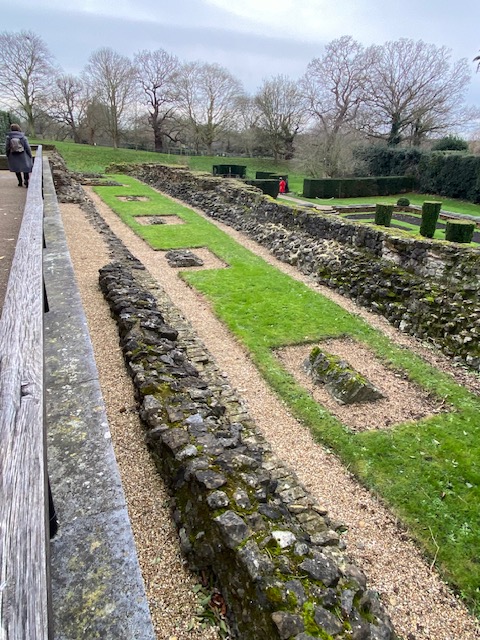
Henry IV spent 10 of his 13 Christmases as king at Eltham, building a set of timber-framed apartments with stone chimneystacks for himself and two-storey lodgings for his queen. In 1445 new buildings were erected for the arrival of Henry VI’s bride, Margaret of Anjou.
Eltham was a favourite residence of Edward IV. It was during his reign, in the 1470s, that the magnificent surviving great hall was built. This is perhaps one of the main highlights of the visit to the palace. Step inside the Great Hall and you can transport yourself back in time – there are medieval clothes that you can put on to feel you are a royal personage.
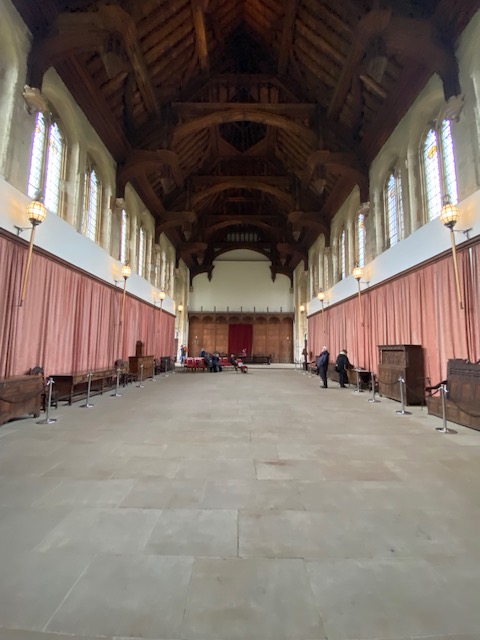
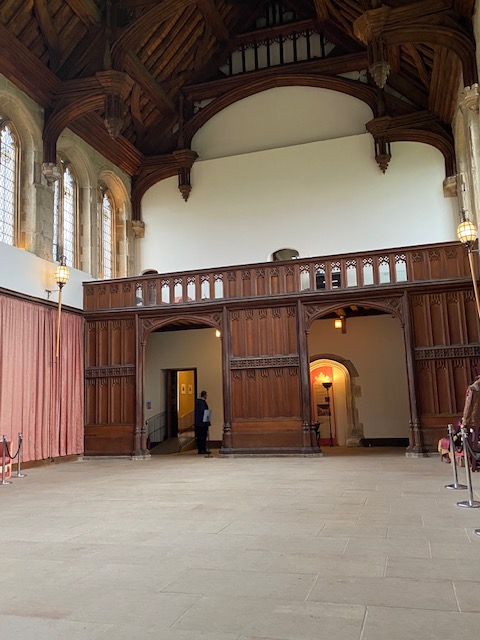
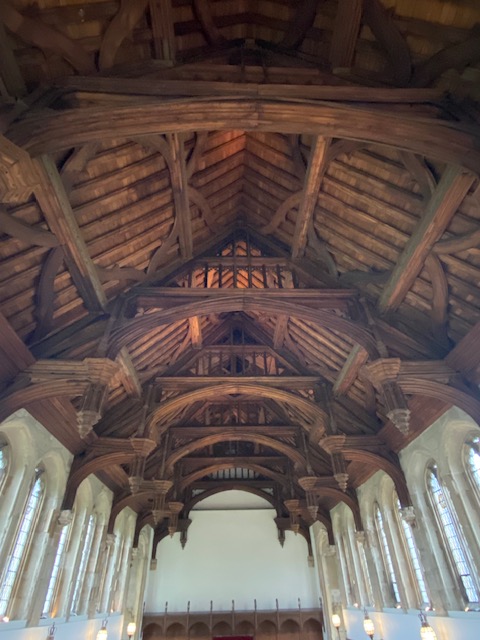
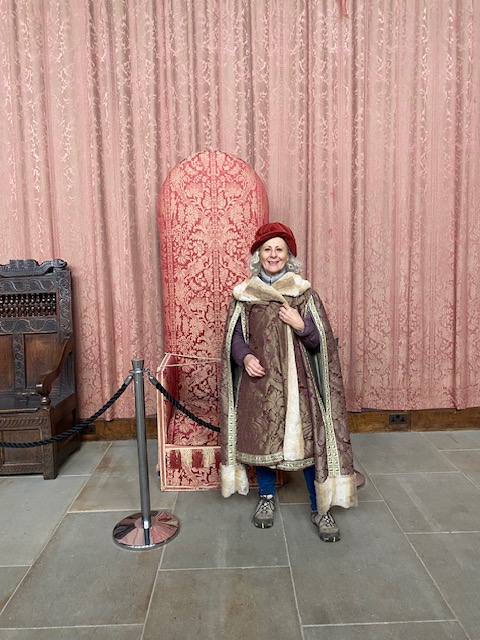
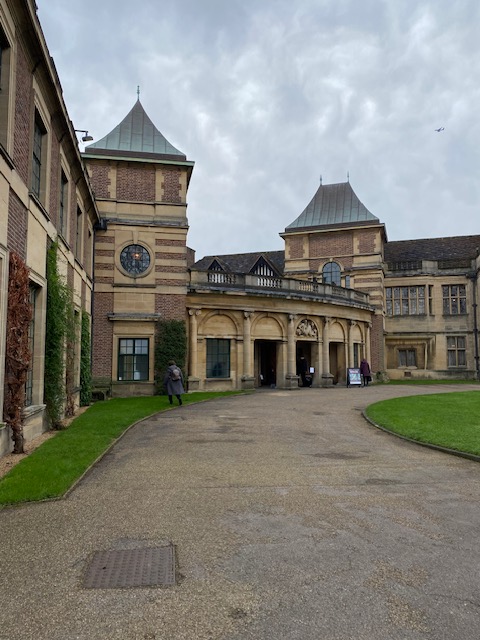
If you arrive at the right time, you can join the talk in the Grand Hall, given by a very knowledgeable volunteer who will guide you through the palace’s origins up to the present day. The talk lasts about half an hour and it puts the history of the palace into context so you can appreciate the medieval aspect, through the Courtauld era, and its being taken over by English Heritage. As regards the Courtaulds, it was Stephen and Virginia (known as Ginie) who took over the building in the 1930s and totally revamped it, with a mainly art deco design to each area of the home.
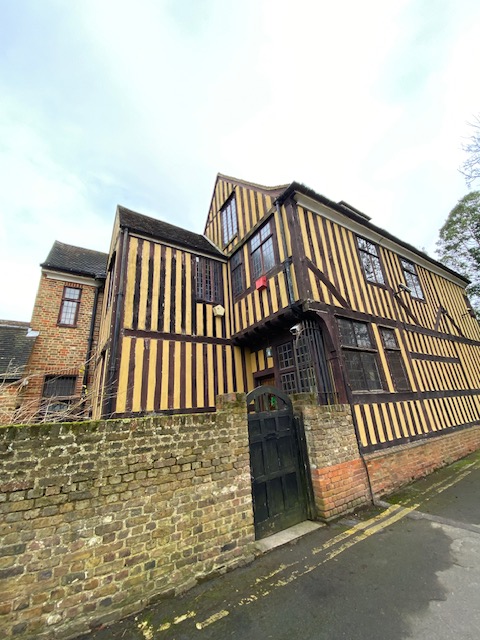
It’s also worth noting that the row of medieval houses that are now situated outside the walls of the palace grounds, once was home to Cardinal Wolsey, before he lost fame, fortune and his life during the reign of Henry VIII.
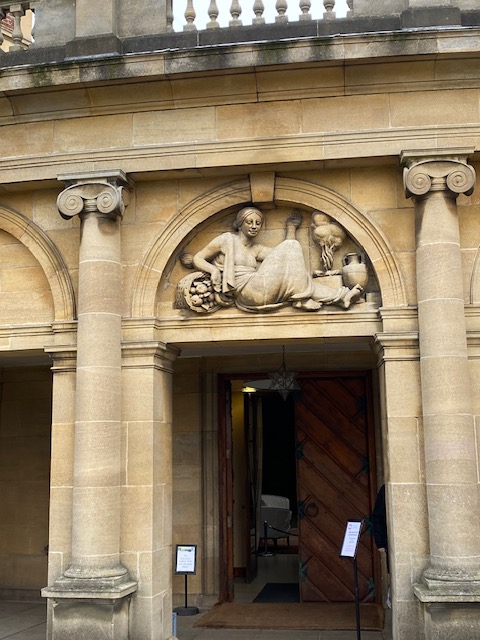
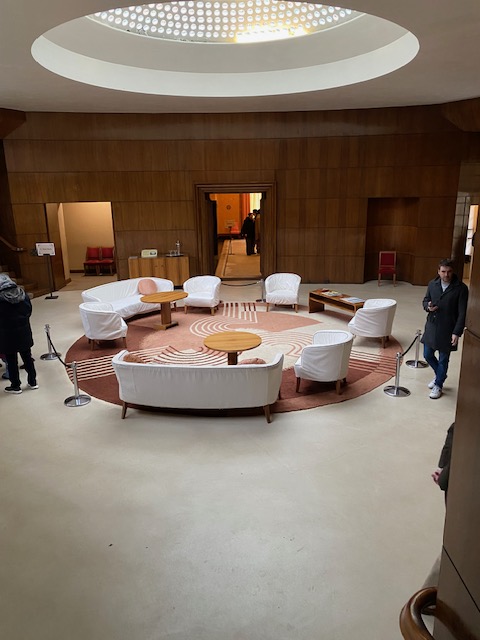
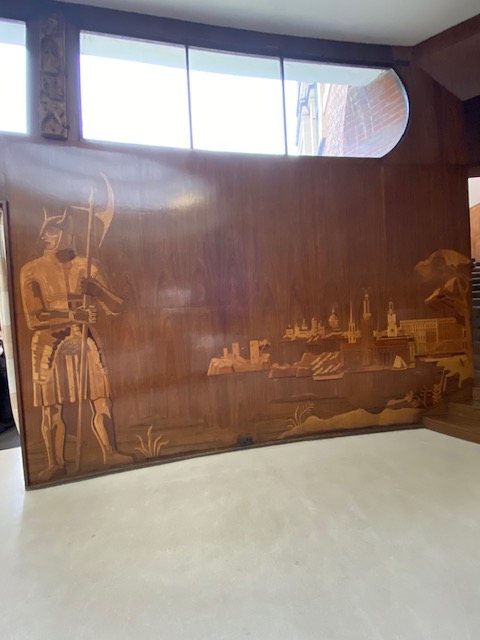
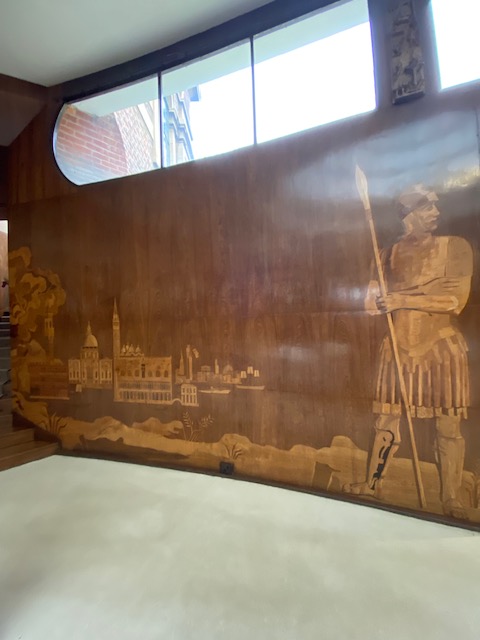
After exploring the Grand Hall, it’s time to visit the rest of the palace. You will have entered the building through the main door and come into the entrance hall. This circular room acts as a pivot to the wings that contain both the service areas and the family quarters. It was designed as a social meeting place where family and visitors could sit and relax, mingle and dance. Look closely at the walls and see the beautiful marquetry panels, which reflect the Courtaulds’ love of foreign travel. To the left of the entrance door is a panel with Italian influence, represented by a Roman centurion and outlines of buildings from Venice, Florence and Siena. On the right hand side is Sweden depicted by a Viking, with buildings of the Castle of Gripsholm, the Swedish Royal Palace and Stockholm Town Hall.
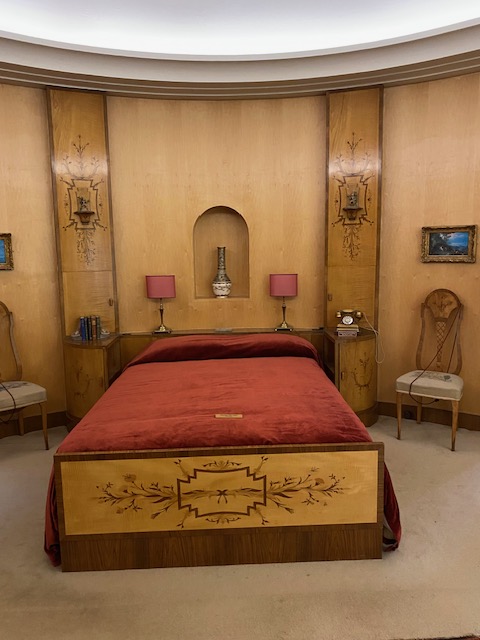
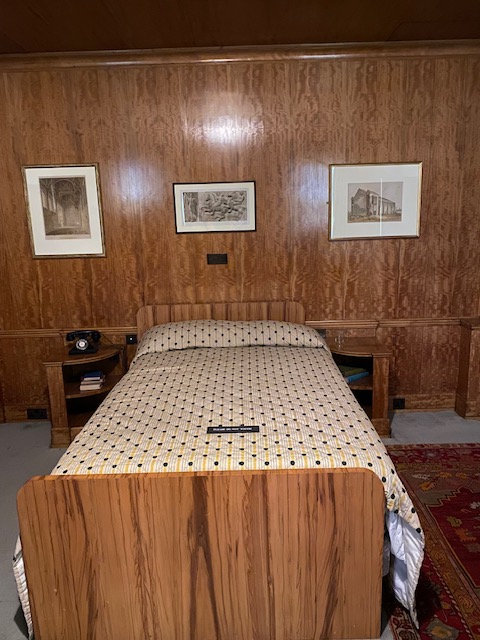
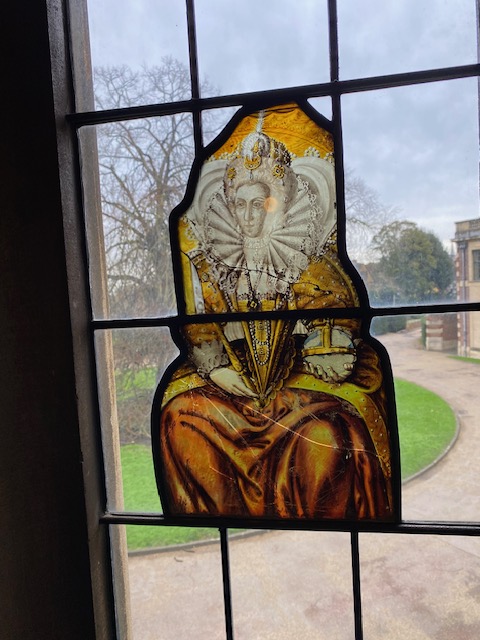
And now to other rooms – head for the living quarters and find Ginie’s bedroom. It’s based on a classical theme, with a beautiful circular ceiling, marquetry on the bed and all done in a chic art deco design. Her husband, Stephen’s bedroom is quite different, being plainer though still rather sumptuous. In the nearby Garter Suite dressing room, is an interesting stained glass window of what looks to be a seated Elizabeth I.
To the dining room next, another beautifully crafted art deco room. The walls of this room are lined with bird’s eye maple wood and the dining table is too. The most striking features in the dining room are the black lacquered doors which are decorated with a Greek key pattern and animals representing the four continents of Africa, Asia, Oceania and South America. Ginie was especially particular about food and getting everything exactly right, so we can only imagine the quality of all that was served in this very special place.
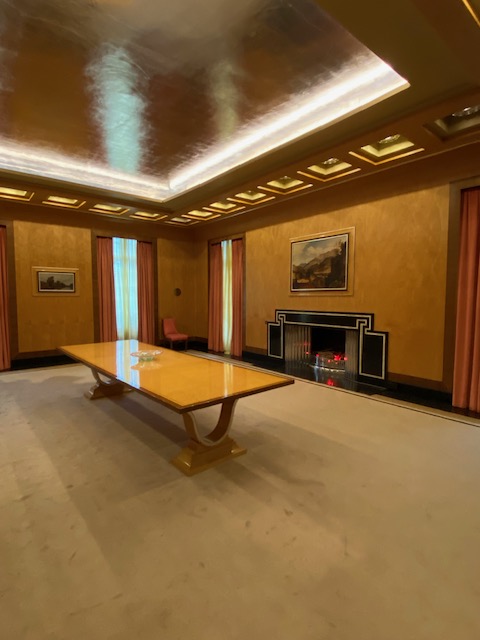
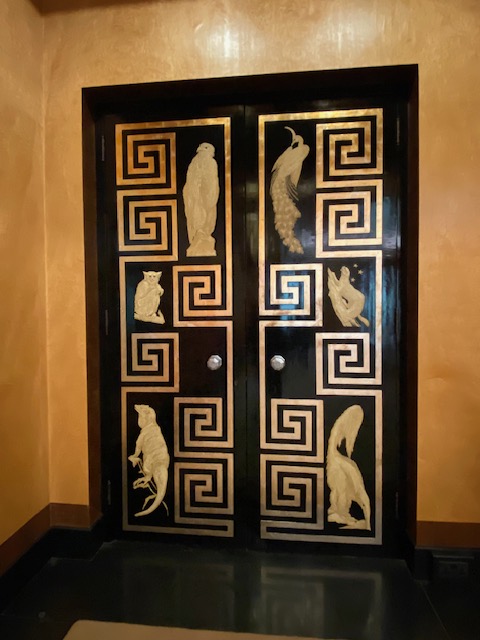
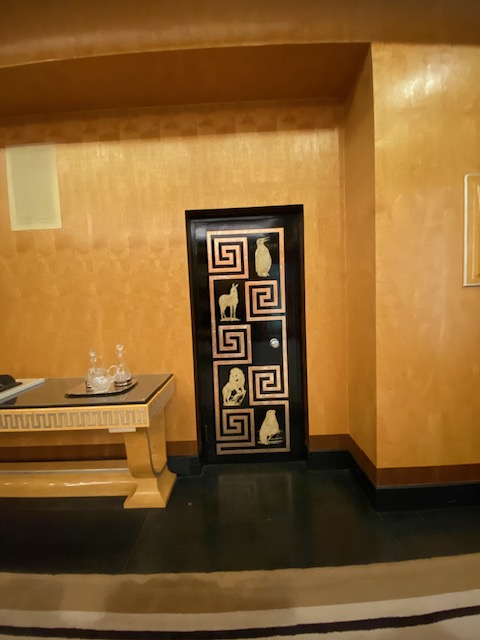
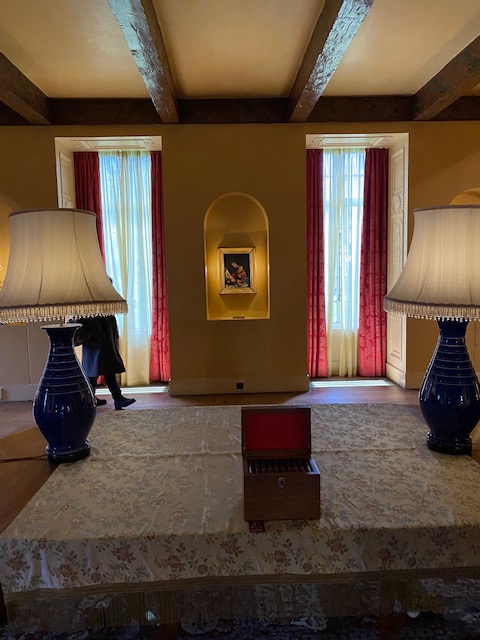
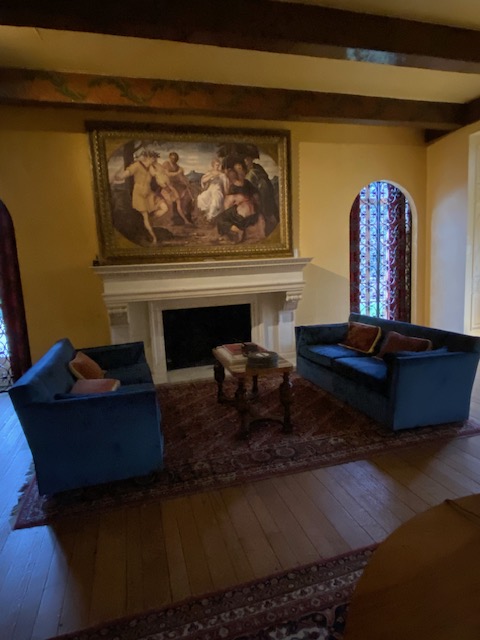
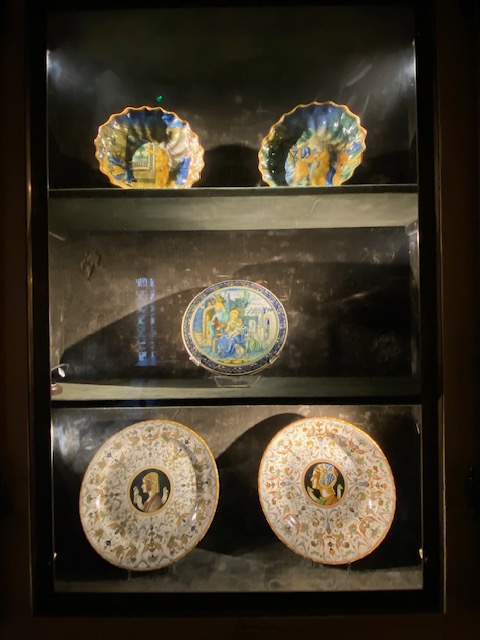
Next venture into the Drawing Room, which is finished in more of a classic style. It was designed by Peter Malacrida to set off the Courtaulds’ collection of Italian furniture and paintings to the best effect. As well as the latter, there are some fine ceramic dishes on display on either side of the door as you enter the room and take note of the beautiful Italian marble fire place with concealed lighting above.
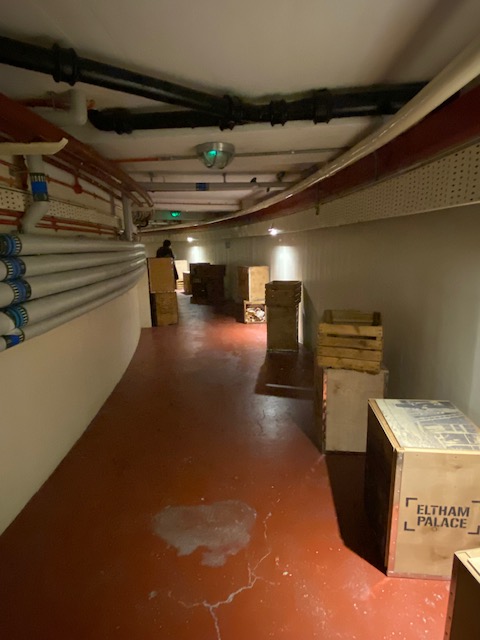
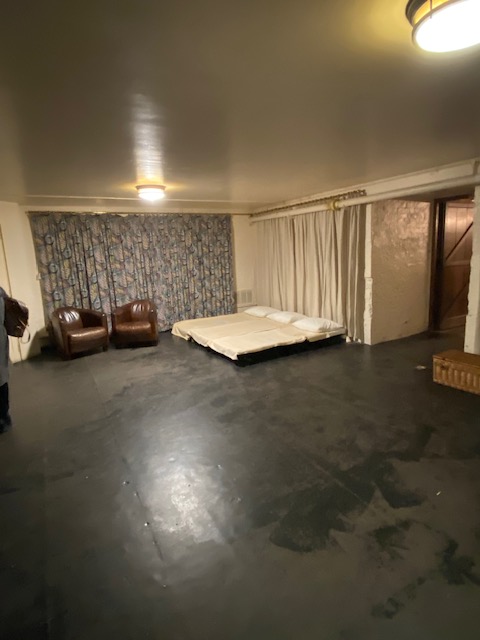
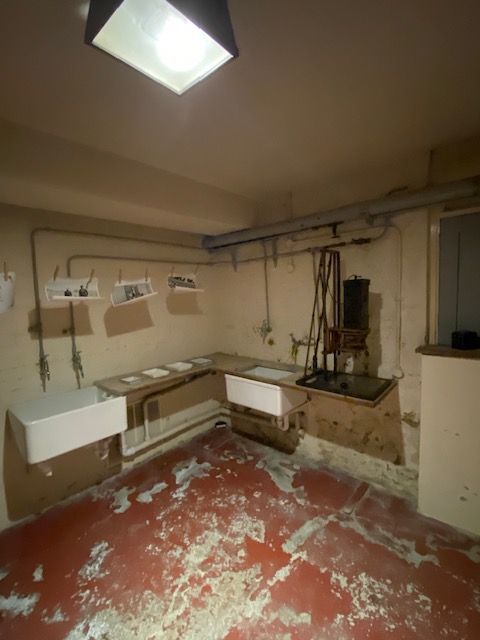
One more place to see inside the building is the basement. The Courtaulds remained at Eltham for most of the Second World War, retreating during air raids to the basement, which they had fitted out as a comfortable bomb shelter. Four incendiary bombs severely damaged the east end of the great hall roof in September 1940 and bombs also damaged the glasshouses. In 1944, having become tired of the bombing, the Courtaulds moved out and the house was occupied by army education units, who stayed until 1992. Step into a large, utilitarian bedroom and next door is a billiards room. There is even a Dark Room for producing photographs. This basement is nowhere near as luxurious as the main house but it had been made as comfortable as possible for Stephen and Ginie during the difficult war years.
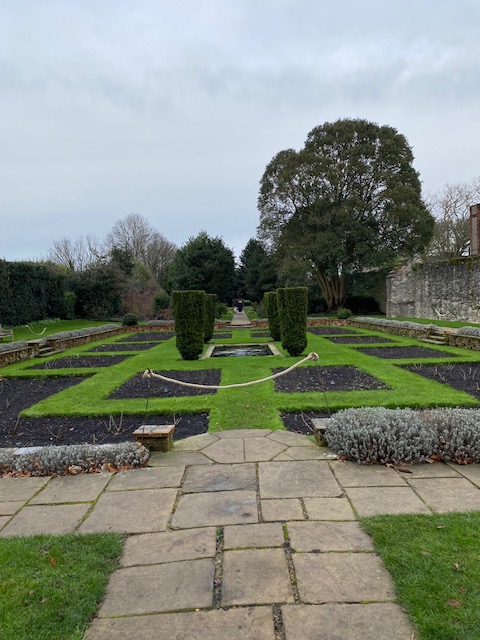
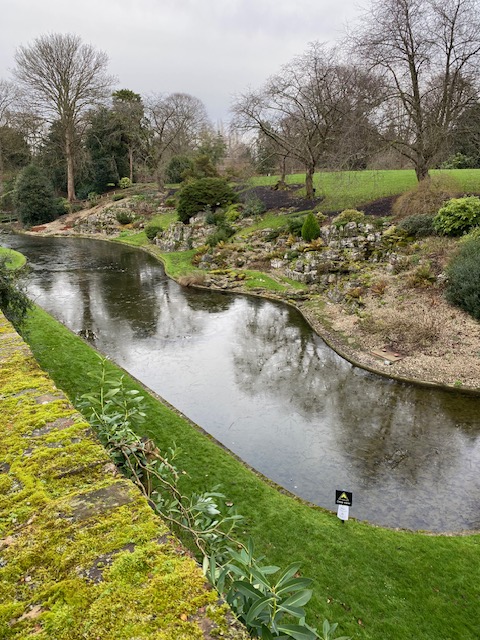
The grounds of the palace are also fascinating. There are 19 acres of beautiful gardens to explore, including a Rock Garden with pools and cascades running down to the moat. It’s possible to cross the moat on London’s oldest working bridge and to walk through the underground tunnel. I suspect the gardens are stunning in the spring and summer but there’s plenty to delight even in the depth of winter.
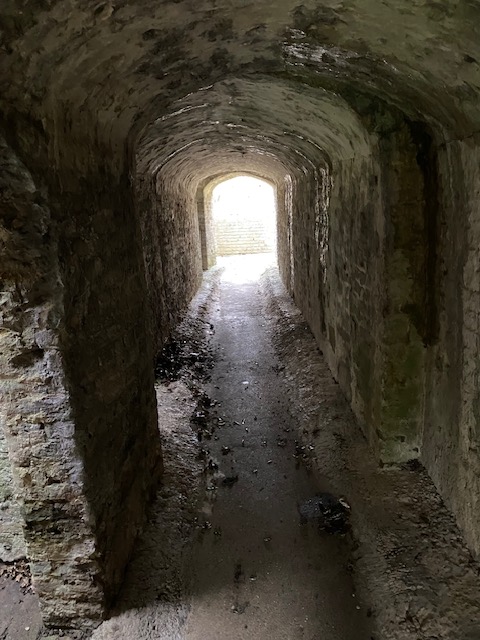
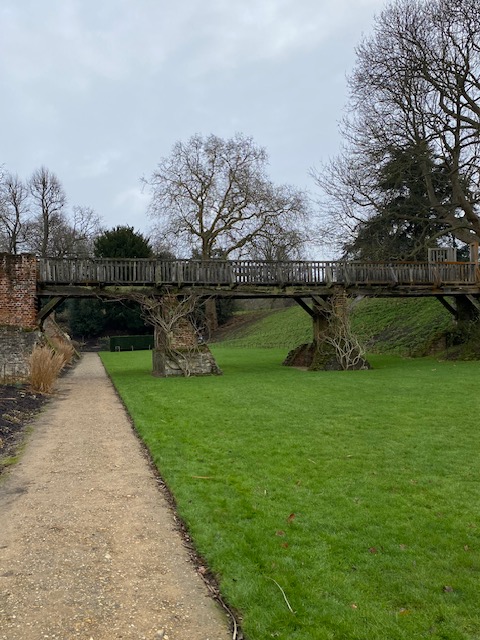
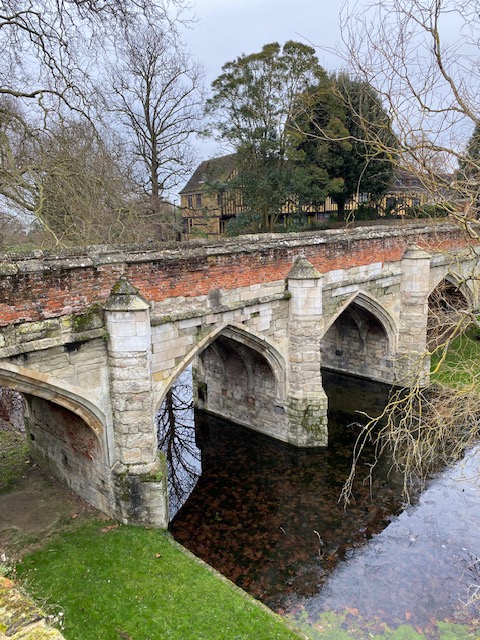
On the way out of the grounds, take a look at the Moat Bridge, built in the late 15th century and with a grade 1 listed status. It has four arches and is kept in pretty good condition. Outside of the palace grounds are some Tudor style houses. At one time, they were part of the palace and as mentioned previously, Cardinal Wolsey lived here during the time of Henry VIII.
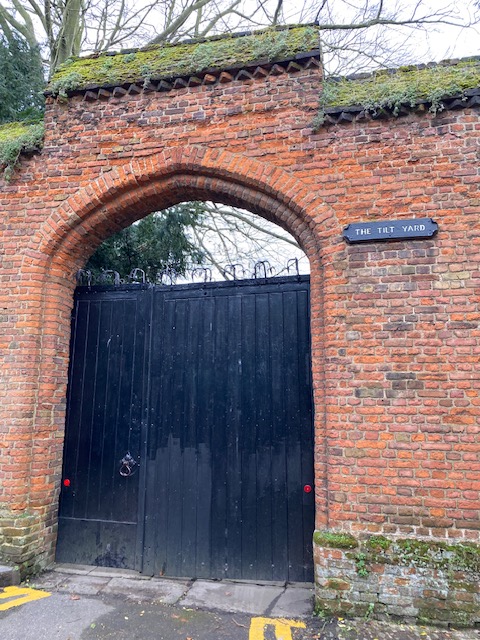
Having explored and exhausted Eltham Palace and its grounds, there is still plenty to see in the area. Walk around the corner and you’ll come to The Tilt Yard. From the road, you can see its gateway and gate, which are on the site of the former jousting tilt yard of Eltham Palace. Sitting in Tilt Yard Approach, these days it’s privately owned so it’s not possible to take a peek inside.
3. Mottingham station bus stop
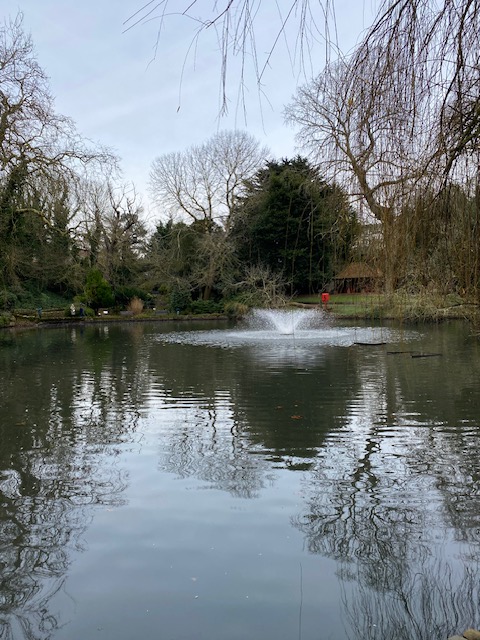
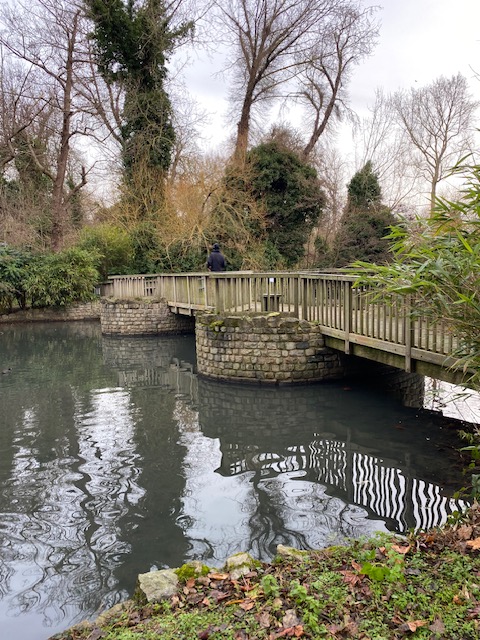
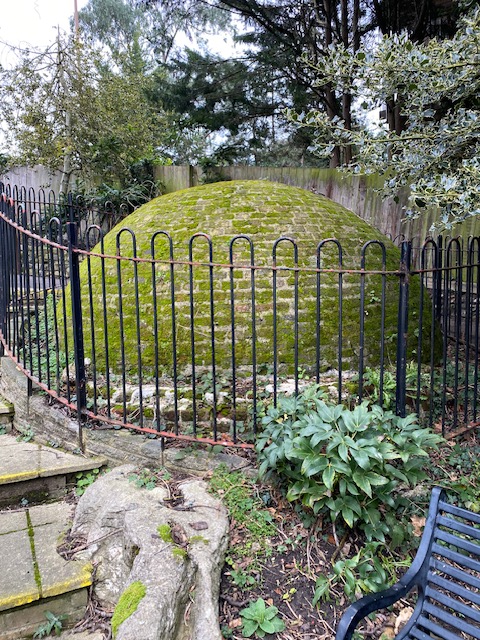
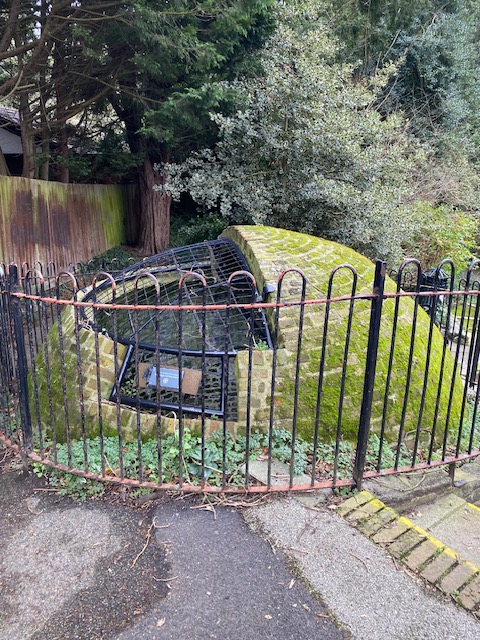
Opposite the station is Tarn Bird Sanctuary, consisting of a public garden, a bird sanctuary nature reserve and a lake amongst woodland. The woodland and lake previously belonged to the estate of Eltham Palace and were used as a royal deer hunting park up until the English Civil War. As a garden, The Tarn opened in 1935, and it remains largely unchanged since that time, containing several shelters, benches and a circular path which crosses a wooden footbridge spanning the lake. Also at one of the entrances to the Tarn, is an 18th-century ice well which is a listed structure. This ice well was sited in a shady spot, and was a brick-lined hole in damp ground. The top opening of the well was north facing for extra coolness and the whole structure would have been thickly insulated with a central straw thatch covering.
4. Catford Road/Lewisham Town Hall bus stop
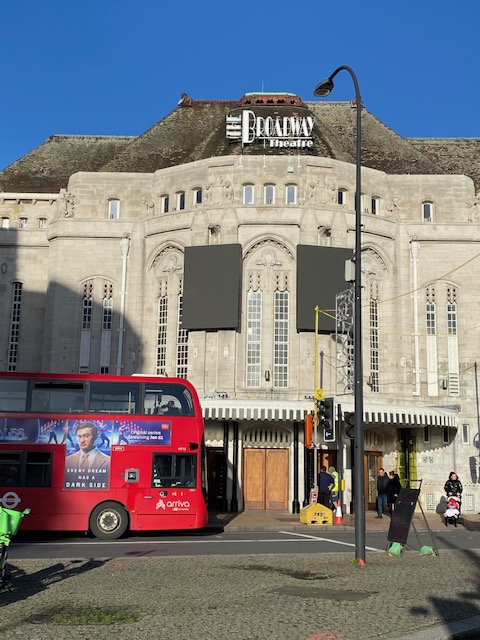
Near the bus stop is the Broadway Theatre. It was built in 1932 initially as an extension to the original gothic style town hall (since demolished) thus giving the theatre a unique blend of architectural elements including art deco, Tudor and gothic revival. In the early days, regular orchestral concerts and dances were held here. At the outset of World War II, the auditorium floor was strengthened to be used as an air raid shelter. The building was also used as a telephone exchange and ration distribution centre. Over the years since then, the venue has been used for live performances and musical events.
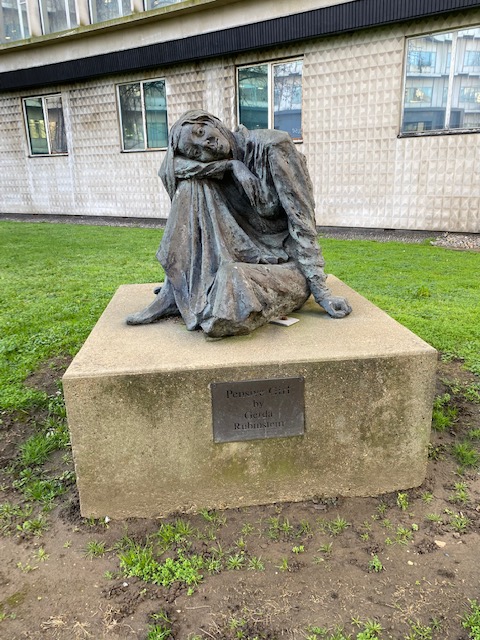
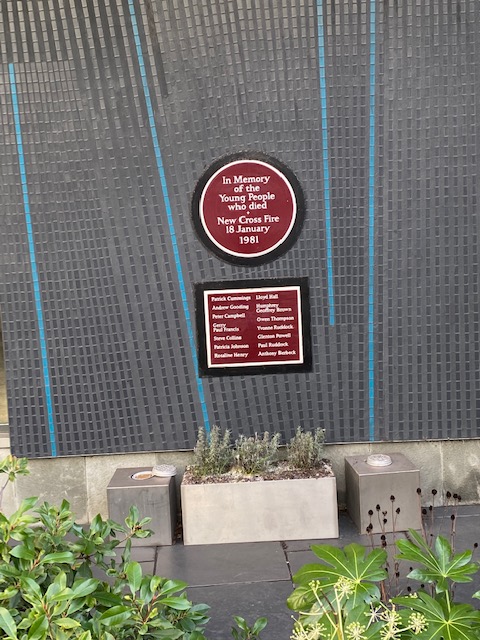
From here, walk to Lewisham Town Hall. Outside the old town hall is a bronze statue entitled Pensive Girl by the sculptor Gerda Rubinstein. Near the Pensive Girl statue is a memorial plaque for the 13 black teenagers who died in fire in New Cross in 1981.
There are other places to see along the route but if you’re intending to visit Eltham Palace, then it’s wise to limit how many times you get on and off the bus, as you are likely to spend some hours at the Palace and its grounds.
That said, there are a few attractions nearby, notably the Tarn and Bob Hope theatre and other routes are near so it’s possible to catch other places of interest on another day.
I don’t usually promote or write about somewhere that has an entrance fee but Eltham Palace is so special that I felt I had to go there and then write about it in some detail.
Toilets that are free of charge and open to the public:
- Bob Hope Theatre
- Eltham Palace
- Tarn Bird Sanctuary
- Lewisham Town Hall
 london routemistress
One response to “Bus route 124”
[…] where once again you’ll pass The Tilting Yard and Cardinal Wolsey’s home. See blog for route 124 to get a comprehensive description of the […]
LikeLike