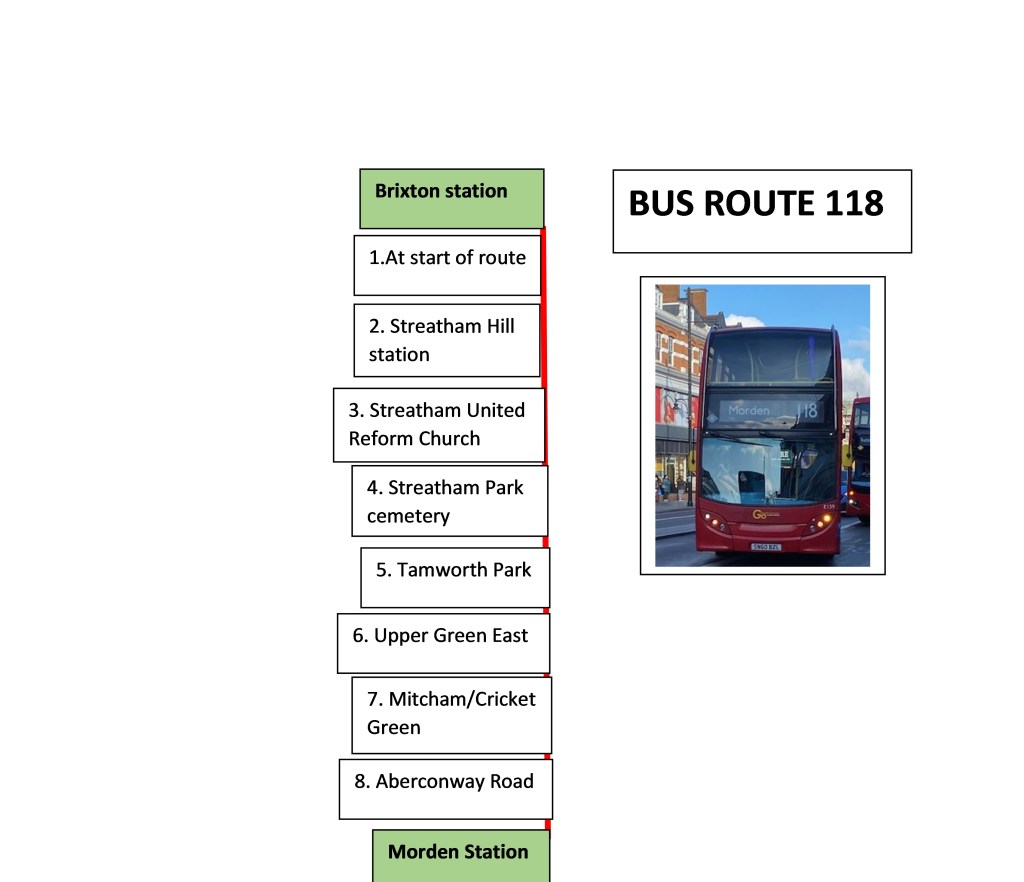
Brixton station to Morden station
Highlights
- Black Cultural Archives
- Vestry Hall
- Canon’s House
1. Start of route – Brixton
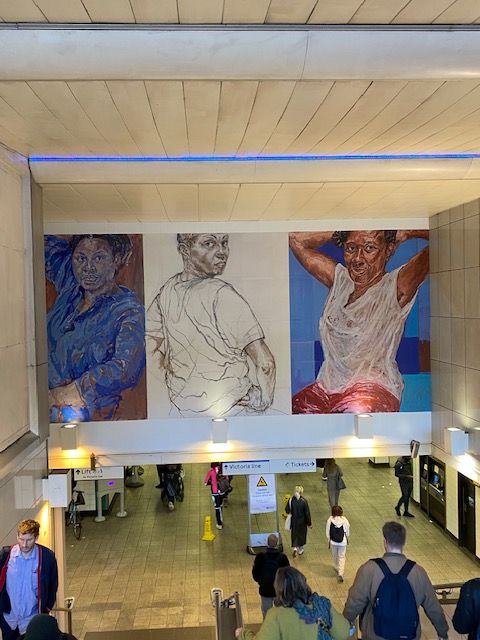
At Brixton station is a new mural by Claudette Johnson. Loosely based on Picasso’s Les Demoiselles D’Avignon, Three Women is Johnson’s first public work. About the work, she says “”I am fascinated by the power that emanates from these postures and this is borne from my longstanding interest in women, power and how we claim space in places where we have been absent, obscured, caricatured or denied.” It dominates the entrance to the station – it’s difficult to ignore as you start walking down the stairs.
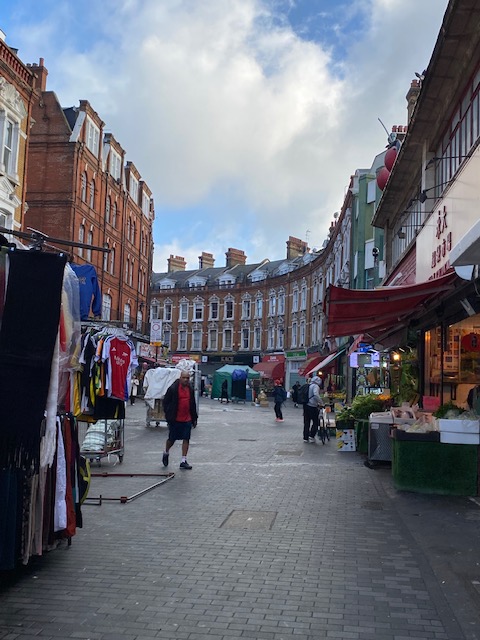
Round the corner from the station is the Electric Avenue street market. It’s a typical one, with food, clothes and (at this time of year), all things Christmas, but it’s worth taking time to look at the buildings around the market place. The street was built in 1888 and was the first market to have electric lighting. The singer Eddie Grant wrote and sang “Electric Avenue” which was a hit both here and in the US – the song was inspired by the Brixton riot in 1981.
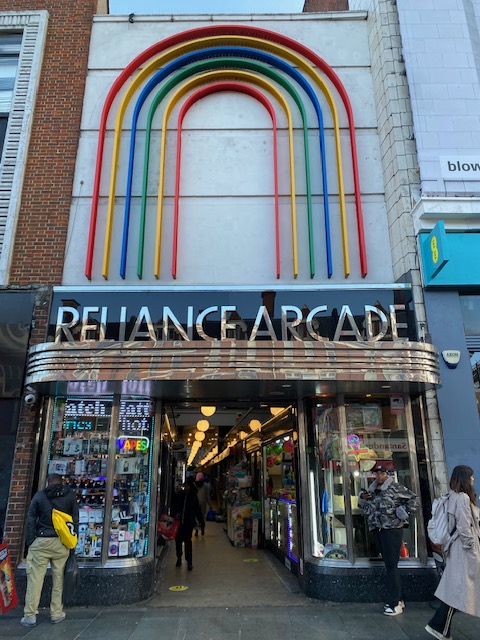
You’ll also pass Reliance Arcade which was built in 1925 and is grade II listed. The façade is in buff faience with a red, green, yellow and blue Art Deco Egyptian-style arch above the entrance. There is an original sign identifying ‘Reliance Arcade’ in the transom above the entrance.
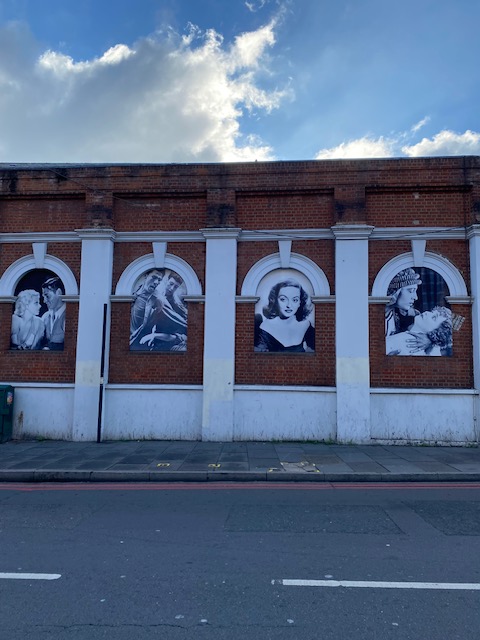
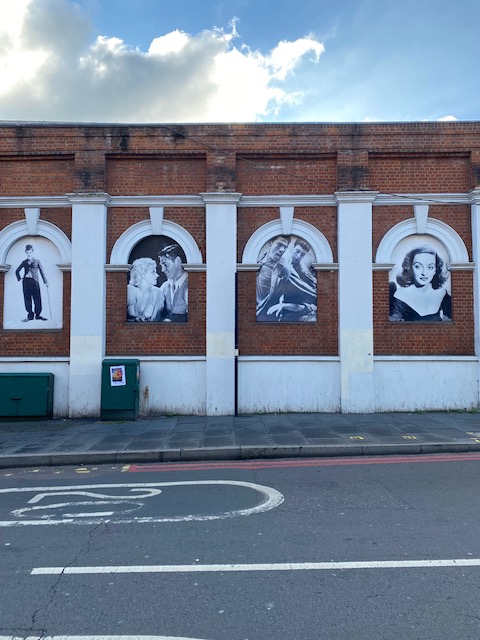
Now walk along the main road and you’ll arrive at the Ritzy cinema. It dates back to 1911, when it was known as the “Electric Pavilion”. It was one of England’s earliest purpose-built cinemas, seating up to 750. Around the side of the cinema are pictures of famous actors and scenes from different films.
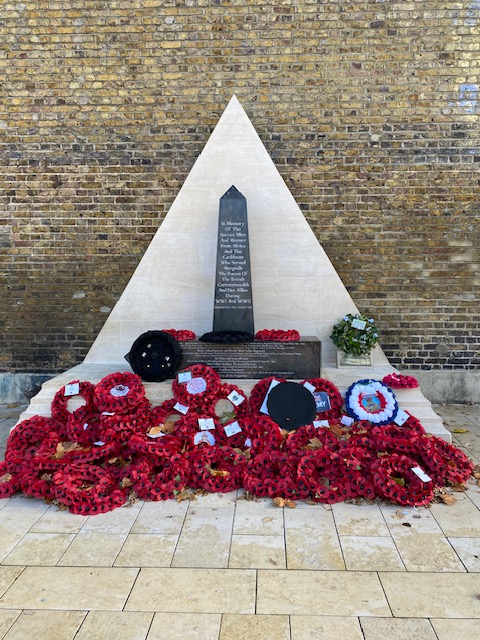
Just past the Ritzy is the memorial for those service men and women from Africa and the Caribbean who died during WW1 and WW2. It’s a sad and poignant reminder of how they served alongside the forces of the Commonwealth during those terrible wars.
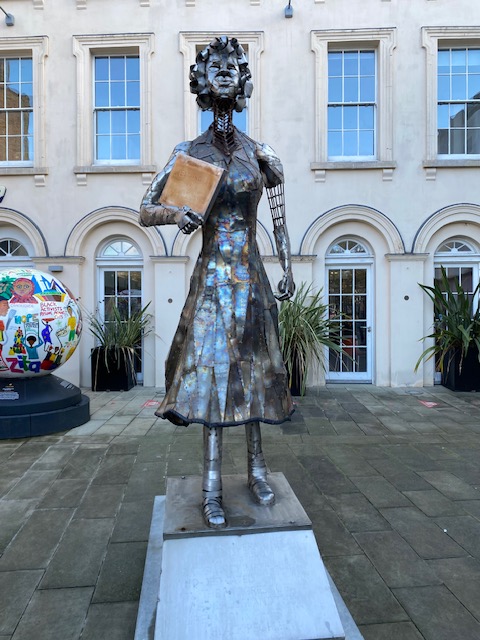
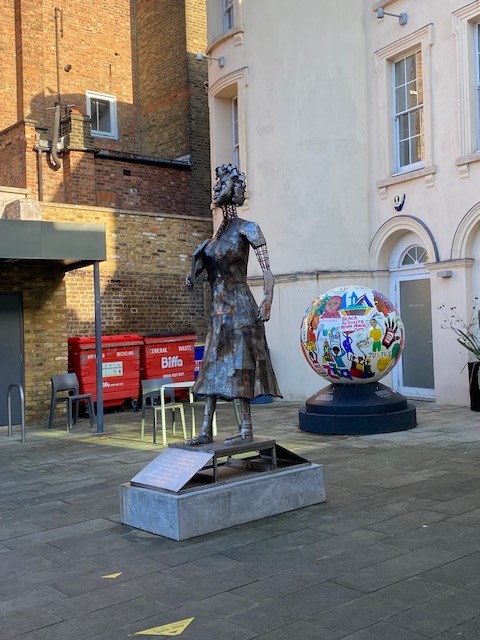
Next to the memorial is Black Cultural Archives, a heritage centre dedicated to the histories of people of African and Caribbean descent in the UK. It’s only open on Thursday to Sunday, so take note. In the forecourt is a statue of Claudia Vera Cumberbatch Jones, a West Indian-born journalist and activist. At the age of 8, she and her family moved to the USA where she eventually became a political activist. Owing to this, she moved to the UK and immediately joined the communist party. When here, she campaigned against racism in housing, education and employment. She addressed peace rallies and the Trade Union Congress, and visited Japan, Russia, and China, where she met with Mao Zedong.
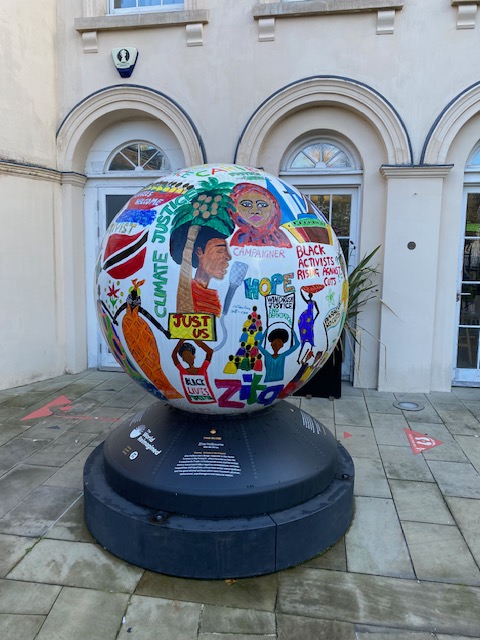
Also in the forecourt is a large globe, being one of four created as part of The World Reimagined, a UK-wide art education project featuring globally-recognised artists to transform how we understand the Transatlantic Trade in Enslaved Africa (TTEA) and its impact on us all. This globe was created by artist Zita Holbourne with the theme Echoes in the Present, focusing on how the TTEA has present day negative consequences in terms of racism and prejudice, inequalities and injustice.
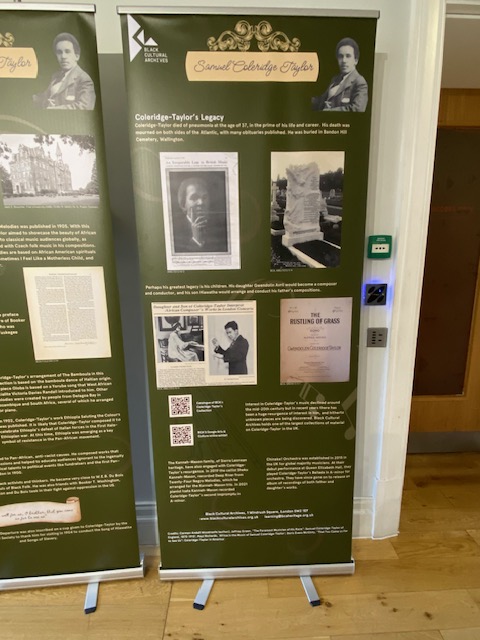
Inside the BCA building, there is a permanent exhibition as well as a temporary one (which has an entrance fee – the rest of the centre is free). There’s a lot to take in, including a fascinating Black History Tube Map, that features 272 Black icons in Britain from pre-Tudor times to the present day.
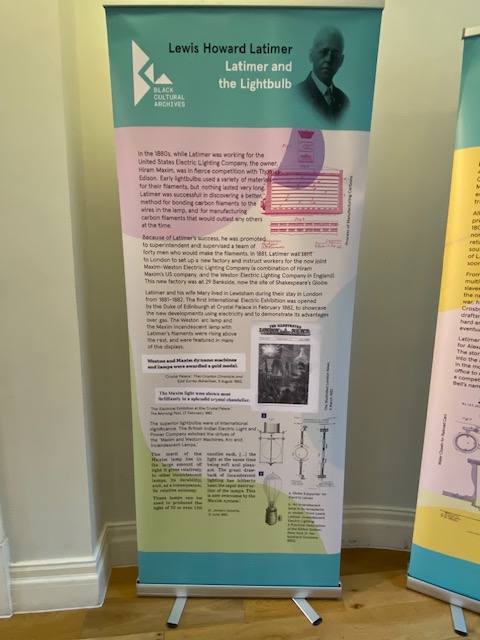
One of the exhibitions on display features Lewis Howard Latimer, an American inventor. He was born in Massachusetts in 1848, six years after his parents had fled enslavement in Virginia. From as young as 10, Latimer had multiple jobs and after the war (civil) he worked as a draftsman for a patent firm. It was he who executed the drawings for Alexander Graham Bell’s telephone patent. Whilst working for the US Electric Lighting Company, he invented an improved process for manufacturing carbon filaments for light bulbs. Owing to the success of this discovery, Latimer was sent to England where he and his wife stayed in Lewisham for the period he was working in London. On returning to America after his stint in England, he worked for Thomas Edison and was a founding member – and the only black one – of the Edison Pioneers.
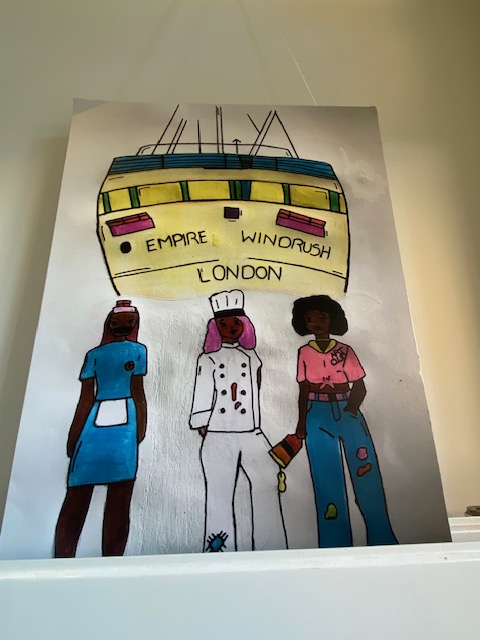
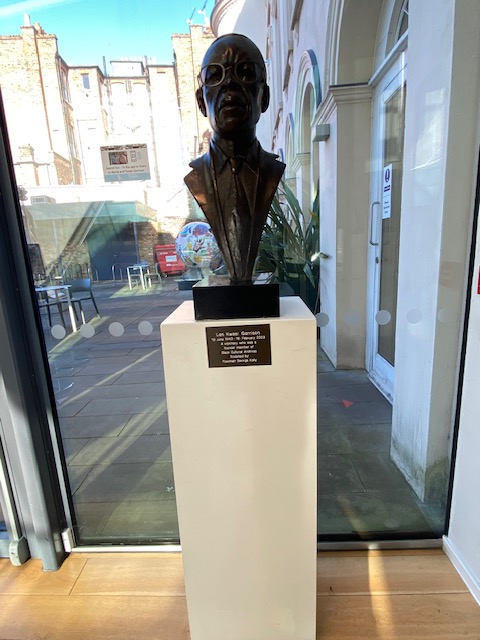
In the same room is a timeline of Black history through the years, from pre-Tudor times right up to the present day. There is obvious reference to the Empire Windrush and a bust of Len Kwesi Garrison, a visionary who was a founder member of Black Cultural Archives.
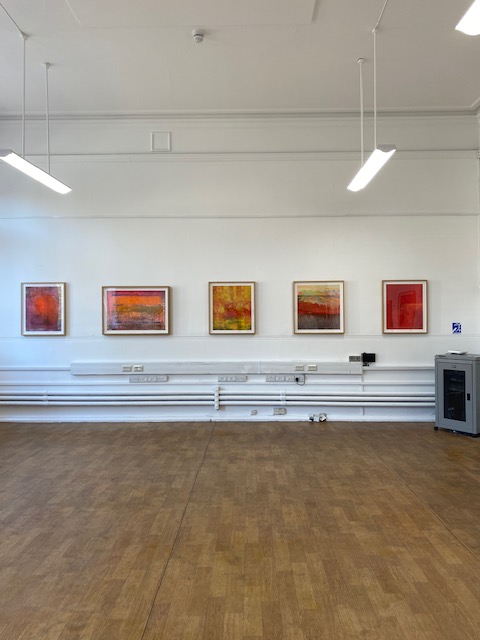
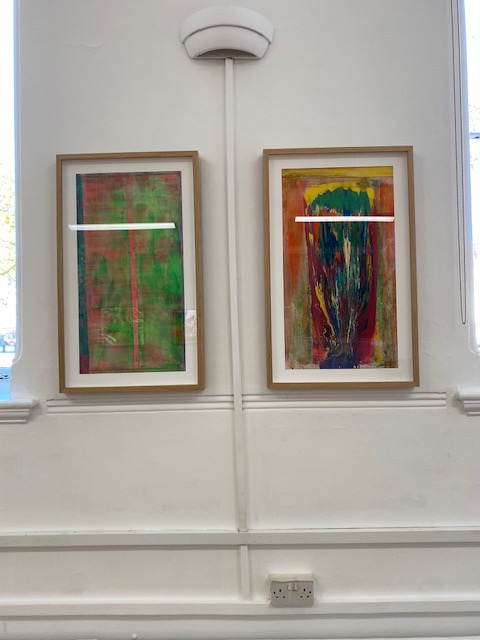
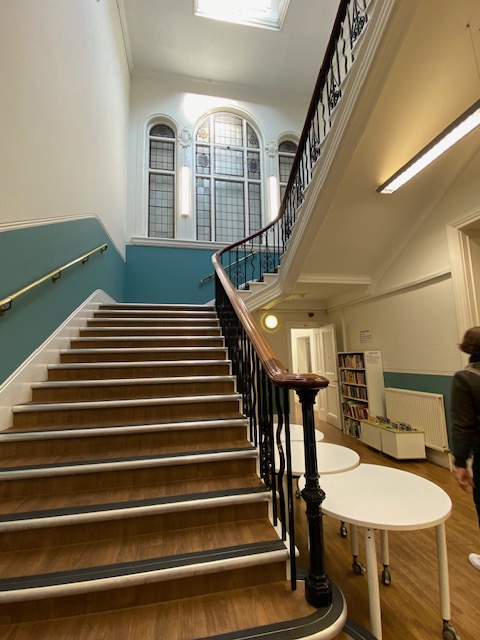
Almost next door to the BCA is Brixton Library (see also bus route 1 for more information about the library). The current exhibition is by contemporary abstract artist Sir Frank Bowling. There are 16 prints on display which span his artistic journey from 1968 to 2020.
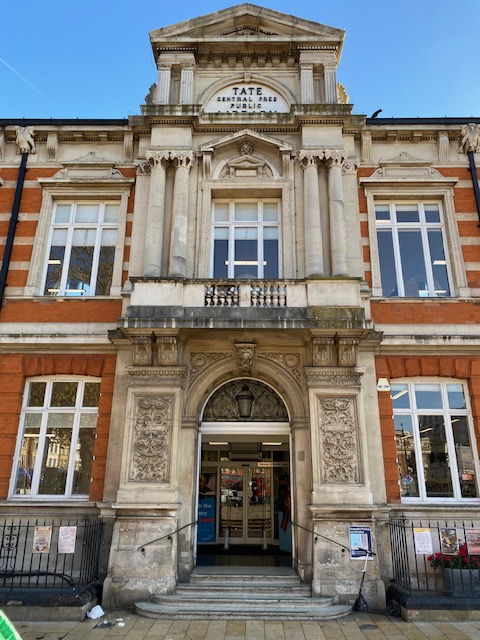
The library dates back to 1891–3 when it was built with donations from Sir Henry Tate at a cost of £15,000, and it was opened by the Prince of Wales on 4 March 1893.
2. Streatham Hill station bus stop
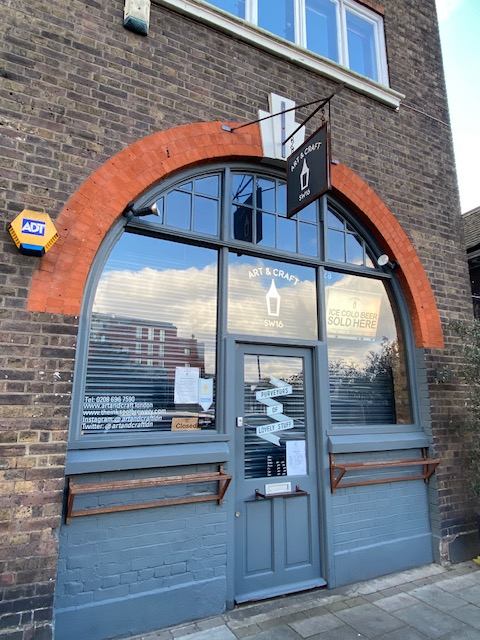
There is so much to see in Brixton, and now to get on the 118. Near the station is Art & Craft – not a shop for buying things to paint or create – but ‘Art on the walls and craft on the shelves’. They sell craft beers from local, national and international breweries as well as having a rotating collection of urban and contemporary Art from both established and emerging artists. I arrived before its opening time of 12 noon so couldn’t take a look inside, but if the outside is anything to go by, it’s worth a visit.
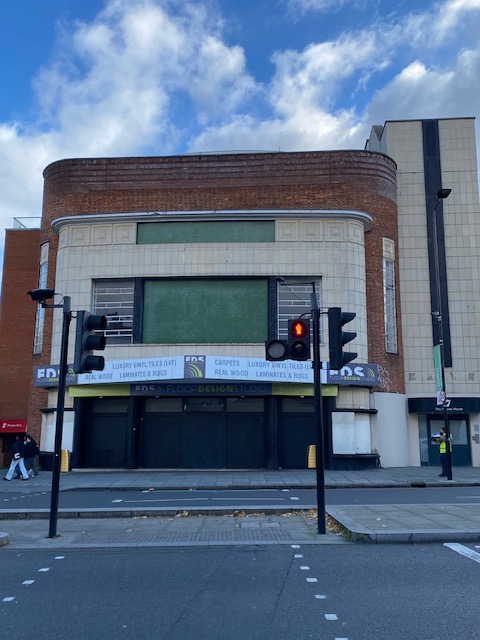
Over the road is the old Picture House, with its 1930s Art Deco Odeon Cinema façade and foyer. It’s grade II listed and retains part of the original cinema, now a restaurant unit. Needless to say, as many of these buildings have, it’s converted into residential flats, but it’s good that the original façade has been kept.
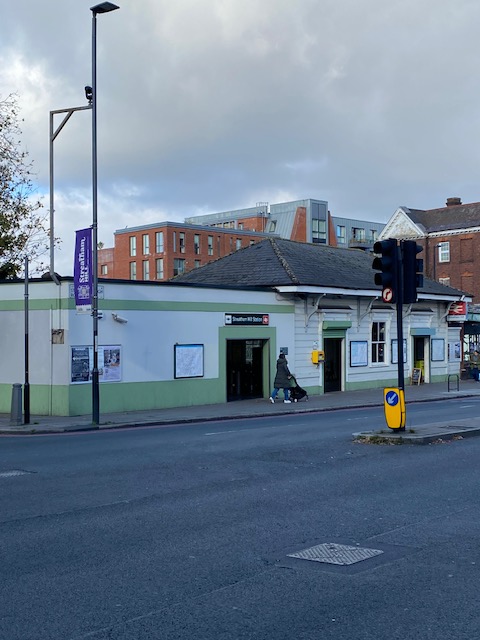
Head back to the bus stop and walk by Streatham Hill railway station. It was opened by the West End of London and Crystal Palace Railway on 1 December 1856, originally being named ‘Streatham’. It was renamed Streatham & Brixton Hill on 1 September 1868 before receiving its present name on 1 January 1869.
3. Streatham United Reform Church bus stop
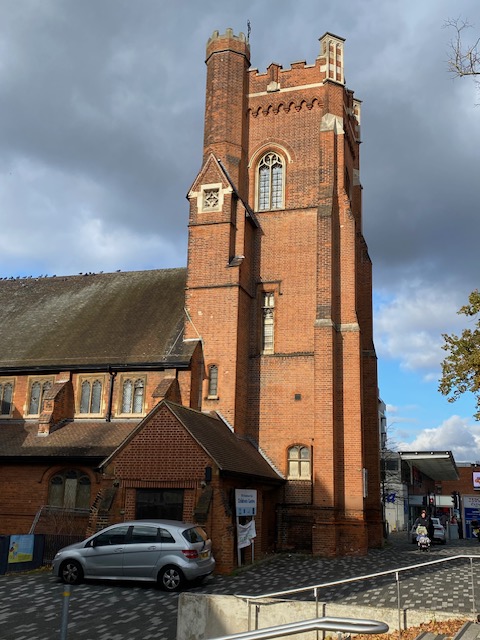
As the stop’s name suggests, the church is just here. SURC’s building is grade II listed and was built in the Gothic style. The foundation stone was laid on October 24, 1911 by Miss Derry, the daughter of Charles Derry, a co-founder of the Derry and Toms department store in Kensington. It was largely funded by the Derry family and Frank Bentall, also the owner of a famous department store chain.
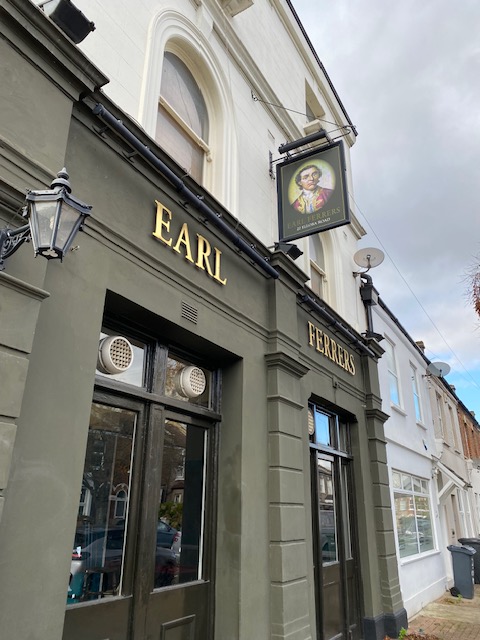
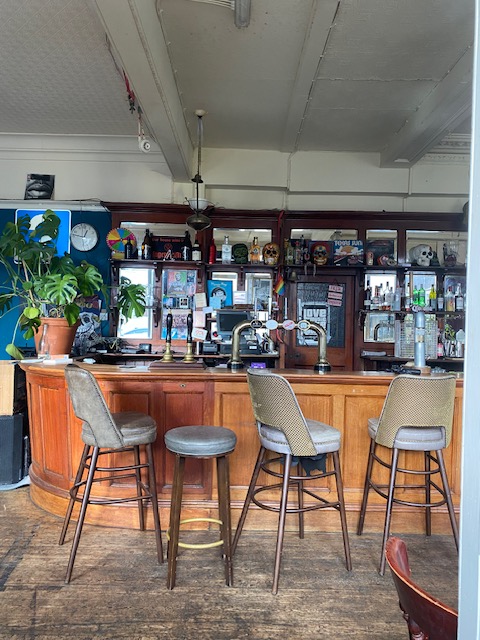
Round the corner from the church is an old pub, the Earl Ferrers. It’s named after Laurence Shirley, the 4th Earl Ferrers, who was the last peer to be hanged in England. I can’t help but wonder why a pub would be named after a convicted murderer – for the earl had murdered his steward – although on digging around, it seems there was insanity in his family. Though I’m not sure that’s an excuse for carrying out the deadly deed. He was hanged at Tyburn in May 1760.
4. Streatham Park Cemetery bus stop
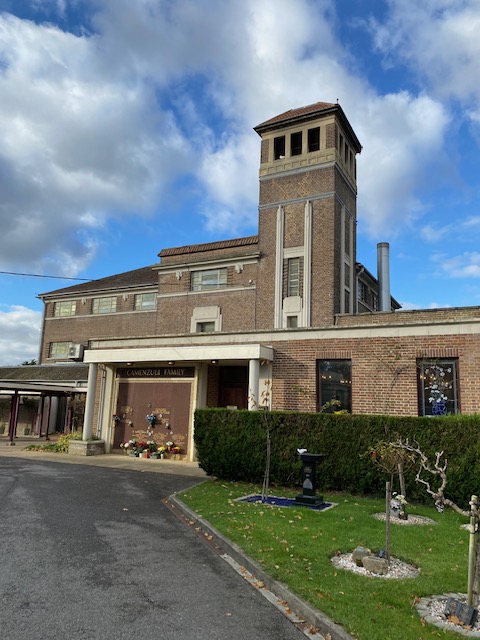
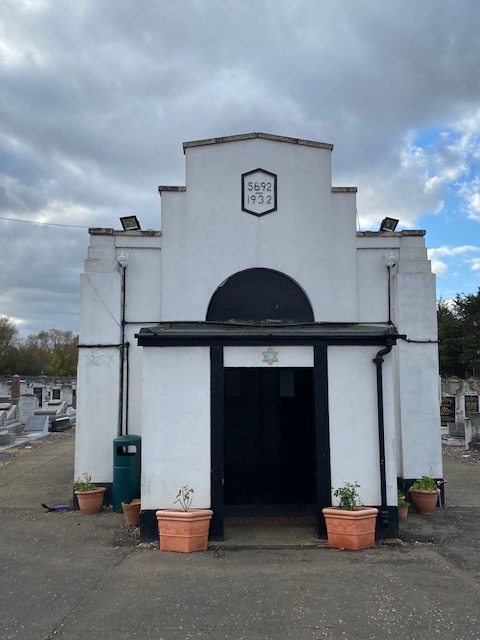
There are two cemeteries here, one is the Jewish cemetery which opened in 1915, with the majority of people buried here being those who had settled in the Soho area of London and who worked as tailors, cabinetmakers, shop makers etc. The other is both a cemetery and a crematorium, the former of which is slightly older, being here since 1909, while the crematorium dates back to 1936. There are a few famous people buried here but it’s difficult to find any of them unless you contact the office first. The original Anglican chapel still exists and there is a small building in the Jewish cemetery for prayers before a burial. The last of the interments here was approximately 20 years ago.

5. Tamworth Park bus stop
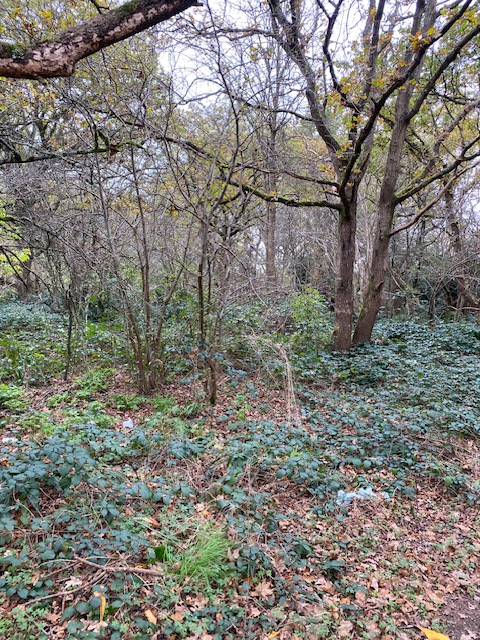
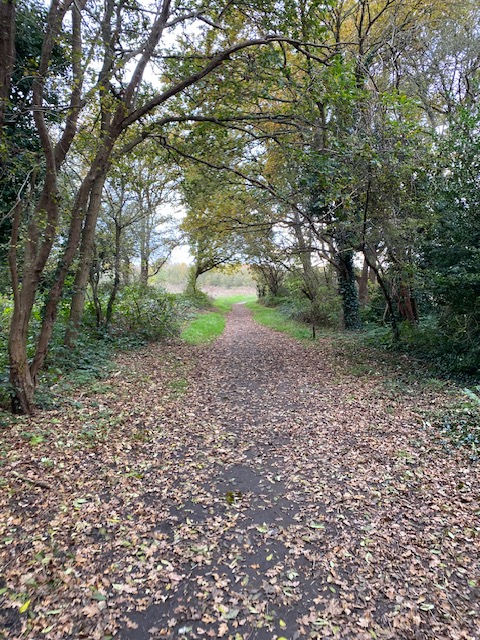
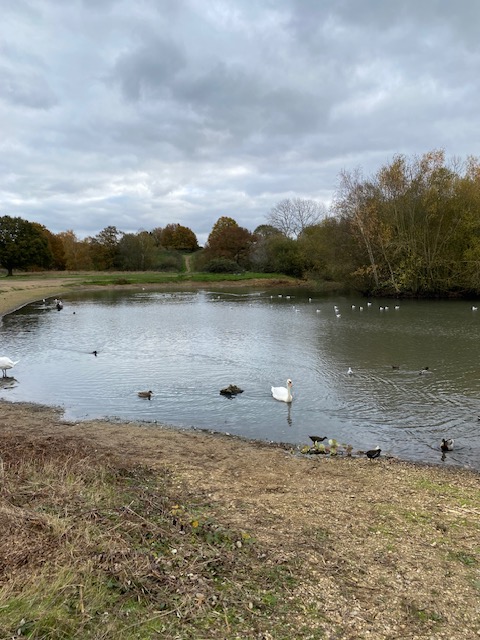
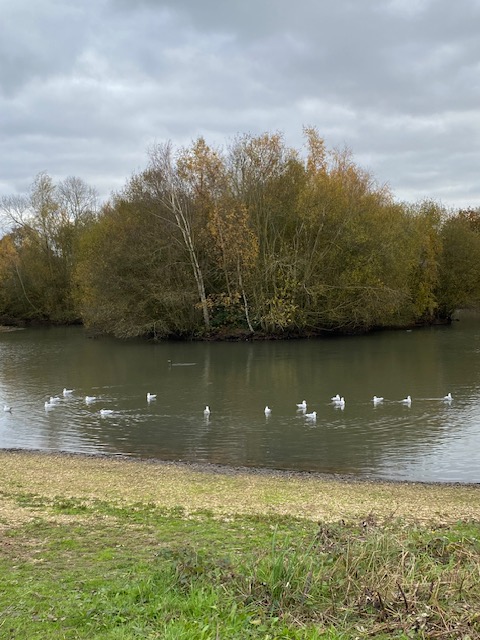
Tamworth Park is actually part of Mitcham Common, which is a site of metropolitan importance for nature conservation. Since the 19th century, woodland has been allowed to regenerate here. There are several ponds on the common, the largest of which is Seven Islands Pond, created as the result of gravel extraction during the 19th century.
6. Upper Green East bus stop
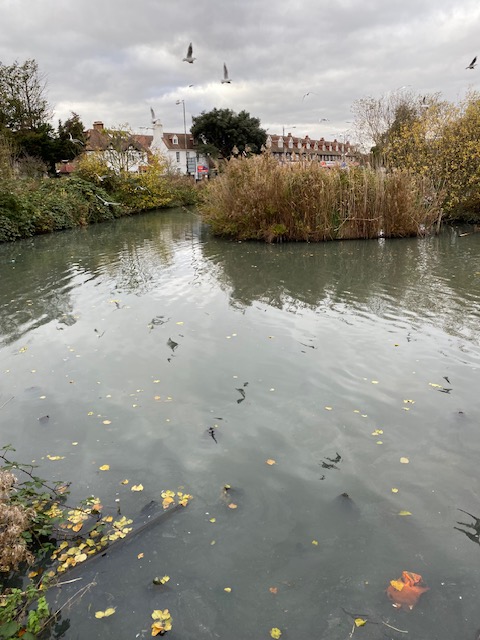
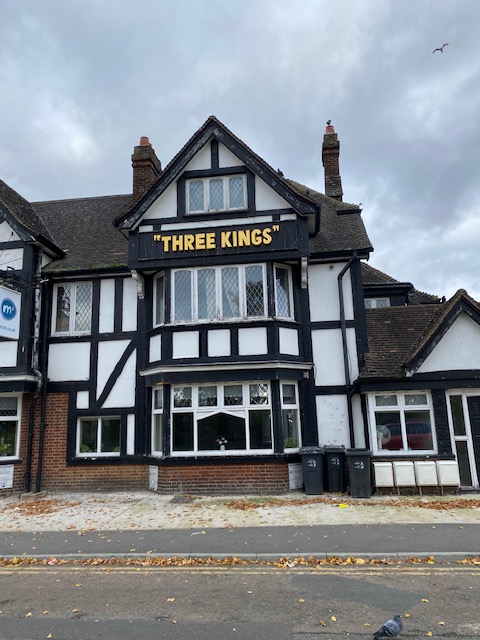
Next to Mitcham Common is Three Kings Piece, another green open space with a pond. According to local history, it’s been there for at least 300 years but I don’t know how it got its name. There is the Three Kings pub adjacent to the pond, which has been closed for some time. The building dates back to 1928 and more recently had been a restaurant.
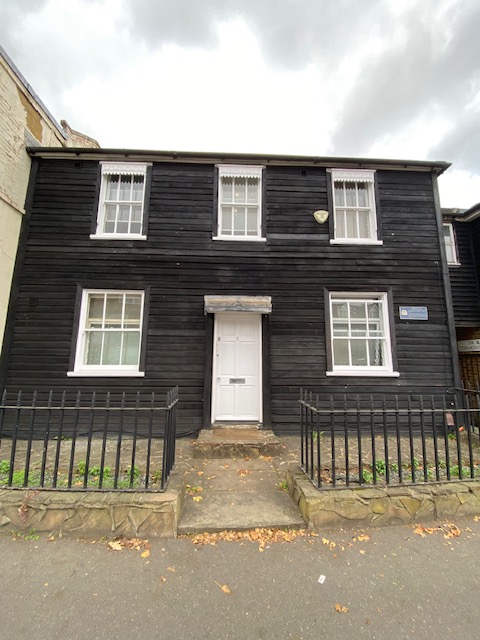
Walk round the corner and you’ll find a weatherboard building with a plaque saying it’s Clarendon Works and that it was once known as “Chart’s House”, being the home of the Chart family for many years. It seems to be permanently closed but it’s still in pretty good condition.
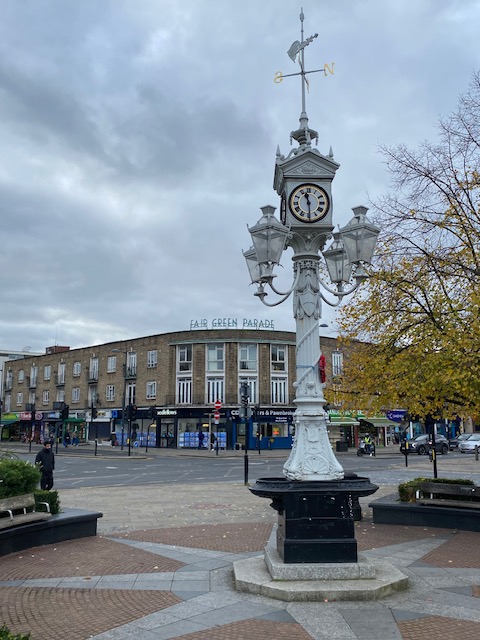
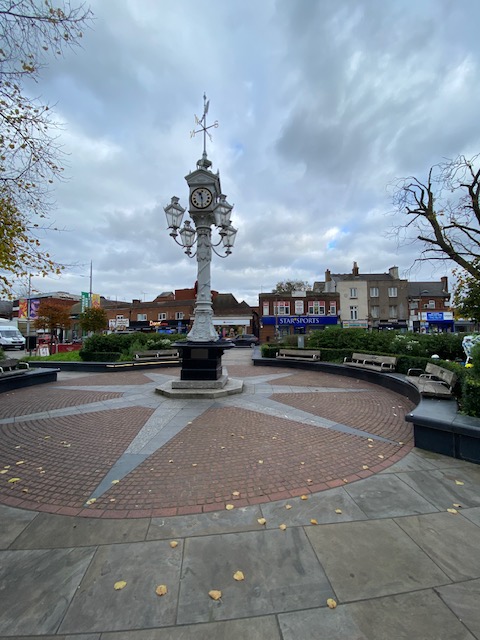
From here, go to Mitcham Fair Green, or Upper Green, which gets its name from the fair which was held there on 12-14 August each year until 1924. There is an unsubstantiated common belief, that Mitcham Fair was established under a charter granted by Queen Elizabeth I. At any rate, the first documentary evidence of its existence is found in 1732 when an inquest was recorded on an itinerant fiddler who died in a local house.
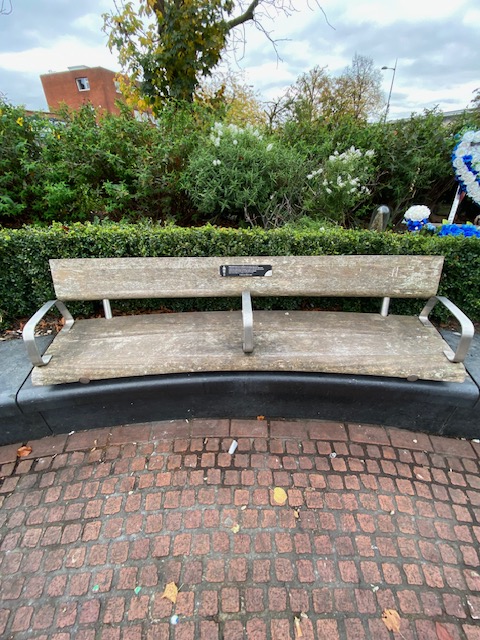
In the centre of the Green is a clock tower, erected to commemorate Queen Victoria’s diamond jubilee in 1897. It was built on the site of the old village pump. You can see the four gas lamps which originally lit the clock’s faces. Surrounding the tower are a number of benches, each with a plaque, giving some information about aspects of Mitcham. One example is “Mitcham gets its name from an Anglo-Saxon word meaning Big Home Place”. Another states “In 1803, The Surrey Iron Railway was opened in Mitcham. It was reputed to be the first public railway company in England, if not the world”.
7. Mitcham/Cricket Green bus stop
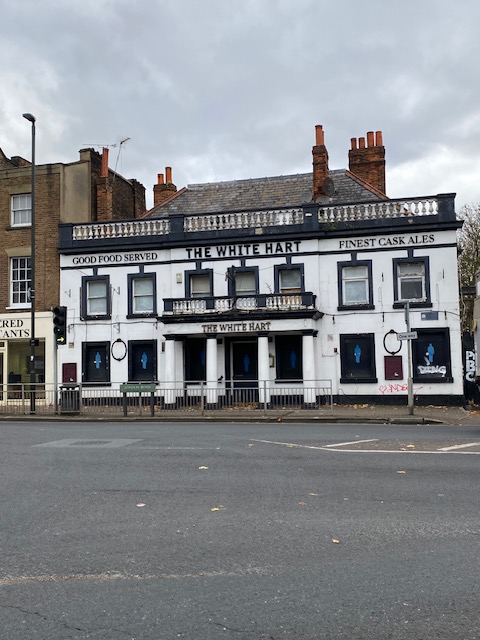
The bus stops at the cricket green which is the oldest in England. On the other side of the road is the old White Hart pub, now deserted. This late 17th century building is grade II listed. Plans to convert it into flats and maintain a pub within the building have been ongoing for a number of years. At present, it’s just an empty shell but it’s possible to see how it would have looked in its former glory.
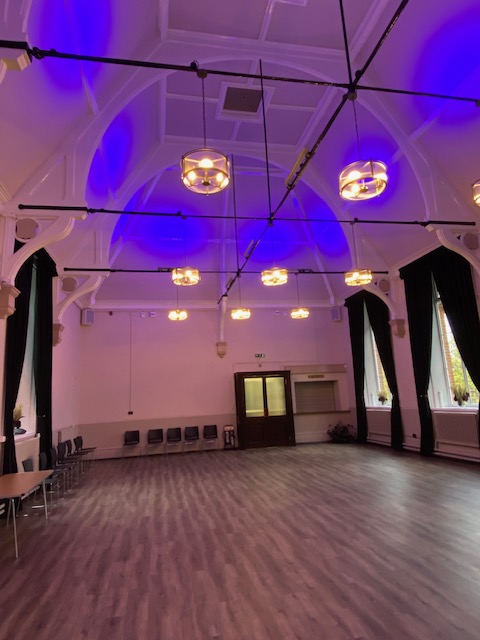
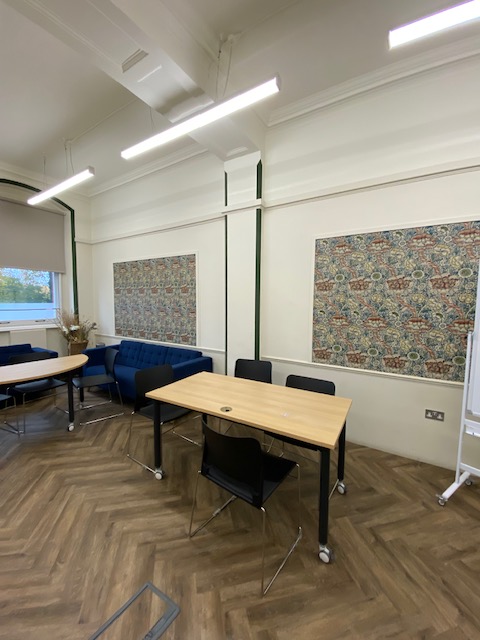
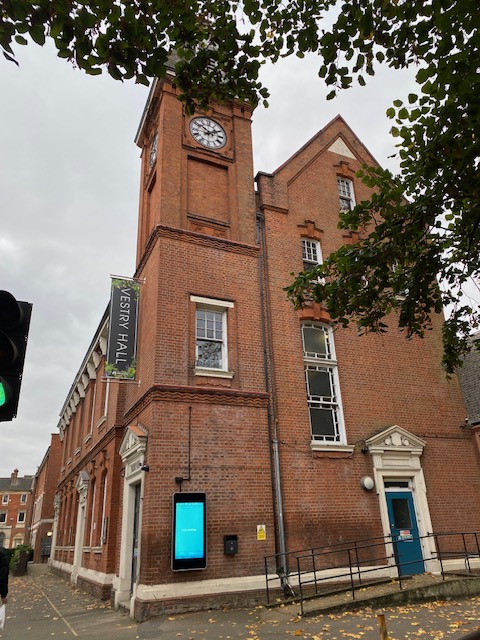
Along the road is the Vestry Hall, erected in 1887. It’s on a site that is near the old village pump, the parish stocks and the lock-up which later housed the village’s hand operated fire pump. The building was commissioned as a vestry hall for the benefit of the Parish of St Peter and St Paul. By 1915, it had become a municipal building, housing council offices and these days it’s a community centre. The grand hall is a great space for events – it had actually been used as a restaurant during WWII. One of the offices that is used for meetings, has William Morris prints on the walls. He had a workshop in nearby Merton Mills and still has influence in this part of London. Outside, there is a superb asymmetrical clock tower.
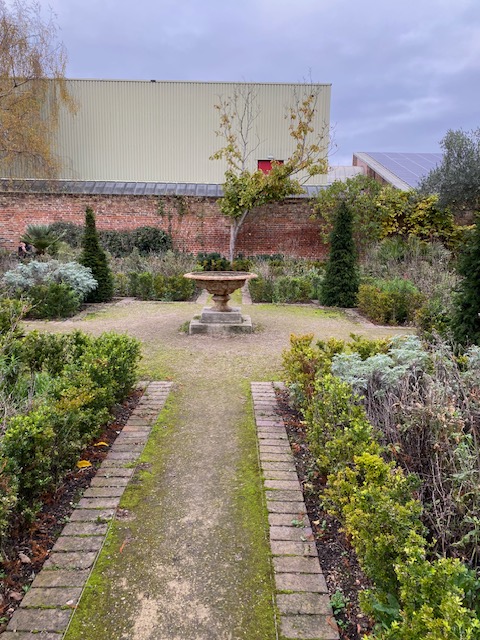
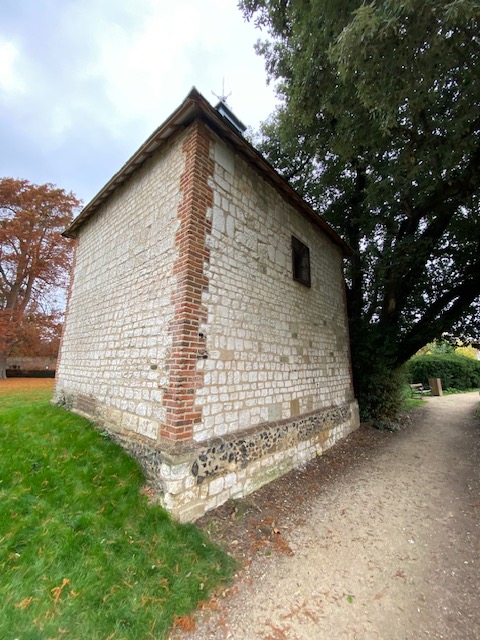
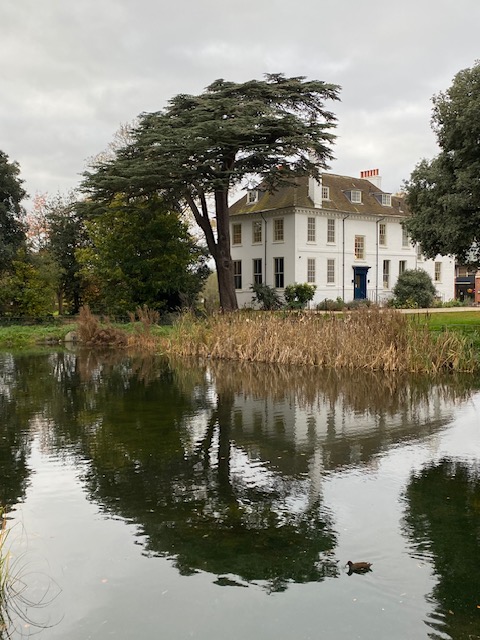
On the other side of the cricket green is Canon’s House, a magnificent 17th century home, originally built by the Cranmer family. It was named after the canons of the Augustinian priory of St Mary Overy at Southwark, on whose site the house now sits; it is believed the dovecote and the pond date from this medieval period. The Cranmer family, very well known in Mitcham, owned the house through its history from its construction until the family sold it to the council in 1939. Over the years, the house had a number of interesting tenants, including an East India Company merchant and officers from the American and Napoleonic wars. The Dovecote, which was built circa 1511, is reputed to be the oldest complete structure in Mitcham. The rectangular structure has walls which are 3 foot deep with a truncated and turreted tiled roof.
The house and grounds were sold to the council and served both the ARP and the Home Guard during the Second World War, while the grounds were dedicated to allotments. These days, the Grade II* listed has been reimagined as a joint community, business, creative & eco hub.
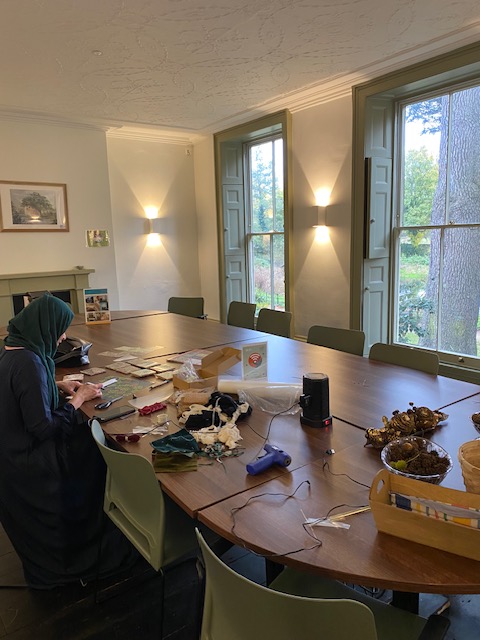
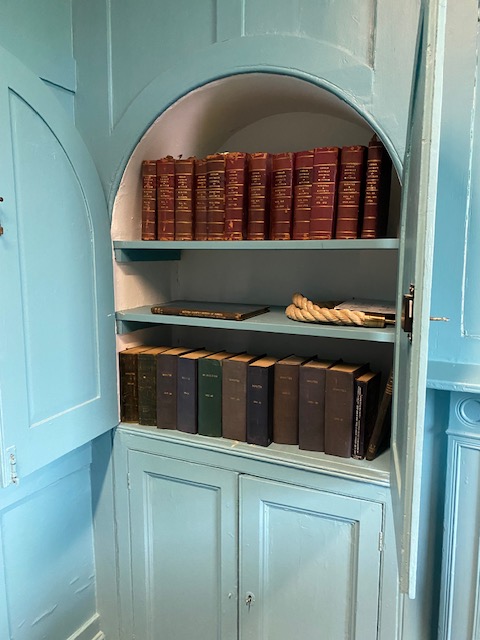
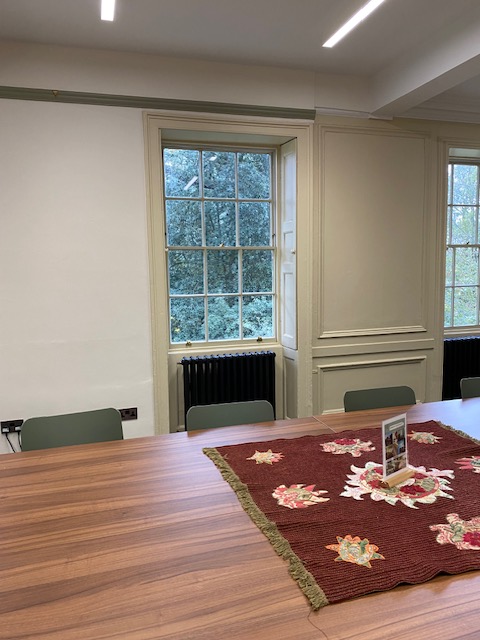
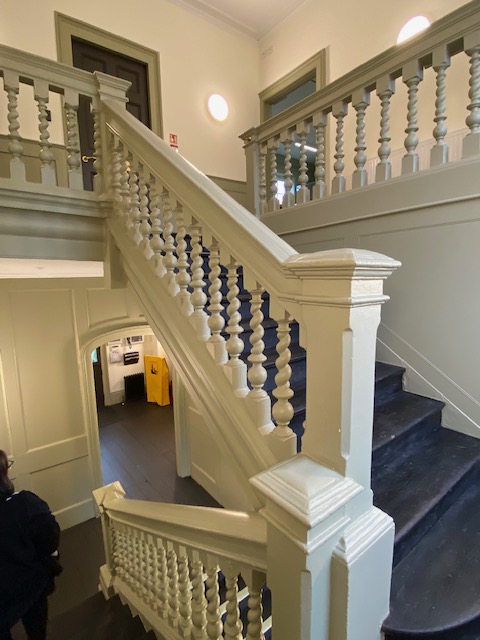
Inside the house, although now serving as offices and a community hub, it’s still possible to see how it would have been in the Cranmer days. The Cedar Room overlooks the garden with a cedar tree as the view. The Blue Room is, as expected, painted blue and matches the original colour. The wood panelling and book cupboard are original, as are the staircase, with its barley twist stair spindles, and wooden floors.
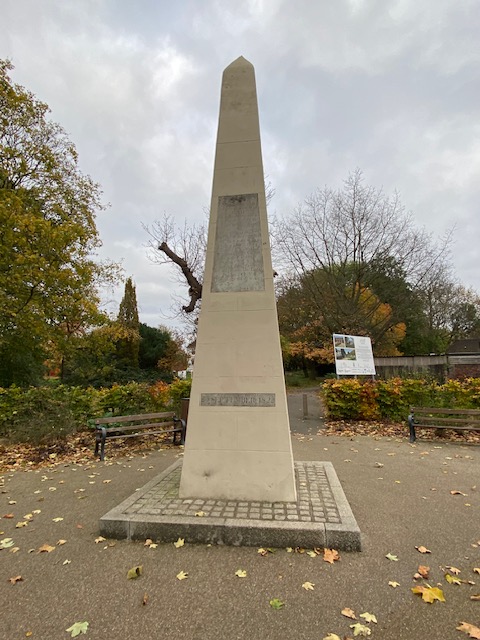
Not quite finished here yet – as you head out of the grounds at Canon’s House, you’ll meet the Obelisk that was erected on the 25th September 1822, to commemorate relief of a serious drought. On the inset tablet is inscribed “In grateful recollection of the goodness of God through whose favour water has been provided for this neighbourhood” and below it are inscribed four biblical verses, mainly from the psalms.
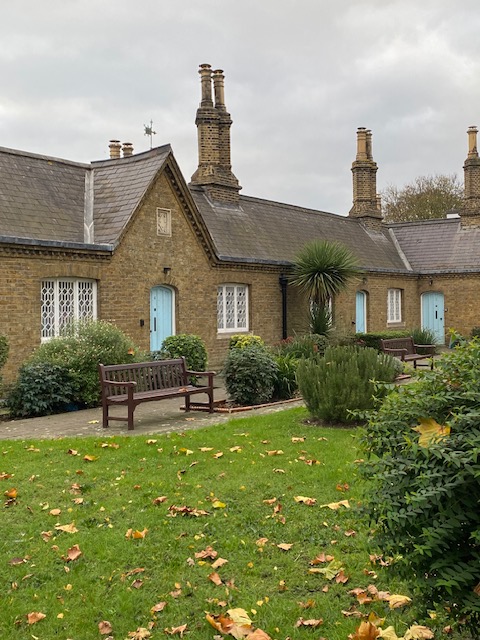
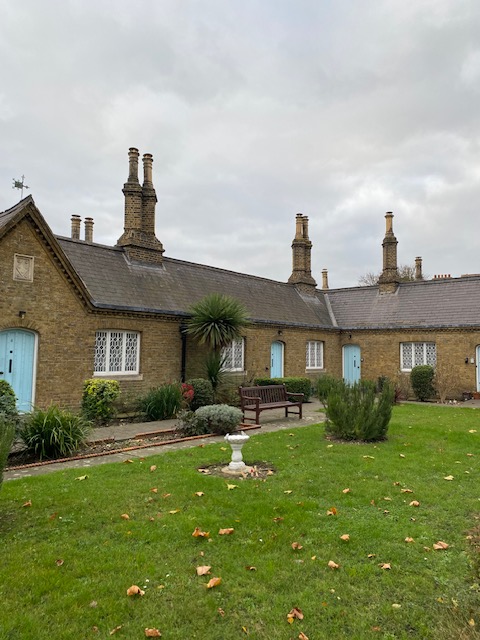
And back to the bus stop, where on the way you’ll see some almshouses, which are the Mary Tate Cottages. For generations the Tate families had been benefactors in the parish and in the early part of the 19th century decided it was time to build houses for the poor and set up a trust fund to choose applicants for admission to the house. One of the main stipulations was that the “almswomen” were to be 50 years old and upwards and were not to have received poor relief in the five previous years. They were to be selected by Mary Tate during her life and subsequently by the trustees. The women forfeited their weekly allowance of three shillings if they remained outside their home for more than 24 hours without official leave. The houses have been renovated and modernised several times, and now accommodates 7 residents rather than 12.
8. Aberconway Road bus stop
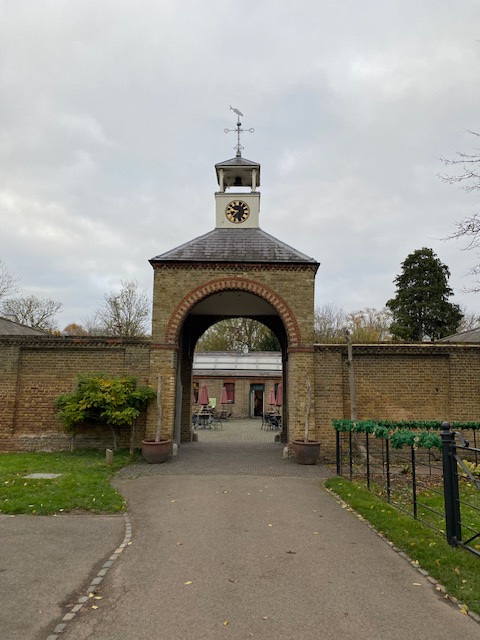
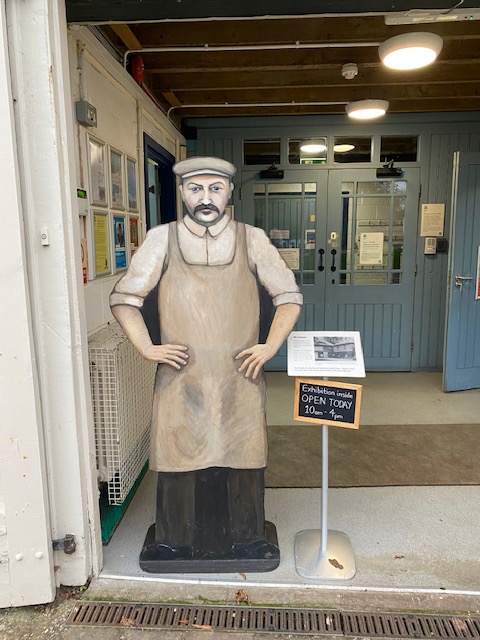
And so to the final stop on this route. The stop takes you to Morden Hall Park, also visited on other bus routes and which is owned by the National Trust. Various parts of the grounds and buildings are free to the public – the garden centre and snuff mill being two that are very close together and near the entrance. The archway to the garden centre is very pretty with its clock and weather vane. Inside is a café as well as a shop for buying plants and all things for the garden.
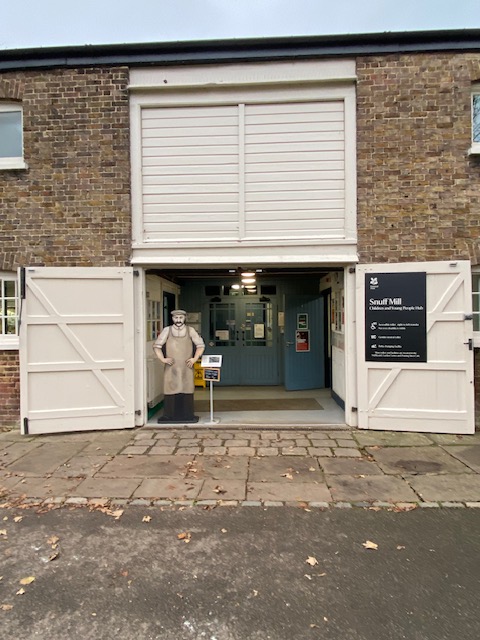
The snuff mill still has a working water mill. In fact, there were at one time two mills here, the second one being added due to extra demand. The mills ground dried tobacco leaves into snuff between two stones. The resulting powder was left natural or perfumed with flower essences or spices. Gentlemen, and sometimes ladies, used to sniff pinches of snuff from the back of their hands which gave them a swift nicotine buzz.
I loved this route! In particular the start at Morden, with the Black Cultural Archives centre that I’d tried to visit several times but I’d always got the day wrong. There was so much to learn that a repeat visit will be called for. The end of the route was a highlight, especially Canon’s House and the guided tour I had of the building and grounds by Liz. This hadn’t even been on my radar so it was a special bonus to find it.
Toilets that are free and open to the public:
- Black Cultural Archives
- Brixton Library
- Streatham Cemetery
- Canon’s House
- Morden Hall Park – snuff mill
 london routemistress