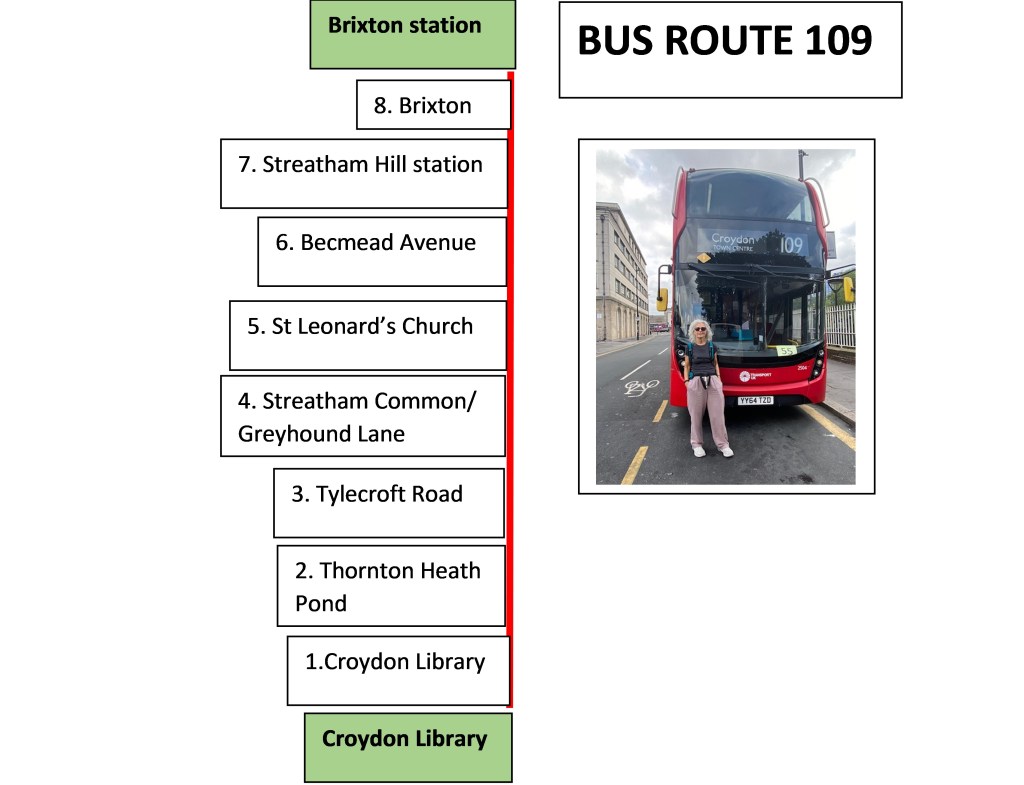
Croydon Library to Brixton
Highlights:
- Rewind exhibition at Croydon Museum
- Streatham Pumping Station
- Streatham Hill Theatre
- Brixton Village
1. Croydon Library
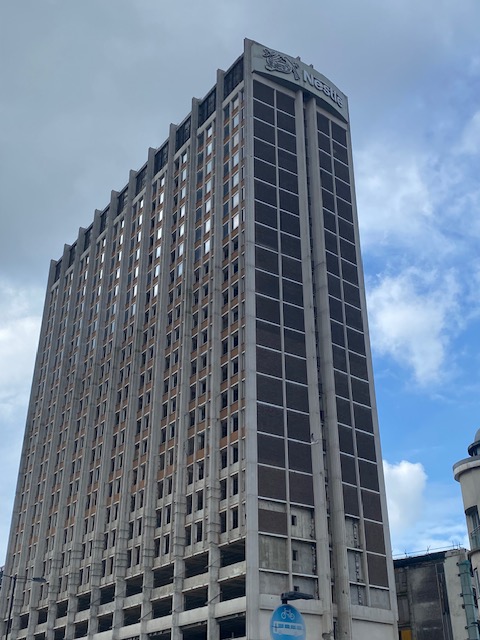
Before getting on the bus and at the risk of having seen some of the places on other routes (60 and 75), find your way to Boxpark, a new street food venue, before heading towards the Clock Tower and the delights in that area. Looming large and very tall is the now-dilapidated Nestle Tower. It was occupied by the Swiss food and consumer goods company as their HQ for Nestlé UK & Ireland until September 2012. Since then, it had been agreed to change the usage to housing but at present (August 2024) no work had started so it remains empty.
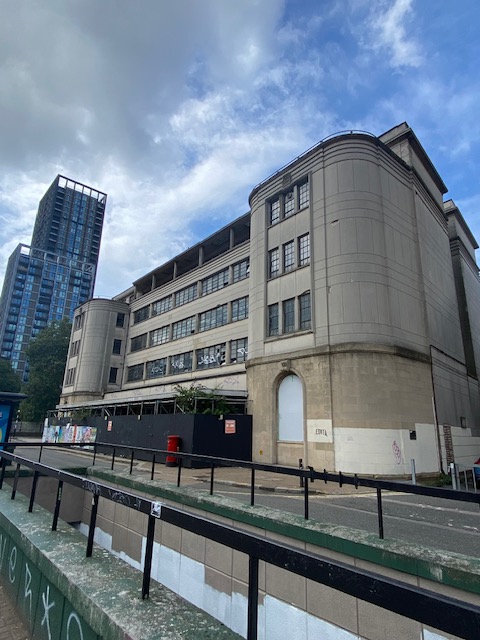
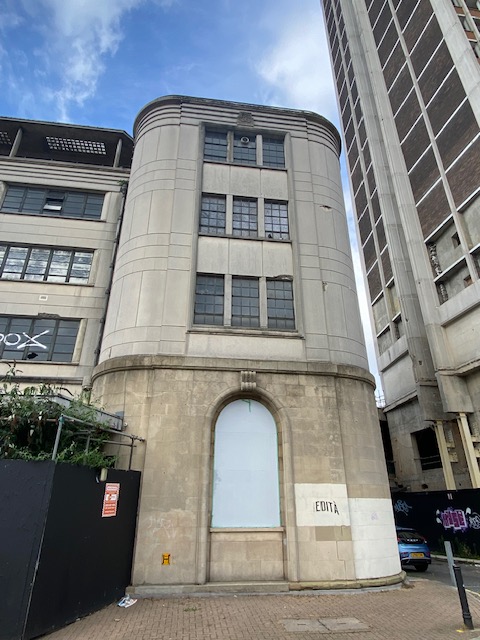
Next door to this tower is the old SEGAS building, similarly vacated and boarded up. It was obviously a lovely building at one time, having been the Gas company’s showroom and office, built 1939-41 in Moderne style.
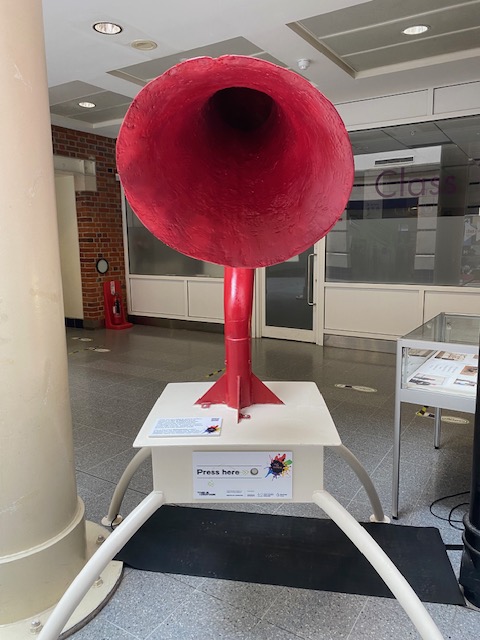
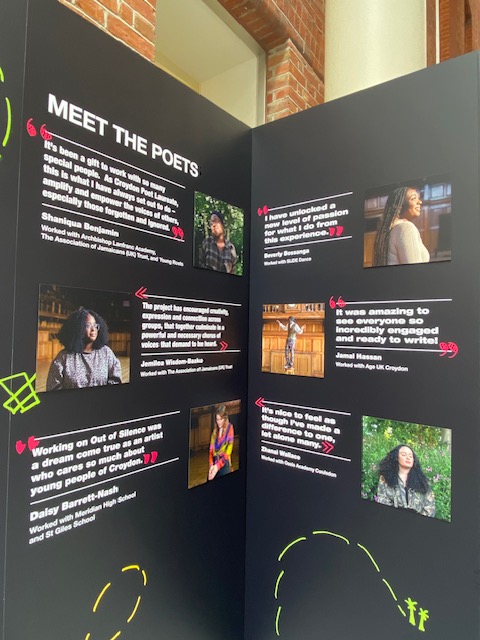
From here, it’s a short walk to Croydon Museum which is housed in Croydon Clocktower. Currently on display in the atrium is a poetry project called Out of Silence. From October 2023 to May 2024, local poets led workshops in schools, youth organisations and elders’ groups to amplify voices that are often unheard. Extracts from the poems are scattered throughout Croydon and it’s possible to hear some through the “Mythophone” in the atrium.
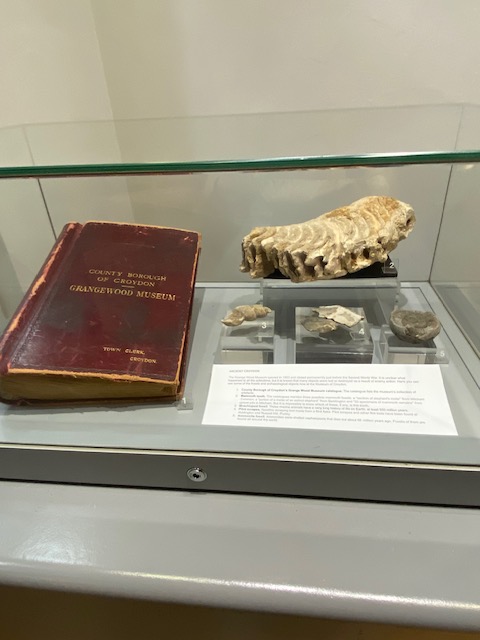
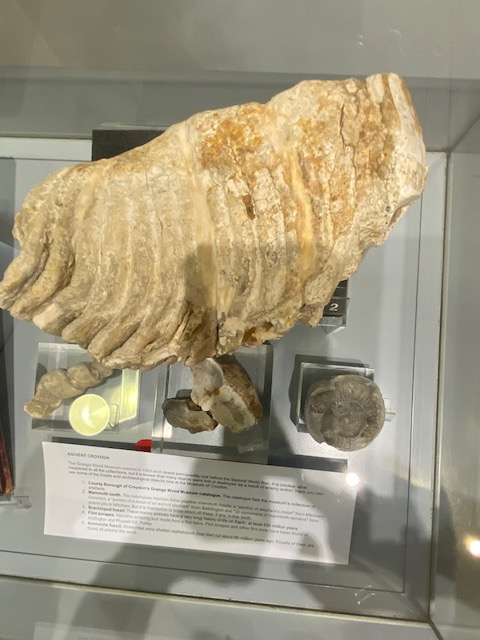
Also seen on bus route 50, it’s still worth visiting the Riesco Room at the museum, where, as well as a fine collection of Chinese ceramics, are displayed ancient artefacts that have been discovered in the area, such as a mammoth tooth and fossils.
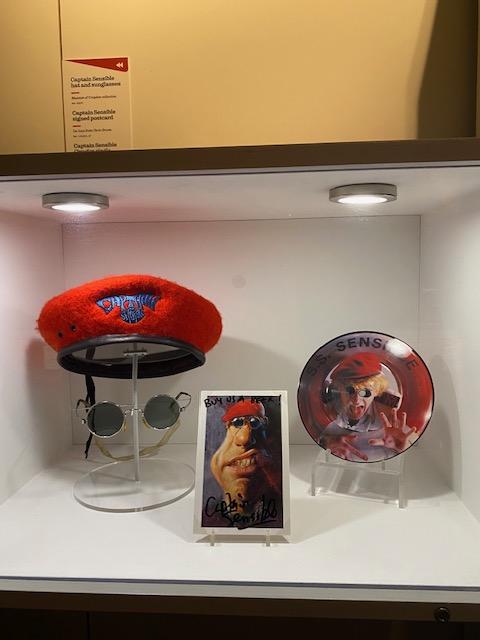
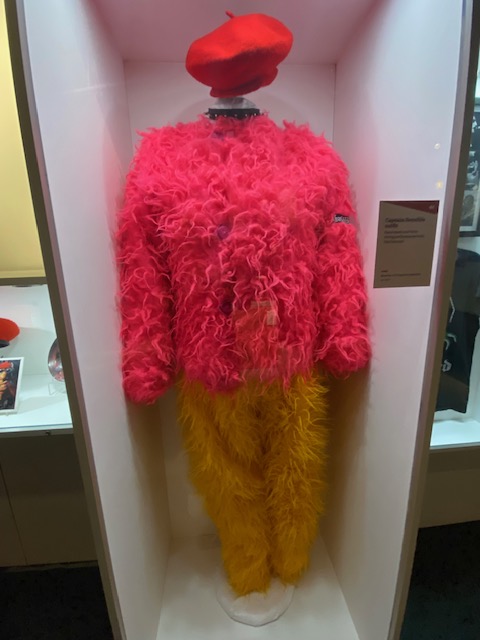
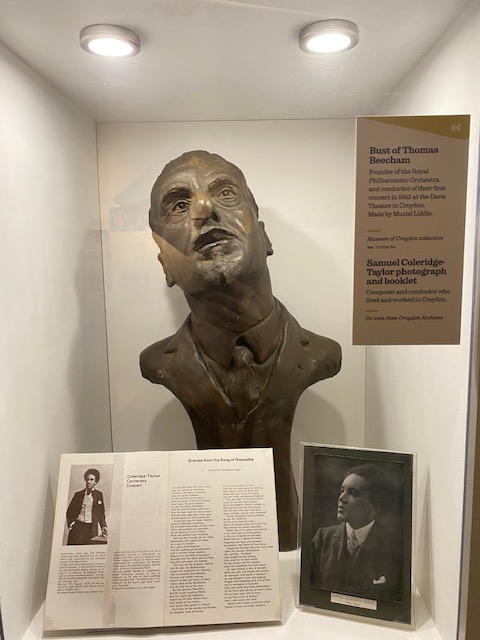
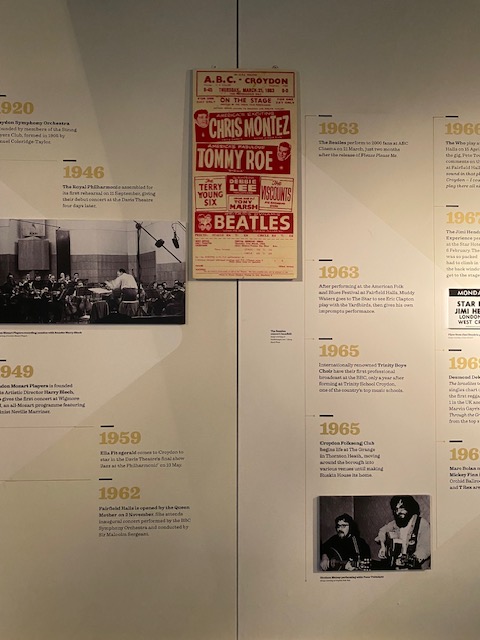
Upstairs in the larger museum is a current exhibition called Rewind: This is Croydon’s Music about the history of music in the borough. On display are some fascinating objects, images and stories collected within the local music community. There are some memorabilia from the singer-songwriter Captain Sensible (Happy Talk), amongst which are his red beret and sunglasses as well as a punk outfit. There’s a bust of Thomas Beecham, the founder of the Royal Philharmonic Orchestra, whose first concert was held at at theatre in Croydon. Also on show is a poster from a “pop” concert from 1963, featuring The Beatles and Chris Montez, at the ABC in Croydon.
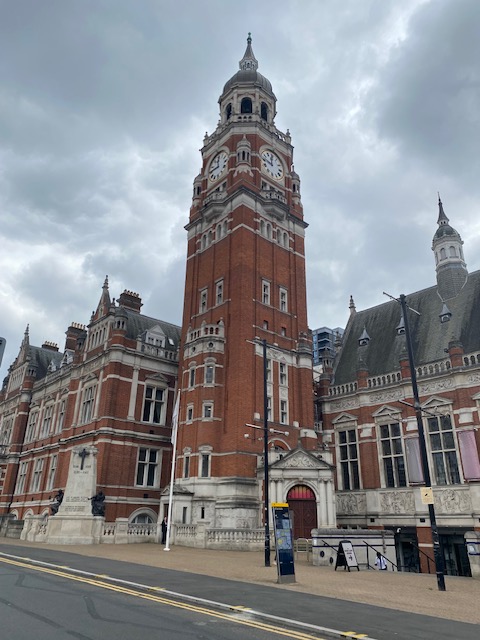
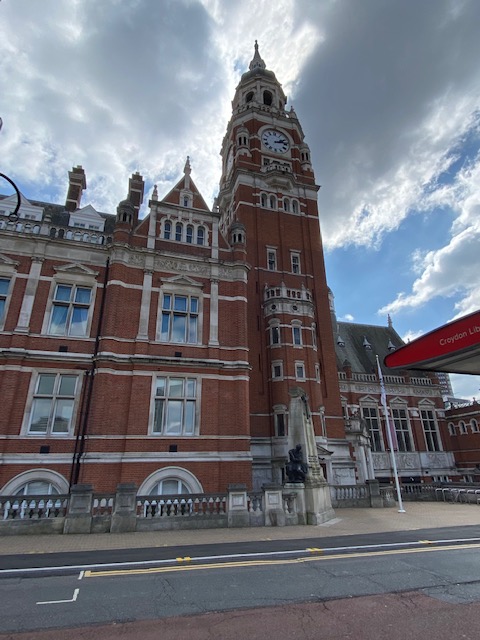
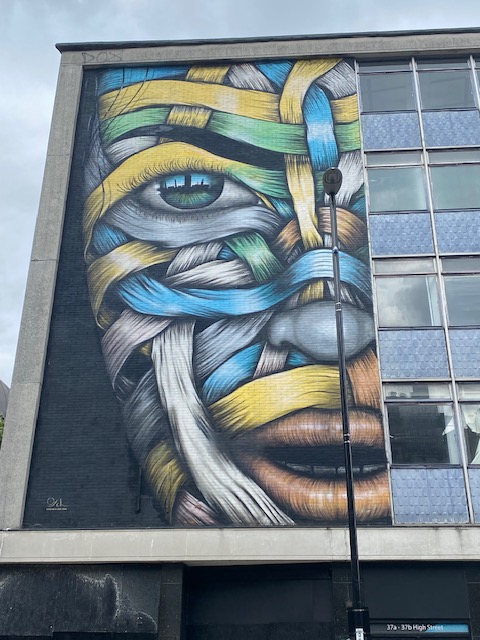
Outside the museum, you can get a view of the magnificent Croydon Clocktower. It’s part of the Town Hall which was designed by local architect Charles Henman and officially opened by TRH the Prince and Princess of Wales on 19 May 1896 (the future Edward VII and Queen Alexandra). Over the road is one of many murals that are scattered around Croydon. Called “Her Home Town” it’s by artist Otto Schade and is a female half face. If you look closely, you can see the reflection on the eye with many emblematic Croydon buildings.
2. Thornton Heath Pond bus stop
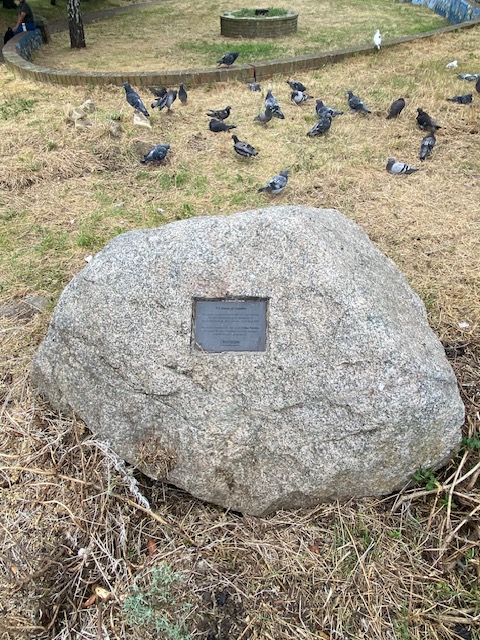
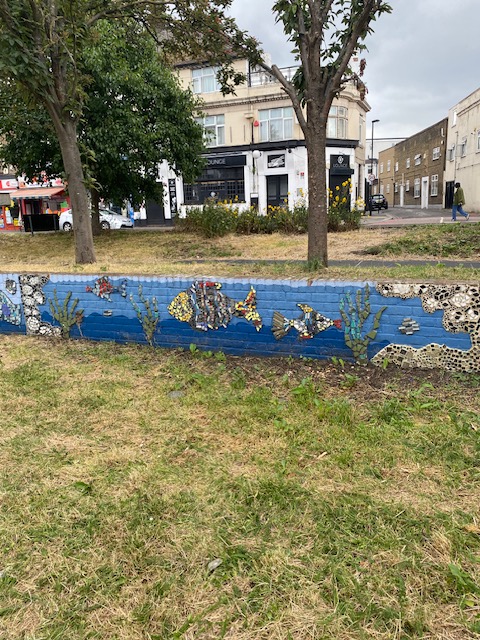
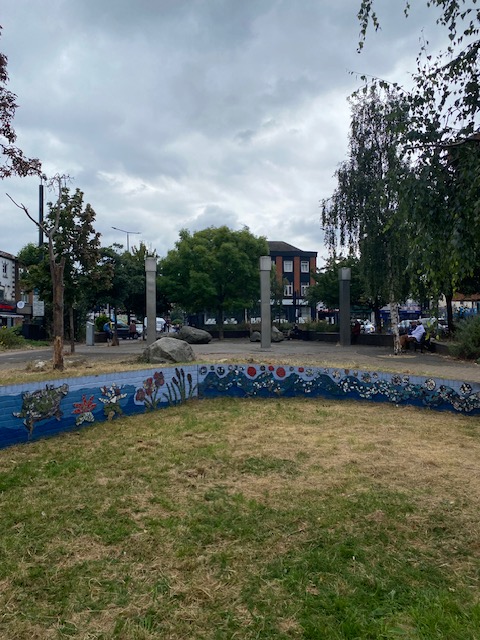
So on to the 109 and alight at this stop. Nearby is one of twenty stones of Croydon, placed around the borough to commemorate the 50th anniversary of the formation of the LB of Croydon in 1965. It’s at the same site as the eponymous Thornton Heath Pond, which actually has no water any more. Despite this, it’s worth looking at, because of the ceramic mosaics on what would have been the pond’s walls. Research has discovered that the pond was at one time the centre of village life in the Heath but it has been covered over since 1953.
3. Tylecroft Road bus stop
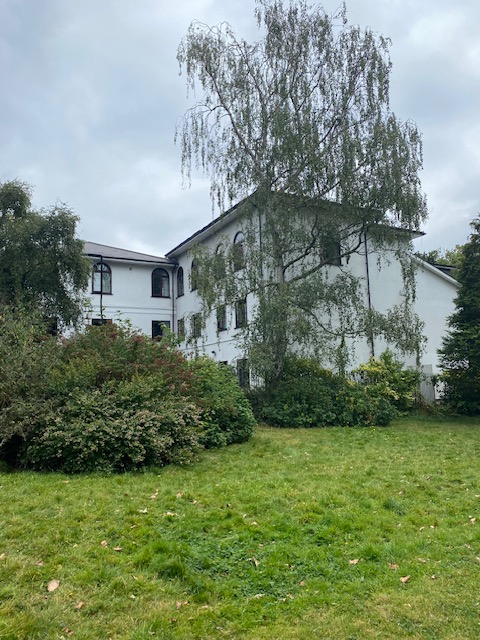
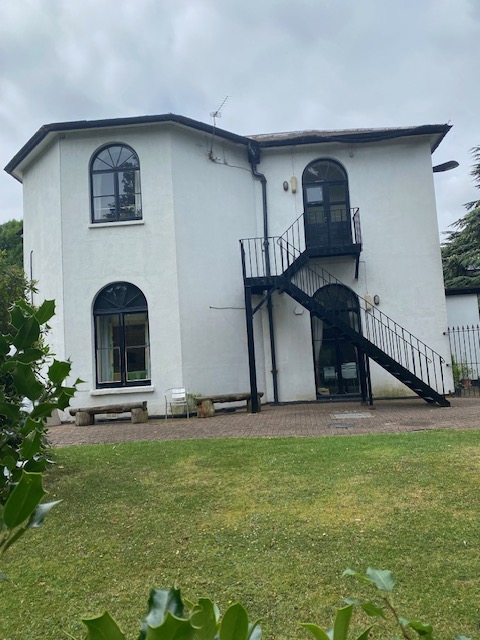
This is the stop for Norbury Hall Park – the grounds of the last manor house of Norbury, built in 1802. The grounds originally included 30 acres of ornamental gardens with a lake. James William Hobbs, mayor of Croydon, bought Norbury Hall in the 19th century and had a private cricket pitch laid in the grounds. In 1888 it hosted the first match of Australia’s tour series against an England XI including WG Grace. Australia won by six wickets. Today the house is a residential home so it’s not possible to go inside the building but you can see its beauty from the park and how well it’s been maintained.
4. Streatham Common/Greyhound Lane bus stop
Round the corner from the stop is the Rabbit Hole pub, that used to be known as The Greyhound. The murals on the outside of the building are primarily of the Rabbit from Alice in Wonderland but above the door is a fine statue of a greyhound. A pub has stood on this site since the nineteenth century and in the 1980s and 90s, there was a brewery here.
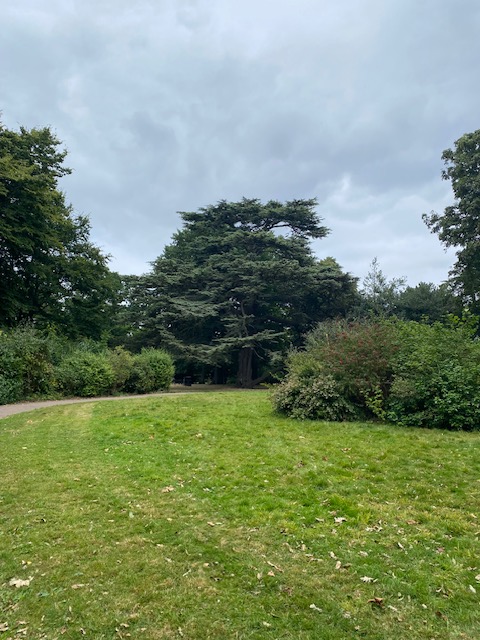
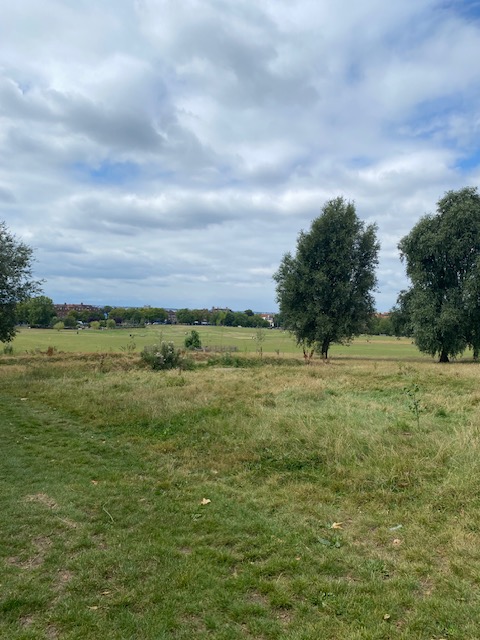
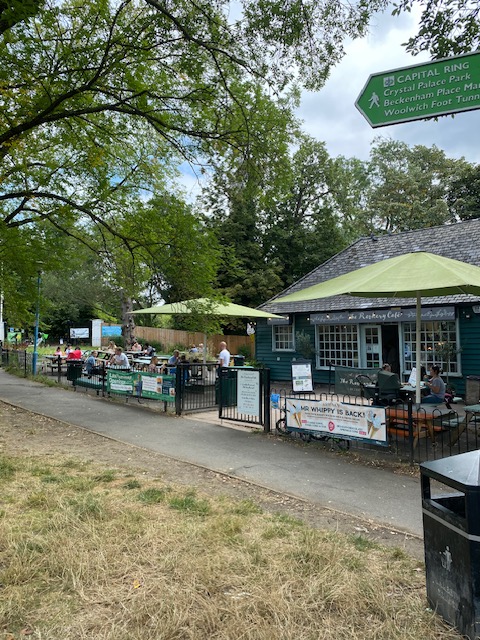
After looking here, walk over the road and you’ll find yourself on Streatham Common, since 1883 a public open space, with a long tradition of cricket playing from the 18th century. It’s quite extensive but great for a walk with a dog or friends – or both. Rookery Gardens are at the top end of the Common and these were discussed on bus route 57. The Rookery Café is a good place for meeting friends and is opposite the Common Pool, an outdoor facility that has recently reopened for the summer months.
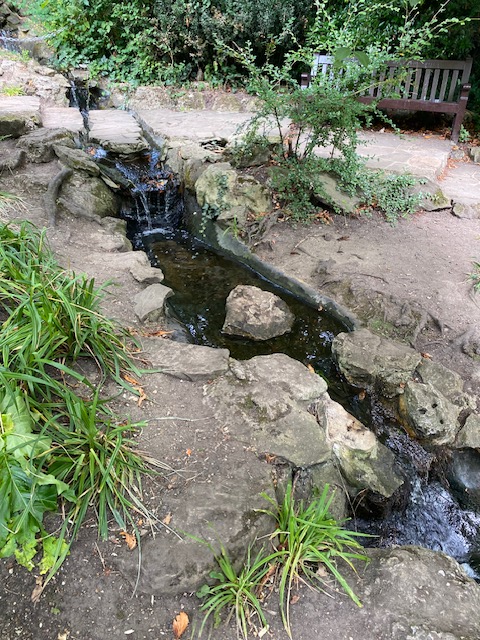
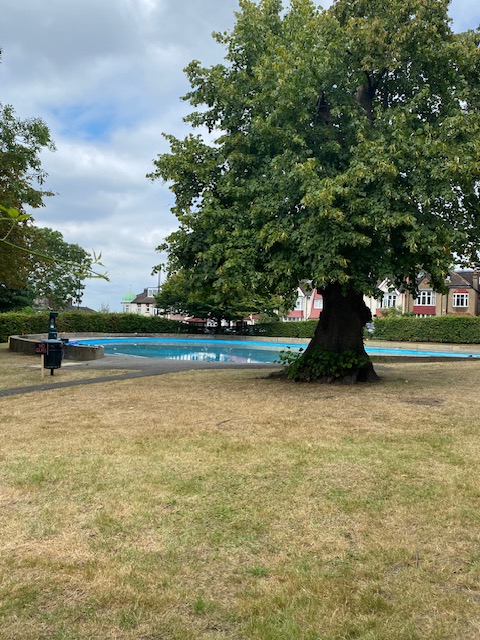
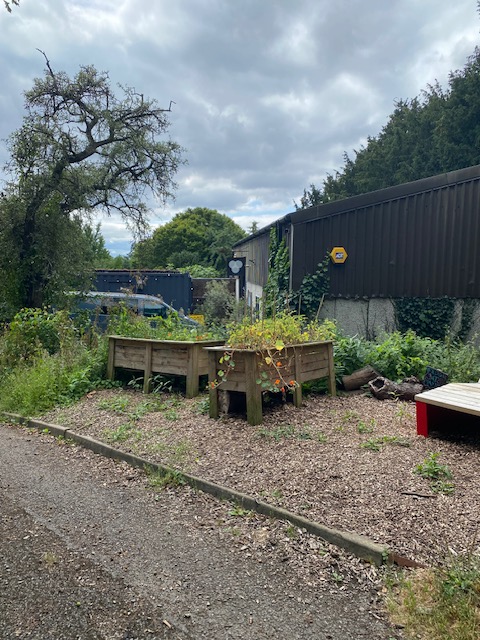
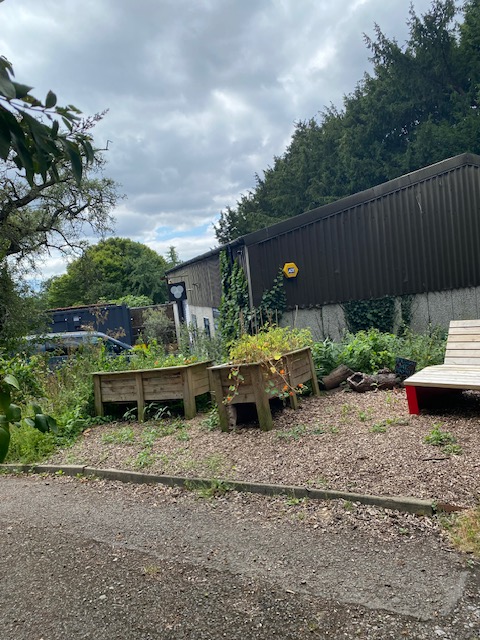
Round the corner from the pool is Inkspot Brewery. It’s nestled in a barn within Streatham Rookery and was started by two friends with a passion for great beer. They embarked on a four year project to build a brewery within the Grade II listed gardens and began brewing on site in late 2018. The venue is also used for weddings and beer festivals and is very popular with the locals.
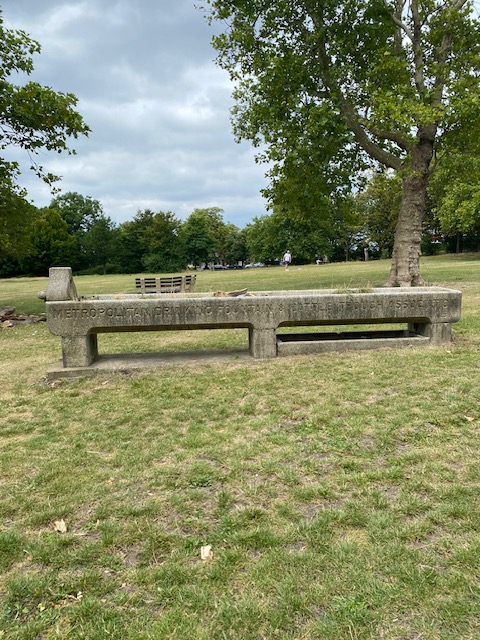
One more thing to see before getting back on the bus is another Metropolitan Drinking Fountain and Cattle Trough, many of which are found throughout London. They exist as a result of the population of London needing clean, fresh and free water that the (then) nine private water companies weren’t able to provide.
5. St Leonard’s Church bus stop
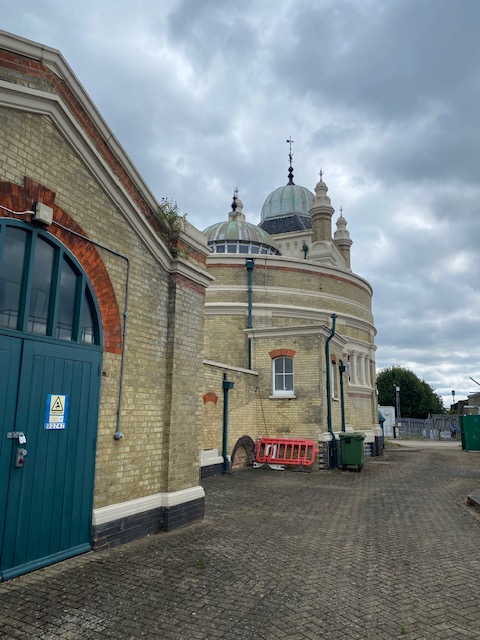
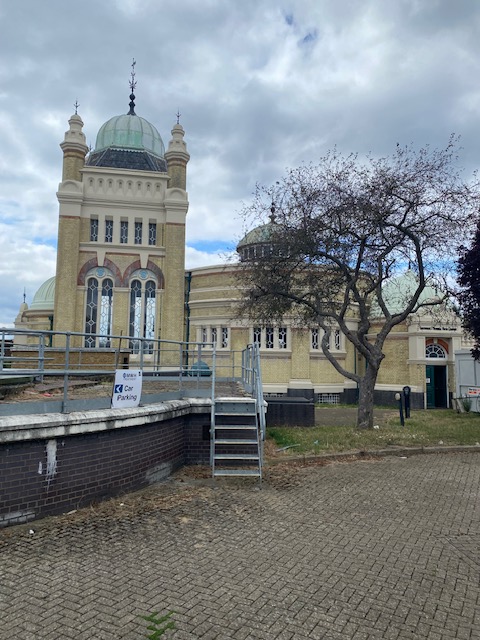
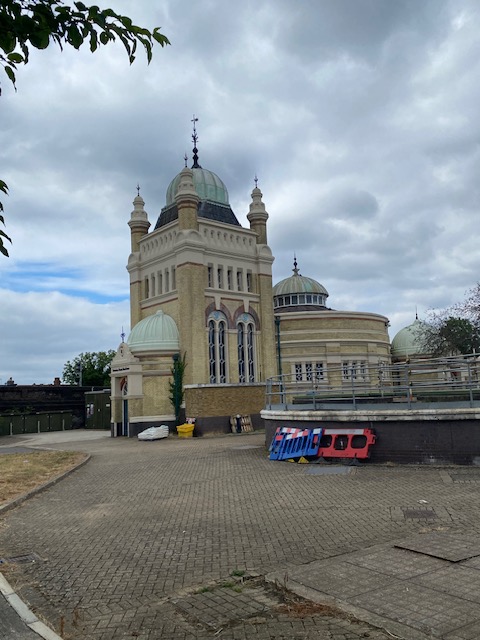
A little walk from the stop is one of the “wow” buildings that you come across every so often. Set in the middle of a residential area is Streatham Pumping Station. It was built in 1888 to a delightful Moorish design and survives today although it’s not open to the public for exploring. Streatham’s well water, which was said to have three times the mineral content of Epsom’s, was bottled and delivered locally from here in the early 20th century. It originally consisted of two steam-driven engines. Each was capable of delivering 1 ½ million gallons a day from the nearby well into a 42inch main through which water was then supplied to customers. These two steam pumps were then replaced in 1943 by electrically driven pumping machinery.
6. Becmead Avenue bus stop
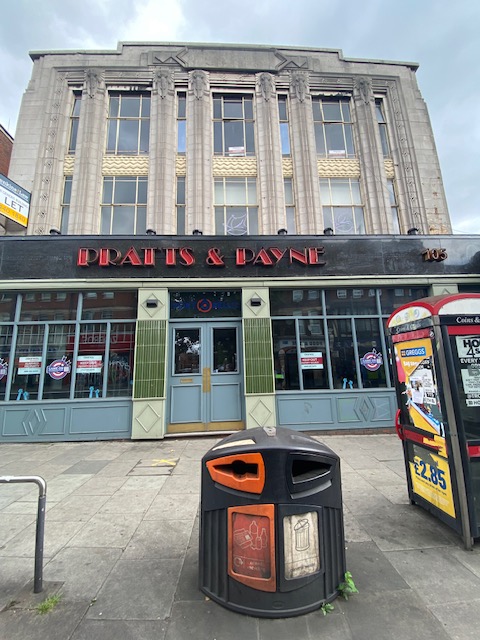
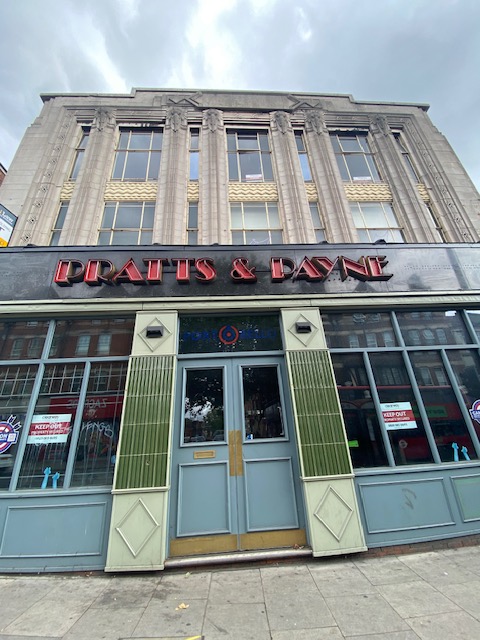
There’s an old, empty pub near this stop and it’s called Pratts and Payne. This pub is named after Pratts, the former art deco department store that once occupied the building and Cynthia Payne, a notorious local brothel owner and party hostess in the 70s. Unfortunately, the pub closed in late 2020 and hasn’t opened its doors since. Pratts closed on the High Street in 1990 following a downturn in sales, while retired party hostess Cynthia Payne ran her brothel in nearby Ambleside Avenue during the 1970s and 1980s. Quite why the owners of the pub, Antic, chose to amalgamate the two Streatham legends into naming it, is beyond my understanding!
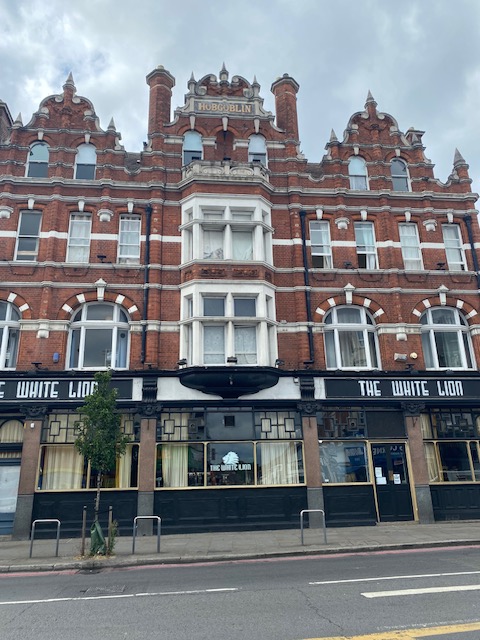
Opposite this empty building is another pub, The White Lion, an elaborate Victorian pub built in 1895. It’s an attractive structure with its stripey brick, decorated gables, a central oriel window, two octagonal chimneys and a roofline dotted with spiky finials. It is within the Streatham High Road and Streatham Hill Conservation Area.
7. Streatham Hill station bus stop
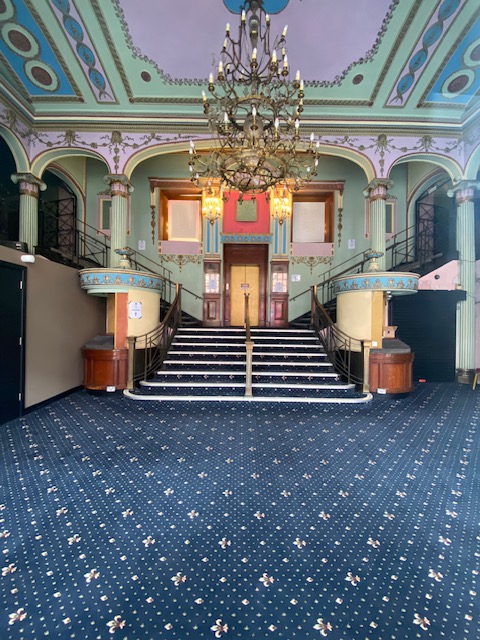
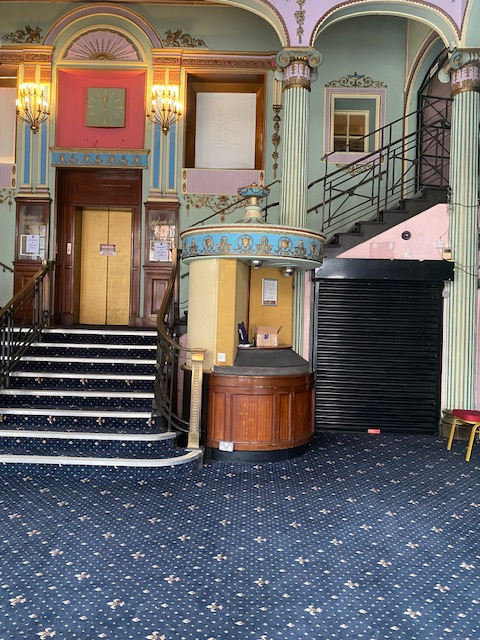
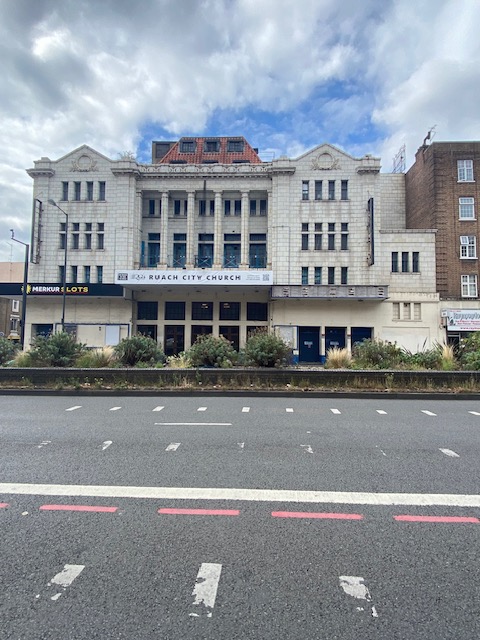
The bus stops outside what was once the Streatham Hill Theatre, built in 1928–29 and was the last theatre designed by W. G. R. Sprague. It opened in 1929, and staged theatre, opera, ballet and variety until 1962, apart from a period between 1944 and 1950 when it was closed due to bomb damage. In 1962 it closed as a theatre, reopening as a Mecca bingo hall until 2017. It is Grade II listed due to it being “an unusually lavish example of a theatre built in the short-lived revival of building in 1929–30; as a suburban example of this date the building may be unique.” These days, it’s been partially taken over by a church but many of its original features have been kept.
8. Brixton station bus stop
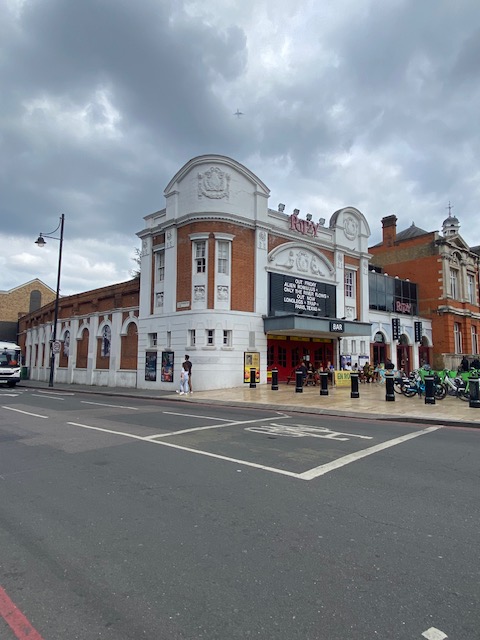
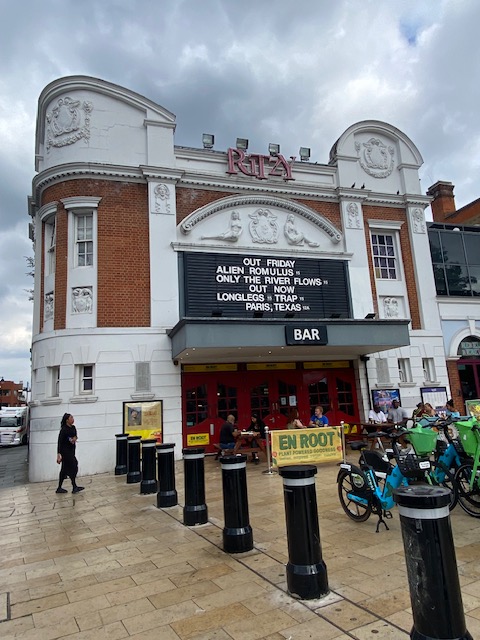
This is the end of the route and it has a few places of interest, other than those previously highlighted (bus routes 37, 45, 59). The Ritzy cinema is a lovely building on the corner, next to the Tate Library. It opened as The Electric Pavilion in 1911 and was one of England’s earliest purpose-built cinemas, seating over 750 in its grand auditorium. In 1976 the cinema closed and came close to demolition. However, collaboration between Lambeth Council and the management saw the venue reopen as an arts cinema with the name Little Bit Ritzy, from which the present name is derived.
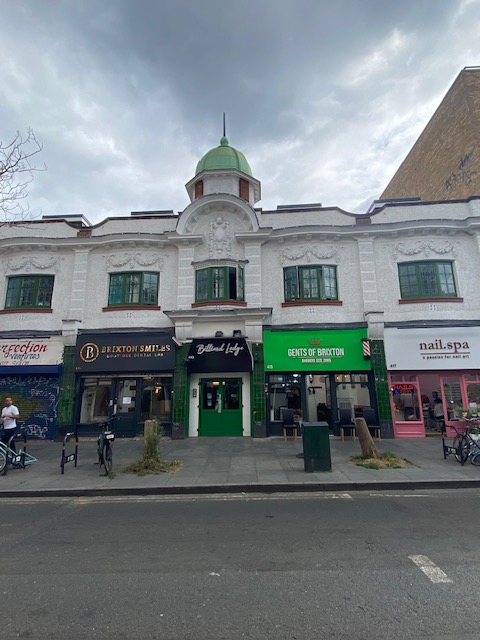
Round the corner is Billiards Lodge, now a sports venue. It was originally built as a billiard hall by the temperance movement, with the hope of keeping the working classes away from the demon drink by providing non alcoholic alternatives to pubs. The buildings often used the same decorative materials that pubs used, such as tiled facades and stained glass windows – as can be seen in these images – to create the congenial atmosphere of a public house without the pitfalls of available alcohol.
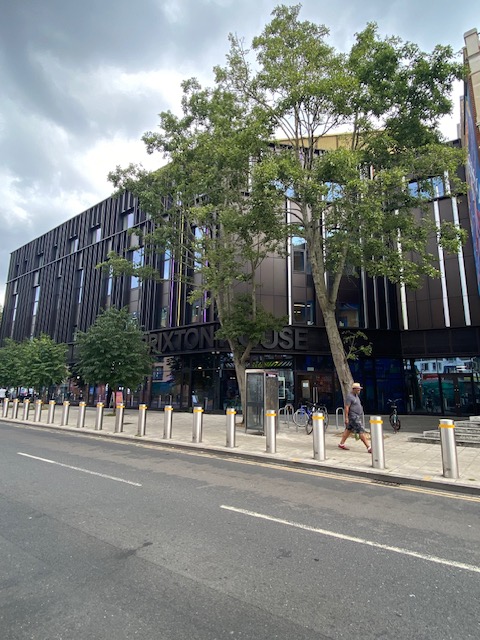
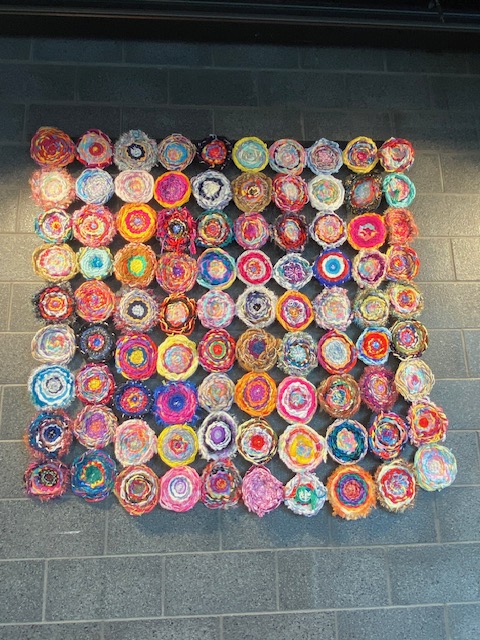
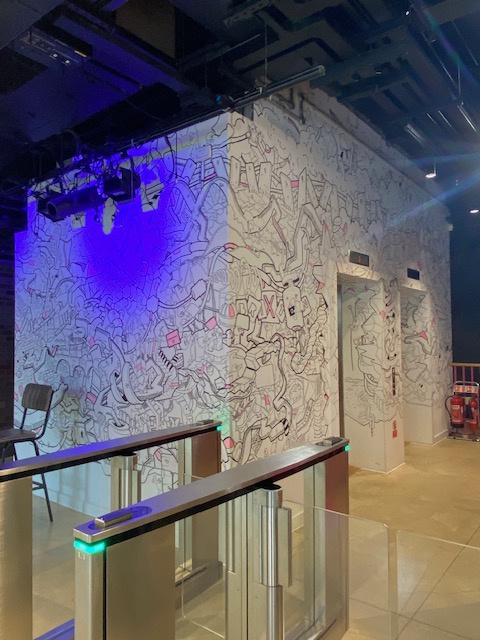
Keep walking for a little and you’ll come across two places of interest. Firstly Brixton House which started out as Oval House Theatre and was based in Oval, London, moving to its present location in 2020. It has been a pioneering theatre, with celebrities such as Steven Berkoff, Tamsin Grieg, and Salman Rushdie all cutting their teeth here. It’s now a fringe theatre to the West End and “aims to be a cultural hub for social entertainment and artistic inspiration”. As an example, there is a vibrant woven tapestry on one of the walls that has been a collaboration between fibre artist Nicola J. Reid and families at the Lambeth Country Show 2024. It celebrates the rich diversity within the community.
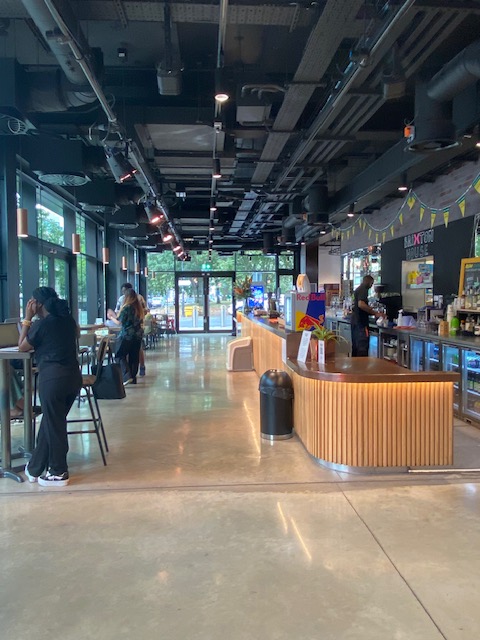
As well as two theatres, there are 7 studios and a cheerful café/bar where people are encouraged to come and meet friends and use the space for working and other cultural activities.
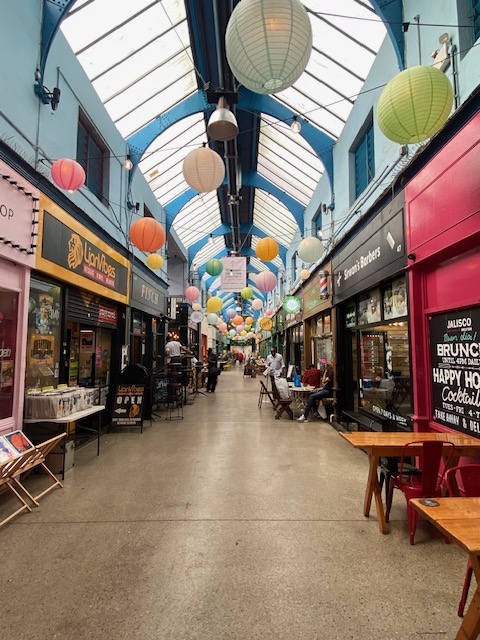
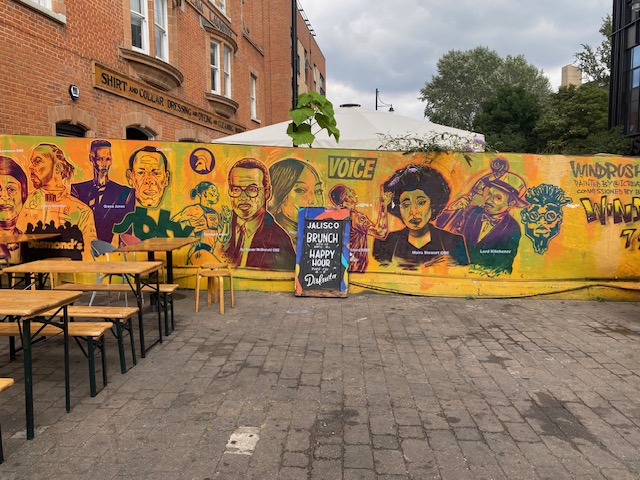
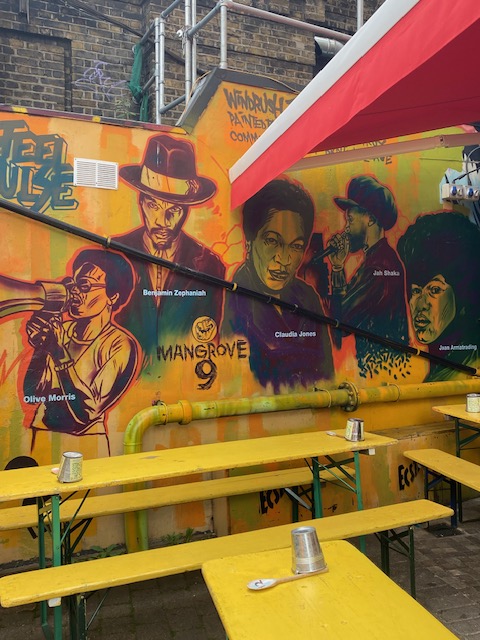
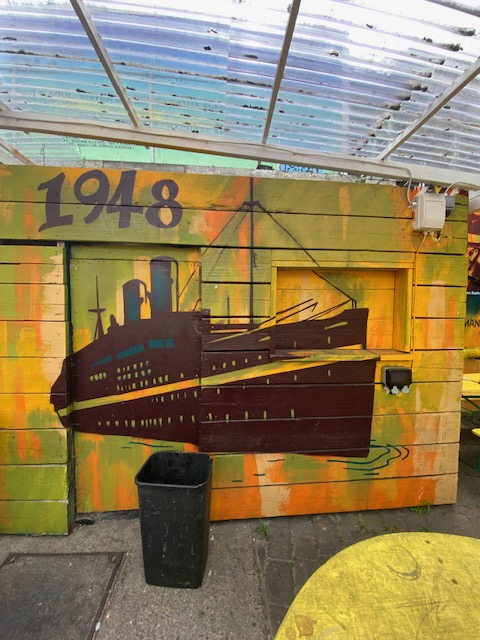
Over the road is Brixton Village, known as London’s most diverse and vibrant market. There really is something for everyone here – from the tempting food stalls and cafés, to shops selling a wide selection of home-made goods. The market also hosts a range of events and performances throughout the year, from live music and spoken word, to art exhibitions and pop-up markets. Some of the walls are painted with head shots of famous black people – including the athlete Denise Lewis, singer Grace Jones and Formula 1 hero Lewis Hamilton – and there’s a mural of the Windrush ship.
Considering I had been on large parts of this route on other buses in the past, I nevertheless thoroughly enjoyed it and found plenty of new places to explore and enjoy. From the new exhibition at Croydon Museum and walking to a new area of Brixton where I found the Village and Brixton House, there was also a lot in between. I think Streatham Pumping Station won the “wow” award this week, with its gorgeous Moorish design.
Toilets that are available and free of charge:
- Croydon Museum
- Rookery café
- Merkur Slots (next to the former Streatham Hill Theatre)
- Brixton House
 london routemistress