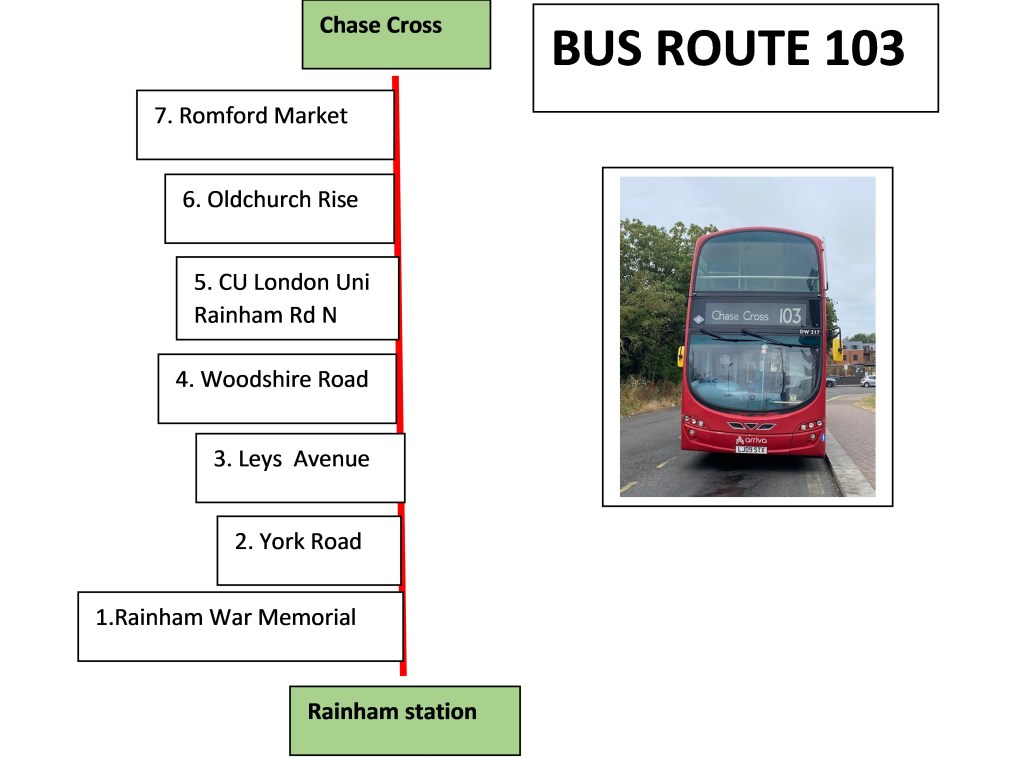
Rainham station to Chase Cross
Highlights:
- Rainham Hall
- Havering Museum
1. Rainham War Memorial bus stop
Near the bus stop is Rainham Library. Before going in, have a look at the windows surrounding the building on ground floor level. There’s a quotation by the American writer Henry David Thoreau which starts “As we lay awake long before daybreak …”. It’s not obvious why this quote is positioned here in Rainham – it comes from A Week on the Concord and Merrimack Rivers: Friday.
Walking away from the library, you will come across a pedestrian crossing which has been painted with red crosses that resemble the England flag. This at the time of the Euro Football competition, with England still in. It’s pretty effective.


From here, it’s a two minute walk to Rainham Hall, now owned and managed by National Trust. This lovely house was built in 1729 for John Harle and is a rare survivor and a great example of Queen Anne style architecture. It was designed as a home, for a merchant, to be lived in and used. There have been many inhabitants at Rainham Hall since 1729, including solicitors, artists, children in a day nursery, a cycling vicar and architectural historians. Many of the original features of the house remain, including trompe-l’œil frescoes on the walls and Delft tiles in the fireplaces.
John Harle (1688-1742) was born Durham, into a family of salt farmers and sea traders. As early as aged 8, John was at sea with his father, transporting goods, mainly coal. Despite his humble beginnings, John Harle was an educated man, who was highly literate and numerate. In his later life, he became overseer for the parish of Rainham.
In 1718 he married Mary Tibbington, a wealthy widow from Stepney, and he purchased the Rainham wharf. He also invested money to dredge nearby River Ingrebourne, thus providing trading vessels with a route up to Rainham from the Thames. He had Rainham Hall constructed in 1729 using high-quality materials as a showcase for the building products he sold.
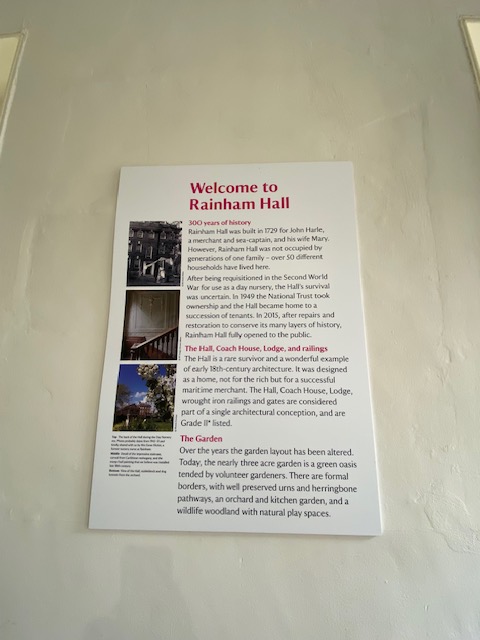
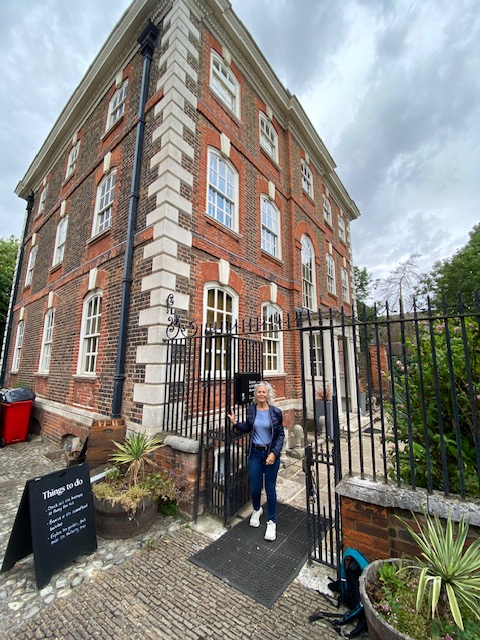

Inside the house, it’s worth exploring the rooms. Each of the former inhabitants, with a wide variety of backgrounds, had their own individual reasons for living here. The rooms have been organised so that their lives tell a variety of compelling stories about the building’s history

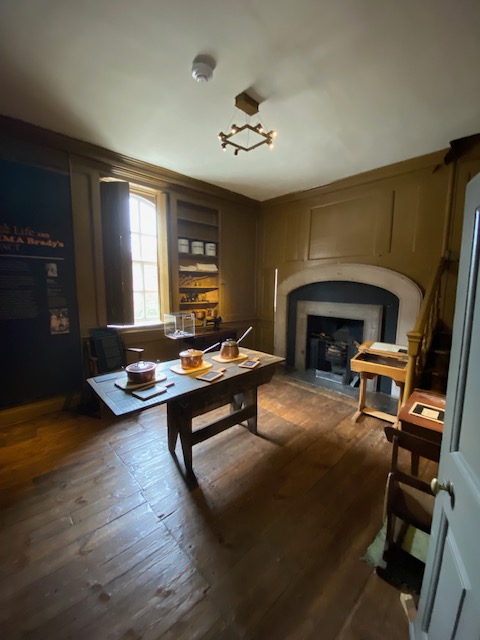
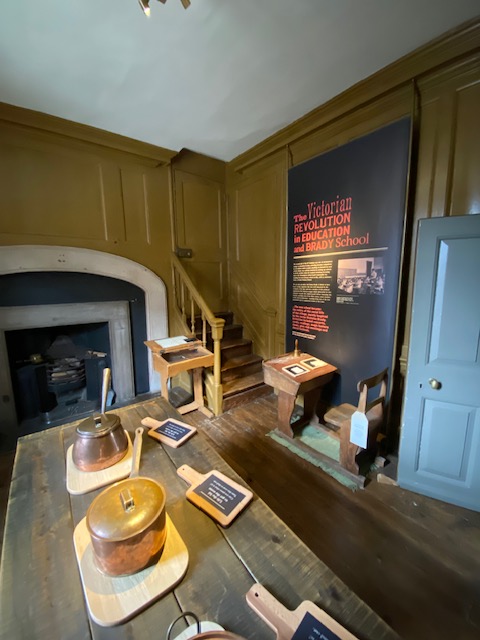
There are no personal items or furniture inside the house and unlike many historic houses, Rainham Hall does not have a large collection of items. As a result, the paint layers on the walls, doors and ceilings are a significant part of the building’s history and tell their own story. Also the staircase is a joy to see, with its original wooden stairs.
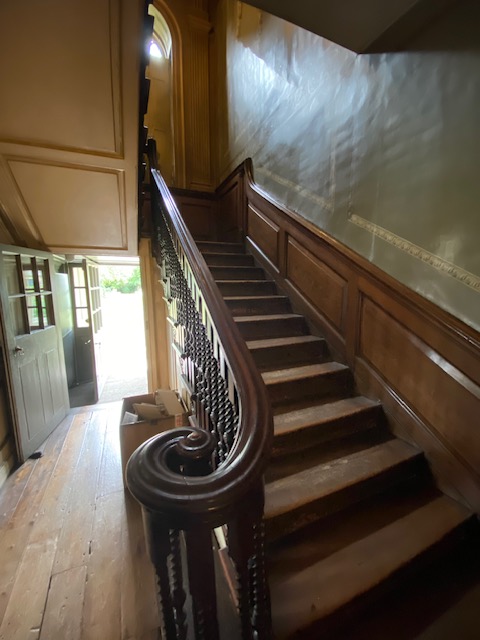

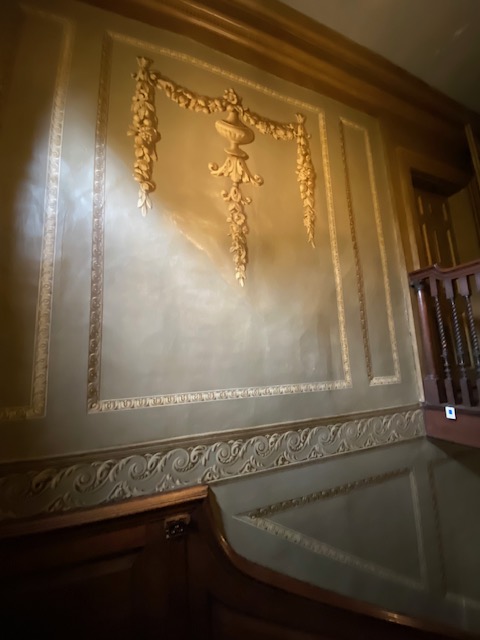
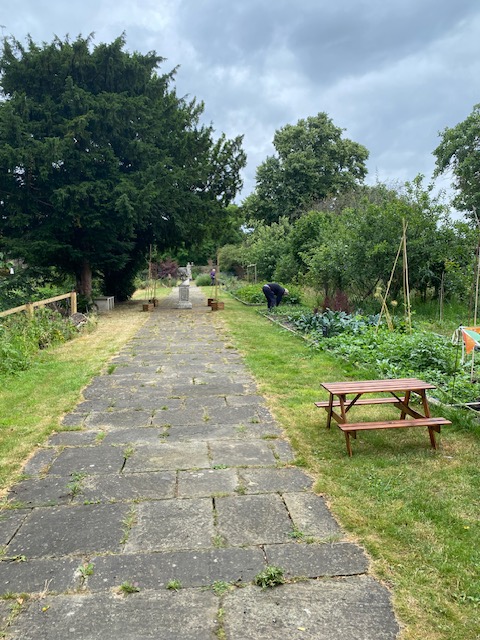
As if there wasn’t enough to see inside the house, there’s plenty out in the grounds. There’s an orchard and kitchen garden which are tended by volunteers. I found sweetheart cabbages which were certainly the largest I’d ever seen!
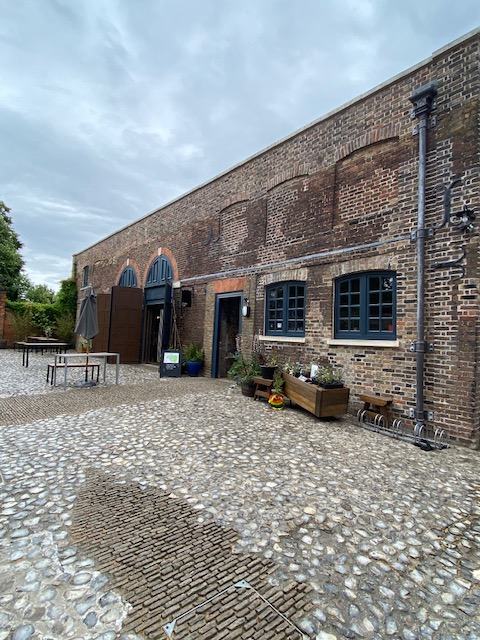
Also in the grounds are a stable block and coach house. Inside the former is a well-stocked café and inside the coach house is a potted history of Rainham Hall.


After visiting the house, it’s a quick walk round the corner to Rainham War Memorial. The memorial is a hexagonal short tower with clock faces on three of its sides. On a sloping base, the names of the war dead are inscribed. It was built in 1920 and has a parapet with a balustrade on the top above the clock. This War Memorial commemorates soldiers killed in both World Wars as well as civilian casualties of World War II.
And before getting on the bus, it’s definitely worth visiting the parish church round the corner. St Helen’s and St Giles was founded by Richard de Lucy, the son-in-law of Henry II of England. It was built between 1160 -70 and was restored between 1893–1906, using donations from the Freemasons.


2. York Road bus stop
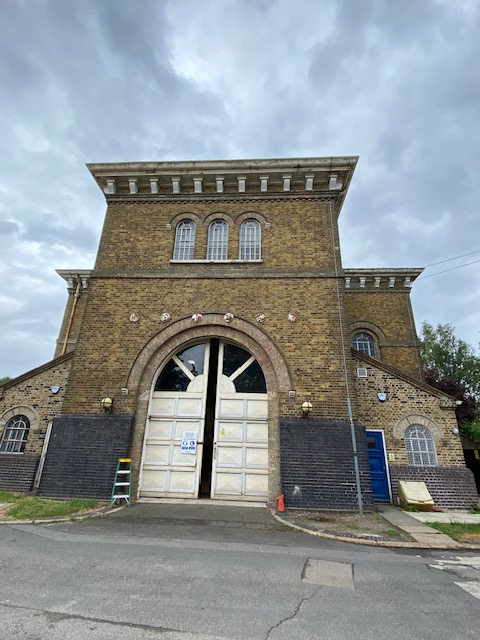
After so many interesting things to see in Rainham, the next stop was to visit the Essex Water Pumping Station. This grade II listed building is an Italianate Engine house and Boiler house, built after 1897. Essex Water is an amalgamation of two water companies (South Essex and Southend), each of which had been formed in the 1860s.


3. Leys Avenue bus stop
It’s possible to walk from the pumping station or hop on the bus and get out at this stop. Beam Valley Country Park is a large expanse of green, and is a mixture of woodlands, grassland, ponds and marsh areas. It would be better if the weather was dry, if you intend visiting, as there is little shelter should you get caught in the rain (as I did!)


4. Woodshire Road bus stop
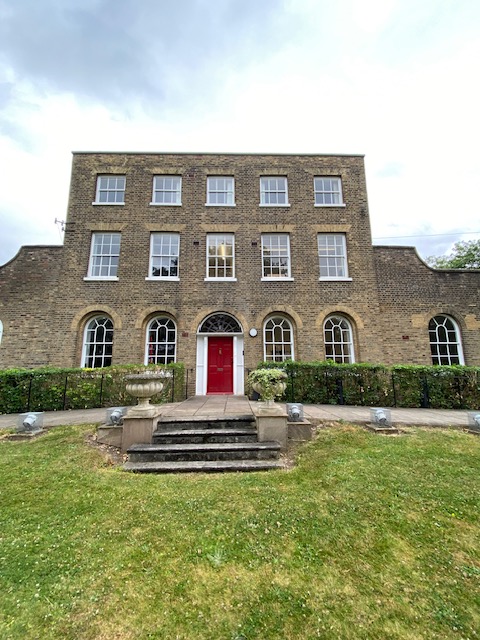
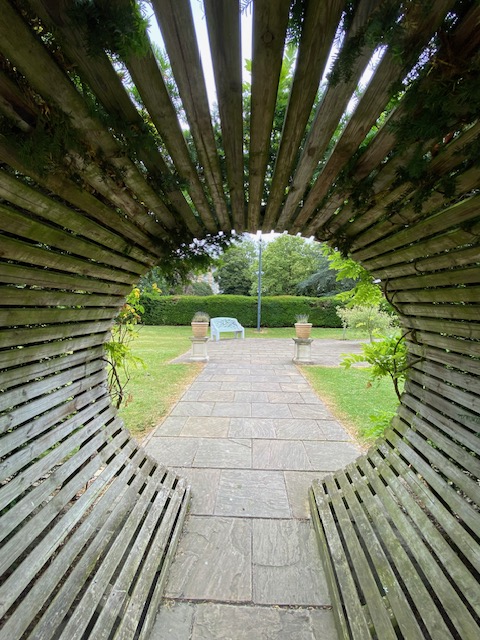
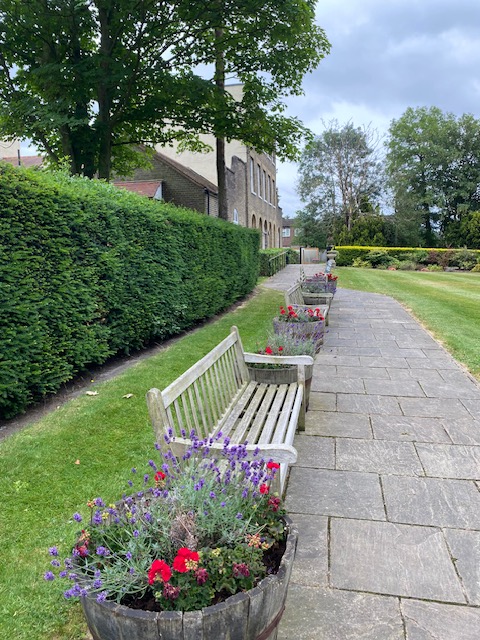
Very near the stop is Barking and Dagenham Registry Office. The registry office is located in the Grade II listed Woodlands House in Dagenham. This building is a former old people’s hostel and children’s home and has been suitably modernised and renovated to accommodate its new purpose. It’s often used as a wedding venue and has a lovely garden to hold receptions – it’s not always open to the public but it’s still possible to catch a glimpse.
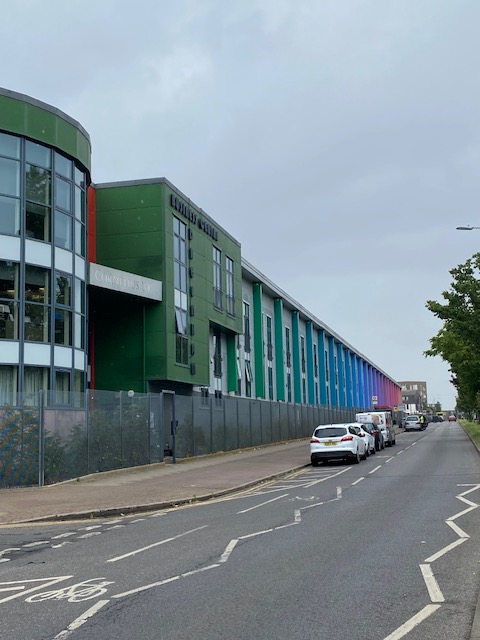
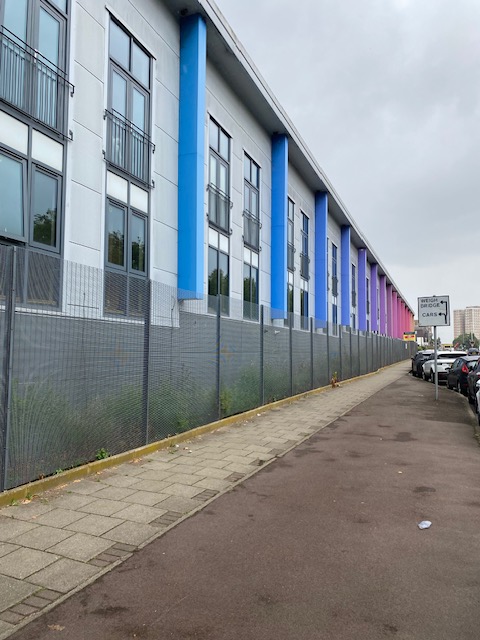
As you make your way back to the bus stop, you’ll see a colourful building which is the Cornelius UK Business Centre. The building has been painted in the colours of the rainbow and is quite striking as you get near to it.

5. CU London University Rainham Road North bus stop
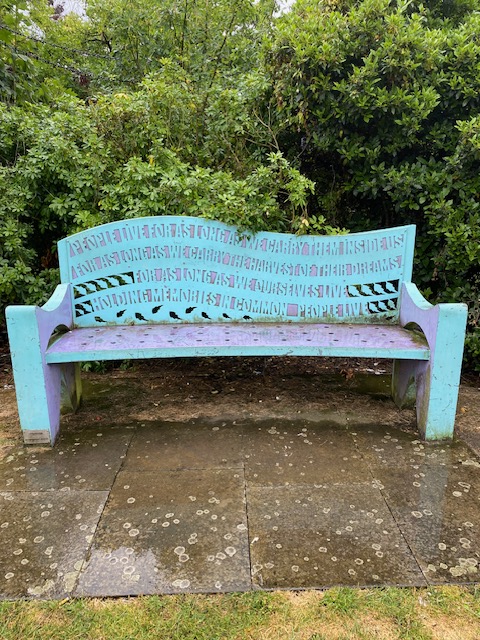
The bus stop is opposite Dagenham Civic Centre. A large part of the building is now a campus for Coventry University and on the corner is an old art deco building which looks to be abandoned but could be part of the civic centre. It wasn’t open on the day of my visit so it’s difficult to say. Next to this building is Central Park, Dagenham which has a very lovely small Peace and Memorial Garden with some cheerful benches and pretty trees.



6. Oldchurch Rise bus stop
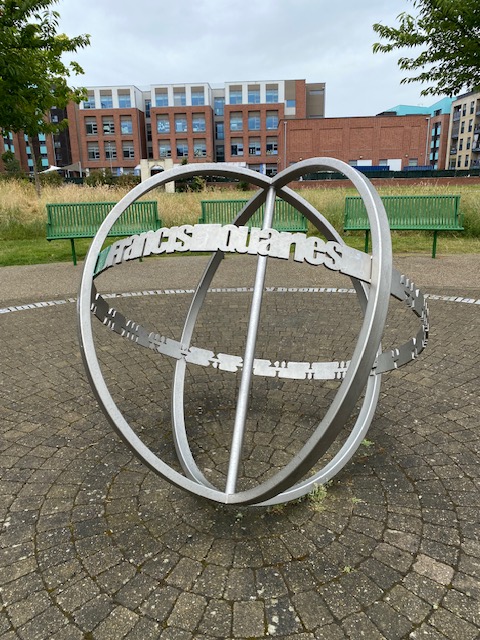
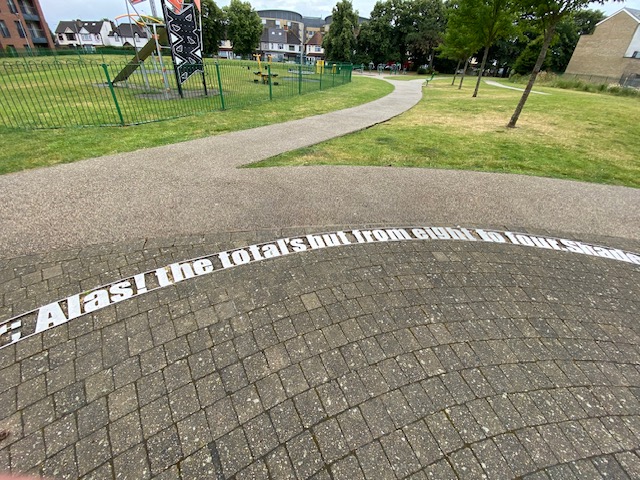
There are a lot of outdoor places to see on this route so it really would be best to go on a balmy day, not like this rainy one. But in between the showers, it’s still possible to appreciate Jubilee park which has a wildflower meadow in the middle. There are also words from The Shortness of Life poem by Francis Quarles as well as a dial – which is referred to in the poem.
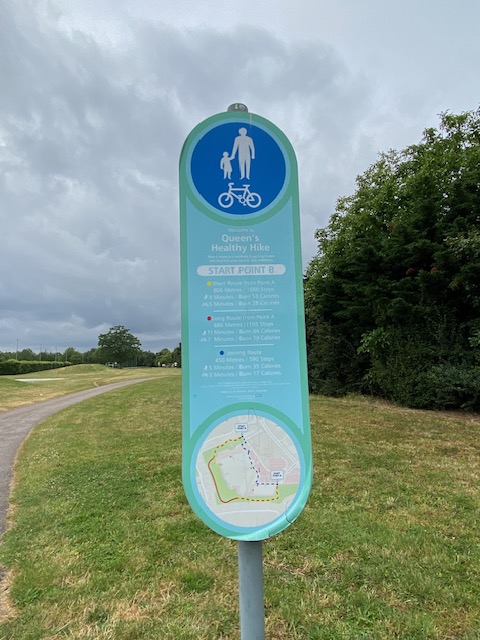
Near this park is the Queen’s Healthy Hike, set up by the local NHS Trust to help improve the health of local residents and visitors to the Queen’s hospital. There are several walking routes to choose from, and several starting points.

7. Romford Market bus stop
Final stop on this route is to visit Havering Museum. This is the third time of trying and luckily, it was open today. There is so much to see here, you really need plenty of time to savour it all. The history of Havering is revealed throughout the galleries. The building itself once formed part of Romford Brewery, which was founded by Edward Ind in 1799. The Coope Brothers joined the business in 1845 and so Ind Coope was born, soon to be renowned worldwide.
There are permanent displays which are arranged by themes rather than dates and there are five “pods” made up of the five localities – Romford, Rainham, Hornchurch, Upminster and Havering-atte-Bower. The themes include Defence & Conflict, Spare Time, Farming & Gardening and Travel & Transport, each one exploring various aspects of life in Havering from prehistory to the present day.
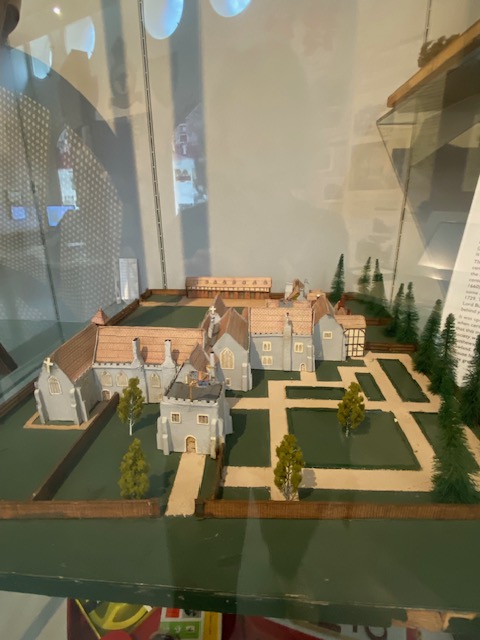


What I’ve written about here and the few images I’ve shown, doesn’t really do justice to the glory of the museum. I was lucky enough to be shown round by one of the staff who brought to life all the history of the area. It would be interesting, once you’ve seen the galleries and exhibits, to go and visit the five different localities.
So despite the weather, this bus route was very enjoyable, starting with Rainham Hall at one end and finishing at Havering Museum at the other, with a good few places en route.
Toilets that are free of charge and open to the public:
- Rainham Library
- Rainham Hall
- Havering Museum
 london routemistress
One response to “Bus route 103”
Looks surprisingly entertaining
<
div dir=”ltr”>
<
blockquote type=”cite”>
LikeLike