
Chingford station to Stratford City bus station
Highlights:
- Queen Elizabeth’s Hunting Lodge
- William Morris Gallery
- Wood sculptures in Chingford Memorial park
1. Chingford station bus stop
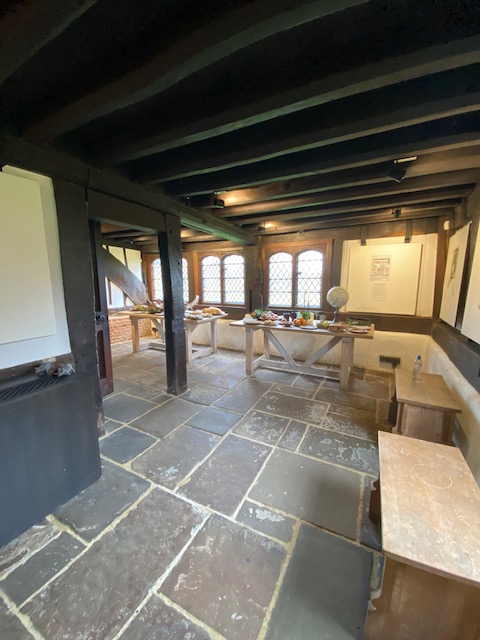
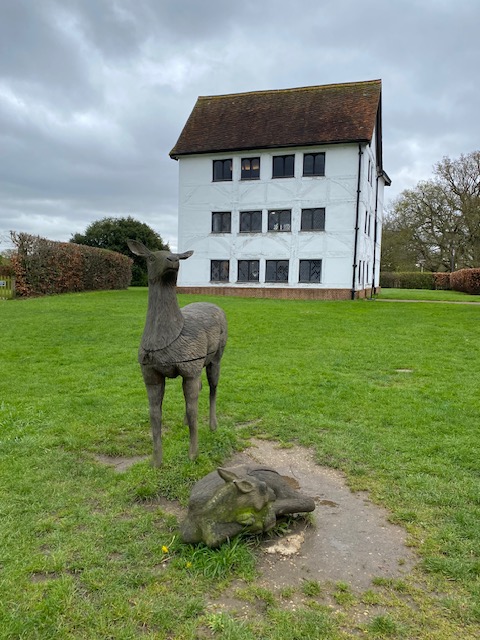
About a five minute walk from the bus stop is the remarkable Queen Elizabeth’s Hunting Lodge. In 1542, King Henry VIII commissioned the lodge to be built, from where he was able to view the deer chase at Chingford. It was then renovated in 1589 for Elizabeth I. The former lodge is now a three-storey building, and has been extensively restored. It’s a lovely small museum these days, managed by the City of London Corporation and it’s free of charge to go in.
In the 16th century, the lodge was known as Great Standing – a hunt grandstand where it was possible to watch the royal hunts in the nearby Waltham Forest (later called Epping Forest). These royal hunts were an excuse for the monarch to display their power, wealth and magnificence.
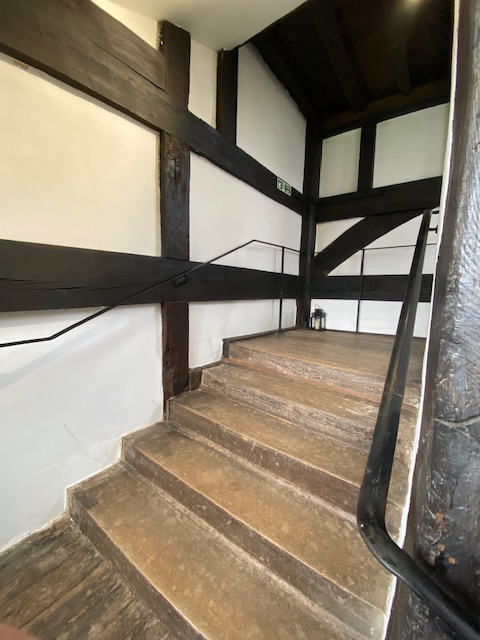
Elizabeth inherited the lodge when she became queen in 1558. There is an interesting, though doubtful, story that she rode one of her horses up the stairs of the Hunting Lodge to celebrate the defeat of the Armada in 1588. We will never know if this is truth or fiction although it was published in a magazine in 1833. The inside of the lodge has plenty of exposed timber beams. It’s scheduled as an Ancient Monument and has been awarded grade II* status for its architectural and historic interest. The grounds around the house are extensive and back on to Epping Forest.




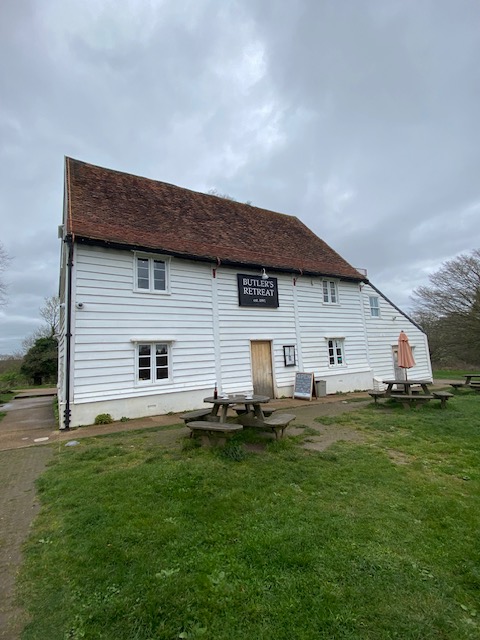
Next door to the Lodge is Butlers Retreat, a Grade II listed building. It was originally a barn and it’s thought to have been built in the early 19th century. It is one of the few remaining Victorian retreats within the forest. The building takes its name from its 1891 occupier, John Butler. As a retreat, it served non-alcoholic refreshments as part of the Temperance movement. The building as it was, closed in 2009, and was then refurbished by the City of London Corporation and re-opened as a café in 2012.
2. Station Road/The Green bus stop
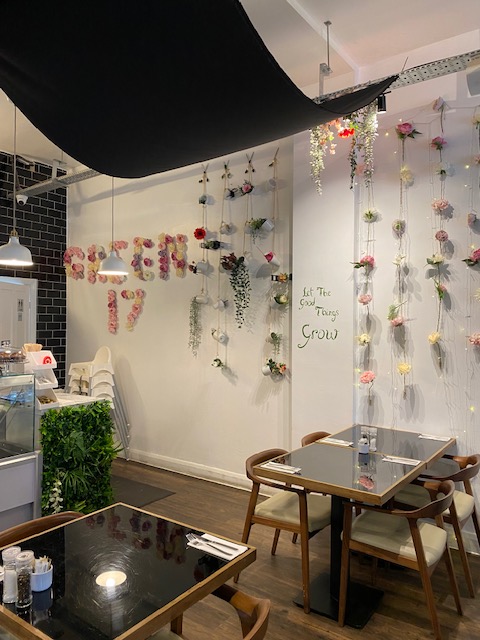
The bus stops right outside Green 17, a very pretty café with a lovely atmosphere and some unusual but great wall displays. Over the road is Carbis Cottage, also very pretty and is a grade II listed building for its architectural and historical interest and which was probably built in the 17th century. Just along from here is the Millennium Heritage Mosaic with 12 separate small mosaics depicting local historical sites, people and activities.
Featured here is Queen Elizabeth’s Hunting Lodge and the Queen herself in the adjacent mosaic. There are images of farming, as Chingford was a renowned farming community, and churches – both All Saints and St Peter and St Paul’s. There’s one of TE Lawrence (Lawrence of Arabia) who bought up a parcel of land in what is now Epping Forest. He had intended to build a house there but it never materialised and the land passed over to the Conservators of the forest.
Also here is Queen Victoria who visited Chingford in 1882 while en route to High Beach for the formal opening of Epping Forest. And there’s a hunting scene in the Royal Forest, Epping, which as early as the 7th century, was known as the “King’s Woods”. On the bottom line is Winston Churchill, who was at one time an MP for Epping, which included Chingford in its constituency.
The artist who created this mosaic was Gary Drostle, who from the very beginning was determined to create work outside of a gallery. Much of his work is seen in public places such as this Millennium Mosaic.



3. Larkswood Road bus stop
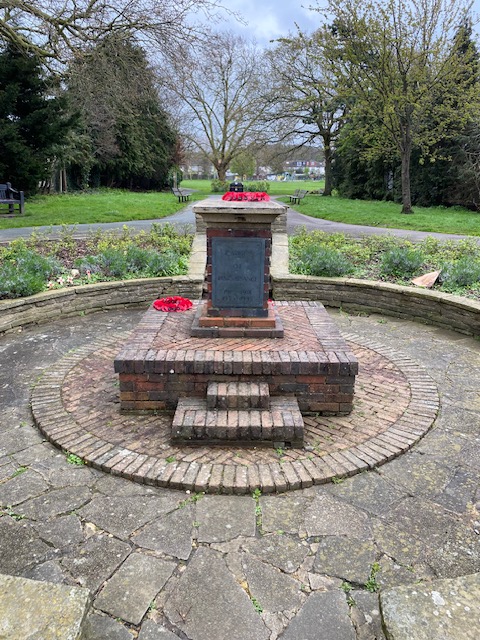
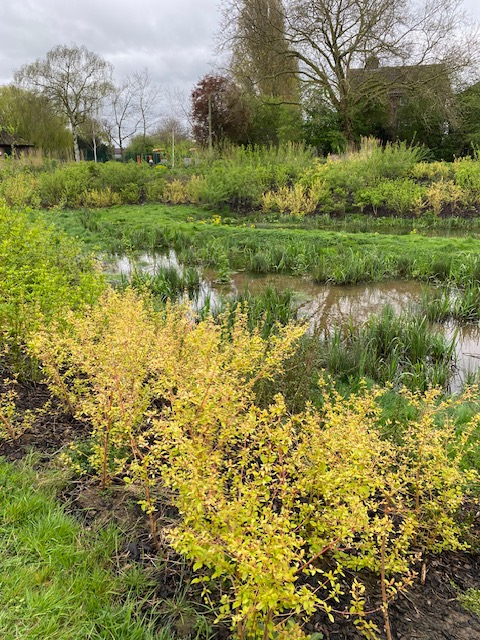
Chingford Memorial Park is near the stop and is worth a visit. There is a small and sunken Garden of Remembrance, for those soldiers who fell in the two world wars. There are also a number of wooden sculptures, carved out of tree trunks, scattered throughout the park. There is one of a butterfly, another of a child lying face down, known as the bookworm, a schoolgirl and old father time.


4. Forest Road/ Bell Corner bus stop
On the way to this stop, the bus will pass the old Walthamstow Stadium where greyhound racing took place for many years. It’s now a gym so at least it’s still being used and they have happily left the board up, from the stadium.
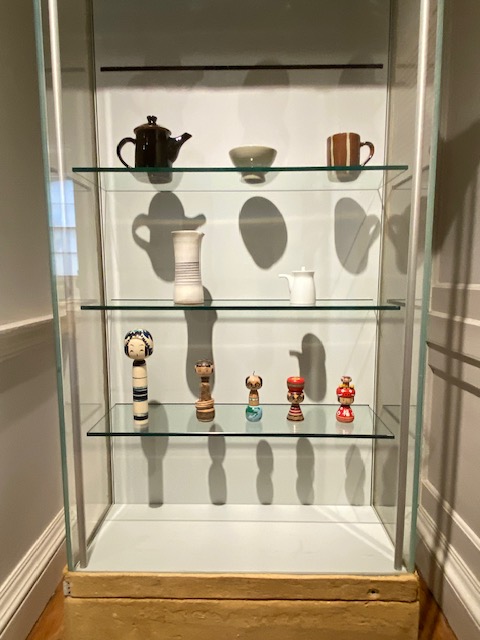
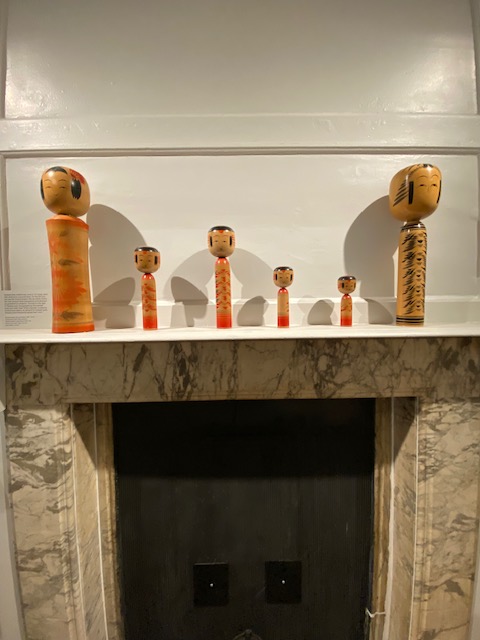
Near the stop is the William Morris Gallery, which could take up a whole day in itself. It’s full of the most exquisite pieces on display and you will have captured the essence of the man by the end of your visit. He had a fascinating life and as well as being extremely talented and creative, both in making/designing fabrics and furniture, he was a writer and an activist. There is so much to explore here that you will certainly not be bored. There is always an exhibition on display as well as everything to do with William Morris.

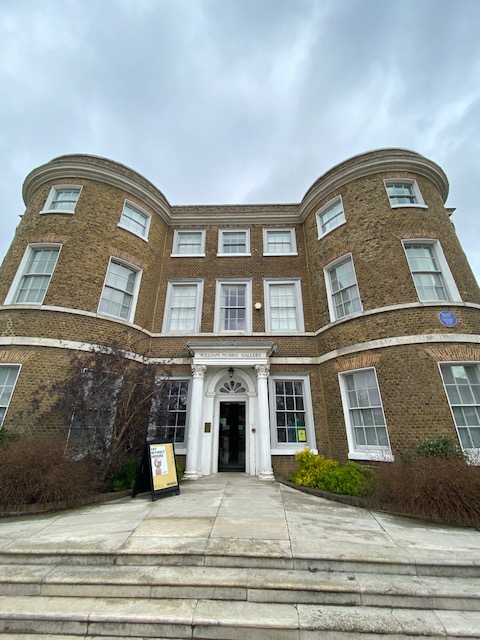


At present (April – September 2024), the exhibition is Art Without Heroes: Mingei, with Mingei being the influential folk-craft movement that developed in Japan in the 1920s and 1930s and is translated to mean “the art of the people”. On display are several works, including ceramics, woodwork, paper, toys, textiles, photography and film.

5. Leyton Midland Road Station bus stop
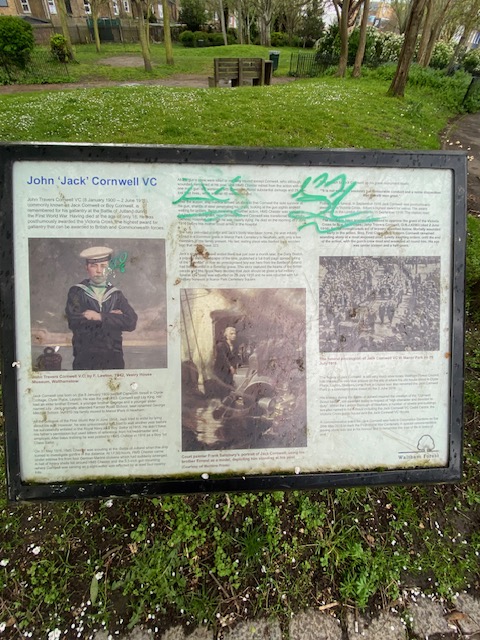
From the stop, walk round to the Jack Cornwell Park. Originally called Skelton’s Lane Park, it was renamed Jack Cornwell Park during a ceremony in 2016 as part of commemorations to mark 100 years since the youngster’s death. John (Jack) Cornwell received the Victoria Cross as a result of his bravery during the Battle of Jutland in WW1. He was only 16 when he died and was posthumously awarded the VC.
Jack was born in Leyton in January 1900. He tried to enlist at the outset of WW1 at the tender age of 14 but he was unsuccessful. He had to wait another year before he successfully enlisted in the Royal Navy and in 1916 he was posted on HMS Chester.
On 31 May 2016, the ship was scouting around the Battle of Jutland when it turned to investigate gunfire in the distance. The ship came under intense fire from 4 German Marine cruisers and the gun mounting where Cornwell was serving, was hit several times. All the crew except Jack were killed or badly injured. Although he himself was wounded, he stayed in post until HMS Chester retired from the battle.
Cornwell had shards of steel penetrating his chest and was taken to Grimsby Hospital where he sadly died on 2 June. He was taken from there and buried in a common grave. It was only when a local newspaper picked up the story and captured the hearts of the British people that the Royal Navy gave him a full military funeral. It is to the credit of council leaders that this park has been renamed in his honour.



6. Vicarage Road bus stop and
7. Westfield Avenue bus stop
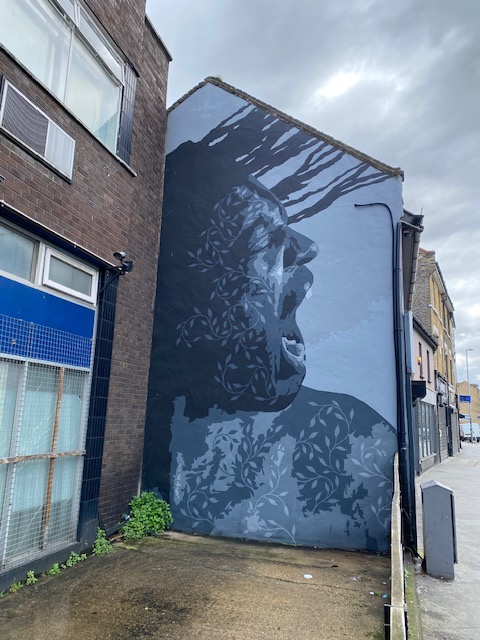
There are several murals scattered around this part of Leyton, near the High Road, and the one here is quite dramatic, a screaming, angry-looking person, placed as it is on the side of a building.
Then the final stop on this route is at Stratford Waterfront where there is an interesting art installation. This installation entitled Braided Traditions: Common Threads, is the brain child of the Black Girl Knit Club and was created in collaboration with Stratford Cross. Members of the club created pieces to decorate the stairs and public viewing platform in Endeavour Square.
The inspiration for this was “the form and creativity of Black women’s hair”. Members attended workshops to create the artwork where, as well as making the pieces, they discussed the historical and cultural significance of hair within the black community. Some of the nearby trees are also covered in their knitting and it certainly makes for a colourful and cheerful place to visit. But if you want to see it, you need to hurry as this installation is only on display until 12th April 2024.
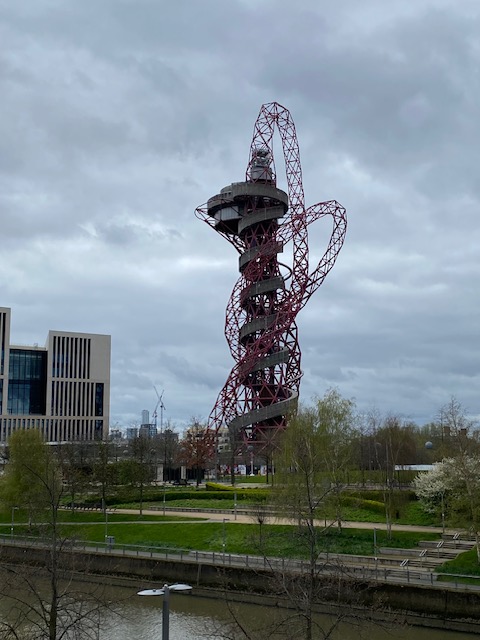
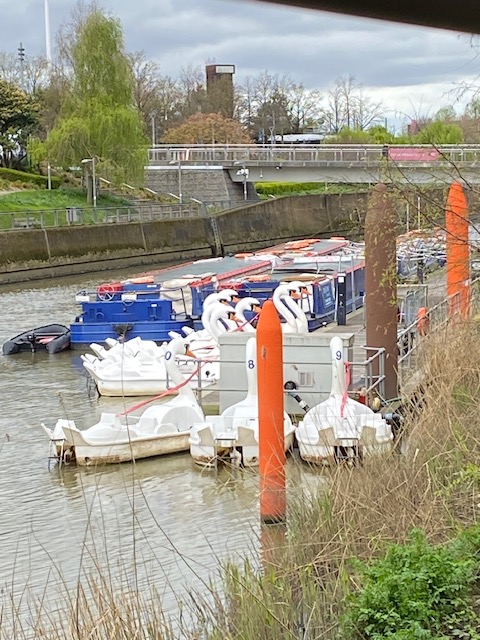
Whilst you’re at this spot, you can look over to the Olympic Park and see the ArcelorMittal Orbit sculpture by Anish Kapoor. He created it for the 2012 London Olympic Games. It’s a red lattice tower with a lift that takes you to the viewing platforms where you will have panoramic views of London. It’s then possible to experience a very long slide back down to the ground or else you can take the more traditional route via a staircase. And it’s worth looking at the waterfront too, where on a fine day, it’s possible to take out a swan pedalo or just amble along the front and watch the world go by. The river is an artificial channel that flows into the Bow Creek part of the River Lea.

An interesting bus route with a forest at the start and the river at the end, with plenty of places to explore in between. It would be possible to while away a very pleasant day, if the weather was fine, wandering around Epping Forest and Stratford waterfront. Or on a rainy day, you could easily spend many happy hours in the William Morris Gallery. It was difficult to restrict the time spent at the various places on this route. It’s also worth noting that everything was free of charge, including the Hunting Lodge at the start and the WM Gallery in the middle.
Toilets that are open to the public and free to use:
- Near Chingford station in the shopping mall
- Epping Forest Tourist Information
- William Morris Gallery
 london routemistress
