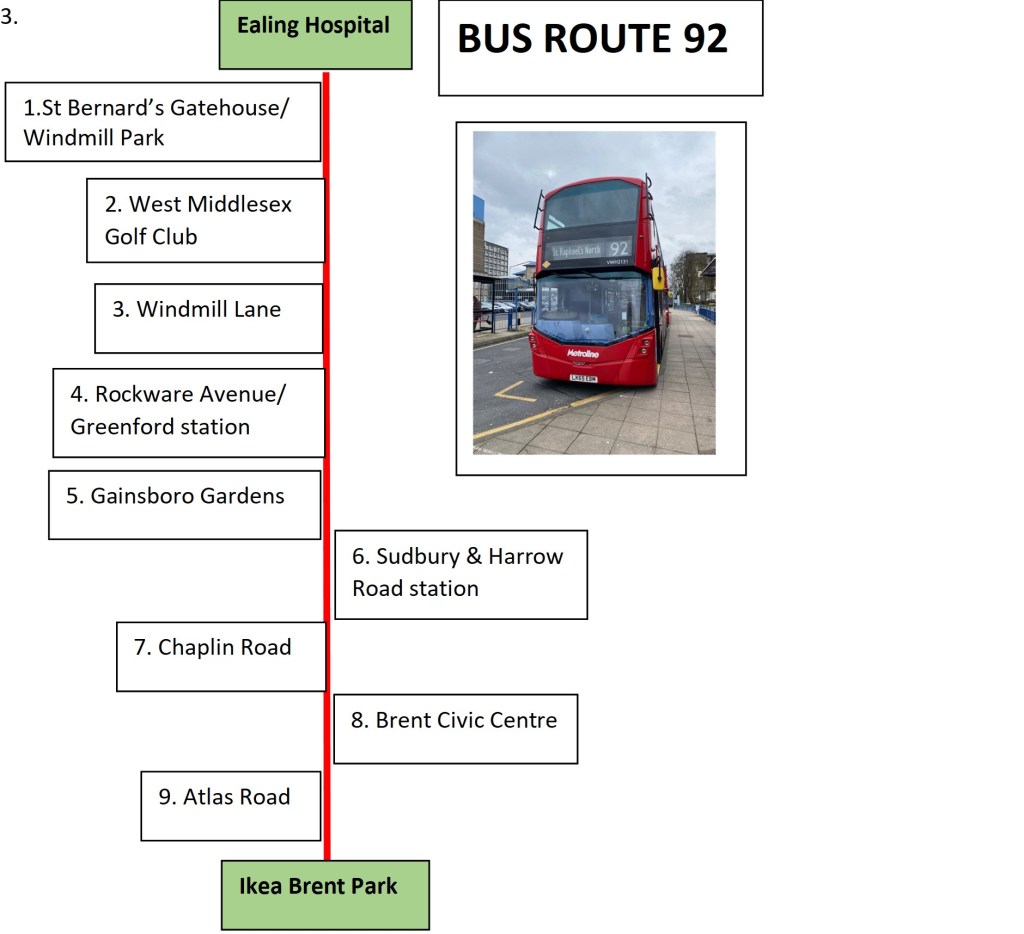
Ealing Hospital to Ikea Brent Park
Highlights:
- Wharncliffe Viaduct
- Rainbow Crossing
- Sudbury Town station
1. St Bernard’s Gatehouse/Windmill Park bus stop
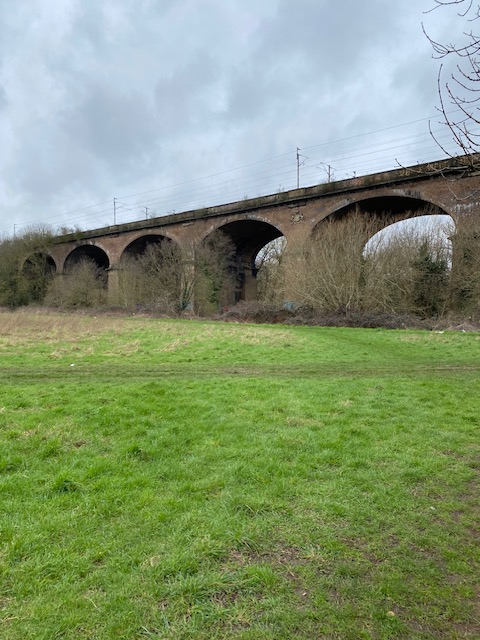
As with many other routes, there are things worth seeing before embarking on the bus. Although not so near the bus stop, it really is worth making a detour to see the Wharncliffe Viaduct that’s in Hanwell. This brick-built viaduct was the first major structural design by Isambard Kingdom Brunel and carries Great Western Railway (GWR) Main Line trains across the Brent Valley, between Hanwell and Southall. It’s 20 metres high and dominates the area by its sheer size and grandeur. It was built in 1836–7 at the creation of GWR. There are eight semi-elliptical arches, each spanning 21 m and rising 5.3 metres and 17 metres wide.
The best views of the Wharncliffe Viaduct are from Brent Meadow on the south side, opposite Ealing Hospital. If you’re lucky, you’ll see GWR trains whizzing by!

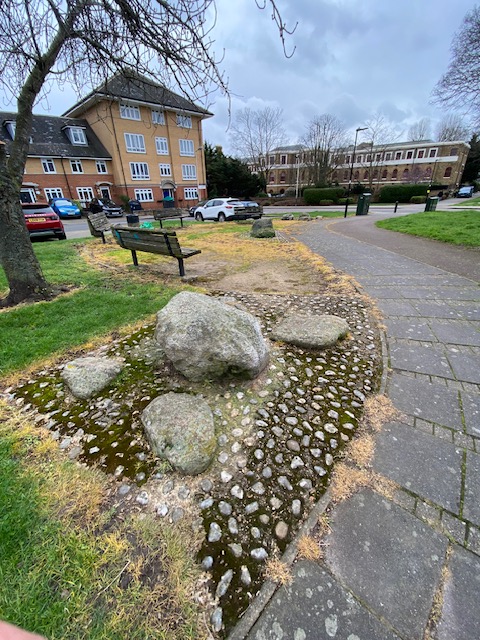
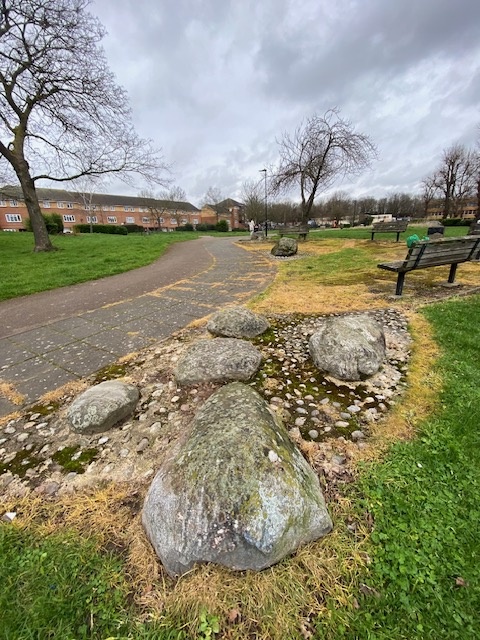
Head towards St Bernard’s Hospital and go through to Windmill Park. Inside the park is a stone semicircle – but there is no plaque to explain what it is and why it’s there! The stones were obviously deliberately set out in the park but it’s not clear as to why.
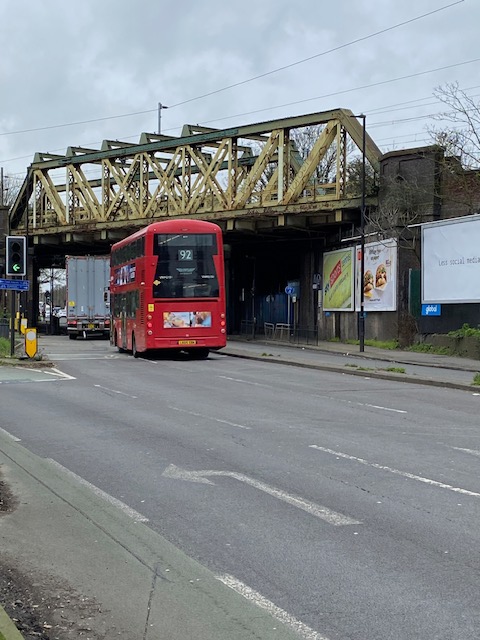
Back on to the main road and you’ll see the Iron Bridge, which was built to carry the Great Western Railway over the Uxbridge Road. The original was built in about 1838, but burned down in 1847. The current structure was constructed in 1912 and is made of wrought iron.
2. West Middlesex Golf Club bus stop
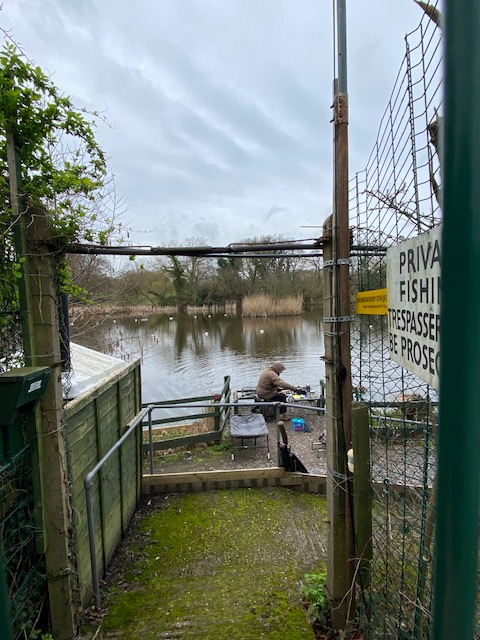
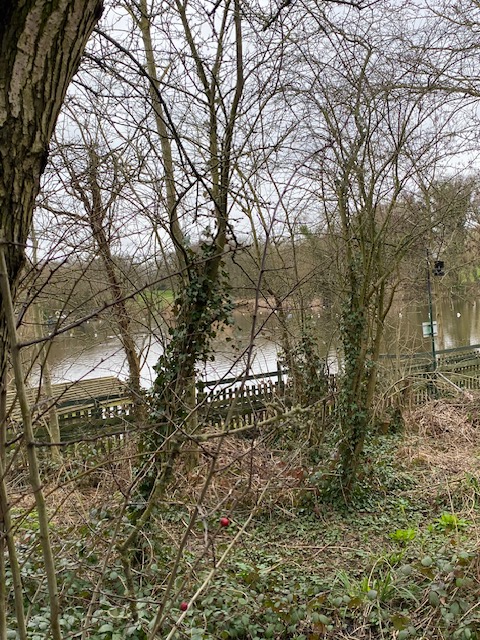
It’s not possible to get close to the lake that is set within the grounds of the golf club but it can be seen from the street. It’s owned by the AEC Angling Society and has an abundance of carp, amongst other fish. The lake itself has 22 purpose-built platforms and it’s also home to plenty of wildlife and birds.
3. Windmill Lane Southall bus stop
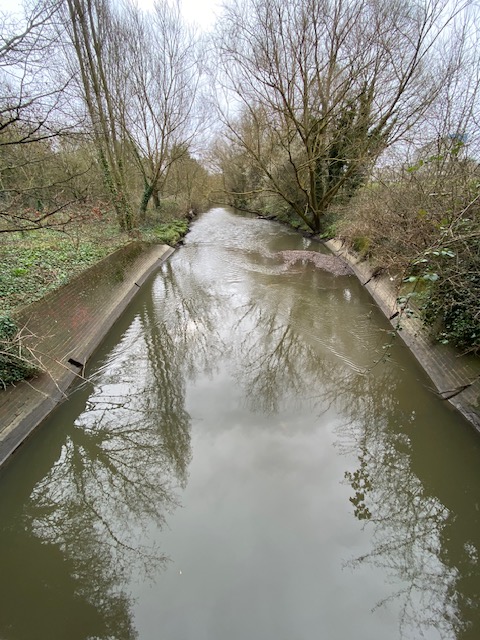
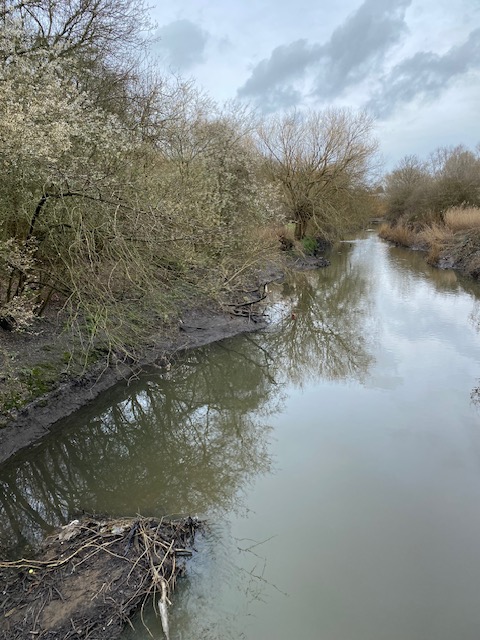
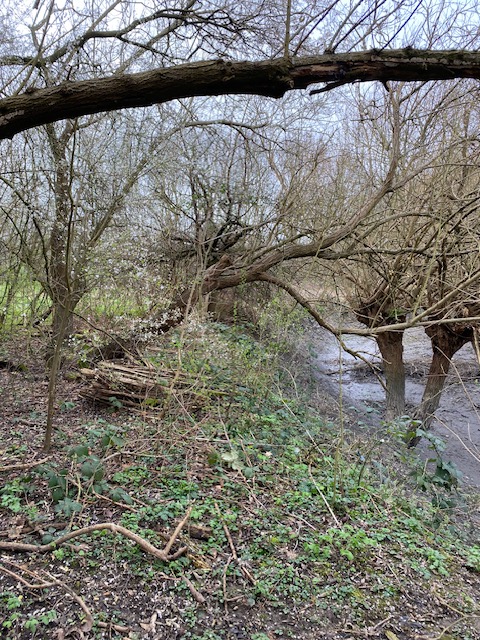
Alight from the bus and cross over the road to find your way to Greenford Island. It’s an area within Brent River Park and is known for its wildlife. There are plenty of lovely walks across the meadows and alongside the river Brent. The better time of year to go is a bit later in March and April when a variety of birds appear from their wintering in Africa. Interestingly, it’s only an island during high flood waters and it was created from an original meander when the river was straightened.
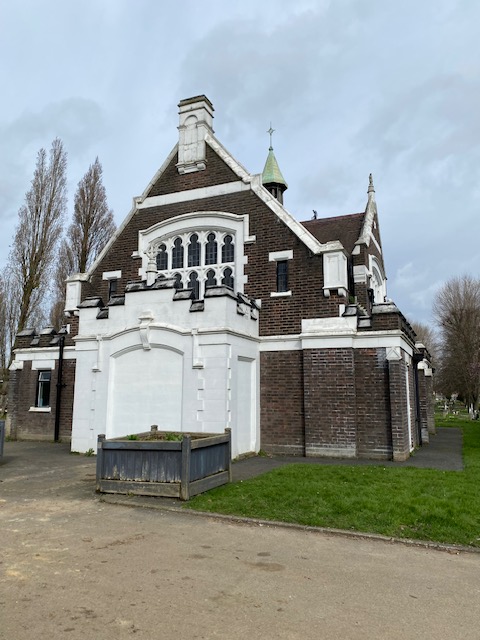
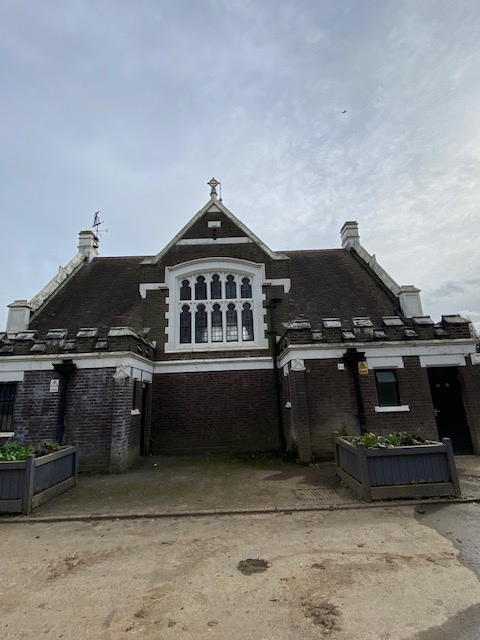
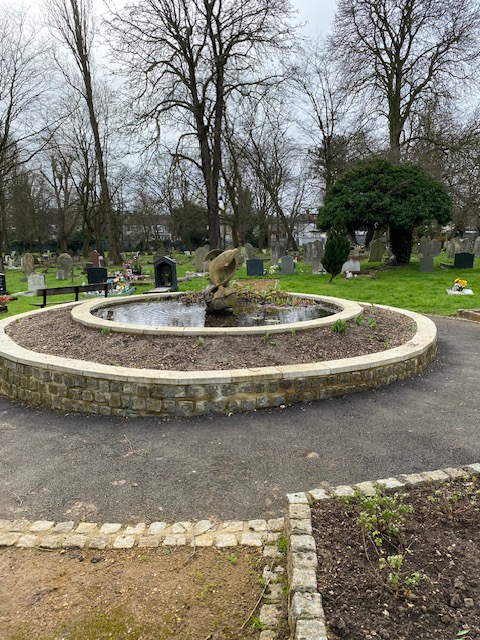
At the same bus stop but in the opposite direction from Greenford Island is Greenford Cemetery, with its delightful chapel. The cemetery is one of the better-kept ones and dates back to 1902, with the first interments “at exceptionally low charges” in January of that year. The chapel is a pretty building and is right in the centre of the cemetery. There is a sizeable children’s section that has a small pond with a dolphin structure set in the middle.
4. Rockware Avenue/Greenford station bus stop
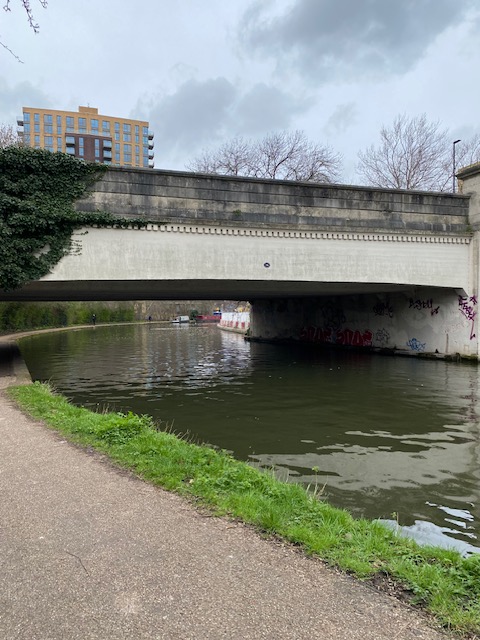
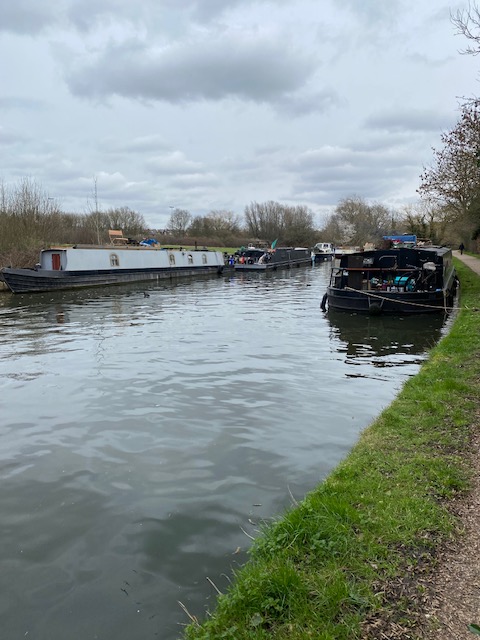
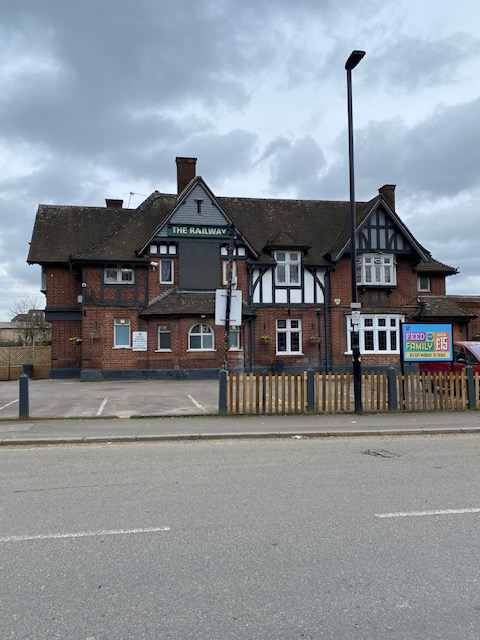
This route 92 is mainly about seeing outside sights and this stop takes you to Greenford Road bridge over the Grand Union Canal, where there are a number of boats both moored and travelling up and down. The area around the bridge has recently undergone considerable transformation and has been cleaned and tidied up. In particular, there has been an addition to riverside biodiversity with native/marginal plants and an introduction of preserve areas to support & protect wildlife. Opposite the bus stop is the Railway Tavern, which was originally built in 1915 as the Station Hotel and refurbished in 2011, retaining many of its original external features. It’s now part of the Greene King chain.
5. Gainsboro Gardens bus stop
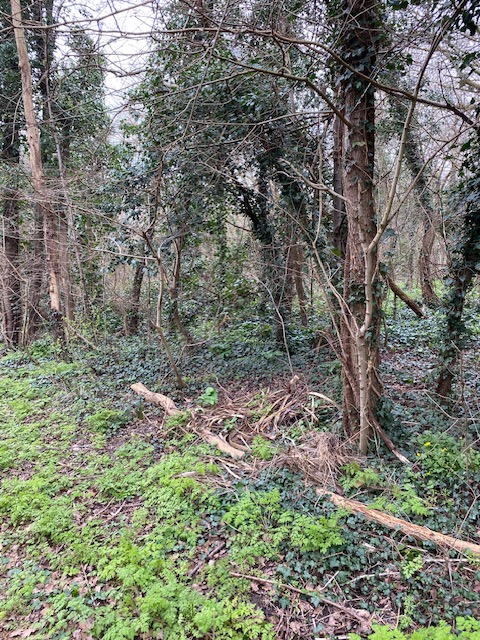
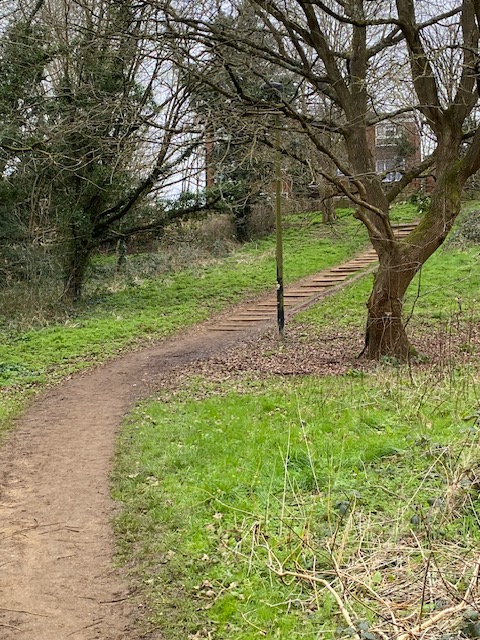
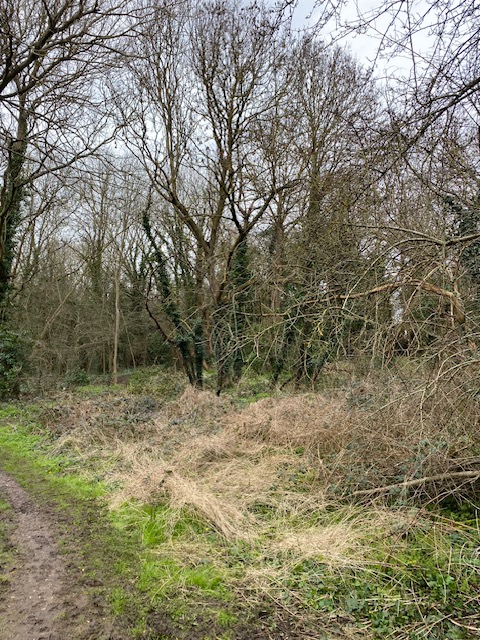
Here you’ll find Grove Farm, which is actually ancient woodland. It consists of deciduous trees and grassland, providing refuge for a range of plants and animals. The ancient species include wild service trees, native bluebells and wood anemones though at the time of my visit – end of February – these weren’t yet in bloom. There are glades and a stream running through the woodland and plenty of well-worn paths so it’s possible to take in all the different species of tree and plant.
6. Sudbury and Harrow Road station bus stop
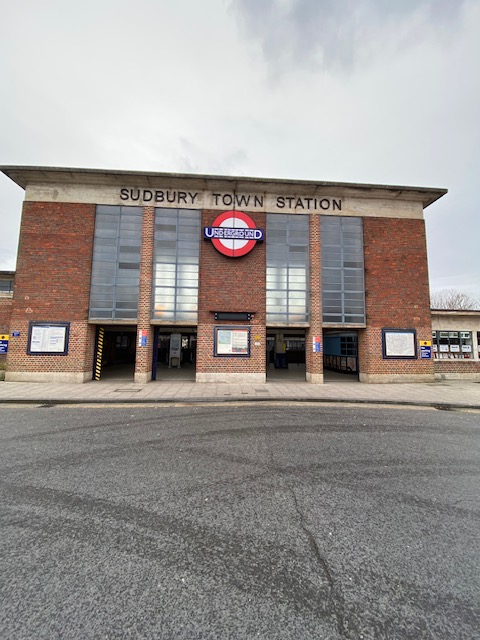
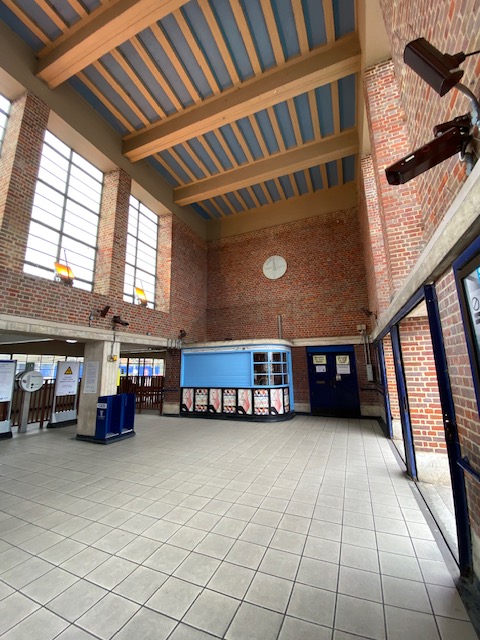
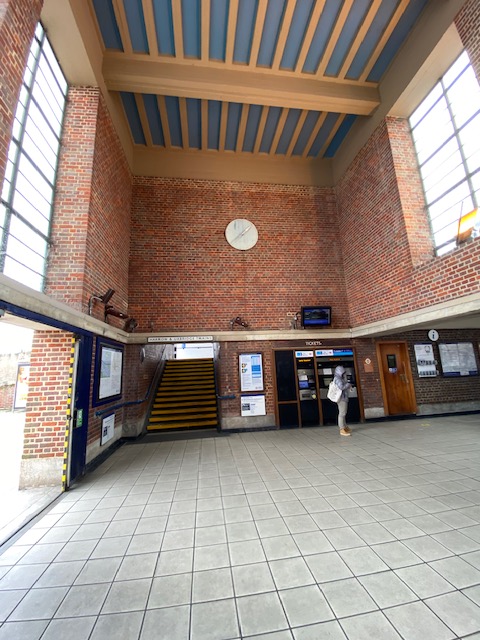
The more interesting station to visit here is Sudbury Town which is on the Piccadilly underground line. It started off life in 1903 as a station on the Metropolitan and District line and was transferred over to the Piccadilly in the 1930s. The original design for the new station had an initial design of a narrow three-storey box-like building with a single arched central window and entrance – however this design was rejected.
The final Charles Holden design incorporated a tall rectangular brick booking hall with flat concrete roof, large windows and lower side wings. This design came to be known as the ‘Sudbury box’ and variations of it were used on Holden’s other designs for the Piccadilly Line.
The interior ceiling has horizontal straight beams and is painted in mustard with pale blue panels. On one side there are steps that lead up to the link with the footbridge and which retain their bronze hand rails. Against the opposite wall in the booking hall, is the original newspaper kiosk with a curved glazed end and just beyond it are the double doors to the refreshment room (now closed off). Sudbury Town station was awarded Grade II* status in 1971, predominantly for its architectural interest.
7. Chaplin Road bus stop
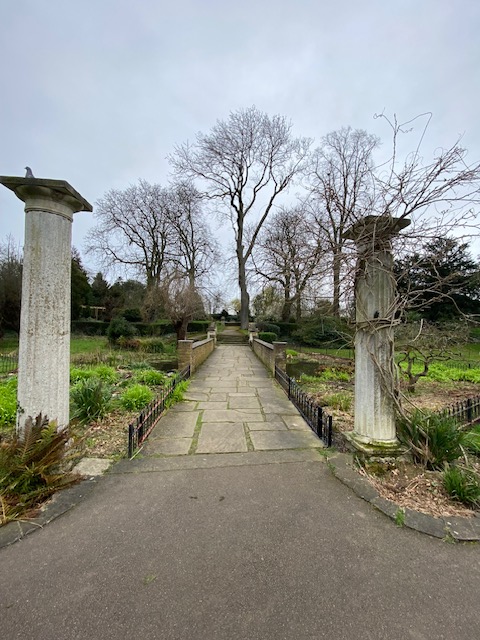
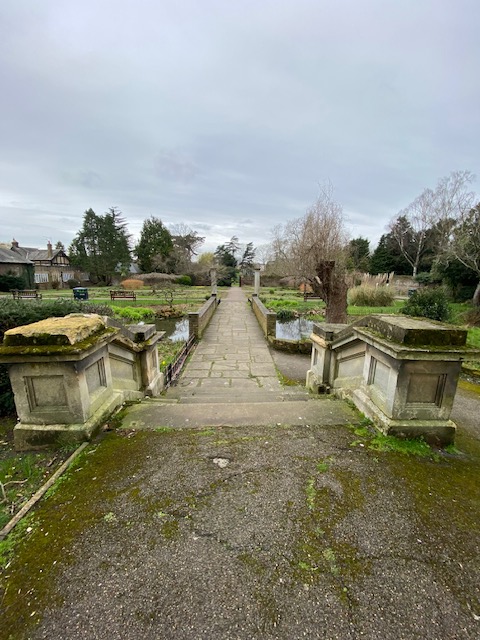
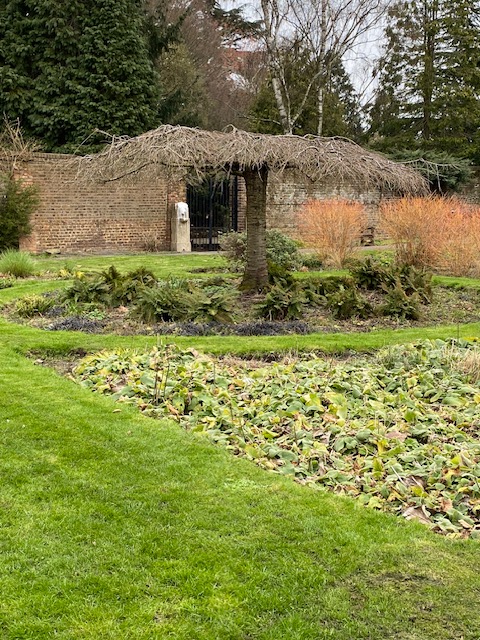
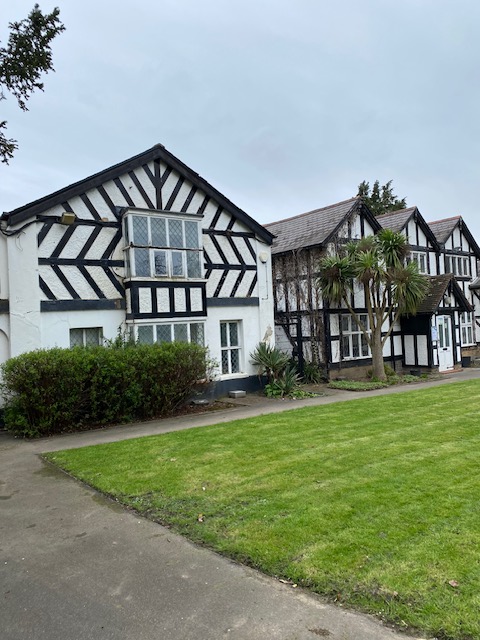
The bus stops outside Barham Park which is also on the number 18 route. A house called Sudbury Lodge was built in the 1860s by two Copland sisters, well known philanthropists at the time, in the grounds of Crabs House. The latter was owned and occupied by their father and dates back much further.
In 1895, Sir George Barham, who was the founder of Express Dairies, came to live in Sudbury, buying up the entire estate. He decided to live in Sudbury Lodge, renaming it Barham House. In 1865, a plague just about wiped out most of London’s cattle and George Barham was the only person at the time who was able to supply milk to the city. Ever the entrepreneur, he invented the milk churn and developed chilling methods to keep the milk fresh. By 1885 he was delivering 30,000 gallons of milk into London every night.
These days, remains of Barham House are still to be seen in Barham Park, within the walled gardens. And the original Georgian building, formerly Crab’s House and home to the senior Mr Copland, is still standing and is now used as a public library.
8. Brent Civic Centre bus stop
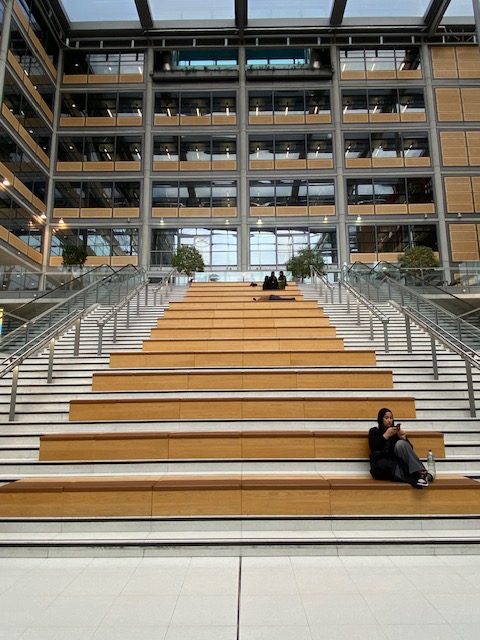
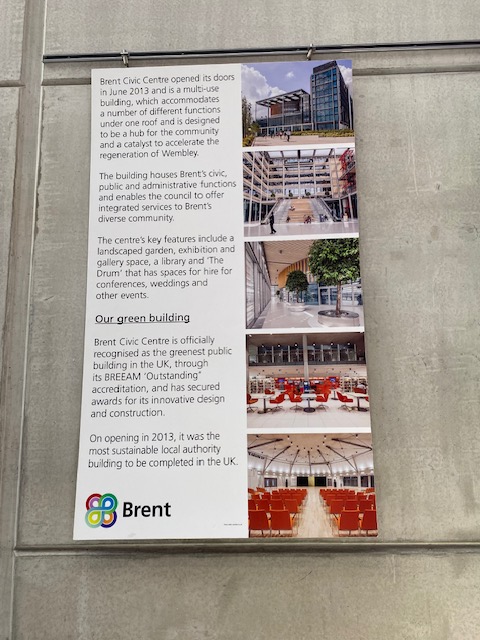
The bus drops you right outside the Civic Centre, which is also on bus route 83. There were no exhibitions on display this time but the building itself is interesting, not least because at the time of its opening in 2013, it was the most sustainable local authority building to be completed in the UK. It’s officially the greenest public building in the UK, through its BREEAM “Outstanding” accreditation.
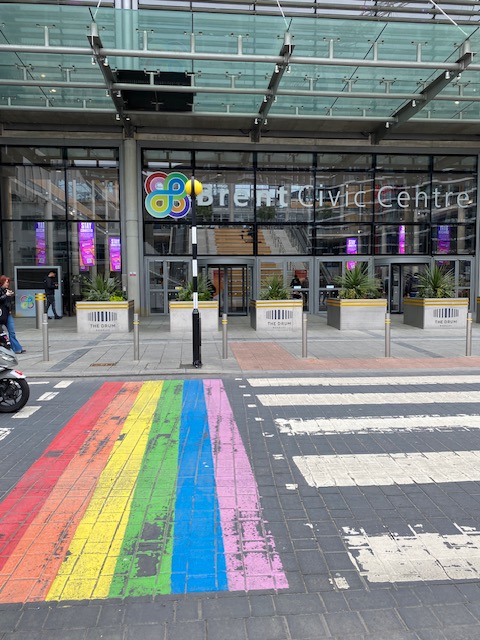
Also outside is a rainbow crossing. In 2020 Brent council introduced six rainbow crossings to support and celebrate LGBT+ communities in Brent and this one was the first. They wanted to signal inclusion and support for LGBT+ communities in the borough and beyond, many of whom were still experiencing discrimination and violence. It was to coincide with the London Borough of Brent kicking off its year of Culture. Five more of the crossings were introduced in the borough over the year.
9. Atlas Road bus stop
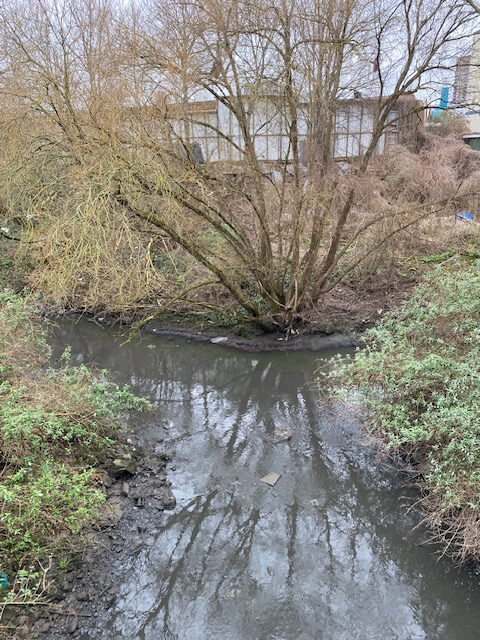
Final stop on this route was to have a short walk on the River Brent walking trail. The walk straddles the river for approximately 7 kms and contains semi-natural areas including seven designated Sites for Local Nature Conservation. There are large areas of the park that are open to free public access, with lots of footpaths and cycle paths.
Fortunately it was a mild and clear day, not a spot of rain in sight. Just about all the places I visited (exception being Brent Civic Centre) were outdoors and although each had its own merit, as a route, there wasn’t much diversity, unlike most others up to now. That said, I did enjoy seeing Wharncliffe Viaduct at the very start and revisiting both Barham Park/House and Brent Civic Centre.
Toilets that are open to the public and free of charge:
- Greenford Cemetery
- Brent Civic Centre
 london routemistress