
Parliament Hill Fields to Clapham Omnibus
Highlights:
- Social Pottery
- Kelly Street houses
- Dean’s Yard
- Vauxhall Park Model Village
1. Parliament Hill Fields
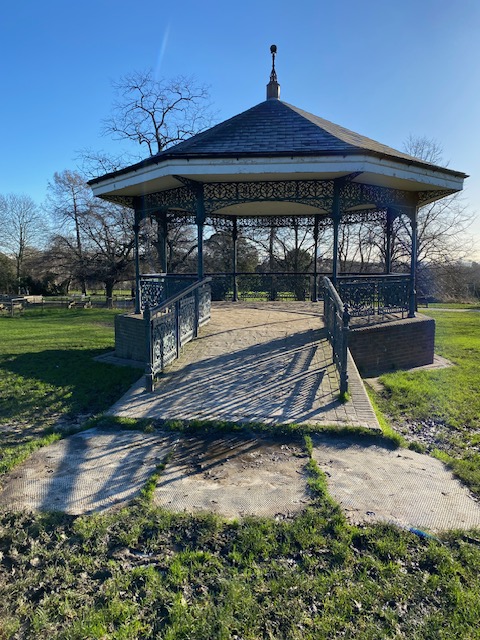
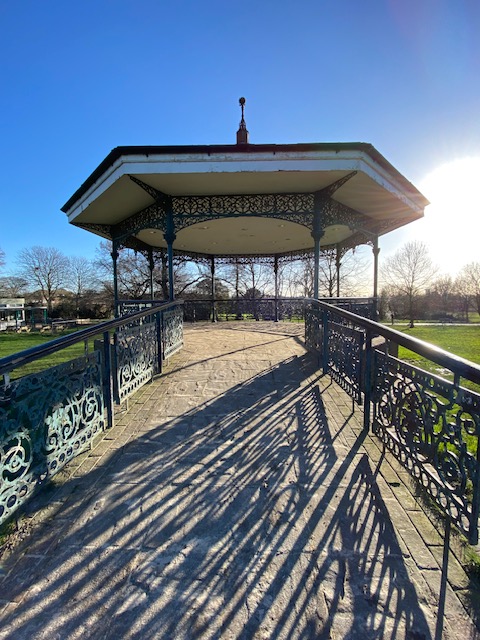
The bus starts at one side of the open space so before getting on, take a walk towards the bandstand that’s just a few minutes from the stop. This bandstand, although it looks Victorian, actually dates back only to the 1990s, when it replaced one that had been vandalised and left almost derelict.
Parliament Hill got its present name during the English Civil War when it was used by soldiers who were fighting on the side of Parliament. In 1888 it officially became part of Hampstead Heath.
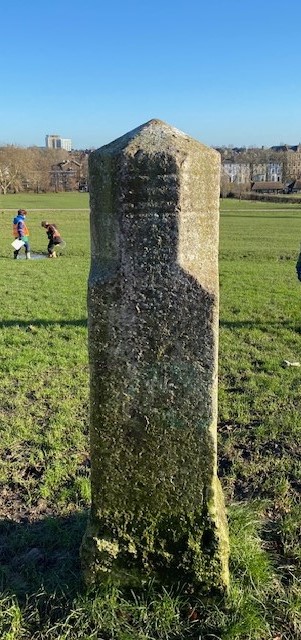
On the opposite side of the path from the bandstand is the Stone of Free Speech. It’s thought that the Stone was a focus of religious and political meetings around 200 years ago, and until fairly recently it had an inscription on it to the effect that the space around the stone is available for public meetings. As well as potentially being a north London equivalent of Speakers’ Corner, another suggestion is that it is some form of waymarker post. Whatever its provenance, it is apparently now used by modern Pagans in their celebration of the Spring equinox, to represent the element of stone.

2. Kentish Town station bus stop
The Bull and Gate pub is near the stop. It’s Grade II listed and was built in 1871. The pub had a long history as a music venue, with bands such as Coldplay, Blur, Suede, and Nirvana playing there towards the start of their careers. The exterior shows 2 storeys of the building, with 5 window bays and an elongated Palladian style window under a half-moon shape plaque announcing ‘Bull & Gate 1871’.
3. Kentish Town/Prince of Wales Road bus stop
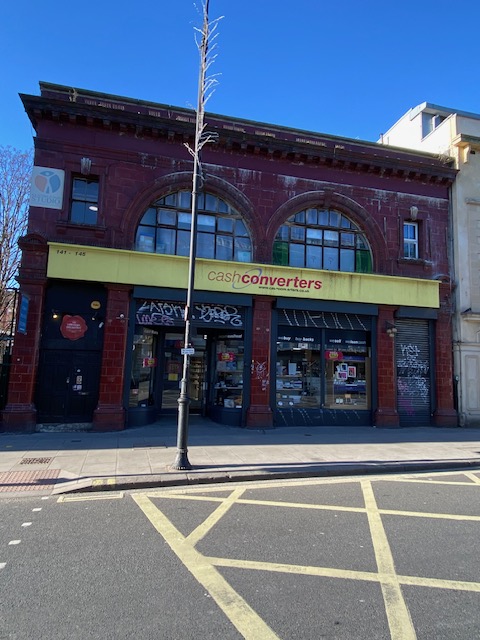
Further down Kentish Town Road is the former South Kentish Town station which is now home to Mission Breakout (and a cash converters shop). Mission Breakout was closed at the time of the visit but it’s an escape room for games.
The Ghost tube station opened in 1907 but closed in 1924 due to low passengers use. During the Blitz in the Second World War, the disused tube station was adapted for use as an air-raid shelter where Londoners took refuge from bombing.

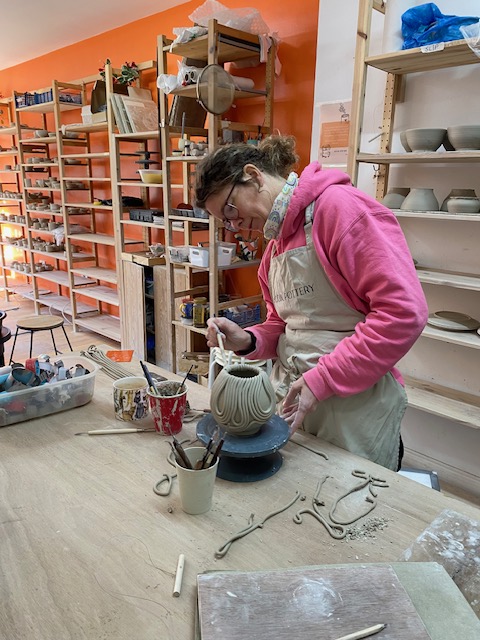
Over the road from Mission Breakout is Social Pottery, which offers pottery classes for all levels and for all occasions, from birthday parties to corporate events and team-building. It’s also possible to paint ceramic pieces that they have on display or you can master the potter’s wheel and use the professional kiln. They have two studios, both in Kentish Town Road and very friendly staff. It’s a great way to while away an afternoon as you immerse yourself in painting or pottery-making.


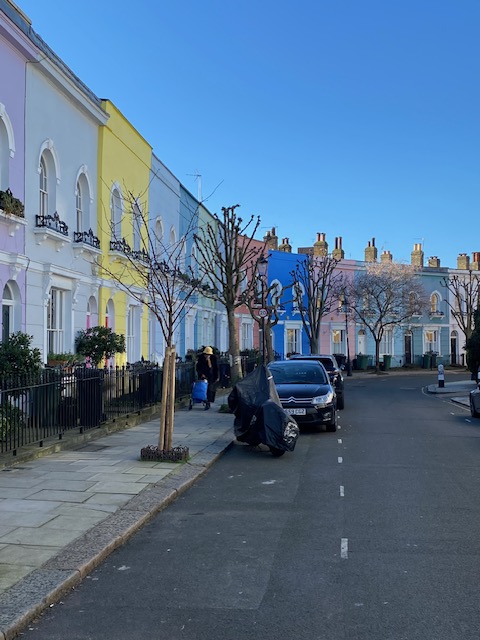
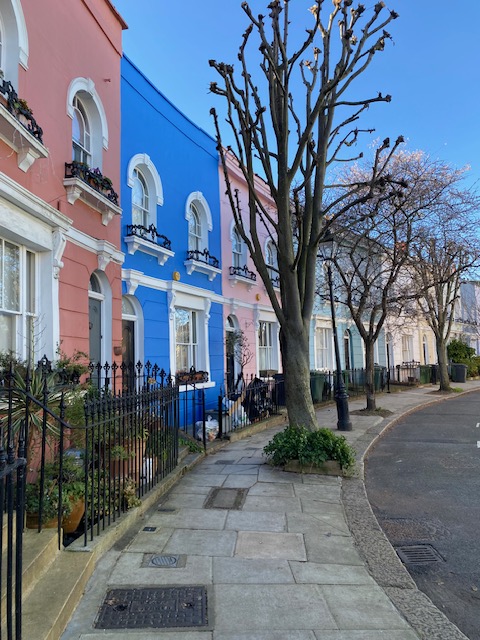
Before heading back to the bus stop, turn into Kelly Street. It must be among the prettiest of London’s many multi-coloured streets, composed of early 19th century curving terraced houses with ornamental ironwork.
Every building on the street is painted in a different bright or pastel colour. The colours only started appearing in the 1960s, with residents choosing their preferred shades, and bringing their colourful ideas to life. It became a conservation area in 1975 and all the houses are grade II listed. It hasn’t always been so charming, though. Charles Booth, the 19th century social reformer called it the “worst street for immorality in the division” when he visited in 1898, compiling his famous ‘poverty maps’!

4. Euston Road bus stop
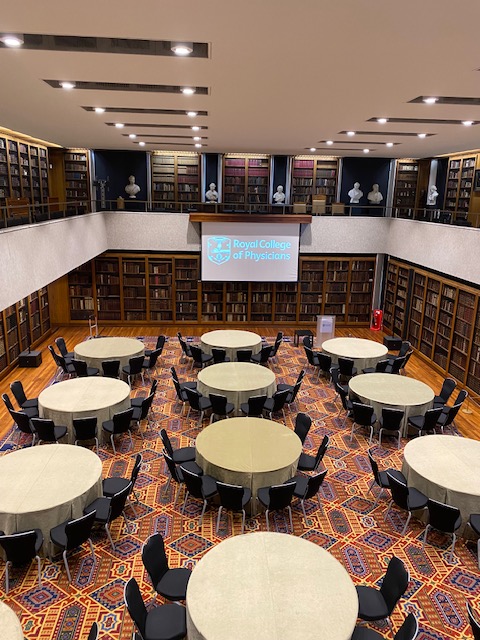
Head round the corner from the stop to the Royal College of Physicians where there is a museum and plenty to see. As you enter the small museum, you’ll find a portrait of Sir Francis Prujean, who had been president of the RCP from 1650-54. Alongside him is a Prujean chest – a 17th century surgical instrument case. It contains steel and pewter instruments used for procedures such as lithotomy (kidney and gall stones removal), bullet extraction and trepanation (where a hole is drilled or scraped into the human skull). Also on display are other instruments and a typical president’s robe.


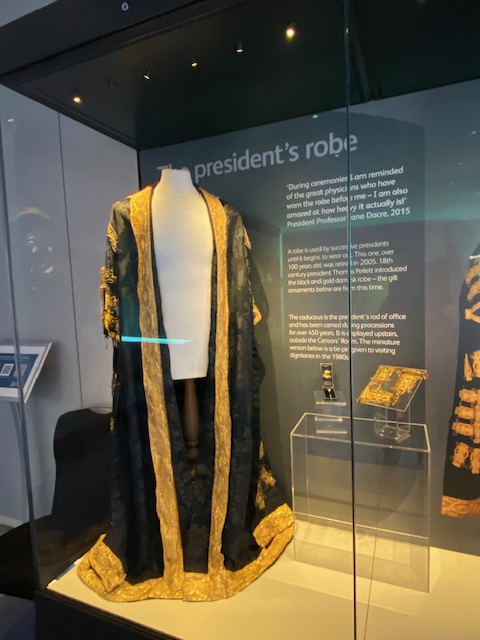
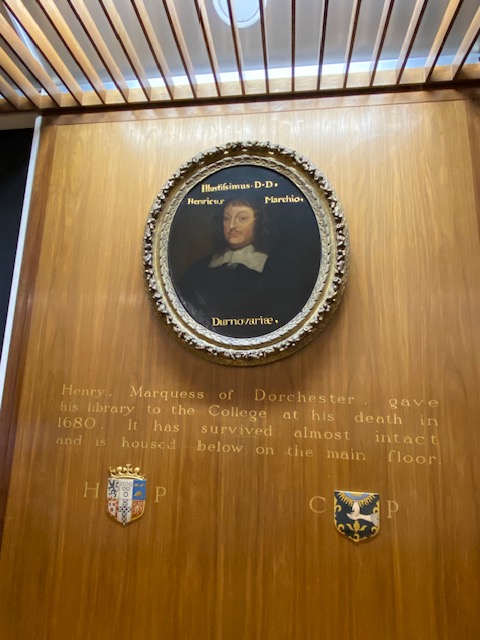
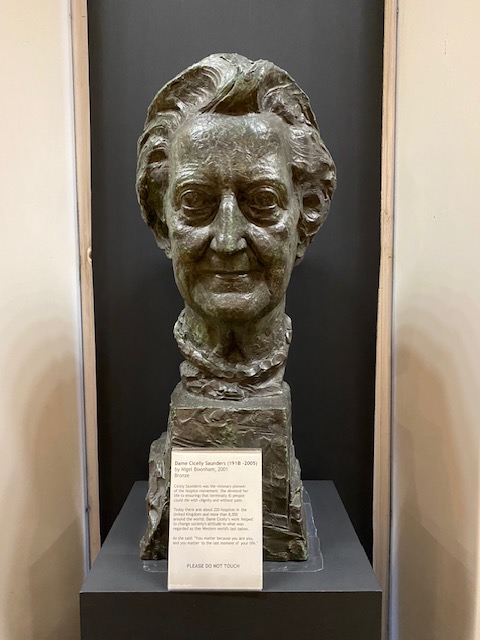
Elsewhere in the building are other paintings of former presidents and other significant members of the profession. Upstairs is the Dorchester Room, a library and great hall, bestowed to the College by Henry, Marquess of Dorchester on his death in 1680. Other artefacts to be found is a bust of Dame Cicely Saunders, the pioneer of the hospice movement.

5. Margaret Street/Oxford Circus bus stop
The Regent Street cinema is near the bus stop. In 1896 the Lumière brothers debuted their Cinématographe machine for a paying audience at Regent Street Cinema which went on to became a landmark venue for the UK film industry and the birthplace of British cinema. The first ever film to be awarded the notorious ‘X’ certificate was screened here too. The auditorium is in Art Deco design with really comfortable velvet chairs and even an original working Compton cinema organ.
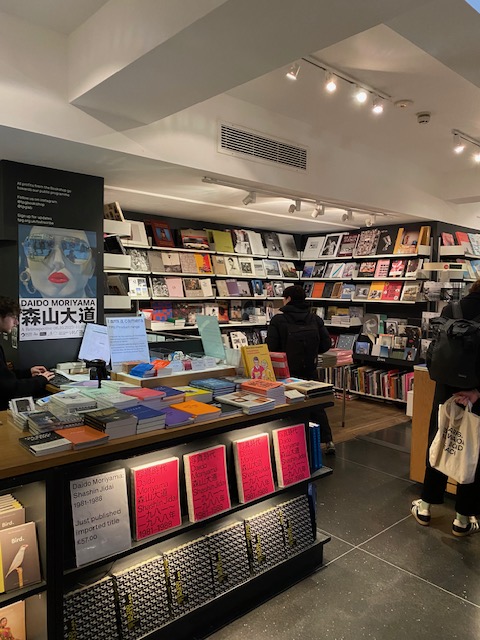
On the other side of Oxford Street is the Photographers’ Gallery a lovely space that offers photography for everyone. They have several exhibitions on at any one time and even display some works of art outside in Ramillies Place. Currently (January 2024) one such exhibition inside the gallery is entitled The Winter Editions, showing photographs from 12 represented artists to celebrate this season. They have an extensive bookshop and café and it’s well worth a visit.


6. Westminster Abbey bus stop
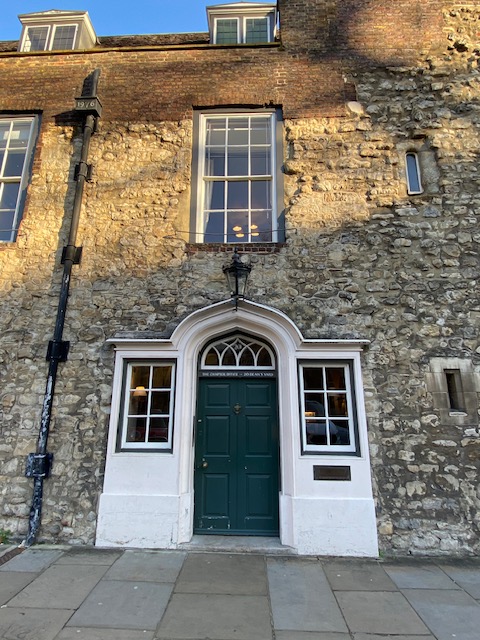
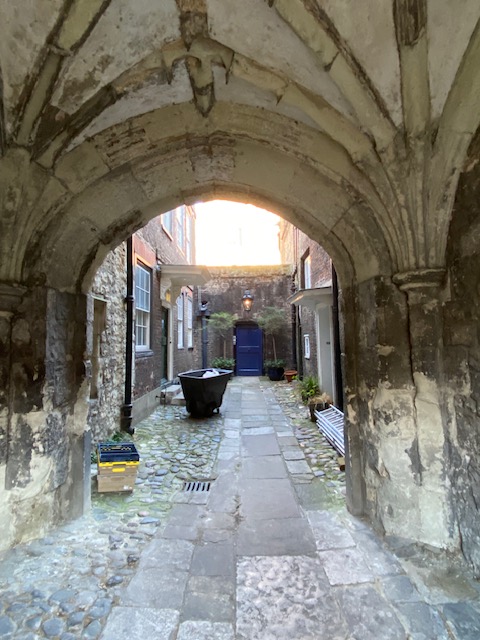
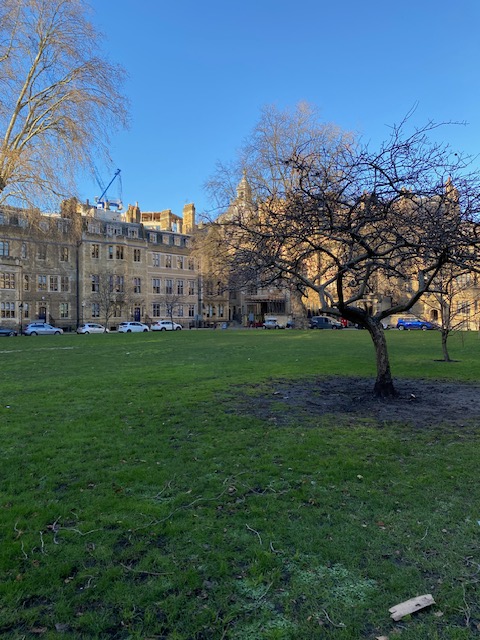
Of course this is the stop if you want to visit the Abbey itself. However, as my mission is to find and inform about lesser-known places of interest, take a walk to Dean’s Yard to see the pretty buildings and to see where Westminster School is based. “Green” as it’s called by the boys of the school, is a large quadrangle where the boys have exclusive rights to sit, read and play games. The surrounding buildings comprise most of the remaining precincts of the historically greater scope of the monastery or abbey of Westminster. Well worth a look at, if you’re intending visiting the Abbey or even if you’re not.

7. Chelsea College of Arts bus stop
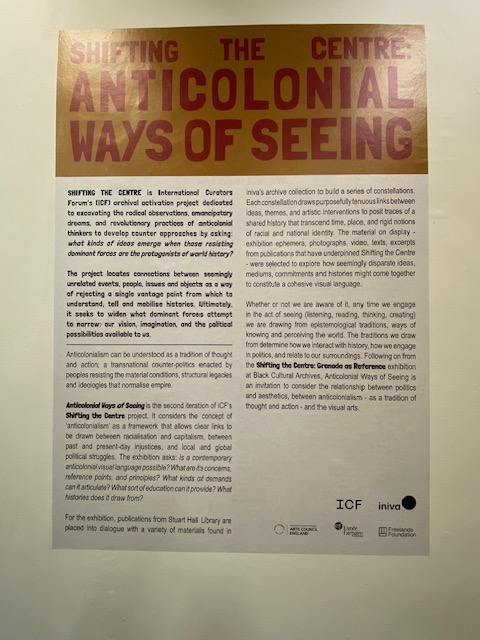
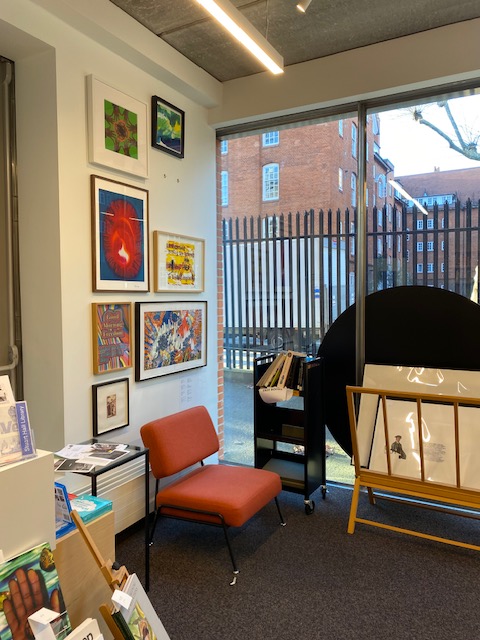
Very close to the stop is the Institute of International Visual Arts (INIVA). As the name suggests, it’s a visual arts organisation that collaborates with contemporary artists, curators and writers. It was founded in 1994 with a remit to address an imbalance in the way culturally diverse artists and curators were being represented in the UK and is funded by Arts Council England. Over the course of its existence, Iniva has hosted and/or produced major solo exhibitions by significant British and international artists, including sculptor Hew Locke (“Kingdom of the Blind”, in 2008), and filmmaker Zineb Sedira (“Currents of Time” in 2009). The exhibition on display until mid January is one that connects history, politics and art, through the lens of anticolonial thought and activism.

Almost exactly outside INIVA is a statue of John Everett Millais, who helped found the nearby Tate Gallery. This statue is unusual in that it incorporates a recognisable piece of furniture, the small table with a drawer. The statue was erected in 1905 and is grade II listed.


8. Vauxhall Park bus stop
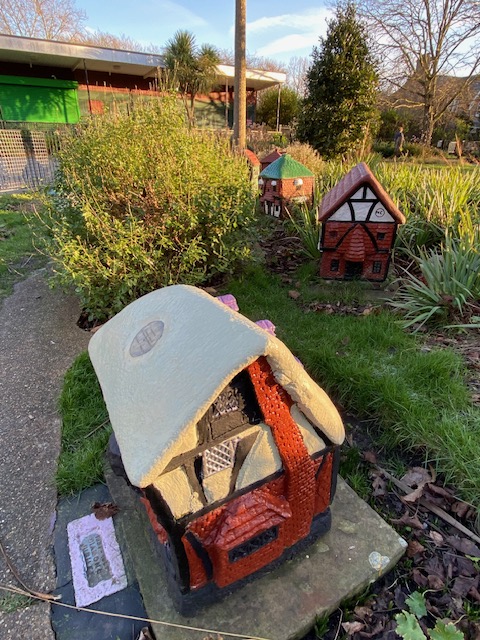
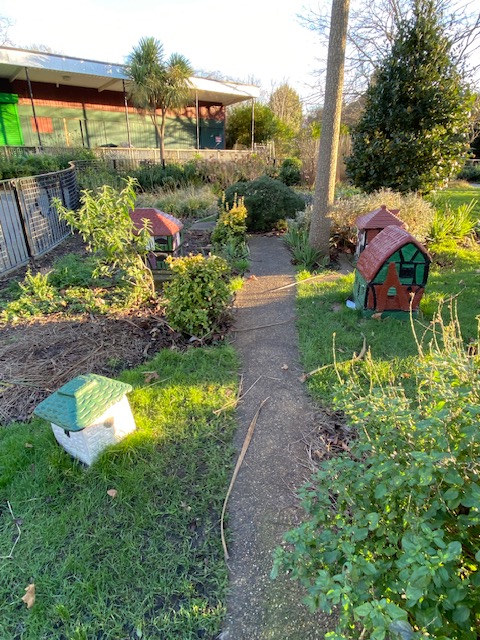
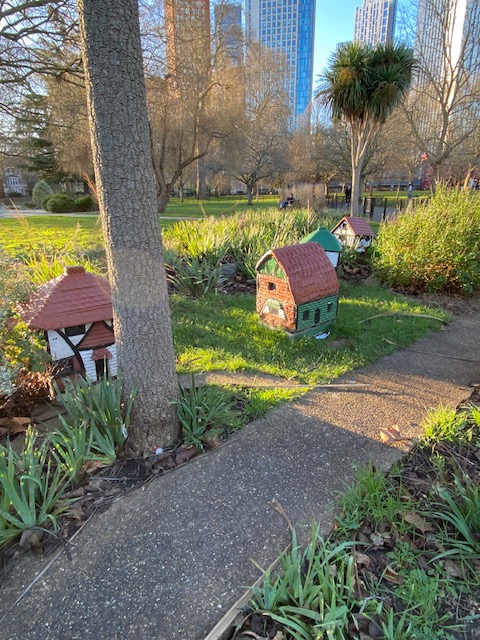
Inside Vauxhall Park is a model village – or more accurately, a hamlet owing to the number of buildings! There are six houses, each 60 cm high, and three smaller outbuildings, which are scattered amongst flower beds in an area that’s approx. 10m by 10m. Most houses are mock Tudor, with black beams and terracotta roofs. The model village itself, built in the 1940s by Edger Wilson, is lovingly maintained by volunteers. One of Vauxhall’s local residents has recently repainted the houses, restoring a ‘thatched’ roof. If you didn’t know this little village existed, you could easily walk past it. It’s tucked away in a corner of the park, set inside Fawcett Garden, which itself is a formal sensory garden.

This was a great route and in particular I thoroughly enjoyed meeting Noleen and Galen at Social Pottery. Travelling around London on buses has been so rewarding – not only do I visit many lovely places of interest, I get to meet some fascinating people.
Toilets that are free and available to the public:
- Parliament Hill Fields
- Social Pottery
- Royal College of Physicians
 london routemistress
2 responses to “Bus route 88”
Congratulations – most enjoyable – nice to learn the ends of the route all I knew was a middle .
LikeLike
Thanks! I must admit that I didn’t actually go to the very end of the route. It was a bitterly cold day and I couldn’t stay outside any longer. I’m hoping one of the other buses will go there – Clapham Common and the Omnibus Theatre.
LikeLike