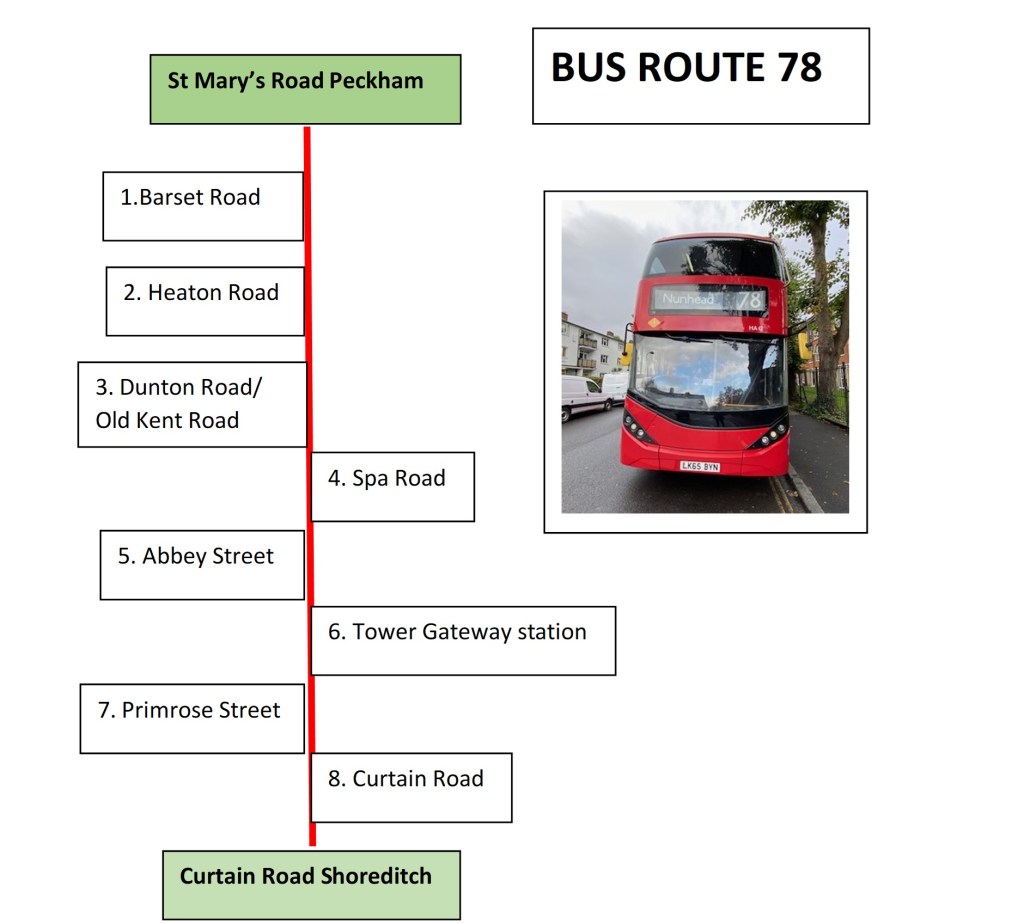
St Mary’s Road Peckham to Curtain Road Shoreditch
Highlights:
- Peckham almshouses
- The Drawing Room
- Glassblowing Gallery
- Pure Evil Gallery
1. Barset Road (or Nunhead Green)
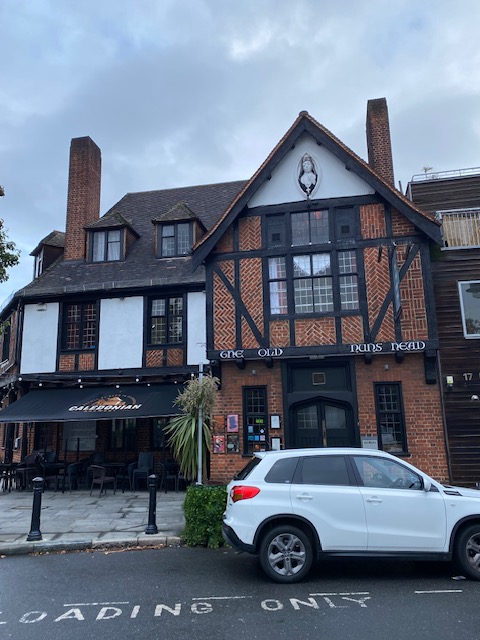
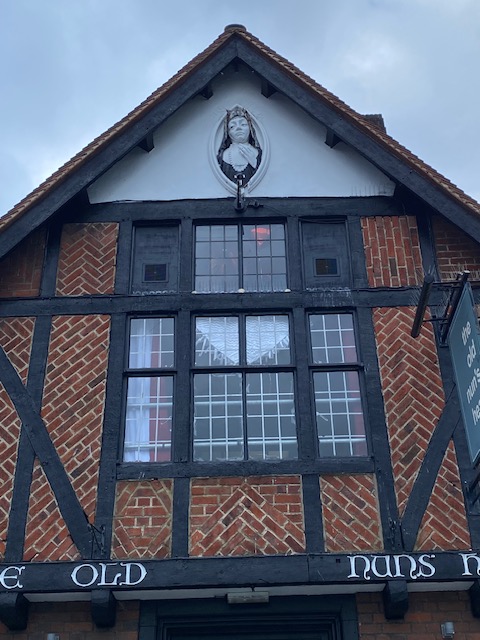
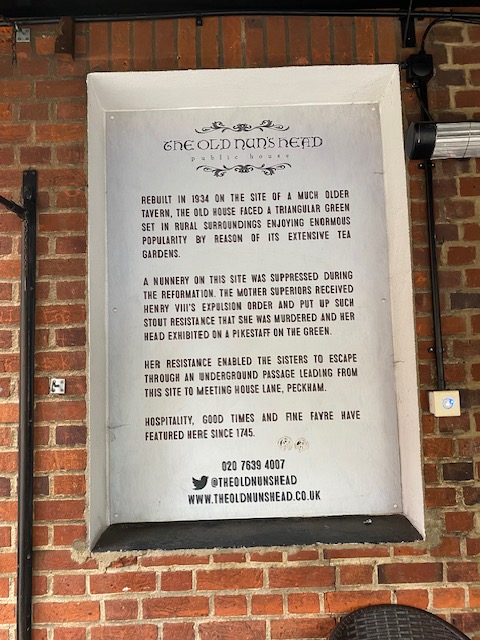
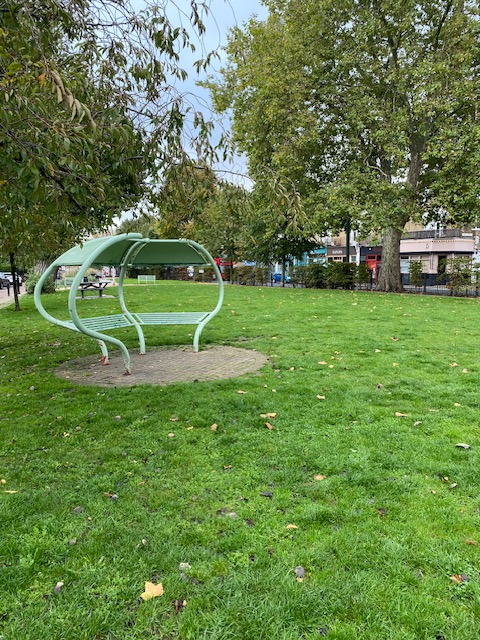
The first stop on the 78 has a number of interesting places to see. First is the Old Nun’s Head pub on the corner of Nunhead Green in Peckham. A nunnery once stood on the site of this pub which was suppressed during the Reformation. The Mother Superior received Henry VIII’s expulsion order and she put up such resistance that she was murdered and her head exhibited on a pikestaff on the Green. Her courage enabled the Sisters to escape through an underground passage leading from this site to Meeting House Lane in Peckham. The Green is still opposite the site and it’s hard to imagine the poor nun’s head being on display here.
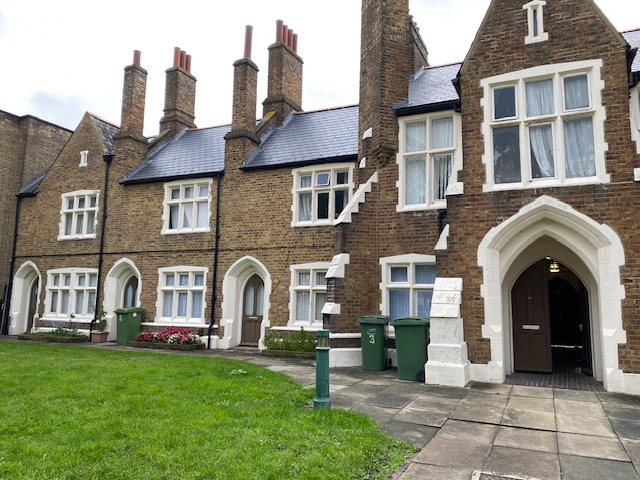
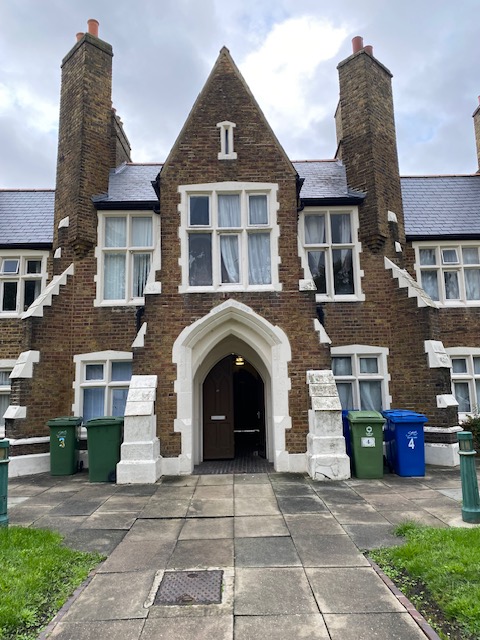
There are a number of Almshouses in Peckham, and opposite Nunhead Green are those for the Metropolitan Beer and Wine Society, that were opened in September 1853. They had cost about £3,000 to build and consisted of a terrace of seven houses, providing dwellings for 13 people. Each alms-house contained four rooms and a kitchen and each had a piece of garden at the back for use by the residents. These days the Grade II listed buildings are now private residences.
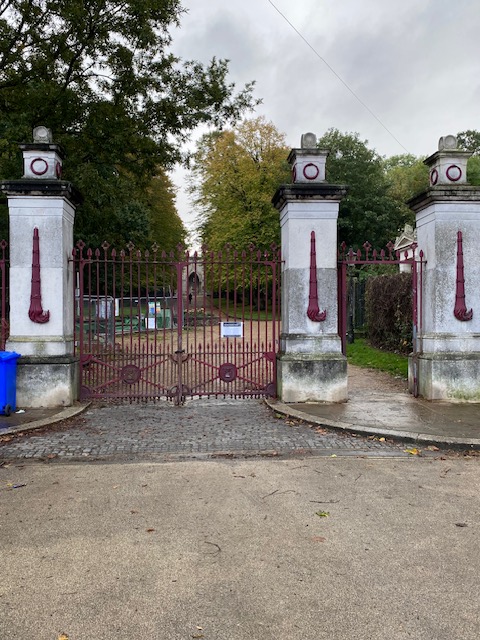
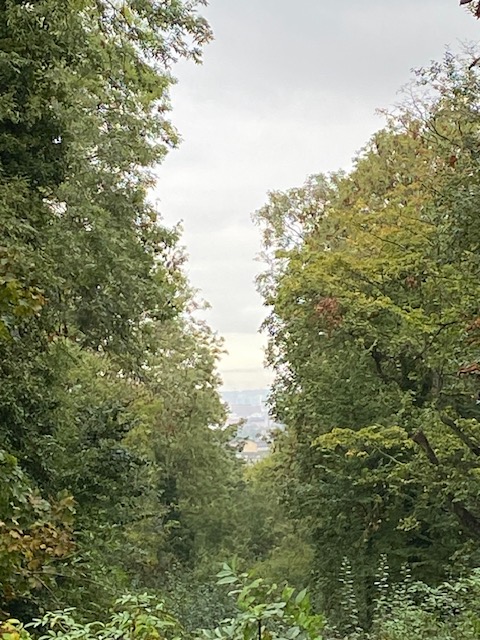
Also within walking distance of the bus stop is Nunhead Cemetery, one of the Magnificent Seven Victorian Cemeteries and probably the least well-known. Consecrated in 1840, it contains examples of some magnificent monuments erected in memory of the most eminent citizens of the day. The chapel in the centre of the cemetery is in the Gothic Revival style and is Grade II listed as are the two lodges. As the cemetery is 200 feet above sea level, it’s possible to see St Paul’s Cathedral from a vantage point – assuming the weather allows it.
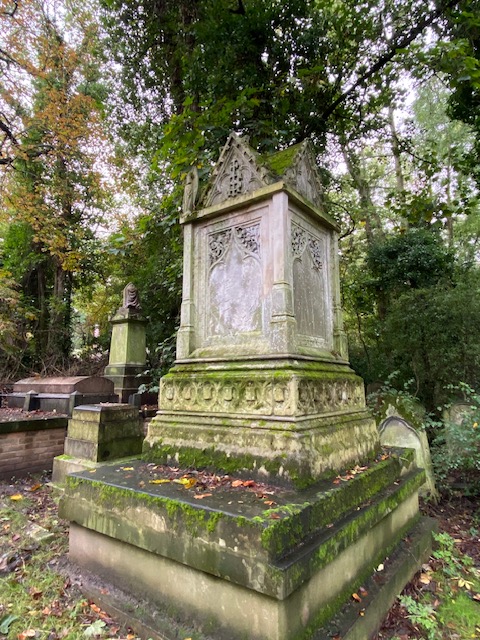
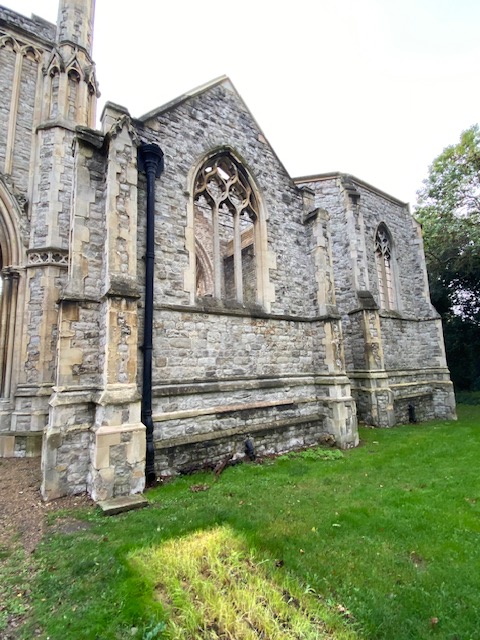
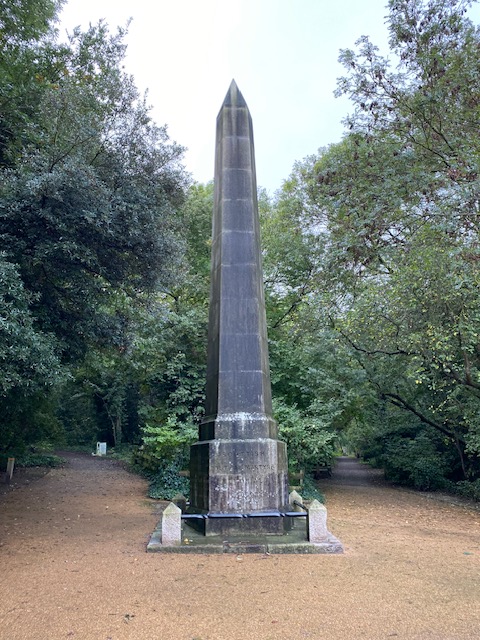
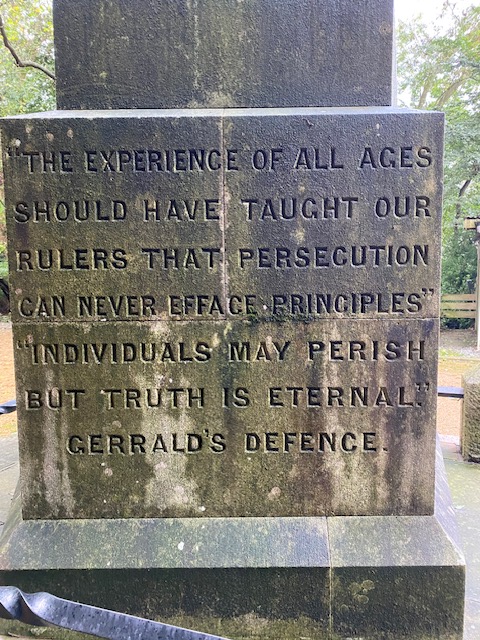
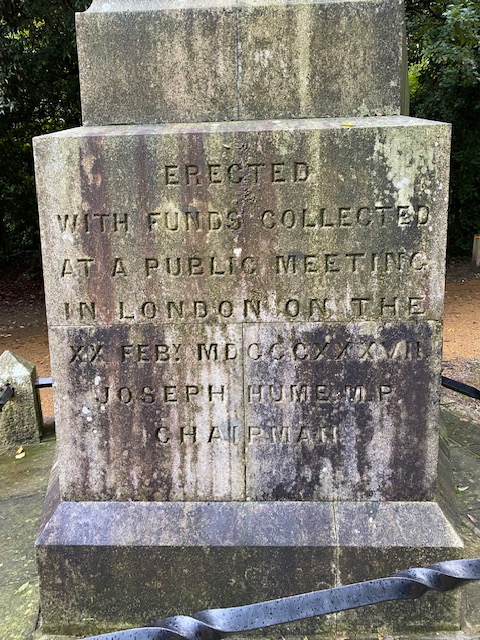
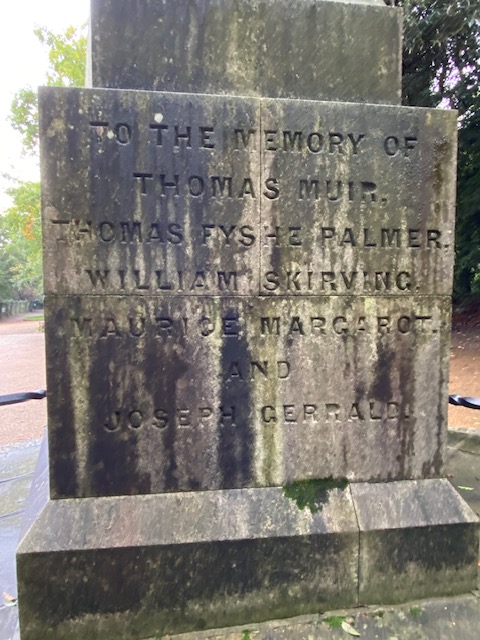
Near the chapel is a memorial for Scottish Martyrs, in the form of an obelisk. It’s a memorial dedicated to the leaders of the Friends of the People Society, popularly called the Scottish Martyrs, including Thomas Muir, Maurice Margarot, and Thomas Fyshe Palmer, who were transported to Australia in 1794. It was erected by Radical MP Joseph Hume in 1851–52.
2. Heaton Road bus stop
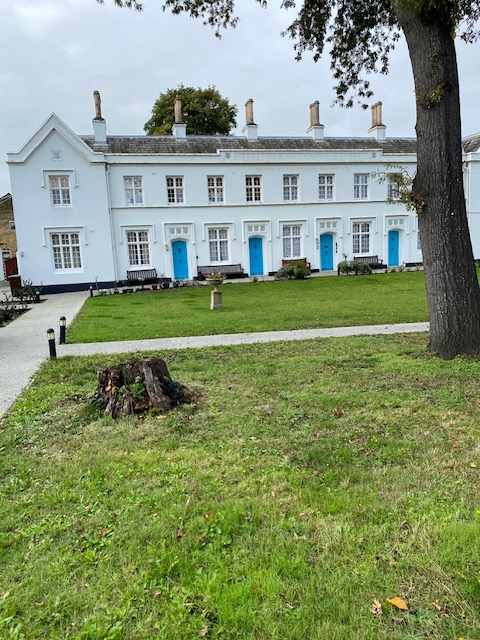
As stated earlier, Peckham is renowned for its almshouses and the next stop takes you to two more. These are Girdlers’ Beeston’s Gift almshouses and next door Palyn’s almshouses. They are beautiful buildings, kept in excellent condition and grade II listed.
These Girdlers’ almshouses owe their existence to bequests made to the Company in 1582 by Past Master Cuthbert Beeston, and in 1610 by Past Master George Palyn. Cuthbert Beeston’s will left seven houses near London Bridge on charitable trusts; when these were sold in 1834, the proceeds were used to build a two-storey alms-house block in Consort Road, Peckham, which still survives. Money left to the Company in George Palyn’s will paid for almshouses to be built in Finsbury. However, having become dilapidated, they were replaced in 1852 by new almshouses in Montpelier Road, Peckham. Following a number of amalgamations and rebuildings, the almshouses were consolidated on the Consort Road. 18 units provide accommodation for over 20 residents who are expected to live independently, looking after themselves.
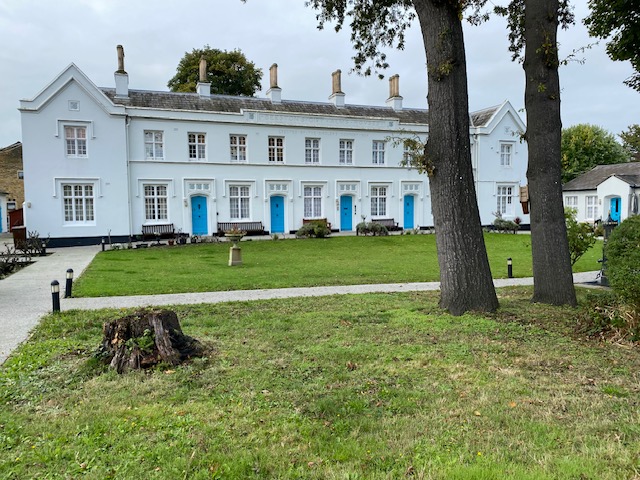
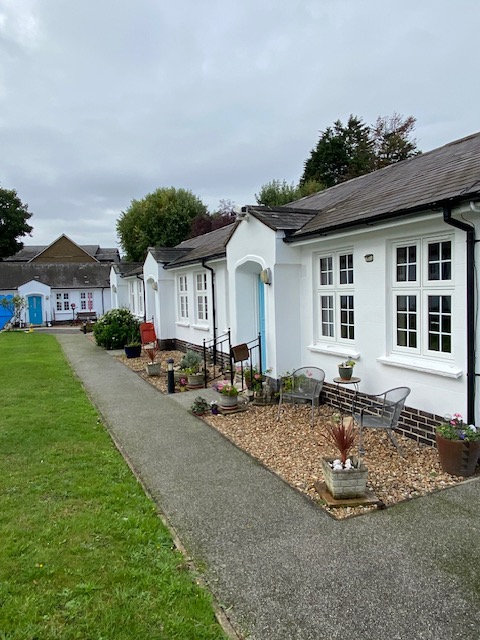
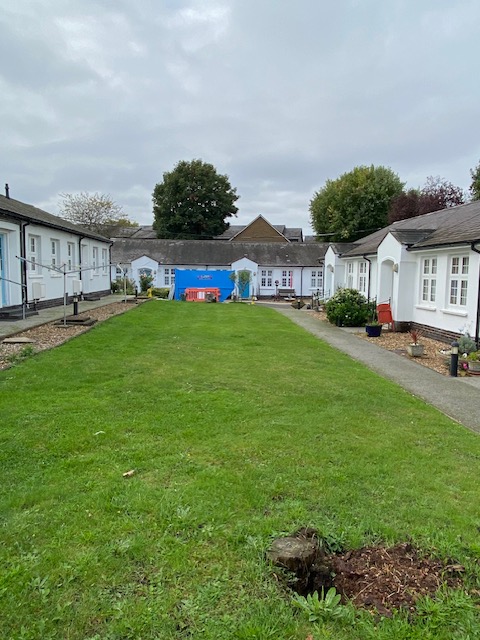
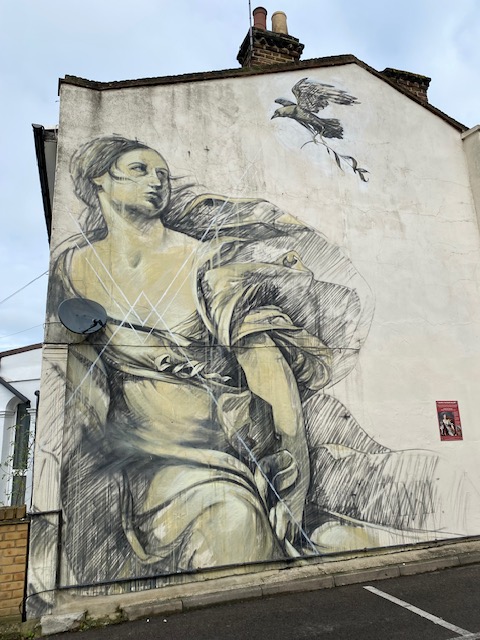
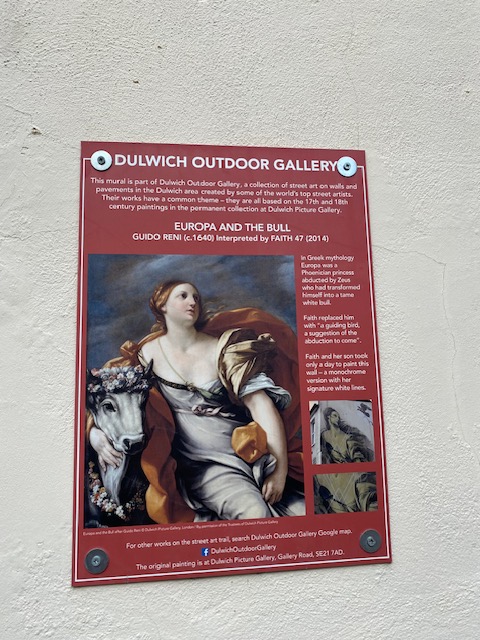
Round the corner from these almshouses is a magnificent mural entitled Europa and the Winged Bird, inspired by the original painting by Guido Reni of Europa and the Bull. The mural was created in 2014 by the artist Faith47. Murals all over south London were part of the Dulwich Outdoor Gallery, a collection of street art on walls and pavements in south-east London, created by some of the best-known street artists.
In Greek mythology, Europa was a Phoenician princess abducted by Zeus who had transformed himself into a tame white bull. Faith replaced him with a “guiding bird, a suggestion of the abduction to come”. Faith and her son took only a day to paint this mural – it’s a monochrome version with her signature white lines.
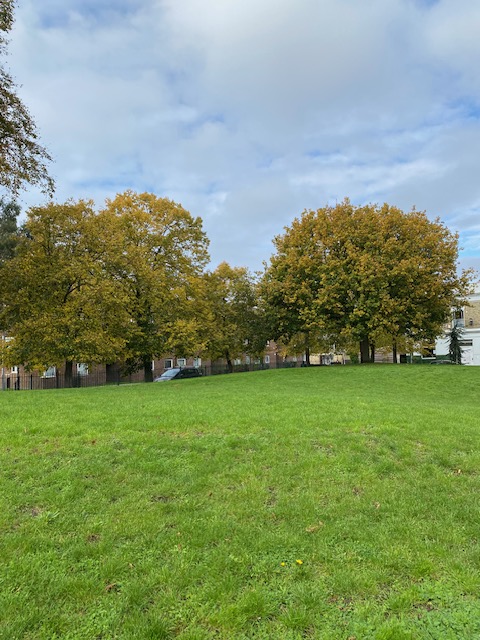
When heading back to the bus-stop, you will pass Dr Harold Moody Park. Moody, a Jamaican-born physician, formed ‘The League of Coloured Peoples’ with 70 other Central YMCA Club members on 13th March 1931. The organisation, which primarily sought to establish racial equality around the world, also aimed to address the persecution of the Jews ahead of World War 2. Owing to the colour of his skin, Moody had been rejected for any medical position, despite being a qualified doctor, so in 1913, he set up his own practice in Peckham.
3. Dunton Road/Old Kent Road bus stop
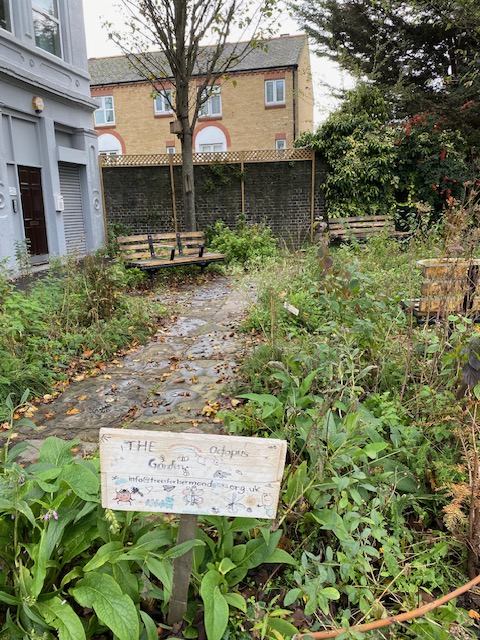
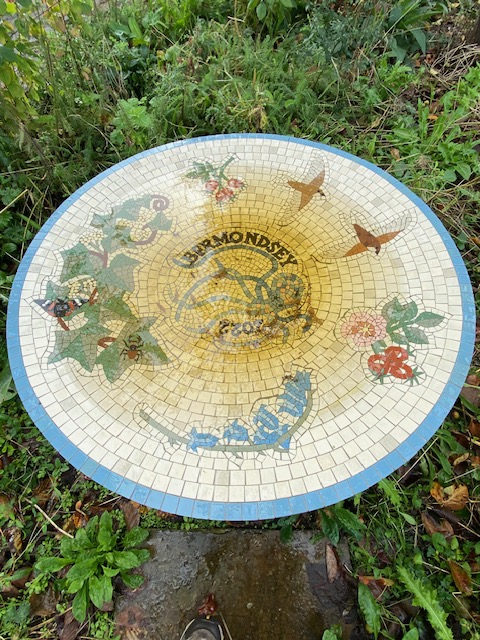
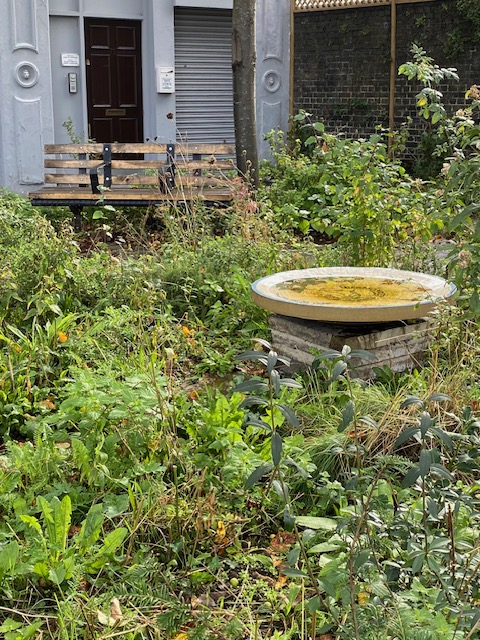
Up the road from the stop is the Octopus Garden, a pretty little street garden which is open to everyone. The garden is so-named after the building behind the garden, Octopus House. Volunteers cleared the area and installed benches and planted trees and wild flowers. In the centre of the garden is a large ceramic bird bath, with birds and plants painted around the inside and with the inscription “Bermondsey 2022” on the bottom. If you look closely at the image of the bird bath, you’ll see there is an octopus with its sprawled tentacles, also at the bottom of the bowl. Octopus Garden is a small open space with a lot of charm.
4. Spa Road bus stop
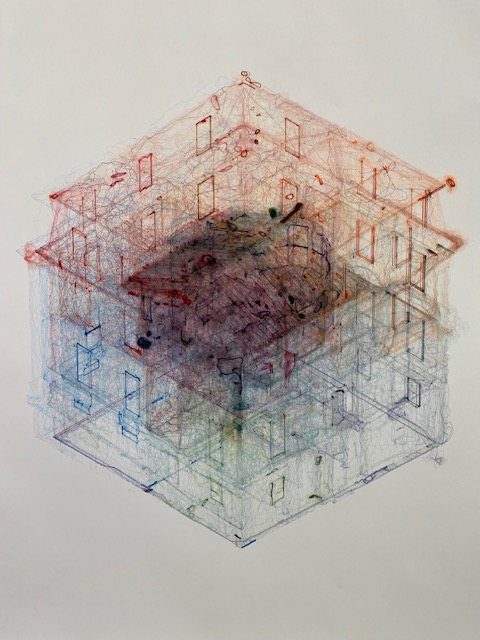
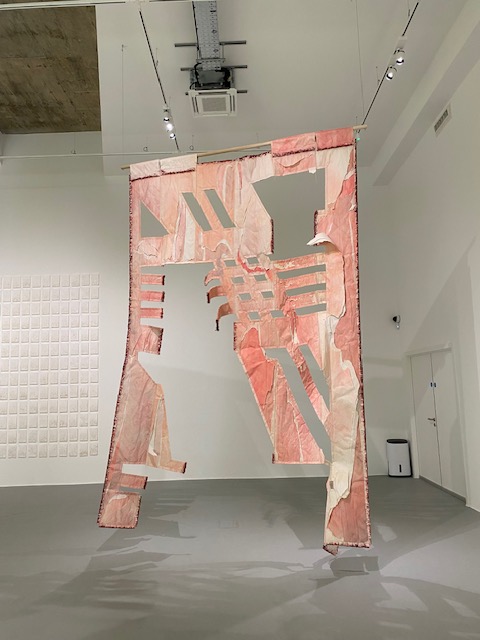
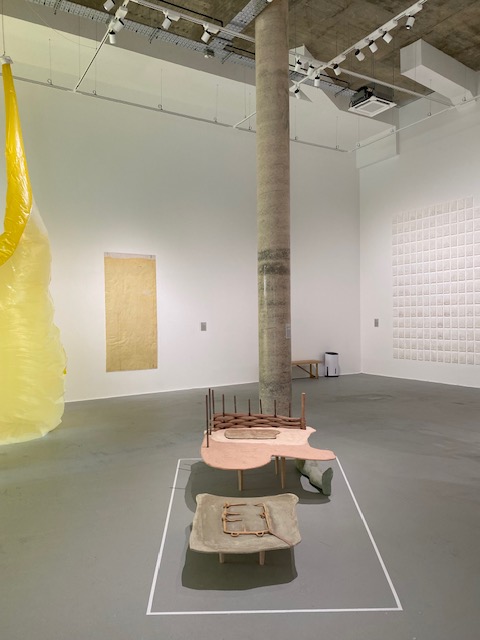
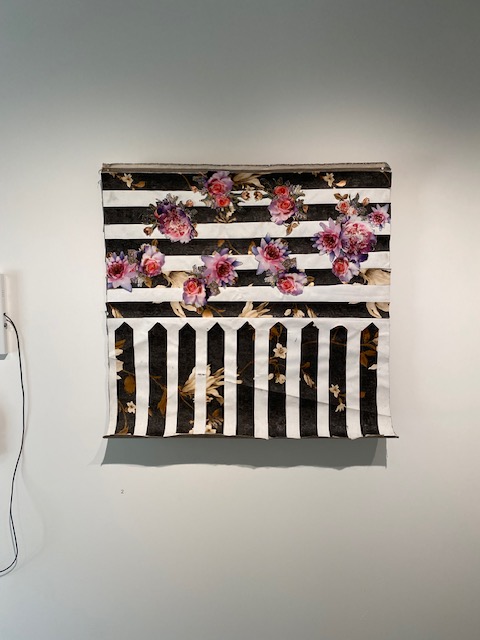
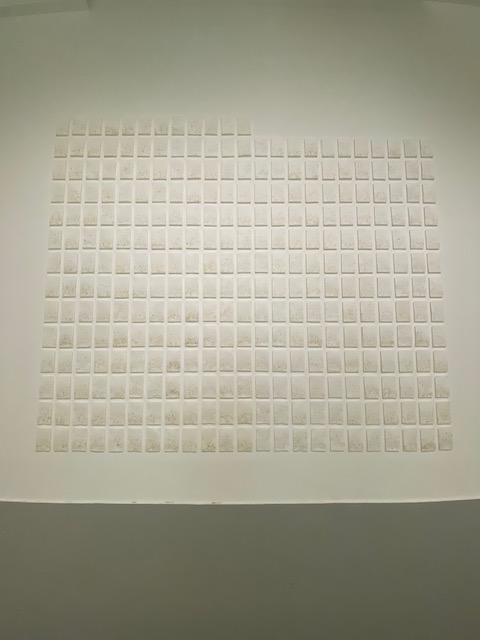
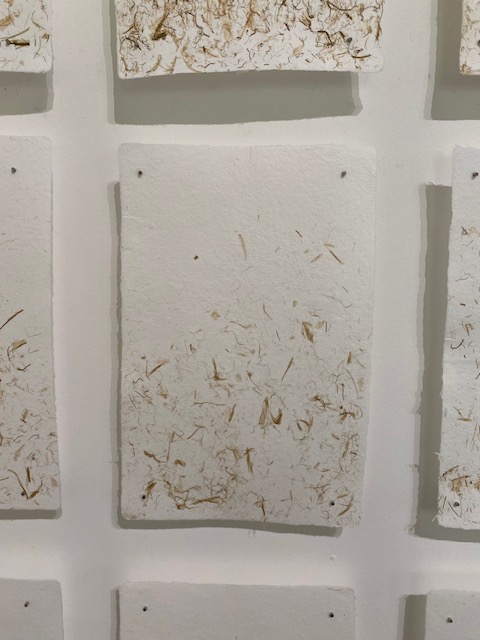
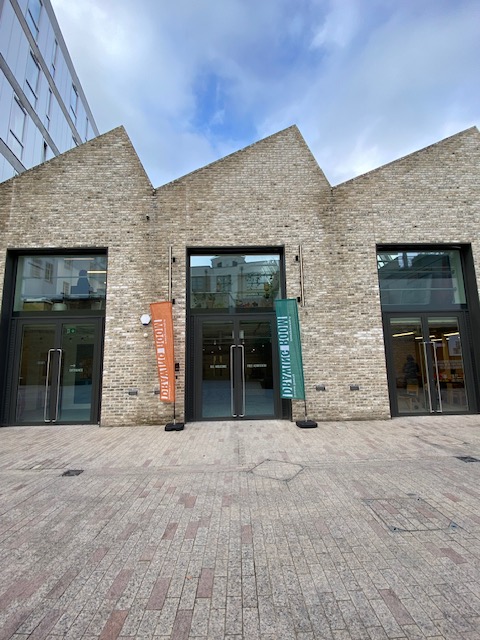
As you get off the bus, walk through a gate and you’ll find yourself at the “Drawing Room”. This not-for-profit organisation prides itself on championing the unlimited potential of drawing to help individuals understand themselves, each other and the world, through exhibitions, learning projects and a unique library. It has a gallery featuring free exhibitions of drawings by artists of international standing and emerging promise. The Drawing Room also has one of the largest collections of titles on contemporary drawing in the world. Funded by Arts Council England, it’s a division of Tannery Arts, which provides studio space, support and resources for artists.
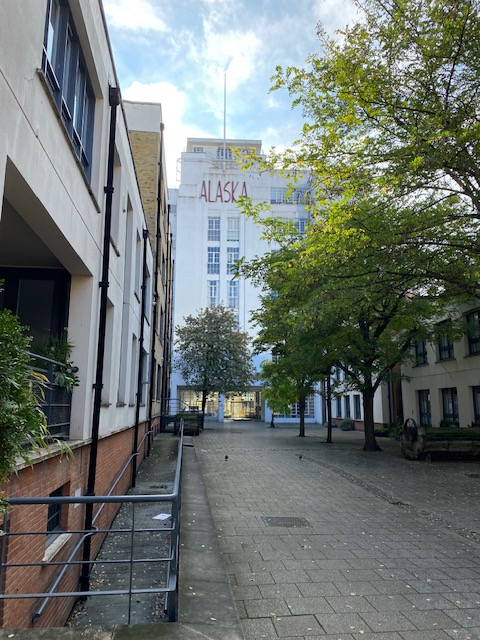
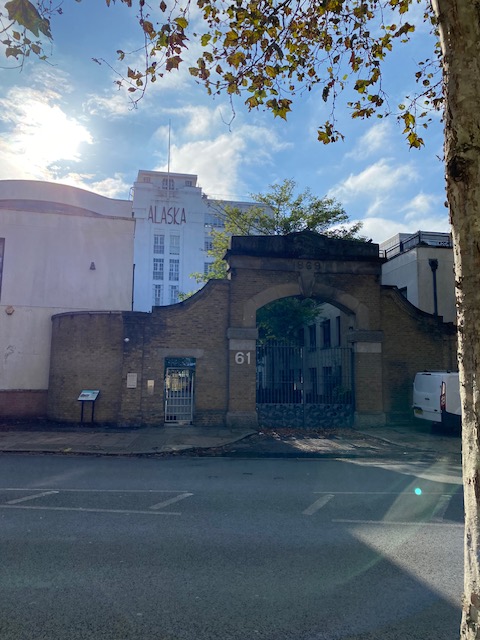
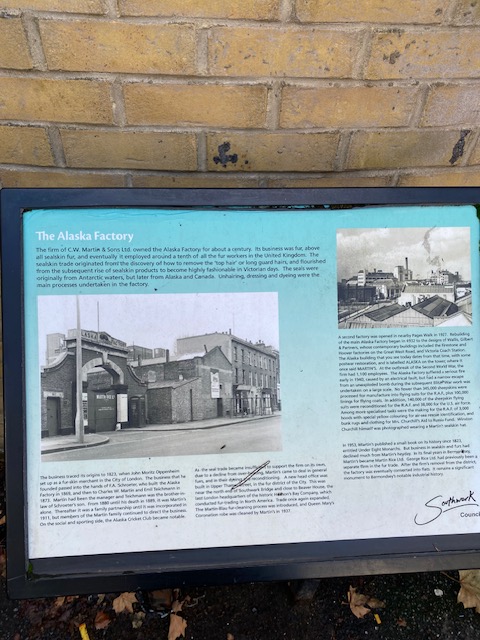
Just behind the Drawing Room is a tall, interesting-looking building with “Alaska” written at the top. The Alaska Building was converted from the former C.W. Martins & Co. fur factory, and extended in the 1920s by the industrial architect Thomas Wallis, best known for the Firestone and Hoover Buildings. The factory, which specialised in sealskin fur, at one time employed a tenth of all the fur workers in the UK. Sealskin products became highly fashionable in Victorian England.
At the outbreak of World War II, the firm employed 1,100 people. The factory suffered a serious fire in 1940, caused by an electrical fault and also had a narrow escape from an unexploded bomb during the Blitz. Nevertheless, the factory contributed to the war effort by processing about 350,000 sheepskins to be made into flying suits for the RAF. After the war, sealskin and furs declined and the building was eventually converted into flats, which remain to this day.
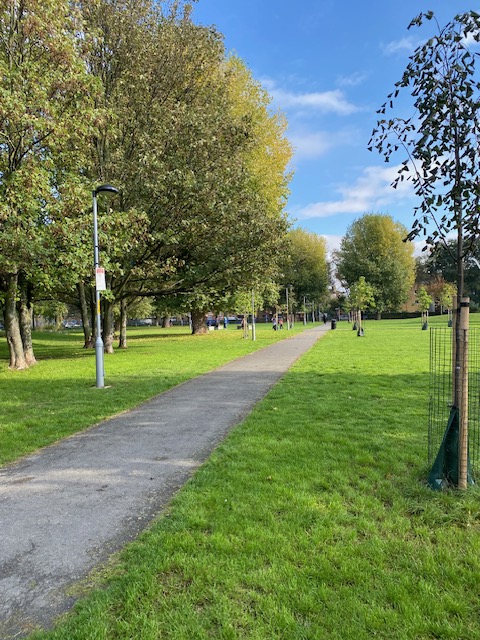
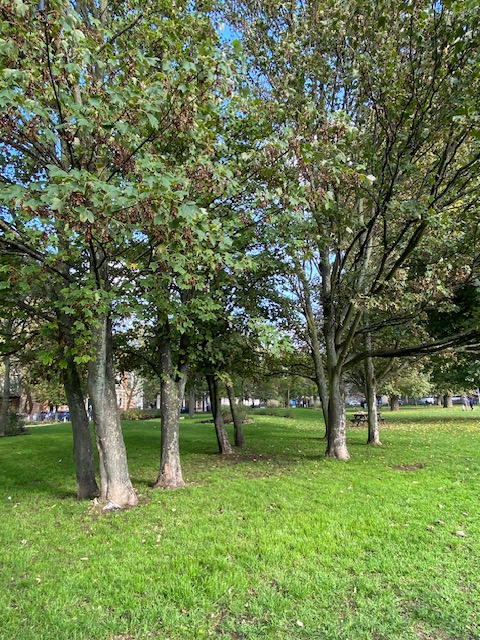
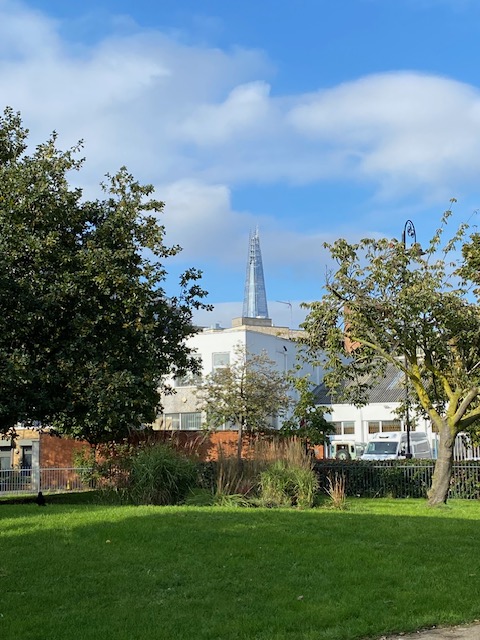
A stone’s throw from here is Bermondsey Spa Gardens. Bermondsey Spa stems from the discovery of a chalybeate spring, which sprung from the small river Neckinger, in the 1770s. The spa was in the grounds belonging to Thomas Keyse who turned it into a pleasure garden, with a concert hall, picture gallery and fireworks display area. The spa prospered for many years, attracting wealthy City people. By the early 1990s, it was neglected and run down. The area had been badly bombed during the Blitz and those buildings that remained, were in poor condition and some even derelict.
Southwark Council transformed the area, with Bermondsey Spa Gardens at the heart of the regeneration.
5. Abbey Street bus stop
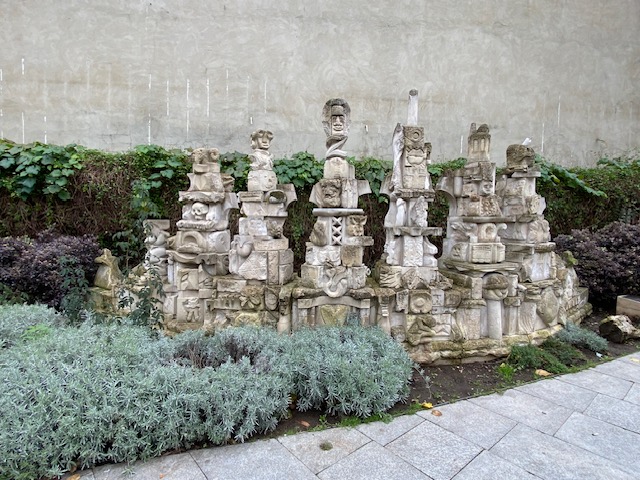
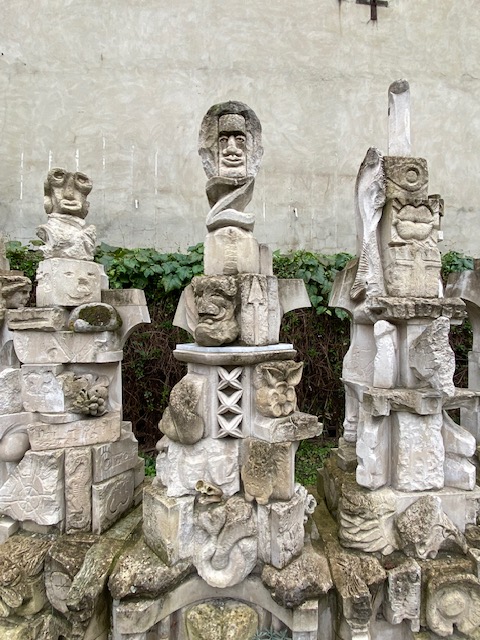
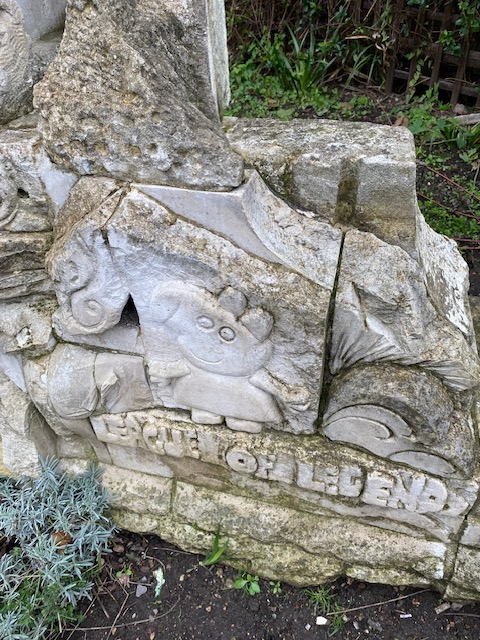
This stop takes you to the heart of Bermondsey. As you walk towards Bermondsey Street, you’ll pass a tiny garden in Tanner Street where there is a monument entitled “Cornerstone”. The stonemason artist Austin Emery was instrumental in directing over 100 public participants in stone-carving workshops to create individual sculptures that would be assembled into a larger unified sculpture.
They used Portland, Bath and other limestones, marble and brick, as well as bones that were gathered from the River Thames. Funding was raised on a community fundraising platform, along with funding from the Mayor of London and Southwark Council. Emery unified all the carvings into a single artwork and also incorporated fragments of reclaimed heritage from Southwark Cathedral, Westminster Abbey and Victorian brickwork from the demolished arches at London Bridge station.
Opposite Tanner Park is The Woolpack Tavern at 98 Bermondsey Street. The site has hosted a tavern since the late eighteenth-century, under the name of the Cock and Magpye, or the Cock and Pye, gaining its current name by 1837. The pub supposedly takes its current name from Bermondsey’s leather industry, which was very established in Victorian times.
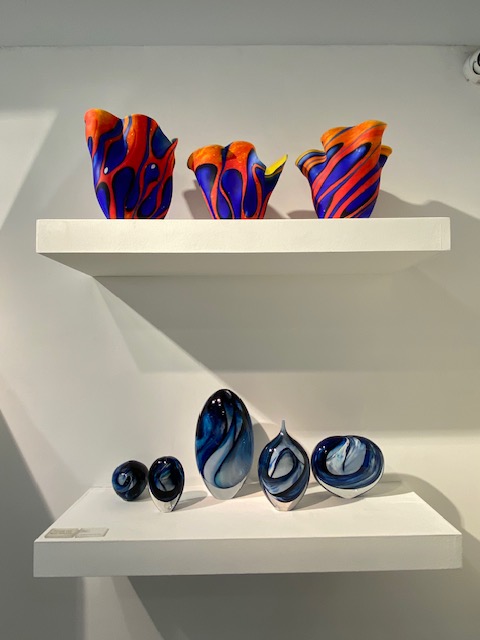
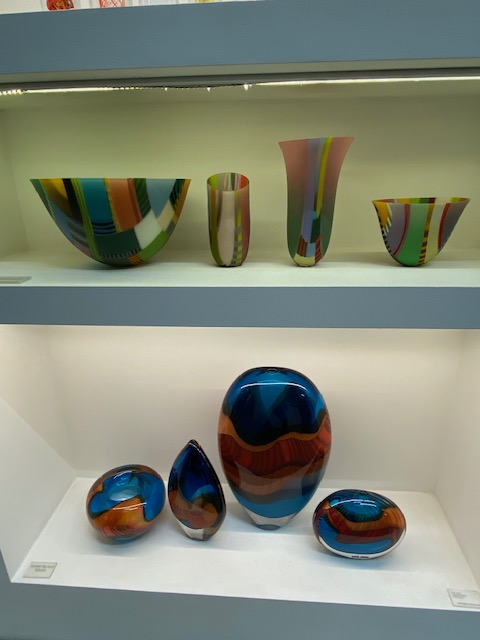
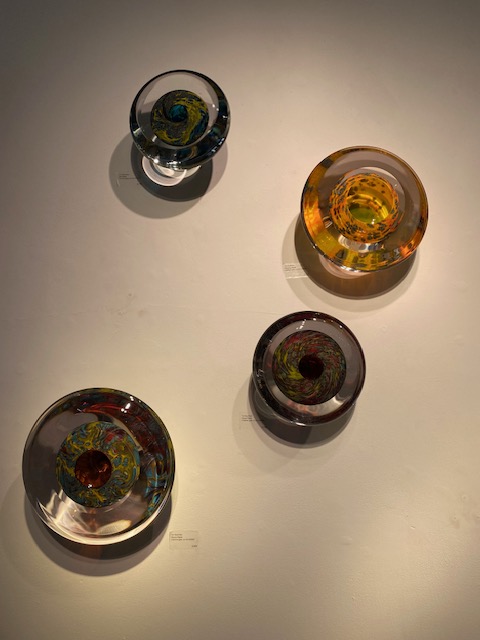
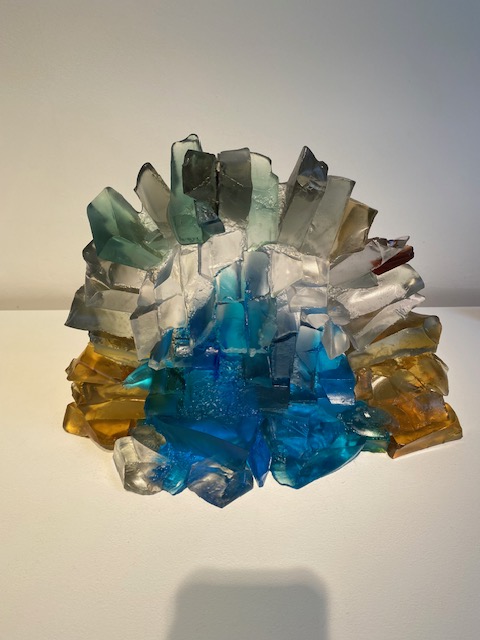
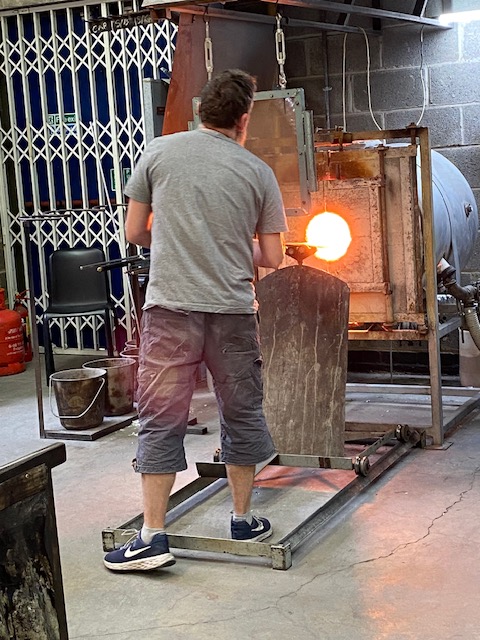
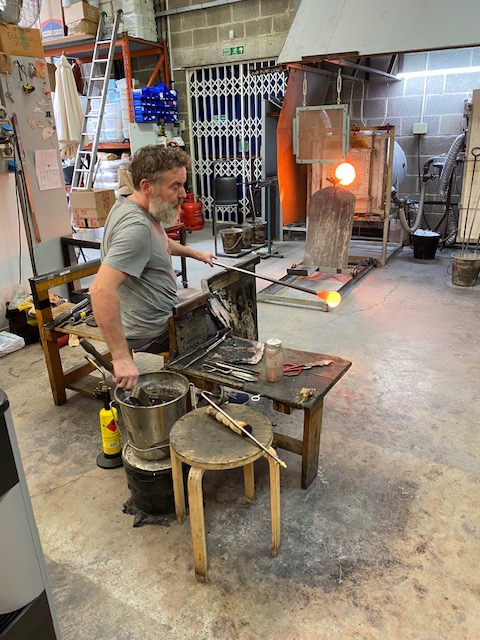
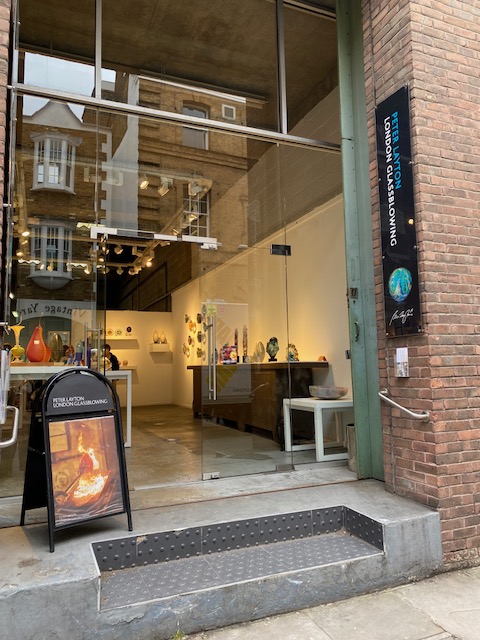
Further along the street is the London Glassblowing Gallery which was founded by Peter Layton in 1976. The glass art on display in the gallery is exquisite and constantly changing. What’s really good about this gallery, is that visitors can not only view pieces from talented glass artists, but can also watch them practise their craft in the studio at the back of the gallery. The furnace enables them to coax molten glass and transform it into solid form and the polished objects displayed in the gallery. There is also a cold working studio where the blown work is finished and where the glass craftsmen and women provide training for up-and-coming artists.
The gallery has to be seen to be properly appreciated – the images here don’t do it justice. Peter Layton’s glass art is stunning, vibrant and colourful. Although he’s now in his 80s, he has ensured his tradition of making beautiful glass art continues through new talented individuals who he’s nurtured.
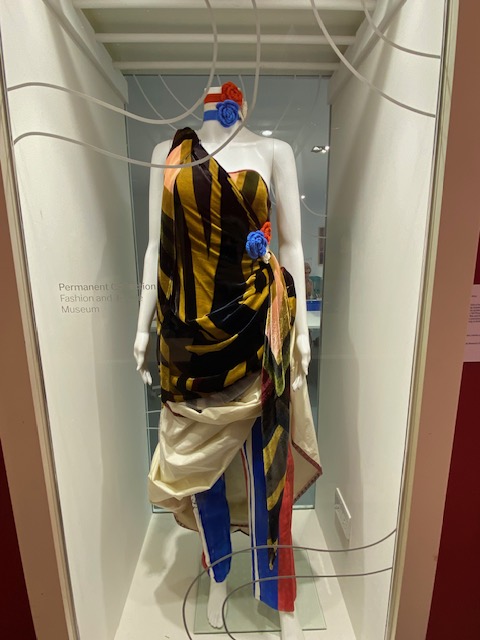
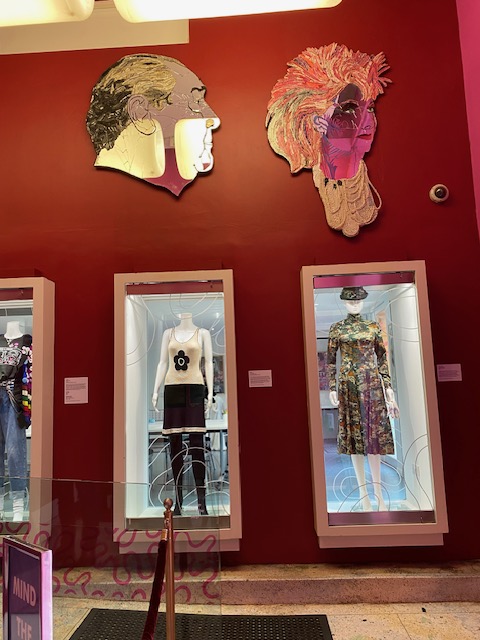
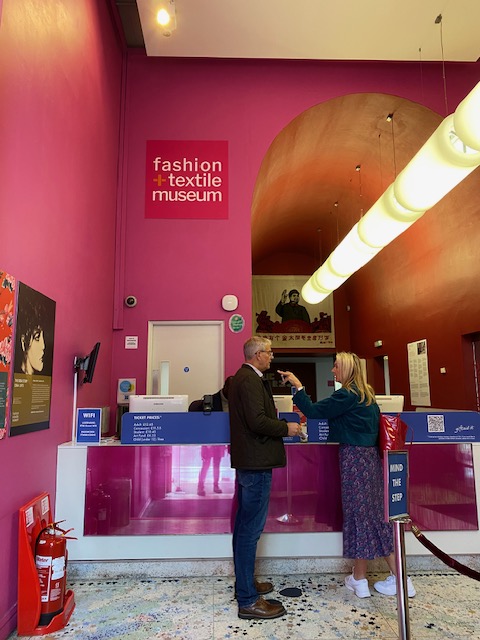
Hard to follow the experience of being at the glassblowing gallery but the Fashion & Textile Museum along the same street is a good contender. It was founded in 2003 by the icon of British design, Dame Zandra Rhodes. There is an entrance fee but it’s possible to get a feeling for what’s on offer just by looking around the reception area and the shop. It’s the only museum in the UK dedicated to showcasing contemporary fashion and textile design and they put on creative and engaging exhibitions, as well as offering a selection of educational courses, talks, events and workshops. On display in the reception area is a Paul Smith dress, which depicts a fragmented Union Jack flag. The building has become a tourist attraction in its own right due to its colour scheme of hot pink, burnt orange, yellow, and bright blue, which can be seen as soon as you walk through the door.
6. Tower Gateway station bus stop
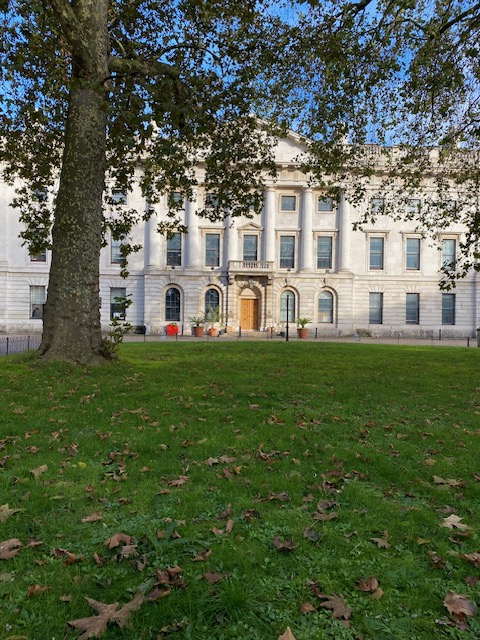
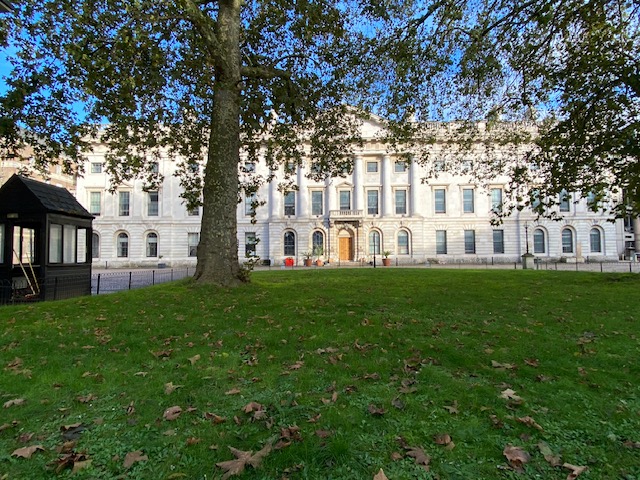
A minute’s walk from the bus stop is the Royal Mint Court building. It stands in all its grandeur and although its use as the Royal Mint has long gone, it was developed into offices and shared-ownership homes. The site was the home of the Royal Mint from 1809 until 1967 and was earlier the site of a Cistercian abbey, built in 1348 and known in its time as Eastminster. More recently, it was bought by the People’s Republic of China to turn it into their London Embassy but planning permission has so far been stalled.
7. Primrose Street bus stop
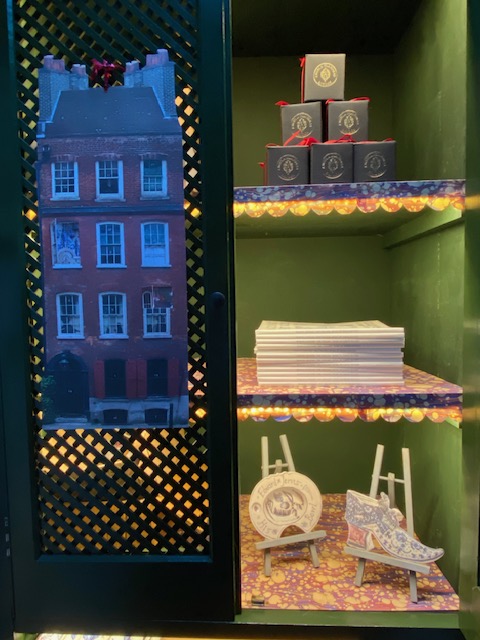
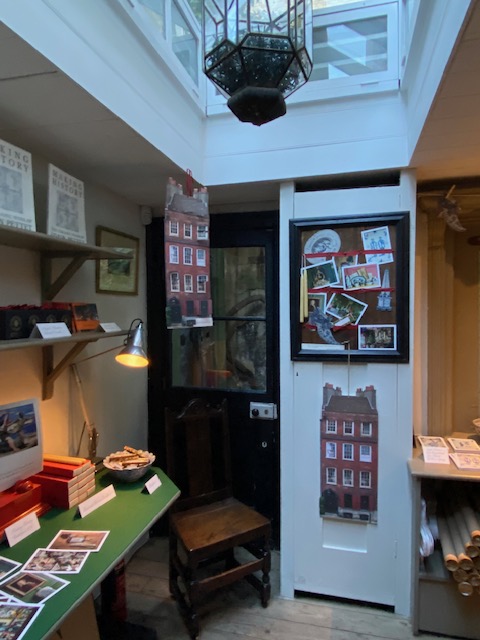
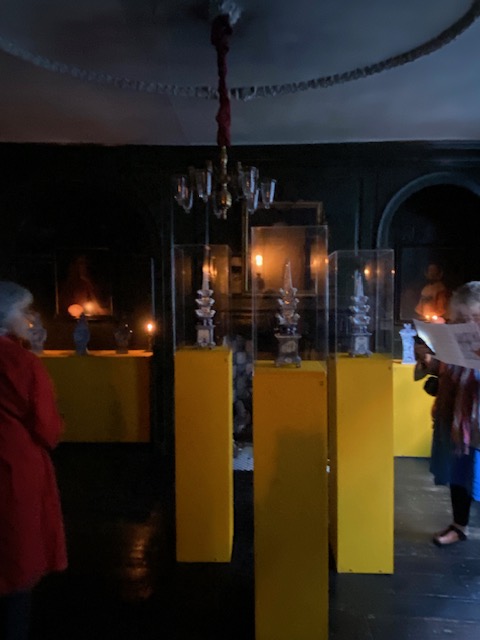
Round the corner to the bus stop is Dennis Severs House in Folgate Street. There is also an entrance fee to this museum and again you can get a feel for the place by walking through the front door and seeking out the shop – you’ll pass a staircase going up and another going down on your way. Dennis Severs came to Spitalfields in 1979 and bought a derelict house saved by the Spitalfields Trust. He reconfigured it to tell the story of an imaginary Huguenot family who had lived there since it was built in 1724.
The house has a compelling story to tell about life in 18th & 19th century Spitalfields. The story is told through generations of one imaginary family and chronicles the changing fortunes of the house as Spitalfields moved inexorably from affluent merchants’ quarter to crowded and decayed Victorian slum. Among stories enshrined in the tale of 18 Folgate Street is that of the silk-weaving Huguenot community that thrived in Spitalfields from the late 17th century and into the early 19th century.
8. Curtain Road
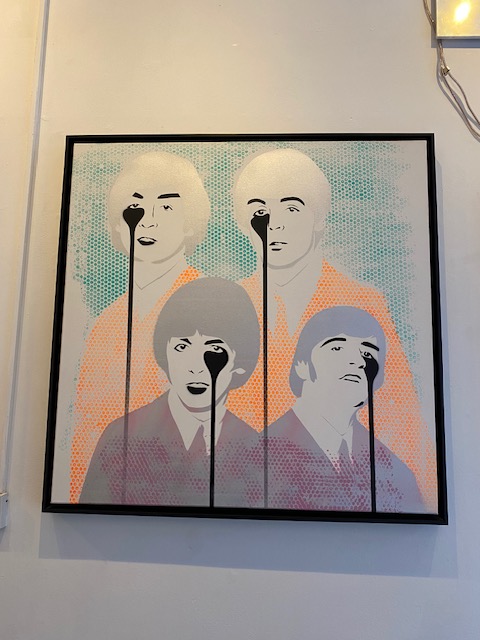
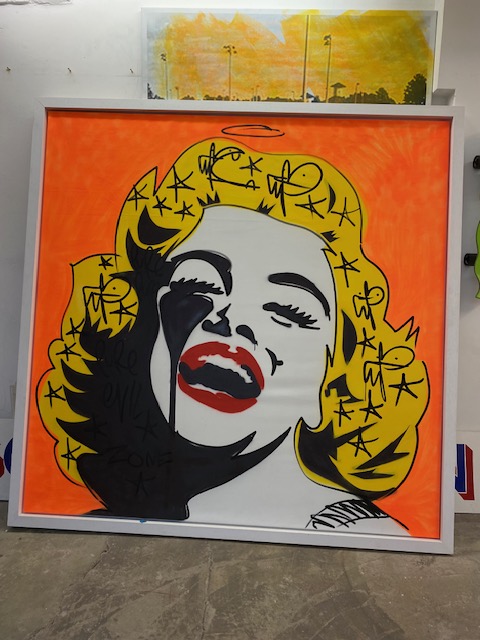
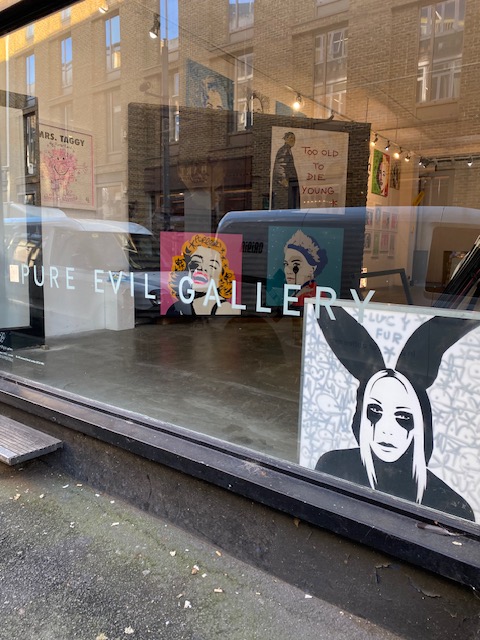
Last stop of the day is to the Pure Evil Gallery. It would be impossible to skip this, merely because its name is so intriguing. There are two galleries in Leonard Street, both full of fascinating artworks. PURE EVIL is the pseudonym of Charles Uzzell Edwards, who is an artist, gallerist and musician. His signature series of dripping celebrity portraits, known as the ‘Nightmare Series’, has taken him around the world.
According to his website, Pure Evil explains that a chance email from a Chinese “copy village” gave impetus to his “Nightmare Series.” The village offered, via email, a list of artists it could reproduce, including three Andy Warhol paintings. The idea of Warhol’s entire artistic output distilled right down to three small 64 x64 pixel thumbnails of Jackie Kennedy, Liz Taylor and an Electric Chair became the inspiration for these doomed and dripping celebrity portraits. Why are they crying ? “Its an illustration of the heartbreak and sadness we have all experienced in relationships in the past.”
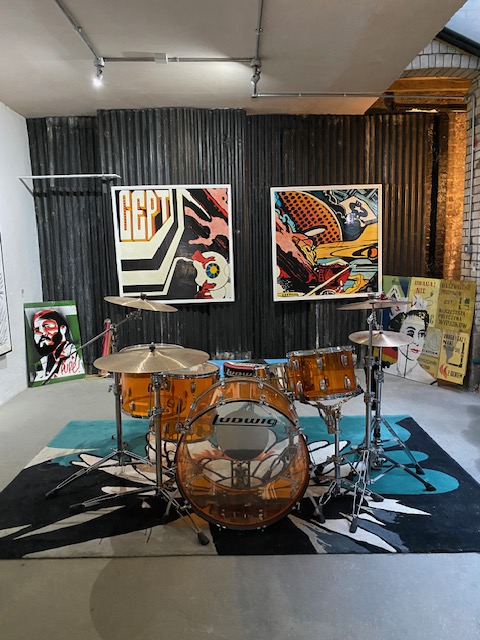
As well as his own art, Pure Evil displays and sells other artists’ work and he even has a replica set of drums from John Bonham of Led Zeppelin on show in one of the downstairs galleries. The galleries are quite different from the mainstream art galleries and are definitely worth a visit. The guys who work there are particularly helpful and informative and happy to explain all about Pure Evil and his art.
This bus route had a bit of a “wow” about it. It’s impossible not to find something worth seeing, whether it’s almshouses and the cemetery in Nunhead, street art and gardens in Bermondsey and art galleries and the glassblowing gallery in Bermondsey and Shoreditch. The number 78 is not to be missed!
Toilets that are available and free to the public:
- Nunhead Library
- The Drawing Room
- Fashion and Textile Museum
 london routemistress