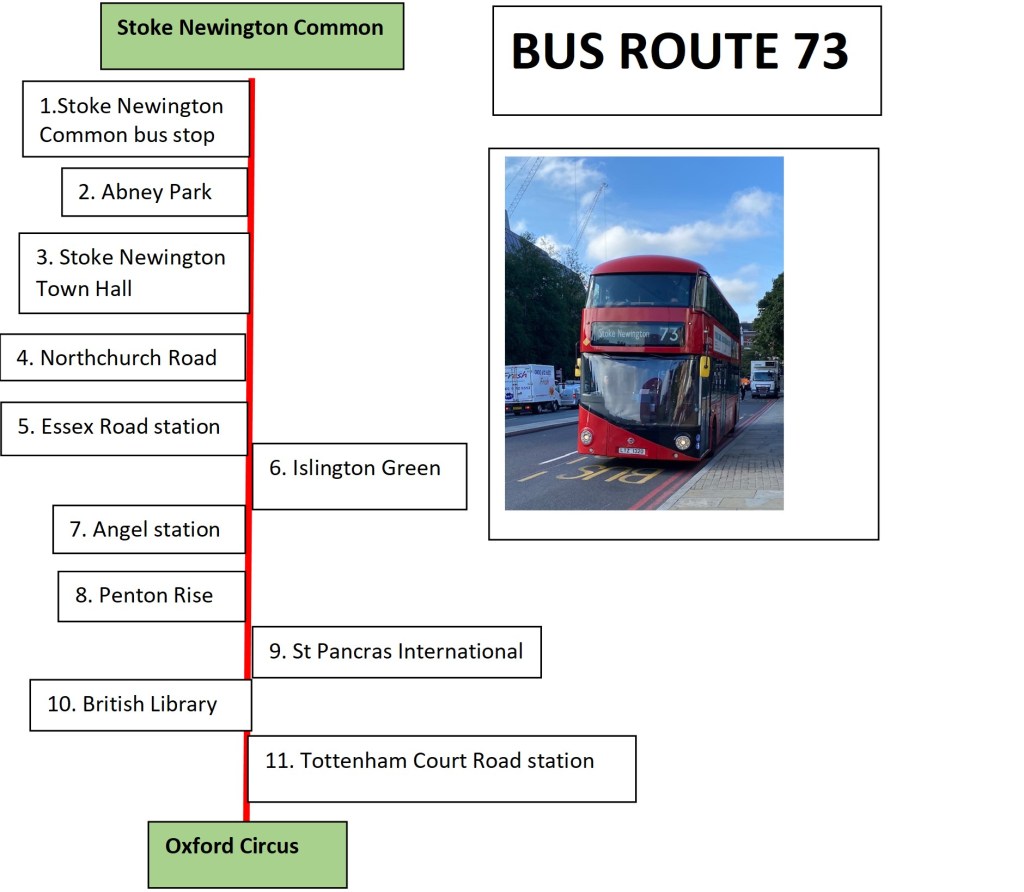
Stoke Newington Common to Oxford Circus
Highlights:
- Rainbow Glass Studios
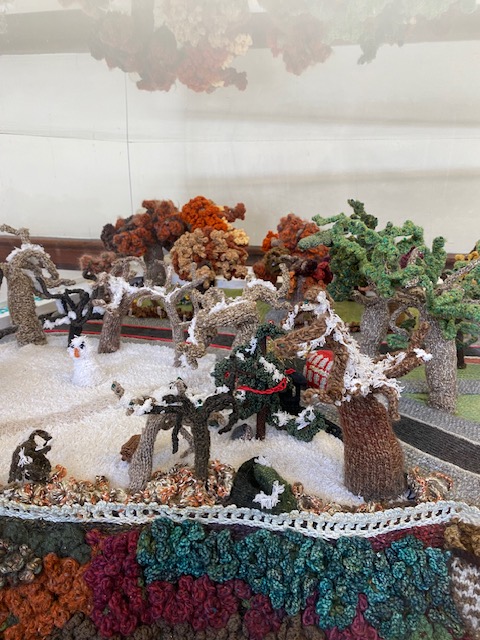
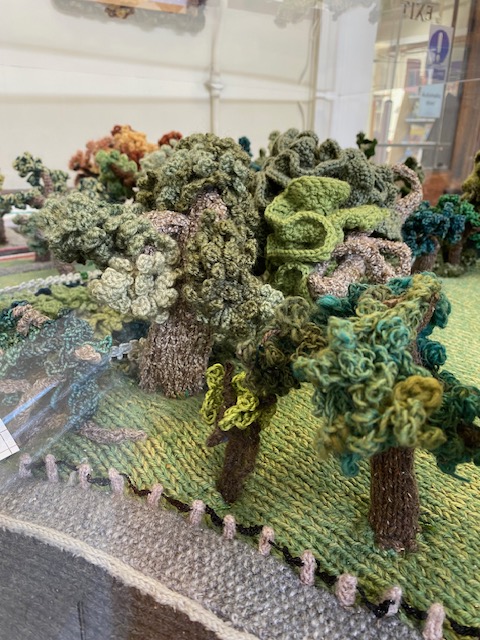
- Knitted depiction of Stoke Newington Common in the library
- Candid Arts Trust café
- Paolozzi’s mosaics
1. Stoke Newington Common
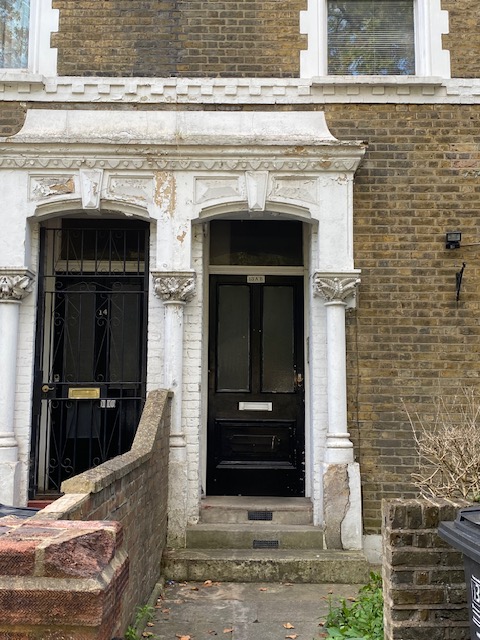
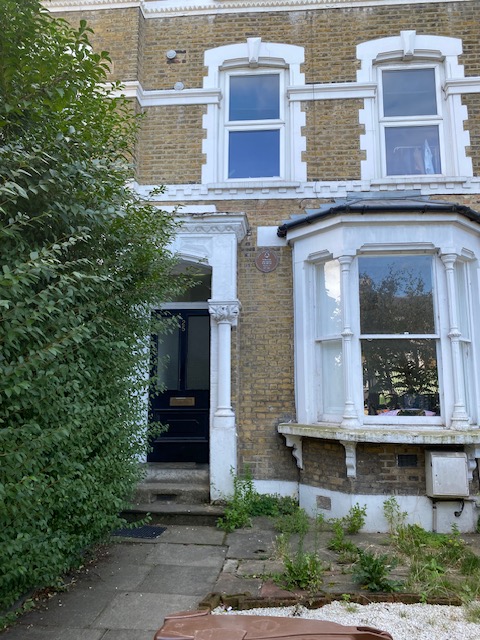
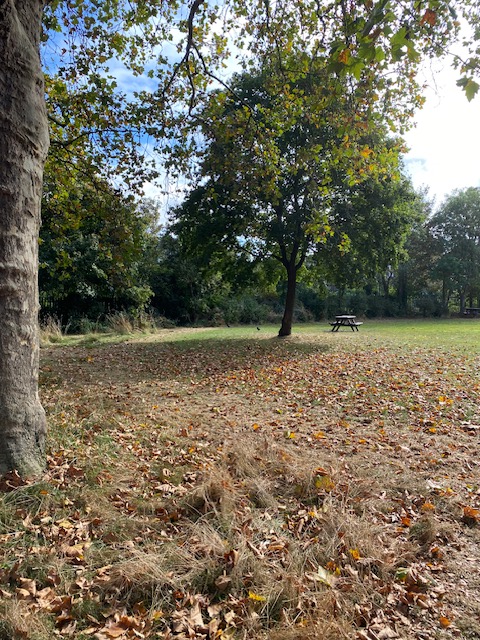
Before getting on the bus, take a walk round to the common and it’s surrounding streets. At number 13 Stoke Newington Common, Frederick Lewis Demuth died here on 29 January 1929. Demuth was the illegitimate son of Karl Marx and his servant Helena Demuth. At number 25, Mark Feld – to become more famous as Marc Bolan of the band TRex – was born and lived for the first 15 years of his life. The common itself is dissected by the railway cuttings which run right through the common from north to south.
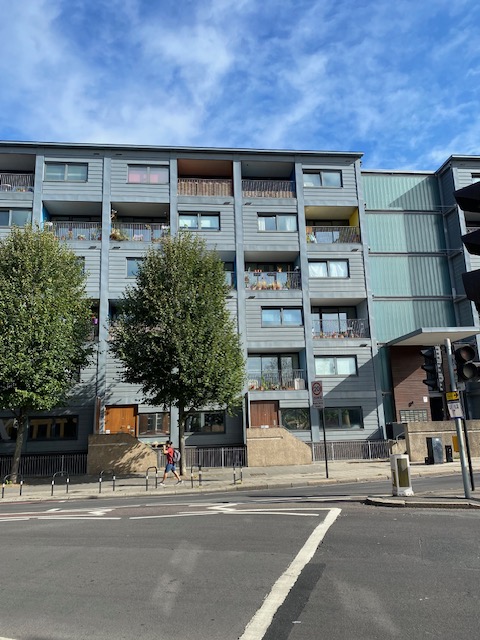
The innovative Raines Court on Northwold Road was built on the site of an old dairy. Built by the Peabody Trust, it is only the second multi-storey modular housing development to be built in Britain, and it offered one approach to the increased demand for housing in the area.
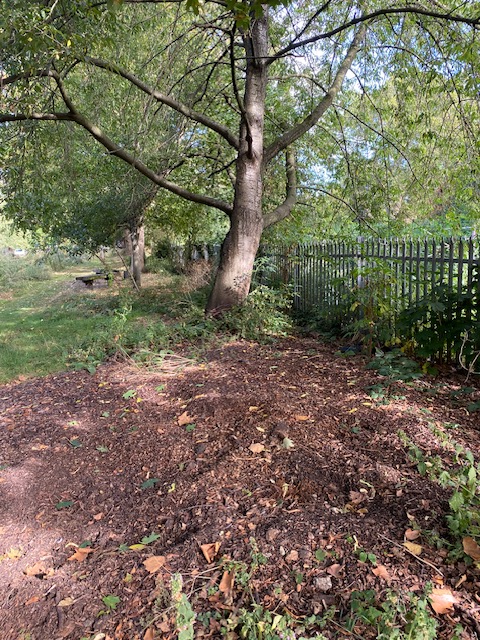
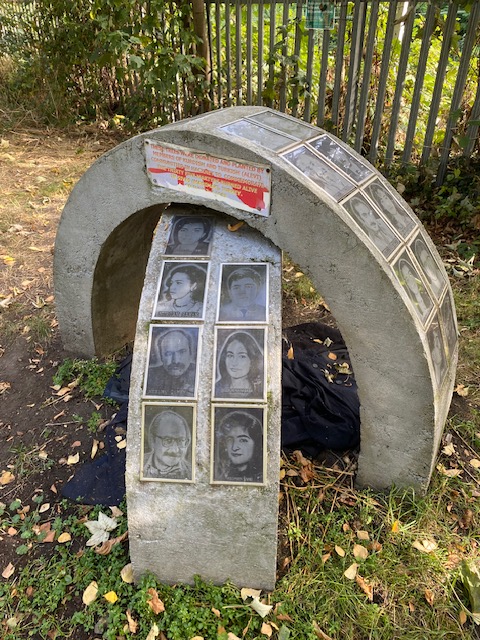
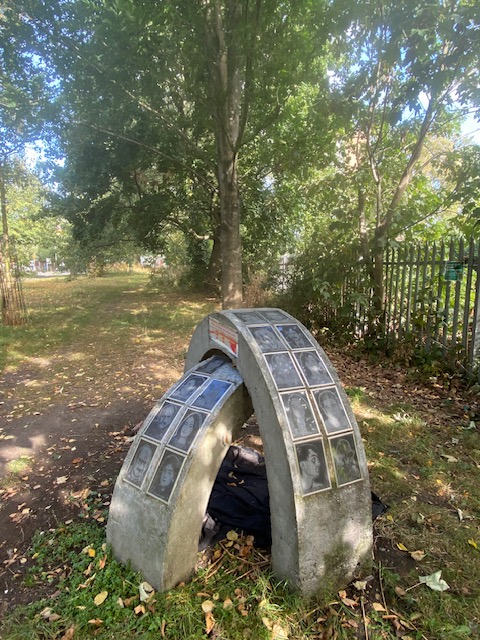
Also in the Common is a memorial to commemorate the 35 martyrs who were burned alive in Sivas (Madimak) Turkey on July 2nd 1993. It was built in 1997 but fell into neglect for many years only to be discovered in September 2011. There are photos of some of the individuals with some words that say “These trees were donated and planted by members of Kurdish and Turkish (Alevi) communities in Hackney.”
2. Abney Park bus stop
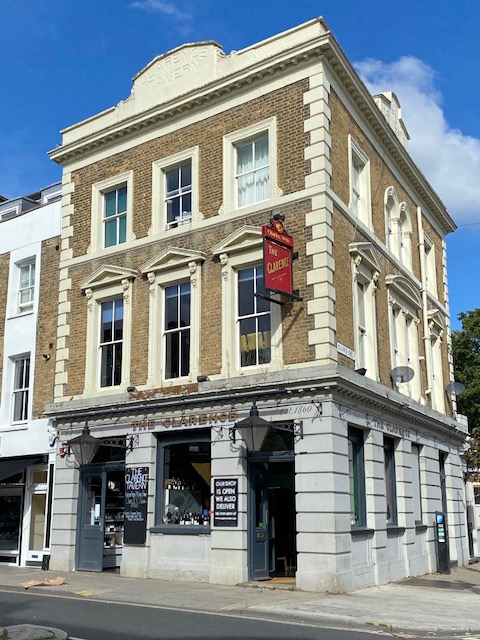
Near the bus stop is the Clarence Tavern, once the Daniel Defoe pub. The author of Robinson Crusoe amongst other novels, Defoe lived in Stoke Newington and so the 19th century Grade II listed pub was named after him. He lived in Stoke Newington Church Street where there is a blue plaque for him and round the corner is Defoe Road.
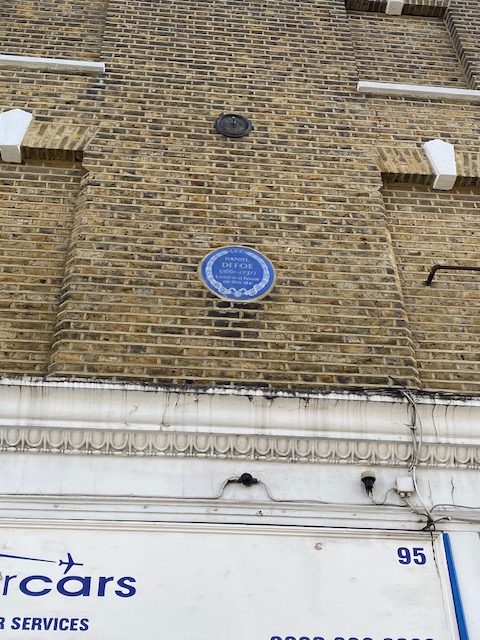
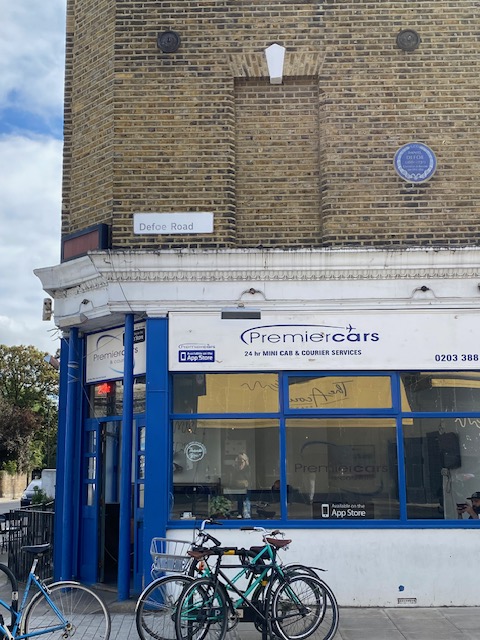
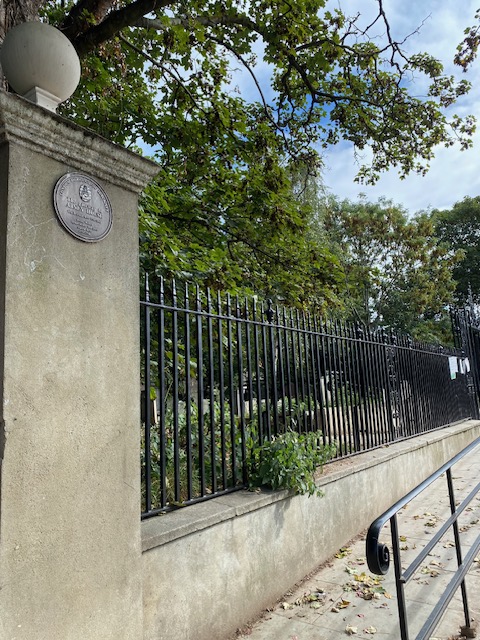
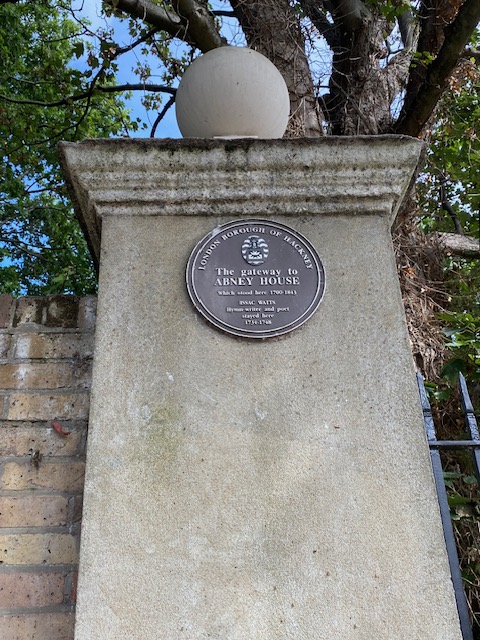
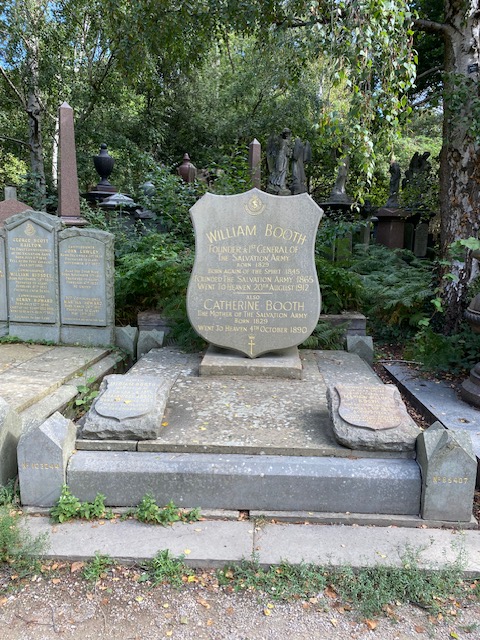
A short walk away is Abney Park, which is also on the number 67 bus route. Just outside the entrance is a plaque stating that the gateway to Abney House was situated there 1700 – 1843. The house was owned by Lady Abney but was demolished in 1843. The Park was opened as a cemetery in 1840, so it’s possible the house demolition took place while burials were going on. Among the famous residents of the cemetery are William and Catherine Booth, along with many other members of the Salvation Army.
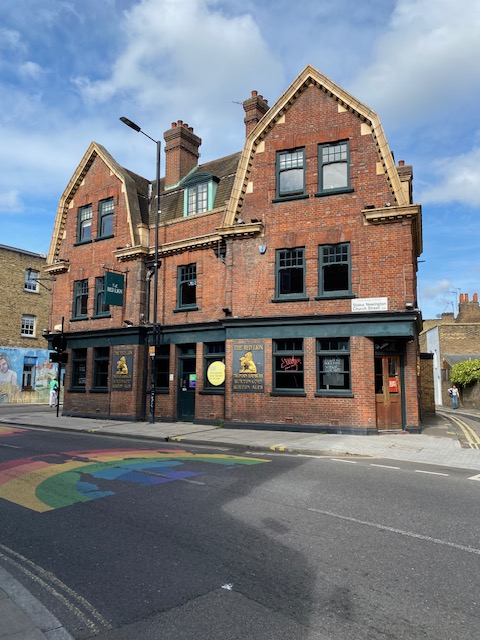
On the way back to the bus stop, you’ll come across the Red Lion pub. The pub was first recorded in 1697 and had two separate houses. It was rebuilt in 1924 when Lordship Road was widened. The new pub was designed by A. E. Sewell who designed 50 pubs for Truman’s brewery.
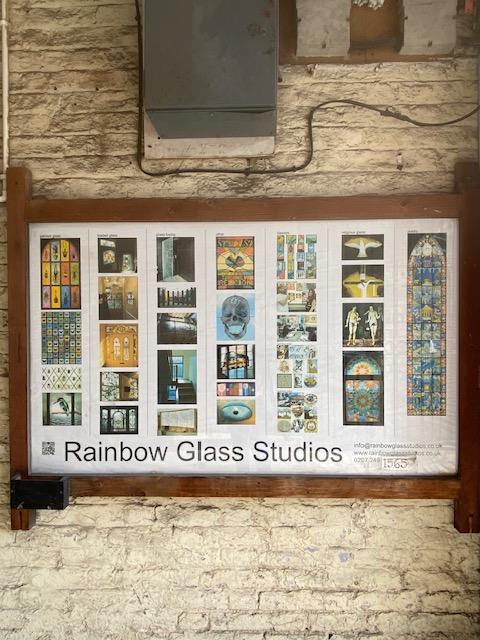
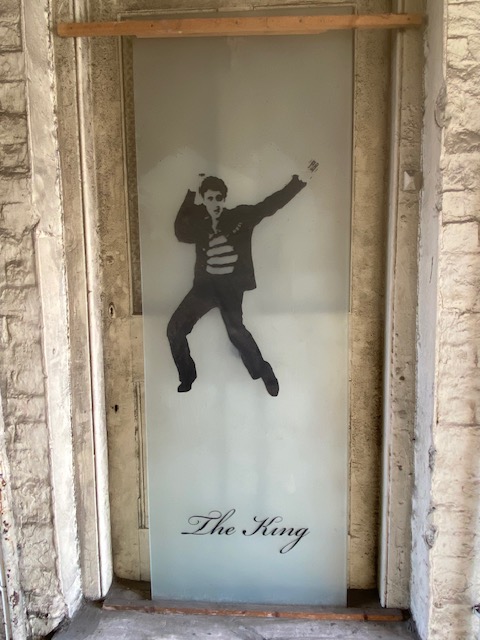
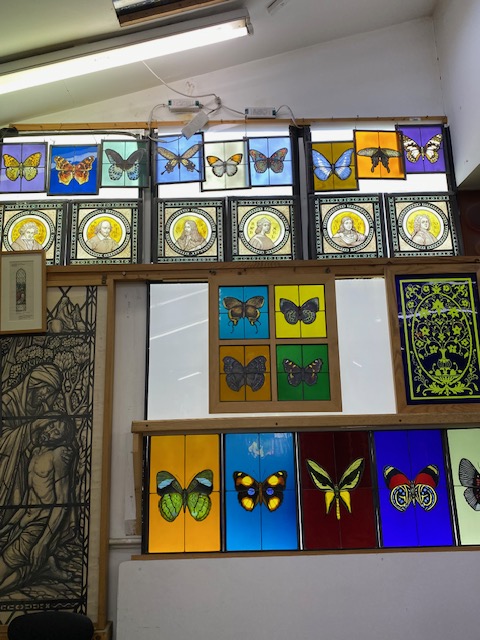
Just a bit further along Stoke Newington Church Street and through an alley is the Rainbow Glass Studios. The glass display in the archway shows all the different kinds of stained glass that the proprietor, Richard, makes in his studio just along the way. Next to this display is a portrait of Elvis “The King” on glass. The Studios design and make decorative glass for various applications as well as restoring damaged stained glass, for example for churches. Inside the studio you’ll find a huge variety of the work they’ve carried out since the business was established more than 20 years ago. It’s fascinating to find out about the different techniques and finishes Richard and his team use, and the many projects they’ve undertaken.
3. Stoke Newington Town Hall bus stop
Have a look inside Stoke Newington Library. The Grade II-listed library was built in 1892 and has been extended twice – once in 1904 with money from philanthropist Andrew Carnegie and again in 1922 to house the World War One memorial hall.
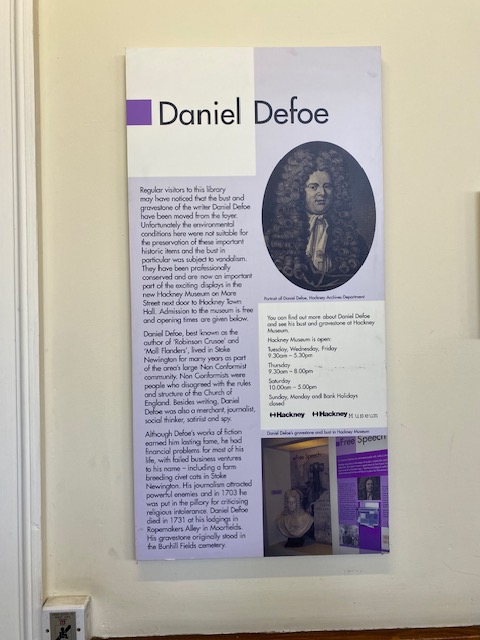
Inside the library is a tribute to Daniel Defoe, explaining that he moved to the area because it was a safe haven as he was a Non Conformist. Also in the vestibule is a beautiful scale model of Stoke Newington Common, made entirely from knitting. Started by Side for Side, they recruited more knitters to complete the project and the end result is a lovely representation of the Common.
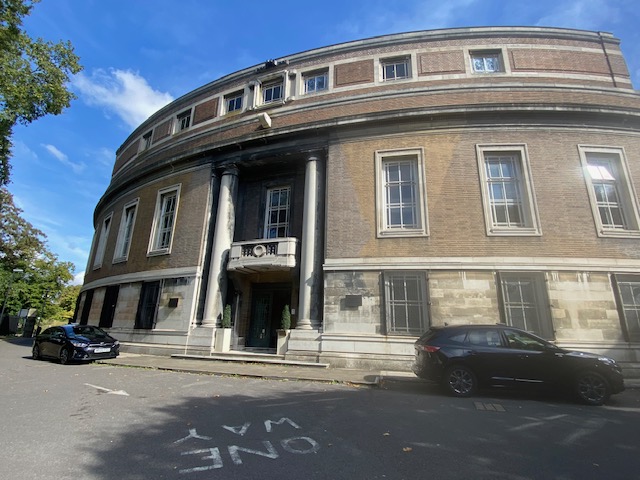
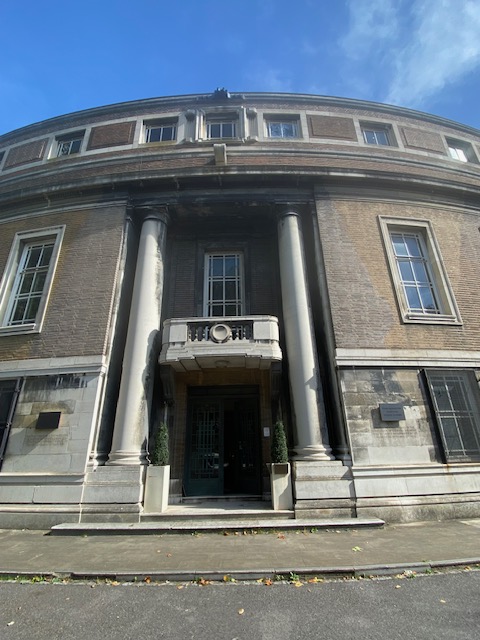
Walk to Stoke Newington Town Hall to see the magnificent circular building. It was built on the site which had previously been occupied by a 15th-century Manor House and, later, by a row of Georgian houses. The new building was completed in 1937. The design involved a symmetrical curved frontage with fifteen bays in the Renaissance style and a central section recessed with a doorway on the ground floor and a balcony and window on the first floor flanked by two huge Doric order columns. In the Second World War, the building served as the local civil defence headquarters and was heavily camouflaged to protect it from enemy bombing during the London Blitz.
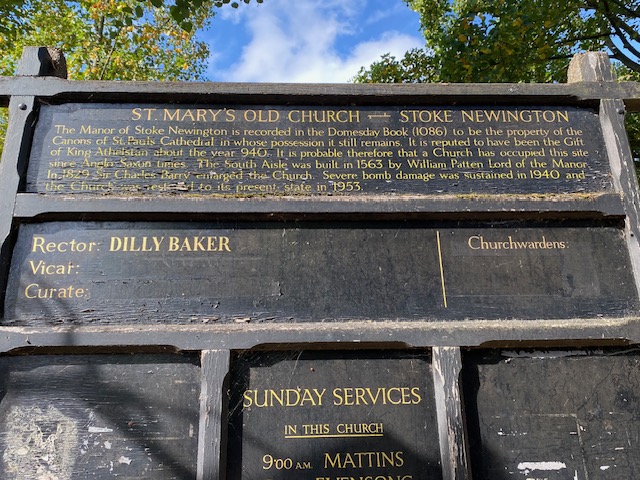
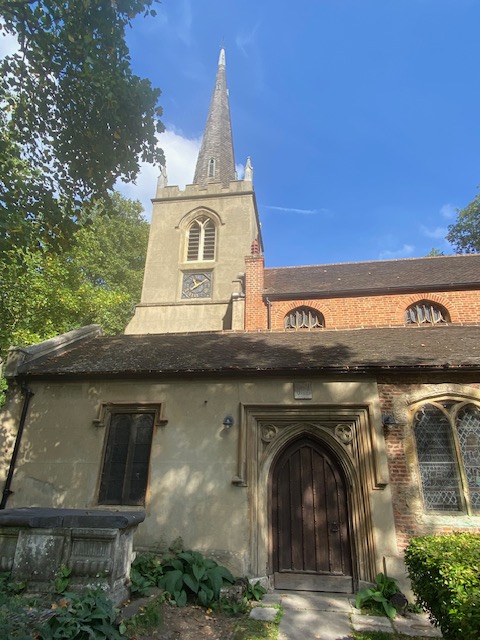
A two minute walk from here is Stoke Newington Old Church. Previously known as St Mary’s Church, it’s probable (according to the board outside the church) that a church has occupied the site since Anglo-Saxon times. It sustained severe bomb damage in 1940 and was restored in 1953. Owing to factions between low and high church, a new church was built and can be seen opposite. Today the old church is an arts venue.
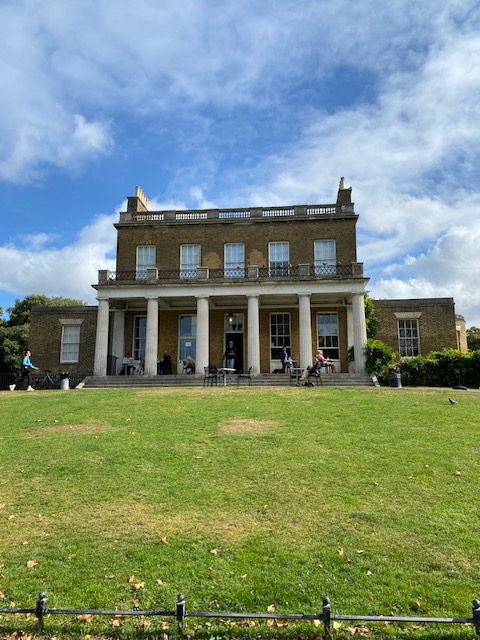
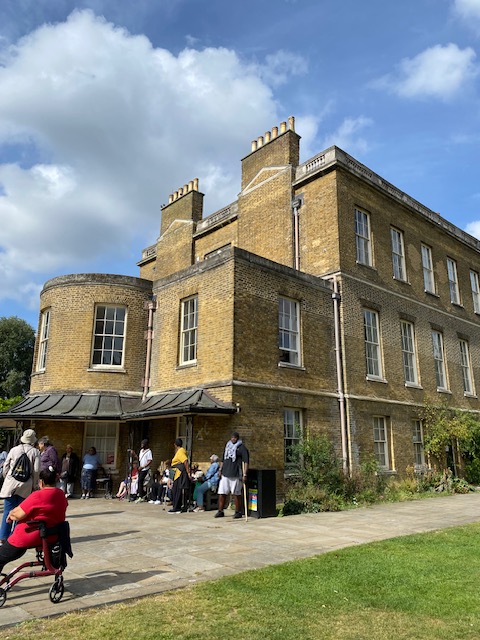
Next on the journey and a minute from the church is Clissold Park. In the centre of the park is the Grade II listed Clissold House, now run as a café and events venue. The House (formerly Paradise House) was built in the latter half of the 18th century, for Jonathan Hoare, a City of London merchant, Quaker, philanthropist and anti-slavery campaigner. Over the years it changed hands many times until Augustus Clissold bought it in the 19th century.
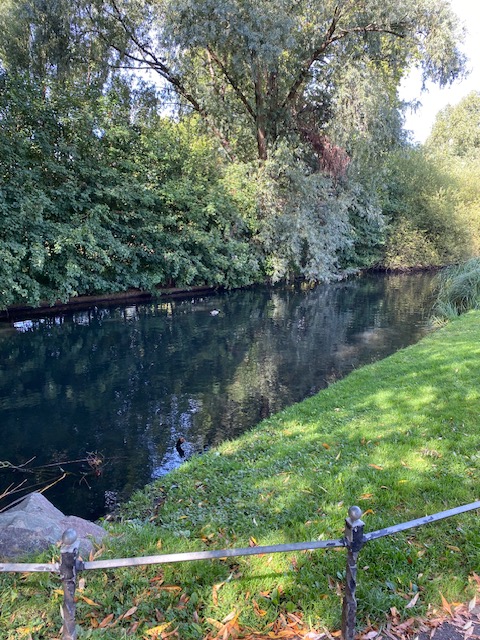
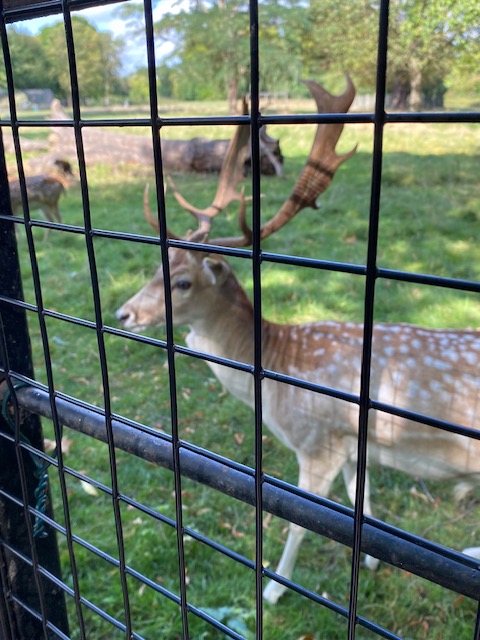
The park itself is worth visiting, not least for its water features and animal enclosures. One of the main enclosures is for a number of Fallow Deer. The first deer to be introduced to Clissold Park in 1890 were Red Deer and Fallows have been here since 1988.
4. Northchurch Road Canonbury bus stop
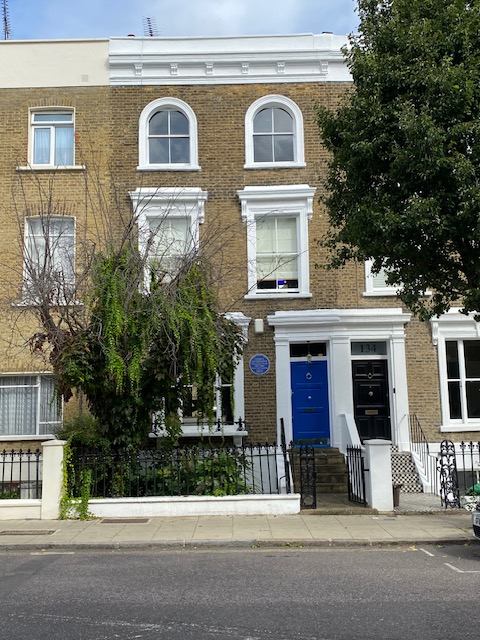
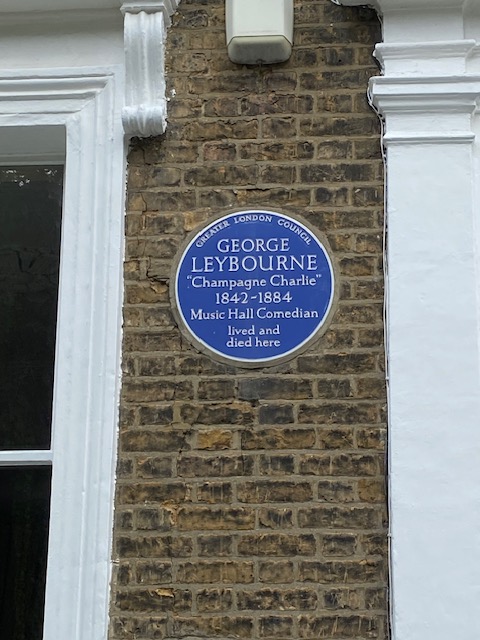
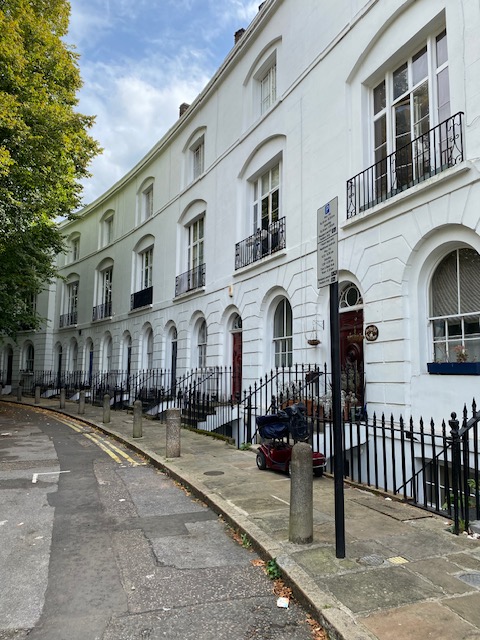
If you have any interest in old Music Halls acts, you’ll be able to see the house that “Champagne Charlie” – real name George Leybourne – lived and died at 136 Englefield Road. Then walk round to Annette Crescent, just off Essex Road. The pretty parade crescent is made up of a number of terraced houses which were built in early to mid-C19. Three houses at each end have their fronts parallel to Essex Road, with the rest forming a shallow crescent. The middle three, (numbers 266-70) are set forward as a centrepiece. The houses with their railings have been listed Grade II by Historic England. Annette Crescent suffered quite extensively during the Blitz. There was a direct hit on a trench shelter in the Crescent and although it was restored, the men who carried out the operation suffered for some time after.
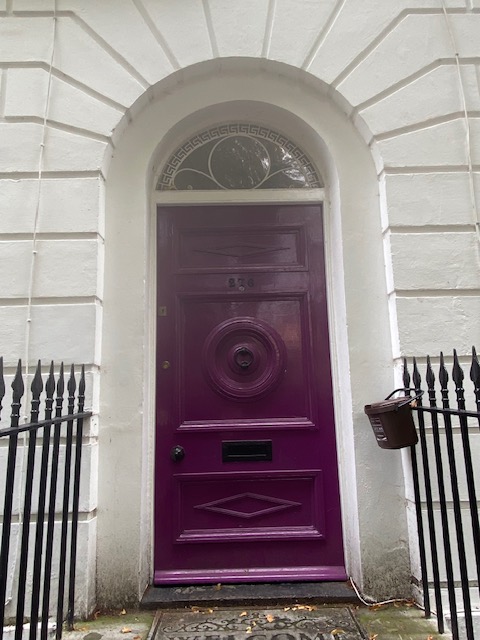
5. Essex Road station bus stop
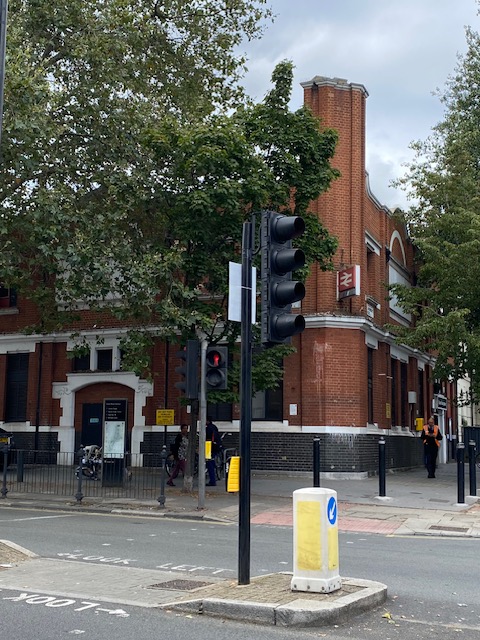
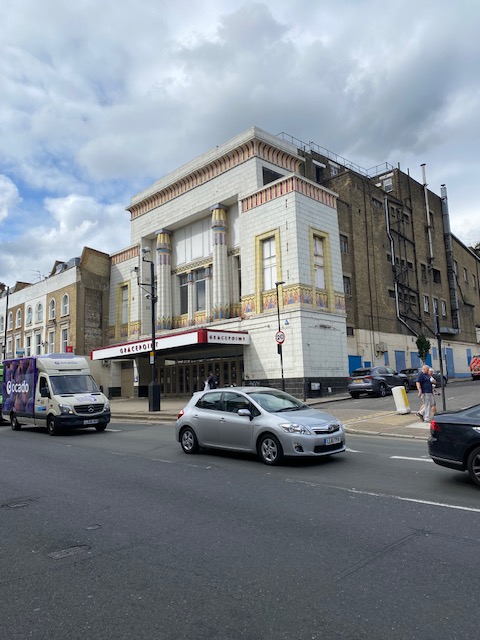
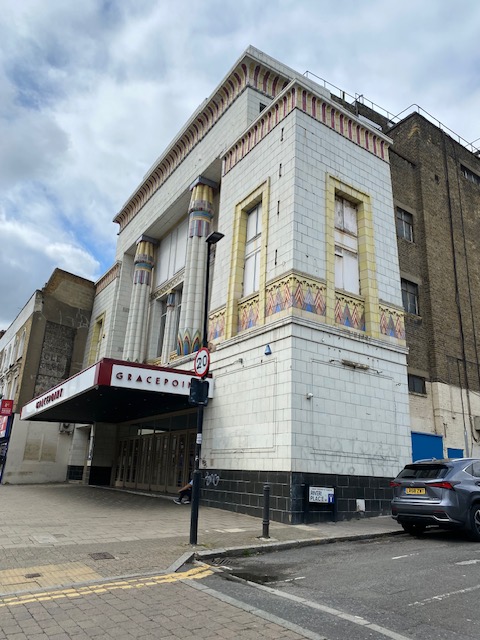
Essex Road station itself was opened on 14 February 1904 and it originally ran as a main line railway. In the 1930s, it was decided to add the station to the Northern Line and work was underway when World War II put a stop to the project and it was never resumed. Down the road from the station is Gracepoint, originally the Carlton cinema. The architect for the cinema decided to go for an Egyptian style façade dressed in multi-coloured Hathernware tiles. The discovery of Tutankhamun’s tomb in November 1922 influenced the Art Deco style and the buildings erected in that period, particularly cinemas and theatres. Today as Gracepoint, it’s a venue for hire and a church.
6. Islington Green bus stop
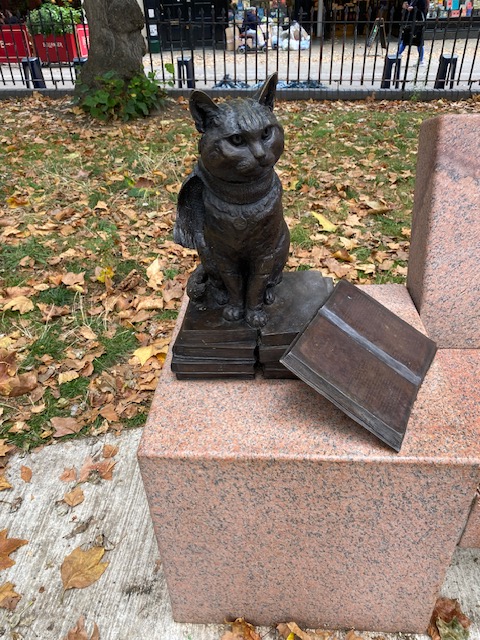
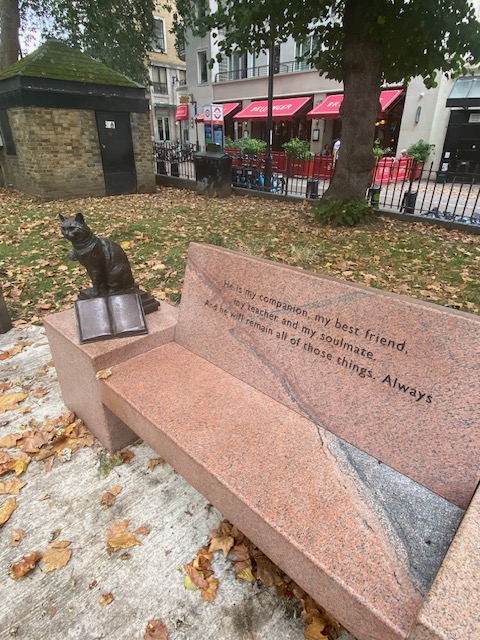
In Islington Green is a statue of the Street Cat named Bob. The life-size bronze sculpture was unveiled in 2021. James Bowen was homeless when he met Bob in 2007 during his battle with drug addiction. He found the cat abandoned and injured and looked after him. He began taking the ginger cat with him when busking or selling The Big Issue in London and later wrote a best-selling book about their relationship which was made into a film in 2016. Bob died aged 14 in June 2020.
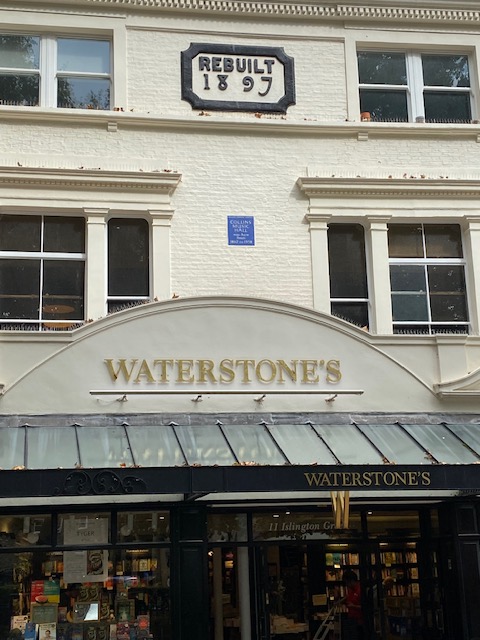
Behind the Green is a Waterstones book store which was formerly Collins Music Hall from 1862-1958. The Music Hall was a conversion of a pub called the Lansdowne Arms and was created by the Irish Vocalist and Music Hall entertainer Sam Collins, whose real name was Sam Vagg. It opened in November 1863 and was situated at the rear of the pub. Sam Collins only ran it for two and a half years before his death in 1865.
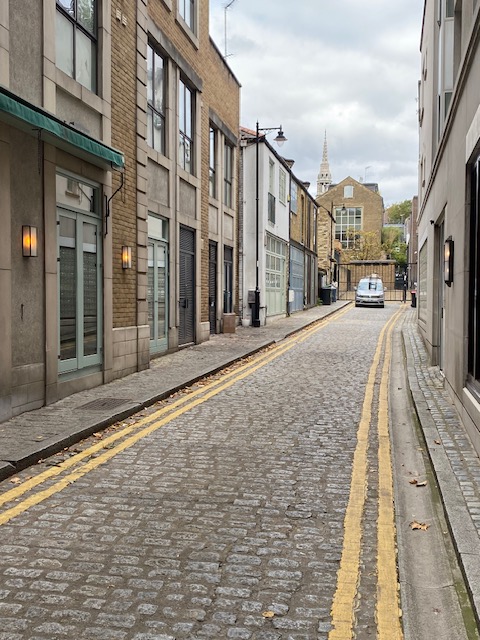
And round the corner is Collins Yard, a quiet and charming cobbled mews street, presumably named after the aforesaid Sam Collins.
7. Angel station bus stop
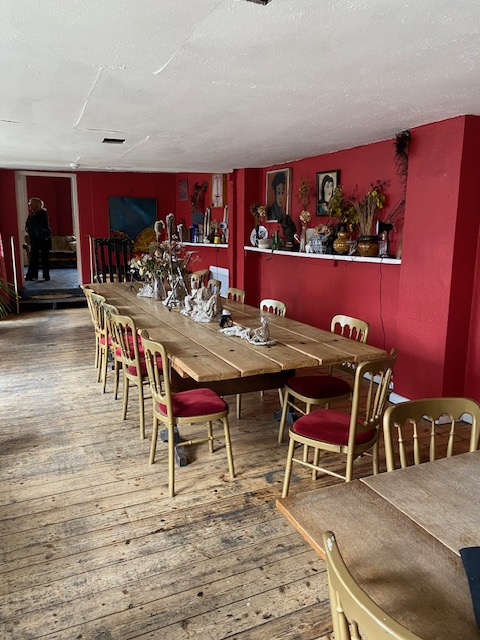
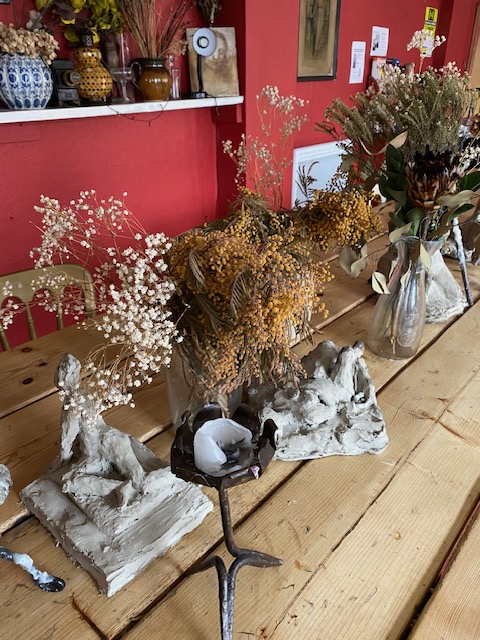
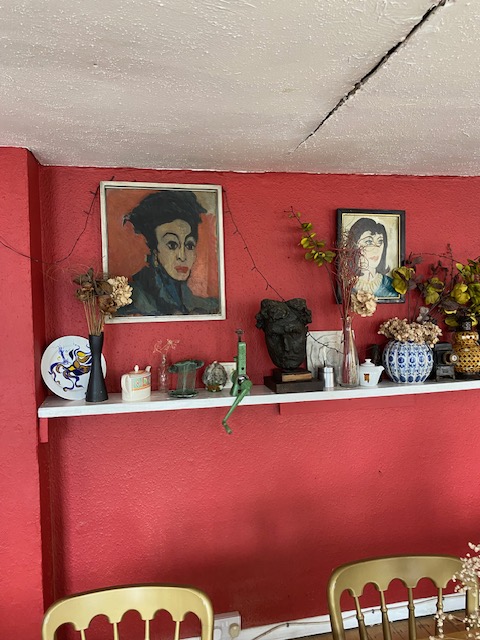
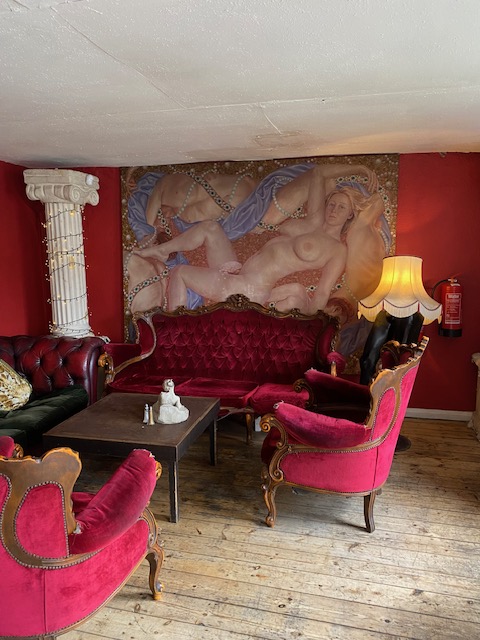
Near the station is a charitable organisation the Candid Arts Trust, established more than thirty years ago and still run by Duncan. The centre has been the host to many events and exhibitions as well as life drawing and sculpture classes. Upstairs is a café which is also a showcase for art and sculptures and is packed with interesting and lovely pieces. It would be very easy to while away a couple of hours here …
8. Penton Rise bus stop
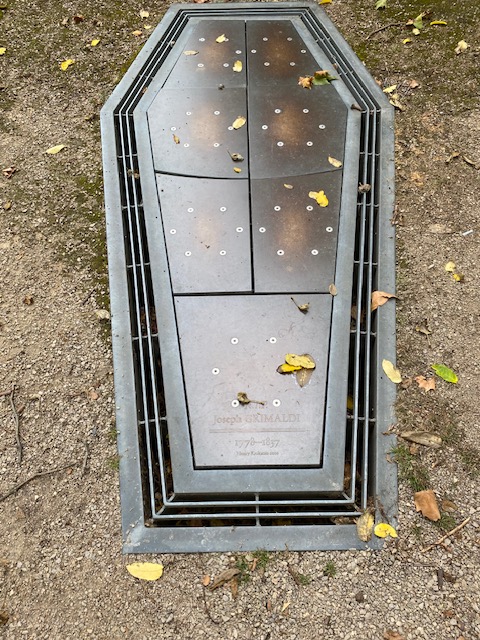
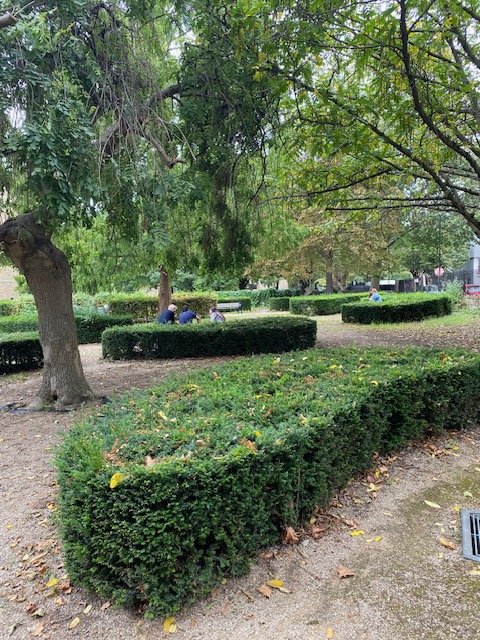
Opposite the bus stop is Joseph Grimaldi park and set inside is the gravestone of the man himself. The park dates back to the 18th century, when it was a burial ground for an Anglican Church. It was turned into a public park in late 19th century. Grimaldi came from a family of dancers and entertainers and made his debut as a dancer at age four at the Sadler’s Wells Theatre. In 1806 he performed in the pantomime Harlequin Mother Goose, and he enjoyed his greatest success. It was in this that he created a new type of clown combining rogue and simpleton, criminal and innocent dupe in one character. This clown role was subsequently adopted by many other English clowns.
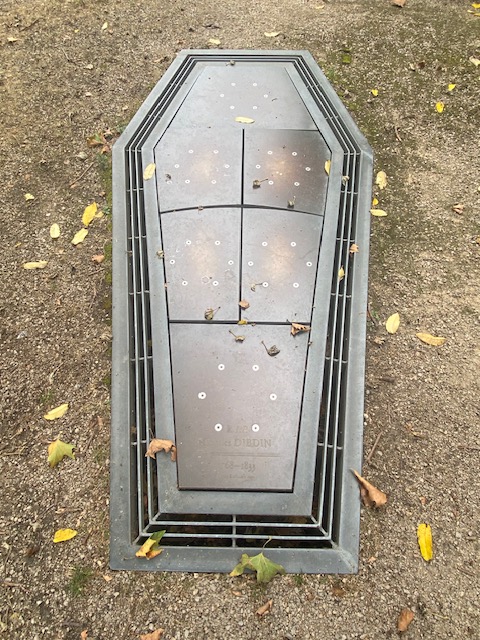
Next to Grimaldi’s grave is that of Charles Dibdin. He was an English dramatist, composer, writer and theatre proprietor. He owned the Sadler’s Wells Theatre which put on pantomimes and satirical farces that he wrote, and he employed Joseph Grimaldi where he appeared in many of his most successful pantomimes.
9. St Pancras International bus stop
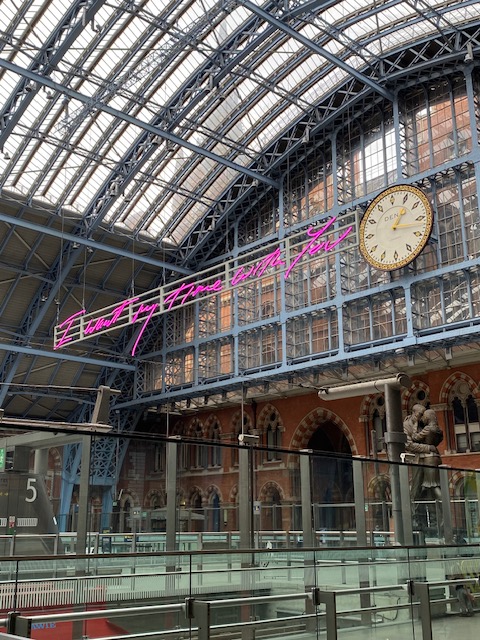
The inside of the station has many delights and among the best is the St Pancras clock, made by Dent with Smith of Derby – both companies with long histories of clock making. This clock is the third to be situated in the station since 1880 and it was made using materials similar to the original – metal plate, slate diamond shaped hour markers and roman numerals. Its GPS controlled backup keeps time and automatically corrects at summer/winter changeover.
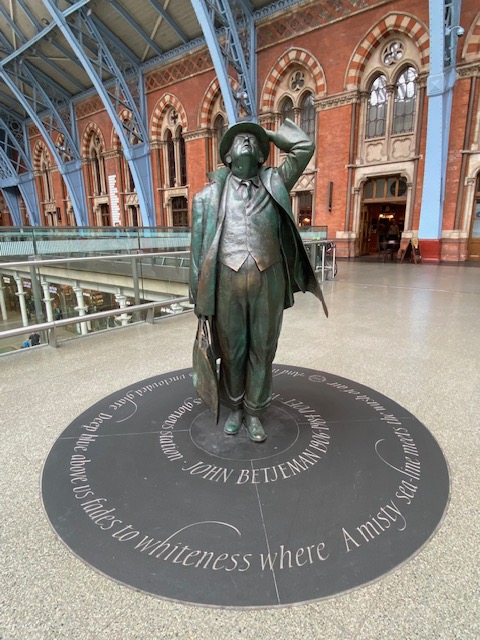
Near the clock is a sculpture of John Betjeman. The poet led a campaign to save St. Pancras Station and the Chambers from demolition in the 1960s. In tribute to the famous poet (and railway enthusiast) an 8.5ft sculpture by Martin Jennings has been erected to celebrate the man and his poetry.
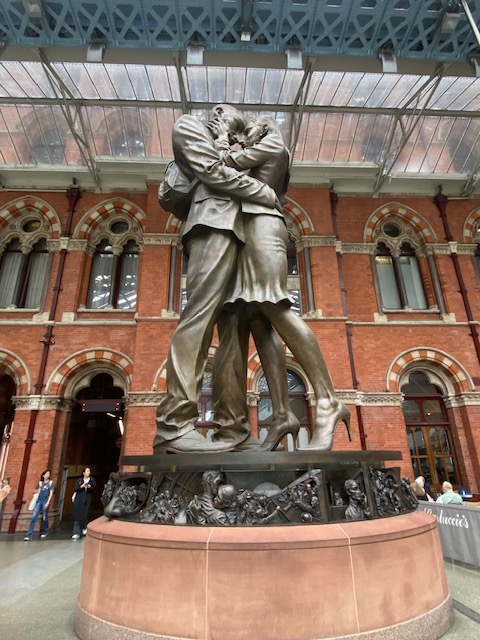
Under the clock is a very large statue called The Meeting Place. It’s a 9m high sculpture of a couple’s embrace by the sculptor Paul Day. Known commonly as ‘The Lovers statue’, it takes pride of place at the end of the Eurostar tracks, and is often the first thing you see when you step off the train. The brief had stated that the sculpture should be romantic, democratic and as iconic as the Statue of Liberty in New York.
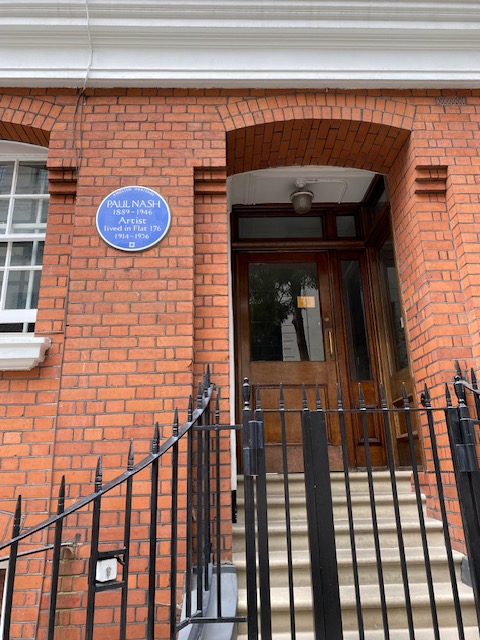
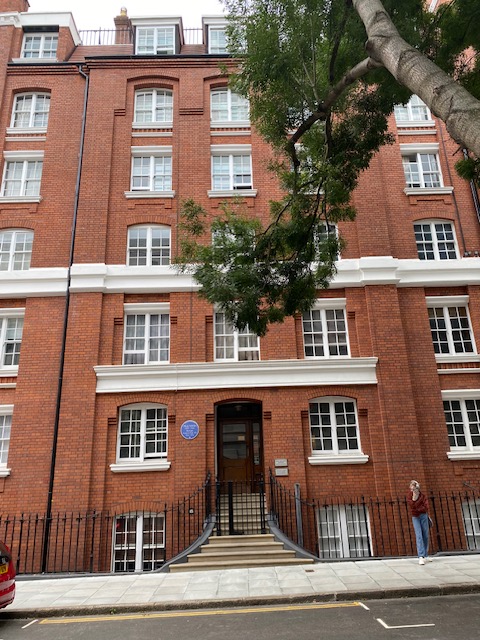
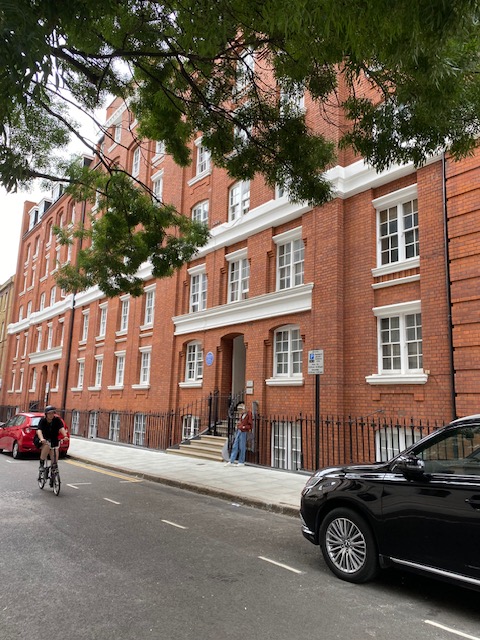
Head out of the station and cross the road to find Queen Alexandra Mansions. This red brick building has shops with mansion flats over and was built between 1902-8. As well as being of architectural interest, the Mansions were also the home of Paul Nash, the artist, who lived at Flat 176 between 1914 and 1936. Nash was a British surrealist painter and war artist and was among the most important landscape artists of the first half of the twentieth century. He played a key role in the development of Modernism in English art.
10. Tottenham Court Road bus stop
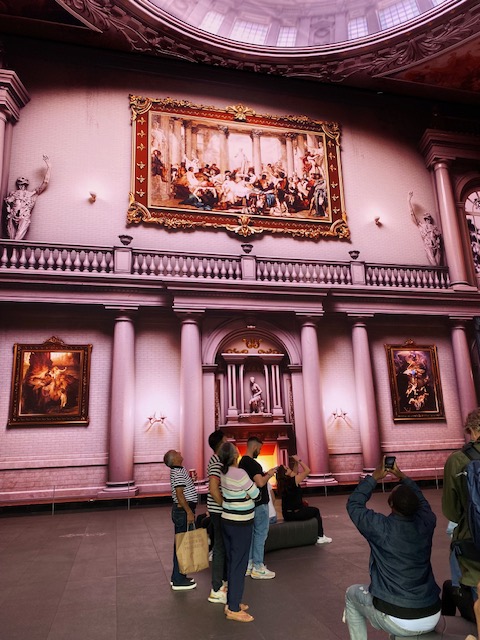
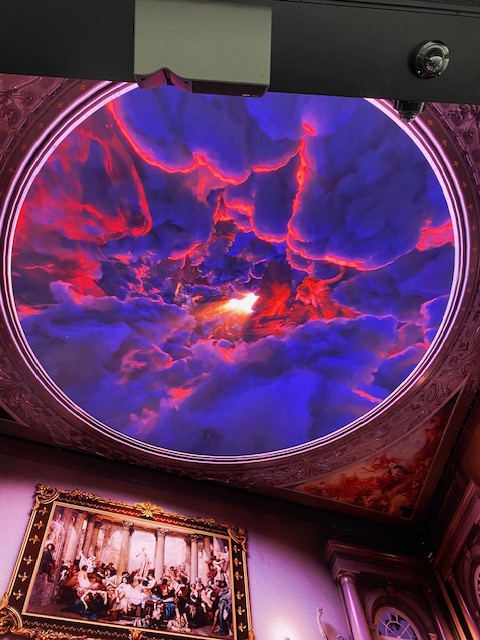
Final stop on this route is at Tottenham Court Road. Opposite the station is Outernet, a global media and entertainment company. They create immersive exhibitions and the latest one (September 2023) is entitled The Summer Palace. It’s a combination of Renaissance paintings animation and 3D visuals and is displayed in a visually striking and thought-provoking way. It’s very bold and colourful and it’s possible to stand and watch the animation for a long time. It’s cleverly done and while you’re watching, you have a feeling of actually being in The Summer Palace.
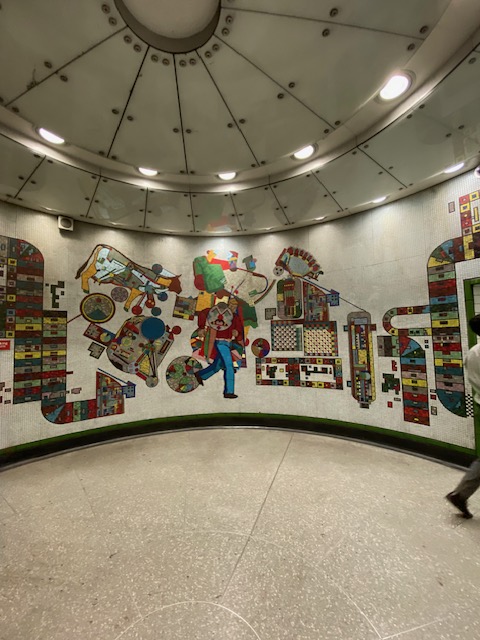
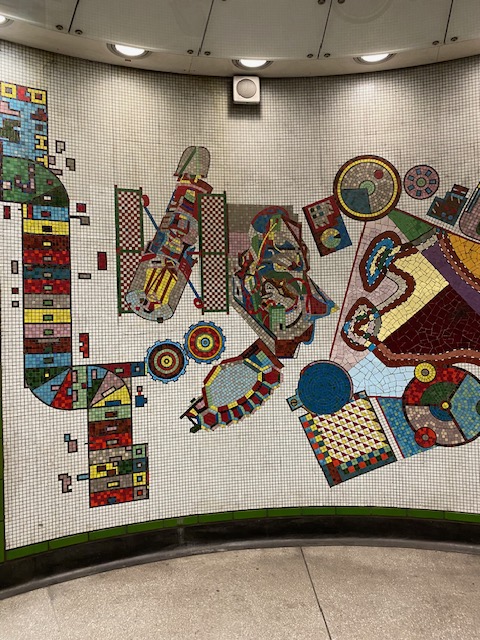
Enter the station itself and head towards the Central or Northern line. On the way there (you may not want to travel by tube but this is where the attraction is situated) you’ll find yourself looking at some striking murals, designed by Paolozzi. Completed in 1986, the glass mosaics cover 950 sq metres and reflect his interpretation of the local area and his wider interest in mechanisation, urbanisation, popular culture and everyday life. The mosaics depict scenes in bright colours and it’s another of the places that you can look and admire the art work.
A great route with lots to see. So many different places on the way, it’s difficult to choose which are the best to see/not to miss.
Toilets that are free and available to the public:
- Stoke Newington Library
- Candid Arts Trust café
- St Pancras International station
 london routemistress