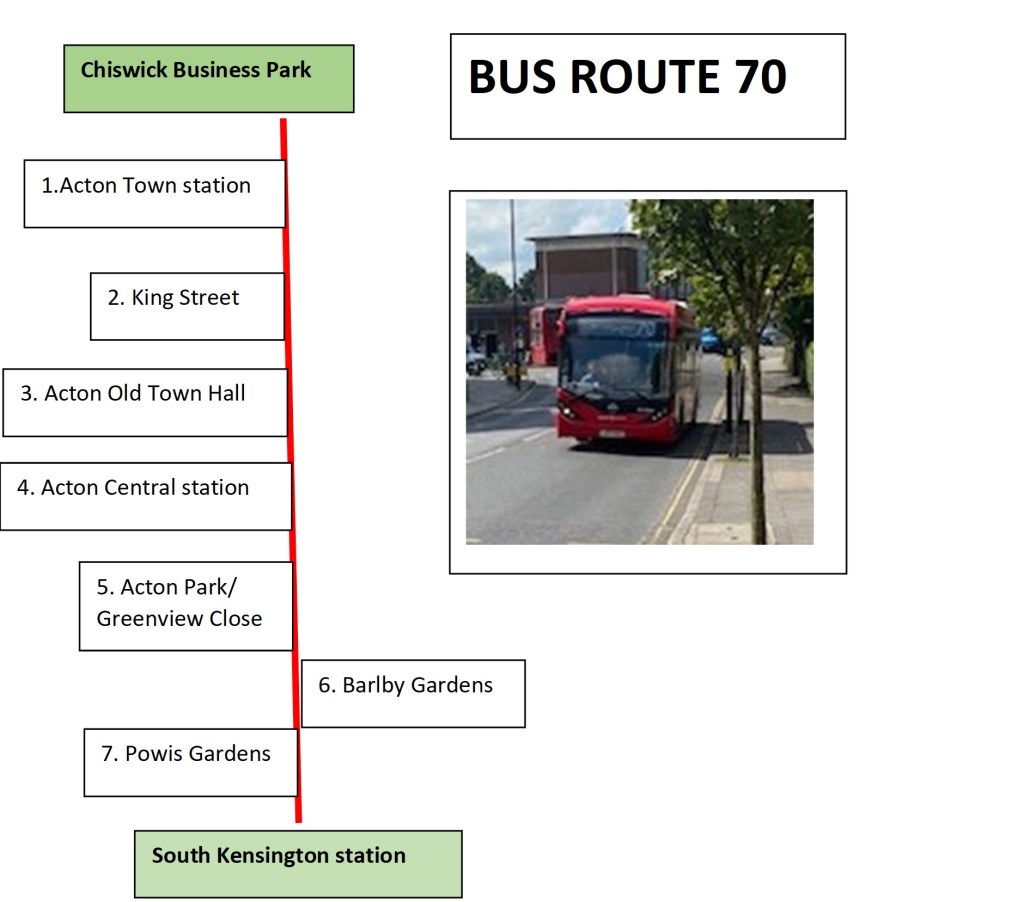
Chiswick Park to South Kensington station
Highlights:
- Gunnersbury House & Museum
- St Mary’s Church
- Goldsmiths Almshouses
- Ladbroke Hall
1. Acton Town station – bus stop
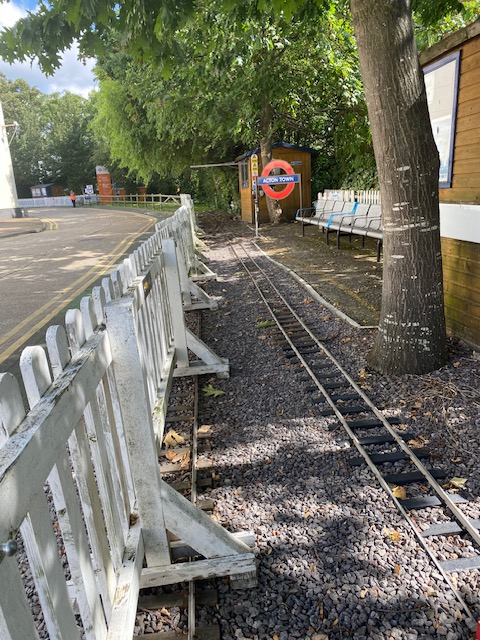
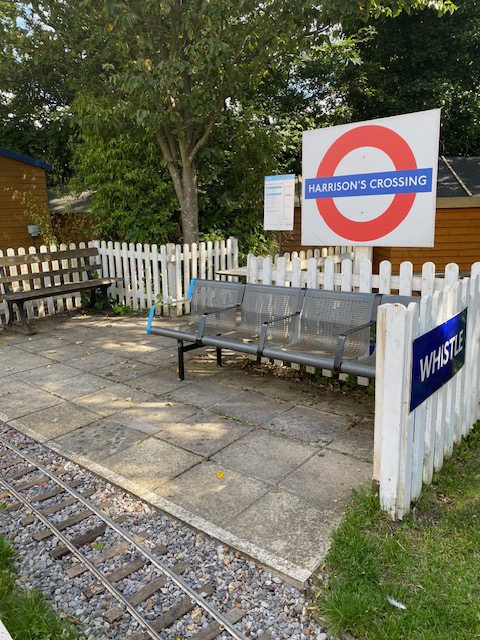
Just one stop from the start of the route is the London Transport Miniature Railway, which is a working miniature railway based on real London Underground locomotives, carriages, signals and signs. It’s only possible to take a ride on special Open Days and the train is housed elsewhere at all other times. The train runs from Depot Approach to Ealing End and the stations are fitted out with authentic TfL roundel nameboards and signage, such as Harrison’s Crossing. It’s on the same site at the LT Museum Depot but again this is only open on specific days throughout the year.
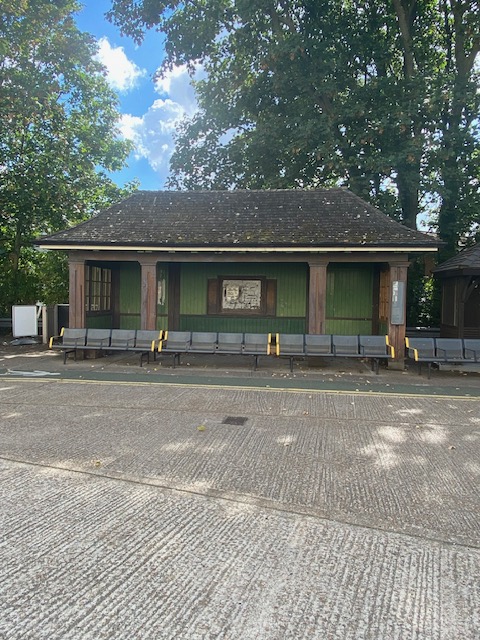
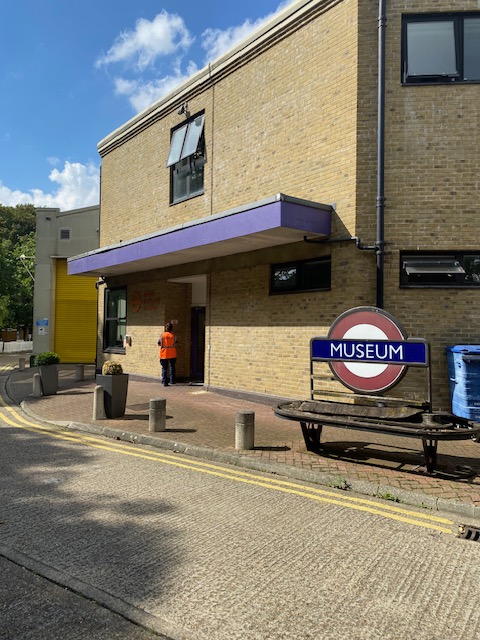
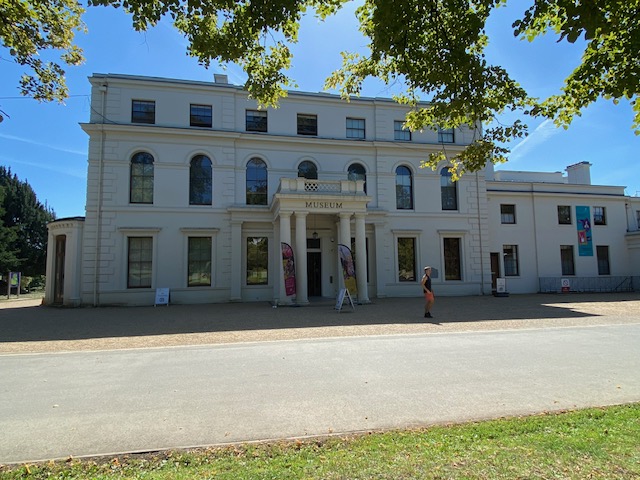
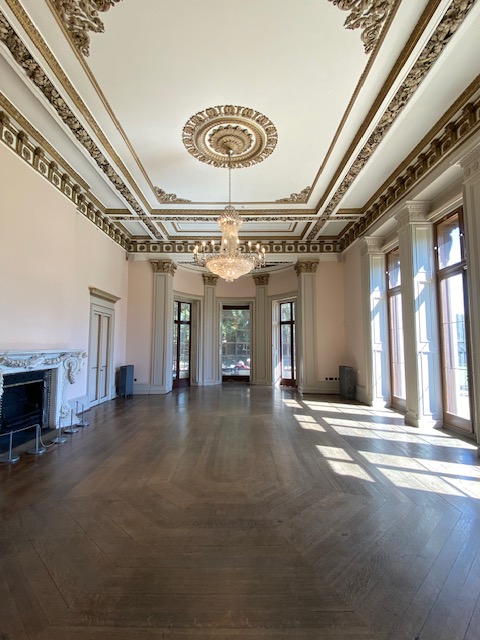
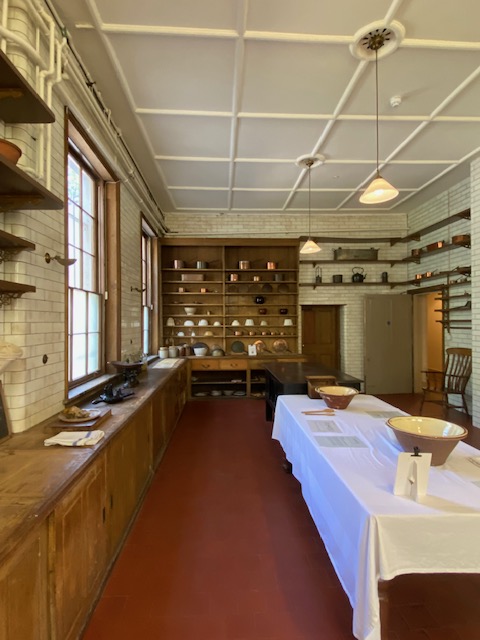
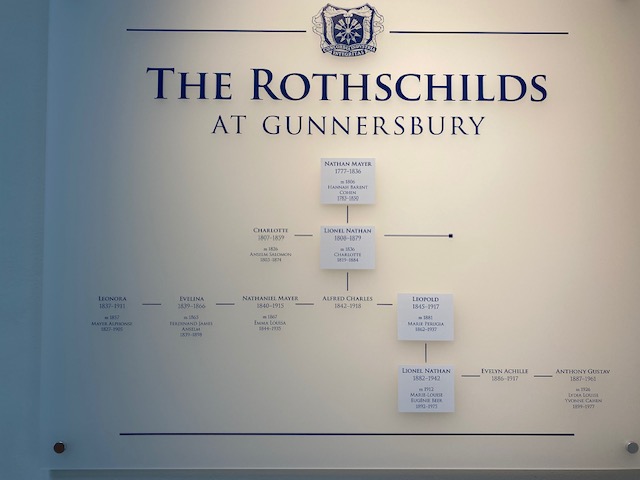
Gunnersbury Park and Museum is about an 8 minute walk from this bus stop and it’s well worth the walk. The estate including the house and extensive farm land was bought by Princess Amelia (daughter of George II) in 1762. In 1800 the estate was bought for development and the parkland was divided into 13 plots for villas. Two more were added in 1802, one of which was bought by Nathan and Hannah Rothschild in the 1830s and the second being bought by the family in the 1880s. Leopold de Rothschild, grandson of Nathan, died in 1917. His son Evelyn, who would have inherited Gunnersbury, died in the same year fighting in Palestine.
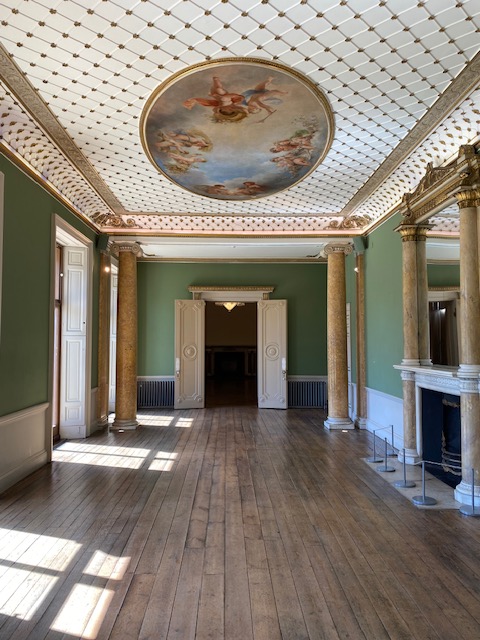
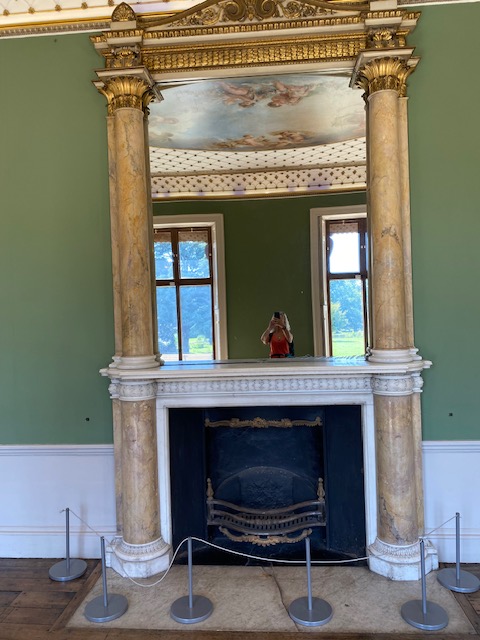
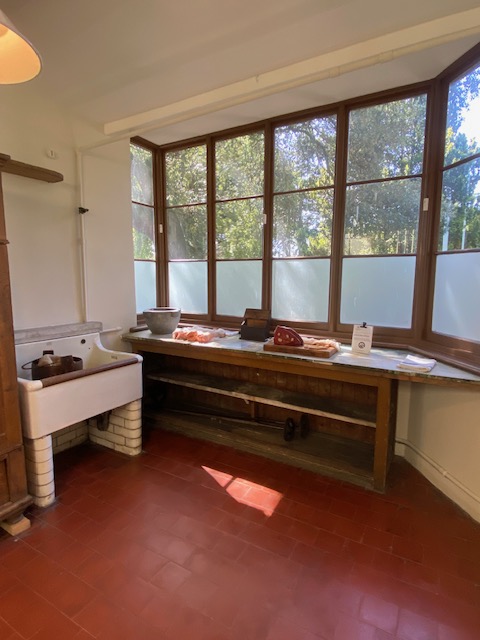
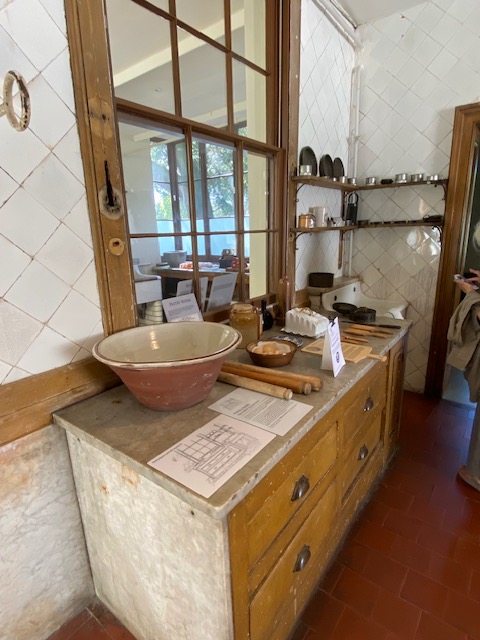
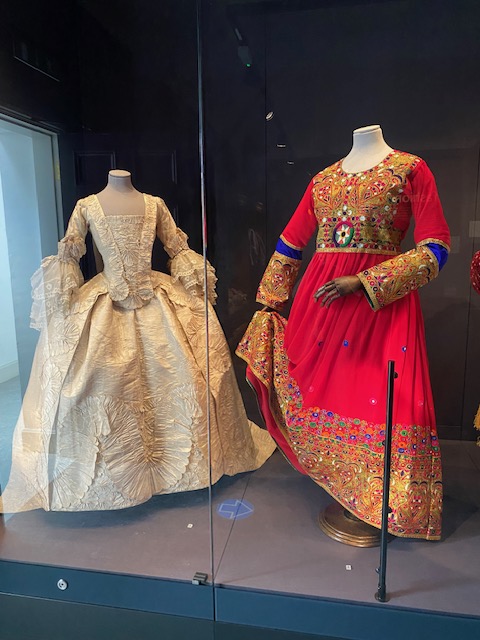
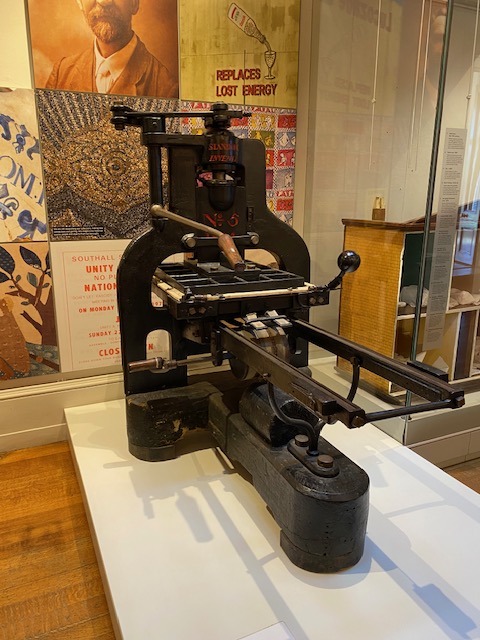
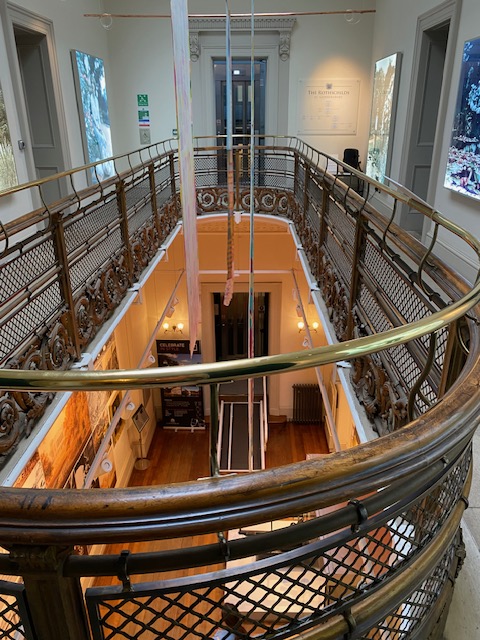
The boroughs of Ealing and Acton thought Gunnersbury would make an ideal public park and invested in converting it for sports and recreation activities, with the intention that the income from these activities would contribute to the upkeep of the house. These days the house is a museum that’s open and free to the public. There is so much to see both inside and out, starting with beautiful rooms on the ground floor. The upstairs rooms have exhibitions – fashion and local industry amongst others – that it would be very easy to while away several hours here.
2. King Street bus stop
The bus stops just outside St Mary’s Church. There has been a church on this site for about 800 years, with the medieval church having been altered and repaired many times over the centuries. One such time was in the 17th C, when it was damaged by Roundhead soldiers after the Battle of Turnham Green. It underwent a major overhaul in 1837 but it was deemed so ugly that it was demolished in 1865, apart from the tower! There are many things to look out for within the church today:
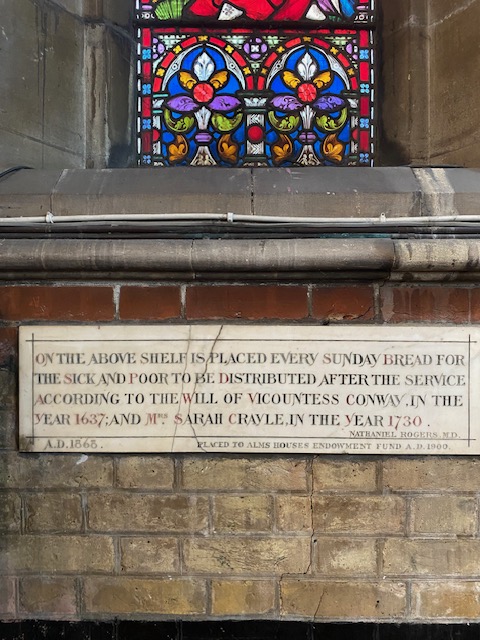
- At the west end of the church is a monument to the Crayle family. Sarah and Anne Crayle were sisters who left money to charity and each year there is a Crayle Sermon preached in St Mary’s Church.
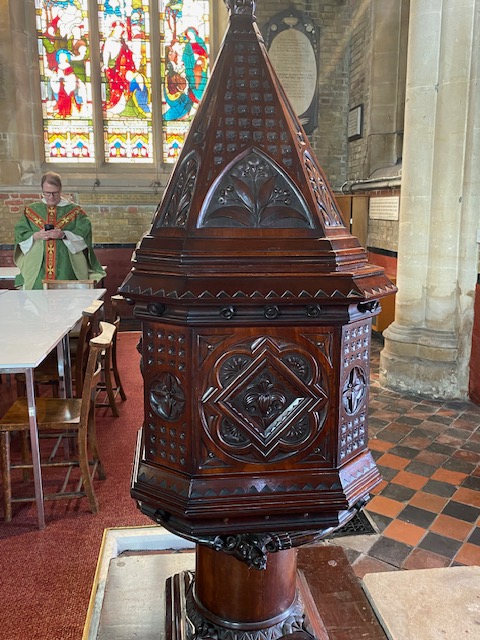
- The wooden font was carved by Maoris for the Wembley Exhibition of 1924-1925 but was never claimed by the New Zealand church for which it was intended. It’s a beautiful piece of art and is a special addition to St Mary’s
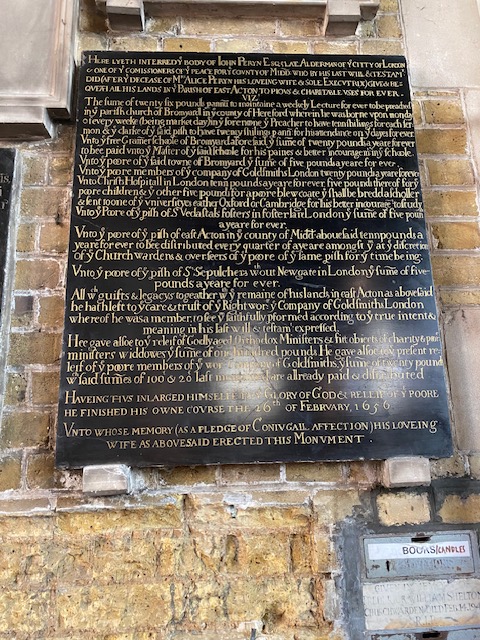
- On one of the walls is a black memorial, beautifully restored by the Goldsmiths’ Company, to John Perryn, goldsmith, who died in 1657 in East Acton Manor House. He left a great many bequests including £10 a year for the poor of Acton. To pay for these he left all his lands in East Acton to the Company, who erected the Goldsmiths’ Almshouses in East Churchfield Road in 1811.
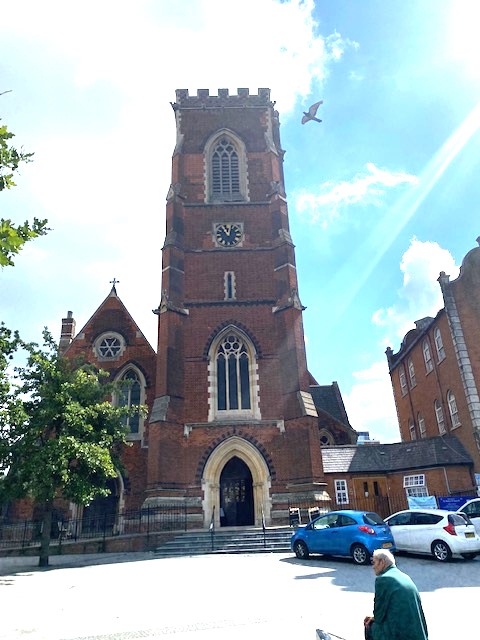
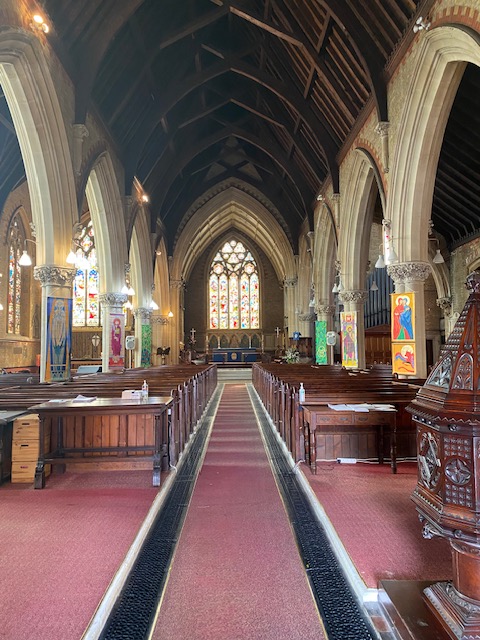
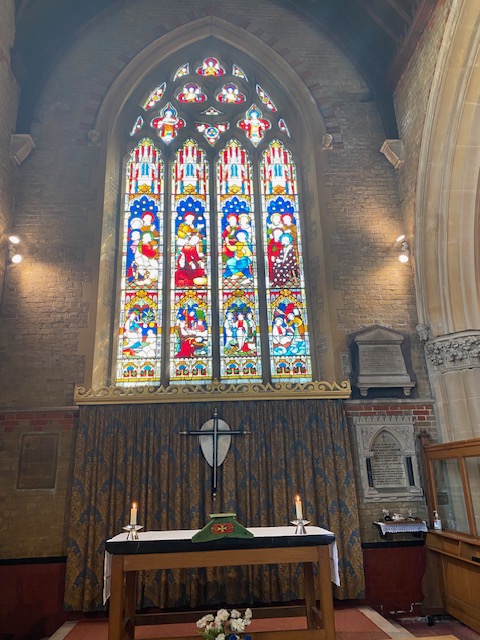
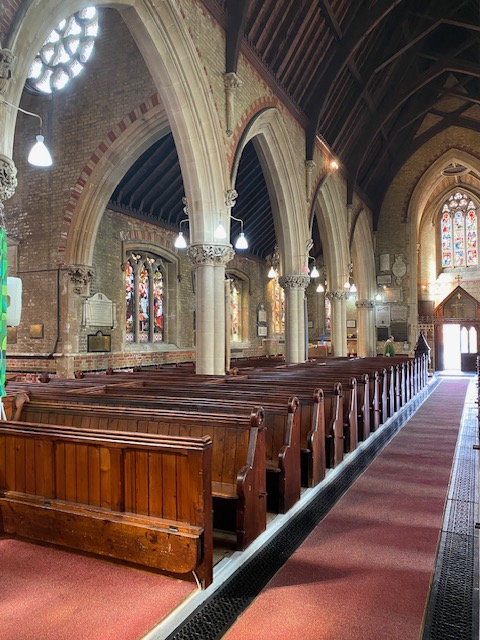
If you’re lucky on the day you visit St Mary’s, you’ll find the Revd Dean Ayres who is a mine of information and who is very happy to give explanations about the features of the church as well as the people who have been associated with the church over the years.
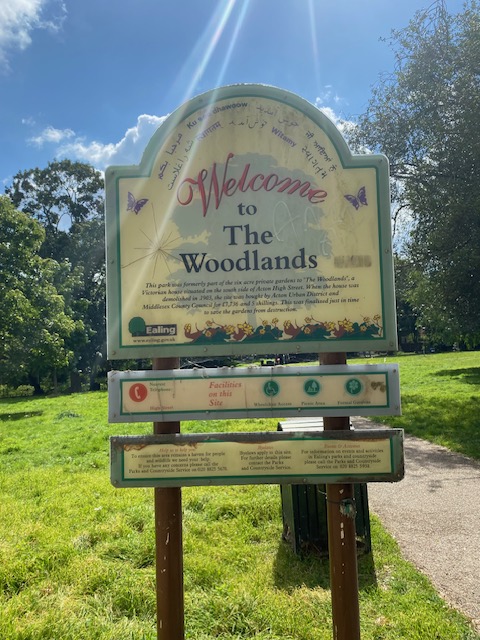
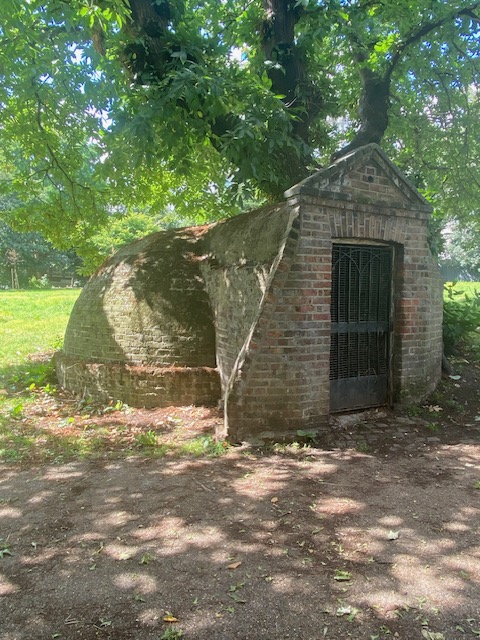
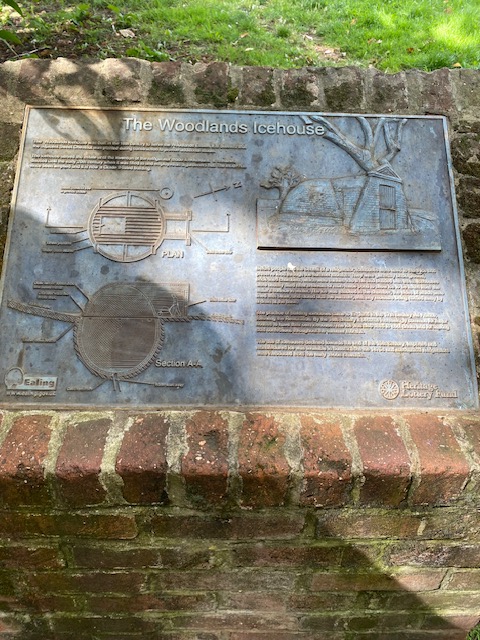
Leave the church and head towards The Woodlands, a park that used to be part of the grounds of a large Victorian house. The house was demolished in 1903 and the site was bought by Acton and Middlesex council, thus saving the grounds from destruction. Inside this small park is an Ice House – it’s a typical ice house, being an underground brick lined chamber, sunk into a hill and shaded with trees. Ice was taken from the nearby pond and stacked in the chamber, the sides of which were lined with straw. The ice could last until summer. Any melted water was drained through a hole at the bottom.
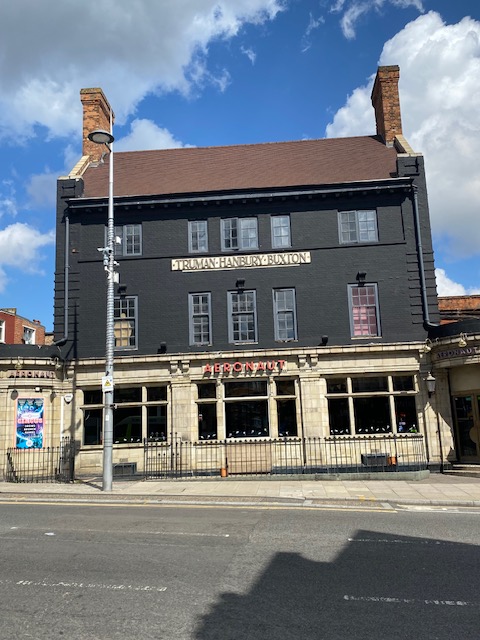
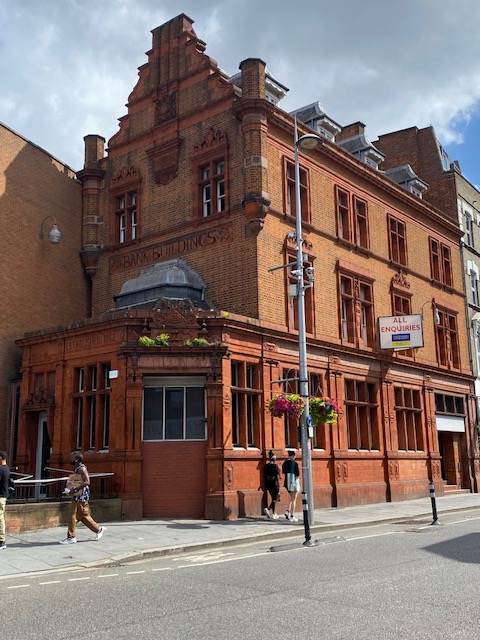
Before getting back on the bus, it’s worth having a look at a couple of interesting buildings. One is the Aeronaut pub in Acton High Street. It’s a Truman Hanbury Buxton pub, dating back to the early 18thC. Previously The White Hart, it had stabling from coaching days. In 1827 there was a burglary at the stables and four horses and a set of harnesses were taken. The other building is next door to St Mary’s Church and was established in 1862 for Barclays Bank and is still known as Bank Buildings.
3. Acton Old Town Hall bus stop
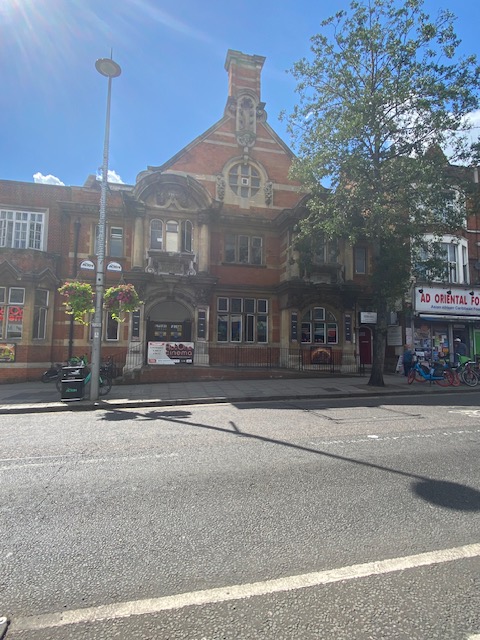
Near the stop is the Act One cinema, a grade II listed building and which was originally designed as a library for the philanthropist John Passmore Edwards. The library was named after him as he paid £4,000 of the £6,690 costs to build it. It was opened in 1900 by American Ambassador Joseph Choate. It was a free public lending library containing around 8,000 books of “wholesome literature”. Both Passmore & Choate supported the temperance movement, so the library was created, in part, as an alternative for the poor to the vice (as they saw it) of alcohol found in the many local pubs.
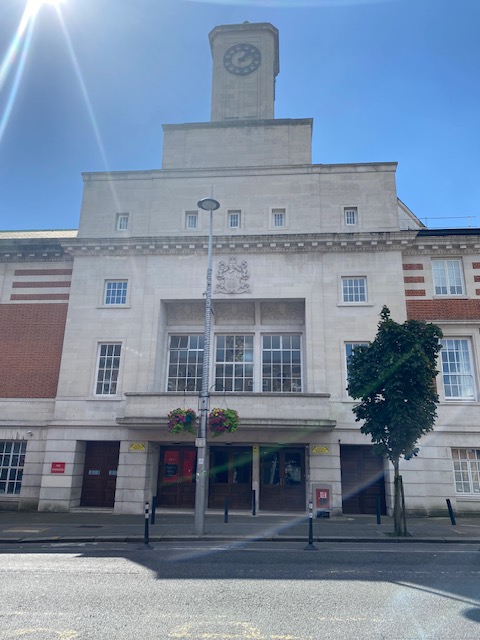
A few doors down is the Old Town Hall, another grade II listed building. The foundation stone for the building was laid on 3rd April 1909 and it was designed in the Baroque style. An extension was built in the 1930s with a three-bay central section, main entrance on the ground floor, the coat of arms of the borough on the second floor and a clock tower above.
4. Acton Central station bus stop
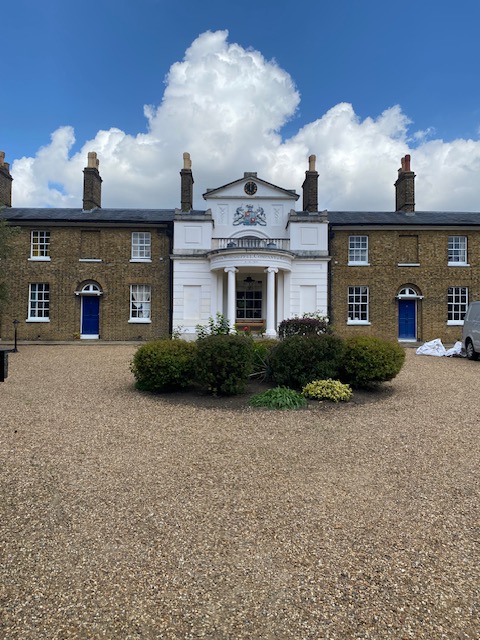
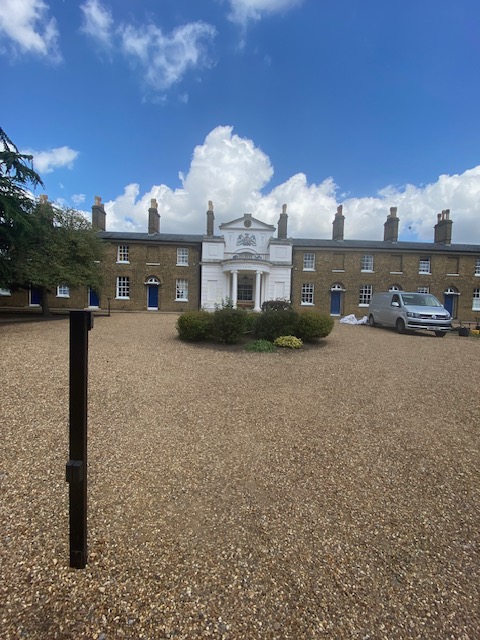
This is the stop for the Goldsmiths Almshouses. The famous Goldsmith John Perryn lived for a short time in a large house on East Acton Lane (Later rebuilt and named the Manor House.). He left a considerable estate to the Goldsmiths Company. In l808 a scheme was drawn up to build almshouses and in 1810 the Acton site was chosen. The original specifications were for 12 Almshouses. The best materials were to be used and the standard of workmanship high. The Almspeople were chosen from the Settled Pension List and were always the oldest on the list. They each received £100 a year in addition to their regular pensions and 1½ or 2 cauldrons of coal. On the annual visitation the Wardens presented the inmates with £1 apiece.

5. Acton Park/Greenview Close bus stop
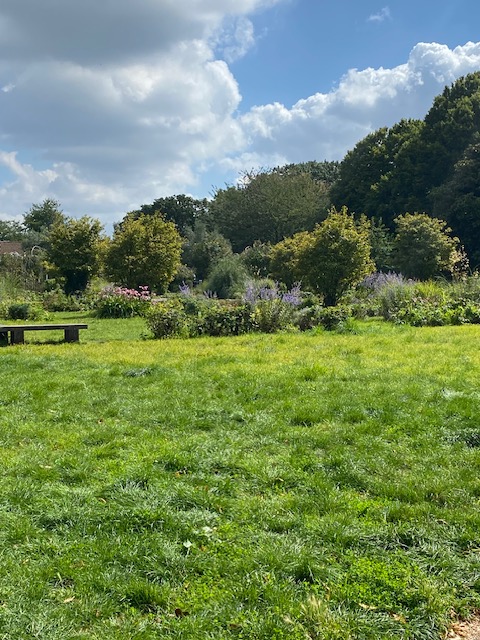
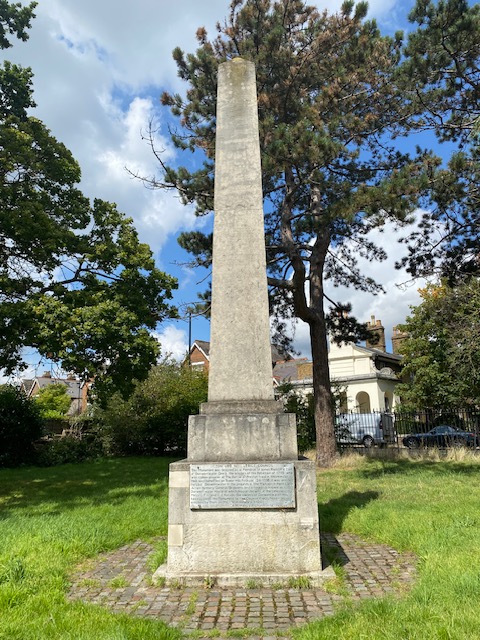
Acton Park opened to the public in 1888 to commemorate the Golden Jubilee of Queen Victoria. Inside the park is a memorial to James Radcliffe, Earl of Derwentwater. According to the plaque on the monument, he was one of the leaders of the 1715 Rebellion, tried in Westminster Hall and beheaded on Tower Hill on 24th February 1716. Poor man …
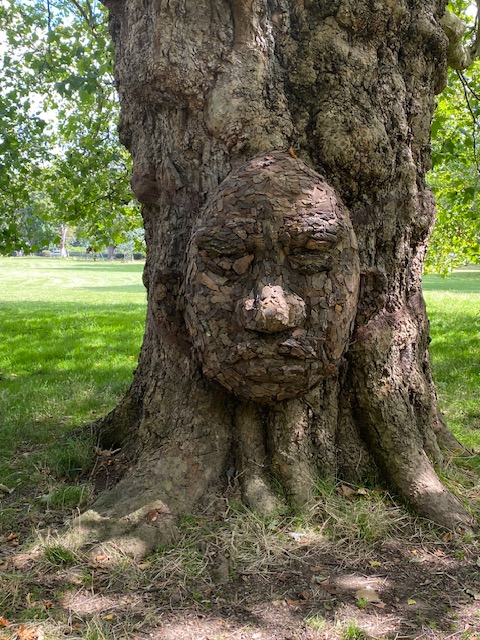
In 2008, Acton Park started a Tree Trail, with artwork in 11 trees around the park. It’s an ongoing project and they change every so often as new pieces have been added and old pieces of artwork come down when their life comes to a natural end. One of them is a plane known as the Grandfather Tree, which is one of the original trees within the park and is now a permanent fixture. It’s possible to get up close to the Grandfather that’s been carved out of the bark of the tree.
6. Barlby Gardens bus stop
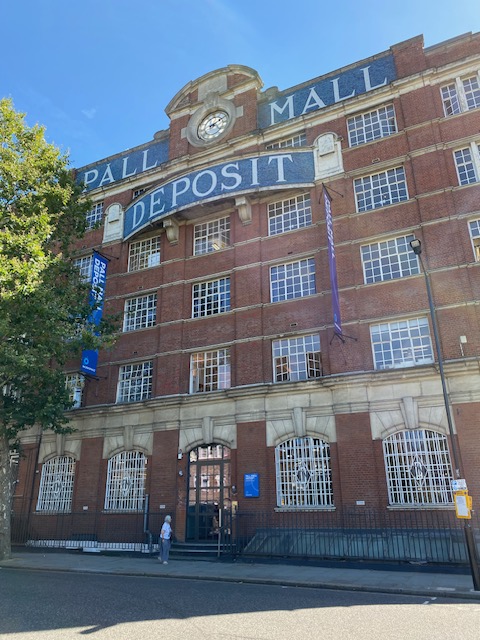
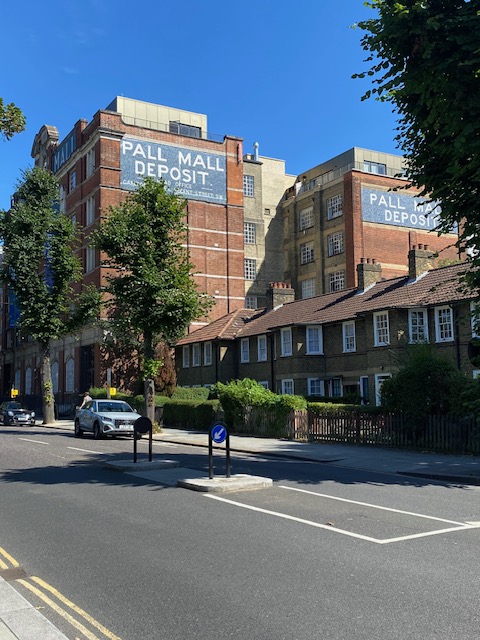
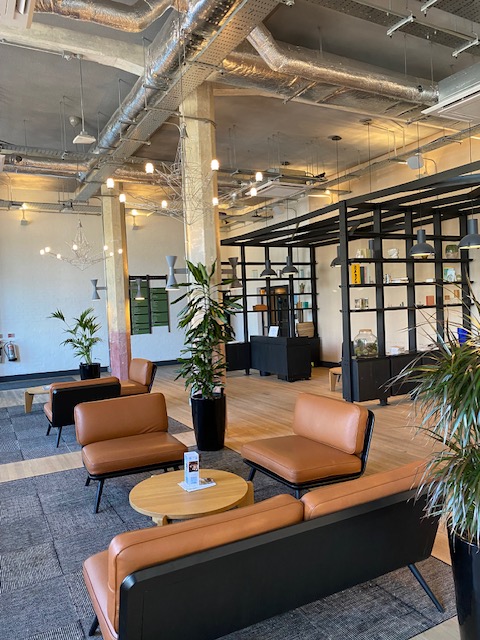
As soon as you get out of the bus, you’ll see the large Pall Mall Deposit building opposite. This used to be the safe deposit building for furniture and dates back to 1901. It’s kept its historical charm and character with the original period façade and architectural features still intact. The signage from its previous usage is still very visible from the street and is very impressive. These days the building is home to several multi-media and service-based businesses.
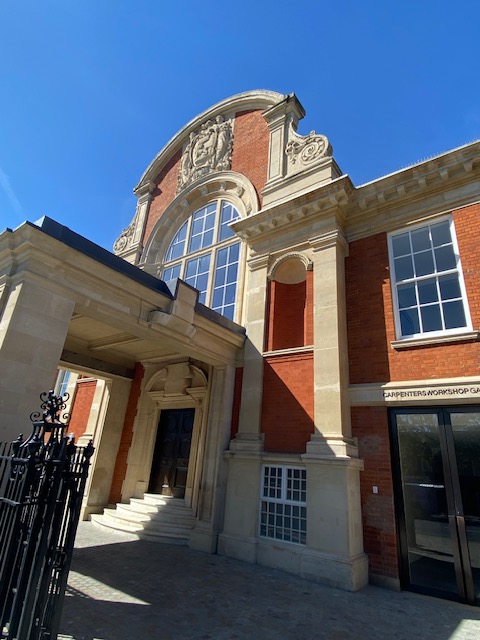
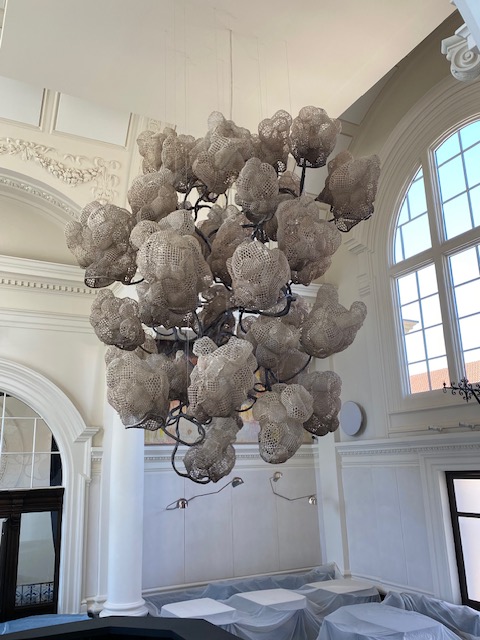
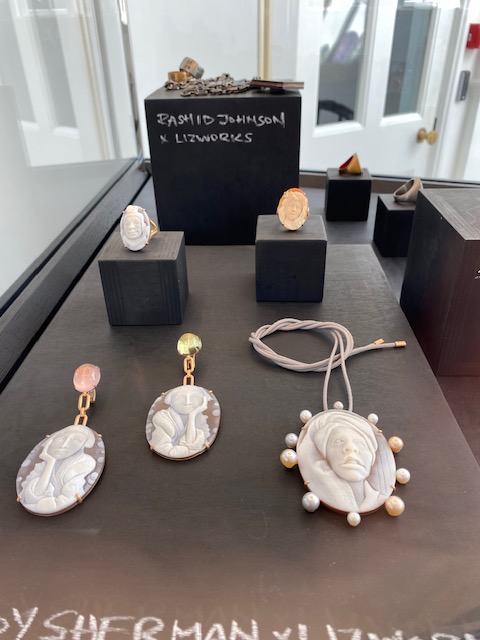
Another gem at this bus stop is Ladbroke Hall. Built in 1903, it was once the front building of an enormous Edwardian car showroom and assembly plant – the Clément-Talbot factory. The Beaux Arts building, with its grand portico and heraldic crest that sits on top of a magnificent arched window, has the feel of an Edwardian country house. In fact, it was financed by Charles Chetwynd-Talbot, 20th Earl of Shrewsbury & Talbot, who lent his family name and coat of arms to the company.
It was here at the Clément-Talbot works that the first armoured crawler tractor – the precursor to our modern day tanks – was developed. In the inter-war years, the first successful post-war Talbot was designed in 1926 by Georges Roesch, a gifted engineer and designer. The model was an immediate success and the factory was soon running flat-out to meet demand. In 1939, when war again intervened, all car production was suspended for the duration, while the factory site was used to repair Spitfire engines.
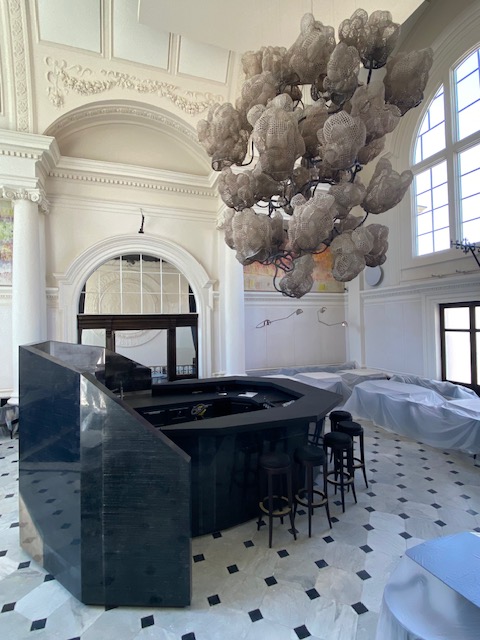
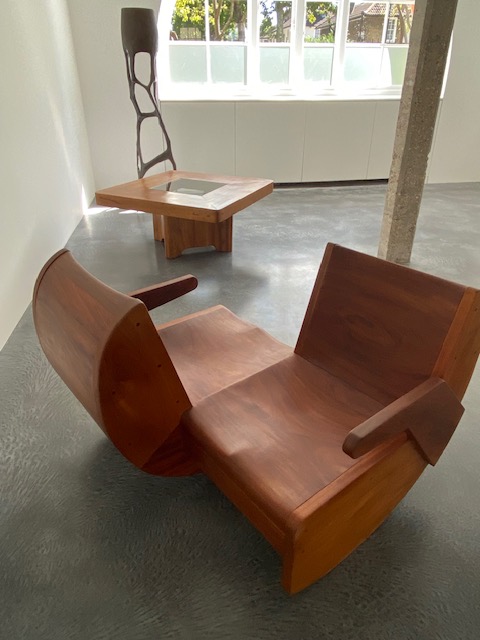
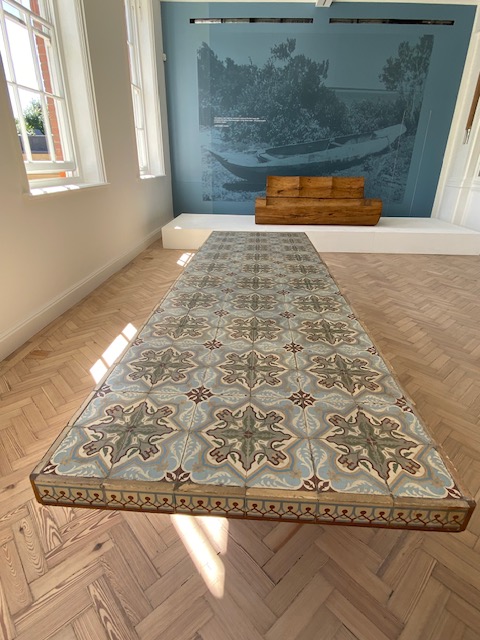
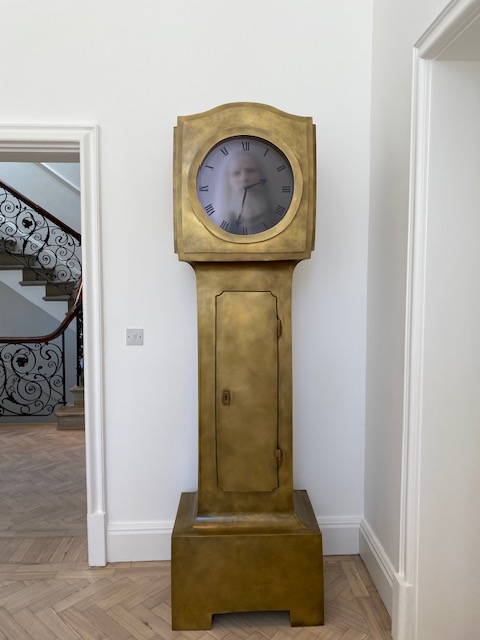
After the war, production was transferred to a new plant and Ladbroke Hall became the Rootes Service Centre. Eventually in 2019, the building was bought by Loïc Le Gaillard and Julien Lombrail, the founders of Carpenters Workshop Gallery, who saw the huge potential of bringing back to life this beautiful building, as an international venue for contemporary art, collectible design, culture, dining and music.
7. Powis Gardens bus stop
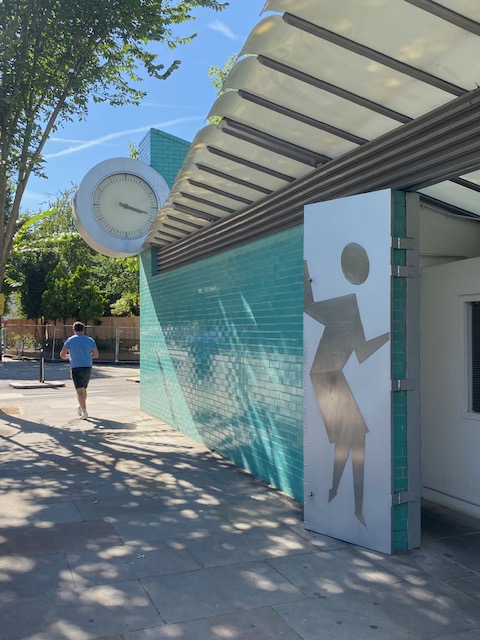
Not far from the stop are Westbourne Grove public toilets. Not the usual thing to post on this blog but they are too iconic to leave out. Kensington & Chelsea had these public toilets built in 1993 and by the following year, they had won an Environment Award. These loos have been made with flair and imagination – and with more than a hint of Gaudi and Lutyens! Although they look frivolous, they were built with serious intent, providing a much-needed service in the local area. The first public toilet was in Fleet Street and dates as far back as 1851. These days there are very few, with only one public loo per 8,000 people in the UK.
The toilets share a building with a flower shop and it’s thought that the rent from the shop in part offsets the cost of running the toilets.

This is a great bus route with so much of interest to see along the way. The museum at Gunnersbury is a total delight and with free entry, it really shouldn’t be missed.
Toilets that are free and open to the public:
- Gunnersbury House and Museum
- Pall Mall Deposit building
- Westbourne Grove public toilets (of course!)
 london routemistress
One response to “Bus route 70”
Helen,
<
div>How is the foot ? Do you plan to complete
LikeLike