
Canning Town to Walthamstow bus station
Highlights:
- Stratford Old Town Hall
- St Patrick’s Cemetery
- Master Bakers Benevolent Institution
- Sensory Garden
1. Start of route at Canning Town
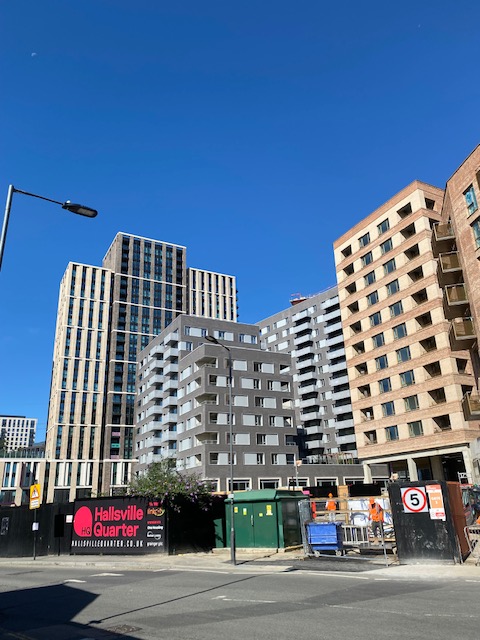
Canning Town is going through something of a regeneration and there are plenty of new buildings going up in the area. Walk round to Hallsville Quarter before hopping on the bus, and you’ll see many newly-erected blocks of apartments and those in the process of being built. It’s hoped that it will be the start of a vibrant community where once there was poverty and slums.


2. Stephens Court bus stop
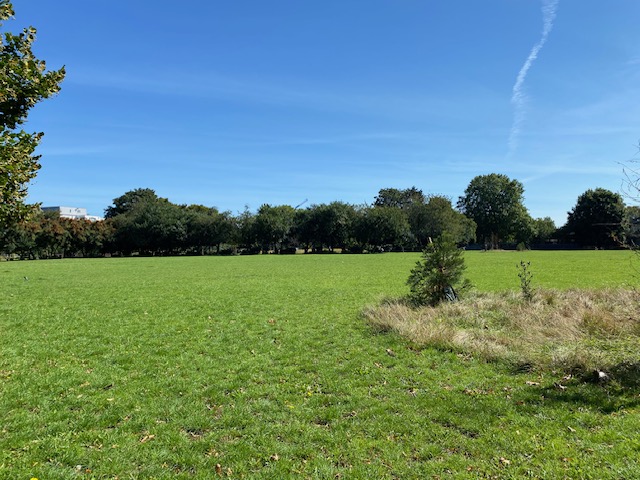
Not far from the stop is Hermit Road Recreation Ground, a relatively small but historic park. In September 1895, the land was the site of the first football match ever played by Thames Ironworks F.C., with the club playing its last game there in October 1896. In 1900, Thames Ironworks F.C. was reconstituted as today’s West Ham United F.C. The Recreation Ground opened as a public park in May 1899 following purchase of the land by John Bethell, Mayor (and later MP) of West Ham. Today, the park features a variety of trees, a substantial expanse of grass and a small rose garden named after Daisy Parsons (a pioneering suffragette born in Poplar in 1890 who later became West Ham’s first female mayor).

3. Plaistow Station bus stop
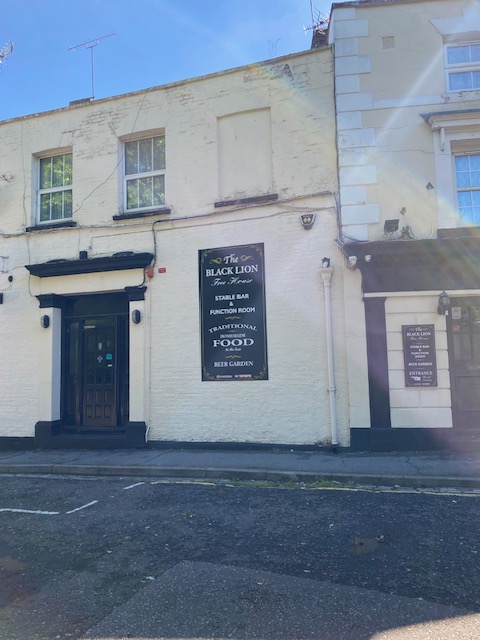
It’s worth taking a look at Plaistow underground station, which was opened as early as the 1850s. From there, walk towards the Black Lion pub. The original pub was built over 600 years ago and the present building dates back to 1747. It was once connected to underground tunnels that emerged near the old Upton Park football ground. Legend has it that the tunnels were useful to Dick Turpin who, supposedly, stabled Black Bess in the stables of the Black Lion.


4. Paul Street bus stop
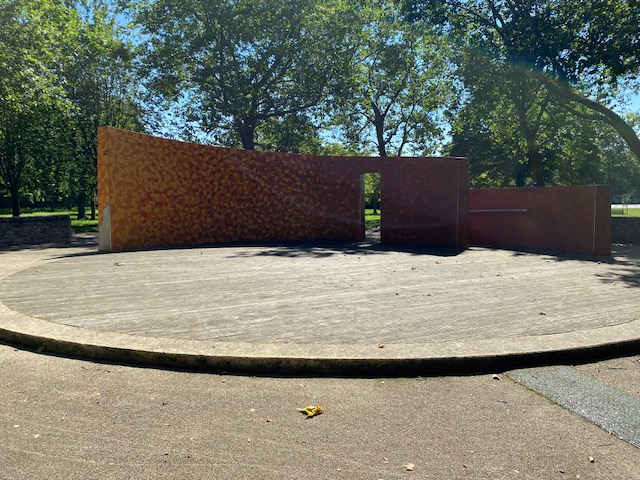
Alight here for Stratford Park, with its ornamental fountain set inside a pretty pond. There used to be a bandstand within the park and although it’s no longer there, it has been replaced with a performance “structure”. Also inside the park is Newham’s Poetry House, housing a vibrant poetry community, that meets every Saturday. They run workshops and readings for all age groups.


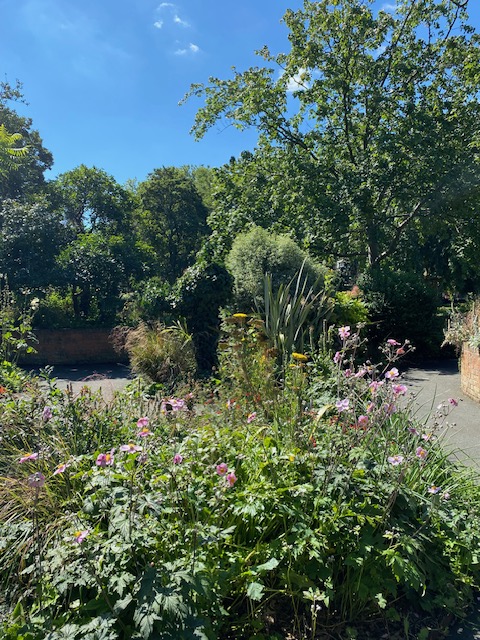
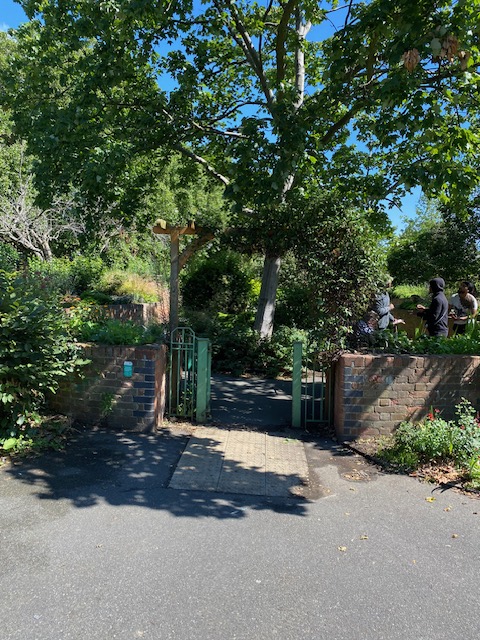
Perhaps the best feature of the park is the Sensory Garden. It was a Parkside Gardening project which encourages local residents to volunteer with the garden and it’s designed to help people with mental health challenges.. It’s a wonderful small space filled with lovely things for the senses and just taking a stroll round the garden, gives one a sense of peace.

5. Stratford Broadway bus stop
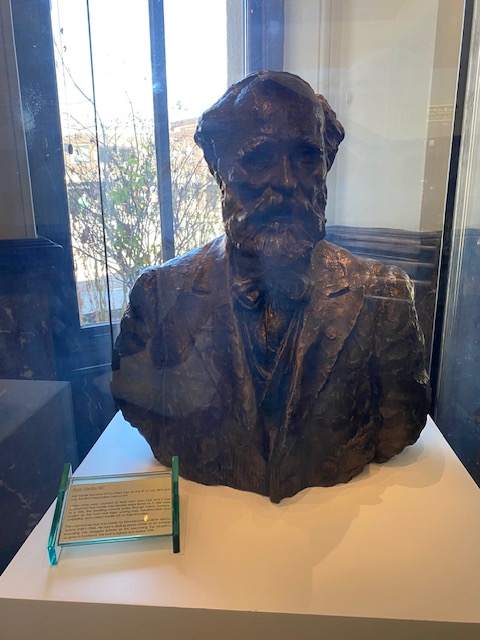
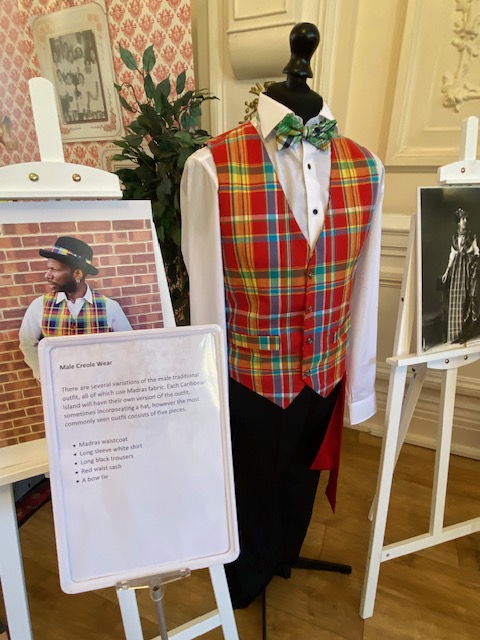
This is the stop for Stratford Old Town Hall, which is itself a building of interest but in particular at the time of writing, there was a fascinating exhibition about the Windrush Generation. Built in the Italianate style in 1869, the old town hall is now grade II listed. The interior staircases are quite dramatic and inside the foyer is a bust of Keir Hardy, who had been MP for West Ham and in fact was the first Independent Labour MP in Britain.


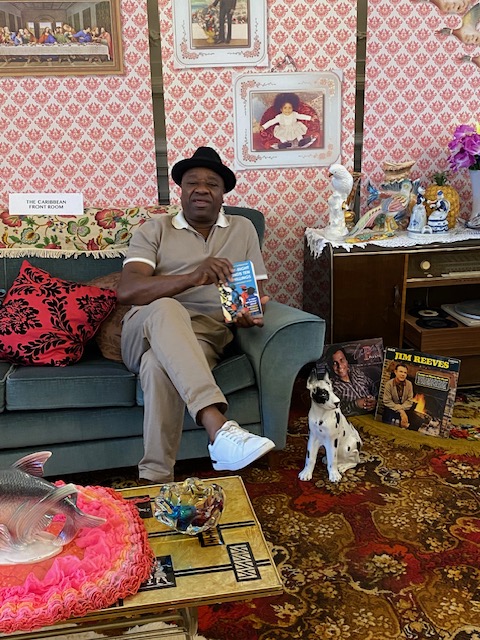
During August, there has been an exhibition for the Windrush Generation, with particular emphasis on Caribbean traditions. The curator of the exhibition is Tony Fairweather who gives a brilliant insight into how it was for the immigrants from hot climes, arriving in cold and grey England. There were several parts to the exhibition – artwork from local artist Marilyn Fontaine, an example of a Caribbean Front Room and an exhibition of traditional Caribbean dress, laid on by a local fashion organisation, Sakafet.


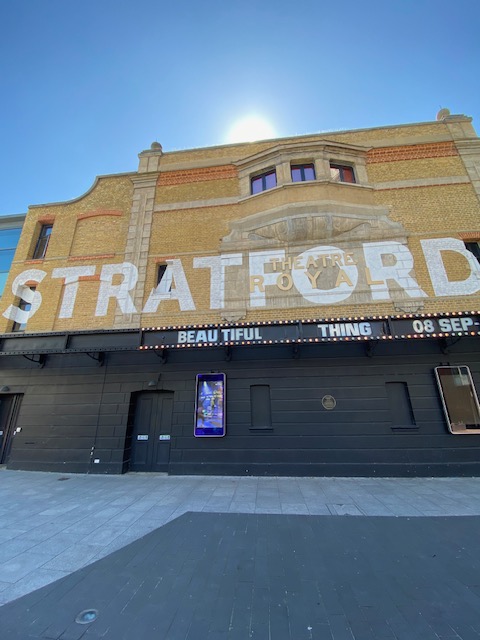
A few minutes’ walk from here is the Theatre Royal Stratford East. It was built in 1884 and its first play ever presented was Lytton Strachey’s Richelieu. In 1945, a group of actors and artists formed the Theatre Workshop, a new theatre company and took over the (by this time) derelict Theatre Royal. Under the direction of Joan Littlewood, the ‘people’s theatre’ was brought to Stratford East.
The theatre was in dire need of repairs but there were no funds for this work. So the company, in between rehearsing the plays for their first season, set about cleaning and painting. By 1955, The Theatre Workshop became internationally recognised.


6. Leyton station bus stop
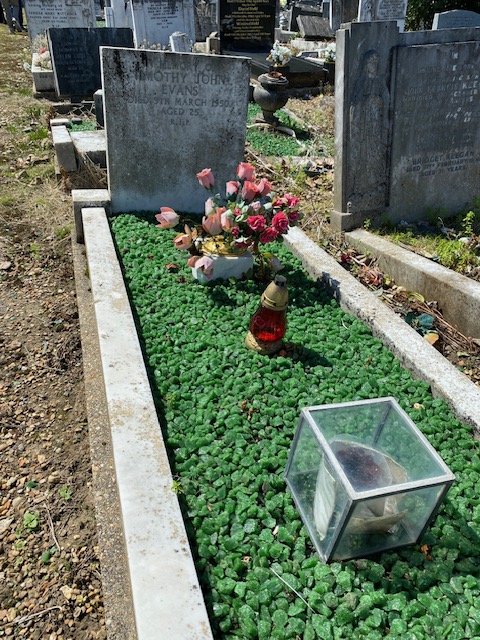
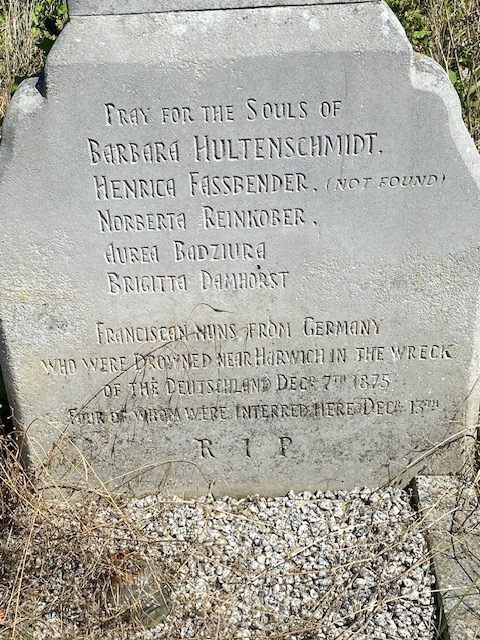
St Patrick’s Catholic Cemetery is a very well-laid out burial ground and the staff are incredibly helpful, if you want to find specific graves. Opened in 1868, it is one of only two Catholic cemeteries in London (the other being at Kensal Green). Some well-known people are buried here – Timothy Evans, who in 1950 was wrongly convicted of the murder of his wife and daughter, so went to his death at the age of 25. Mary Jane Kelly, Jack the Ripper’s final victim is buried here and she too was only 25 when she was killed. There is a poignant memorial for five nuns who perished in sea off the Kent coast, while on their way to America in the SS Deutschland in 1875. The bodies of four of these sisters were found but sadly the fifth is forever lost.


7. Buckingham Road bus stop
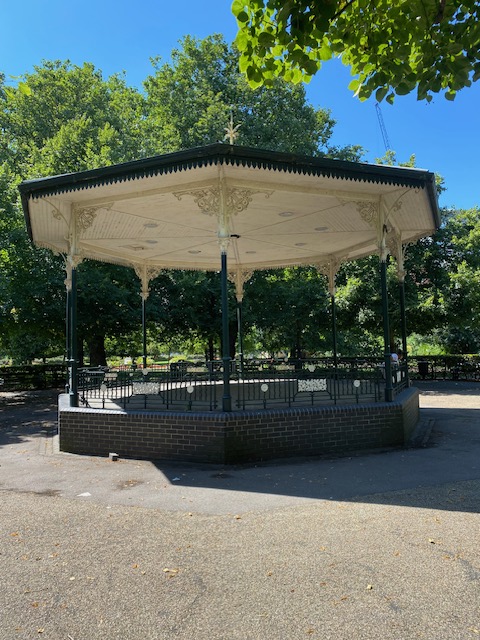
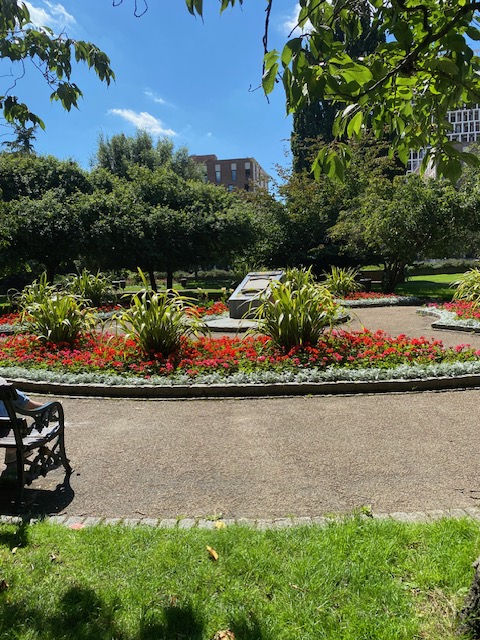
Coronation Gardens can also be found on bus 58. They were officially opened in 1903 and continue to provide a lovely place of calm and serenity. The band stand has enjoyed numerous and various acts from the Leyton Silver Band, to the Swinging Blue Jeans (60s band) and even some Shakespeare. The drinking fountain was erected to celebrate Queen Victoria’s Diamond Jubilee and there are memorials for those who died in both world wars.


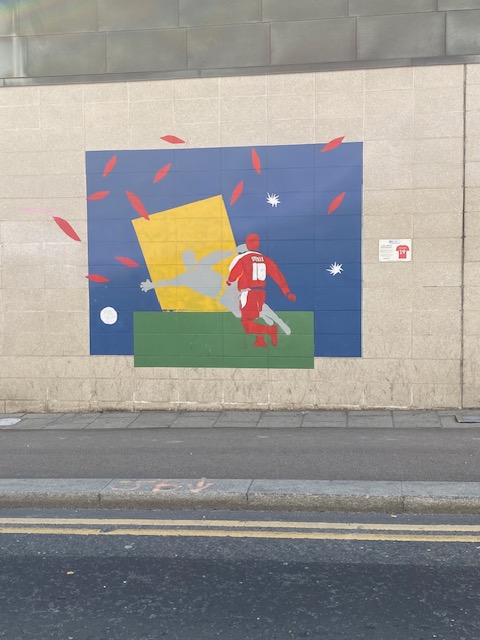
Round the corner from the gardens is Leyton Orient FC, formed in 1881 by members of the Glyn Cricket Club. They are the second oldest football club in London to play at a professional level, the older being Fulham FC. The name change to Orient came about at the behest of a player, Jack R Dearing, who was an employee of the Orient Steam Navigation Company.


8. Vicarage Road bus stop
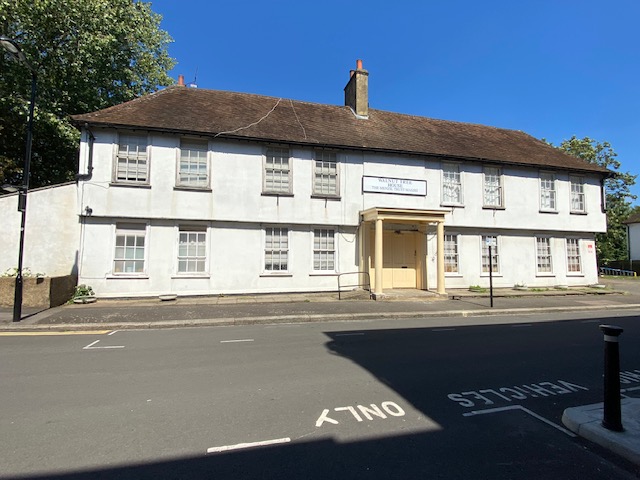
Near the stop is Walnut Tree House, otherwise known as Essex Hall. It’s the oldest building in Leyton, being approx. 350 years old. The house was remodelled c. 1700 and again in the early 19th century, giving it a largely Georgian appearance. Most of the sash windows and the wide central porch with Doric columns date from the early 19th century. In about 1870, it became a school, attended by Benjamin Disraeli for a short while, until he was expelled for fighting!

9. Lea Bridge Road/Bakers Arms bus stop
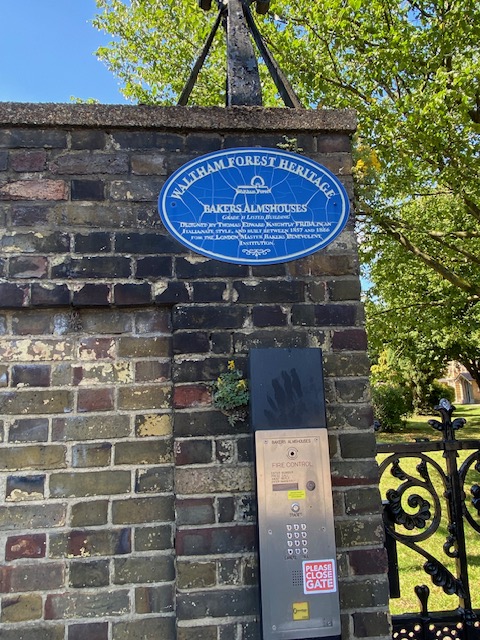
This is the stop to see the almshouses of The London Master Bakers Benevolent Institution (LMBBI). The almshouses date from 1857-66 and were designed in an Italianate style. The homes fill three sides of a quadrangle encompassing a well-kept garden. The name of the Rank family of flour millers features prominently in the homes’ roll of honour. LMBBI was originally established in December 1832 and in 1854 it was decided to build Almshouses, 10 were opened in 1857 and 52 were built by 1866. By 1923, help could only be given to Master Bakers or their dependants who lived within a 12-mile radius of Charing Cross.


10. Grove Road bus stop
Final stop on this route is to visit the Street of Blue Plaques. In Grosvenor Park Road in Walthamstow, many of the houses have blue plaques in their windows. This is to commemorate previous owners or residents of the houses. Danny Coope is a local artist and decided that everyone deserves to be remembered, not just the famous. So he curates and creates English Heritage-style plaques that celebrate real, former residents of houses and shops as if they were famous. The two here are from number 40 with the plaque stating “William Hemington, Fur Cutter lived here in 1911. All five of his children were also working in the fur trade.”
The other one is that of “Minnie Barton Necktie Machinist lived here in 1939 with husband Arthur, a boot repairer.” Coope created the blue plaques as part of the Art Trail for Walthamstow in 2011. Around 60 signed up to have the plaque displayed and many decided to keep them in their windows.


Another good bus route with some interesting things along the way. The highlight was the Windrush Exhibition at Stratford Old Town Hall, and it’s just a shame that it finished mid August.
Toilets that are free and available to the public:
- St Patrick’s Catholic Cemetery
- Stratford Old Town Hall
 london routemistress
2 responses to “Bus route 69”
Dear Helen,
<
div>Are you doing the 70 next week? I have arranged to see a bedridden friend
LikeLike
Dear Jill
Certainly my next route is 70 but I’ve managed to fracture a bone in one of my toes and I’m not sure if I’ll be able to get my shoes on! If I do, it’ll be Thursday this week as I’m seeing family on Weds. If I don’t make it, I’ll do either next Tuesday or Weds.
Where is your friend? Are you suggesting you join me again (you’d be very welcome!) I haven’t done my research yet so I don’t know the exact route of the 70.
Helen x
LikeLike