
Brook St Kingston to Ealing Broadway station
Highlights:
- Jacobean Oak Stairway
- King Henry’s Mound
- Pembroke Lodge
- Richmond Palace
1. Kingston station
Before getting on the bus, walk past Bentalls. It was established in 1867 by Frank Bentall who purchased a drapery shop in Kingston upon Thames. The main buildings were completed in 1935 to a design that was inspired by Wren’s design for Hampton Court. The iconic building dominates the corner of Kingston in which it’s located and is a great landmark.
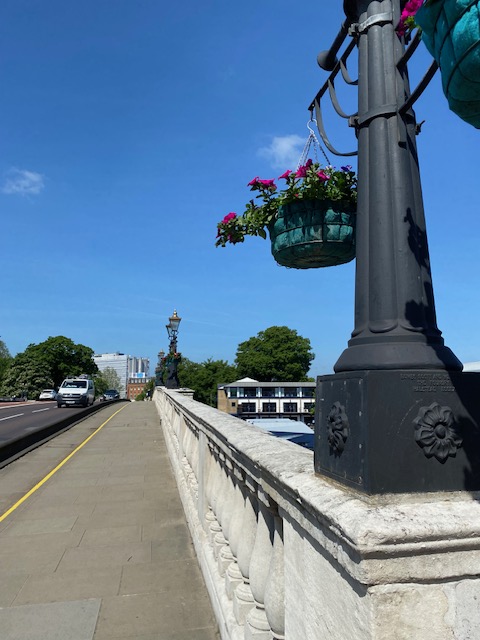
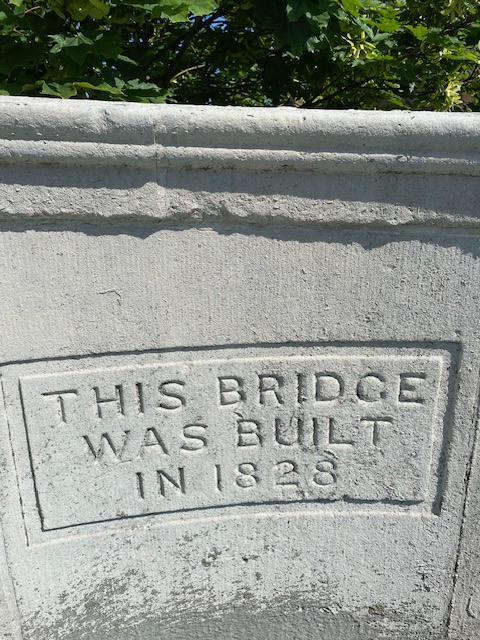
Walk a little further on and you come to Horse Fair aka Kingston Bridge. Kingston evolved as a market town from the Saxon period with goods transported on the Thames and over land. Rights to hold the markets were granted by royal charter. A horse fair was held at a site downstream of the river north of the bridge, hence the name of the bridge.


Head round to Market Place to see Druids Head pub, a grade II* listed building. Built in the 17th and early 18th centuries, it is the oldest surviving pub in Kingston. Originally a coaching inn, it was frequented by a number of patrons including Charles Dickens and Jerome K. Jerome (it is said he wrote “Three Men in a Boat” at the Druids Head.)
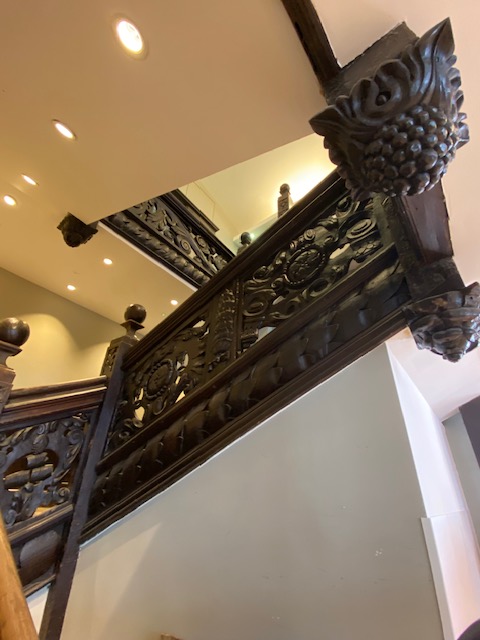
There are many ancient buildings in Market Place and a few are retail shops that have retained some of the original features. Inside Anthropologie is a magnificent stained glass window, which depicts the crowning of the Saxon kings in Kingston. And nearby is Next, where there is a remarkable Jacobean oak staircase. Originally part of the Castle Inn at 5 Market Place, the elaborately carved staircase was the main staircase at the inn. There are a variety of intricate carvings, including a castle, grapes, and Bacchus seated on a wine cask.



2. Eden Street
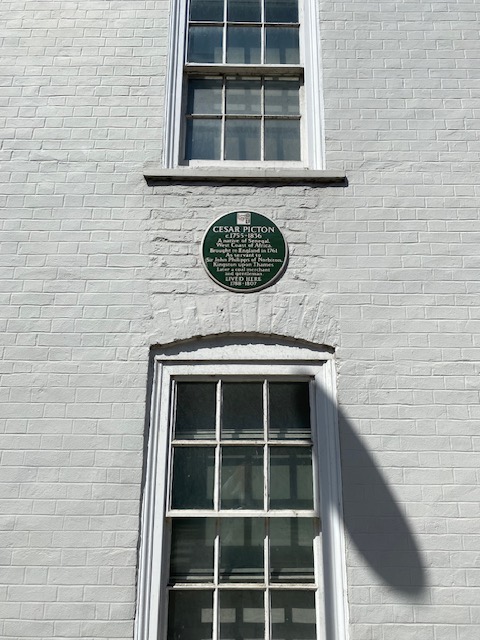
Walk past the Rose Theatre and you’ll come across Picton House, once home to Cesar Picton, a respected black businessman who lived there from 1788-1807. He had been brought here some years earlier as a slave from Senegal. He was just six years old when a British army officer who had served in Senegal gave the little boy to Sir John Philipps as a gift in 1761. Cesar took the surname of the Philipps’ ancestral home in Wales, Picton Castle, to give himself a proper English identity and rented the coach house and stables now known as Picton House.
On the way back to the bus stop is Eagle Brewery Wharf, which has fine views of Kingston Bridge (Horse Fair) and as the name suggests, was once the site of a brewery. It is now an open space along the river where it’s a treat to watch the boats go by.


3. Latchmere Road
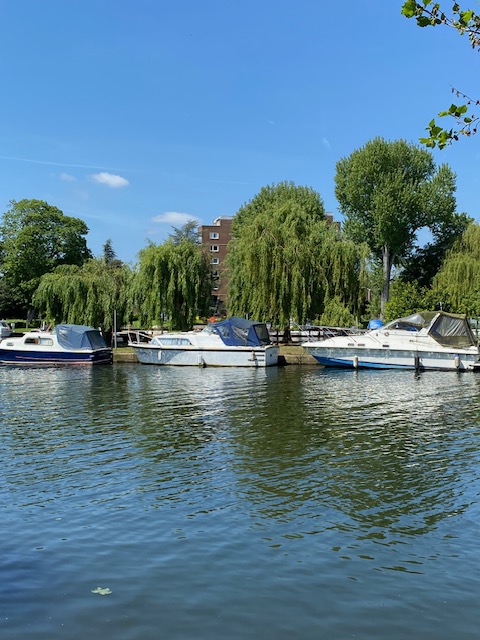
So much of Kingston is along the river Thames, and each stop is worth spending a little time there. A few minutes’ walk from this bus stop is Canbury Gardens which also overlooks the river. In fact, from here, you can see Steven’s Eyot or Ait, a tiny island in the middle of the river. Stevens was the family name of a boatman who lived in a cottage that stood in what is now Canbury Gardens.


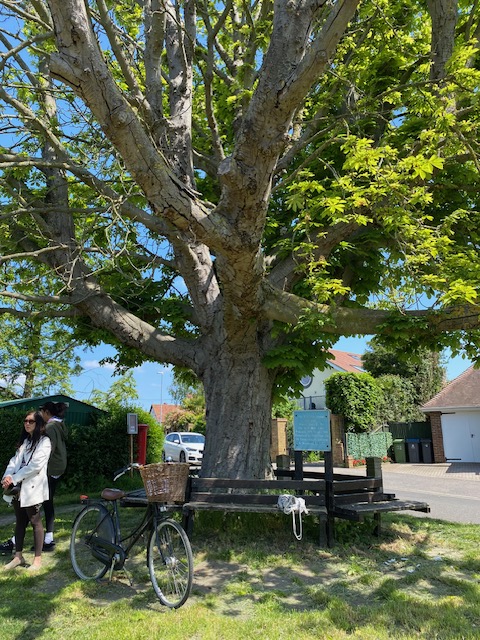
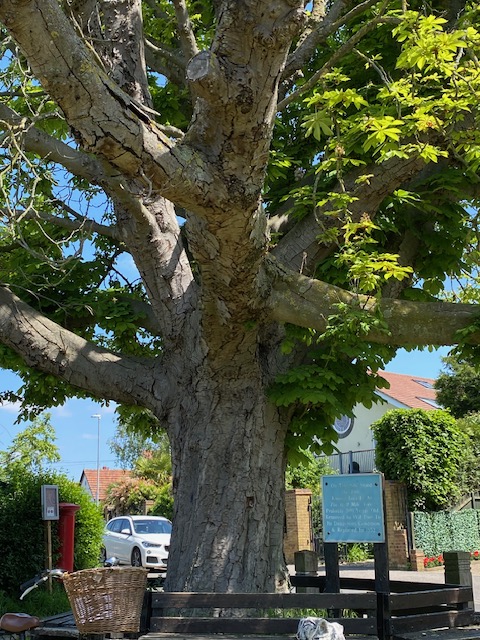
There’s a lovely walk from here to Half Mile Tree. So-called because of its distance to Kingston, this isn’t the original tree but it’s on the site of an elm that was approximately 500 years old at the time of its removal. It had to be removed due to its dangerous condition and the horse chestnut that was the replacement was planted in 1952. In its later years, the original elm was hollow, and it was said that a man could stand upright within its huge trunk. Later the trunk was filled with concrete in an attempt to preserve it.

4. The Dysart
Now a pub, The Dysart’s the original building on the site was formerly a farmhouse dating from the second half of the 17th century. The oak bar is not original to the pub, but had been bought in the 1850s from a decommissioned Napoleonic era warship. It is believed that Charles Dickens stayed at the inn, in the 1830s.
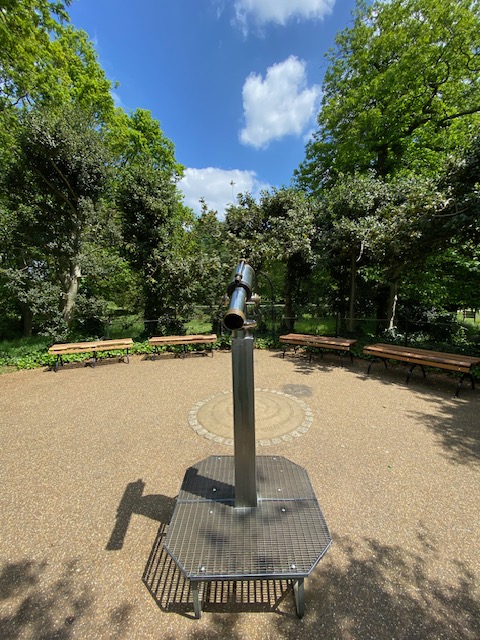
From the Dysart, cross the road and you’ll come to Richmond Park. The park is huge so it’s best to limit yourself to visiting the area that’s nearest to this entrance. First off is to find King Henry’s Mound. This steep mound had been a prehistoric burial chamber from the Bronze Age. It is said that Henry VIII himself stood here waiting for Old St Paul’s to send up a signal that Anne Boleyn had been executed at the Tower. The panoramic views of the Thames Valley to the west and distant view of St. Paul’s Cathedral to the east are spectacular. The St. Paul’s view has been faithfully preserved by generations of landscapers who have created a tree-framed sightline from the mound to the dome. The view is now protected and no new building is allowed to impede it.


From the Mound, walk through Pembroke Gardens to arrive at Pembroke Lodge, a unique Grade II listed Georgian Mansion. Depending on the time of year, you may get to see some beautiful wisteria draping the entrance. The building once housed prime minister Lord John (later, Earl) Russell and the childhood home of his grandson, the philosopher Bertrand Russell. During World War II, the Phantom Regiment had its base (including the officers’ mess and billet) at Pembroke Lodge. After the war, Pembroke Lodge became a government-run tea room. The lodge is currently privately run as a conference and wedding venue.

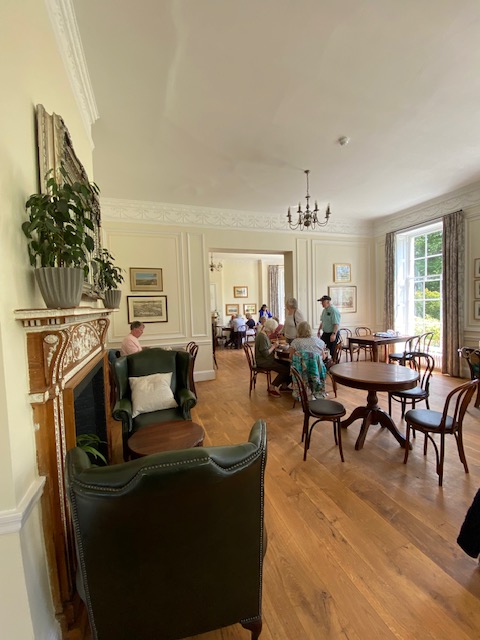
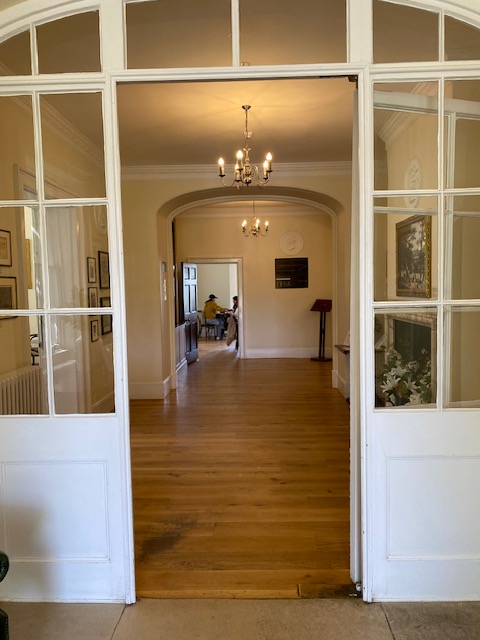
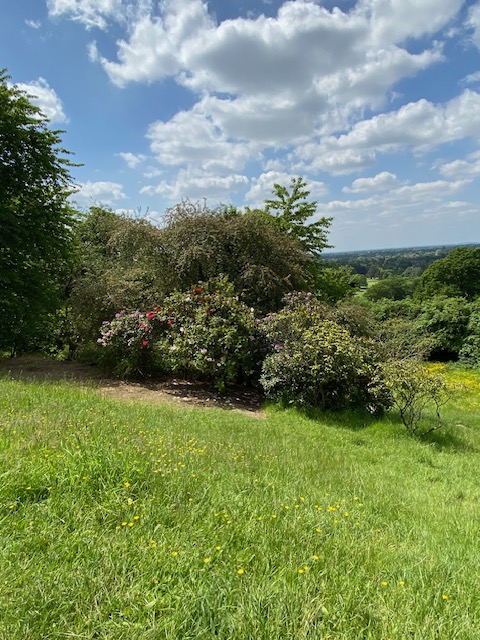
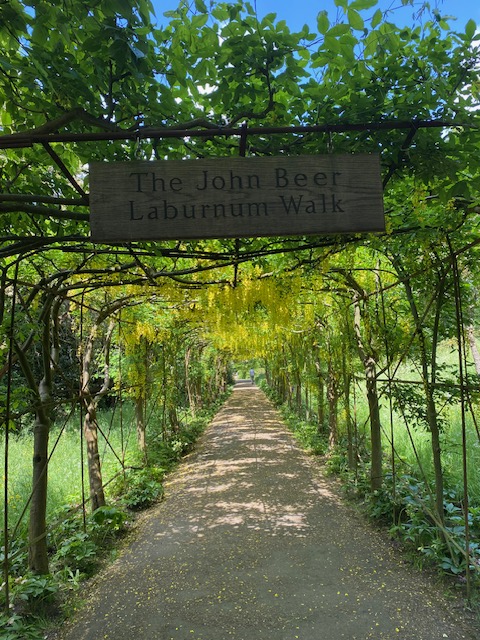
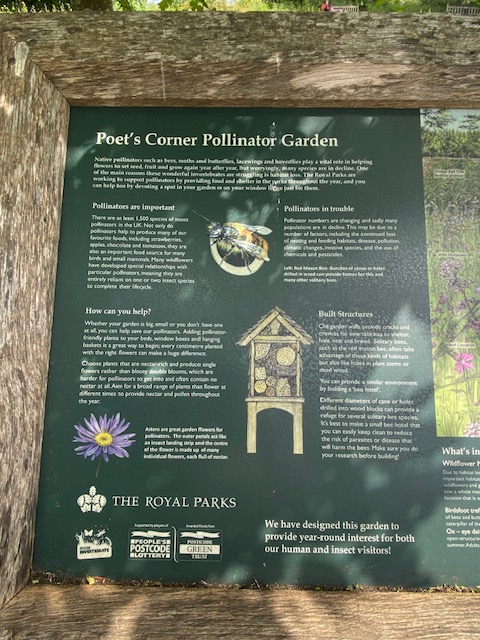
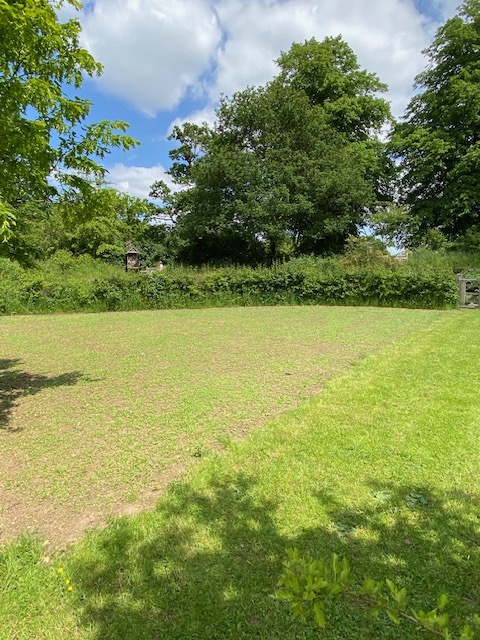
On the way back down from the Lodge, it’s worth taking a look out for The John Beer Laburnum Walk. Again, it’s great to go there in spring time to see the array of laburnum as you walk under the arch of trees. And then you’ll come across Poet’s Corner Pollinator Garden, populated by peacock butterflies, marmalade hoverflies, small coppers, red admirals, beetles and bees. The garden is so-named to commemorate the poet James Thomson (1700–1748), who was living in Richmond at the time of his death.

5. Nightingale Lane
The Royal Star and Garter Home is a truly impressive grade II listed building at the top of Richmond Hill. The first establishment on the site, an inn built in 1738, was relatively small. This was followed by several other buildings of increasing size and varied design. The hotel reached the peak of its fame as Richmond itself expanded in the 19th century during the Victorian era. In 1830s to 1890s, the hotel guests ranged from literary figures such as Charles Dickens to exiled crowned heads of Europe such as King Louis-Philippe and his wife.
Over the years, the hotel changed hands and was at one time given to Queen Mary in 1916 in support of her plans to establish a home for disabled soldiers. In 1919, it was converted into the Star and Garter Home, and in 2011, the charitable organisation that was running the home, sold it and it is now split into apartments.
Outside the building is an RSPCA fountain, a Grade II listed building, which is a fine example of Victorian metalwork. This Cattle Fountain was commissioned to commemorate the work of the local branch of the RSPCA. The design includes a drinking trough for dogs, at ground level.


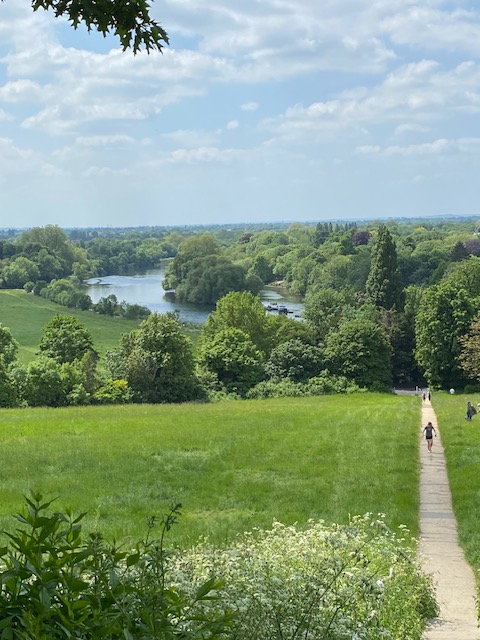
A short walk from here is Richmond Hill Viewing Point and the view is breath-taking. If you’re lucky enough to go on a sunny day, you can see down to the Thames and beyond.
6. George Street
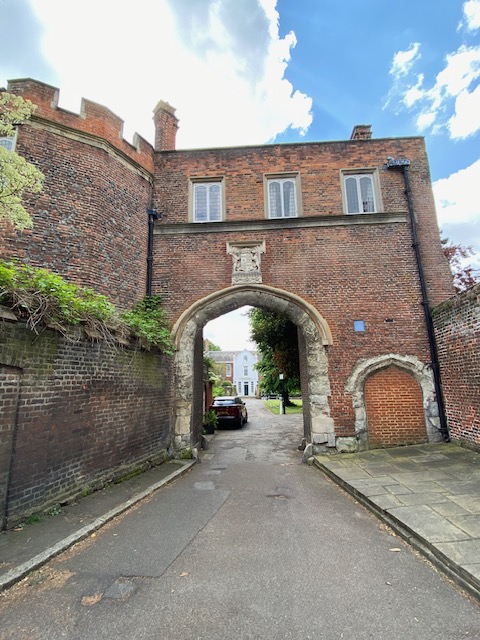
A short walk and you find yourself at Richmond Palace, which was built in about 1501 by Henry VII, formerly known as the Earl of Richmond. Richmond Palace was a favourite home of Queen Elizabeth I, who died there in 1603. It remained a residence of the kings and queens of England until the death of Charles I in 1649, after which it was sold and largely demolished. These days there still remains the Gate House, Trumpeters House and the Wardrobe.
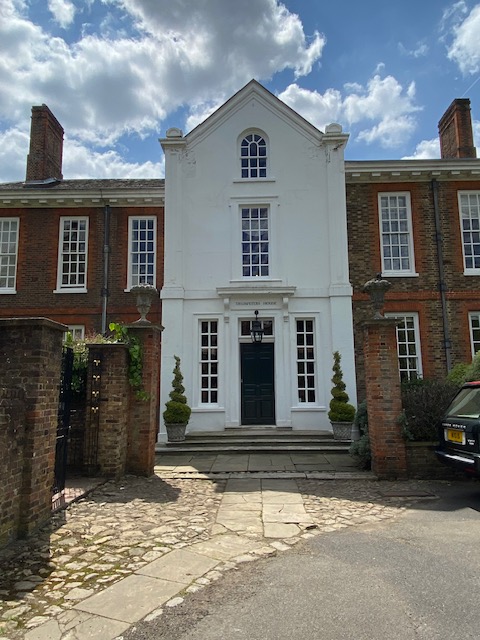
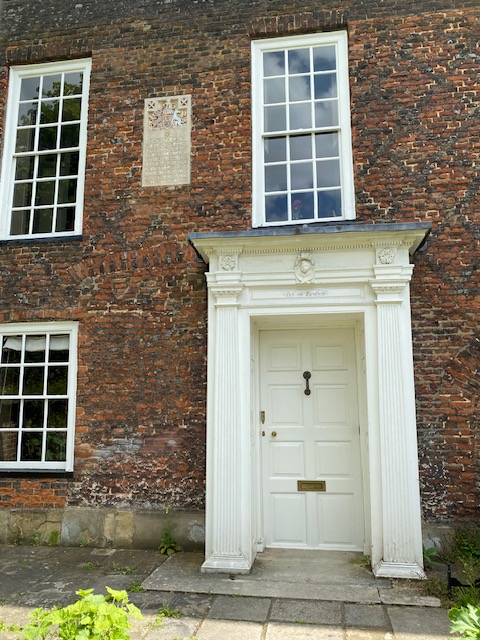

On the way back to the bus stop is an interesting looking Gothic House a grade II listed building. It was built in the 18th century as a lodging house with the later ‘gothic’ addition of the front porch.

7. Grange Road
Time to find the Pitzhanger Manor and Gallery from this bus stop. Pitzhanger Manor was the country home of Sir John Soane, one of the most influential architects in British history. He bought Pitzhanger in 1800 as a showcase for his collection and his talents, and a family home for a dynasty of architects, starting with his sons. He invited some of the most influential people of the day to dine at Pitzhanger, and used the house to show his clients what he could do for them.
The house and gardens are a lasting testimony to Soane’s skill and imagination as an architect, but the dynasty never materialised. In 1810, when his sons proved a disappointment, Soane sold Pitzhanger, and moved his library and collection of art and antiquities to his London home in Lincoln’s Inn Fields. (see bus route 1 for this Museum).
At the time of visiting in May 2023, there was an exhibition by the sculptor Anthony Caro. Please note that the gallery and house has an entry fee, although some of the exhibits are dotted around and can be seen without visiting the exhibition.


8. Bond Street
Final stop and at the end of the route is Walpole Picture Theatre “Archade”. Originally opened in 1908 as the Walpole Hall Roller Skating Rink, it was converted into the Walpole Picture Theatre in 1912. The conversion included the erection of a charming ornate façade that was faced in ceramic tiles, some of which had the theatre’s name inscribed. The building has changed hands and usages since then, but the most recent developers thoughtfully saved the tiled frontage and moved it to a side wall of a building a short distance away, where it remains to this day.
Around the corner from the “Archade” in Elizabeth Square in Ealing, is a stone sculpture entitled Ealing Rock, by sculptor Gordon Young. The sculpture bears the words from George Formby’s song “Count your Blessings and Smile” from the 1940 film Let George Do It!, which had been filmed at Ealing Studios.


This was another wonderful bus route, with so much to see. The areas of Kingston and Richmond are full of wonders and there was almost too much to get through in a single day. However, there will be other routes that pass through these places and any or all can be revisited.
Toilets that are available and free to the public:
- Kingston station
- Rose Theatre (on the way to Picton House)
- Pembroke Lodge
- Pitzhanger Manor and Gallery
 london routemistress
