
Vulcan Way, New Addington to Thornton Heath Pond
Highlights:
- St Mary the Blessed Virgin church
- Birch Selsdon
- Water Tower and walled garden at Park Hill Park
1. Kennelwood Crescent
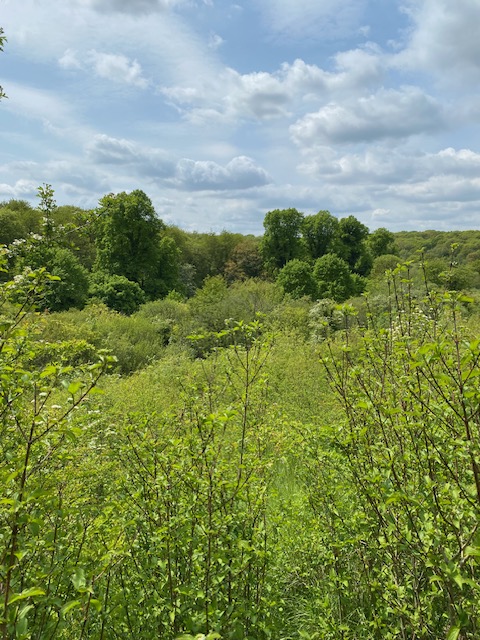
First stop on this route is to visit Hutchinson’s Bank Nature Reserve. The site has scrub with wild privet, dogwood and a wayfaring tree as well as a wide variety of plants, butterflies and birds. Plants include rare orchids, and greater yellow-rattle. It’s a lovely start to the journey, with plenty of beautiful views.


2. Addington Village Interchange
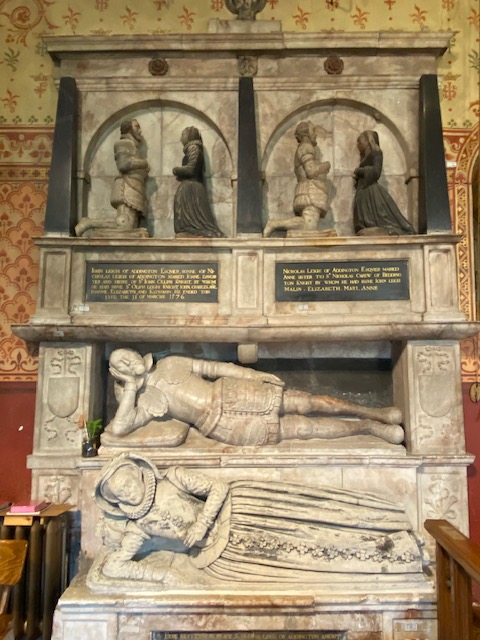
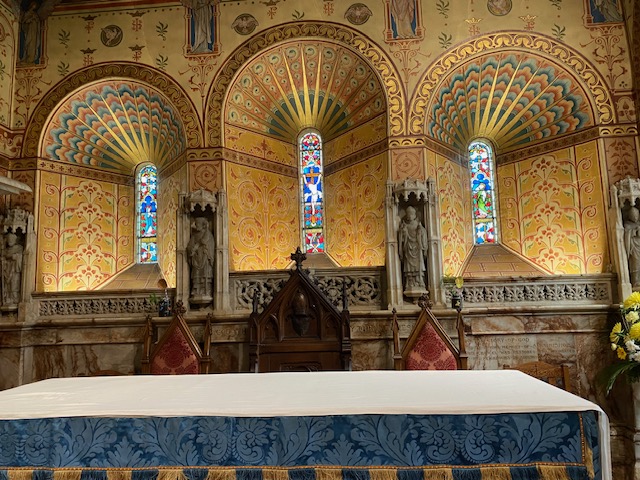
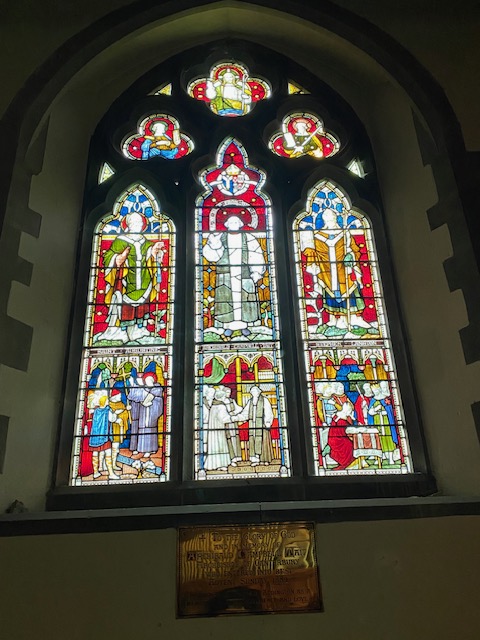
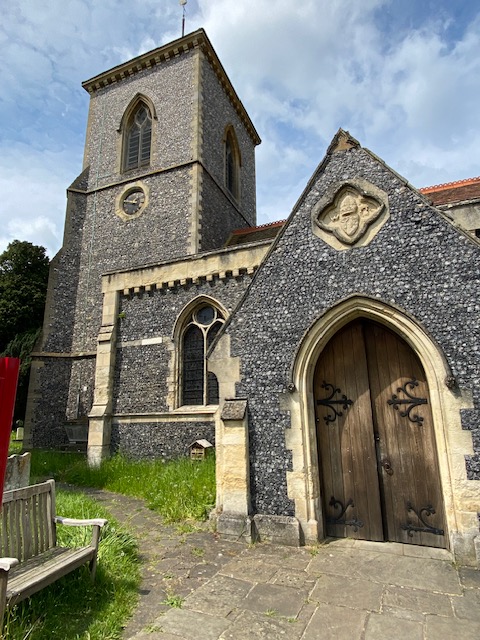
Not far from the stop is St Mary the Blessed Virgin church, which is said to be the oldest building in the borough of Croydon still in public use, with a founding date of around 1080. It has Grade I listed status and it’s easy to see why. There is so much of interest both within and outside the church – Five Archbishops of Canterbury are buried here and there is a spectacular Sussex marble slab inside dedicated to John Leigh and Nicholas Leigh – from the family that had been benefactors to the church. The stained glass windows are similarly beautiful – the trio of windows behind the altar date from 1140 and really need to be seen to be fully appreciated.
Outside in the churchyard is an ancient yew tree which is at least 500 years old. There are many gravestones – some of them for former Archbishops of Canterbury – and some to commemorate those who died in the world wars. There is a war memorial just outside the churchyard, specifically for World War 1 heroes.


3. Gravel Hill
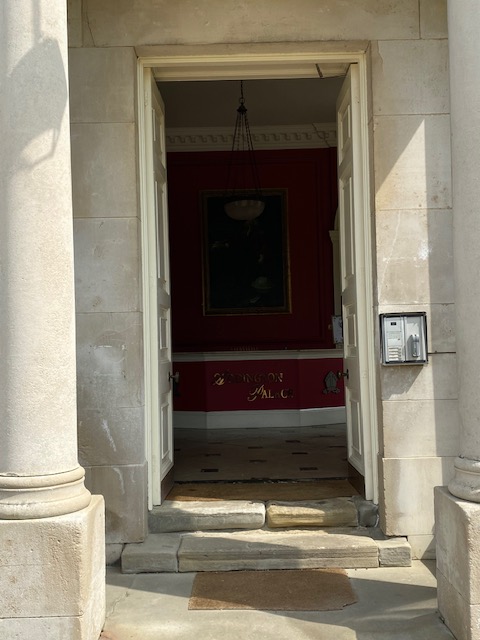
When you alight at this stop, you have a 10 minute walk to Addington Palace – and although it’s generally not possible to go inside, it’s rather an interesting building, surrounded as it is by a golf course with its accompanying Addington golf club. The latter dates back to 1913 and had such illustrious members as King George VI who became patron in 1937.
Addington Palace has a remarkable history. It is an 18th-century mansion, built near the site of an earlier manor house belonging to the Leigh family. It is particularly known for having been, between 1807 and 1897, the summer residence of the Archbishops of Canterbury. Between 1953 and 1996 the mansion was occupied by the Royal School of Church Music and is now used as a wedding and events venue.



4. Old Farleigh Road
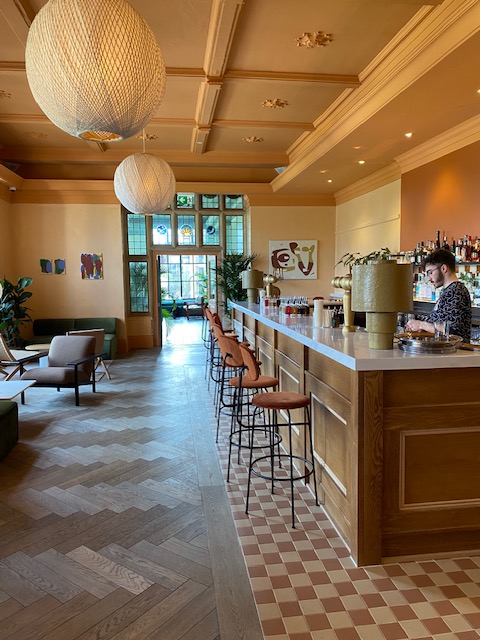
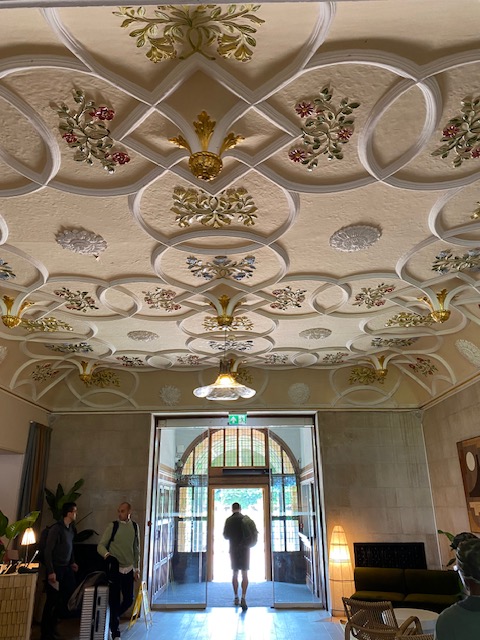
Another 10 minute walk from this bus stop to Birch, formerly Selsdon Park Hotel, now a holistic centre which is about to have a soft launch (May 2023). It is definitely worth the effort of getting here. It’s an amazing building and is quite massive. Selsdon Mansion (as it was previously called) was once an Anglo-Saxon hall, a medieval farmhouse, a Tudor and Elizabethan manor house and a Victorian country seat.
In 1538 King Henry VIII gave the manor to his financial advisor Sir John Gresham and it is believed the King stayed there whilst secretly courting Anne Boleyn who was staying nearby. Over the years, it transferred hands many times and in 1924, it was bought by a rich businessman and converted into a prestigious hotel. In the 1930s, the whole of the building was covered in brick to give a Neo-Jacobean appearance.




5. Birdhurst Gardens
Alight here for Park Hill Park where you will find a most impressive Water Tower. The Croydon Water Tower is a grade 2 listed building, which was built in 1867 to provide clean water to the expanding population of the area. Designed in a Norman terracotta style by Baldwin Latham, the borough engineer at the time, it stands 125 feet high.
The top of the tower was 292 feet above sea level and this provided the necessary gravitational force to provide water to all of Croydon. The site was discontinued in 1923 and replaced by a new reservoir on higher ground at Addington Hills. At the moment, the crown of the tower is covered in scaffolding as it’s undergoing structural repairs. It’s not possible to get near the structure, especially while the repairs are taking place, but the tower stands tall and above the tree-lined park and is quite mesmeric to see.
Also within the park is a walled garden, full of delightful flora, with its own medicinal herb garden. A section of this garden is dedicated to Cicely Mary Barker, the celebrated artist who was born in Croydon and was famed for creating the Flower Fairies paintings.


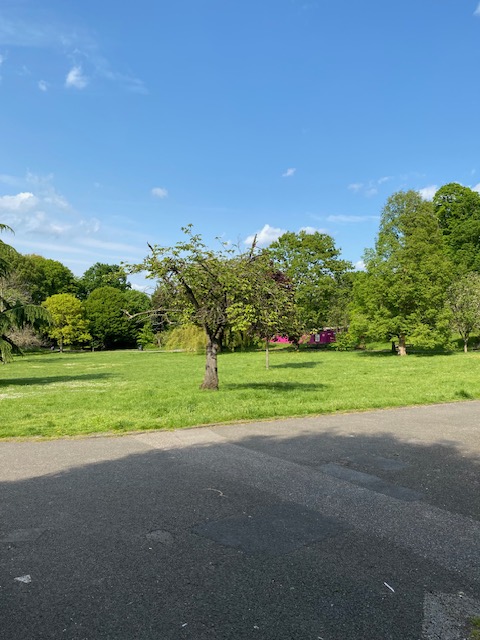
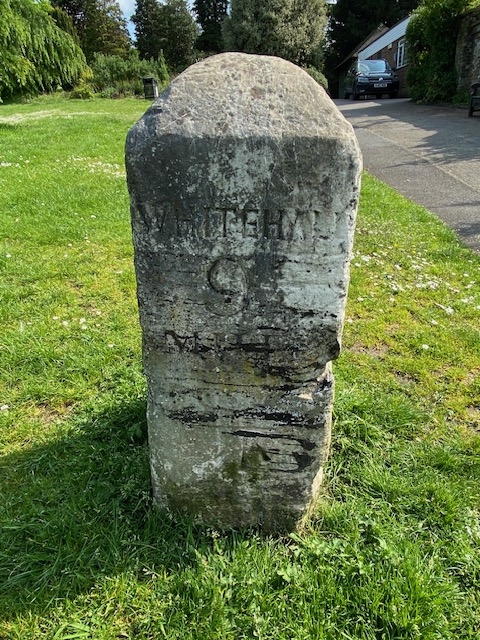
Park Hill Park was once a deer park and was subsequently used for farming and even racing. There is a large stone post stating that Whitehall is 9 miles from this spot but there is no explanation as to why it is here. These days, the park is a lovely open space for strolling and taking in the ambience.
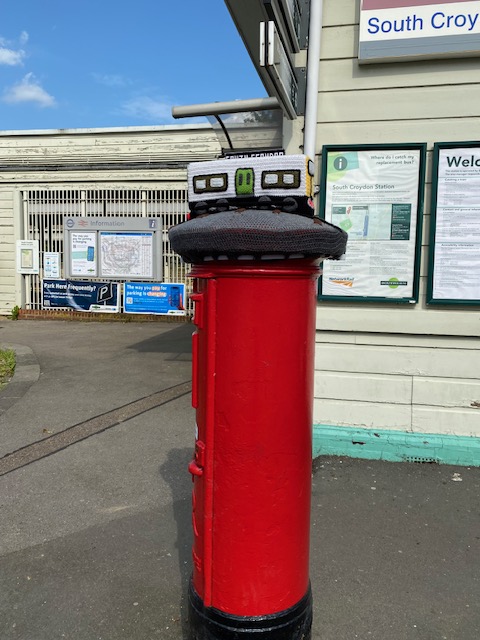
Final visit of the route is to South Croydon station where the post box, dated back to King George VI’s reign, is topped with a knitted model of a train, sitting at the station. It’s pretty and eye-catching and is sure to delight all passing train passengers.

There are some really interesting buildings along this bus route as well as an abundance of parks and open spaces.
Toilets that are free and available to the public:
- Harvester restaurant near St Mary the Blessed Virgin
- Birch Selsdon
 london routemistress