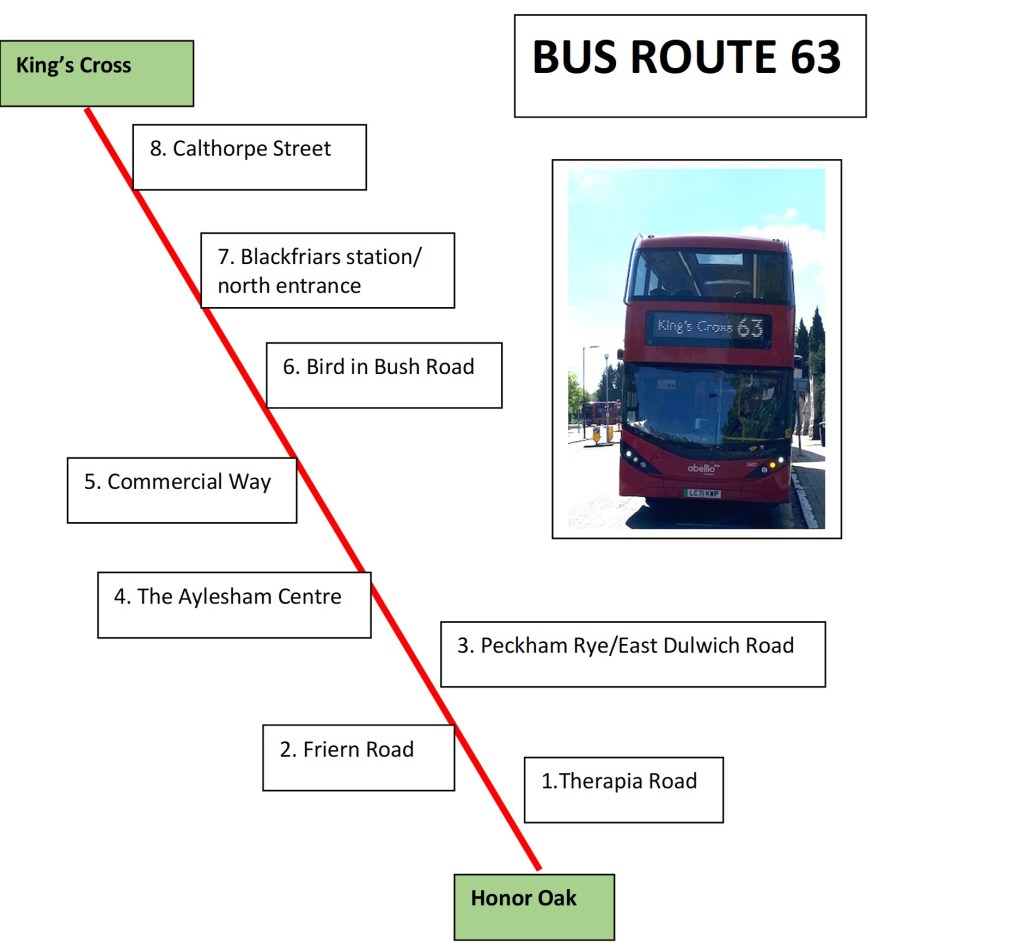
Honor Oak to Kings Cross
Highlights:
- The Oak of Honor
- Feminist Library
- Victorian bridges – Commercial Way & Hill St
1. Therapia Road, Honor Oak
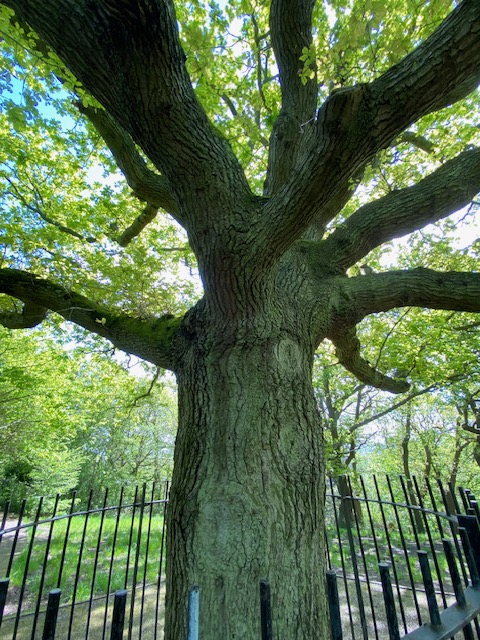
A few minutes’ walk from the start of this route is One Tree Hill. Its name, and that of the Honor Oak area, derive from the Oak of Honor, a tree on the hill which marked the southern boundary of the Norman Honour of Gloucester. According to legend, Queen Elizabeth I rested under an oak at the summit on her way to visit Lewisham in 1602.
As well as finding the oak – which is resplendent in the springtime – nearby you will also see an octagonal platform, in a rather poor state of repair. It was built in WWI to mount a gun for countering Zeppelin attacks. There’s also a tall beacon next to this platform. It was erected to celebrate George V’s Silver Jubilee in 1935, and was last lit during the last Queen’s coronation in 1953.
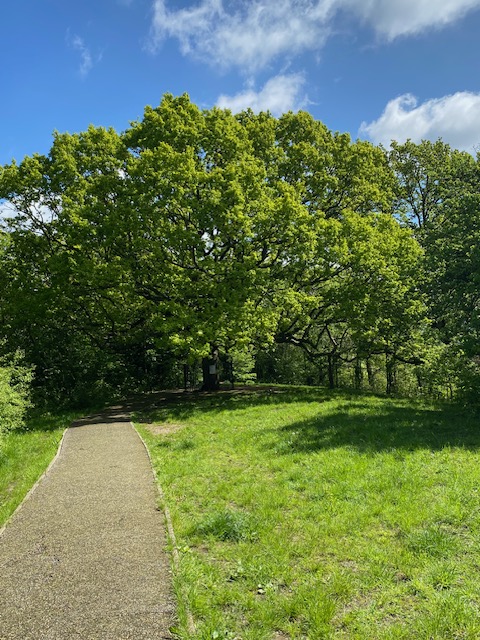

The views from the top of the Hill are breath-taking – on a clear day, it’s possible to see the city of London, including the Shard as a prominent feature.

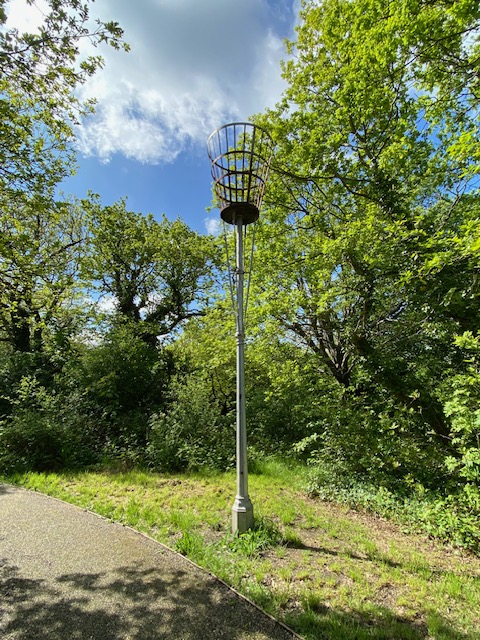

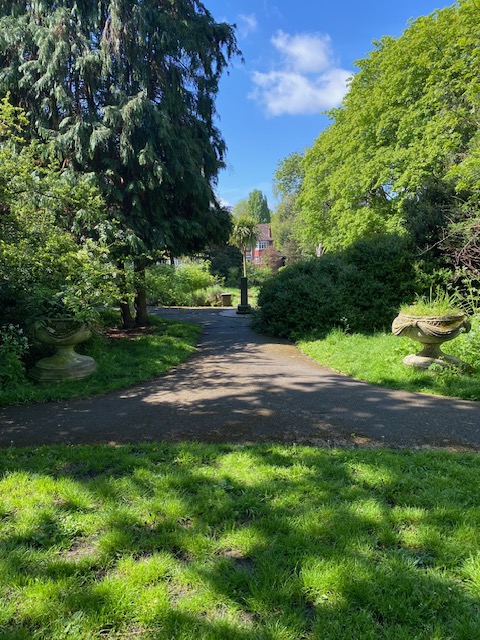
On the way back to the start of the route, you’ll pass the entrance to Brenchley Gardens, a small but really beautiful park with an abundance of trees and plants. The gardens are named after Alderman William Brenchley as a token of gratitude for the good works he carried out for the borough.
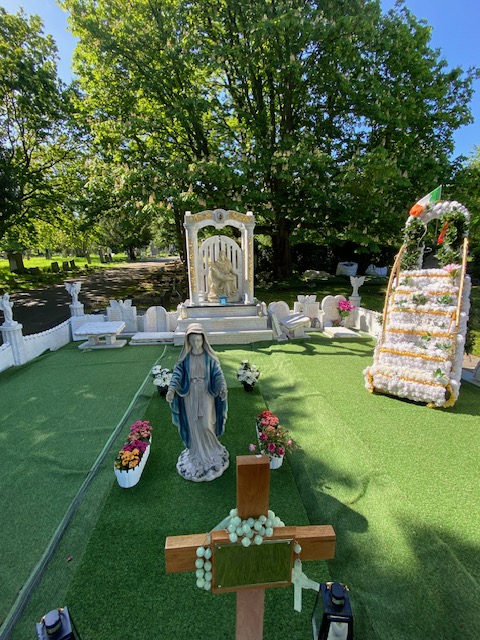
And right by the bus stop is Camberwell Old Cemetery, dating back to the mid 19th century. There’s an eclectic mix of graves and stones, with a mix of the highly ornate to the very plain.


2. Friern Road
Peckham Rye Park can be found on a previous bus route (number 12) and this bus stop accesses a different entrance to the park. Near the café and visitor centre, there’s a board that explains that it’s the site of previous Prisoner of War huts. They initially housed Italian POWs who grew vegetables and raised chickens and pigs, but later they were replaced with German POWs and European refugees.
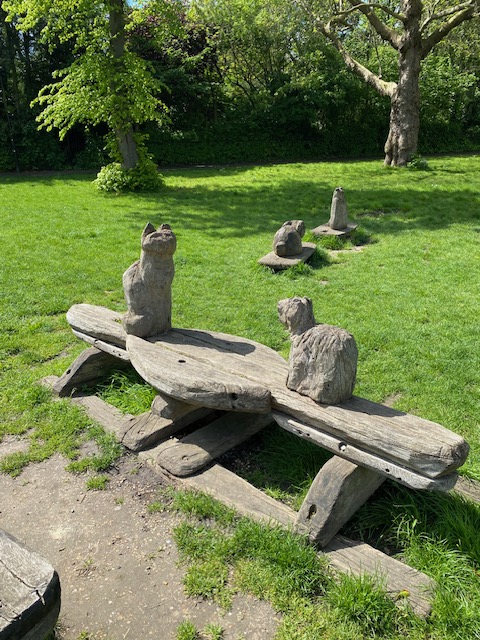
Near the café are some cute wooden animal sculptures that are scattered about and are fun for the children to play with and on.
Walk around the park and you’ll come across the community wildlife garden where several volunteers can be seen working their magic. Then there is the Oval Garden, which has lovely flower bedding displays, particularly in the spring, summer and winter, set within an oval-shaped expanse of grass.



3. Peckham Rye/East Dulwich Road
Alight from the bus and you’ll come face to face with the Old Bank apartments. As the name suggests, this building was once the home of a bank, later turned to offices and more recently into 7 apartments.

4. The Aylesham Centre
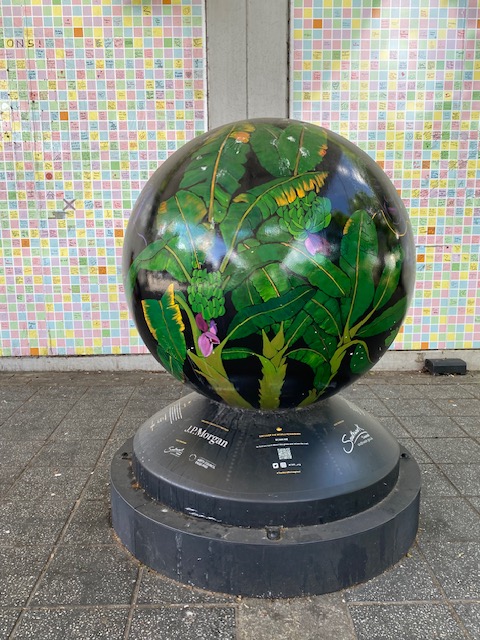
Here is Peckham Peace Wall, which began life after disturbances in the area in August 2011. Four members of a local theatre company covered a broken window on a nearby shop – this attracted thousands of local residents who put up post-it messages of love and respect. The broken window eventually needed to be fixed and the public were asked how to keep this record of emotional response to the disturbance. As a result, the peace wall was created and kept for a permanent reminder, both of the awful events of 2011 and the public response of love.
There are also some globes that represent peace, that have been sponsored by large and local businesses as well as the local council and Arts Council.



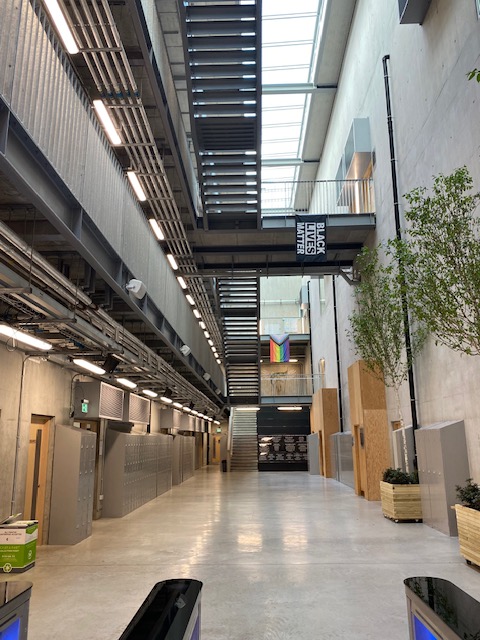
Just past the platform, is the drama school, Mountview. With its origins in Crouch End, north London, this Academy provides specialist vocational training in acting and musical theatre, as well as production arts. Its current president is Dame Judi Dench and notable alumni include Ken Stott, Brendan Coyle (Downton Abbey) and Amanda Holden. They run both short and degree courses here in theatre, musical theatre and creative production.
On the fourth floor is a very spacious bar which has wonderful views over London – they even provide a powerful telescope to see the London outline better.


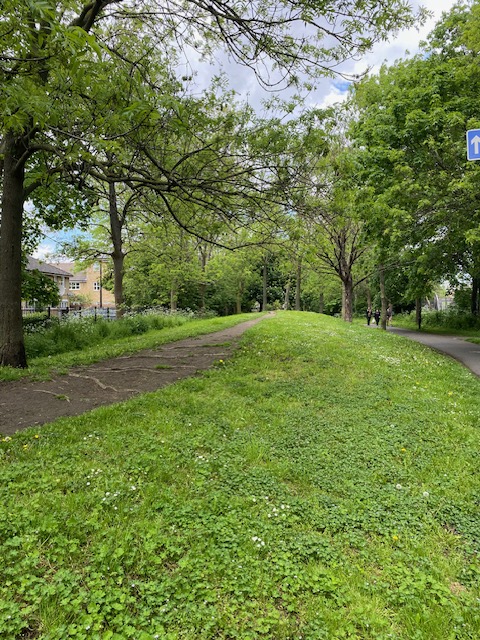
Come back outside of the building and head for the Surrey Canal Walk. Almost nothing is left of the original canal so it feels strange to stroll along the paths. The old canal was created in 1801 and it was finally filled in in 1974. However, it’s a lovely place for spotting flora such as hazel trees and honeysuckle, since the council regenerated the site in 1995. It gets pretty busy and is popular with both walkers and cyclists – though there seems to be more motorised wheels these days.



5. Commercial Way
It’s a bit of a walk but it’s worth the trip to the next place of interest – to the South London Gallery at the old Fire Station. The grade II listed building is a contemporary arts centre and at the time of writing, there was an exhibition by John Costi. Costi draws on cultural and personal references from his Cypriot heritage, growing up in north London and his time spent in prison. The gallery offers residency to early-career artists who have gained a BA, putting on different exhibitions from these budding artists.
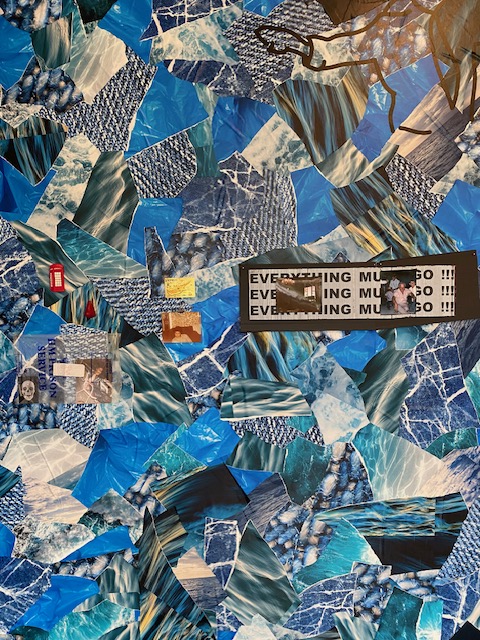
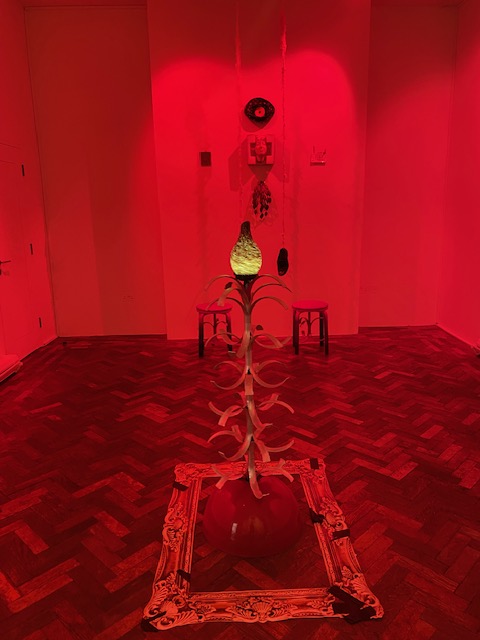


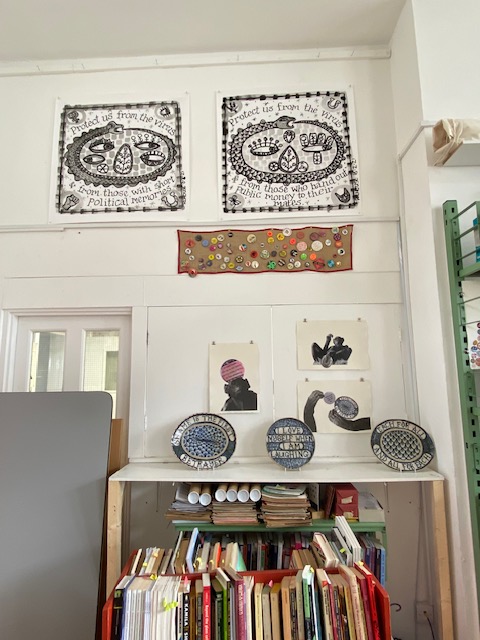
If you ever wondered what a Feminist Library is about, visit this one in Sumner Road. It’s run mainly by volunteers, and serves both as a library and a community space, housing a large collection of feminist literature, whilst providing an inspiring learning and social space for thousands of people. The library offers residencies to local talent and the latest is Rachael House, whose artistic work is on display. Through collages and slogan ceramic platters, she points out that there is an alternative to our current political situation. In one of the windows is a tribute to Rosa Parks – the black American activist who refused to give up her seat on the bus to a white man. She is often referred to as “The First Lady of Civil Rights”.


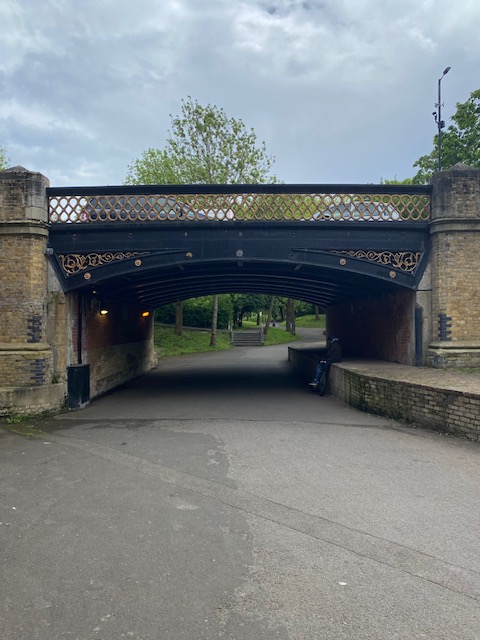
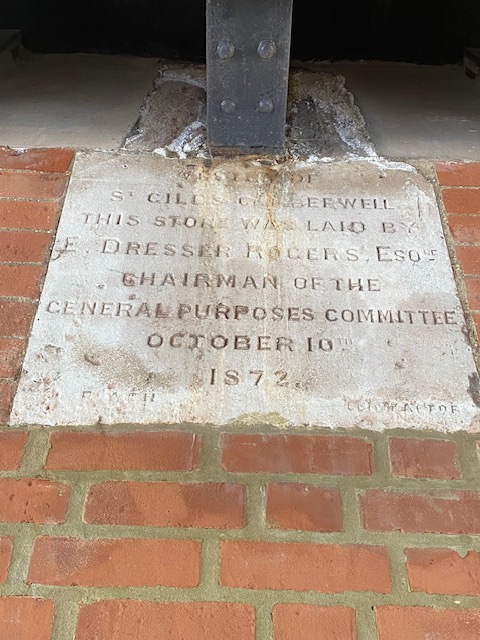
Round the corner from the library is one part of a pair of bridges that once spanned over the Surrey Canal. This is known as Commercial Way Bridge , formerly Globe Bridge. Under it, there is a plaque to explain that the foundation stone was laid by Dresser Rogers Esq, Chairman of the General Purposes Committee, on the 10th October 1872. See below for the second of the pair.
6. Bird In Bush Road
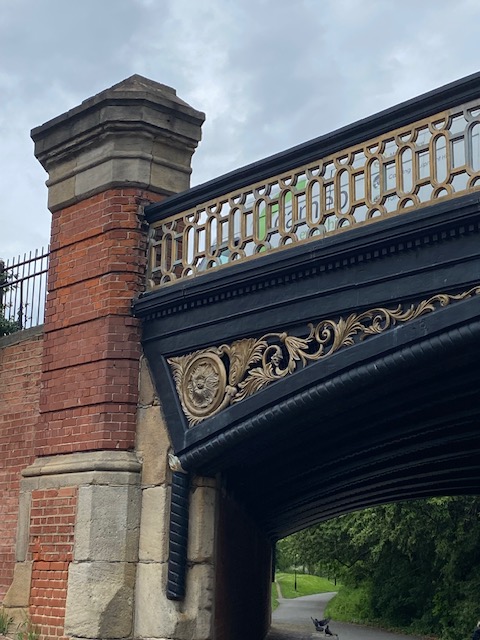
The other bridge from the pair is near this stop – originally called Willowbrook Bridge, it’s often referred to as Hill Street Bridge. Recently restored, it has a lovely shiny brass label stating SGC (St Giles Camberwell) Hill Street Bridge AD 1870. This single span wrought-iron bridge shows some of the best Victorian cast ironwork.

7. Blackfriars station North Entrance
From this stop, walk towards Playhouse and Ireland Yards. The former was once the site of the Blackfriars Theatre while the latter was the home of William Shakespeare. In Shakespeare’s time, Playhouse Yard was part of a very large monastery which had been confiscated during the reformation. The monastery had belonged to the Dominicans who were known as the Black Friars because of their black clothing. The original theatre was small and expensive so that only the well-to-do could afford to see the plays, some of which were written by the Bard himself. When this lease came to an end, a second theatre was built, larger than the first and initially the putting on of plays was banned. This was overturned some time later and such illustrious playwrights as Ben Jonson and Thomas Middleton had their plays acted out here.
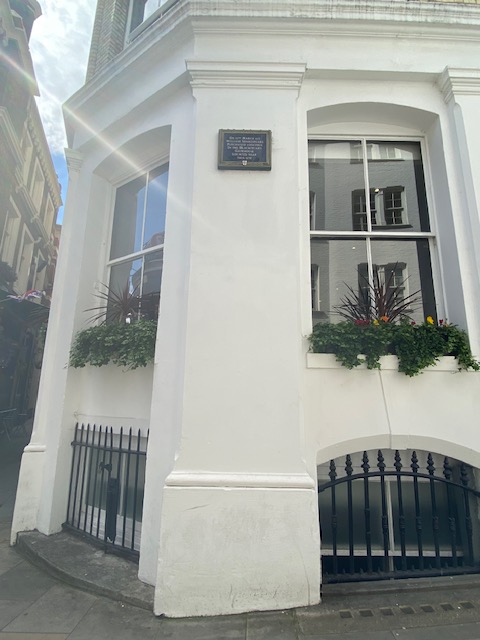
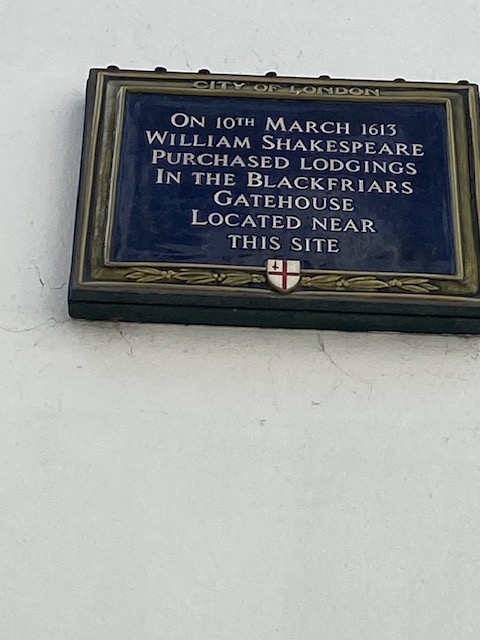
Ireland Yard, adjacent to Playhouse Yard, was once the home of Shakespeare and on the corner is a plaque stating that on the 10th March 1613, he purchased lodgings near the site. It was Blackfriars Gate that he bought, which had been a main entrance to the monastery before its dissolution. The timing is interesting since the Globe Theatre burnt down in 1613, so perhaps Shakespeare wanted to purchase something nearer Blackfriars Theatre, part of which he also owned.
The pub opposite the plaque is called The Cockpit and it’s believed to have been the site of Blackfriars Gate.


8. Calthorpe Street
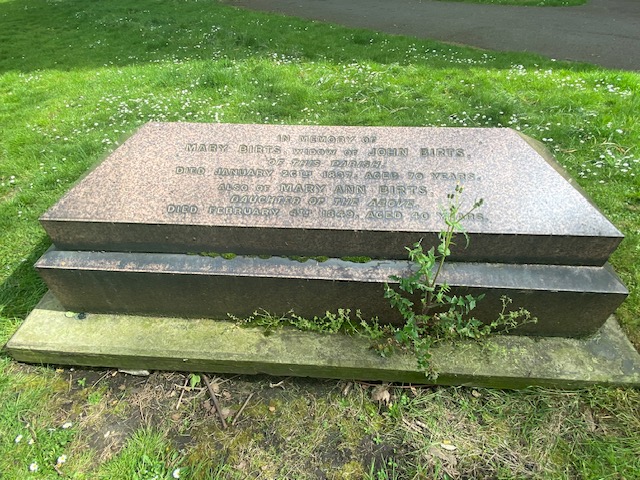
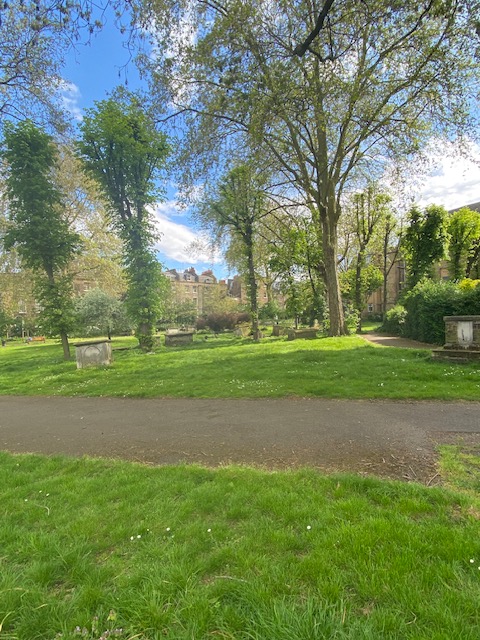
Final stop on this route is to visit St Andrew’s Gardens, built on the site of an 18th century burial ground. Many of the graves are haphazardly scattered and are gradually sinking into the grass. As a burial ground, it opened in 1754, but closed to burials less than a century later in 1850, and was quickly opened up as a public park just a few years later.
The gardens are laid out as two rectangular lawns bisected by a central path with mature London planes and an ancient weeping ash.

At first sight, there didn’t seem to be too much of interest along this route, but reality proved that it was far from boring.
Toilets that are available and free to the public:
- Peckham Rye Park
- Mountview Peckham
- The Feminist Library
 london routemistress