
Bromley North station to Chislehurst
Highlights:
- Bishops’ Palace (Bromley Civic Centre)
- Bowie Bench
- Chislehurst Cockpit
This bus route goes in a loop rather than north to south or east to west, so the start isn’t so far from the end.
1. Bromley Town Hall
Walk round to the centre and you’ll find the home where HG Wells was born in the High Street, above what is now Primark. There’s a blue plaque commemorating his birth there on 21st September 1866 and it’s where he lived as a child.
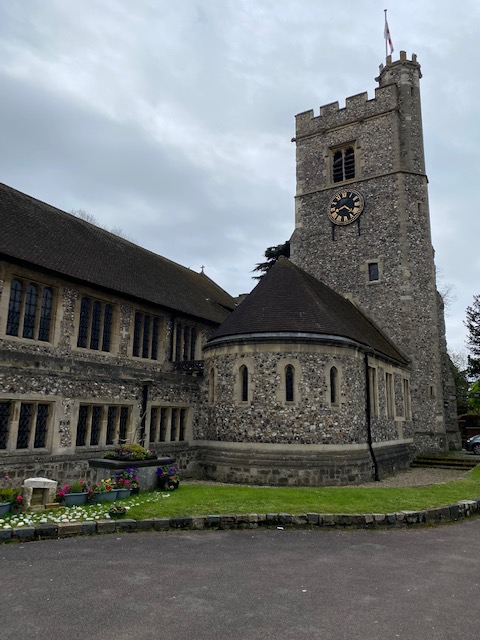
Nearby is the church of St Peter and St Paul, a grade II listed building. It was largely destroyed during the second world war – the only part to remain intact was the tower – and rebuilt in the 1950s. The present church incorporates the medieval tower and much of the flint and fragments of the original stone building.


2. Bromley Civic Centre
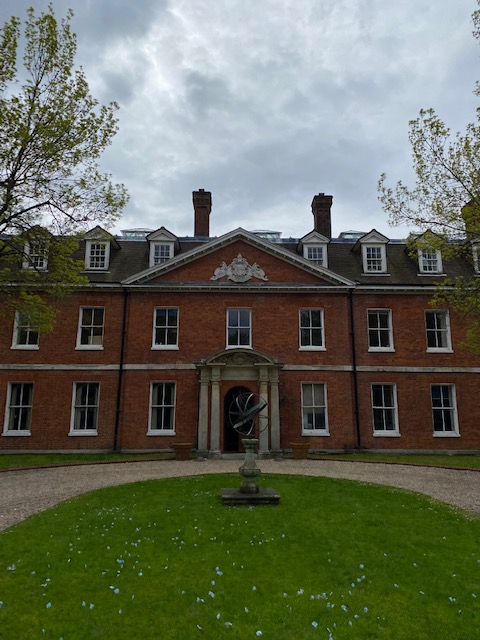
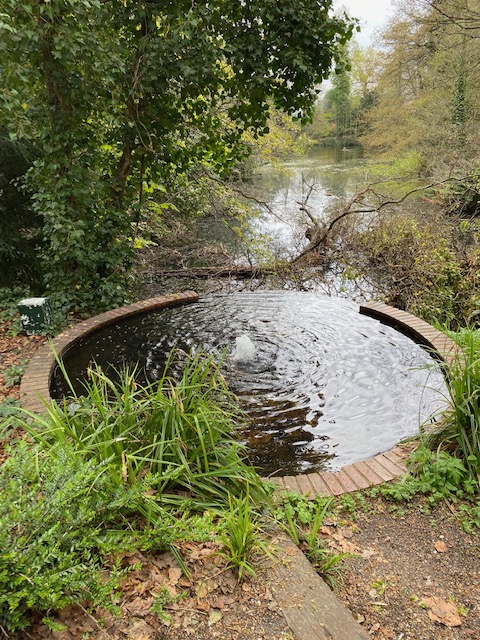
The civic centre was once the Bishops’ Palace and as a result has retained an air of splendour. It was once the residence of the Bishops of Rochester from the 12th century to 1845. The present grade II listed building dates from 1775 but there has been a manor house in Bromley, from at least the 10th century. It had been rebuilt in 1184, and the original structure was altered and added to at various dates. The old building was demolished by Bishop Thomas and was entirely rebuilt between 1774 and 1776. Outside in the grounds is St Blaise’s Well, a holy well whose water is reputed to have had medicinal qualities. St Blaise was the patron saint of wool and as Bromley (with other parts of Kent) was dependent on the wool industry, Blaise was deemed to be revered in this place.
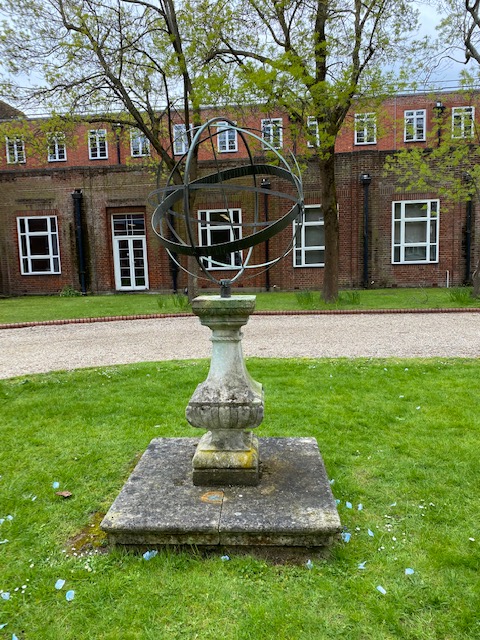


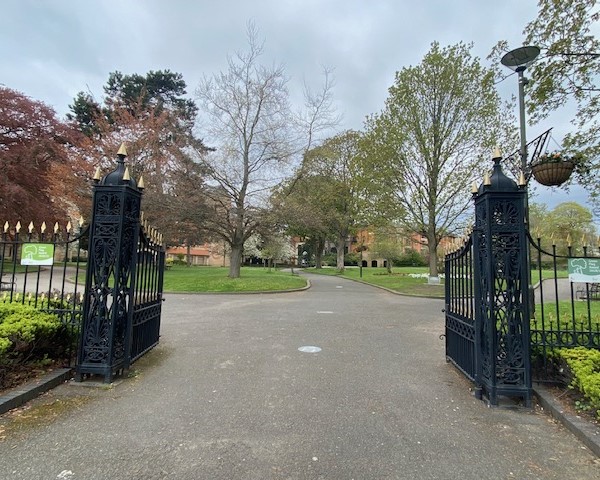
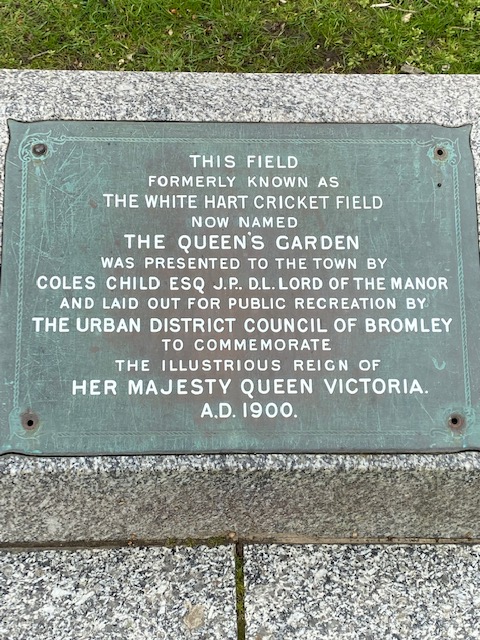
Over the road from the Civic Centre is Queen’s Gardens. They were formerly known as The White Hart Cricket Field and renamed in 1900 to commemorate the reign of Victoria. It was here in the 18th century that the coaching horses could graze and where the town held their cricket matches. The ornamental gates just inside the Kentish Way entrance to the garden, are an important feature and have been designated grade II listed status.

3. Bromley High Street/The Mall
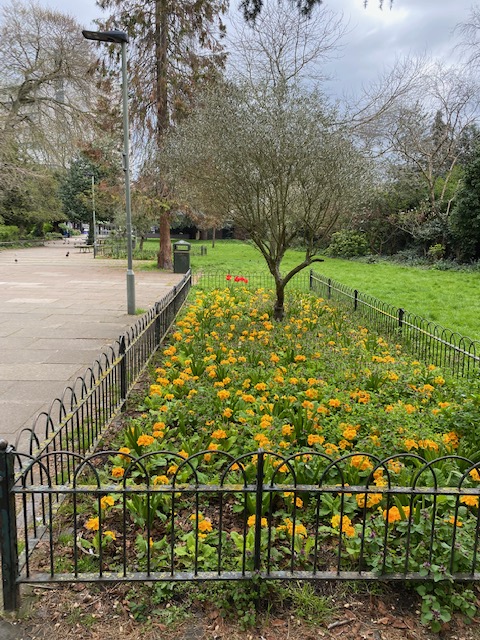
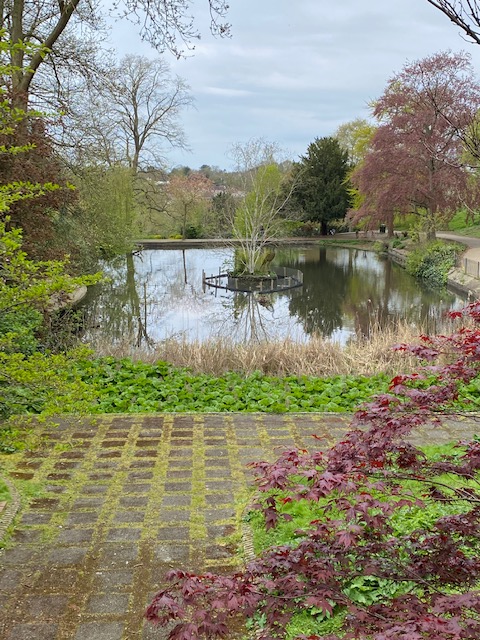
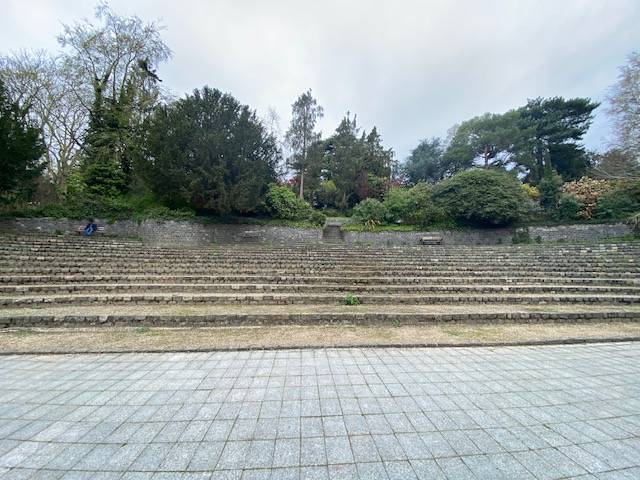
All the places mentioned in the first 3 bus stops are near each other and it would be possible to walk from one to the others. But here at this stop you will find the Churchill Theatre. The theatre, named after former Prime Minister Winston Churchill, was opened on 19 July 1977 by the then Prince of Wales, now King Charles III. Inside is a bench dedicated to David Bowie, a former resident of Bromley and beloved by the community. Adjacent to the theatre is Church House Gardens, a large area of lawn, flowers with a nearby lake with seating set out like an amphitheatre. The gardens could be missed despite being so close to the town centre and spread over a large area, but they really are beautiful and shouldn’t be missed if you’re visiting Bromley.

4. Locksbottom/St Michael’s Church
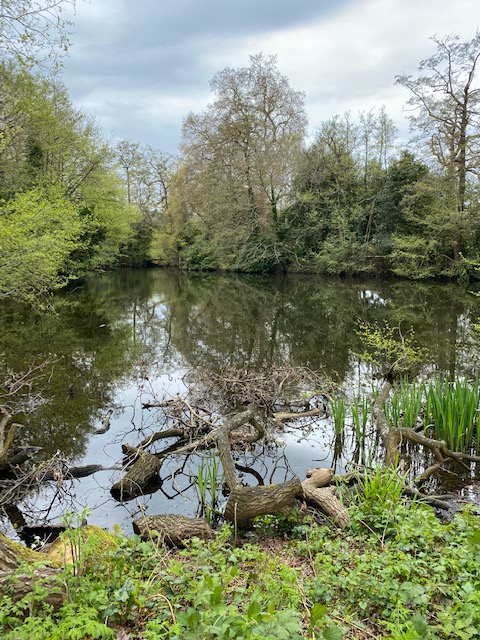
Alight here for Hollydale Recreation Ground, which is part of Bromley Common. A smaller park with its own bandstand and lake, it’s well worth taking a walk here. The trees have been coppiced to maintain habitat for wildlife and the lake itself is hidden behind bushes and trees.


5. Oakwood Road/St Paul’s Church
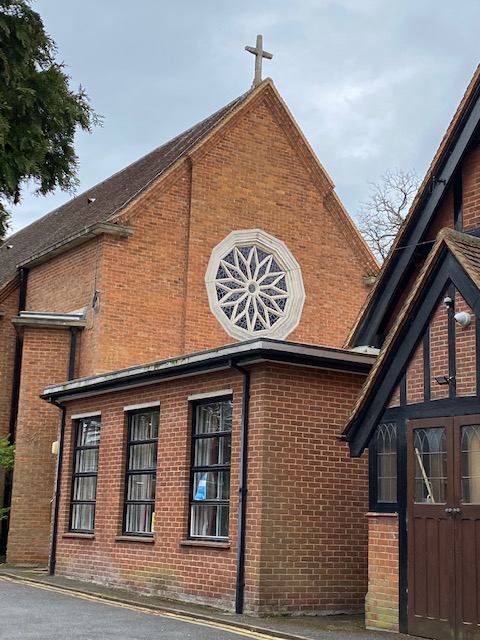
St Paul’s church which dates back to the late Victorian era, is opposite the stop. When it was originally built, the local congregation was small and the church could accommodate all who wished to attend Sunday prayers. However, the community gradually grew so an extension had to be built. Though still not a large church, nevertheless it’s got an interesting design .


6. High Street/Broomhill Road
This takes you to All Saints Church which is also on bus route 51. As far back as King Cnut (1014-1035), All Saints’ has been the setting for many baptisms, weddings and funerals. The whole church is a Grade II* listed building. The tower is an addition to the original building and was originally much higher than it is now, and had a wooden shingled spire. The spire was destroyed by fire following a lightning strike in the late 18th. Century, and not replaced. In the very early 19th. Century, it was struck again when the church lost its set of bells and the tower was reduced in height to its present form.
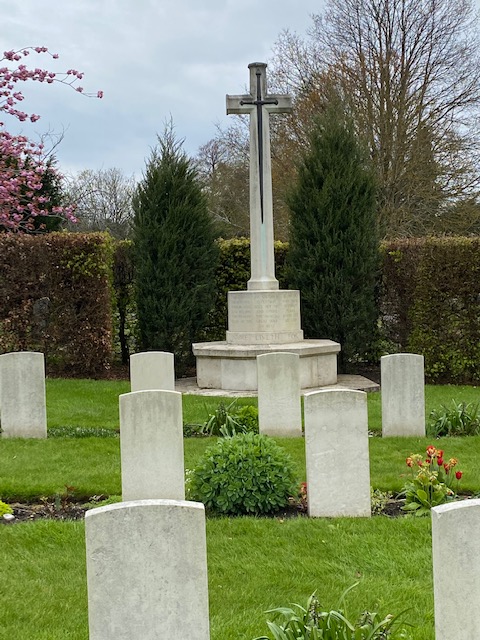
In All Saints Graveyard, set within the churchyard, are several graves from fallen soldiers and a war memorial. Many of the soldiers buried here, died between the wars, generally from the injuries sustained from World War I.



7. Orpington Road
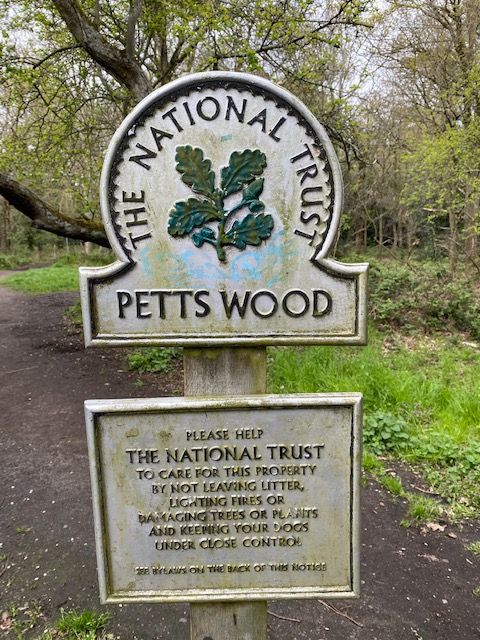
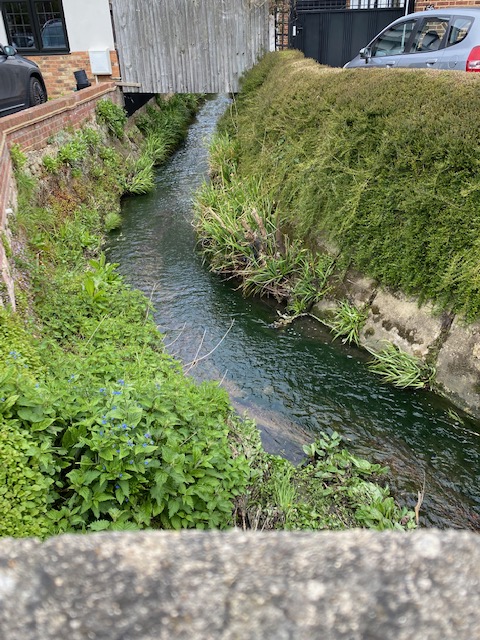
Immediately as you get off the bus, you’ll find yourself at the entrance to Petts Wood/Hawkwood, a National Trust property. There are over 300 acres of woodland and it’s a haven for wildlife. Its peace and tranquillity are particularly welcome being so near busy traffic – venture well into the wood and you can forget the noise and bustle. Round the corner from the wood is a pretty river flowing in between houses in Birchwood Road.

8. St Paul’s Cray Road/Church Lane
The houses in this area are lovely and one of them is the former home of the opera singer Sir Geraint Evans, who is commemorated with a blue plaque. Another is a former home of the author Alan Watts who interpreted and popularised Japanese, Chinese and Indian traditions of Buddhist, Taoist, and Hindu philosophy, including zen.


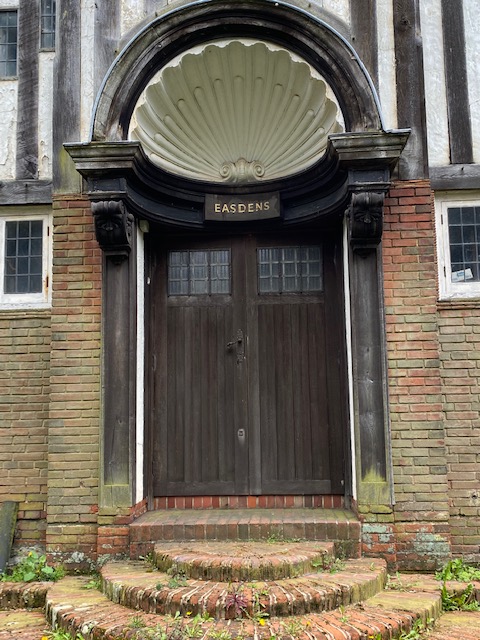
On the way back to the bus stop, you’ll walk down Bull Lane which has the property Easdens. Originally built in 1876, this grade II listed building was redesigned in 1909-10. It has many idiosyncratic features, including the front doorcase which has a curved pediment moulded in the shape of a shell. The upstairs was originally designed as a rifle gallery, from the time it was used as a shooting club. Over the years, Easdens changed its usage to become the workshop of the long established local antique furniture restorer/dealer of the name Easdens. Sadly, these days it remains unused.


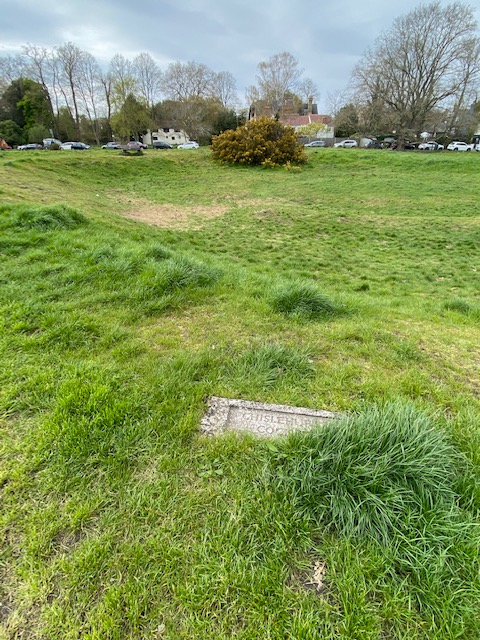
Walk a few minutes and you’ll discover the Chislehurst Cockpit. Speculation is that the depression started life as a medieval gravel pit and was later allowed to grass over in order to be used as a cockpit. Cock-fighting was outlawed in 1834, not on grounds of its cruelty to animals, but because it generated so much troublesome behaviour among the excitable spectators. The cockpit was then used for single-stick fighting until even that was stopped in 1862. The cockpit is a circular structure 40 metres in diameter and 1.5 metres deep, with sloping sides. In the 20th century it became an arena for great public events, such as the homecoming service for the returning troops in 1919.


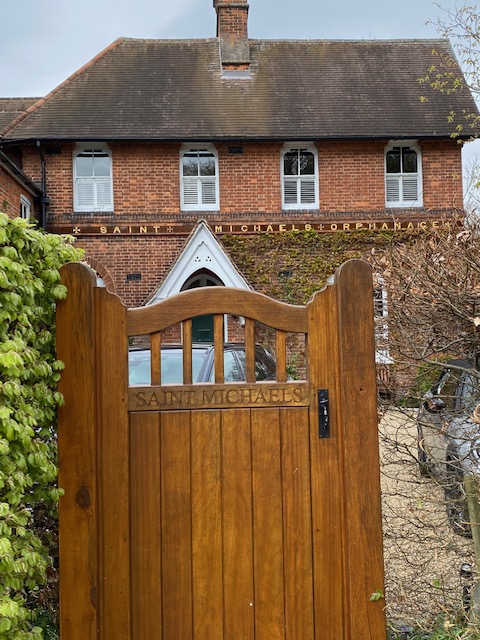
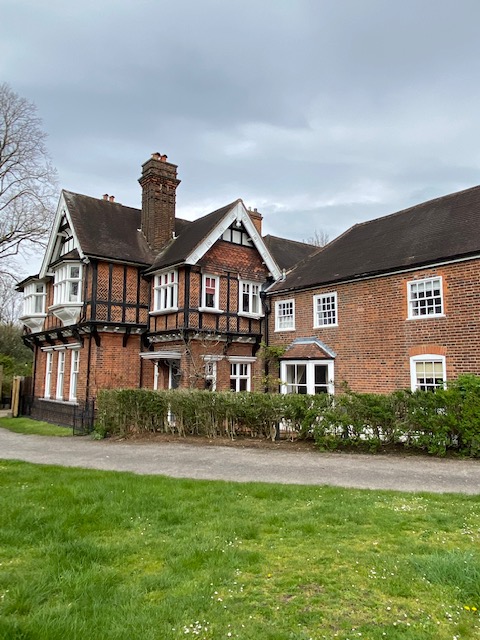
Opposite the cockpit is the former St Michael’s Orphanage, now a residential home. Originally the St Michael’s Home for Boys, it was founded in 1855 by Miss Marie Anderson and her sister. It began life in a small cottage but moved, in 1861, to this much larger property. The home could then accommodate around 30 boys aged from 3 to 12, with Miss Anderson as the resident superintendent.

This bus route has something for everyone – from the Bowie Bench inside the Churchill Theatre, to old buildings such as Bishops’ Palace (Bromley Civic Centre) and very many parks, gardens, lakes and woodlands.
Toilets that are free and available to the public:
- Churchill Theatre
- Bromley Civic Centre
 london routemistress