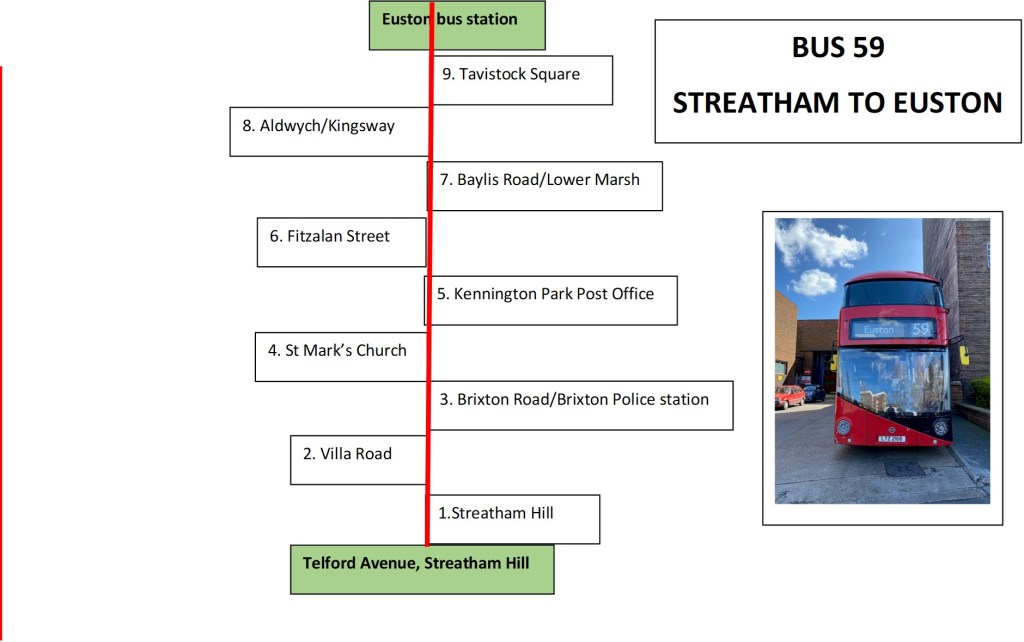
Streatham Hill to Euston bus station
Highlights:
- Brixton Academy
- Beefeater Gin Distillery
- Space Station Sixty-Five
1. Streatham Hill
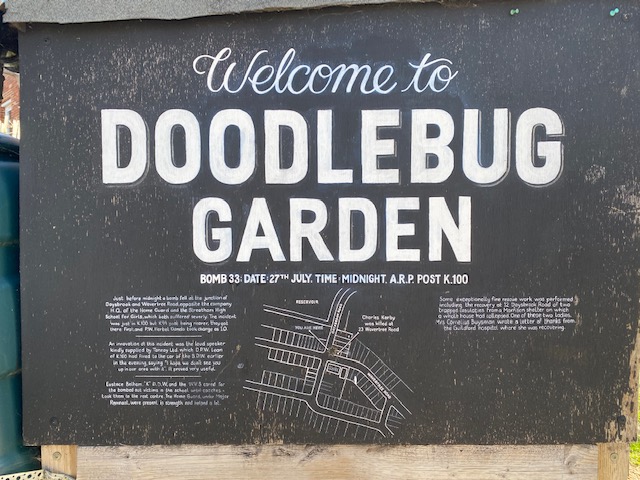
As is often the case, it’s worth looking round the vicinity of the bus station before getting on the bus. A few minutes’ walk from the start of the route is Doodlebug Garden. On the 27th July 1944, a V1 bomb landed here, destroying many of the houses and causing the death of a local resident. The garden has been created to remember this event and is being looked after by the local people.
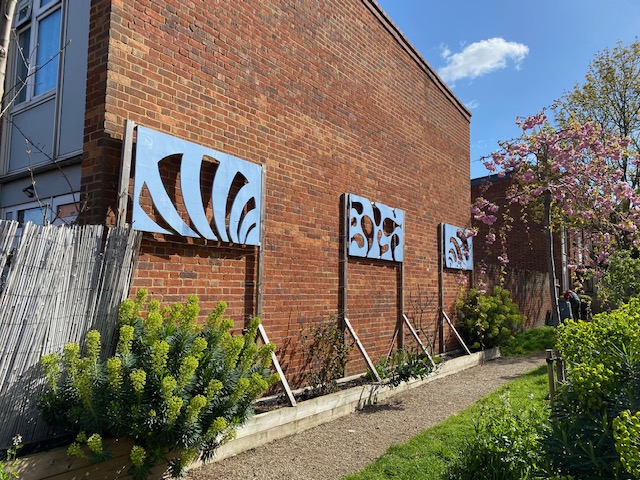
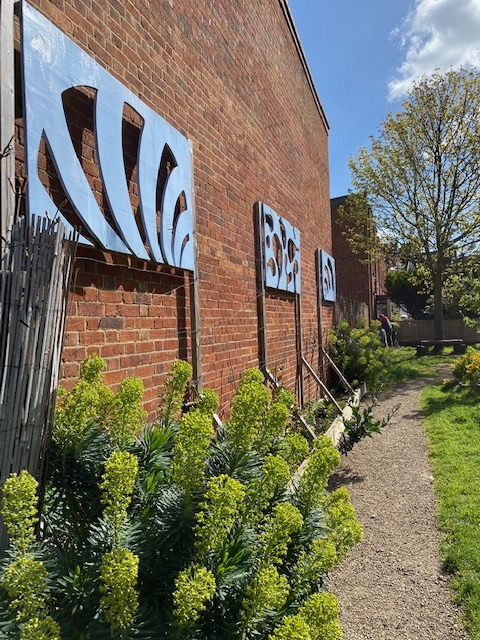
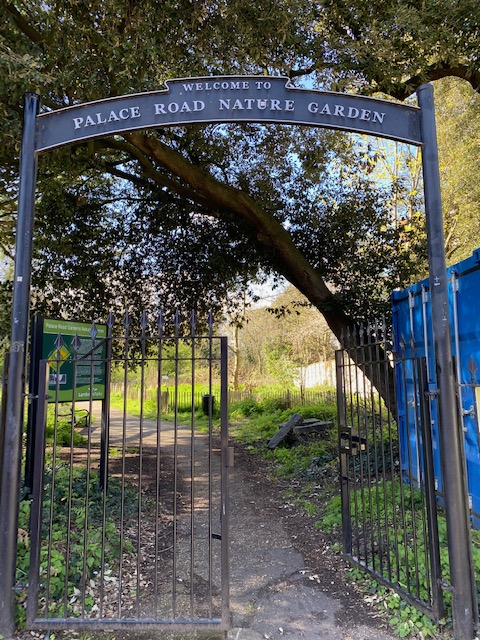
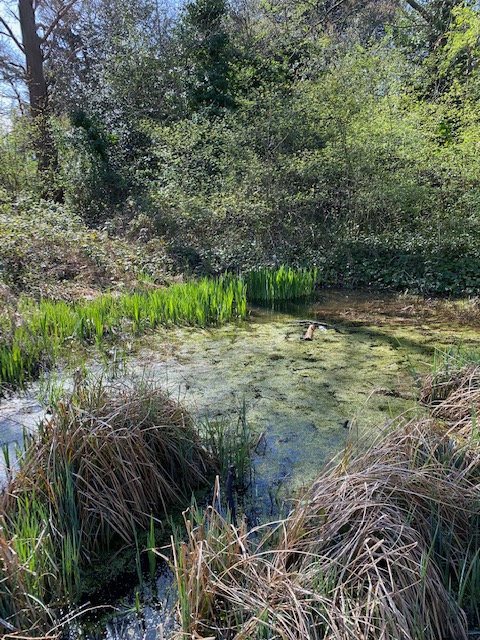
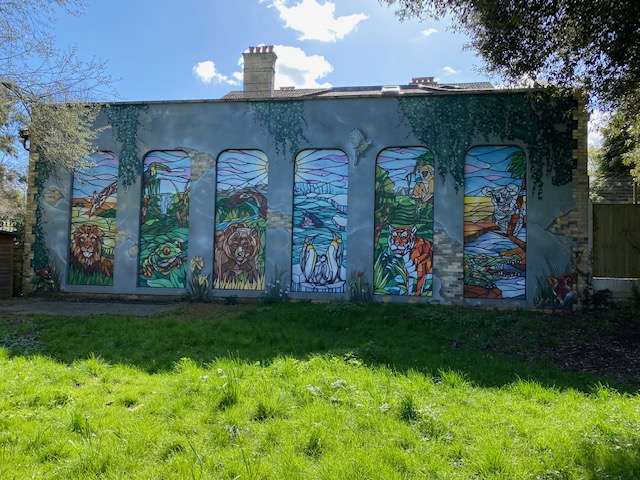
Also around this area is the Palace Road Nature Garden. This has been created on land that had once been a large house, demolished in the 1980s. Much of the trees and plants were replanted so there is now a mix of the native and exotic. The pond has been restored and offers habitat for aquatic plants as well as water-loving animals such as newts, frogs and toads. During the summer of 2014 a large mural was painted on a previously blank wall that faces the nature garden. The six panels depict wildlife from six different continents, while local wildlife is represented encroaching from the edges of the wall.
2. Villa Road
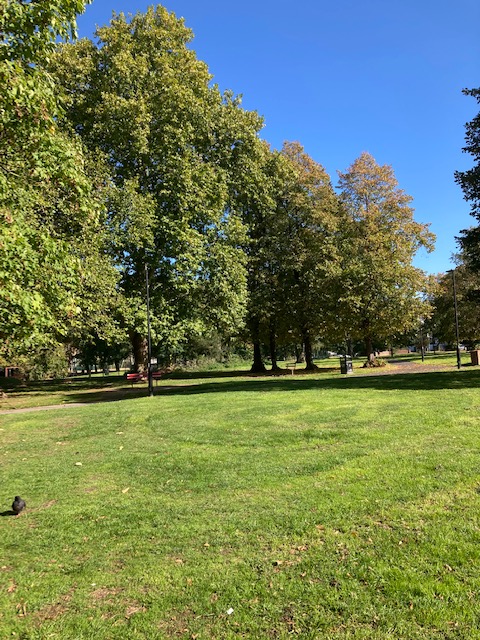
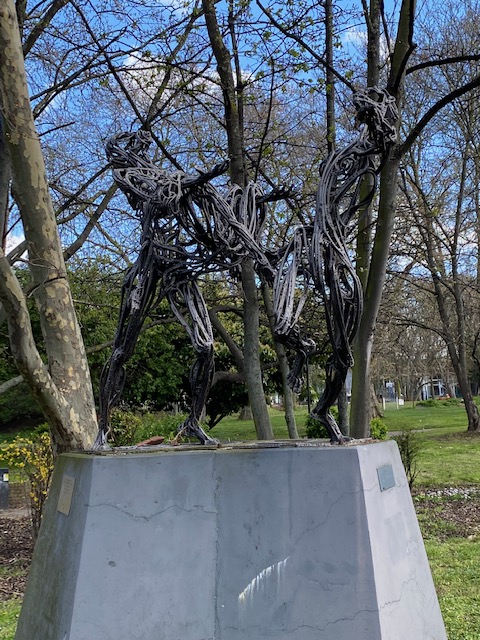
Max Roach Park is near this stop – it’s also on the 35 bus route. The park isn’t big but it has a Soweto sculpture “First Child” at one entrance that is a reminder of the massacre of 116 children in 1976. It’s called Max Roach because the great jazz percussionist and composer visited here and played locally.
3. Brixton Road/Brixton Police station
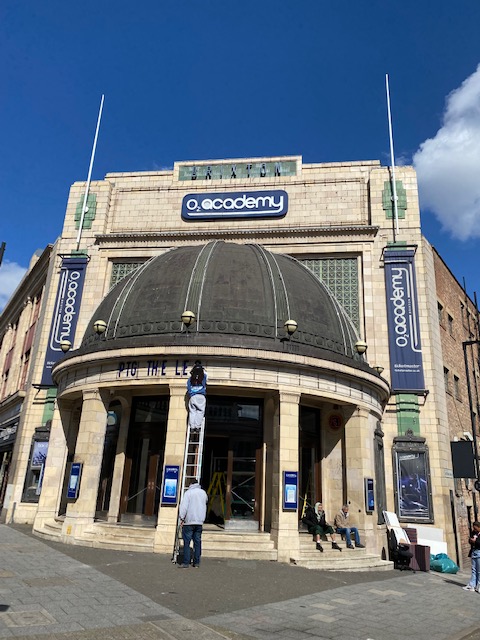
The O2 Brixton Academy is worth a visit. The venue started as a cinema and theatre in 1929 on the site of a private garden, and the opening show was the Al Jolson film The Singing Fool. It eventually closed its doors as a cinema in July 1972, converted into a disco in September but closed down just a few months later. In 1981, the venue was re-opened as a rock venue. The inaugural gig was U2 and later such illustrious bands as Clash, Dire Straits, Police, Kings Of Leon, Foo Fighters, Coldplay and even Bob Dylan played here.
All went well until 2022 when a crowd crush outside a performance by Asake on 15 December seriously injured four people, two of whom died soon after. It was decided to suspend the academy’s operating licence following the “severity of events” and “risks to public safety”. In Jan 2023, the revocation of the licence was renewed for a further 3 months. These days, renovation is taking place so it’s possible it will open its doors once more.
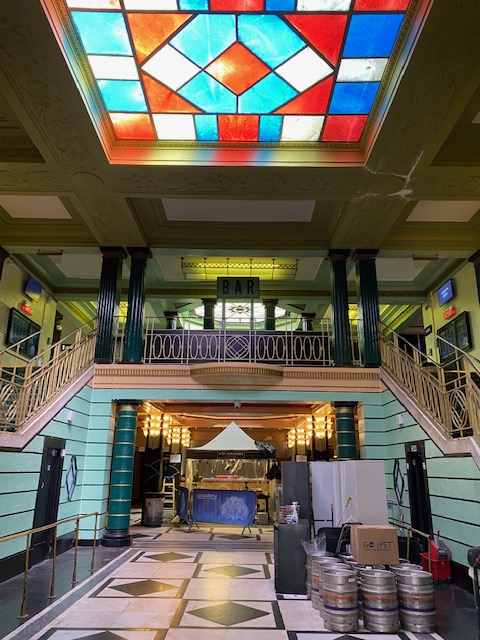
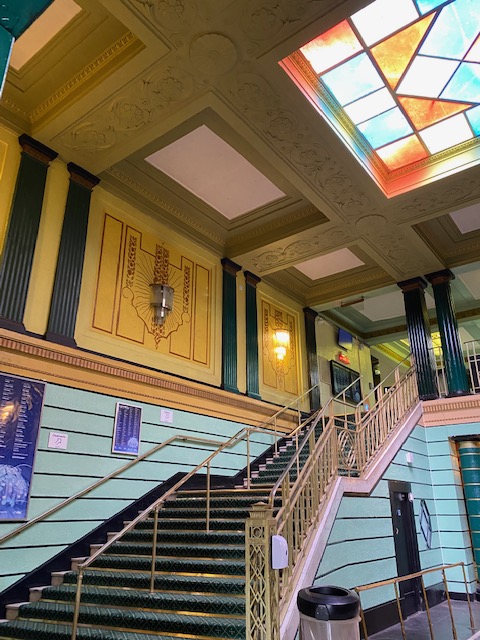
The interior of the building is still magnificent, with its Art Deco frontage and features. There is a grand entrance hall and sweeping double stairway in the foyer.
4. St Mark’s Church
This is the nearest stop to the part of Kennington Park that has the Old English – or Flower – Garden. It was opened in 1931 in the design of an old English garden and it has maintained its original layout. It’s a very pretty spot, with such features as a sundial, arbour and an array of plants and flowers.
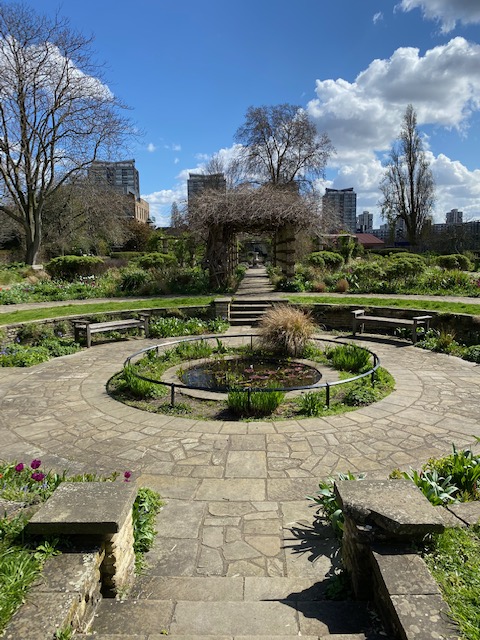
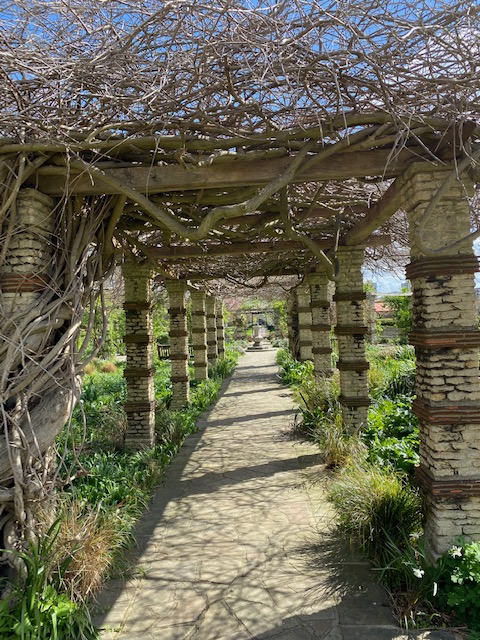
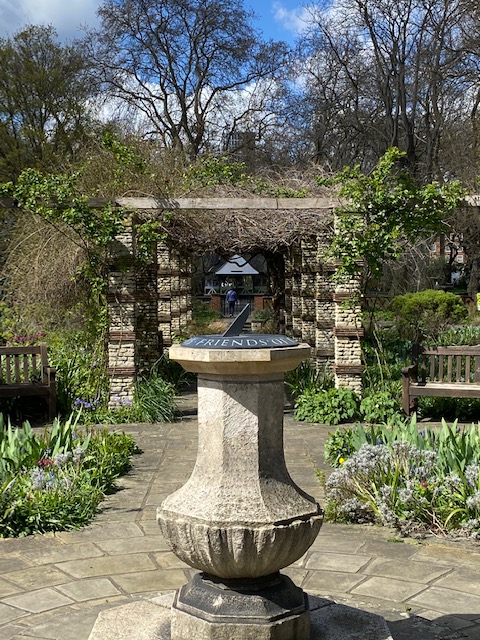
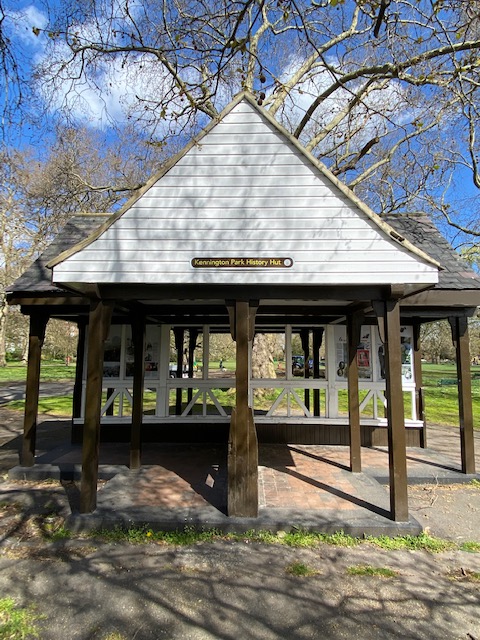
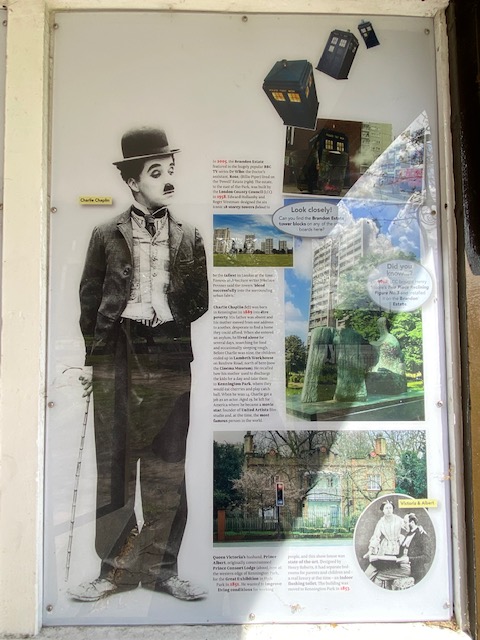
Another feature of Kennington park is a History Hut, telling the story of the local area as well as former famous residents. One such is Charlie Chaplin who was born in Kennington in 1899 in dire poverty. The hut was opened in 2021 by a local MP and is set within a 1930s shelter.
5. Kennington Park Post Office
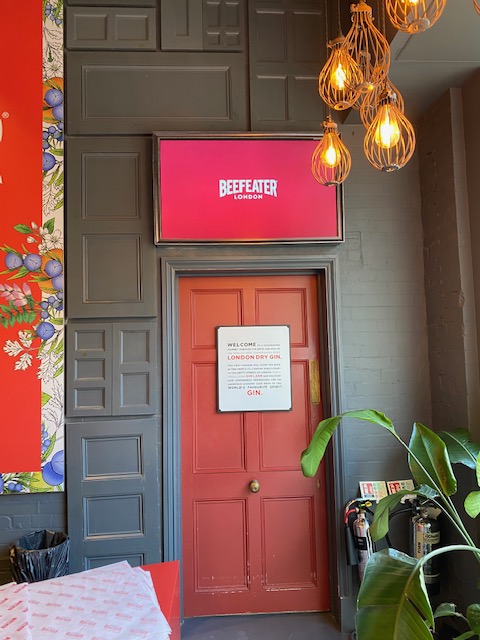
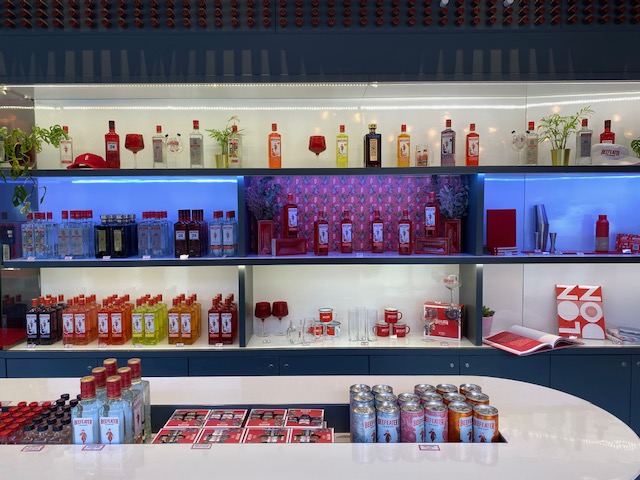
This is a great stop – first port of call is the Beefeater Gin Distillery. Although a guided tour would be advisable, if you want to know about the history of how they make their gin, just visiting their shop and talking to the well-informed staff, would give you some insight. Tours start from £25 but it sounds as if you’d get great value for money and plenty of gin to sample.
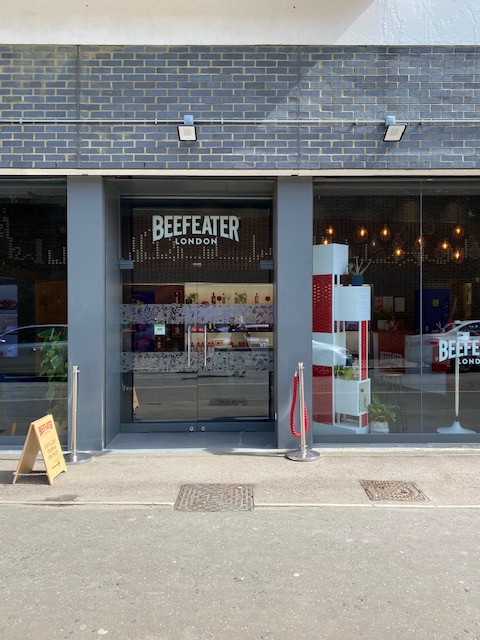
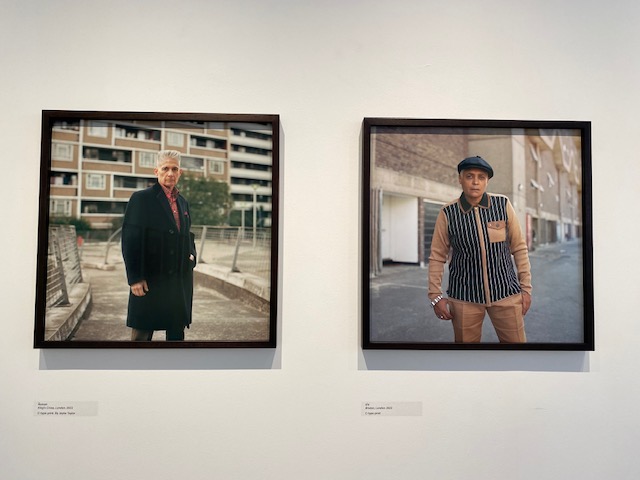
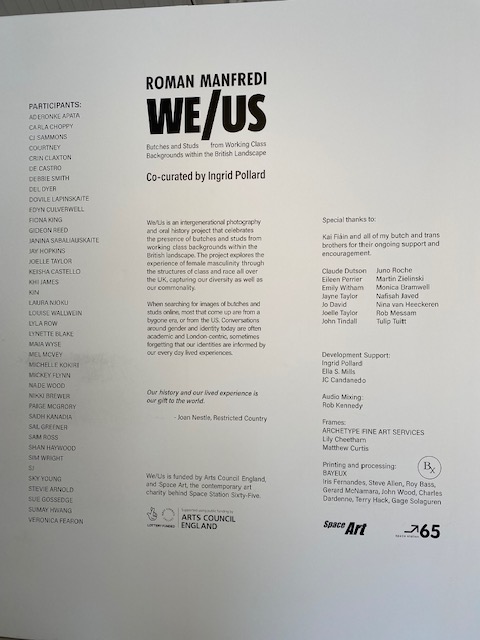
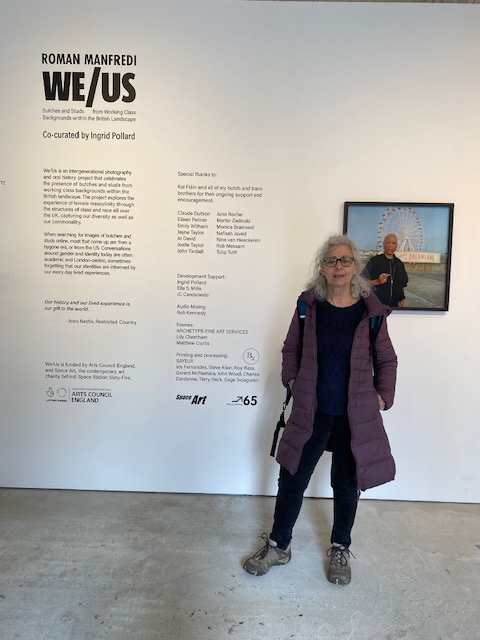
Within a few minutes’ walk from the distillery is Space Station Sixty Five art centre. Currently (April 2023) the photographic exhibition is entitled We/Us and focuses on Butches and Studs from working class backgrounds. The art centre is the brain child of Rachael House and Jo David and they curate contemporary art independently without worrying about trends or government funding.
6. Fitzalan Street
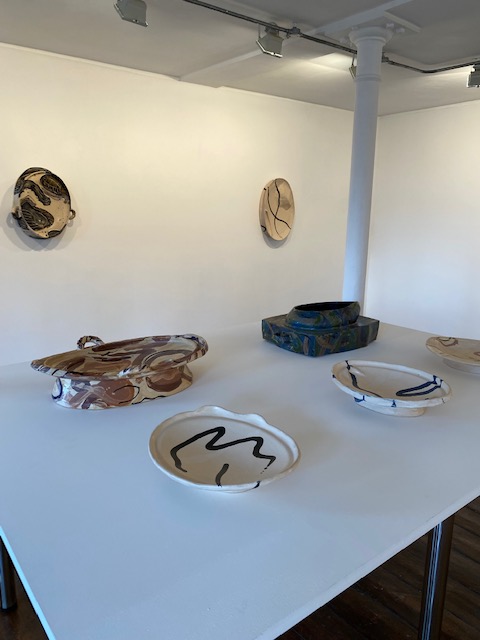
Head to another contemporary art gallery at Corvi-Mora. There are two areas for displaying art and Corvi-Mora share this space with greengrassi. Currently on display upstairs is an exhibition by Alison Britton, a ceramic artist. This exhibition is called Plattering which questions the notion of functional pottery.
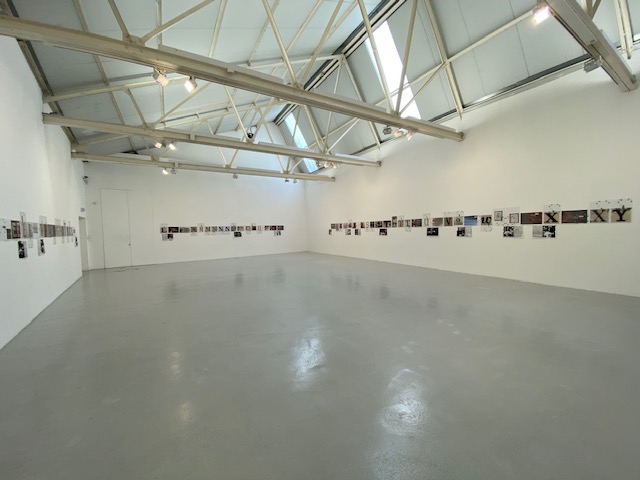
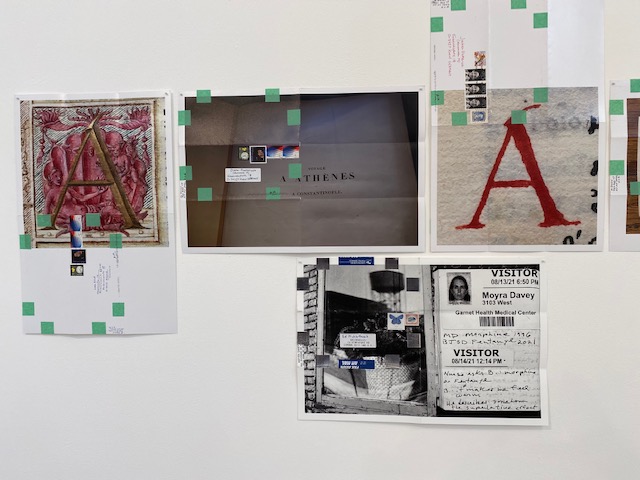
Downstairs is something quite different – an exhibition entitled Visitor by New York artist Moyra Davey where she couples language and image. The space here is vast, light and airy and Ms Davey’s images circumnavigate the four walls.
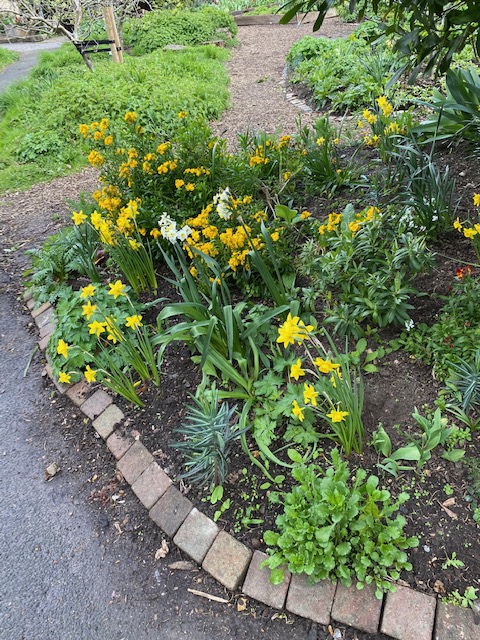
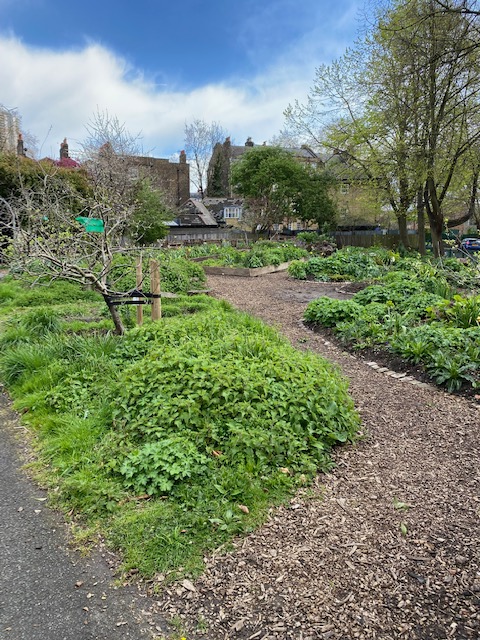
As it’s so near the bus-stop, it’s worth taking a step within Lambeth Walk Doorstep Green. The green is on the site of some old housing that was demolished in the 1970s. It is known as a “Field of Hope”, with daffodils planted in memory of loved ones, giving hope to the bereaved that there is a hopeful future.
7. Baylis Road/Lower Marsh
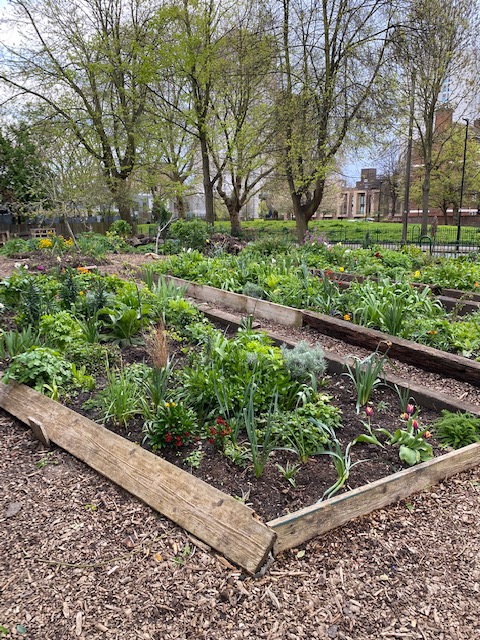
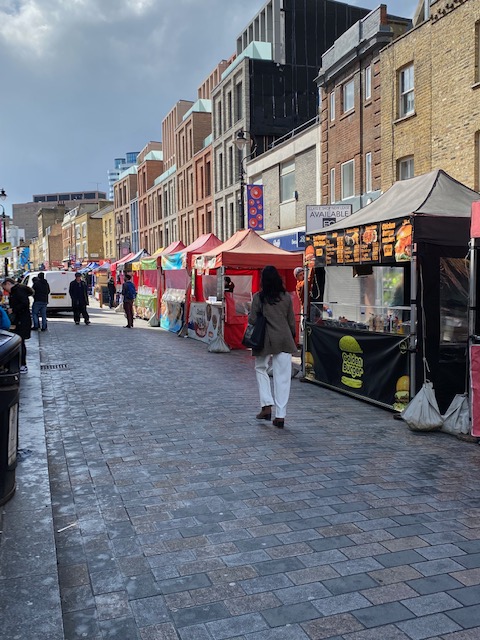
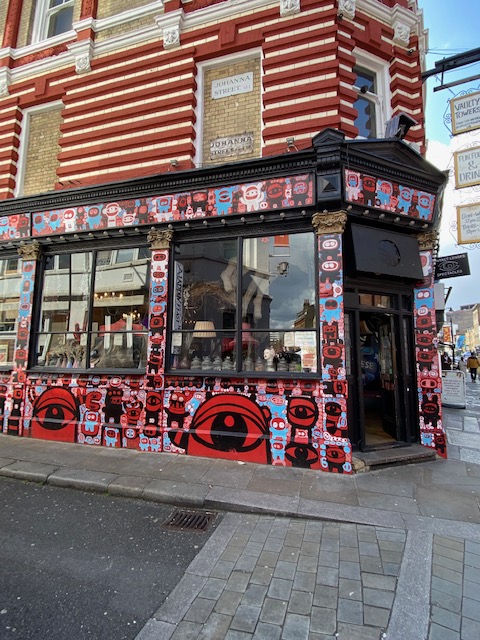
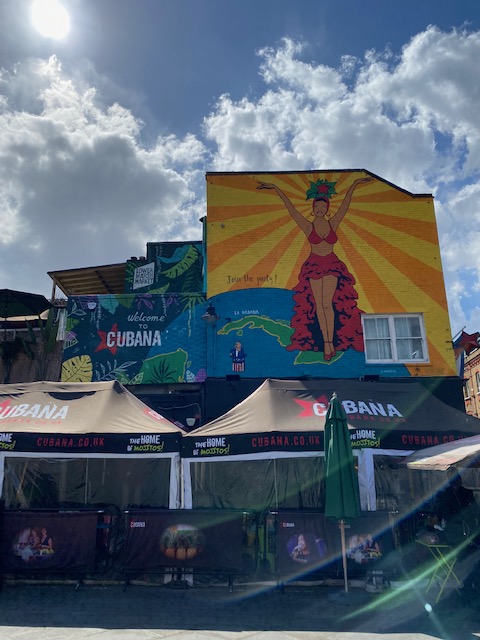
Lower Marsh is a bustling street market in between the Imperial War Museum and Waterloo station. There are plenty of stalls selling street food for a tasty lunch and more permanent restaurants and bars serving food well into the evening. The market has been operating since the 1800s and in its heyday, was deemed to be the longest street market in the UK. One of the more quirky venues is Vaulty Towers, a pub/restaurant that puts on music events, pub quizzes and more.
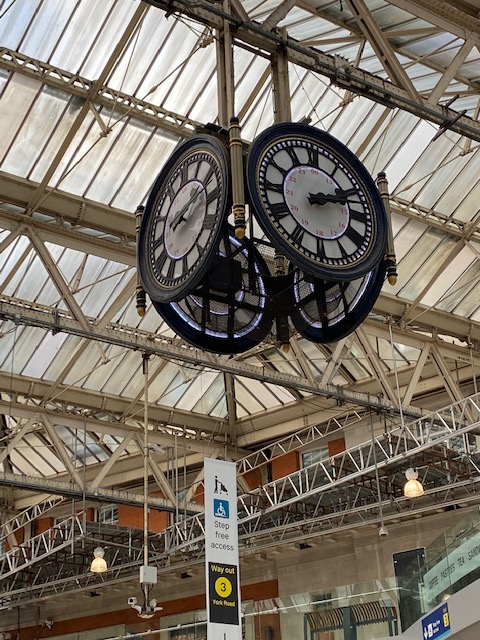
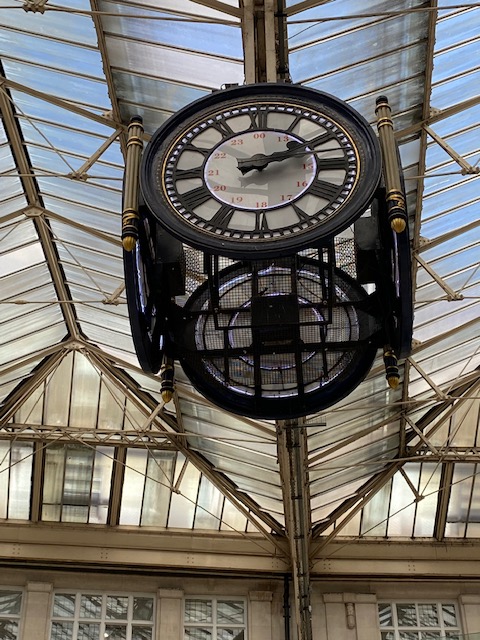
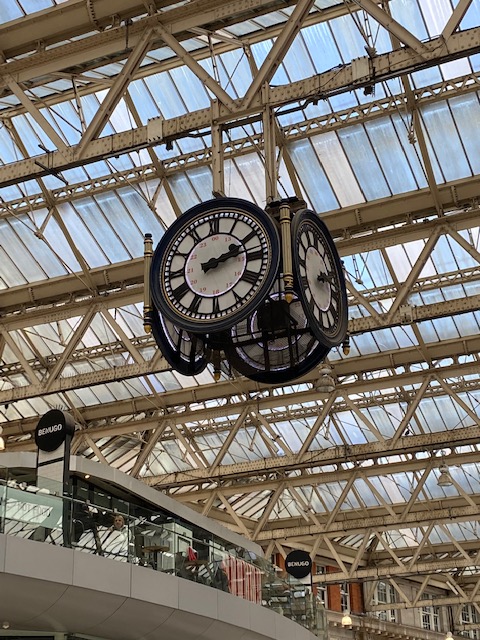
A brisk walk from here is Waterloo station where there is an iconic four-sided hanging clock. The Waterloo clock hangs over the main concourse and has been a feature here since the 1920s. It’s considered to be one of the more popular meeting places and was the rendez-vous for Del Boy and his future wife Raquel in Only Fools and Horses.
8. Aldwych/Kingsway
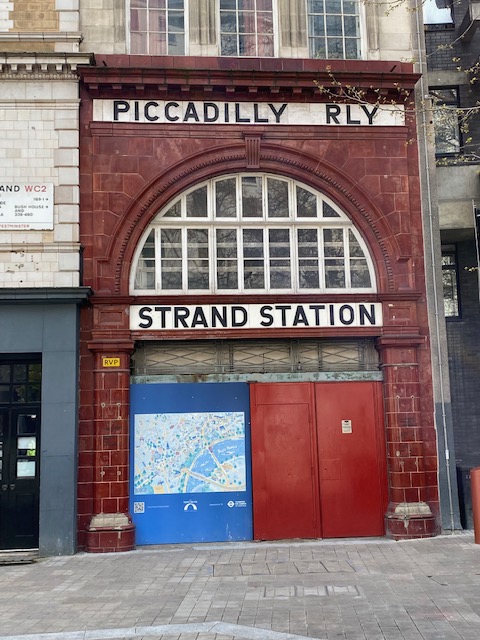
There are a few disused tube stations in London and one of them is Aldwych. It was opened in 1907 with the name Strand, after the street on which it is located – and it is the name Strand that exists to this day at what was the entrance to the station. It was the terminus of the short Piccadilly line branch from Holborn that was a relic of the merger of two railway schemes. The station is closed but London Transport Museum put on guided tours during the year.
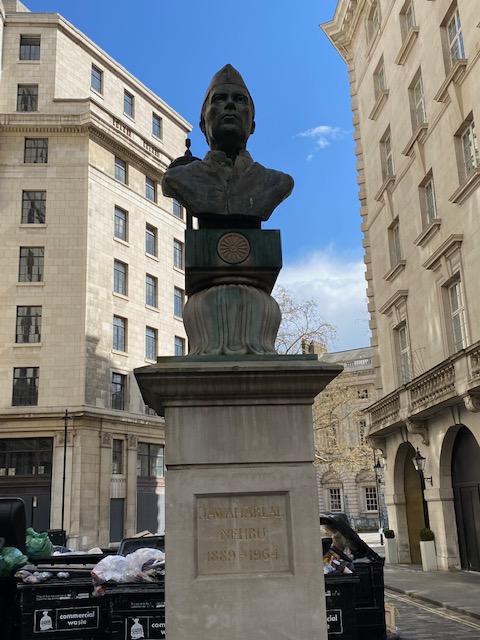
Going back to the bus stop, you’ll come across India Place and a statue of Jawaharlal Nehru, the first Prime Minister of independent India. Nehru was educated in England and this bust was unveiled in 1990, its location being very near the High Commission of India.
9. Tavistock Square
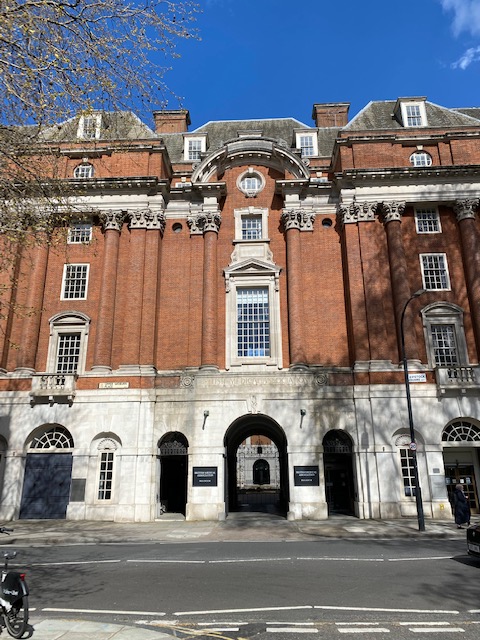
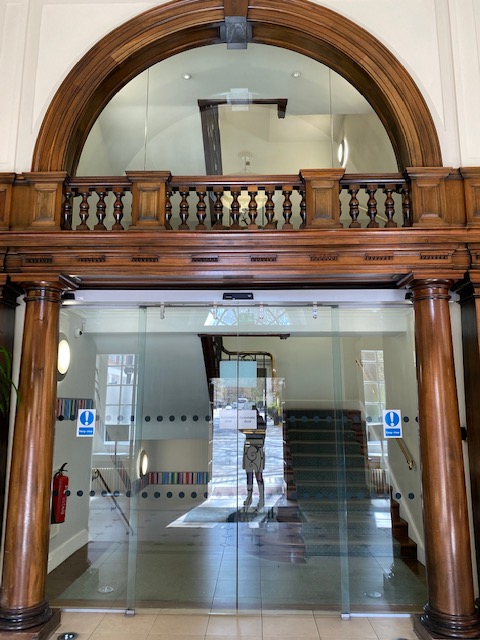
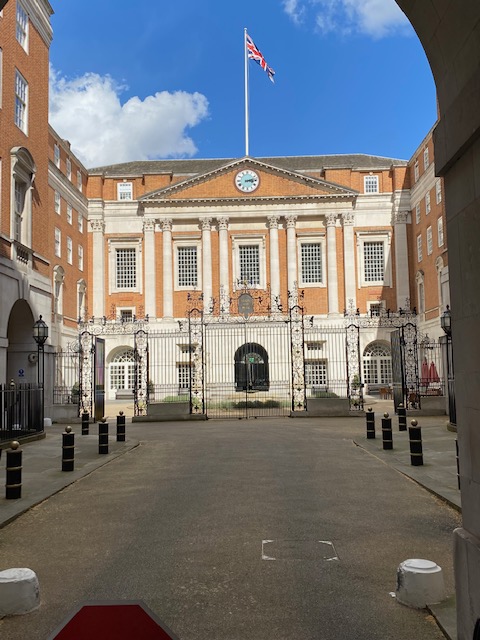
Final stop on this route is to see BMA House, however you are only allowed in if you are a member or make a prior appointment. It’s a venue for events such as weddings and from the brief look you are able to get inside the lobby and just outside, it seems like a great place for a special function.
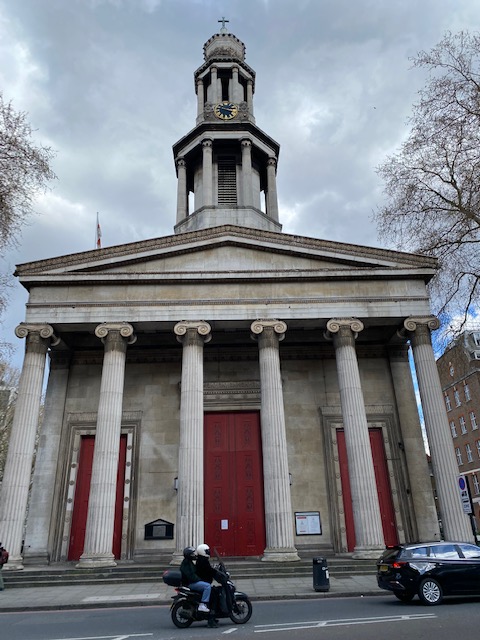
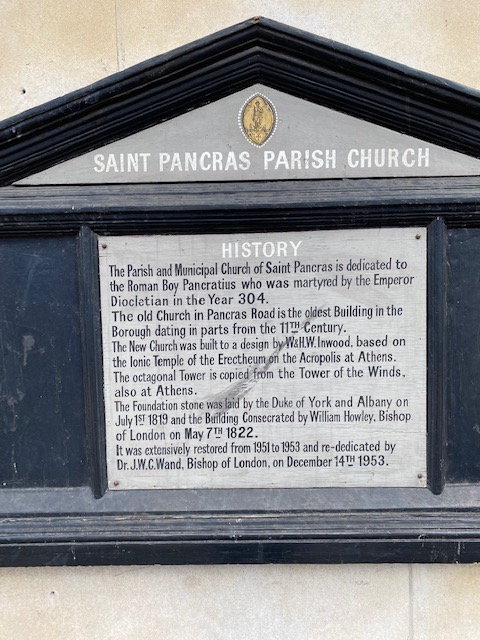
As you wind your way up to Euston station to the end of the route, you’ll pass Saint Pancras Parish Church. Outside is a potted history of how it got its name – from the Roman boy Pancratius who was martyred by the Emperor Diocletian in 304 AD. The young lad converted to Christianity and was subsequently beheaded because of his faith.
Some parts of this church date back to the 11th century and is thought to be the oldest building in the borough. The New Church is based on the Ionic Temple on the Acropolis in Athens. Its foundation stone was laid in 1819 by the Duke of York and Albany.
This was another really great bus route, with an eclectic mix of places to see, from parks and gardens in Streatham, to art galleries in Kennington and iconic buildings in Camden. Definitely worth spending time exploring London on the 59!
Toilets that are available to the public and free of charge:
- The Old Library, opposite Palace Road Nature Reserve
- Kennington Park
- Space Station Sixty-Five
 london routemistress