
Walthamstow Bus station to Oxford Circus
Highlights:
- Stained glass window at Walthamstow Library
- Navarino Mansions
- Les Fetes Galantes
- Museum of the Order of St John
1.Start of route at Walthamstow
Before getting on the bus, it’s worth a trip round the corner to see Walthamstow Library. The original building was opened in 1894, demolished in 1907 and a new library was built on the same site, with a generous donation from Andrew Carnegie. The inside of the building has some lovely features, including a stained glass window with an owl in the centre. The staircases are quite dramatic and the building is grade II listed.


2. Lea Bridge Station
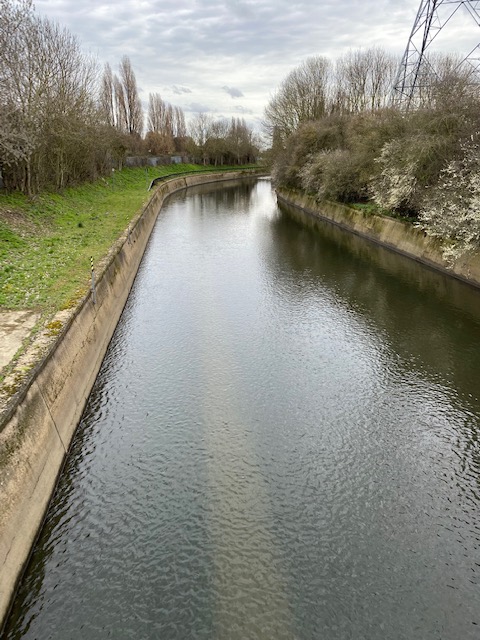
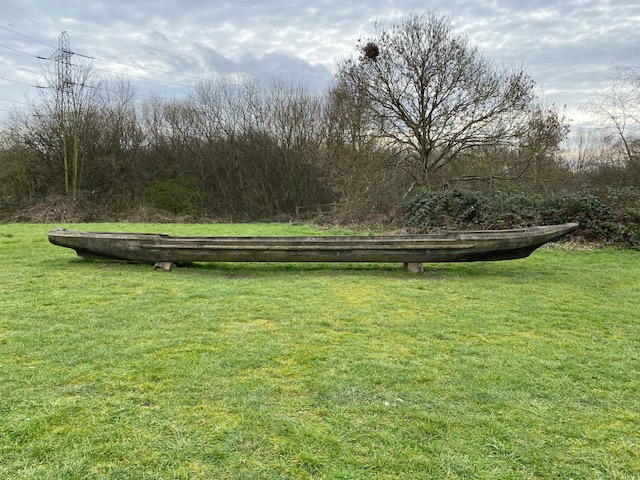
Near the stop is the WaterWorks Centre Nature Reserve. There are some amazing walks, interesting flora and fauna and even an old boat in the middle of a field. The nature reserve is a unique wildlife haven and has one of the largest bird hides in London. Also look out for the Willow woodland, providing habitats for plants, insects, birds and mammals. The Nature Reserve was previously known as the Essex Filter Beds and more than 150 years ago, it began supplying the surrounding boroughs with much needed clean water.

3. Chatsworth Road/Lea Bridge Road
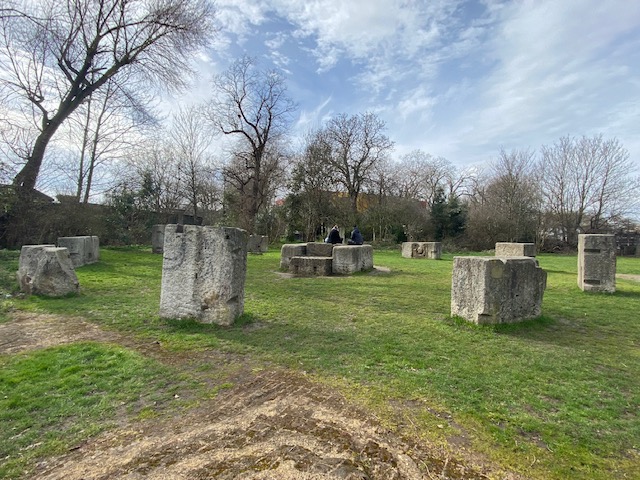
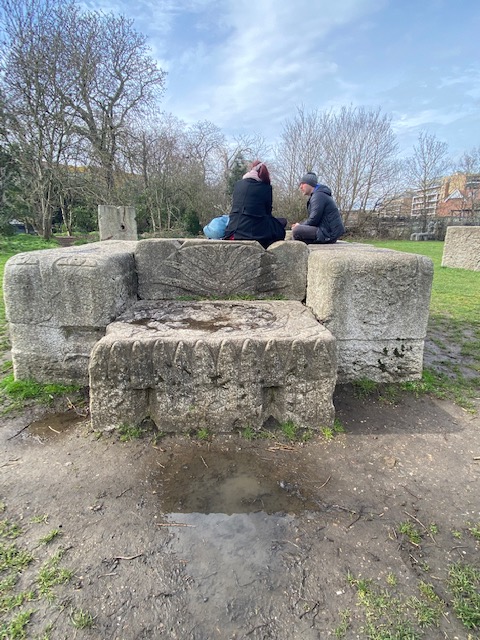
Fondly referred to as the Hackney Henge, these huge granite rocks were created into the stone circle by Paula Haughney and completed in 1990. There are ten stones and in the centre is an over-sized throne, seat for a giant, known locally as Nature’s Throne. The granite blocks were recovered from the foundations of an engine house, which once pumped water into the beds.
The Middlesex Water Beds provided clean water to the Victorian populace, and it was part of a massive investment in sanitation following the cholera epidemics and Great Stink of the mid-19th century. The dirty river water was converted into more or less drinkable water, using gravel and sand filtration and had a huge positive effect on public health. The Beds finally closed in 1969, when the area was turned into a Nature Reserve.

4. Hackney Central station
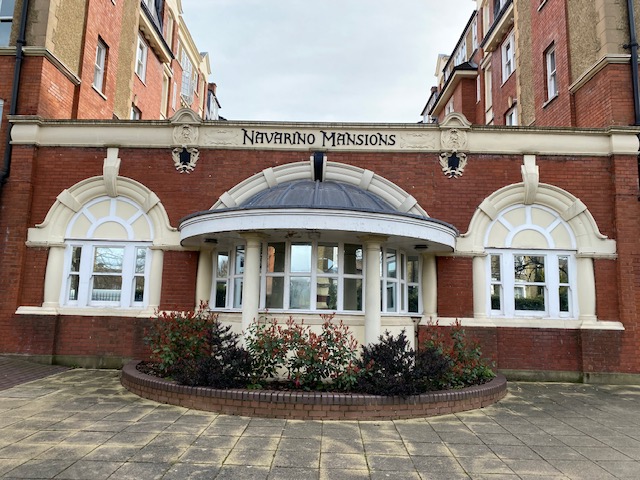
Walk round to Navarino Mansions, a beautiful example of a tenement building built in the late 1800s. It consists of both general needs and a sheltered scheme. They were originally built to accommodate 300 Jewish artisans from London’s East End, the community they housed representing a key moment in social housing history. The architect, Nathan S.Joseph, focussed on beauty and the best of the contemporary Art Noveau/Arts and Crafts style.


5. St Thomas’s Square
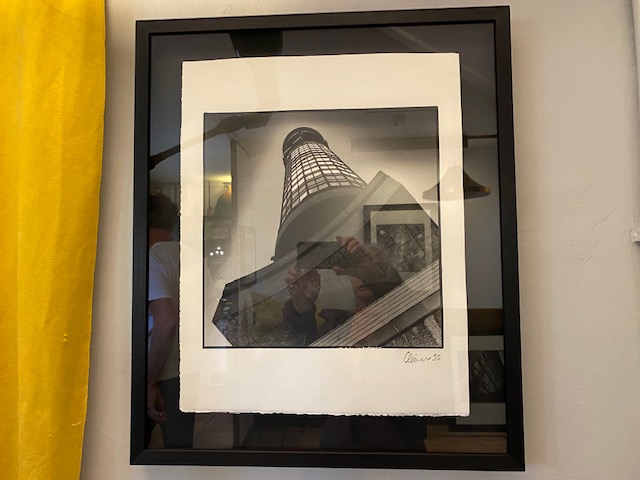
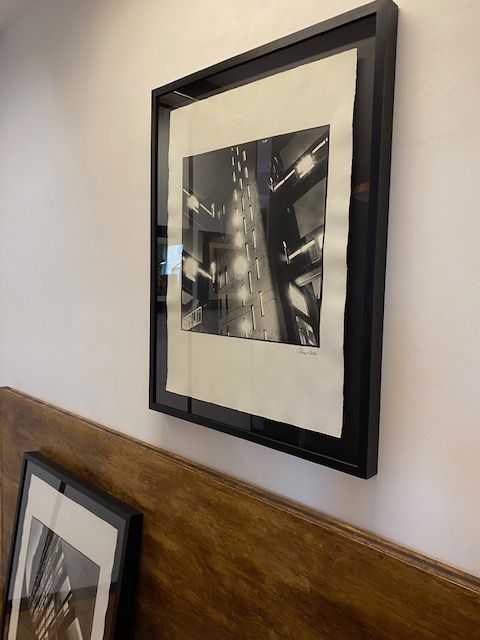
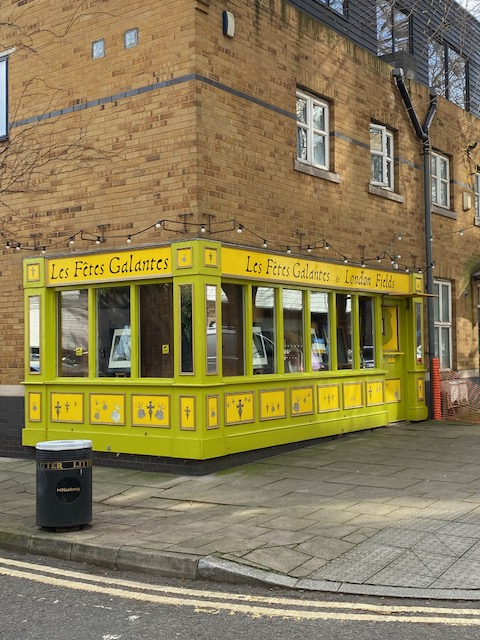
Not far from the bus-stop is Les Fetes Galantes, a bijou art space showcasing Etienne Clément’s work. Etienne is an artist and architect and he displays his work from this small studio in London Fields. Currently on display is the “Vision on Emulsion” Exhibition, with photographs of buildings from the brutalist school of architecture such as Trellick Tower in North Kensington.
6. King Edward’s Road
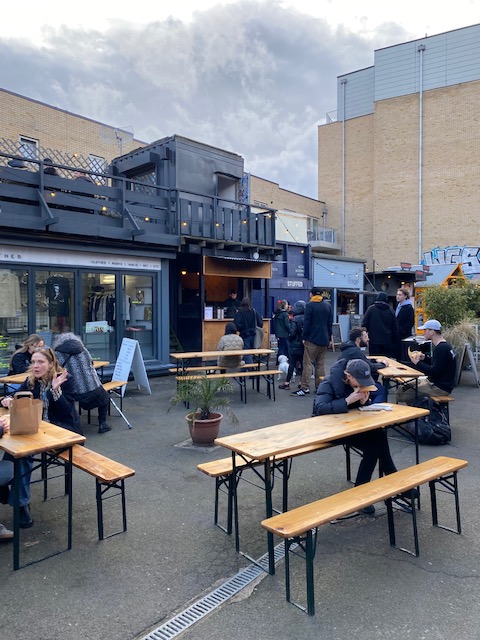
This stop is close to Mare Street market but if you’ve already been there, it’s worth going round to Netil Market. This artisanal market is home to famous street food vendors and independent shops. It’s a thriving spot for foodies and a destination for exploring. The curated selection of traders share the same vision to offer something different and unrivalled to those who visit them.


7. Clerkenwell Road/St John Street
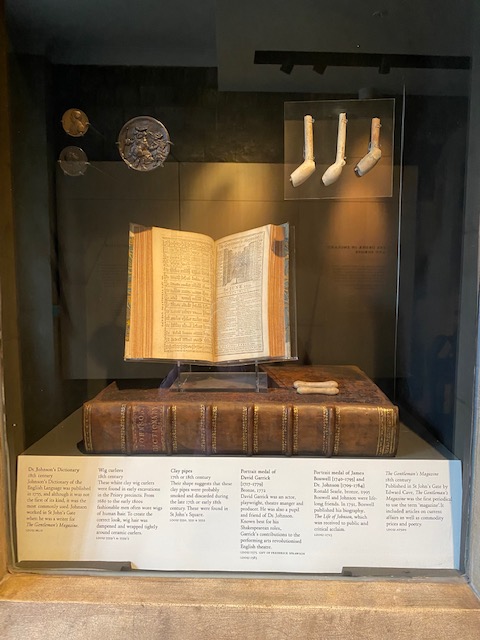
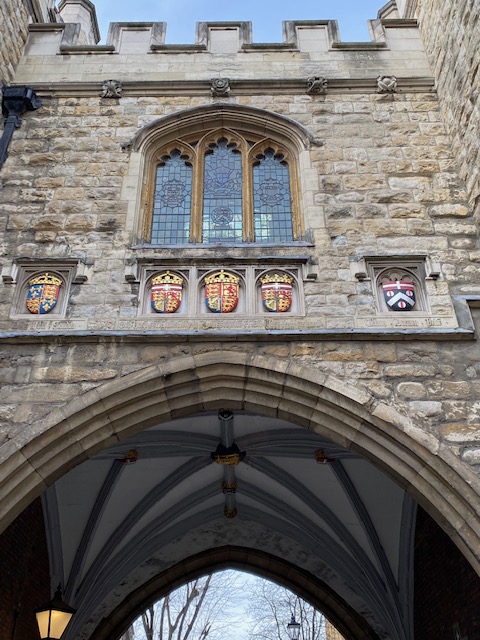
Final stop today is to visit the Museum of the Order of St John. Set in a beautiful building in Clerkenwell, the museum tells the story of both the Order of St John and St John Ambulance, the first aid charity. Celebrating its century this year, the museum is arranging various events and guided tours but it’s free to just take a look around the museum on your own.
The Order of St John was founded in Jerusalem by monks with a mission to care for sick pilgrims, regardless of faith. By 1080 they had established a hospital, and the men and women who worked there became known as Hospitallers. Soon after, Jerusalem became a focus for conflict and the Order had to move elsewhere, settling in Rhodes and Malta, amongst other places.
The museum tells of the Venerable Order of Saint John from its roots as a pan-European Order of Hospitaller Knights founded in Jerusalem during the Crusades, to its present commitment to providing first aid and care in the community through the St John Ambulance. There are many fascinating facts to discover plus numerous artefacts are on display that have been found at the various sites.





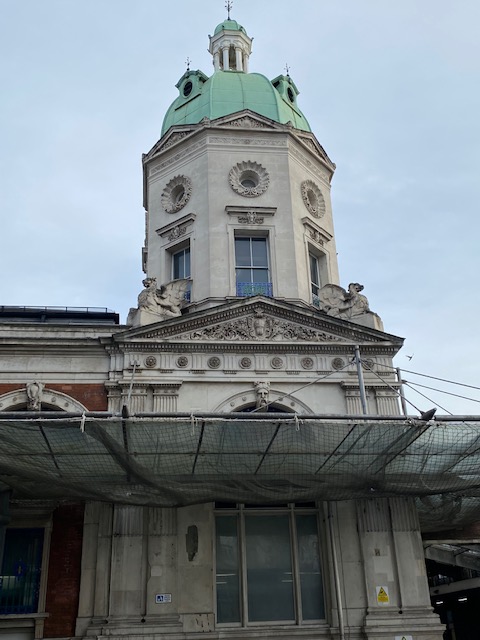
On the way back to the bus stop, you’ll come across Passing Alley, a medieval alley that would have wound through the cornflower meadows at the time. You will then find Smithfield market, the largest wholesale meat market in the UK and one of the largest of its kind in Europe. A livestock market has been on this site since the 12th century. From the early 13th century, it was also used as a place of execution for criminals. Wat Tyler, the leader of the Peasants’ Revolt, was executed here, as was Scottish hero William Wallace. It was the location of Bartholomew Fair – three days of merrymaking, dancing, selling and music which over the centuries became the most debauched and drunken holiday in the calendar!


All in all, this route is a great one and has lots of variety in terms of what to see and where to go.
Toilets that are free and available to the public are:
- Walthamstow Library
- Mare Street Market
- Museum of the Order of St John
 london routemistress