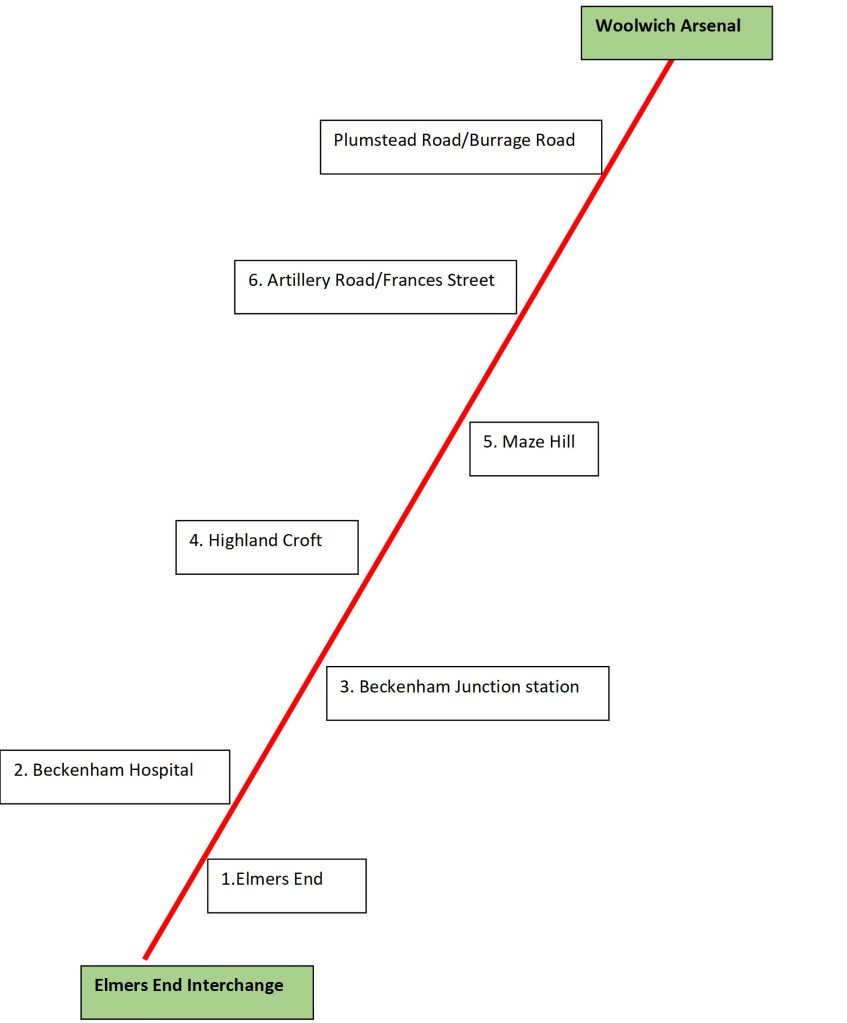
Elmers End to Woolwich Arsenal
Highlights:
- Dragonfly pond at S Norwood Country Park
- Beckenham Place Mansion
- Vanbrugh Castle
- Woolwich Arsenal historic buildings
- Elmers End
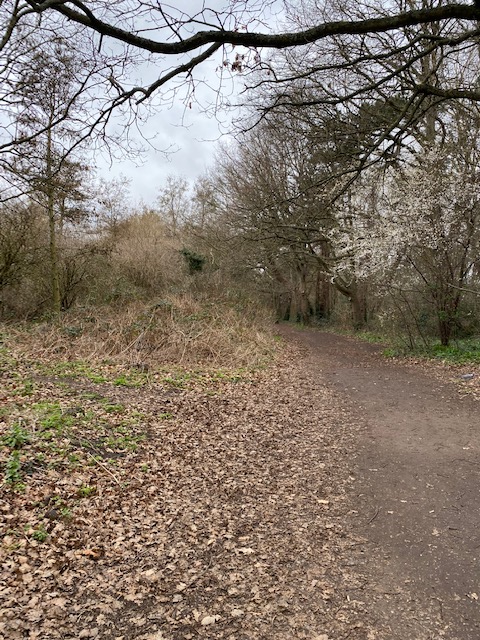
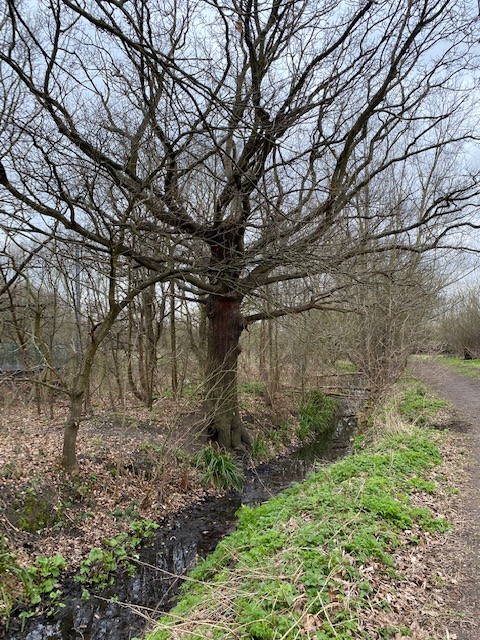
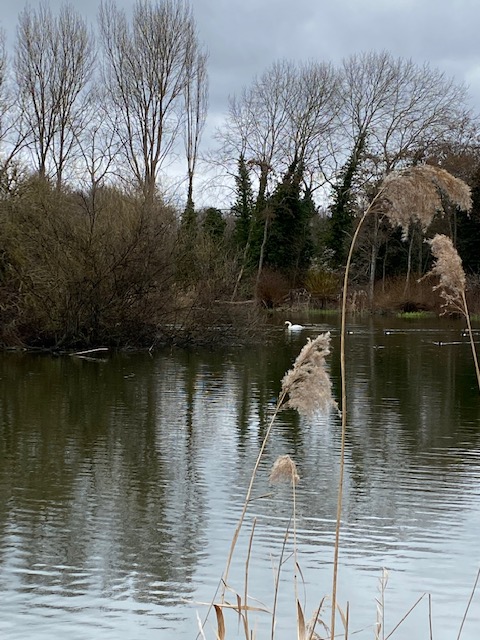
Before getting on the number 54 at Elmers End station, walk round the corner to find South Norwood Country Park. It’s a lovely open green space which is a mix of countryside and parkland. It was at one time the location of a medieval moated manor, and later it was used as a sewage farm. These days the country park is a haven for wildlife, with a Dragonfly Pond that had been built to encourage dragonflies and damselflies.
2. Beckenham Hospital
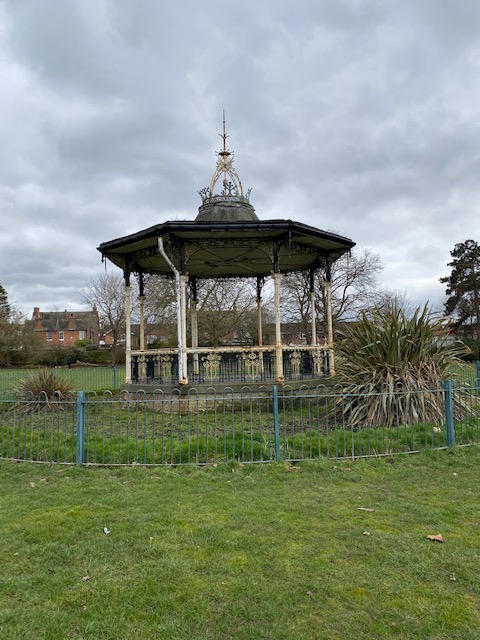
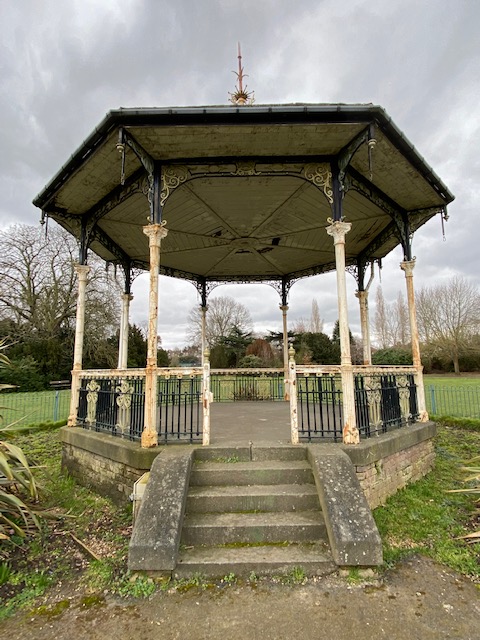
The next stop is at Croydon Road Recreation Ground where the Bowie Bandstand can be found. It is a listed building which was erected in 1905. On 16 August 1969, David Bowie helped organise, compere and perform at a free festival that was being held at the bandstand. The one-day festival has taken place annually since then, and is now known as Bowie’s Beckenham Oddity. Bowie lived in Beckenham for 5 years when he was in his twenties, so he had history with and an affection for the area.
The bandstand is currently in poor condition, but will shortly undergo restoration. When completed, the plan is to not only become a permanent and fitting tribute to a much-loved superstar musician, but hopefully a site where future legends might also one day cut their teeth.
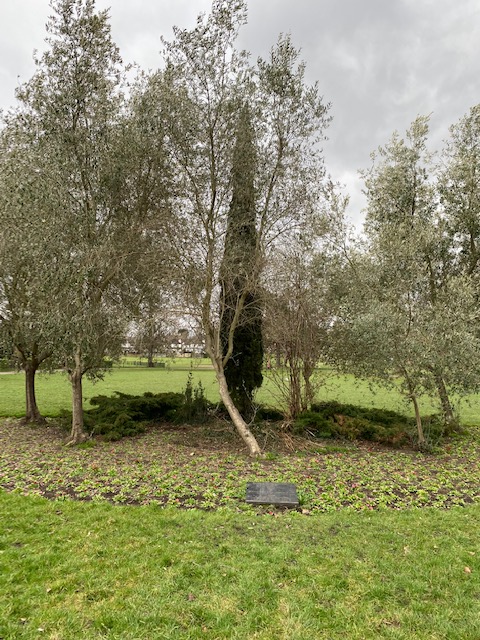
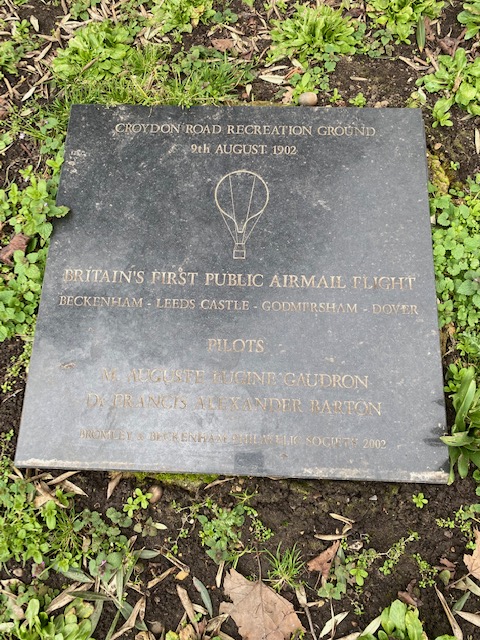
In the same park is a plaque to commemorate the site of Britain’s first public airmail balloon flight to France. The two pilots set off on 9th August 1902, stopping at Leeds Castle, Godmersham and Dover before finally touching down in Calais. This hot-air balloon event was held to celebrate the coronation of King Edward VII.
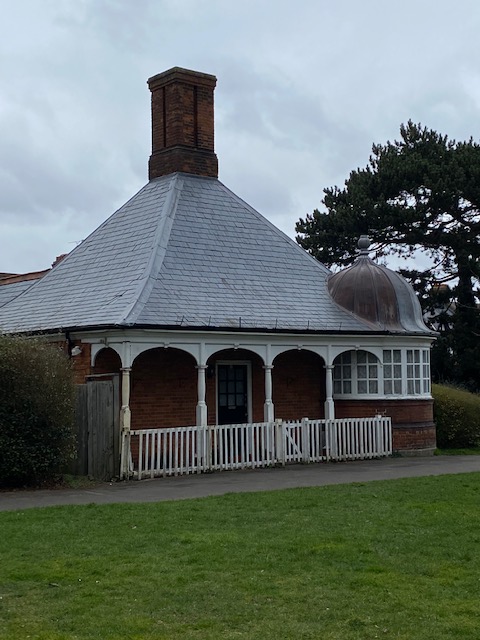
James George Thomas Baxter, a local gardener, was appointed the first supervisor of the new park at a wage of 24/- a week (£1.20) plus the use of the lodge, pictured here. His wife Lucy was given permission to serve light refreshments to visitors.
3. Beckenham Junction station
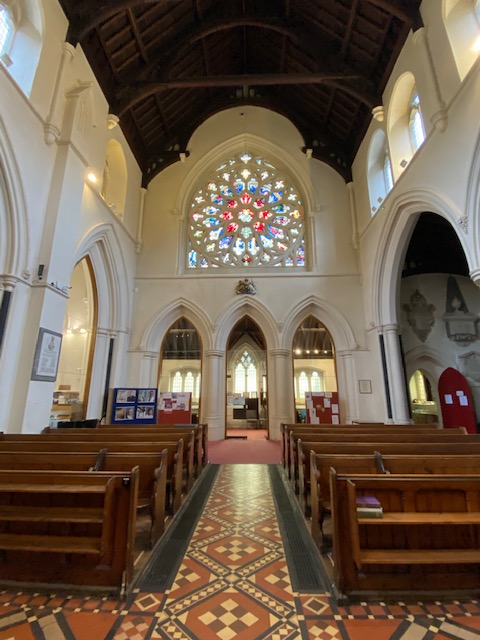
Near the bus stop is St George’s Church, Beckenham. There has been a church on this site since the 12th century. The original medieval church existed until this present building, which is grade II* listed, was built between 1885-7. The decision to rebuild the church was due to a rapid increase in the population in Beckenham, from around 6,700 in 1871, to more than 16,000 by 1883.
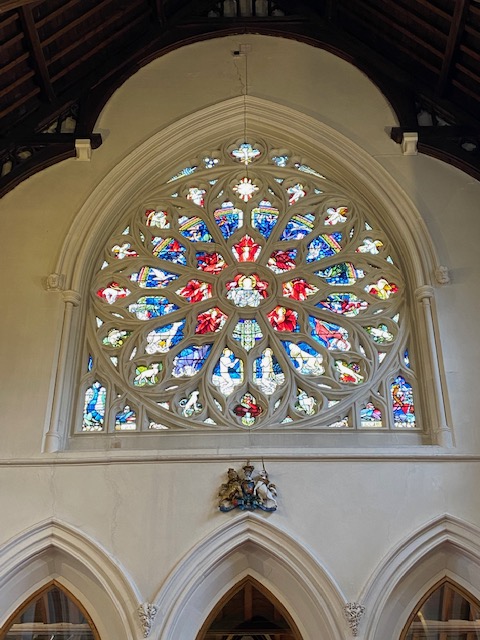
There is a beautiful rose window at the west end of the church. The colours are rich and have a kaleidoscopic effect. Most of the stained glass within the church was created by Thomas Freeth in the 1960s though some dates back to Victorian times. The church sustained damage in the Second World War as a result of two V-1 flying bombs, on 2 July and 27 July 1944. Much of the stained glass was destroyed by the bombs hence the new windows being commissioned and inserted in the 1960s.

4. Highland Croft
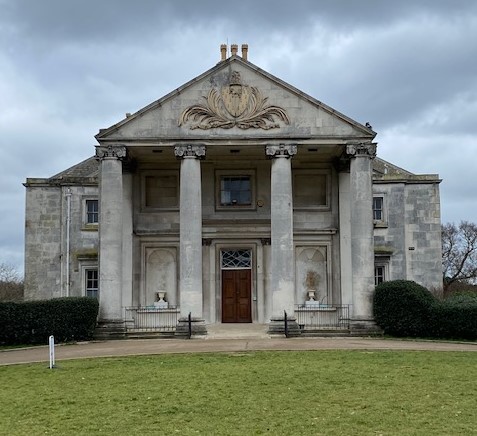
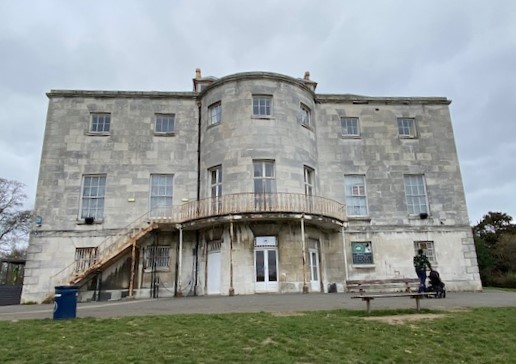
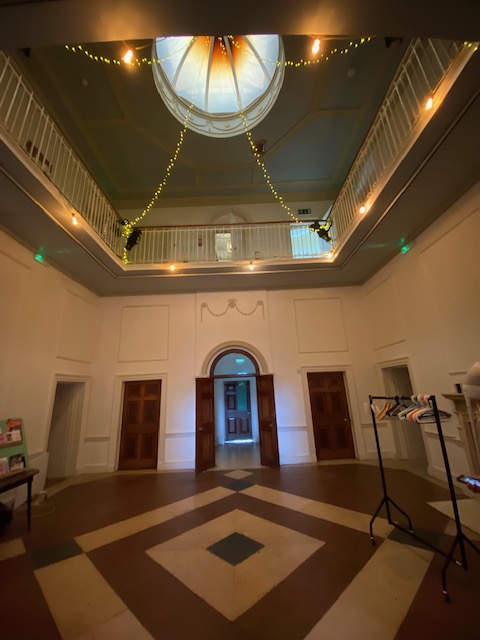
Another park in Beckenham and this one has a magnificent Georgian Mansion set in the middle. It is a Grade II* listed building and was built for John Cator, in 1760-62. John Cator was an English timber merchant, landowner and politician who sat in the House of Commons between 1772 and 1793. He became a landowner with estates in Blackheath, Beckenham, Addington, Croydon and Waltham Forest.
In 1773 he also became Lord of the Manor of Beckenham, having purchased land from Frederick St. John, Lord Bollingbroke. The Mansion is believed to have been known as ‘Stumps Hill’ at first, and was built as a gentleman’s seat in Beckenham. It was a grand family sized house intended as a pleasant retreat from the hubbub of London.
Since Cator’s death in the early 19th century, the Mansion has been home to Craven College for Boys and between 1907 – 1930, it was a sanitorium. The grounds were used as a golf course until 2016, when Lewisham Council, the new owners, started redeveloping the park and house. These days, the Mansion houses artist studios, a yoga/Pilates/wellbeing centre, arts and crafts classes and a bar/café.
5. Maze Hill
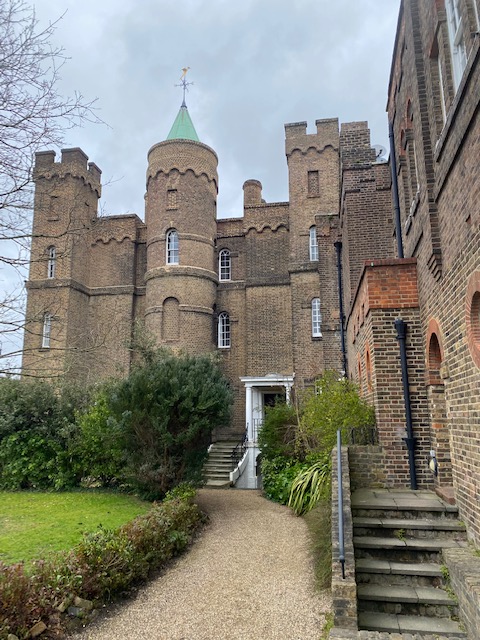
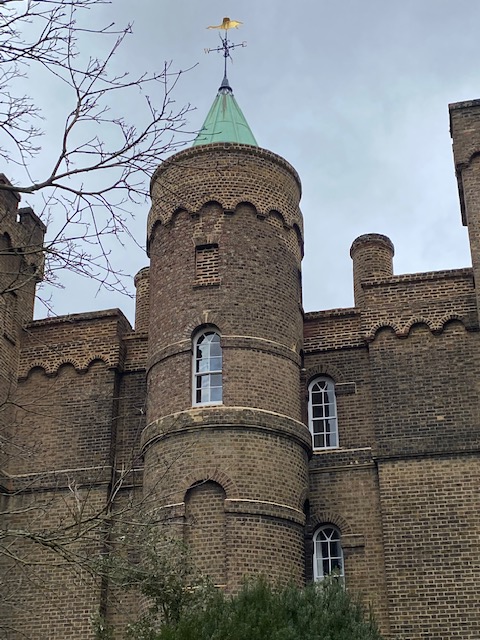
There is a reasonable amount to see near this stop. First place is Vanbrugh Castle, on Maze Hill overlooking Greenwich Park. This large building was designed by John Vanbrugh, after he’d designed Castle Howard and Blenheim Palace. The style is more gothic than baroque and the main structure was completed in 1719. It’s thought that the design is based on the Bastille, where Vanbrugh was imprisoned for four years in his youth. Vanbrugh died in 1726 and the house passed through various owners, including the oil merchant Alexander Duckham, who bought the castle in 1907 as his London home, adding a prominent weathervane shaped like a duck in flight.

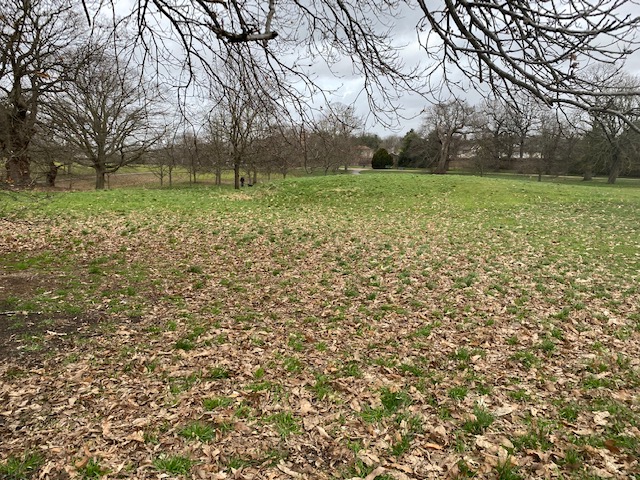
Over the road from this house is Greenwich Park where there are Roman Temple Ruins. There is nothing specifically visible other than a low mound that dates back to the Roman Period (cAD43-AD410). When the area was excavated, in 1902, segments of floors and walls were revealed. Students of Roman architecture suggest that the finds come from a temple and not, as originally thought, a Roman villa.
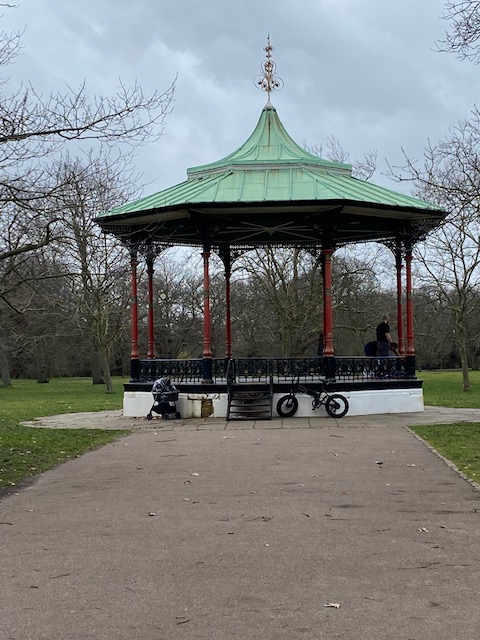
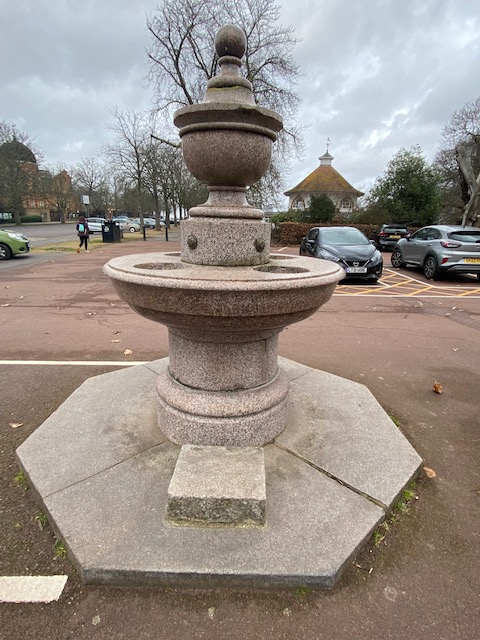
Walking round the park, you come across the bandstand. Erected in 1891, the same year as the park’s only surviving Victorian granite drinking fountain, this is a Grade II listed structure. It has some lovely iron metalwork and has been kept in good condition. These days it’s used for leisure activities and a meeting place in the park.
6. Artillery Place/Frances Street
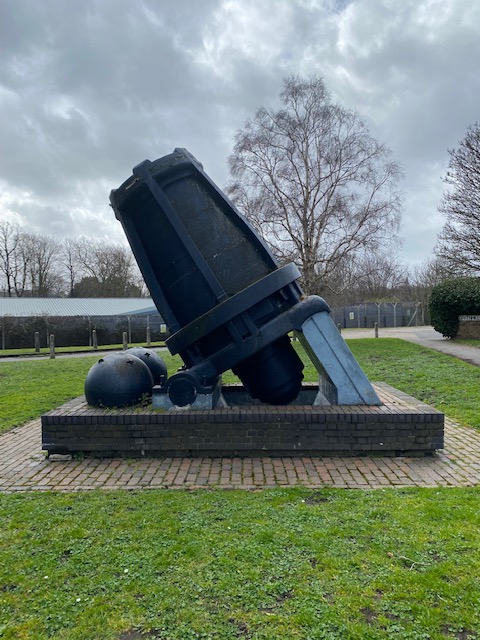
Alight here and turn the corner to find a Mallet’s 36-inch mortar on display on a patch of green. The mortar was originally designed for use in the Crimean War, although it never actually got used. Only two were built and one tested – this one here at Woolwich.
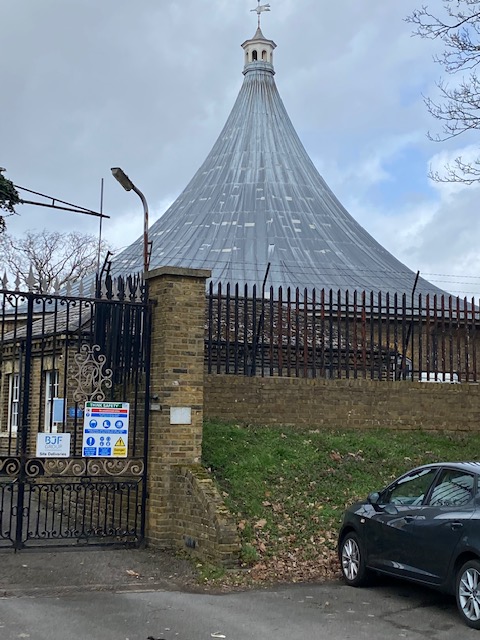
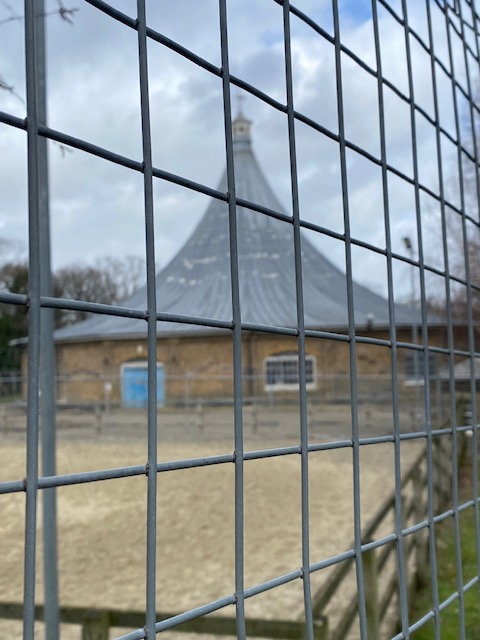
A few minutes’ walk away is the Woolwich Rotunda, which was originally a very large wooden rotunda, designed by John Nash and intended as a temporary structure. It was erected in 1814 and the first event held there was a magnificent celebration in honour of the Duke of Wellington, in July 1814. When the building was re-erected in Woolwich, in 1820, John Nash turned it into a permanent structure with a lead roof and central supporting pillar. In 1973 the Rotunda was designated as a Grade II* listed building but it is now on the Heritage at Risk list.
7. Plumstead Road/Burrage Road
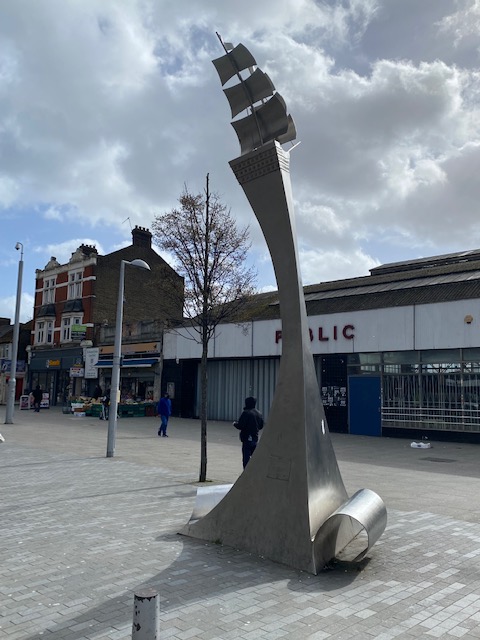
Final stop on this route is at Woolwich Arsenal where there is plenty to see. As soon as you get off the bus, you see The Woolwich Ship, an elegant steel structure, depicting a sailing ship on a wave-like column, commemorating the links with Woolwich’s shipbuilding past.
As you stroll down Number 1 street towards the river, to the left is the Royal Military Academy, a grand grade II listed building. The academy was opened by authority of a Royal Warrant in 1741, with the intention of producing “good officers of Artillery and perfect Engineers”. In addition to their theoretical studies, the cadets shared in what was called ‘the Practice’ of gunnery, bridge building, magazine technique and artillery work.
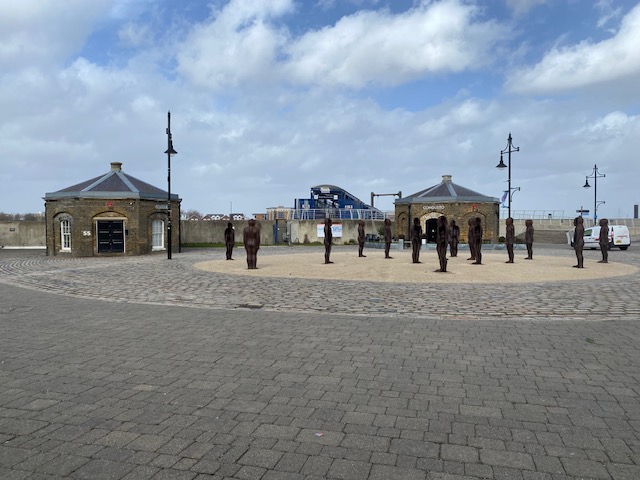
As you approach the Woolwich Pier, you find a cluster of 16 steel men that are forever frozen in a meeting that is about to take place. It’s called “Assembly” by the sculptor Peter Burke, and is intended to represent a group of people coming together. The viewer has the opportunity to see each model from the outside in, as if casting ones own body.
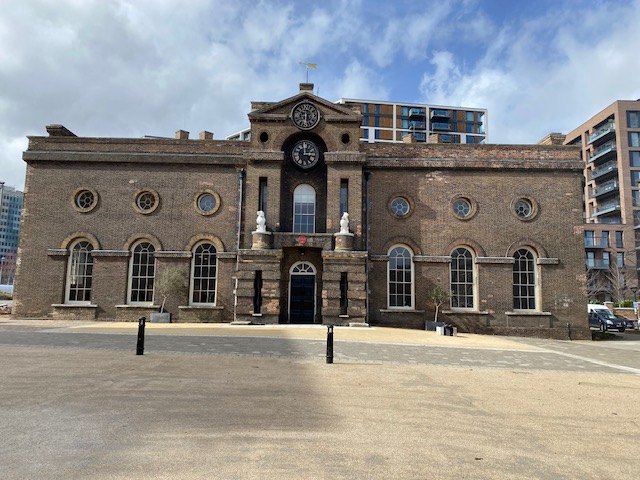
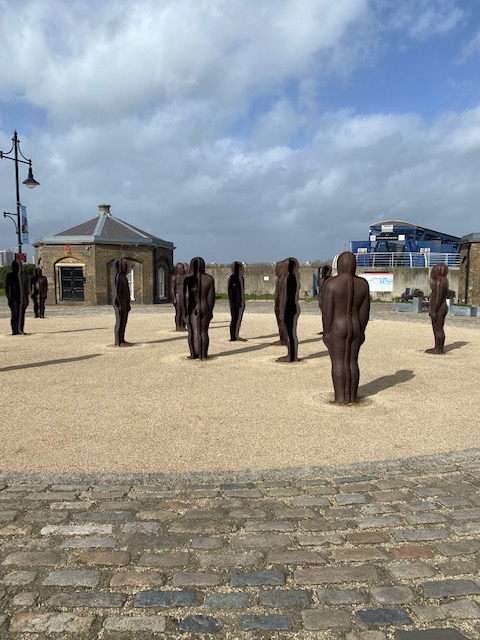
These 16 steel men are positioned near the East & West Riverside Guardrooms which are both Grade II listed buildings and were built in 1814-15 – and are still used today. These two octagonal guardrooms stand alongside each other at the pier entrance to the Royal Arsenal in Woolwich.
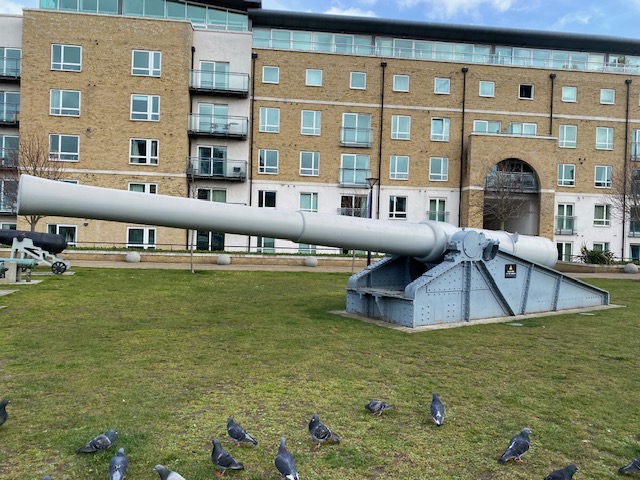
Just in front of the statues and guardrooms is a Gibraltar Gun, one of the largest and heaviest objects in the Royal Artillery’s collection, weighing 40 tonnes. The gun was first installed on the Gibraltar coast in 1902 where it remained in service into the 1950s.
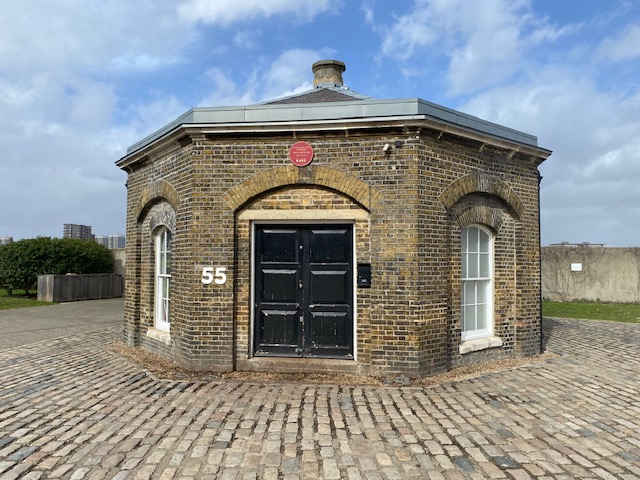
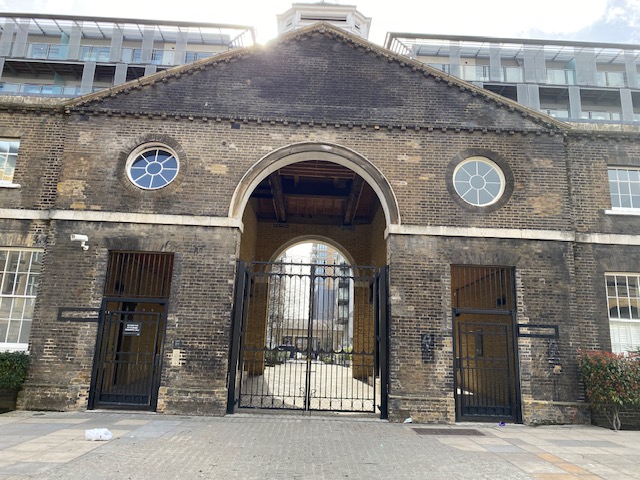
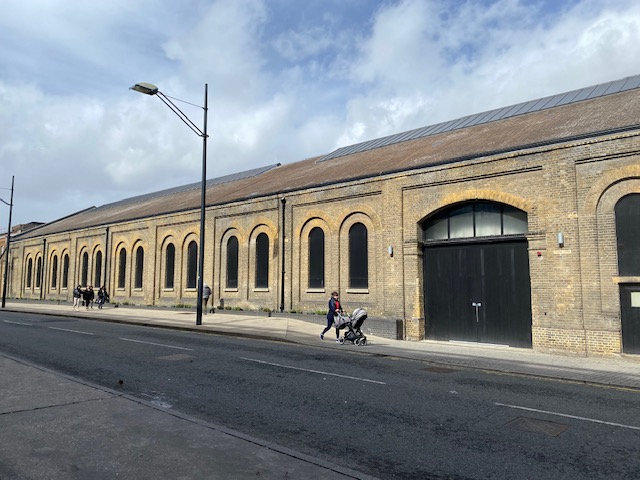
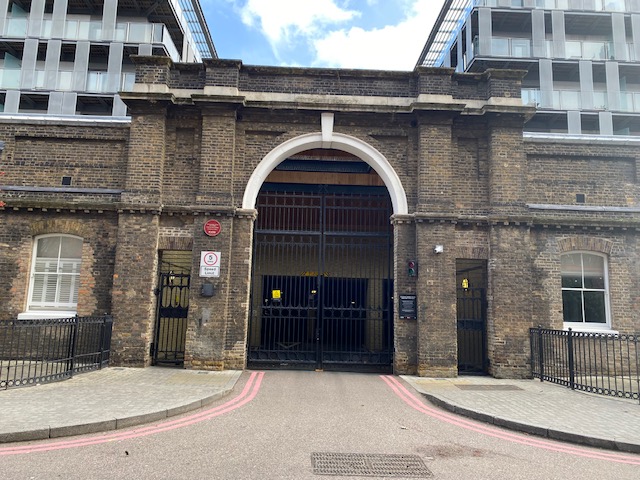
All along Cartridge Place are some historic buildings, once part of the military establishments of Woolwich. They include the old Fireworks Factory, the Cartridge Factory and the Carriageworks. This latter is where the guns were placed on their carriages. The Cartridge Factory dates from 1856: it is a two-storey, iron-framed block with two-colour brick walls. It was originally built for the manufacture of paper cartridges.
It would be possible to spend a whole day just at this spot at Woolwich Arsenal, perhaps rounding it off with a boat trip along the Thames to Putney.
Certainly it was a very fitting end to an interesting bus route.
Available toilets that are free to the public:
- Elmers End station
- London Bridge station
- Woolwich station Medical Centre
 london routemistress