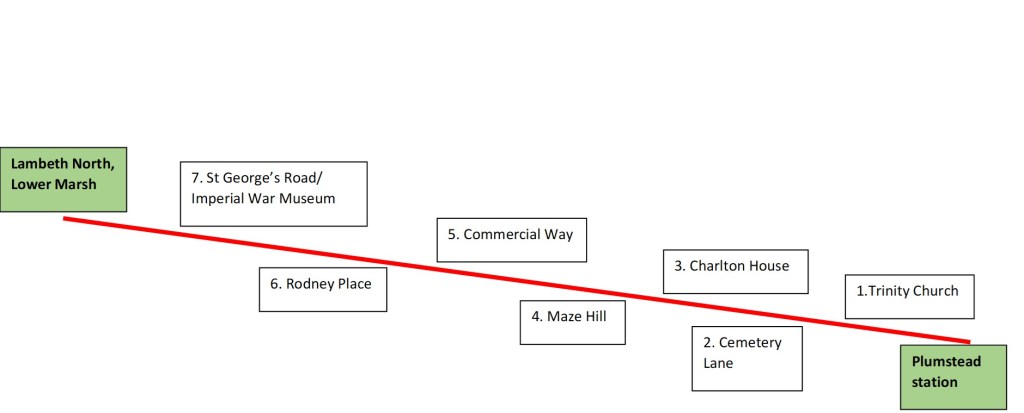
Plumstead station to Lambeth North, Lower Marsh
Highlights:
- Charlton House
- Asylum Chapel
- Bird in Bush Park
- Imperial War Museum and surroundings
- Trinity Church
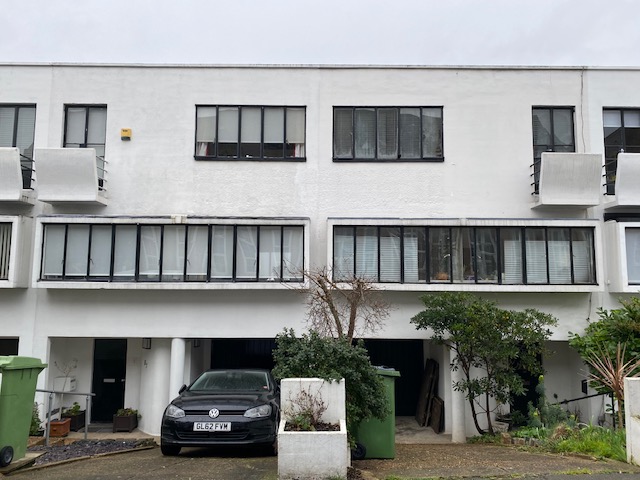
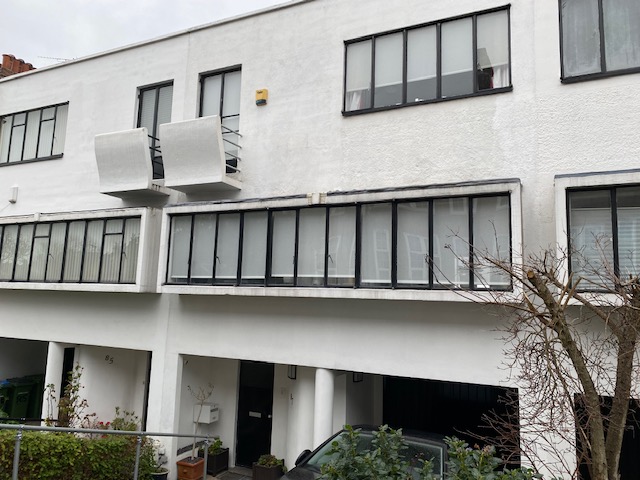
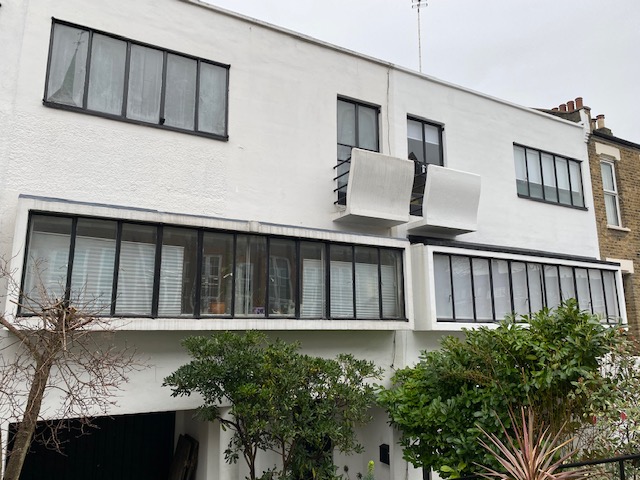
Alight here and walk round the corner to Genesta Road, where at 85-91, there are four terraced houses, the only modernist terrace built in the 1930s. Completed in 1934, the site was previously an orchard and all four houses are listed grade II*. The main feature is its height and the dramatic, almost precipitous fall to the north, giving views across the River Thames from the rear of the property.
2. Cemetery Lane
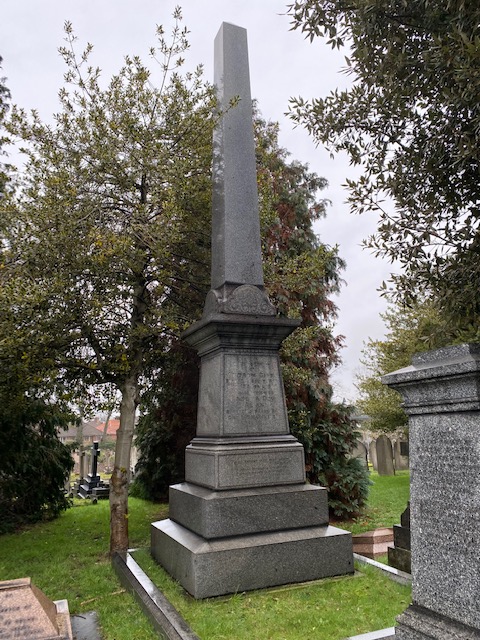
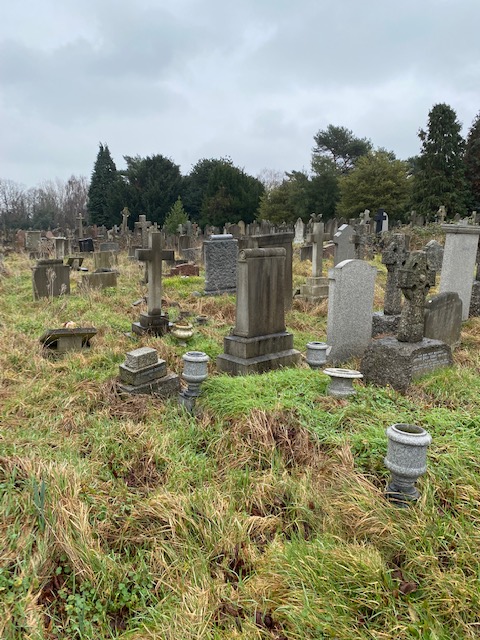
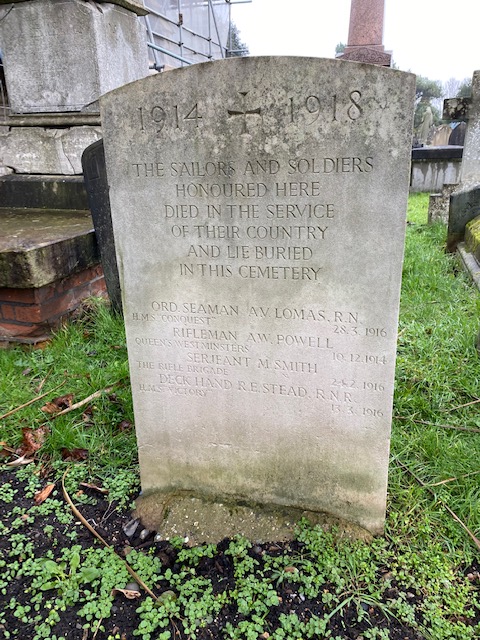
Next stop is Charlton Cemetery, which is very old and sprawling. It was opened in 1855 and was originally created as a “Gentleman’s Cemetery”. One of the most prominent structures is the Andrew Gibb memorial (more of him later) and there is a poignant memorial stone to two sailors and two soldiers in unmarked graves.
3. Charlton House
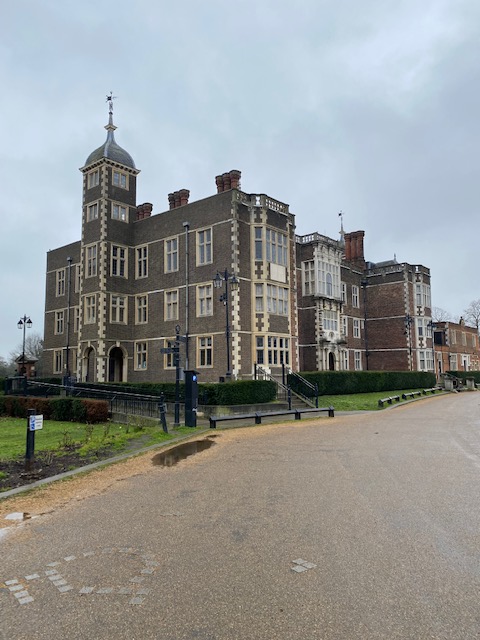
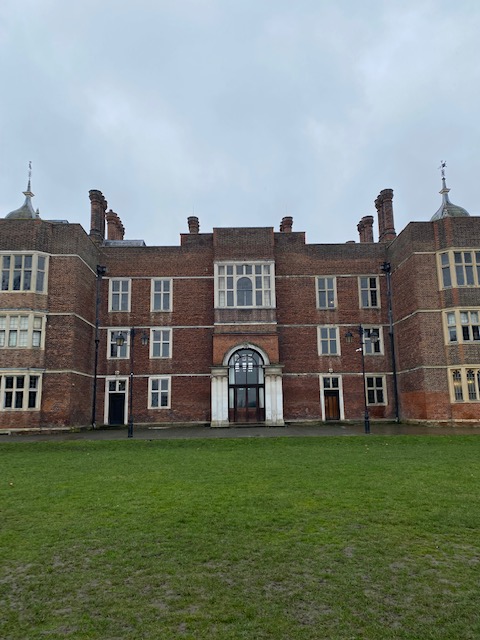
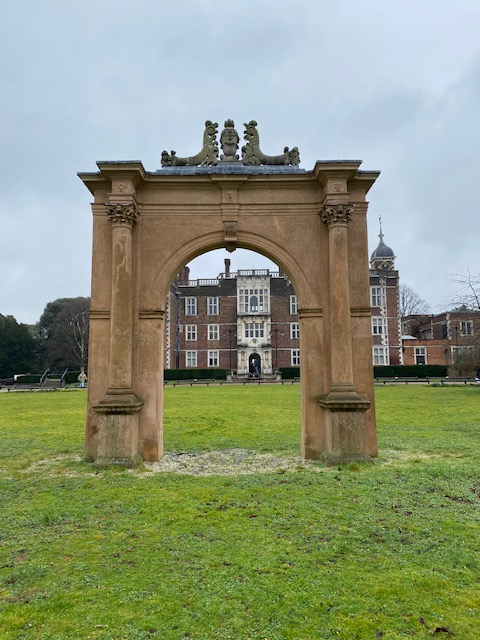
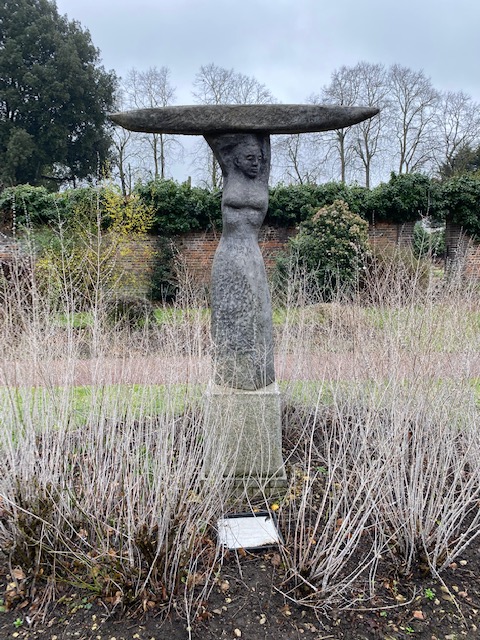
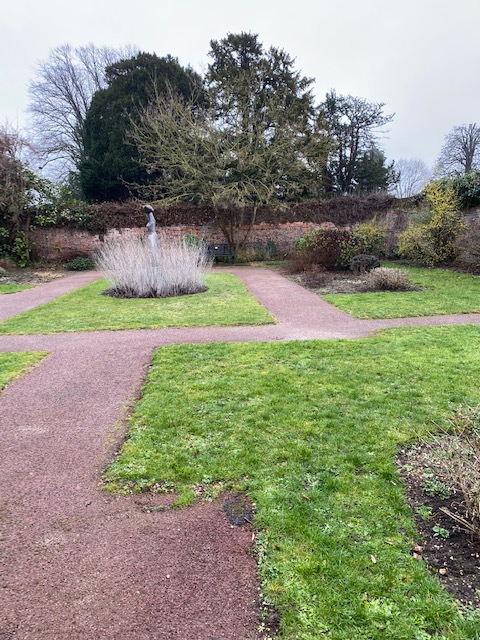
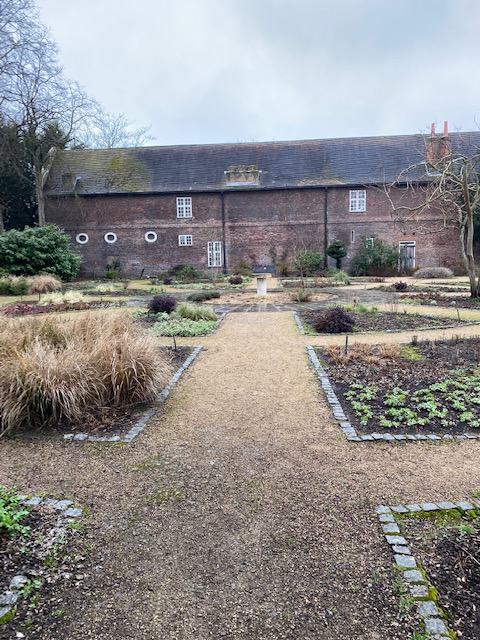
The bus stops outside the grounds of Charlton House and you immediately see the grandeur of this Jacobean building. Built in the early 17th century, it was originally a residence for the tutor of Prince Harry, son of James I and brother to the future Charles I. It later served as a wartime hospital, then a museum and library, and is now a community centre. It had been bombed during the Blitz and was subsequently rebuilt with non-matching bricks, being all that was available at the time. In the grounds of the house are walled gardens and an Amnesty International Peace Garden.
One of the families who owned the House over the years, the Maryon-Wilsons, were responsible in 1829 for enclosing the village green in front of the House. This is why the original gateway to the House now stands apparently stranded in the middle of the front lawn.
4. Maze Hill
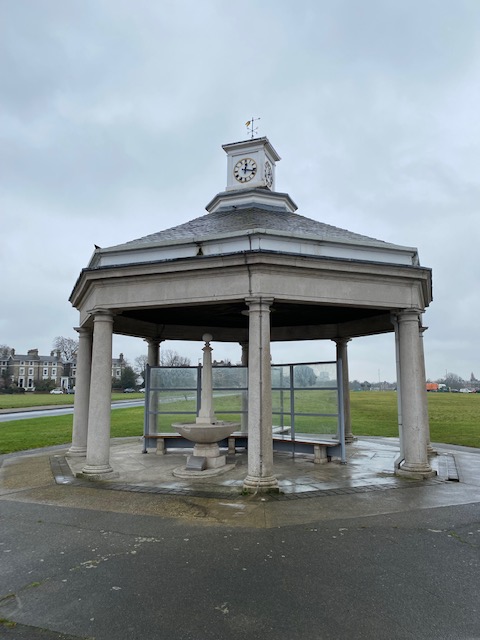
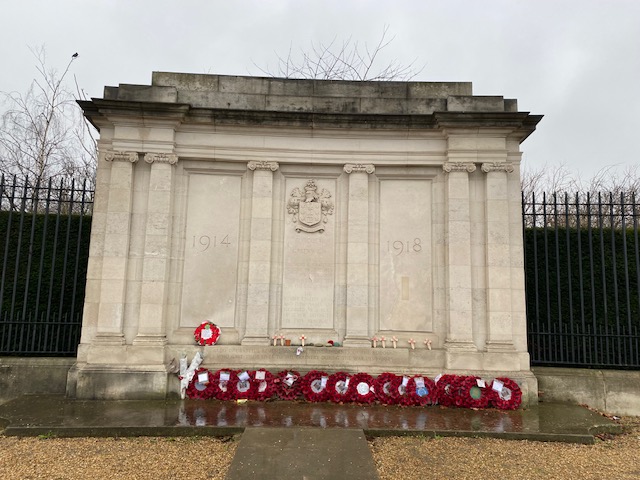
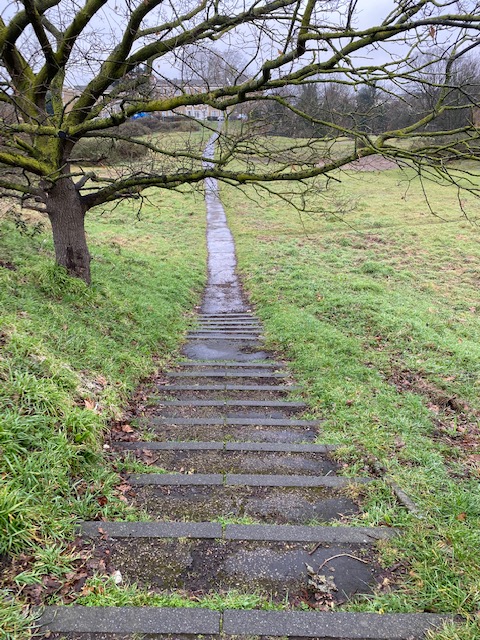
Close to the bus stop is the Andrew Gibb memorial shelter and drinking fountain. He is the same Andrew Gibb whose memorial is at Charlton cemetery (see above). He was a Scottish ship-repairer and philanthropist and was one of the first aldermen in the Borough of Greenwich. Just over the road is the Greenwich War Memorial for those who died during WWI. And in the vicinity are some rugged green areas, which look tempting to explore.
5. Commercial Way
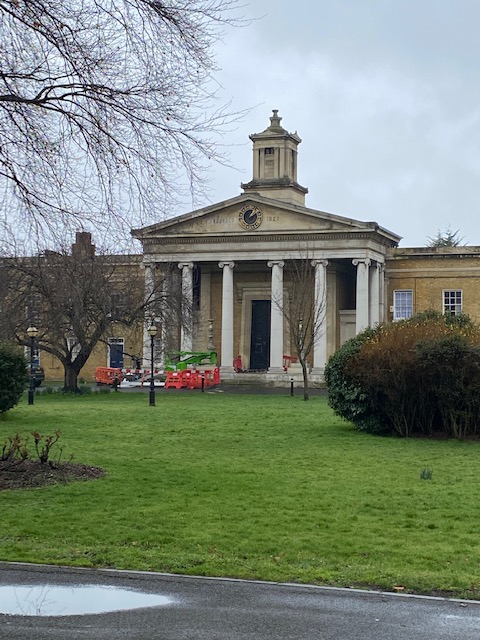
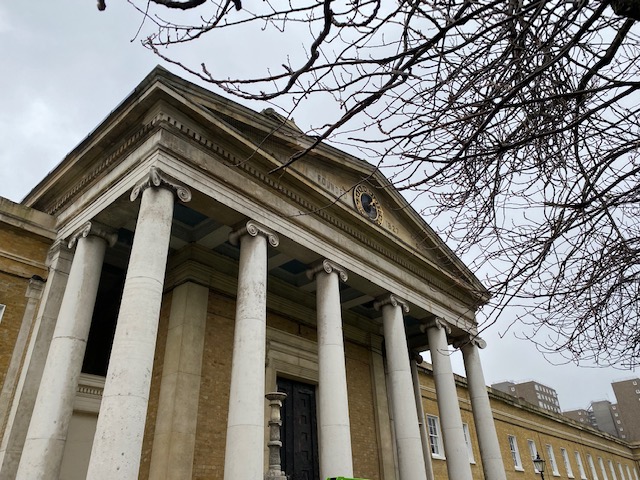
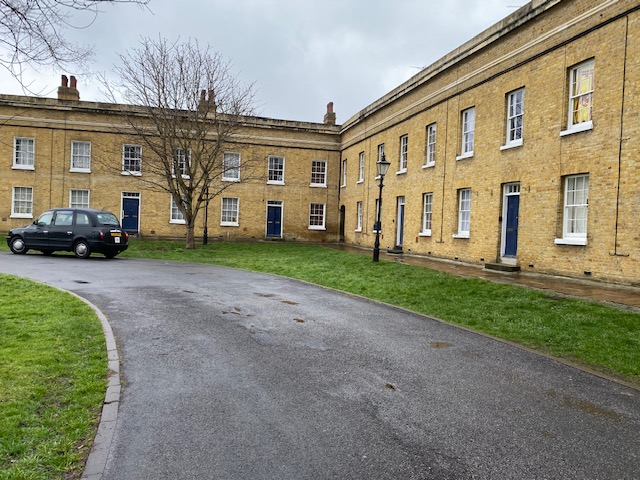
The Asylum Chapel and Caroline Gardens are also on bus route 21. Built in 1826, the chapel is a grade II listed building. The homes on either side were built as almshouses and as homes for elderly, retired pub landlords. Residents were entitled to a small weekly cash payment, coal, medical care and medicine. The chapel attracted many of the elderly residents and the younger members of their families and was thriving thanks to its congregation, contributions and benefactors.
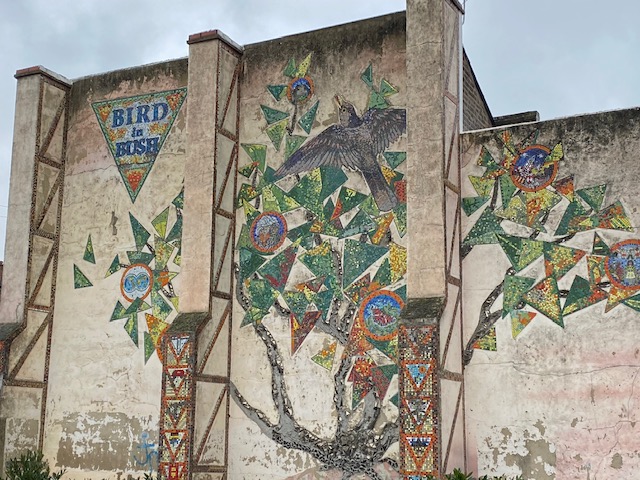
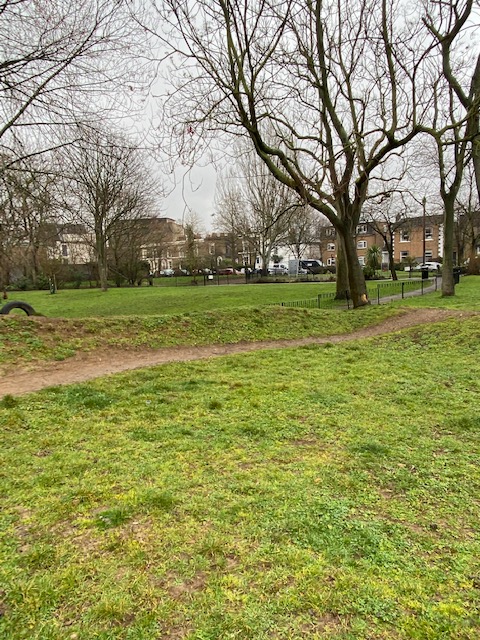
Around the corner to the chapel is Bird in the Bush Park. This pocket park has a lovely mural on a wall made up of hundreds of pieces of mosaic. The picture is of a bird in a bush, reflecting the name of the park. The bird is looking up to the sky and is grey in colour, in contrast to the surrounding leaves and flowers of the bush.
6. Rodney Place
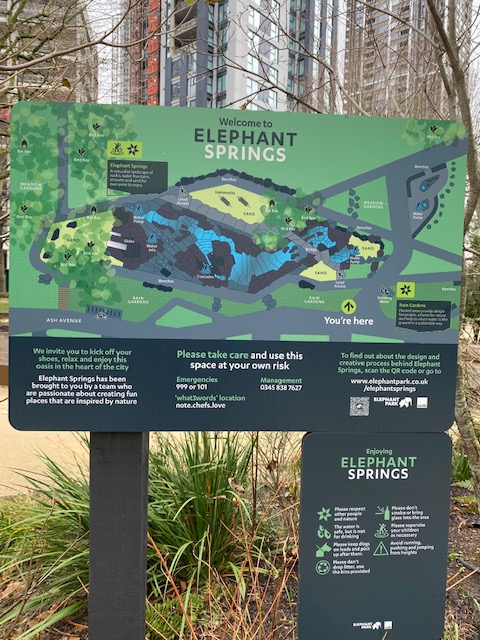
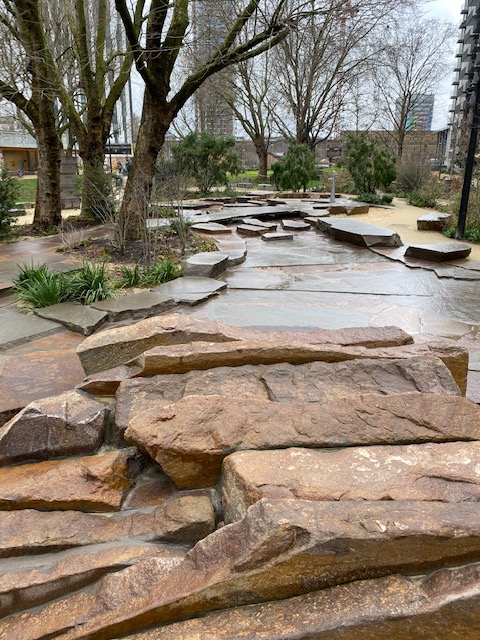
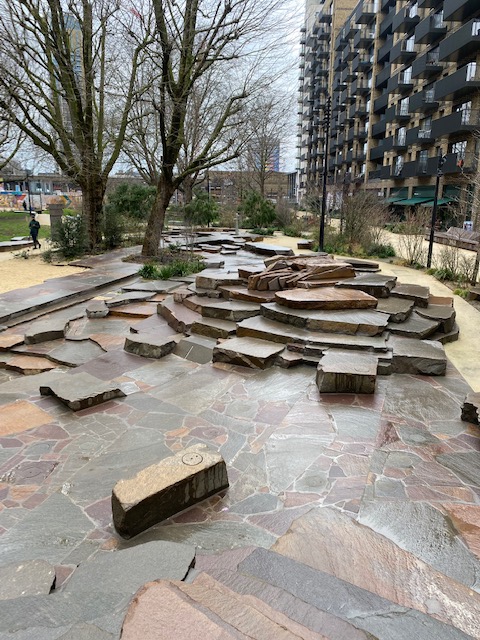
Near this stop is Elephant Springs. It’s an urban oasis crafted from water, rock and sand. The name refers to the water springs that bubble from several different water effects, including cascades of water rushing down rock channels and babbling streams.
7. St George’s Road/Imperial War Museum
The final stop on this route is at the Imperial War Museum. As well as the museum itself, there’s plenty to see around the area. Stroll inside the Tibetan Peace Garden which was opened by the Dalai Lama in 1999. It’s an interesting juxtaposition to have a peace garden in the same grounds as a war museum. In this garden is a Kalachakra Mandala, a visual depiction of one of the most advanced and complex teachings of Buddhism. Also here is a stone language pillar with a message from the Dalai Lama.
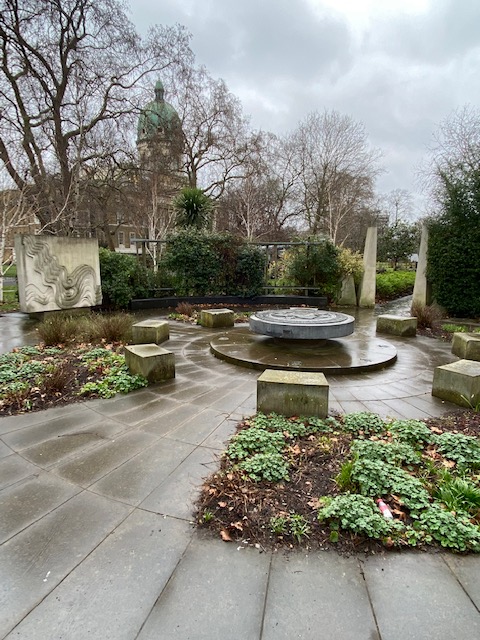
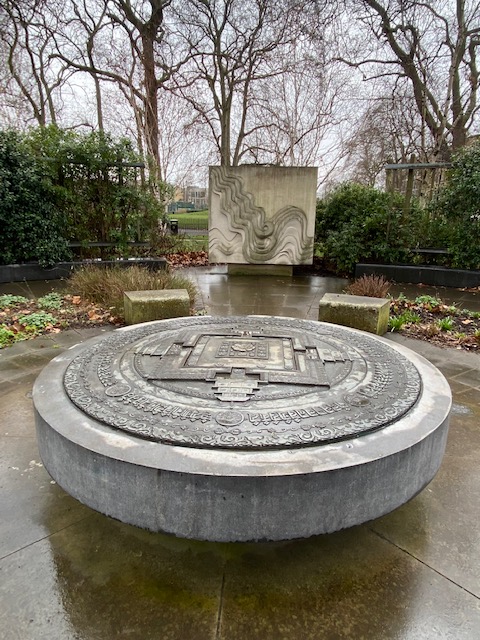
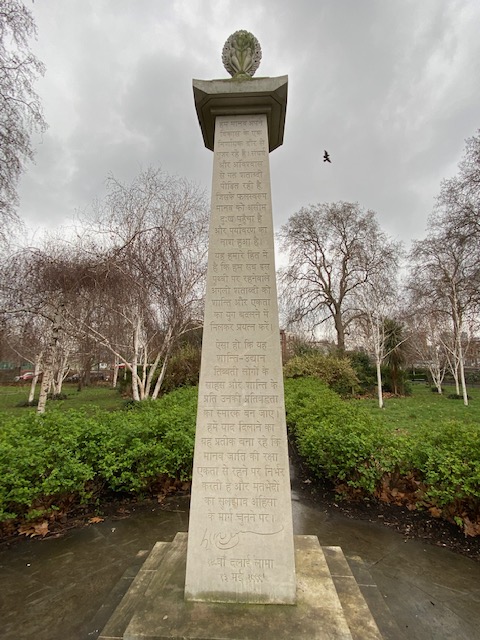
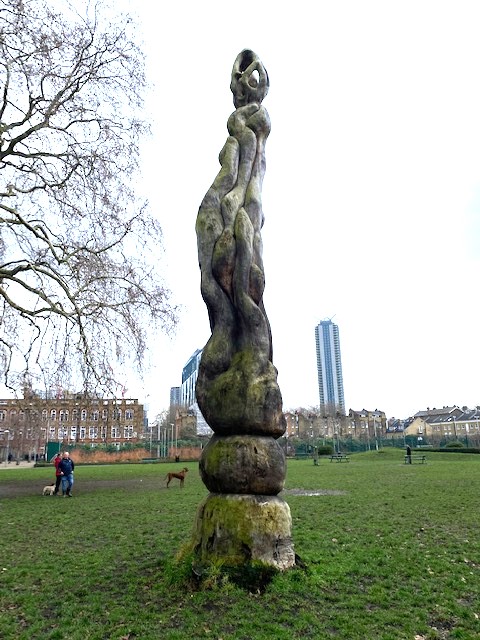
In a different area of the grounds around the museum is a peace tree sculpture by the artist Morganico. Its shape represents a meditative candle with flame. And just at the bottom of the steps of the museum is a section of the Berlin Wall. One side of the wall section is covered in graffiti, including the inscription ‘CHANGE YOUR LIFE’, by the artist Jürgen Grosse.
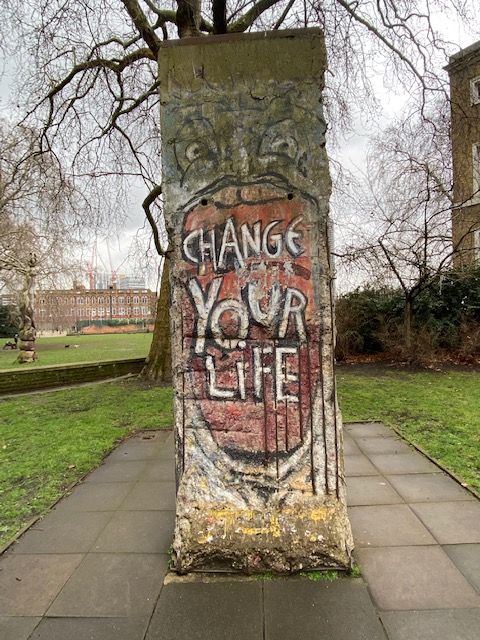
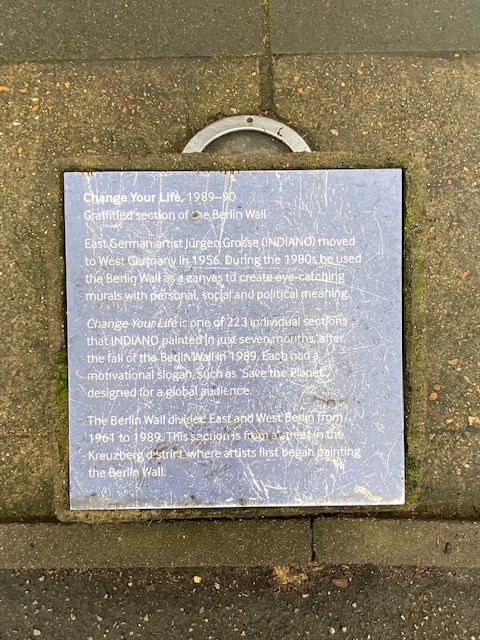
And so to the inside of the museum itself. It’s free entry and has a host of exhibitions and information about the wars that have taken place over the centuries. Expect to spend a considerable amount of time there – so just popping in if you’re on this bus route will give you a flavour but can’t do it real justice. It deserves several hours of discovery. They are currently (Feb to May 2023) showing a photographic exhibition from Ukraine by Anastasia Taylor-Lind, with actual photos from the front line.
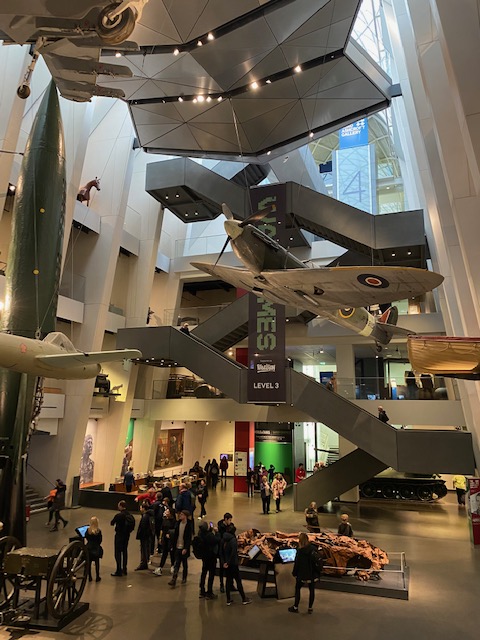
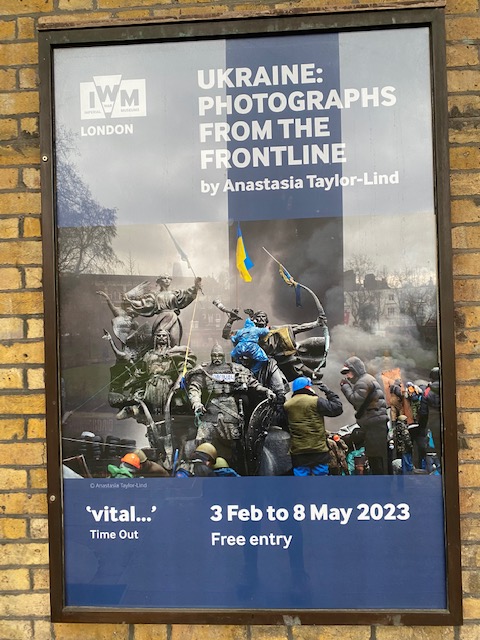
This is a great bus route with plenty to see. Even so, there were three places that were closed today that aren’t usually so hopefully another bus route will go to them. These were Goldsmith’s Centre of Contemporary Art, hARTslane, and Morley Gallery, all closed as they were preparing for future exhibitions.
Public toilets that are free and available:
- Charlton cemetery
- Imperial War Museum
 london routemistress