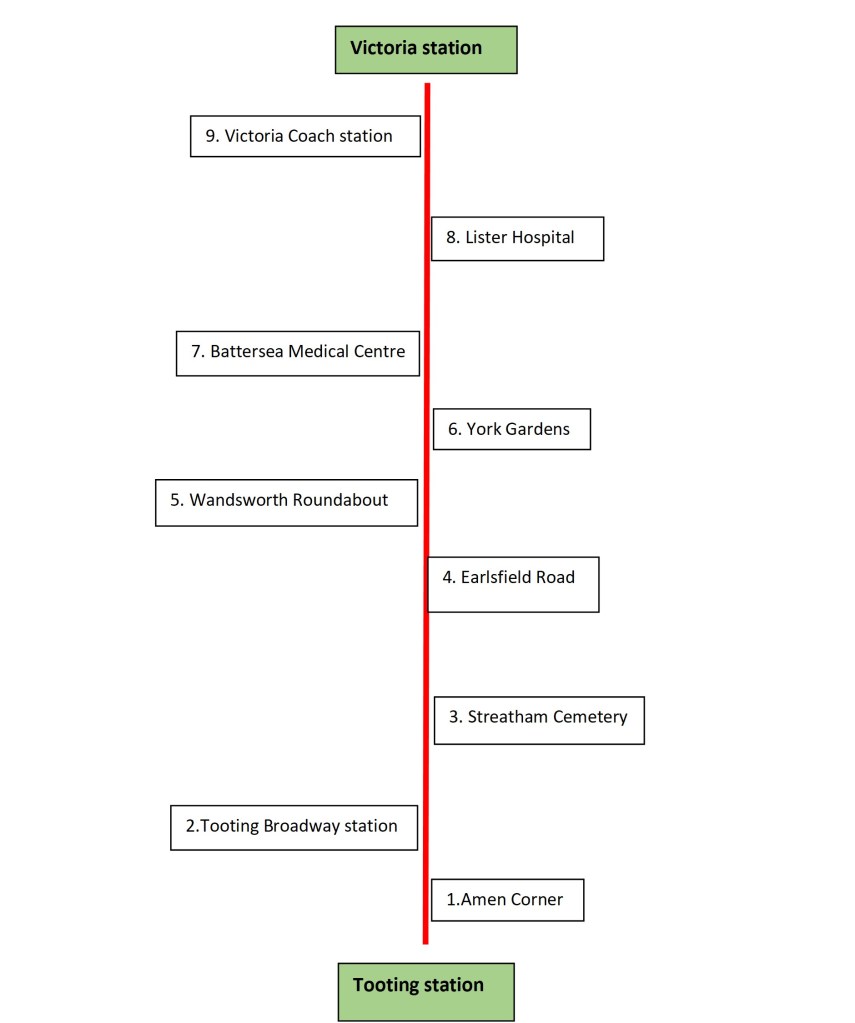
Tooting station to Victoria station
Highlights:
- Tooting Broadway gas lamps
- Wandsworth roundabout and underpass
- Barbara Hepworth sculpture
- Mozart statue and plaque
- Amen Corner
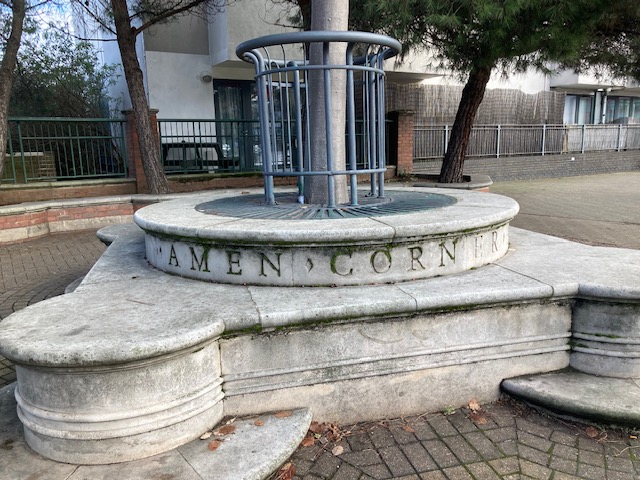
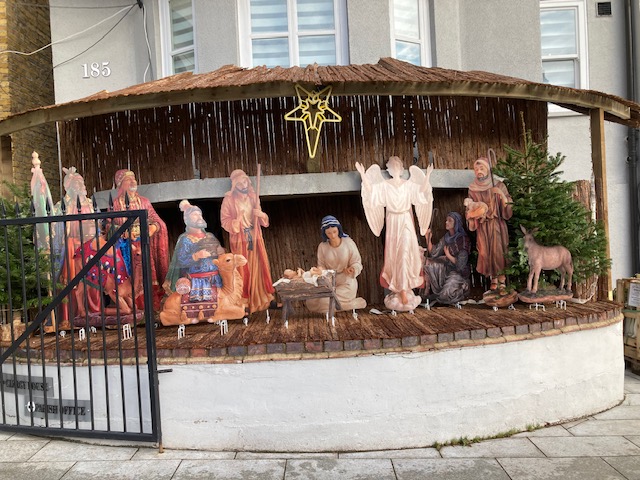
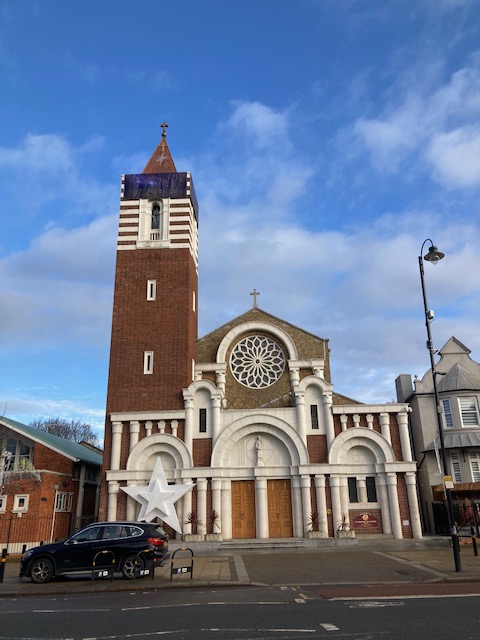
First stop on this route was at Amen Corner in Tooting. The origin of Amen Corner started in Paternoster Row in the city of London. Monks would set off from there, chanting the Lord’s Prayer. They would reach the final ‘amen’ as they turned the corner in Ave Maria Lane. It’s possible that the Salvation Army used to congregate for prayers in this part of Tooting but nothing is confirmed. Near the corner itself is St Boniface Church, a catholic church built in the early 20th century by architect Benedict Williamson. This being the week before Christmas, there was a lovely display of a nativity scene outside.
2. Tooting Broadway station
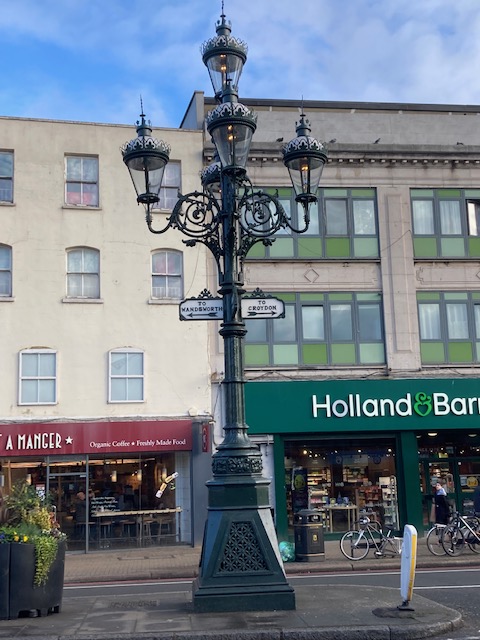
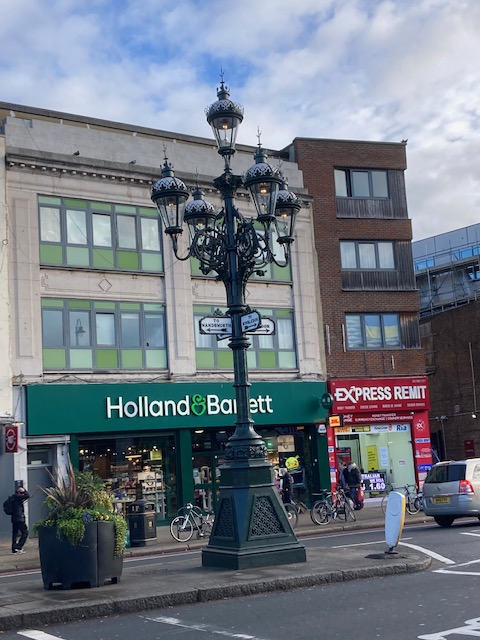
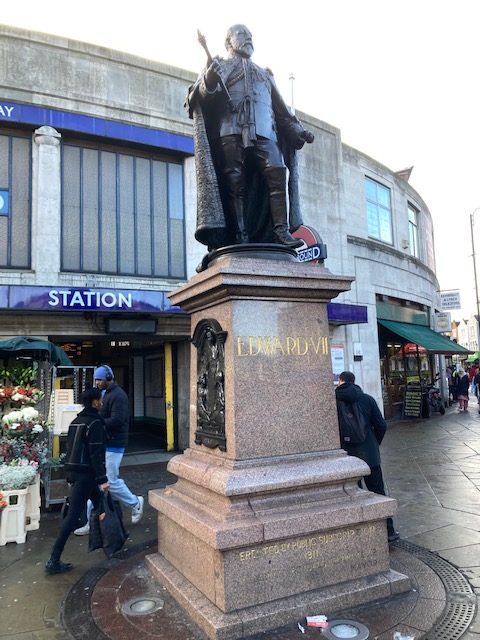
Right outside the station are gas lamps that have stood in Tooting Broadway since the early 19th century, during which time they have grown to be one of Tooting’s most prominent and historic landmarks. Formed by a cluster of five ornate lamps, the cast iron supporting structure also serves as a four-way signpost guiding people towards Wimbledon, Croydon, Wandsworth and central London. Also there is a statue of King Edward VII at the pavement directly outside the tube station entrance. The statue has the king dressed as commander-in-chief and it was erected on the corner in 1911.
3. Streatham Cemetery
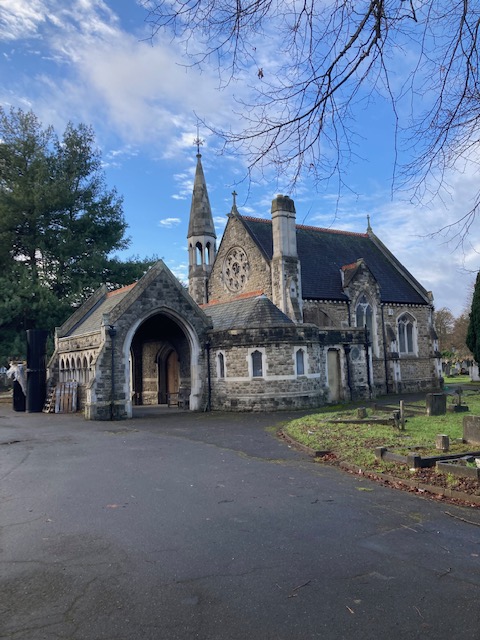
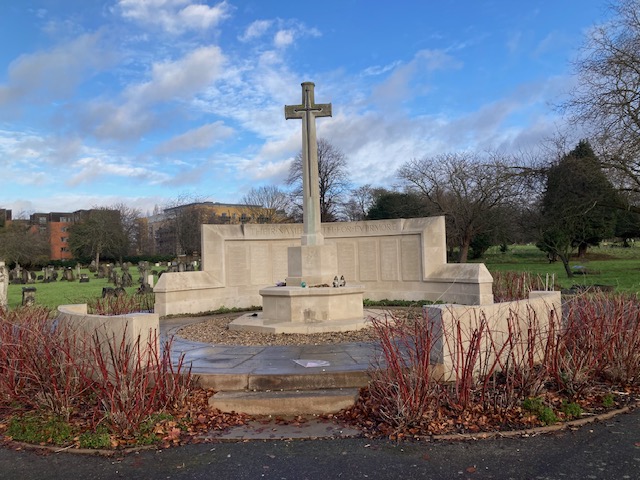
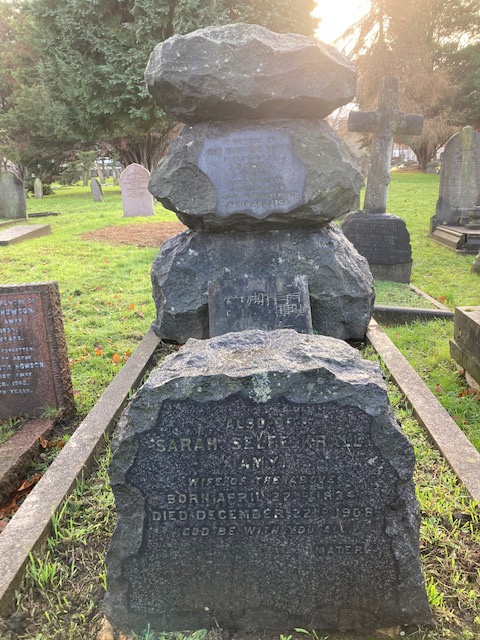
Opposite the bus stop is Streatham Cemetery, which opened for burials in 1894 and was provided with two lodges and two mirror-image chapels built in the Gothic style. There are no new graves available today although burial in existing family plots is allowed. There are many war memorials here and some unusual grave stones, one such being John Baptist Krall’s and his wife Sarah Selfe Krall.
4. Earlsfield station
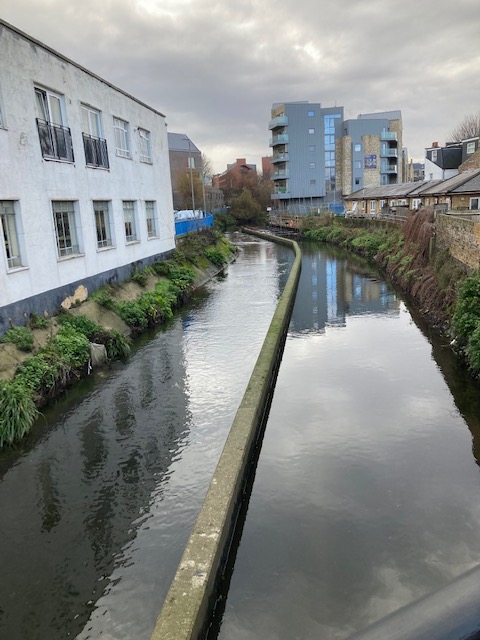
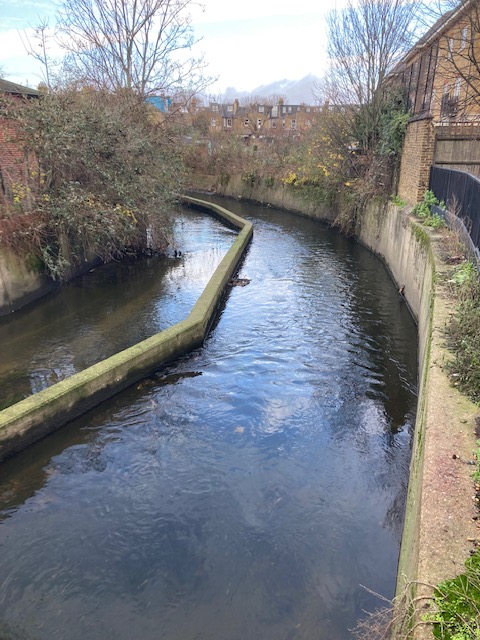
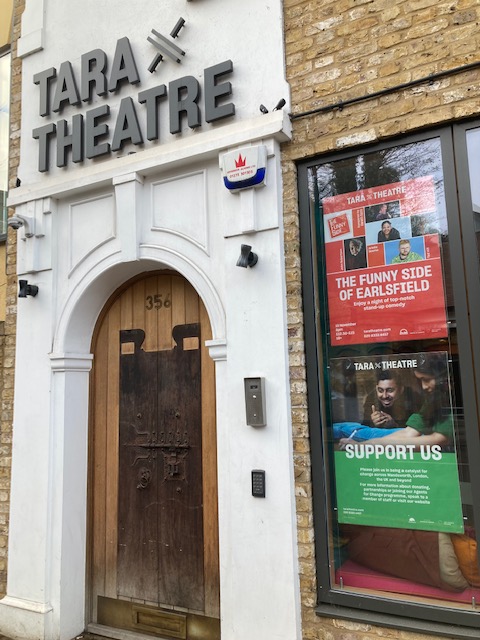
Next stop is to visit the river Wandle in Earlsfield. The river actually runs for 9 miles starting at the North Downs and runs through Morden and Earlsfield and joins the Thames at Wandsworth. On the way from the bus stop to the river, you’ll pass the Tara Theatre, a niche theatre that started in 1977 as a direct response to the racist murder of 17-year-old Gurdip Singh Chaggar. They are the only theatre focusing exclusively on South Asian artists and stories.
5. Wandsworth Roundabout
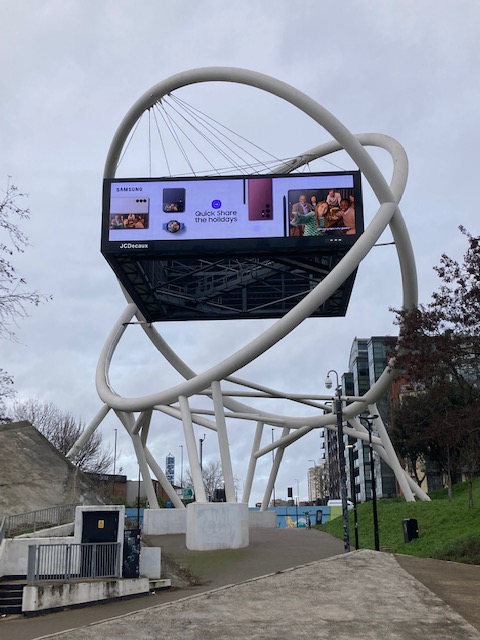
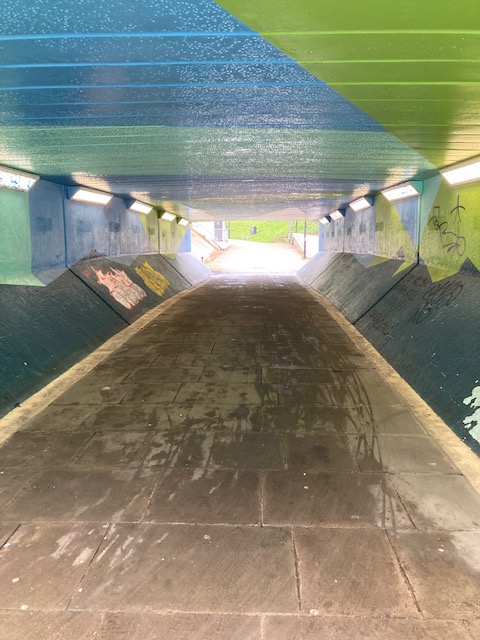
There are a couple of interesting things to see here – firstly you come across the interdimensional portal that’s placed on the roundabout. It’s a very large atom-like sculpture and is used for advertising these days. And underneath the roundabout is a series of underpasses and are most famous for being used in Stanley Kubrick’s A Clockwork Orange. It was a sinister location in the film and it still has a feel of being somewhat uninviting.
6. York Gardens
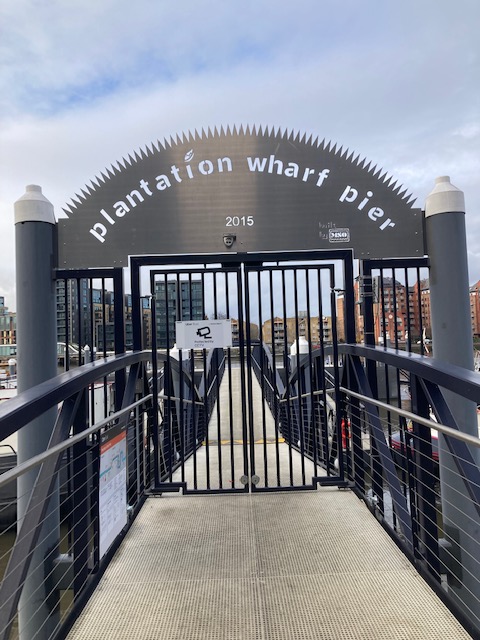
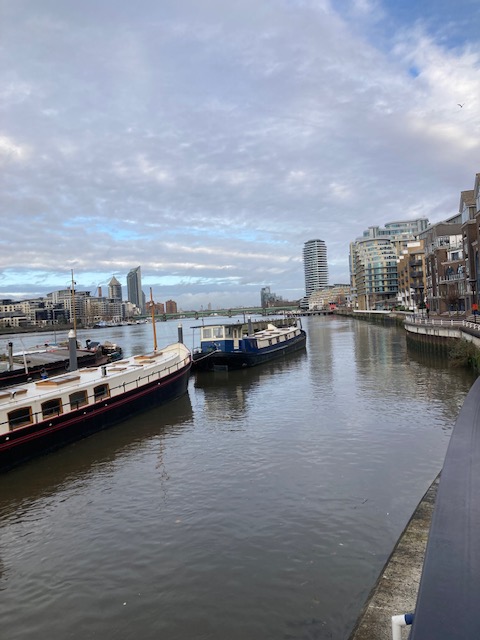
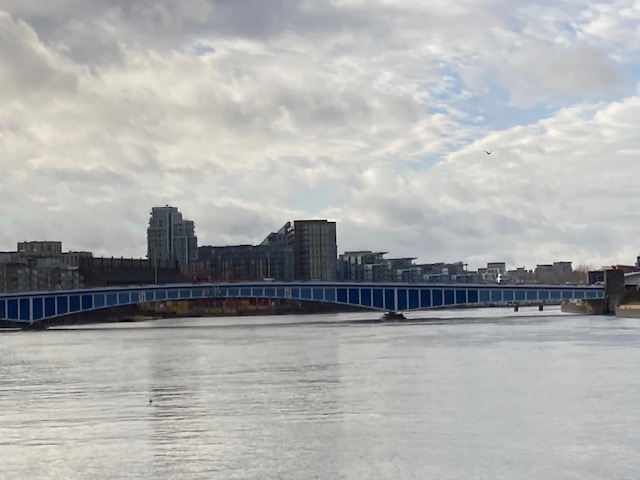
Walk back towards the river to find Plantation Wharf and Pier. In 1763, Plantation Wharf was built as a landing stage and warehouses for the sugar plantations along the River Thames. A new housing development is being built and it’s thought it will change its name as Plantation is too reminiscent of the slaves that came with the boats. The Pier is in the middle of Wandsworth and Battersea bridges and there are marvellous views of both, as well as the river itself.
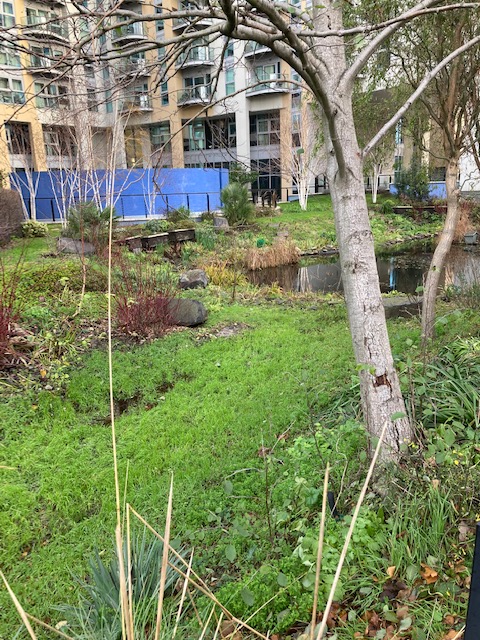
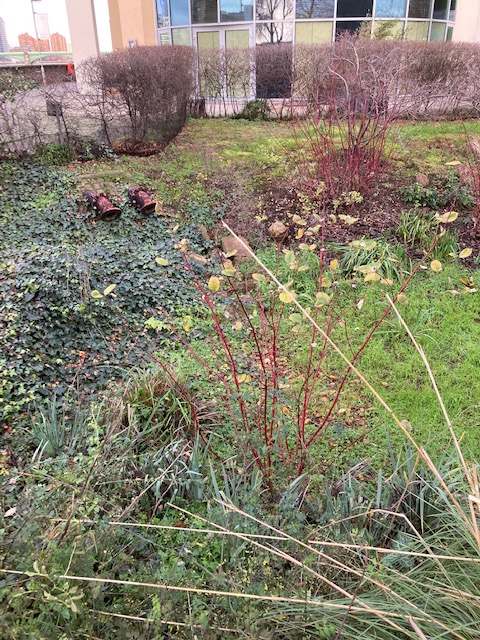
A little further along the river and inland is Bridges Wharf Residents Wildlife Garden. Bridges Wharf is a new residential block and the residents have developed a pretty garden, which has been landscaped and has a pond and other wildlife features.

7. Battersea Medical Centre
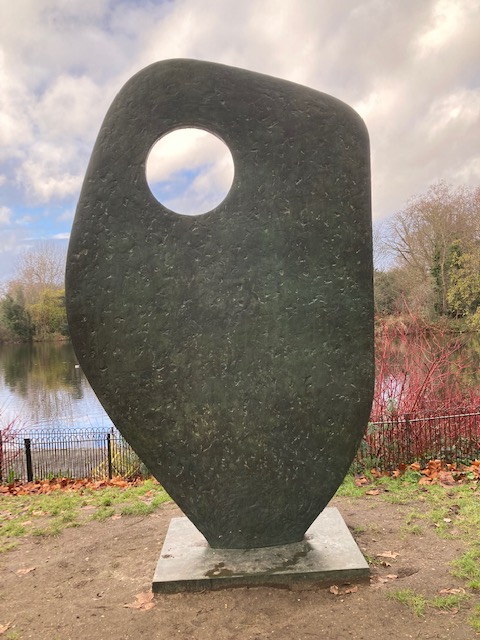
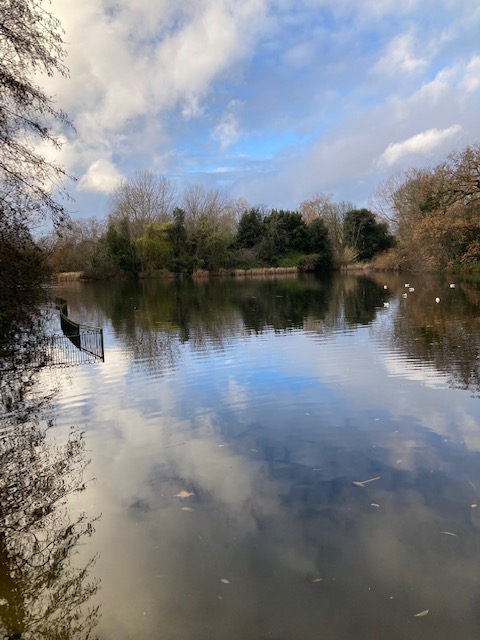
Not far from this stop is one of the many entrances to Battersea Park. Walk towards the lake and just before you get there, you’ll come across a sculpture by Barbara Hepworth entitled Single Form. The first completed bronze of Single Form (Memorial) was included in the open air sculpture exhibition at Battersea Park in 1963. The lake in the park is extensive and very pretty, with a variety of birds flocking there.

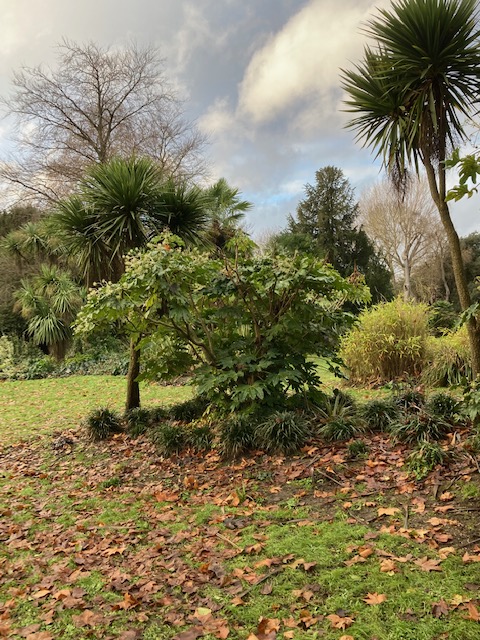
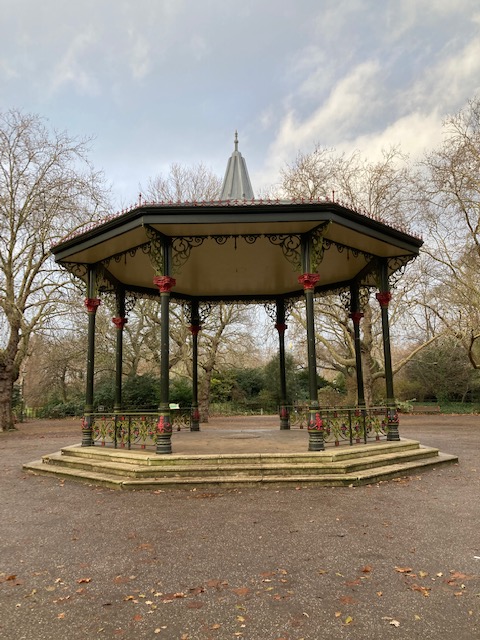
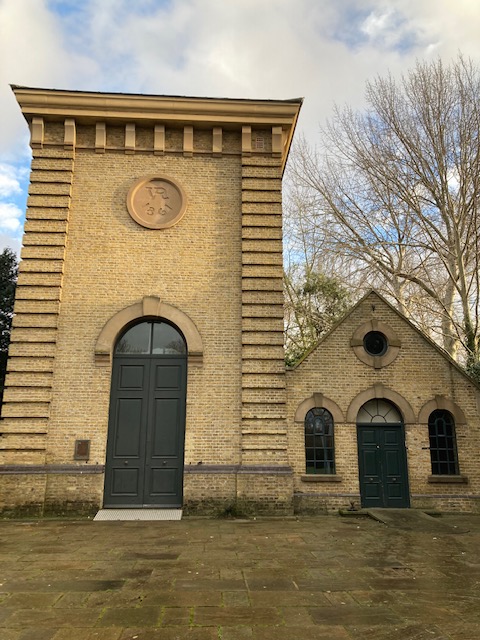
There is a lot to see in the park, including a sub-tropical garden and a bandstand. In the garden are some exotic trees such as black walnut and hybrid buckeye. It was the very first sub-tropical garden in Britain and became extremely popular with visitors wanting to see the lush colours, huge leaves and unusual species of plants. The bandstand is a Victorian structure and these days, it’s possible to get married there. Nearby is the Pump House Gallery (which could be used as a backup if the weather isn’t good on that Special Day) – it’s not always open, so it’s worth checking before visiting.
8. Battesea Park/Chelsea Gate
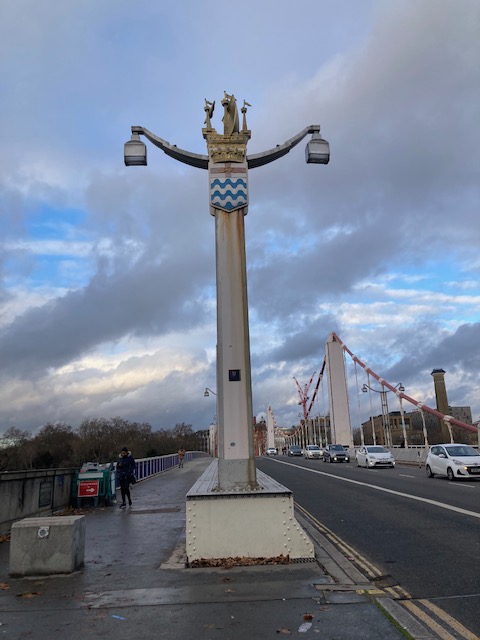
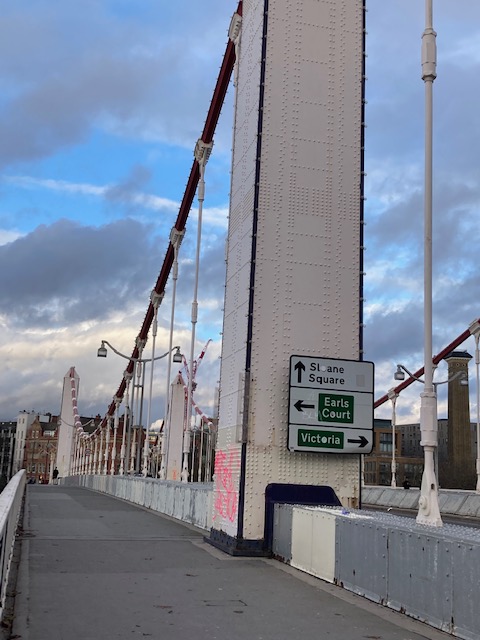
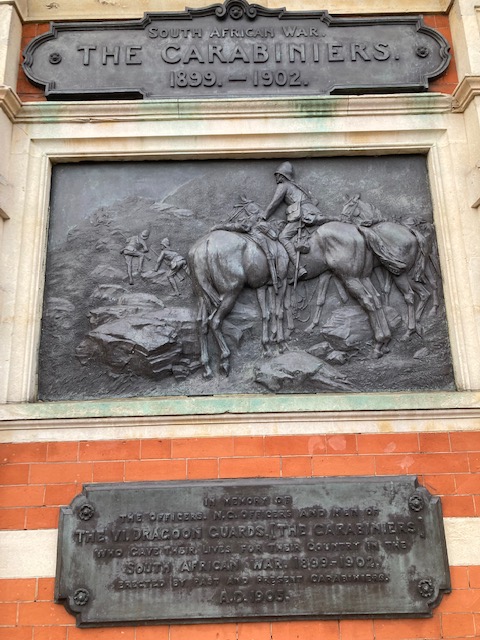
Alight here and walk over Chelsea Bridge. The original bridge was officially opened by Queen Victoria in 1858, on her way to the formal opening of Battersea Park. As it was a toll bridge, it wasn’t very popular with the public and by 1879, the then Prince of Wales (the future Edward VII) declared the abolition of the tolls. The Bridge was declared a Grade II listed structure in 2008 and these days, the only ornamentation consists of two ornamental lamp posts at each entrance. At the north end of the bridge is a memorial for the Carabiniers. These were members of the VI Dragoon Guards, who gave their lives for their country in the South African War 1899 – 1902.
9. Victoria Coach station
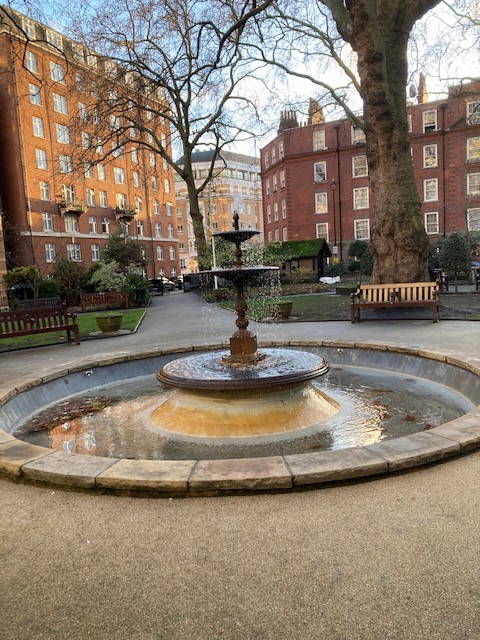
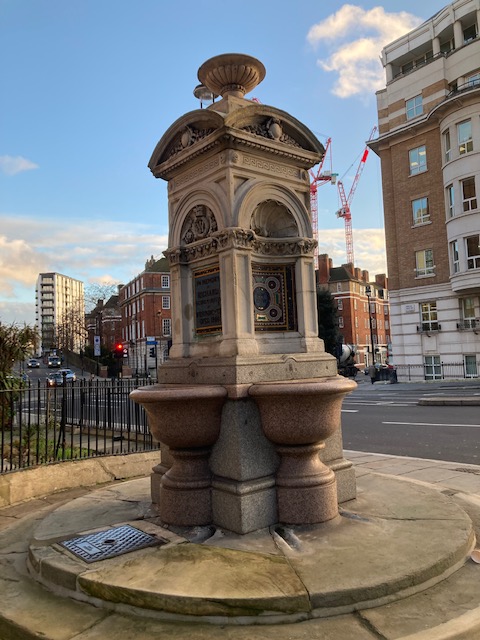
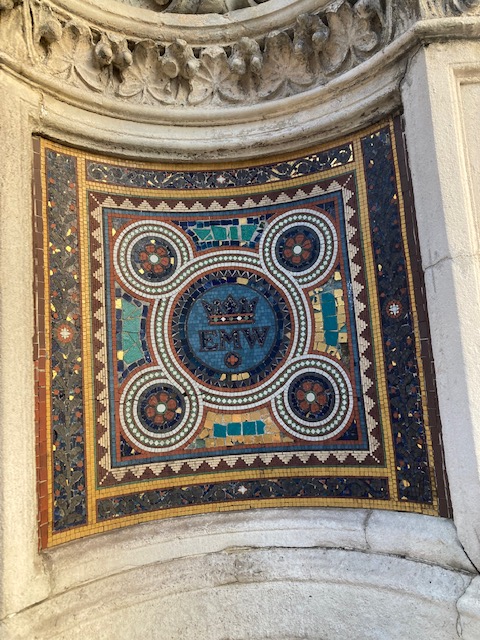
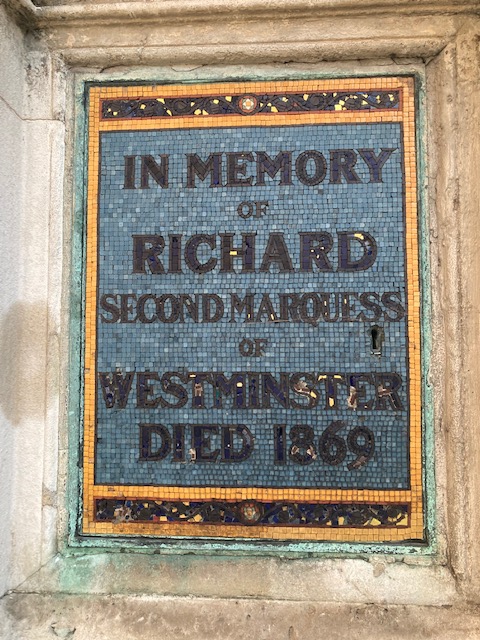
A short walk from this stop takes you to Ebury Square Gardens. The Square takes its name from Ebury Farm which stood on the nearby site of what is now Victoria Coach station. By 1800 buildings encroached on the farm land and the square was laid out in 1820. The garden followed 2 years later, with the intention of being open to the public and in particular the inhabitants of Ebury Square. The main features of the gardens are plane trees and a central fountain. Just south of the square is Avery Farm Row which houses a lovely drinking fountain “In memory of Richard, second marquess of Westminster died 1869”.
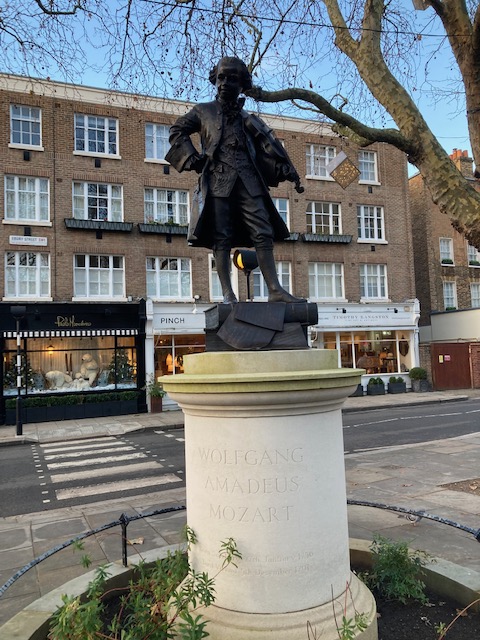
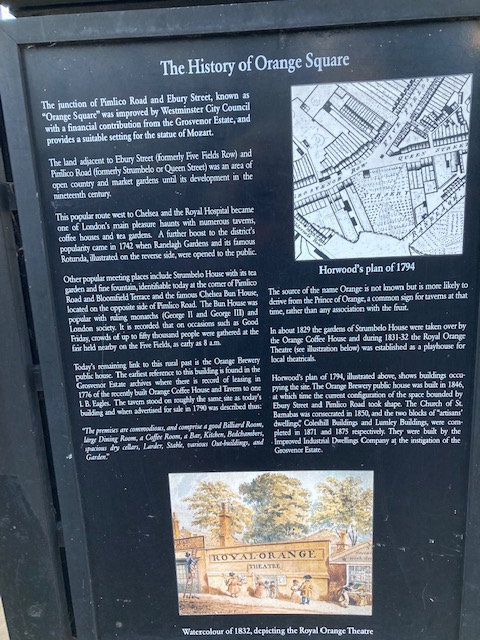
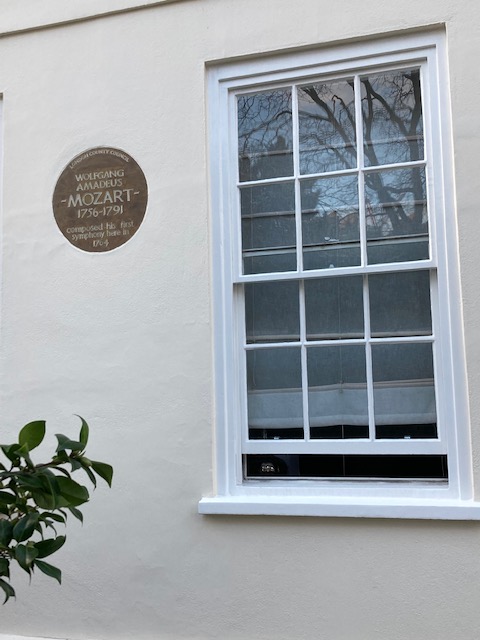
From here it’s an easy stroll to Orange Square with its statue of Mozart. This is a former neighbourhood of the 8-year old Mozart, when his father brought the child prodigy on a tour of Europe, London being the final stop. It was here at 180 Ebury Street that Wolfgang Amadeus Mozart composed his first symphony. There is a gold plaque to mark this fact.
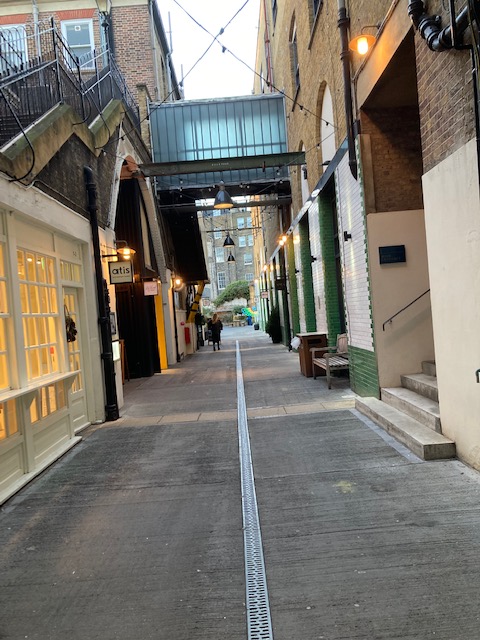
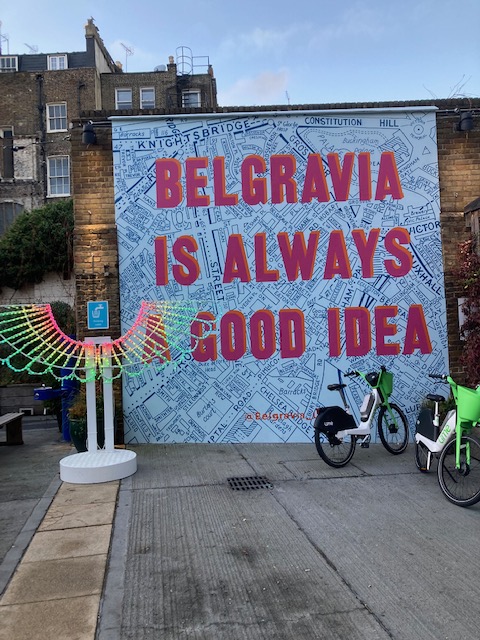
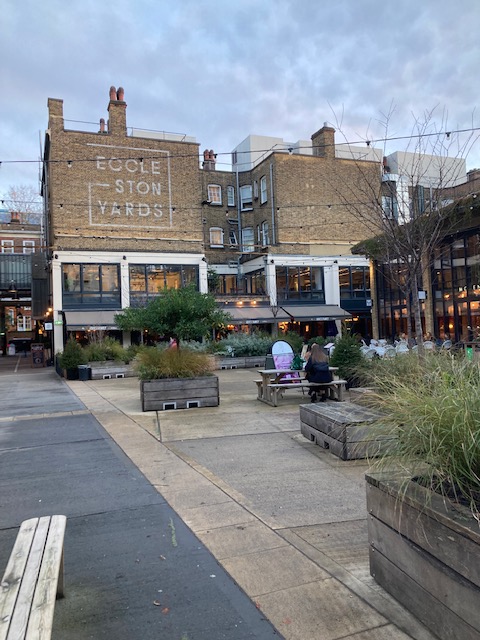
Final place to visit at the end of the route is Eccleston Yards, an open-air mall in Belgravia. It was previously the location of Eccleston Place Power Station, which supplied electricity to the Mayfair & Belgravia area for the first time in 1891. The yard was redeveloped into a co-working and creative hub in 2018, and now boasts many independent shops, fashionable restaurants and wellness hubs.
This route was extremely diverse in places to visit – from parks and a cemetery to culture in the form of Mozart’s statue. A really great day out!
Toilets available to the public and free of charge:
- Streatham Cemetery
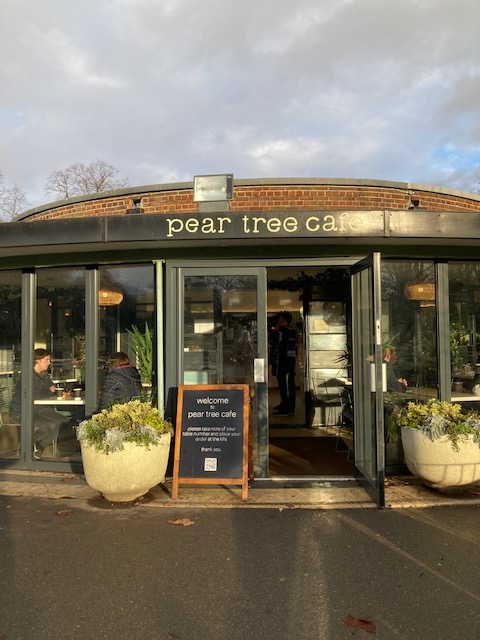
- Pear Tree café in Battersea Park
 london routemistress