
London Bridge to Friern Barnet
Highlights:
- Gillie and Marc sculptures at London Bridge
- Finsbury Circus bandstand
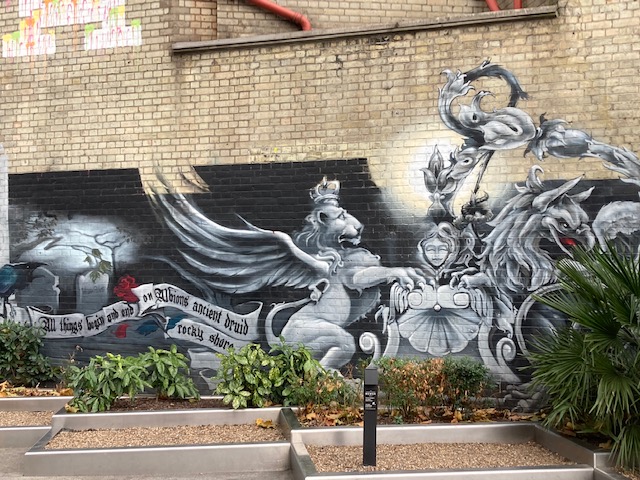
- Bower Art Trail, Old Street
- Dick Whittington’s cat
1. London Bridge
Before getting on the bus, it’s worth a walk round to The Queen’s Walk and find some lovely bronze sculptures of chimpanzees, by Gillie and Marc. They created a trail of chimps, to highlight their decline in population and to encourage people to help save them. At London Bridge there is a plaque explaining how the Romans built the first bridge over the Thames and how it stood in the same place until 1830.


2. London Wall
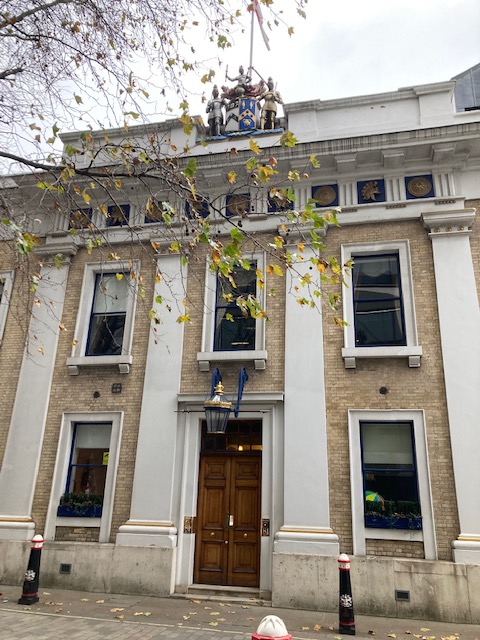
And so to the bus station and on the 43, alighting at London Wall. There is a short walk round to Girdlers’ Hall and Gardens. Unfortunately, it’s not possible to go inside but it’s worth a look if only to see the building and find out about its history. Round the corner is Armourers’ Hall, a scheduled ancient monument and Grade II listed building.



On the way back to the bus stop, you’ll pass a large sculpture called ‘Ritual’ by Antanas Brazdys, situated outside an office block. This abstract sculpture has a high silvery sheen, and echoes the shapes and textures of surrounding buildings. Further on is a plaque marking the site of the second Bethlehem Hospital 1676-1815. Also known as “Bedlam” meaning uproar and confusion, the hospital was a psychiatric place for what was then called “lunatics”.


3. Moorgate
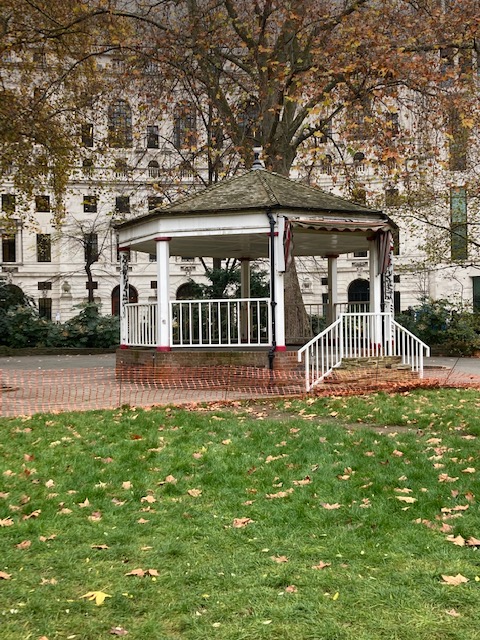
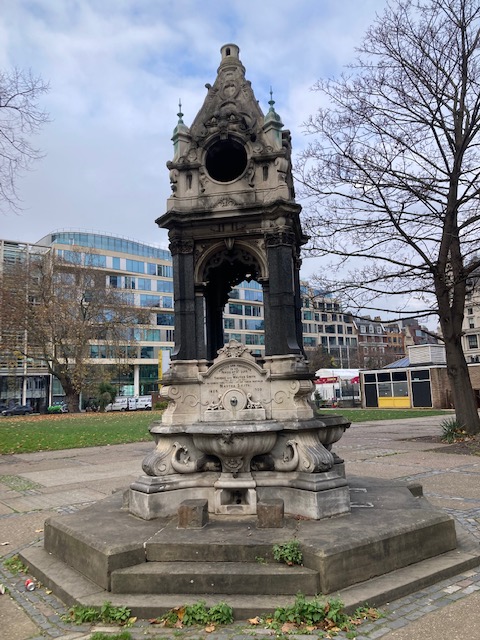
A short walk from Moorgate bus stop is Finsbury Circus and Gardens. Originally part of the Manor of Finsbury, the circus takes its name due to the elliptical shape of the space. There are some magnificent looking buildings in the circus, though sadly none dates back to 1812, when the circus first came into being. The gardens were opened as a public park in the early 20th century and feature a bowling clubhouse in the centre as well as a drinking fountain.
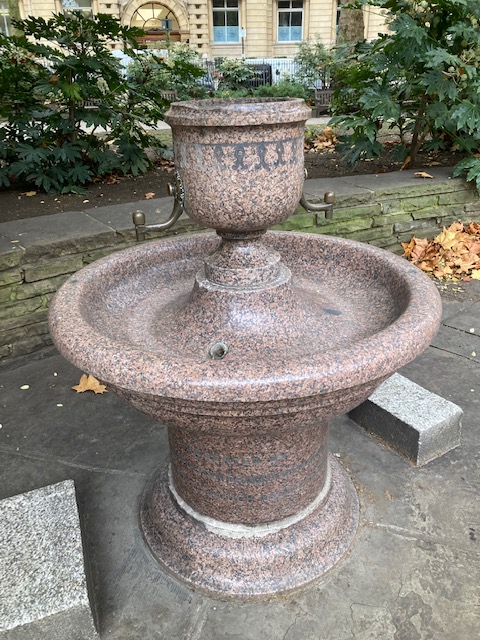
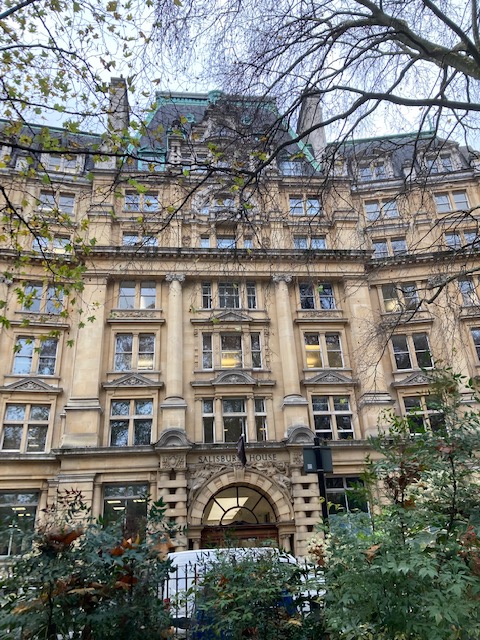

It’s possible to walk to Finsbury Square or alight at the stop of the same name. Here you’ll find a commemorative plaque for those who died in the Moorgate tube station crash in 1975. Once again, there is a Victorian drinking fountain, placed there by Thomas Smith, inventor of the Christmas cracker. On the north side of the square is Royal London House, built at the beginning of the 20th century as HQ for the Royal London Group and the building now sits majestically overlooking the square.


4. Old Street Roundabout
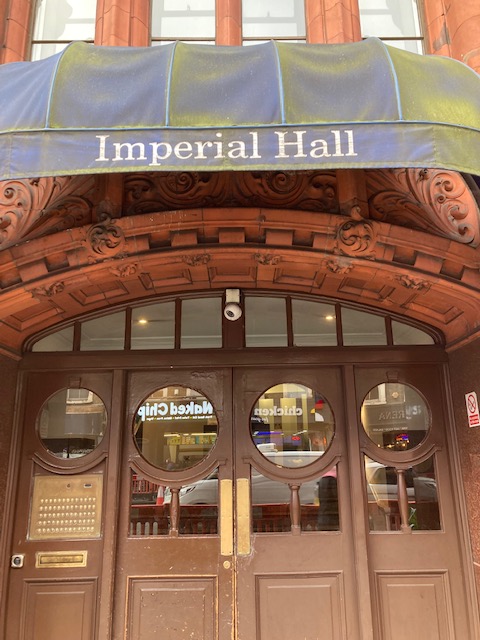
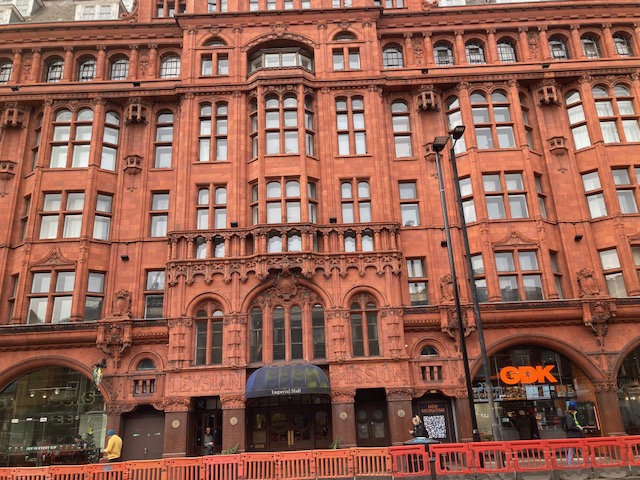
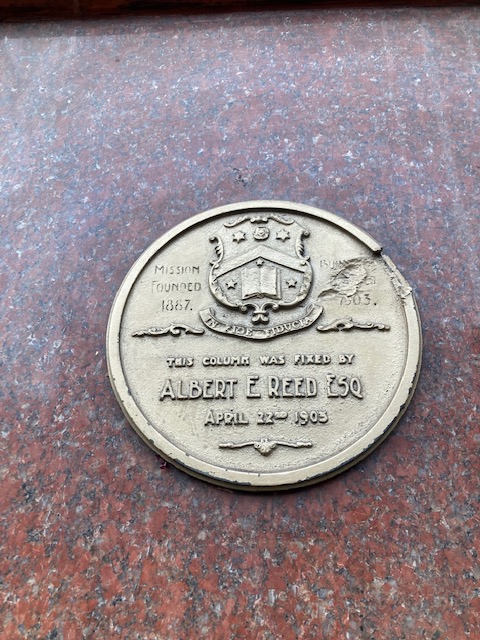
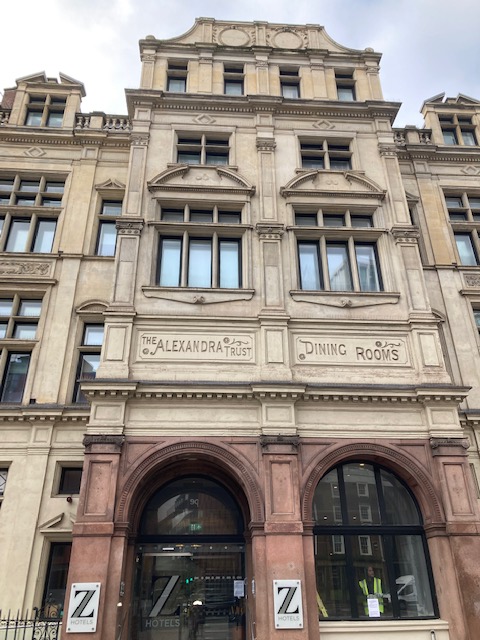
In City Road is Imperial Hall, once the Leysian Mission which was a welfare centre for the poor masses of the East End. Together with the nearby Alexandra Trust Dining Hall that provided affordable hot meals, the Leysian Mission was the East End’s beacon of hope for the destitute. Imperial Hall was partially destroyed during World War II and with the introduction of the Welfare state, was soon redundant and has been converted into residential flats.
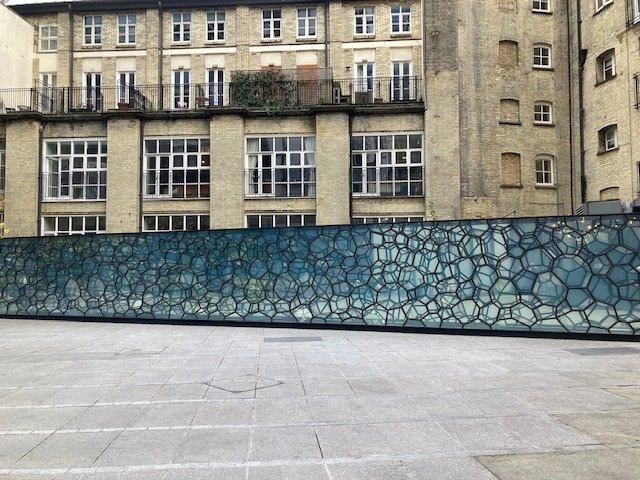
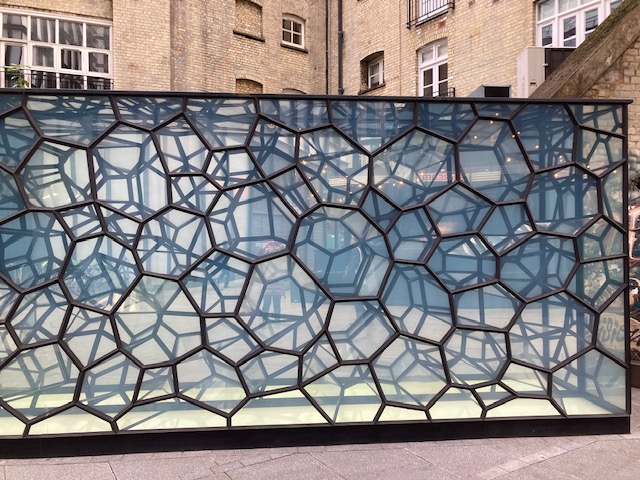
A minute’s walk from Imperial Hall is Bower Art Wall. The installation is a 21 metre long, 3-D structure lit up with LED panels. Created by the DeMakersVan brothers, it is a facetted stainless steel and glass installation and is a public landmark to celebrate the area’s local heritage.
5. Central Street
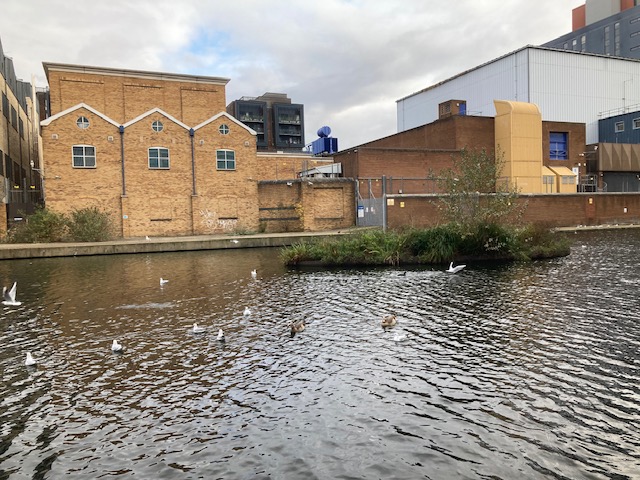
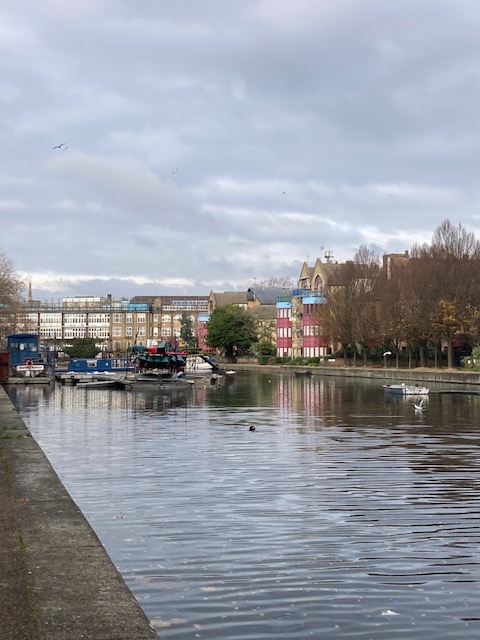
Almost as soon as you get off the bus, you’ll see City Road Basin, a canal basin, part of Regent’s Canal. It was opened in 1820 and was quickly used as a distribution centre for goods into London, being more convenient than Paddington basin. Traffic in coal, timber, bricks, sand and other building materials soon grew.

6. Angel Islington
Next stop is to see Owens Fields where there is a large sculpture entitled Edgerunner by Romanian born Paul Neagu. The sculptor lived and worked near here and Edgerunner was bestowed to Islington by his brother. From here it’s a few minutes’ walk to the Clock Tower at Angel Islington. All four sides of the clock list the different services that the clock making company J. Smith & Sons used to undertake. The company was established in 1780 but over time, the clock making element of the business declined and they made their last clock in 1938.


It’s possible to walk to Camden Passage from here – or take the bus to Angel. The passage was built, as an alley, along the backs of houses on Upper Street, then Islington High Street, in 1767. These days, as well as being a haven for antique shops, it’s possible to find contemporary clothing and jewellery, art shops, and specialist food shops.
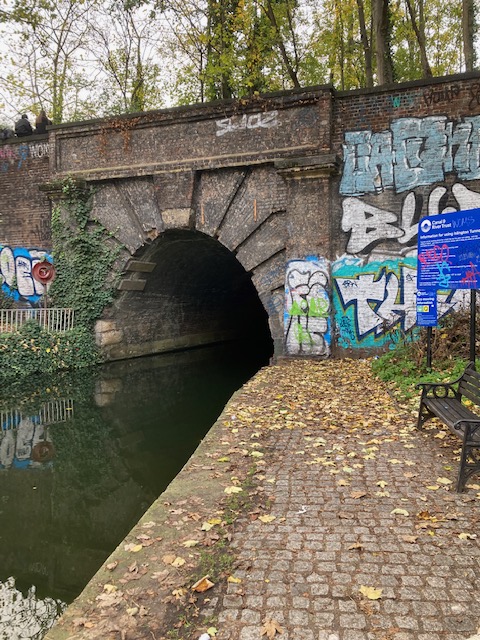
The next port of call is the Islington Canal Tunnel which opened in 1818. A competition had taken place to design a tunnel and as the entries were disappointing, the chief engineer James Morgan ended up designing it himself. There is no towpath here so walkers and cyclists have to follow waymarkers on the streets above.



7. St Mary’s Church
The stop is right by the churchyard so it’s a quick walk to get inside the grounds. One of the first sights is a tree with a plaque commemorating Holocaust Memorial Day 2003. It’s not obvious why this has been planted here but it’s not so out of place in a churchyard where there are many tombs and gravestones. St Mary’s Church is a grade II listed building. The first recorded church building was erected here in the 12th century and was replaced in the 15th century. It isn’t always possible to enter inside the church but even from the outside, it’s worth a look.


8. Wedmore Street
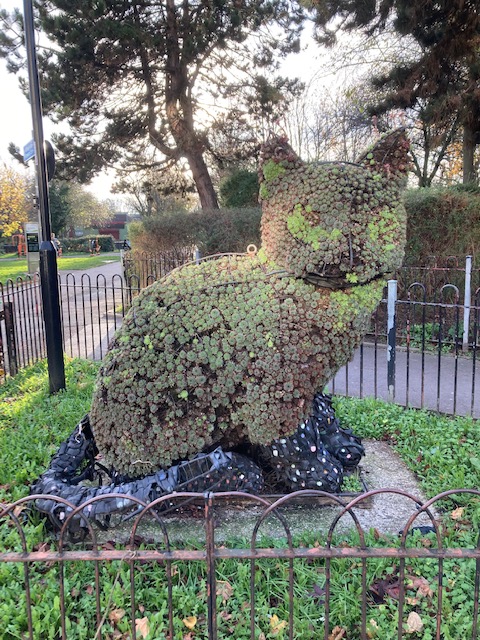
Whittington Park is the next stop – taking its name from Dick Whittington who paused to rest, on his way out of London, at the bottom of Highgate Hill and heard the Great Bell of Bow summoning him to return. At the entrance to the park in Holloway Road is a pretty topiary of Dick Whittington’s Cat. It’s planted with sedums to provide a year-round floral display, with the cat’s tail and paws woven with recycled bicycle tubes.


9. Highgate station
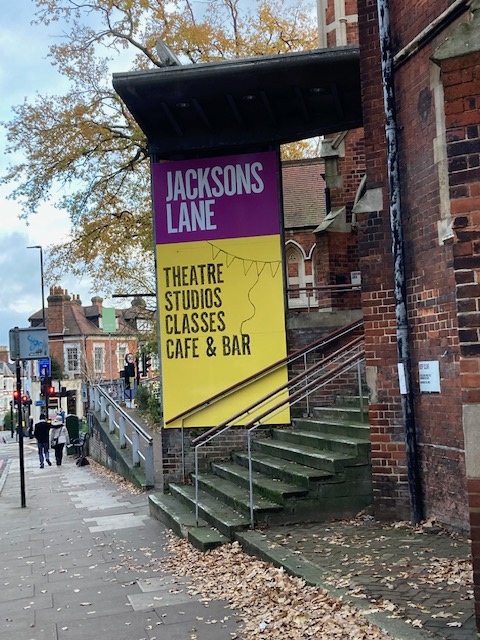
Just next to the bus stop is Jackson’s Lane Art Centre. Originally Highgate Wesleyan Methodist Church, it was converted into a central hub for the local community in the 1970s. Since then, it has had improved facilities including a theatre which has been the springboard for such artists as Eddie Izzard and it’s where Matt Lucas and David Walliams first performed together.


10. Muswell Hill
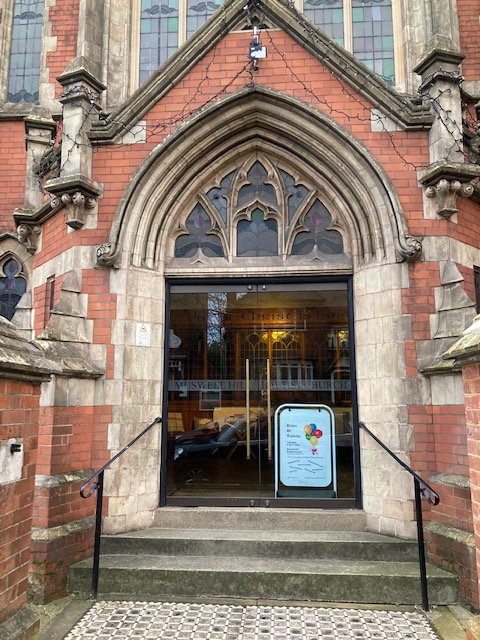
Muswell Hill library is currently engulfed in scaffolding so although the building is of interest, being grade II listed, it wasn’t obvious from street level. Instead, take a walk round the corner to see the Muswell Hill Baptist Church which is another grade II listed building. It’s made with rich red bricks and the first stone was laid by a Mrs James Edmondson in 1901.


11. Friern Barnet Town Hall
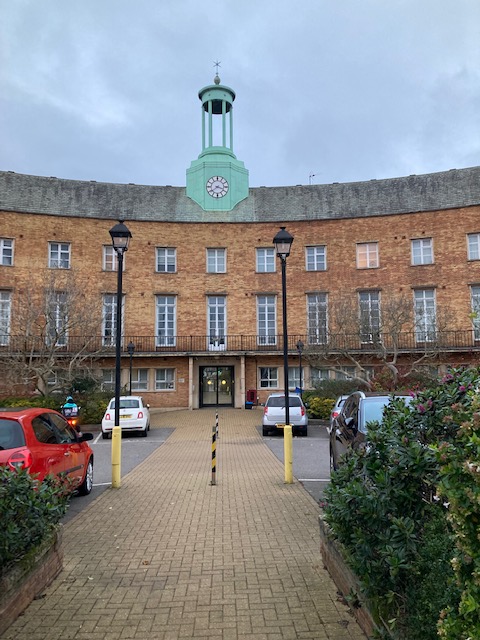
Final stop on this route was at the old Friern Barnet Town Hall. Built in the Neo-Georgian style, it and was officially opened on 16 June 1941. The design involved a concave main frontage of eleven bays; the central section featured a doorway on the ground floor with a wide cast iron balcony and shield above; there was a clock with a lantern above at roof level. It was deemed surplus to requirements by Barnet Council in 2002 and has since been converted to residential flats.

There are many places to see on this route with a subsequent number of stops to get on and off the bus, so make sure you allow plenty of time, or just be selective on what you decide to visit.
Toilets that are available on this route:
- London Bridge station
- Marks & Spencer Ropemaker Street
- MacDonald’s Highbury Corner
- Jackson Lane Arts Centre
 london routemistress