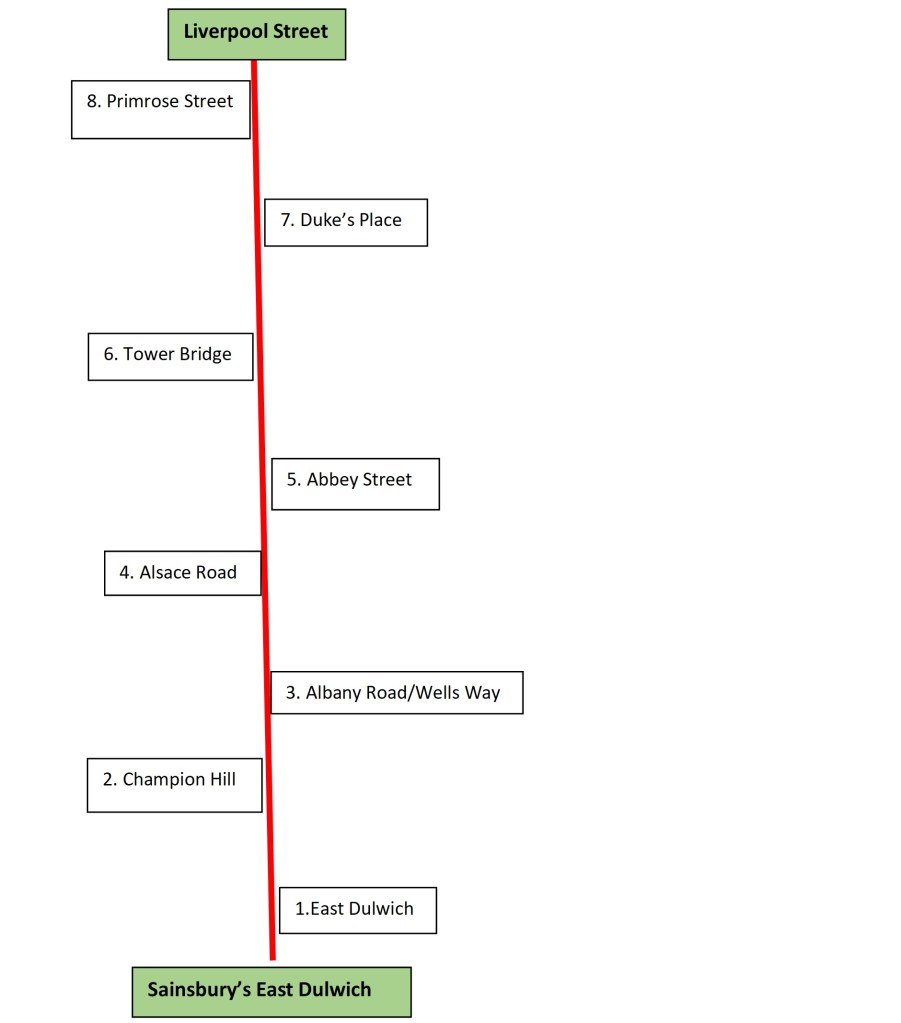
Sainsbury’s East Dulwich to Liverpool Street
Highlights:
- Portico and sundial at Ruskin Park
- Horsleydown Steps
- Silent Raid sculptures
1. East Dulwich
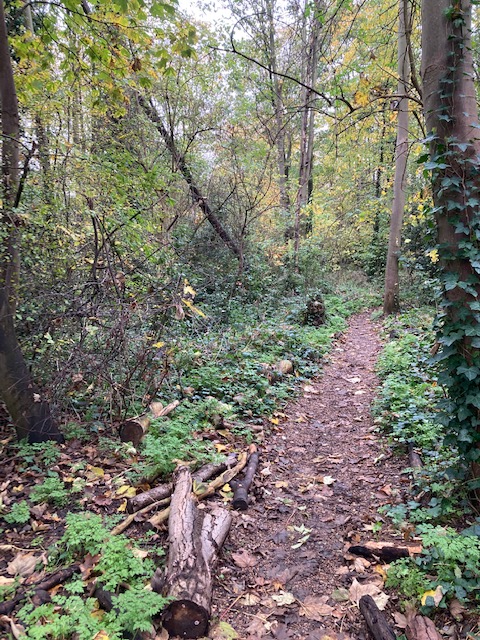
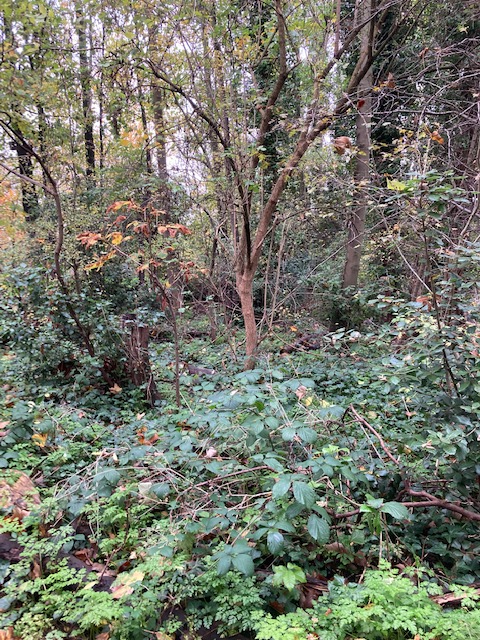
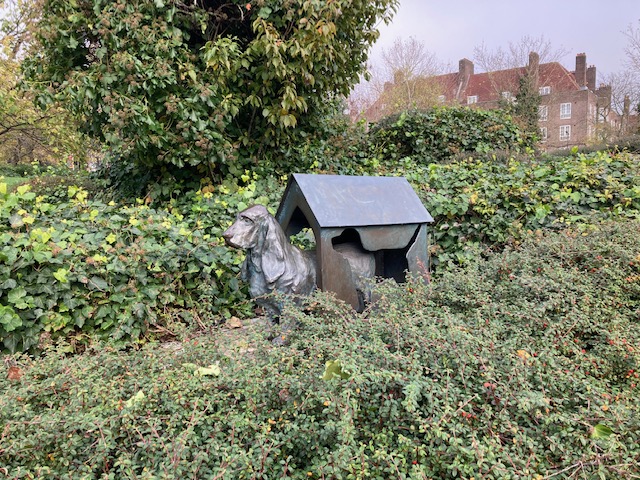
At the start of this route is a small park called Dog Kennel Hill which gets its name from the dog kennels of George of Denmark, husband of Queen Anne, who owned property nearby, hence Denmark Hill. It’s a rugged place with plenty of nooks and crannies to explore, despite its (small) size. Over the road from here is St Francis Park. Bizarrely, there is a bronze statue of a dog in a kennel here and not in the aforementioned park.
2. Champion Hill
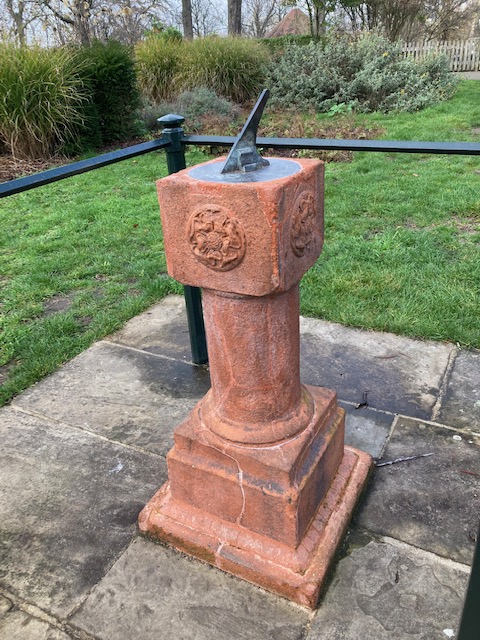
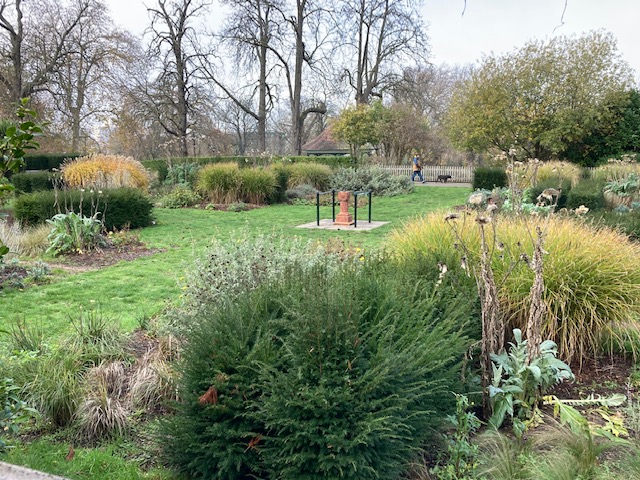
This is another stop to visit Ruskin Park – previously on route 40. A short walk from the entrance is the Portico, the only remains of a once-attractive villa. It had been in a state of disrepair but has now been restored and provides a shelter for people who wish to linger. Nearby is the labyrinth garden in which a terracotta stump has the last remnant of a sundial planted to mark Mendelssohn’s visit in 1842.
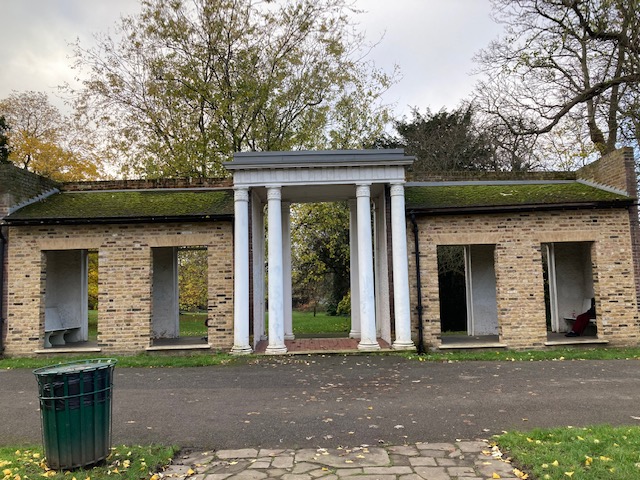
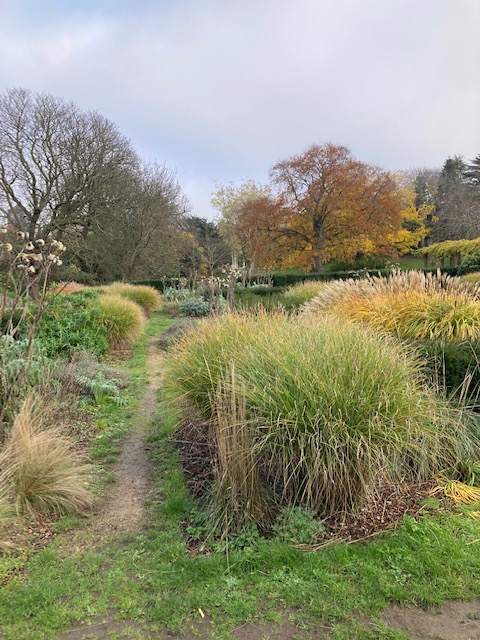
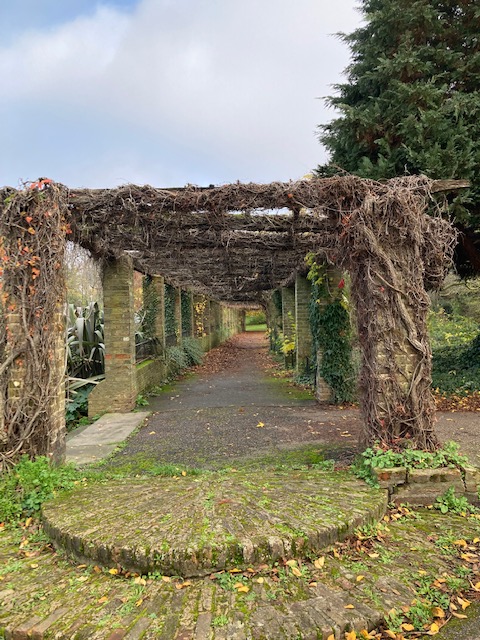
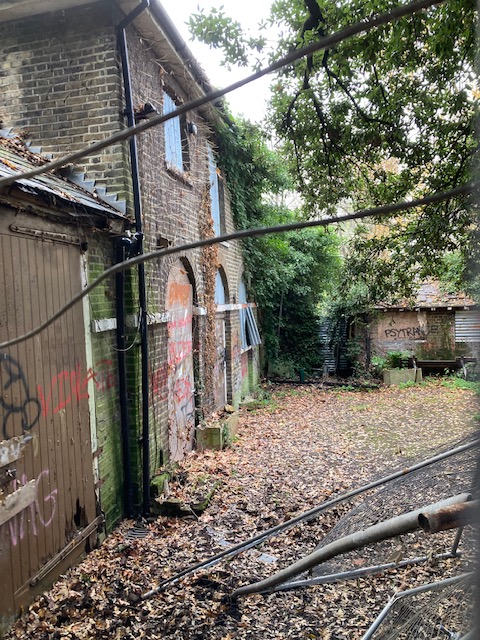
Walk around the corner and you will come across a long pergola – it’s probably best to see this in summer months but nevertheless, it’s an attractive feature of the park. The nearby Stable Block is another attractive remnant of the old villa and is retained, like the Portico, in the new park layout. It was abandoned as staff accommodation due to poor condition, but has significant potential for re-use.
3. Albany Road/Wells Way
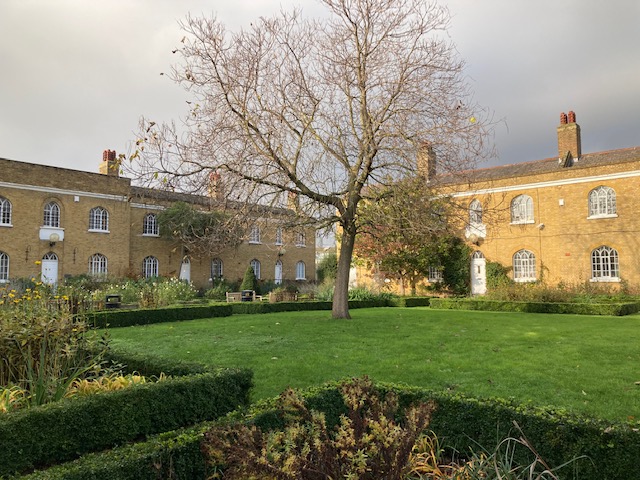
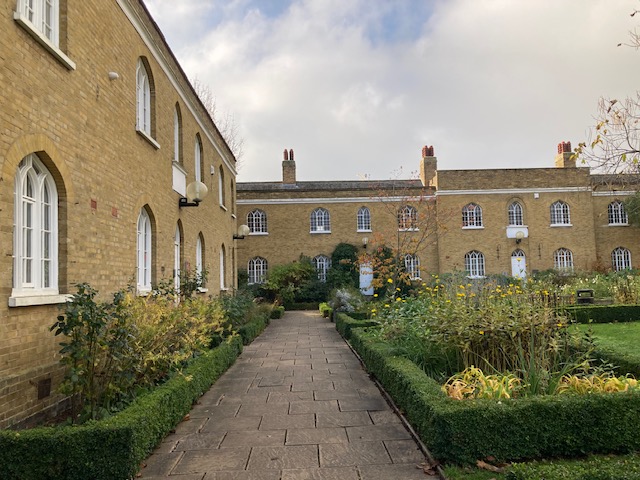
Parts of the 42 go along the same route as the 40 but it’s possible to see different things along the way. This stop is for Burgess Park which is pretty big and worth exploring. Crossing the road from the bus stop, you arrive at Chumleigh Gardens, a small area of modest alms-houses as bedsits to 20 residents, mainly for women in their 90s, with a peaceful retreat including a multi-cultural garden.
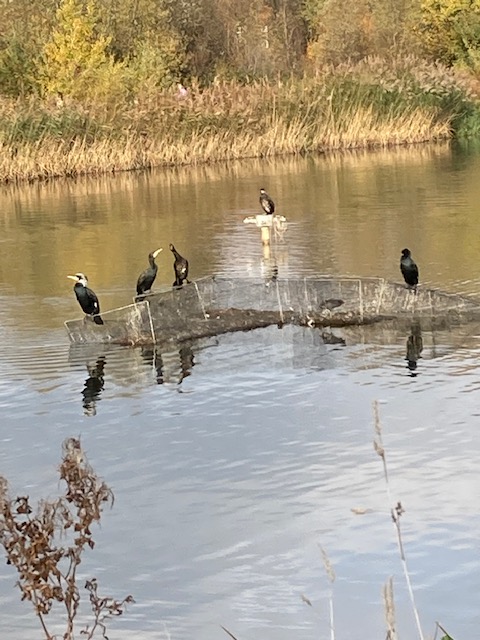
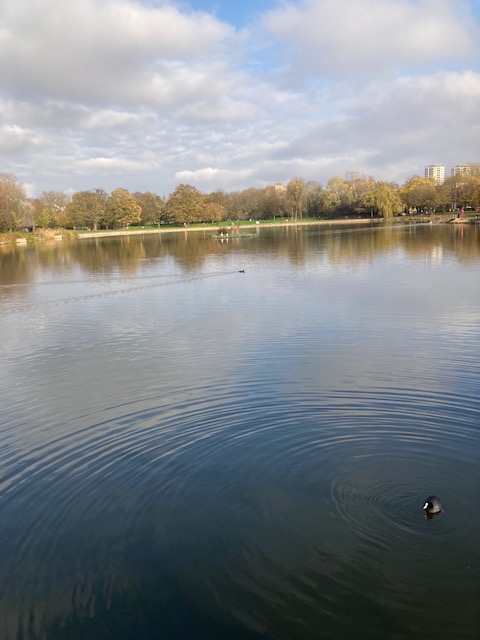
Moving away from Chumleigh, walk through the park and you’ll find yourself at an expanse of water, the Burgess Park lake, populated with a variety of birds including cormorants and swans. An idyllic place to sit and be peaceful.
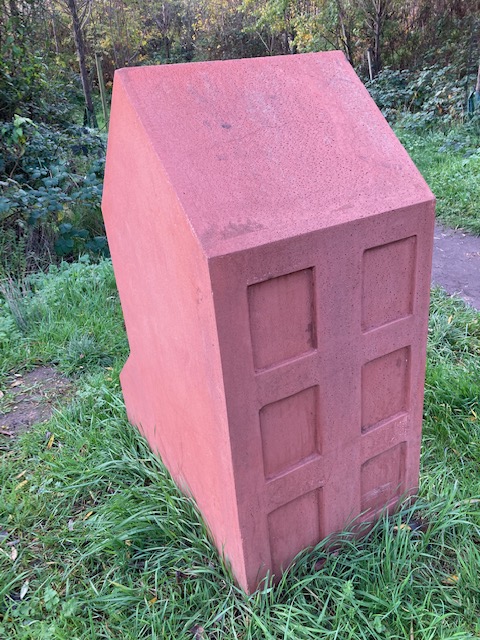
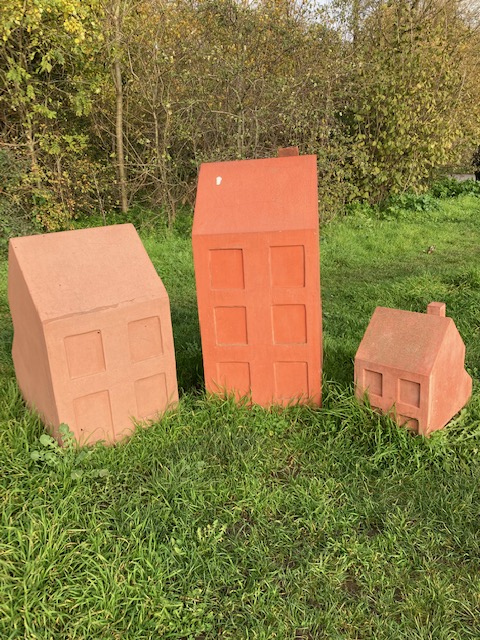
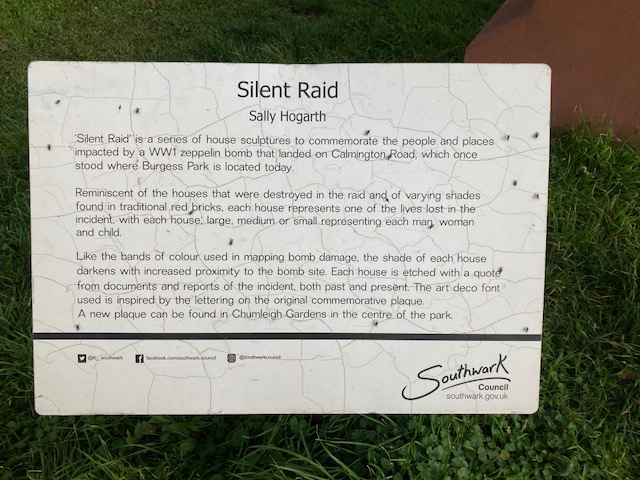
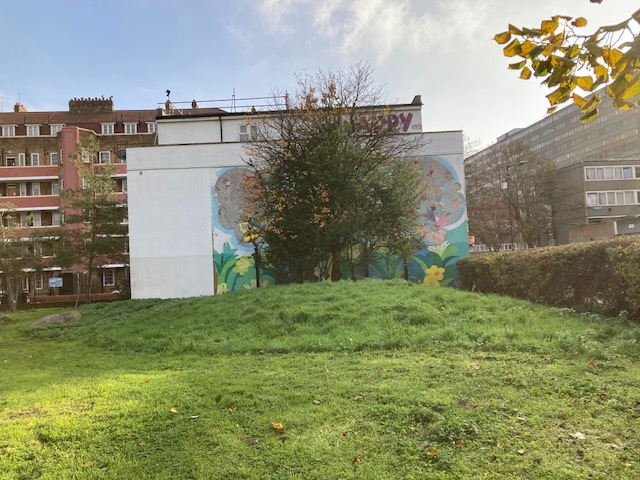
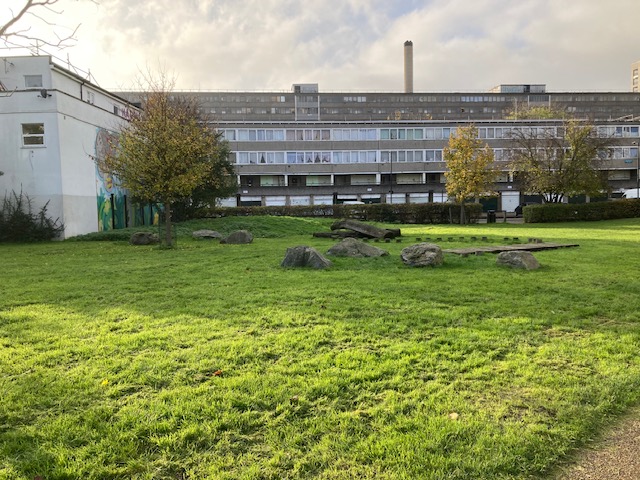
Another delight within the park is Silent Raid, a series of sculptures of houses to commemorate the people and places impacted by a World War I zeppelin bomb that landed at this spot.
4. Alsace Road
Here there is another open space, this time a very small one, namely Surrey Square Park. It is deemed a local “Site of Importance for Nature Conservation”, having areas for wildflower meadows as well as a children’s playground and a green for kids to kick a ball and run around. It’s near Burgess Park but it’s considered by the residents of the nearby apartment blocks as very local and “theirs”.
5. Abbey Street
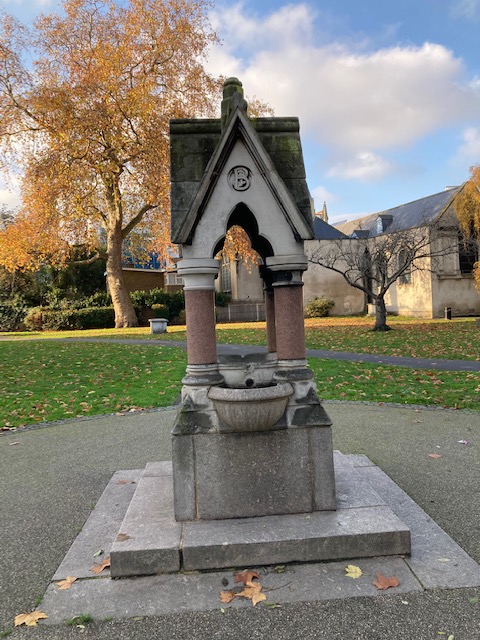
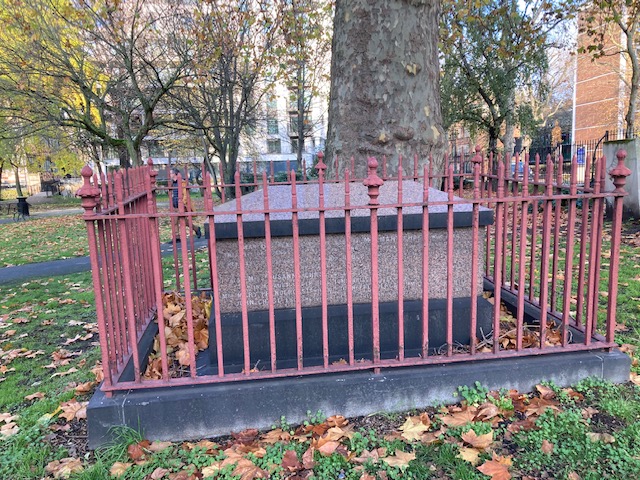
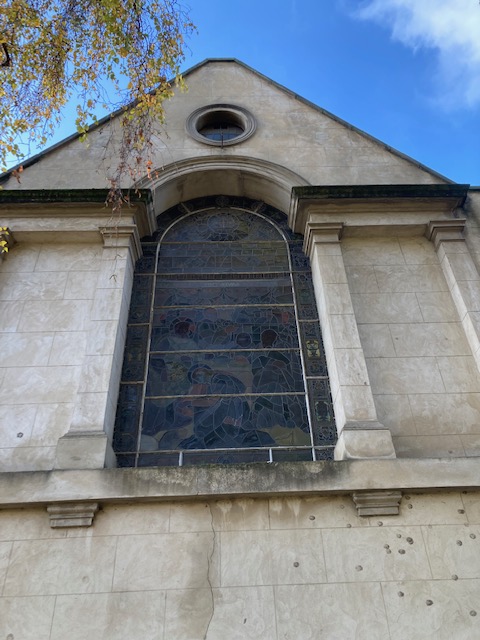
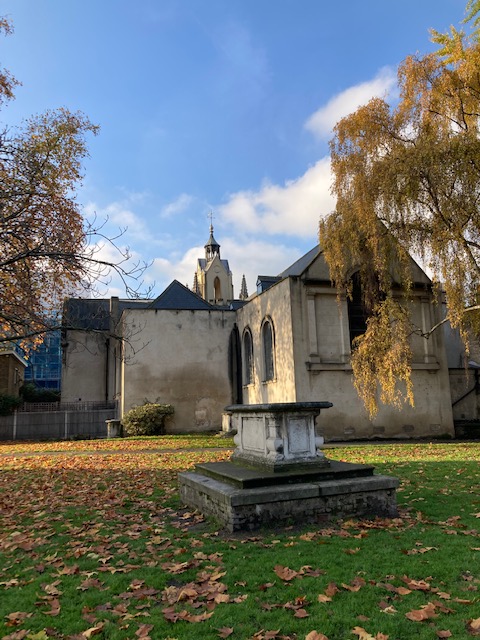
Back on the bus to Abbey Street and to the nearby St Mary Magdalen Churchyard. It’s not always possible to enter the church itself but the grounds surrounding it are worth a visit and a look around. The churchyard was closed for burials in 1854, in common with other London churchyards, being overcrowded and therefore a health hazard. It contains a number of listed monuments, mostly tombs, notably that of the ancestors of Charles Rolls, aviation pioneer and co-founder of Rolls-Royce. The church is late 17th century and is grade II listed.
6. Tower Bridge
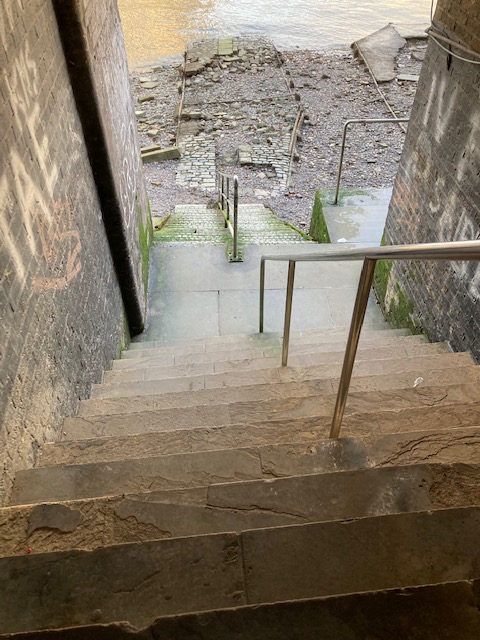
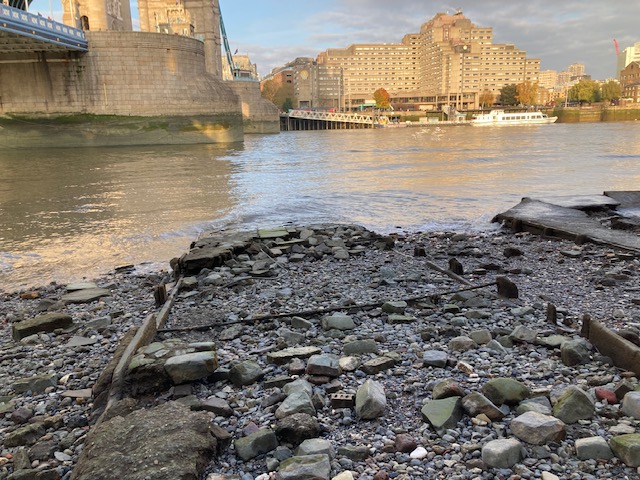
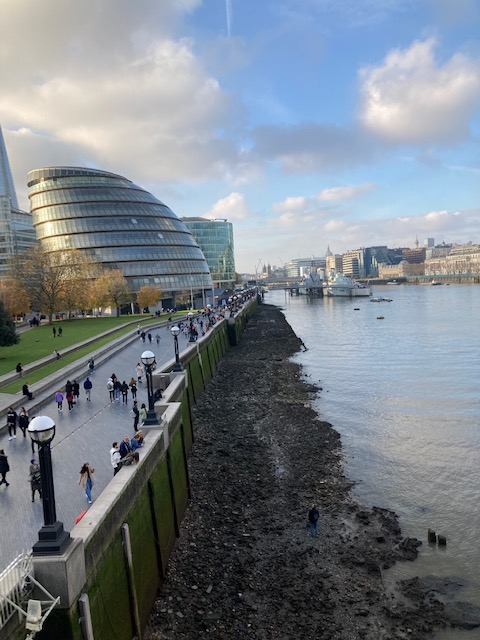
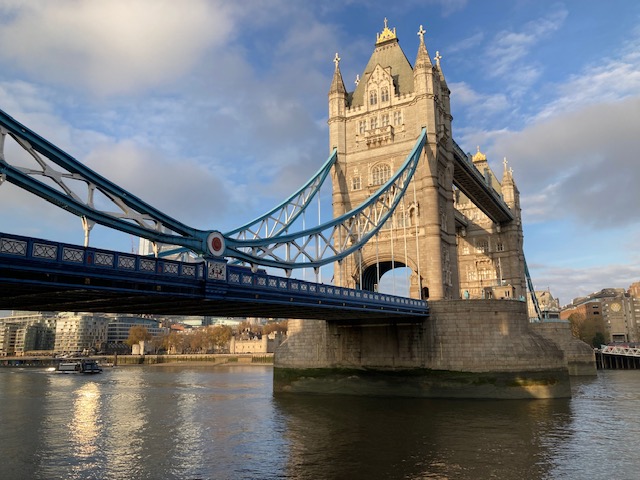
There is a host of places to explore around Tower Bridge bus stop. At low tide, the Horsleydown Steps lead to a wide stretch of the Thames foreshore which is a hidden beach just under the bridge. The Steps are among the oldest remaining stairs providing access to the river along the Thames. Back up to the bridge and there’s a great vantage point for seeing London stretched out in both directions. Below can be seen Potters Fields Park. Down again from the bridge is the Bridge Theatre and the Tower Bridge shop. From here is a magnificent view of the bridge in all its glory.
7. Duke’s Place
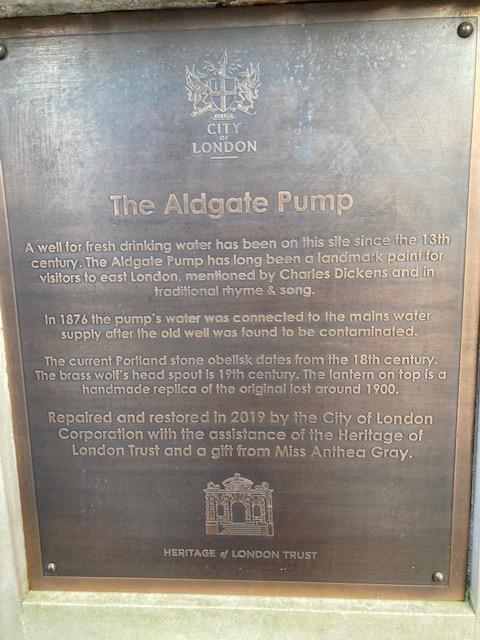
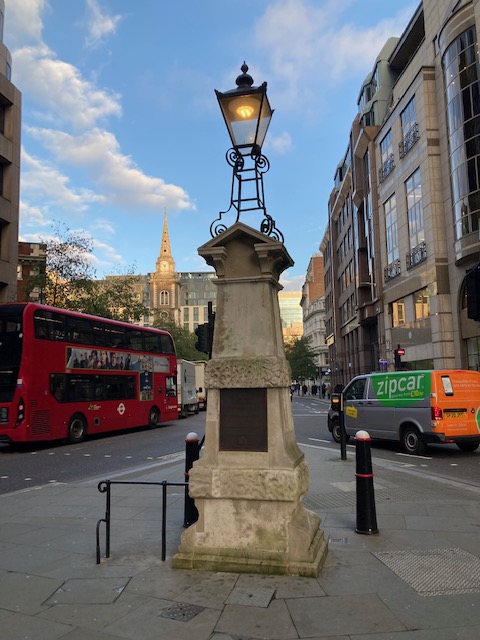
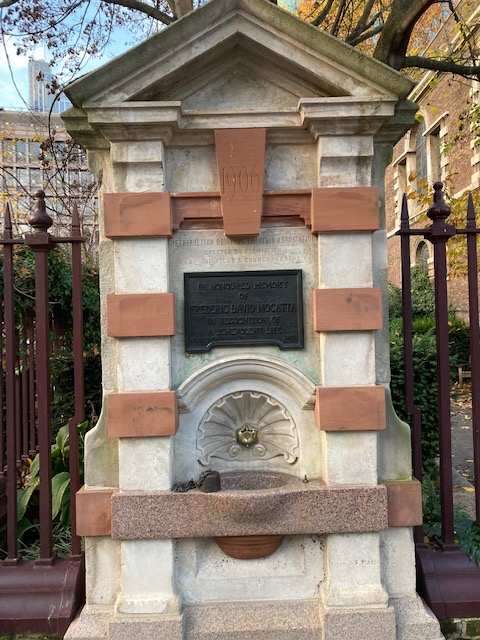
Near this stop is Aldgate Pump in Leadenhall Street. It was originally served by one of London’s many underground streams, the water was praised for being “bright, sparkling, and cool, and of an agreeable taste”. These qualities were later found to be derived from decaying organic matter from adjoining graveyards, and calcium from the bones of the dead in nearby cemeteries. Many people died during what became known as the Aldgate Pump Epidemic, and on its relocation in 1876, the New River Company changed the supplies to mains water.
8. Primrose Street
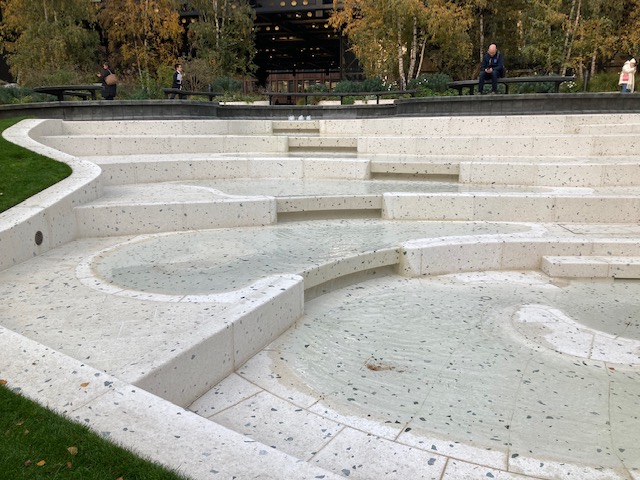
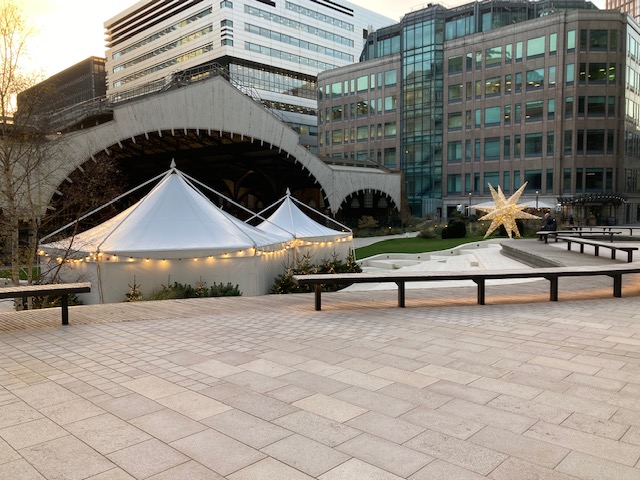
Final stop of the route and round the corner is Broadgate Exchange Square which has been transformed into London’s newest green space. Designed to enhance the emotional and physical wellbeing of those that work and live locally, large paved areas and raised planters have been created and the amphitheatre provides an abundance of seating areas and incorporates a cascading water feature.
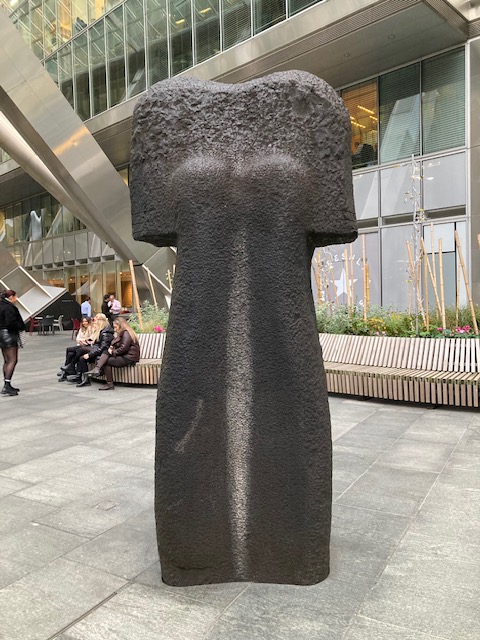
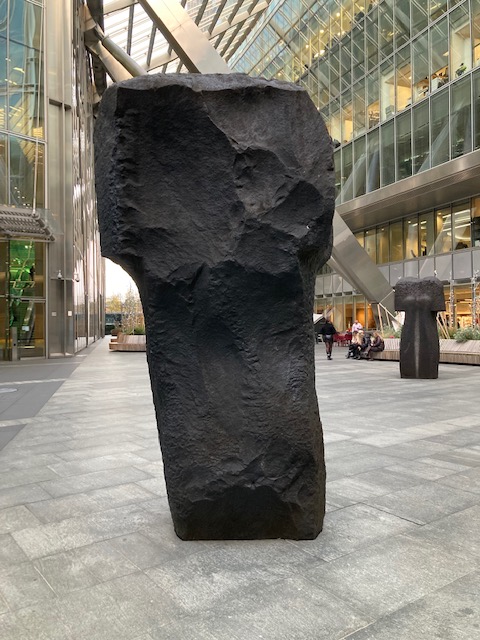
Over the road from the Square are two statues of Ganapathi and Devi. Ganapathi is the Tamil name for Ganesha, the popular elephant god and Devi refers to the female Hindu goddess and together they allude to sculptural torsos and ancient themes. A powerful ending to route 42!
Toilets that are available on this route:
- Sainsbury’s at East Dulwich
- Pret in Broadgate
 london routemistress