
Dulwich Library to Clerkenwell Green
Highlights:
- Booth College/Salvation Army museum
- Lime Kiln in Burgess Park
- Bankside Gallery – Quentin Blake exhibition
- Bart’s Museum and Hogarth paintings
1. Dulwich Library
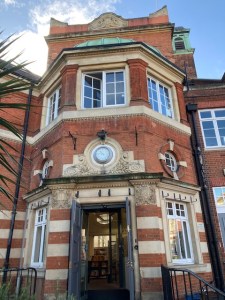
Before getting on the start of the bus, it’s worth taking a look at Dulwich Library which is a grade II listed building. The site was donated by Dulwich College and the foundation stone was laid by the actor Henry Irving in 1896.

2. Denmark Hill station
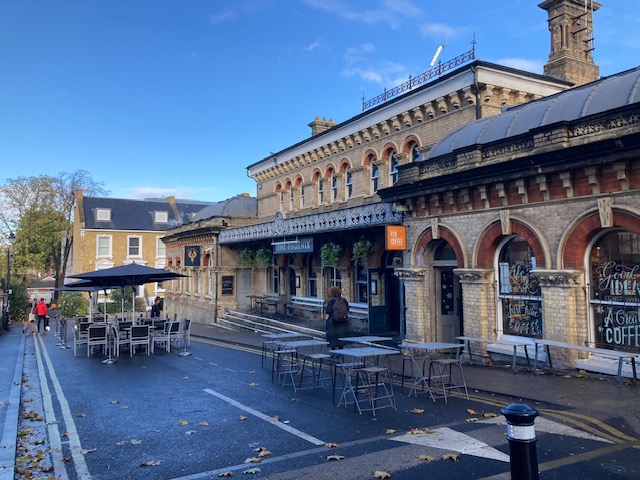
The bus starts opposite the Plough Pub, just round the corner from the library. First stop is at Denmark Hill station. The station building itself is worth seeing, having been built around 1865 in an Italianate style. Opposite the station is William Booth college, the HQ for the Salvation Army. It’s another grade II listed building and its interior holds plenty to grab attention. Up on the third floor is the Heritage Centre which tells the story of the Salvation Army from its origins in the 1860s to the present.


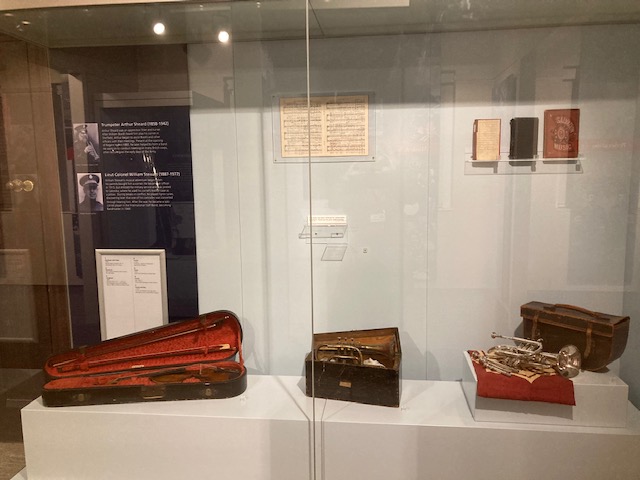
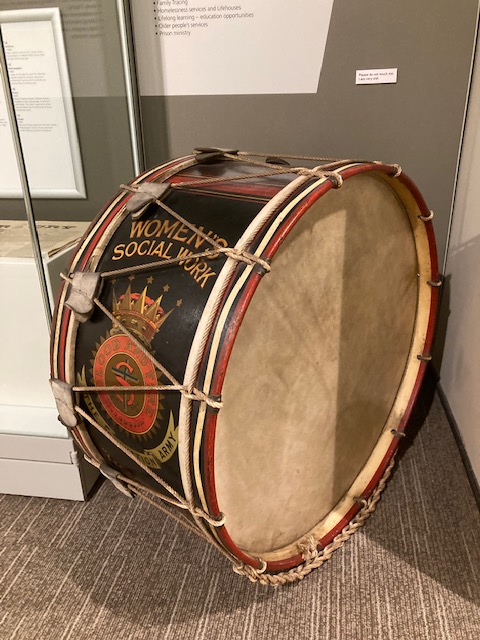
The Gallery is well laid out and it’s easy to find your way around. There are six areas to explore including how the Mission started and all areas have various artefacts that are associated with the Army.


3. Kings College Hospital
One stop on from the college is Ruskin Park. It’s named after John Ruskin (1819–1900), a poet, writer and a major champion of diverse green spaces, who lived nearby from 1823 to 1871. The bandstand dates back to 1911 and was popular for Sunday band concerts. Another feature of the park is an oval duck pond.


4. Camberwell Road/Albany Road
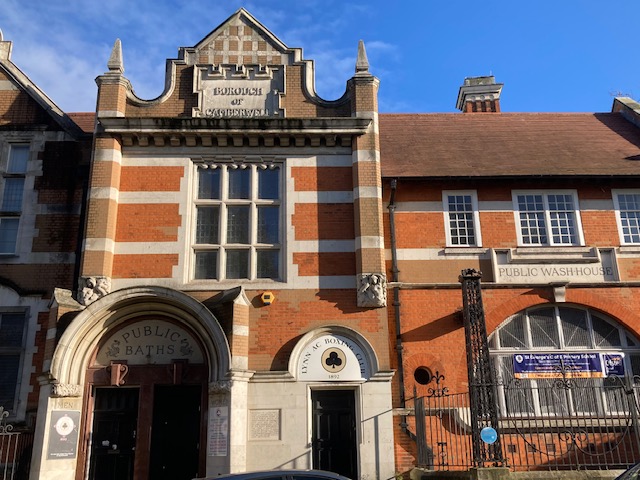
The next place to see is Burgess Park and in particular the Lime Kiln, which is a relic of the area’s industrial past. It was originally in Burtt’s Yard and it is all that remains of the Lime works which opened in 1816, soon after the Grand Surrey Canal was built. The park itself is unusual as it is a large park created on a “brownfield” site. The area was previously occupied by streets, houses and light industry as well as a branch of the Surrey Canal. Just outside the park is a building that started out in 1892 as the Camberwell Public Baths and wash-houses.


5. Larcom Street
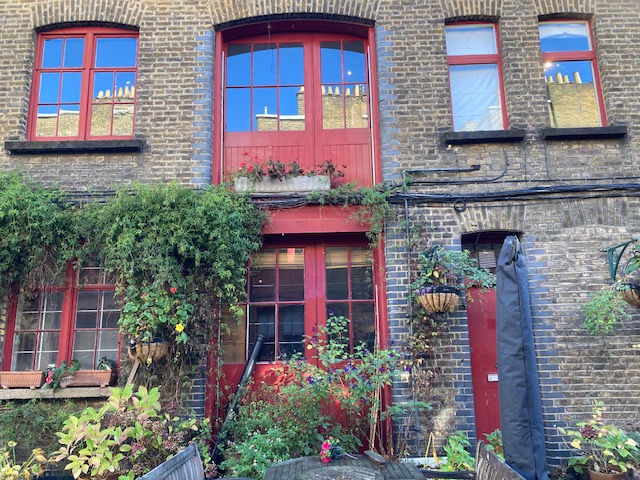
This is the stop for Iliffe Yard, which can also be found on bus route 4. The yards are located beside long terraces of Victorian flats, built by James Pullen and Son, between 1886 until 1901. Pullens Buildings are residential and are amongst the last Victorian tenement buildings surviving in London. At the rear of the blocks were built 106 workshops, arranged around large yards including Iliffe Yard, and which are now occupied by some of many hi-tech craftsmen and women.


6. Blackfriars station South Entrance
There is quite a lot to feast your eyes on in this area. Almost the first thing to see is the London Chatham and Dover Railway sign which looms large over Blackfriars Bridge. The railway company was formed in 1859 and lasted until 1922 when it merged with other companies to form Southern Railways. Near here is the sandy Bankside Beach, which is really best seen in summer months and not on a cold November day. Set along the Thames, it’s a great place for the kids to build sandcastles and to watch the boats float by.


Take a short walk round the corner and find the Bankside Gallery, a boutique art gallery with the present exhibition of works by Quentin Blake and Linda Kitson. This exhibition is temporary but the gallery showcases artists on a regular basis so it’s worth looking out for upcoming exhibitions.


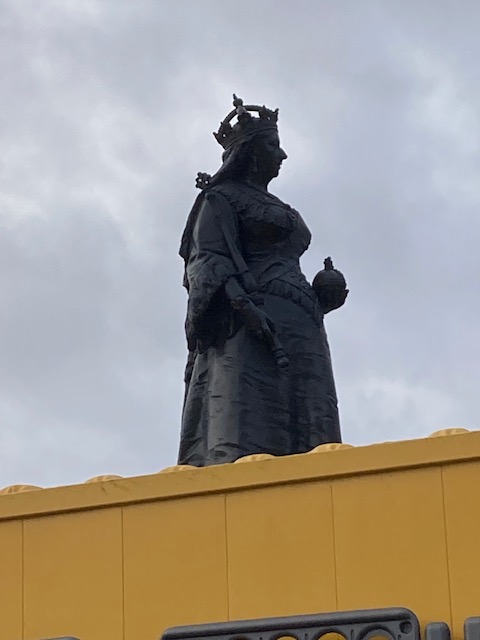
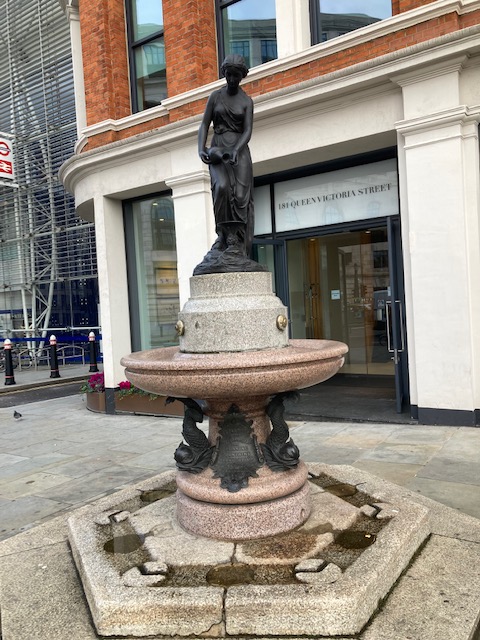
Back on to Blackfriars Bridge and take a walk up to the north side where there are a few statues – one is of Queen Victoria looking towards the north, having been placed there in 1896. Nearby is a charming small statue of a graceful, lightly draped girl pouring from a pitcher. This represents Temperance (see the fountain in Clapham Common on bus route 35) with the idea to discourage drinking alcohol and to provide free water instead. One further statue is round the corner in John
Carpenter Street and is entitled Taxi!, which freeze-frames a city worker, presumably on his way home from work.

7. Snow Hill
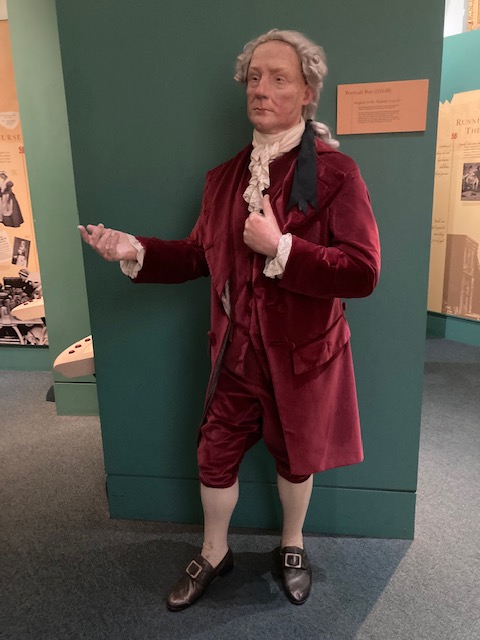
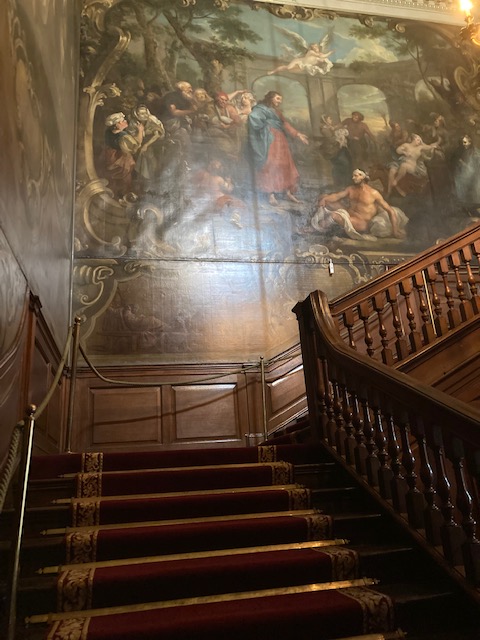
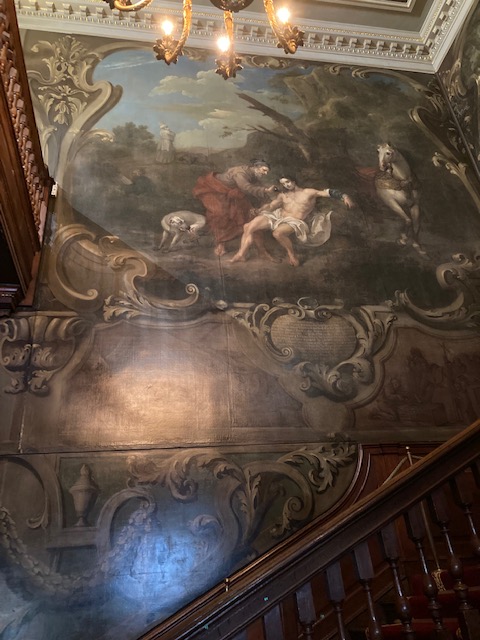
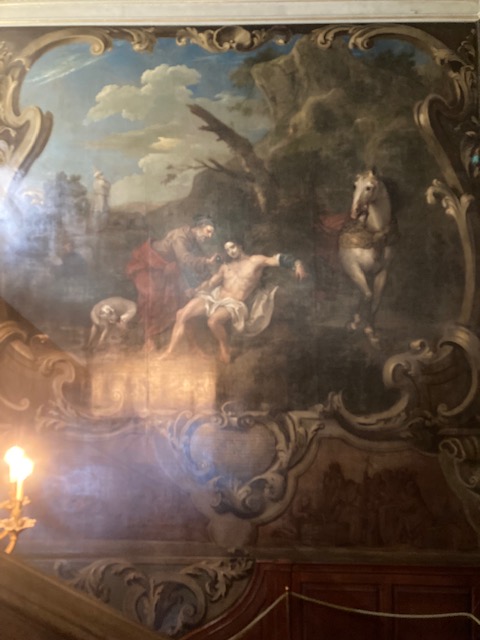
Final stop of the day is Snow Hill and to visit the Museum at Bart’s Hospital. The museum tells the story of nine centuries of healthcare at the edge of the City of London and is truly fascinating. Founded in 1123, on show are old documents including the 1546 agreement between Henry VIII and the City of London, with the monarch’s signature on the document. Many artefacts and information can be found here – there is a wooden statue of The Wounded Soldier, which was originally positioned outside the hospital in mid-17th century to show that wounded soldiers and sailors are welcome. Also on display is a statue of the eminent surgeon Percival Potts. And not to be missed are the huge and spectacular paintings by William Hogarth on the Grand Staircase. The Good Samaritan and The Pool of Bethesda were Hogarth’s first history paintings – depicting stories from the bible at huge scale, featuring figures around seven feet high.




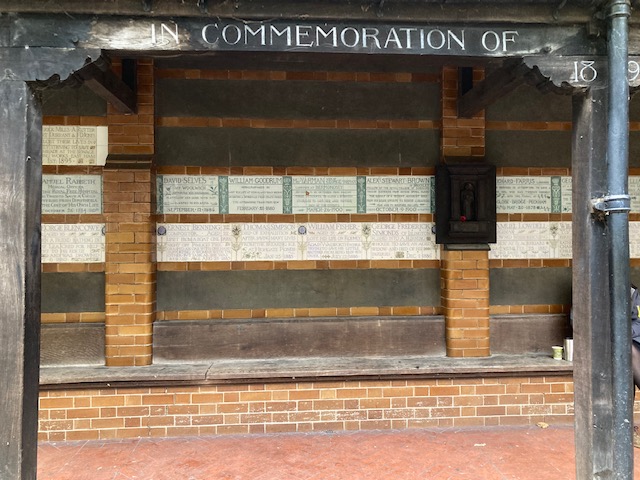
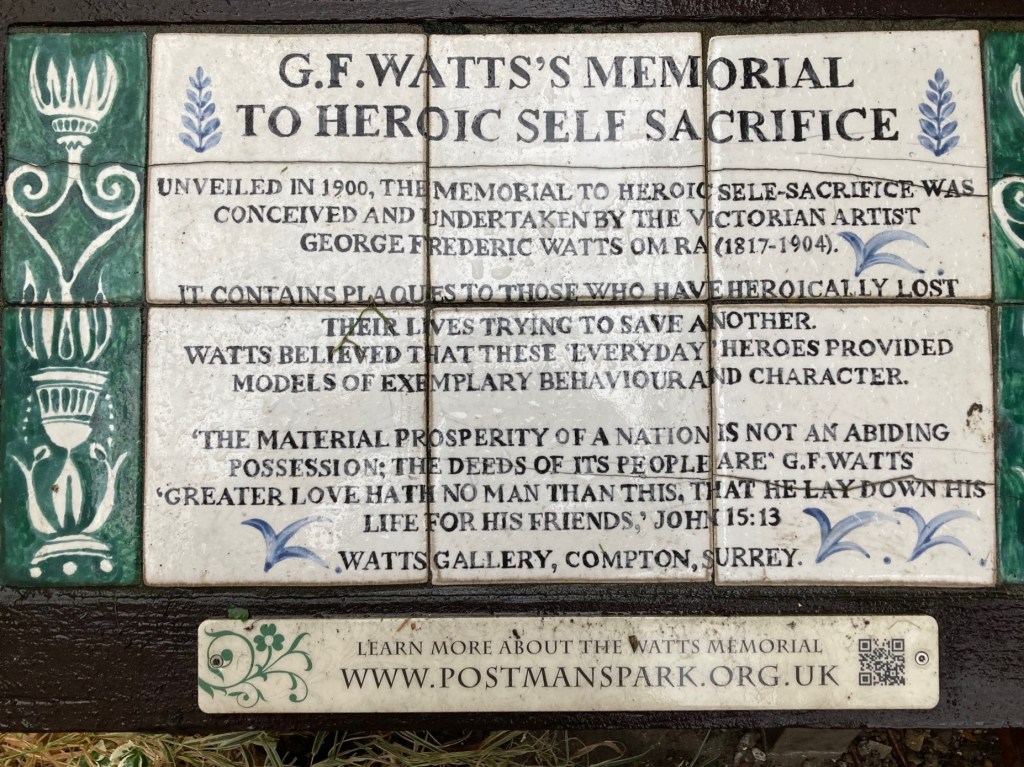
Not far from the hospital is Postman’s Park (see also bus route 4). This park is a memorial to heroic self-sacrifice, to those ordinary individuals who died while saving the lives of others and who would otherwise be forgotten.

Bus route 40 is amongst the most interesting, having a good mixture of outdoor places and museums/galleries with a host of lesser-known but nonetheless fascinating places.
Toilets that are free and available on this route:
- Dulwich Library
- Booth College
- Burgess Park cafe
- Bankside Gallery
 london routemistress

2 responses to “Bus route 40”
This sounds really interesting! Loads of places I would like to visit. I used to live in East Dulwich (Lordship Lane on bus routes 12, 176,185 which all stopped outside my house) but Dulwich Village not so familiar with.
LikeLike
Katie, this was a great route – I’m constantly being amazed at the diversity that can be found in London, if we just look hard enough. I’m mainly interested in places that aren’t on the tourist routes hence the Salvation Army and Bart’s hospital museums. Thanks for your comment – I’m sure there’ll be other places in Dulwich and elsewhere that hopefully you’ll find just as interesting!
LikeLike