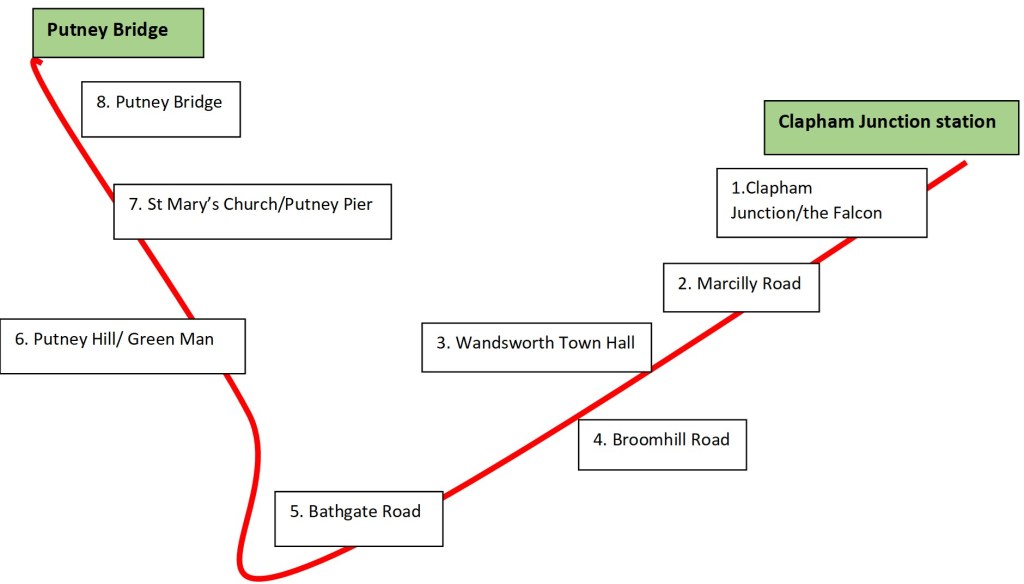
Clapham Junction station to Putney Bridge
Highlights:
- Wandsworth Town Hall
- Wimbledon Lawn Tennis Club
- St Mary’s Church, Putney
There are a lot of outside places to see on this route, so it’s best to go on a day when it’s not raining
- Start of the route at Clapham Junction/the Falcon pub
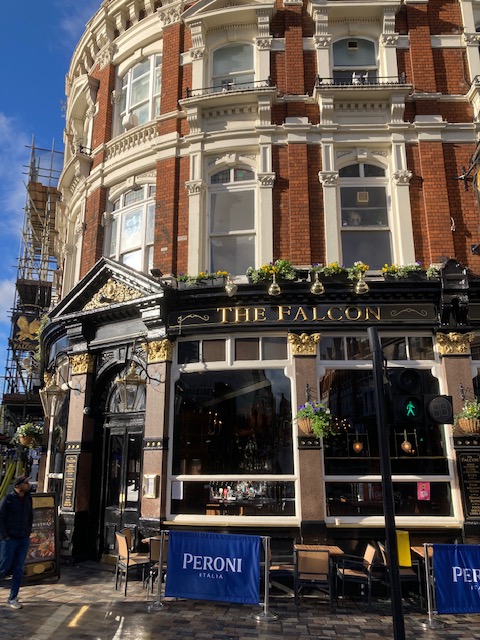
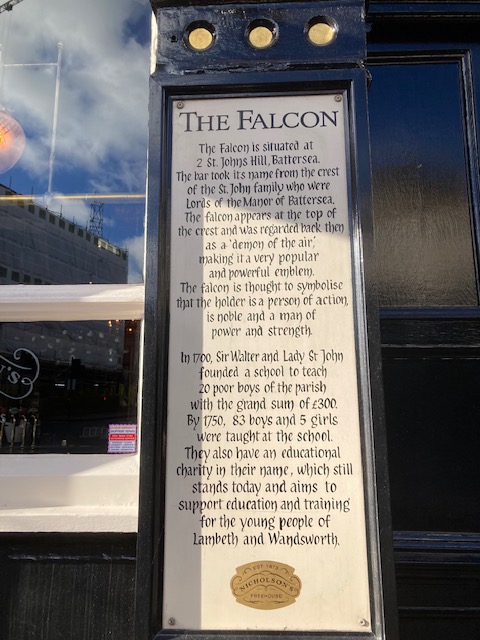
Before getting on the number 39, take a look at the Falcon pub. It takes its name from a falcon that appeared in the crest of the St John family. As Lords of the Manor of Battersea, in 1700, the family founded a school to teach 20 poor boys in this parish.
2. Marcilly Road
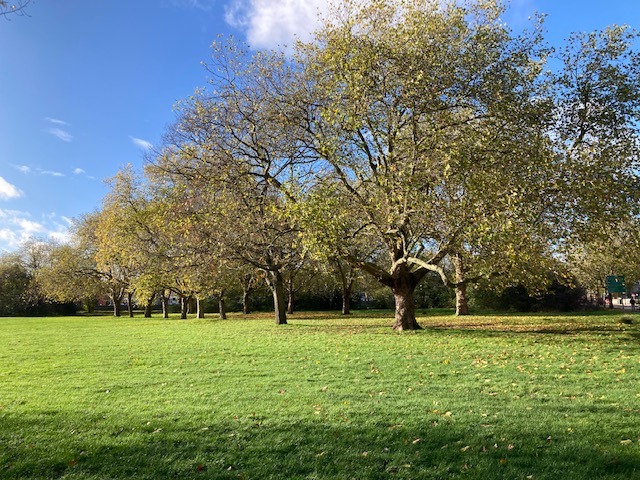
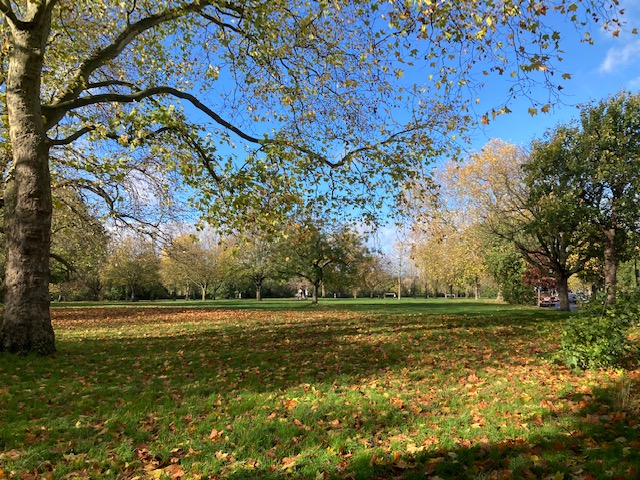
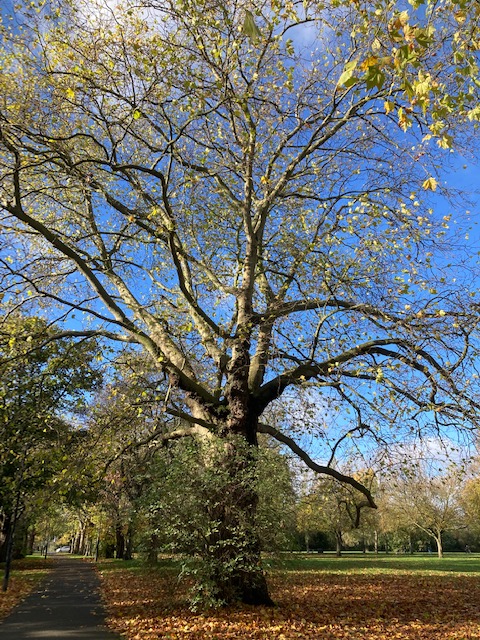
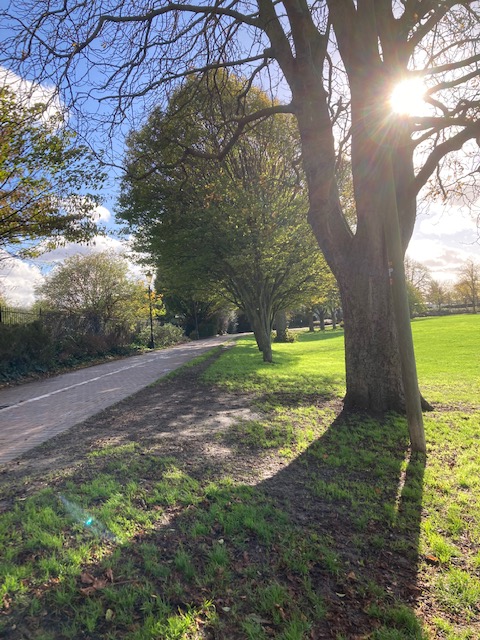
Near this stop is Wandsworth Common, a lovely park especially at this time of the year. It’s quiet and calm with a variety of trees to walk amongst. There is a pond, a lake and a windmill but they are a distance from the bus stop, at the other end of the common.
3. Wandsworth Town Hall
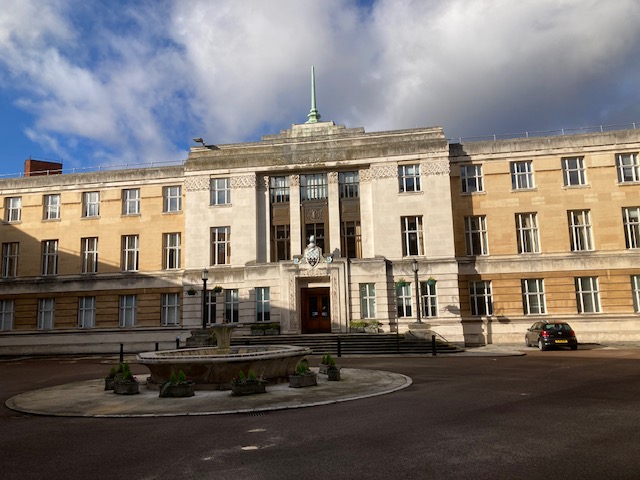
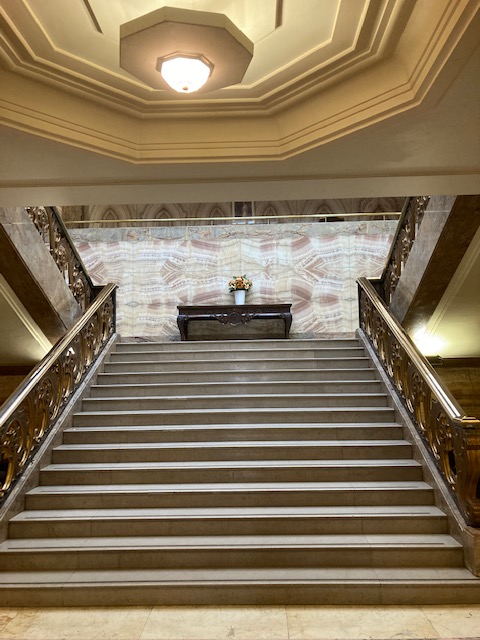
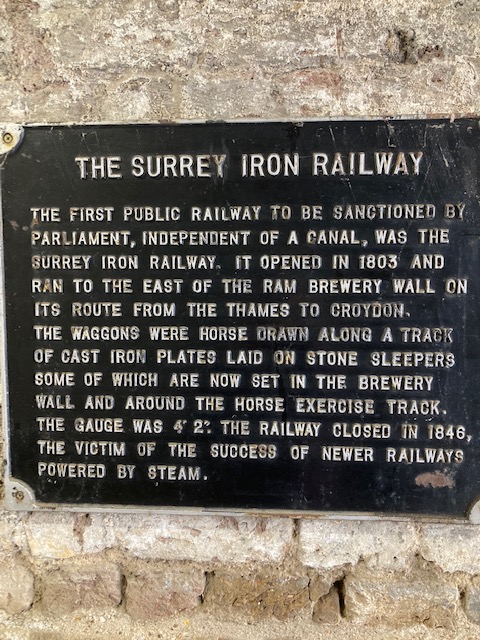
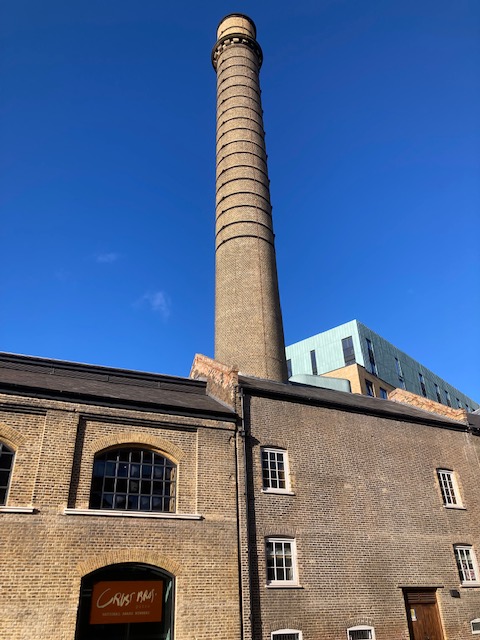
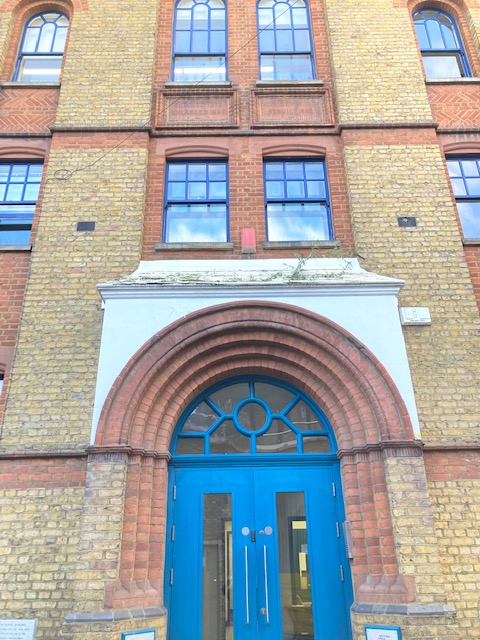
Wandsworth town hall is a really lovely building both from the outside and interior – it’s not possible to take a tour around the building but the staircase at the reception area is magnificent and worthy of a visit. Not far from here is the Ram Quarter (see bus route 37) and under the bridge is a sign that explains how the Surrey Iron Railway was the first public railway sanctioned by Parliament and went through Wandsworth. On the corner is The Ram Inn which has always had on-site brewing, even from its initial establishment in 1533. An old chimney is still in existence and dominates the street.
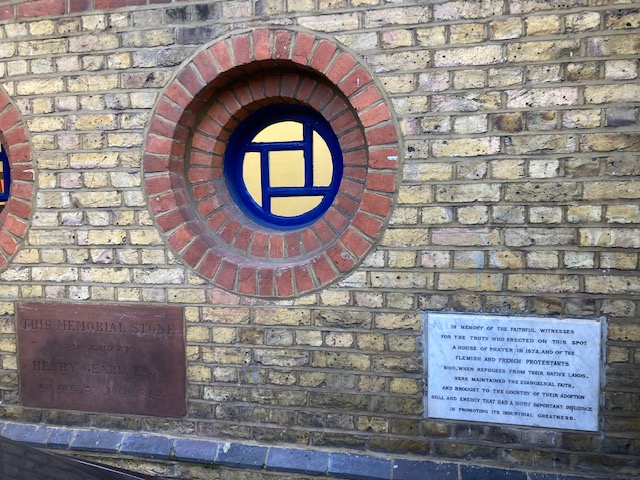
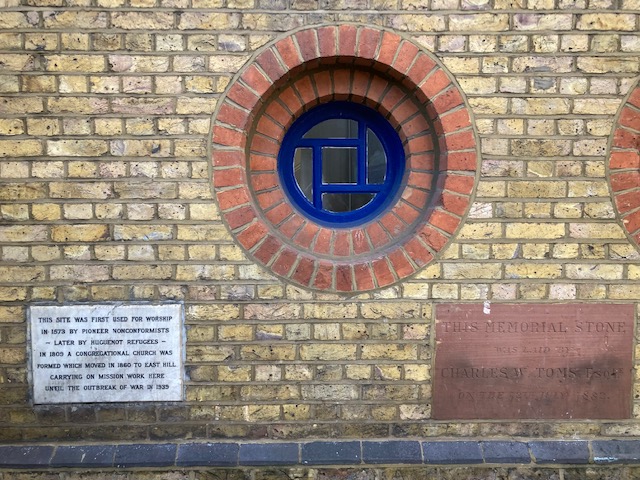
Further along the main road is Chapel Yard, where the National Opera Studio is situated. The building was erected in 1573 by pioneer non-conformists, later used as a house of prayer for Flemish and French Protestants and missions were still being carried out until the outbreak of World War II.
4. Broomhill Road
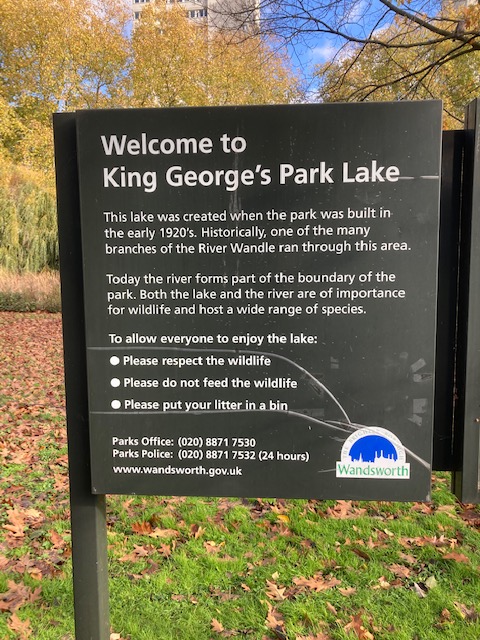
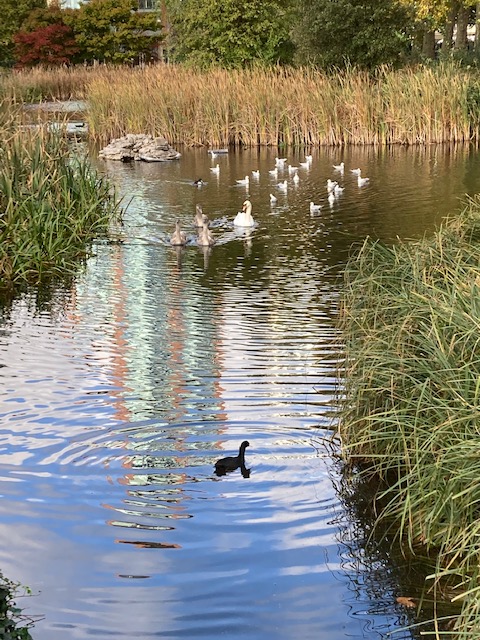
King George’s Park was officially opened by King George V in 1923 – hence its name. There is a splendid archway to one of the entrances and the park itself has a small lake which is full of all types of birds. The Wandle trail can be picked up within the park and there are plenty of areas for kids to run around and play.
5. Bathgate Road
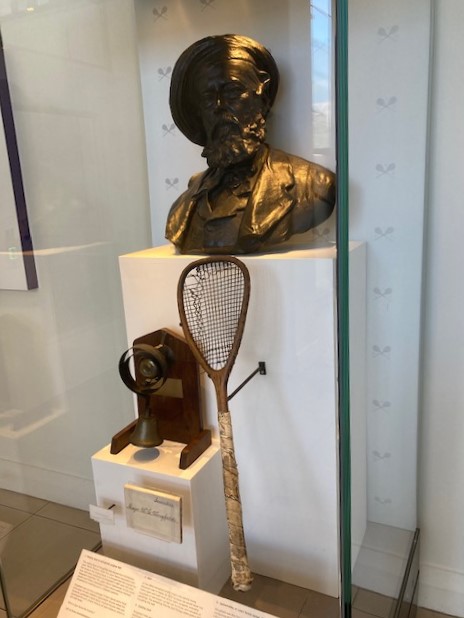
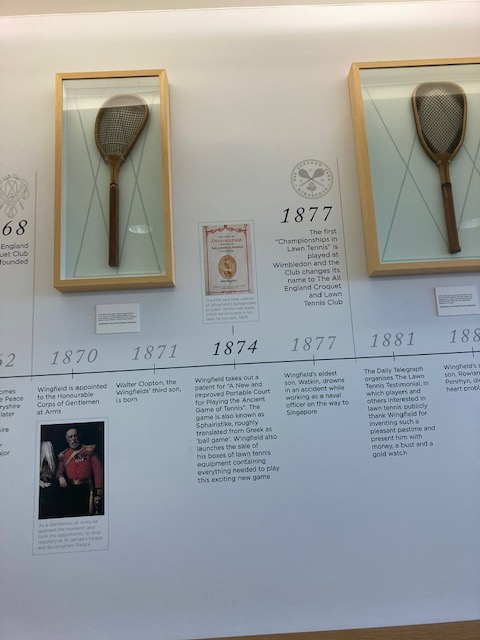
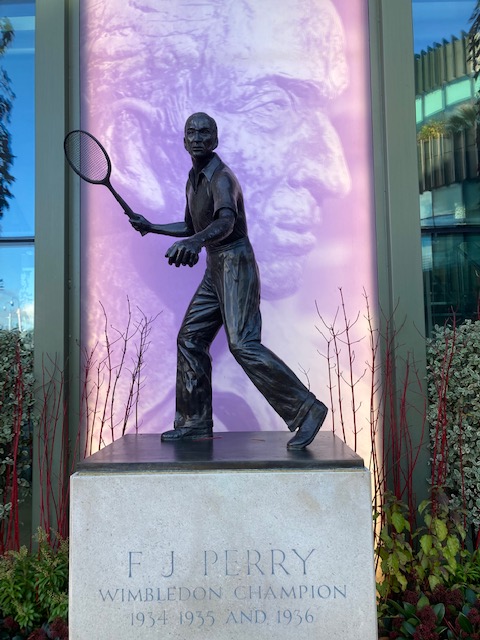
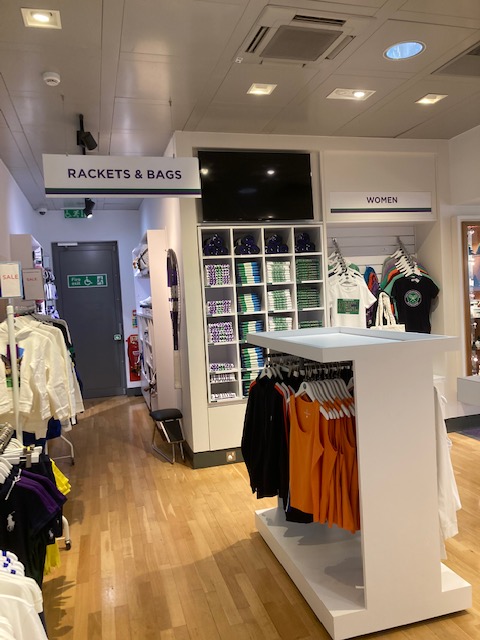
A few minutes’ walk from this stop is Wimbledon Lawn Tennis Club. The shop, museum and café are open all year round – it’s possible to visit the museum and have a guided tour (there is a charge for this) and it’s possible to wander round the perimeter of the courts and have a photo taken with the statue of Fred Perry. Inside the café you can find some interesting facts about how lawn tennis came into being and who invented it – Major Walter Wingfield – in 1874. There are also some very old tennis racquets and a timeline of the major’s life.
6. Putney Hill/Green Man
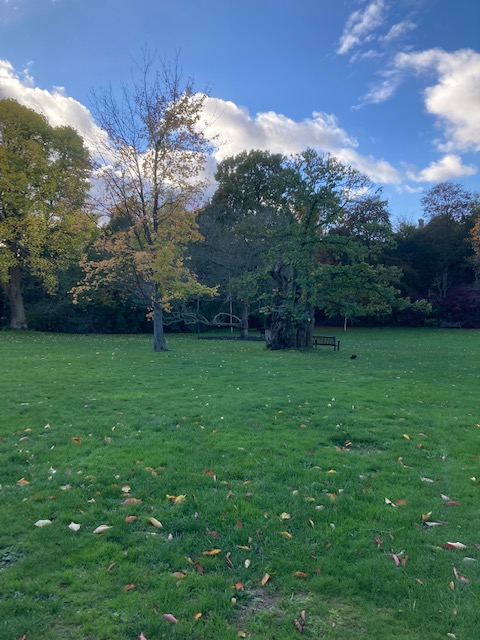
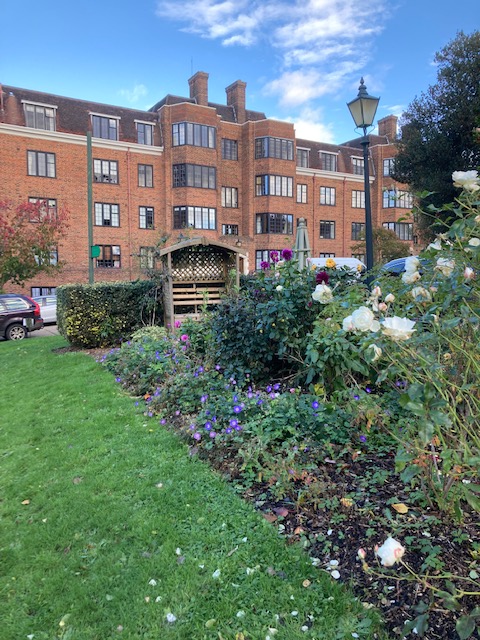
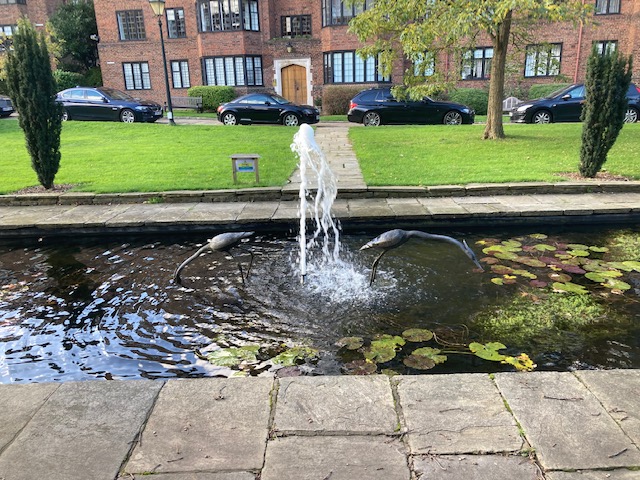
The bus stops outside Manor Fields, which is a private estate created in the 1930s as “homes of quiet refinement”. The estate is on the site of the house where Thomas Cromwell, Henry VIII’s chief minister, was born. The grounds are pretty, with an ornamental pond in the middle.
7. St Mary’s Church/Putney Pier
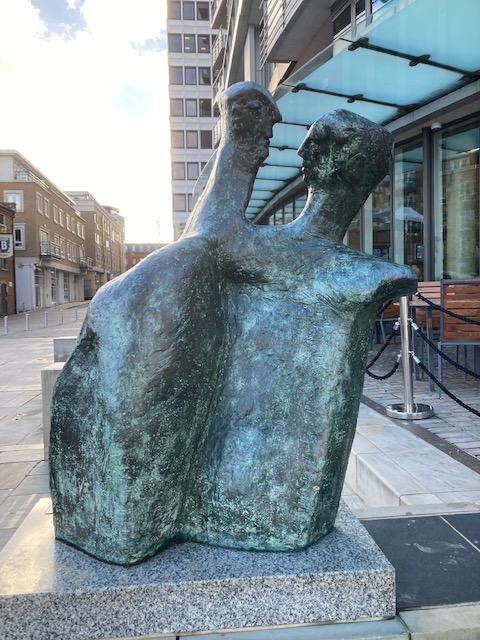
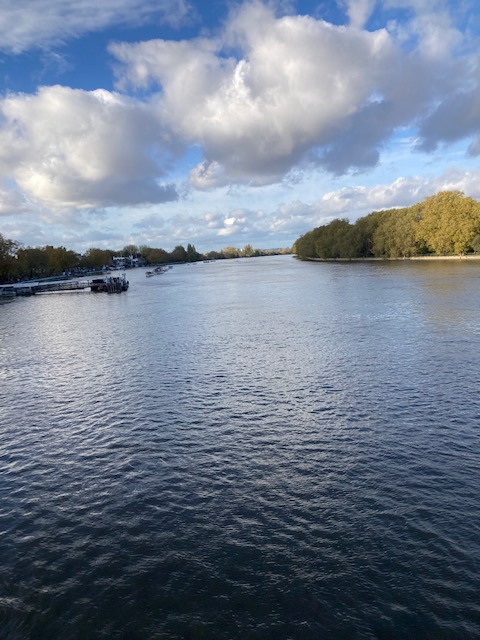
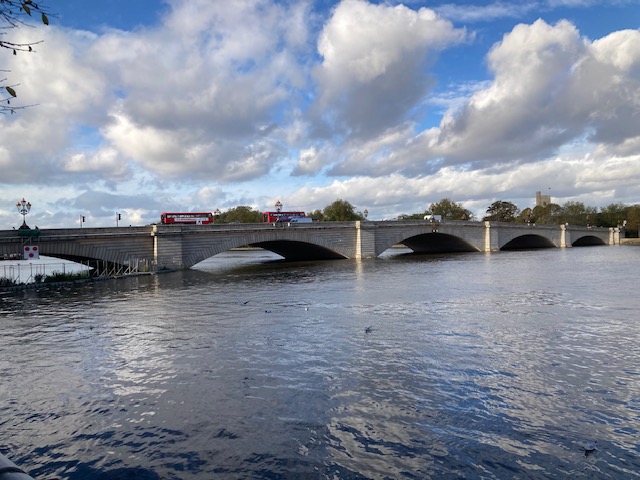
Round the corner from the bus stop is Putney Wharf, with lovely views of the Thames and Putney Bridge itself. There is a sculpture entitled Punch and Judy by Alan Thornhill as part of the Putney Sculpture trail.
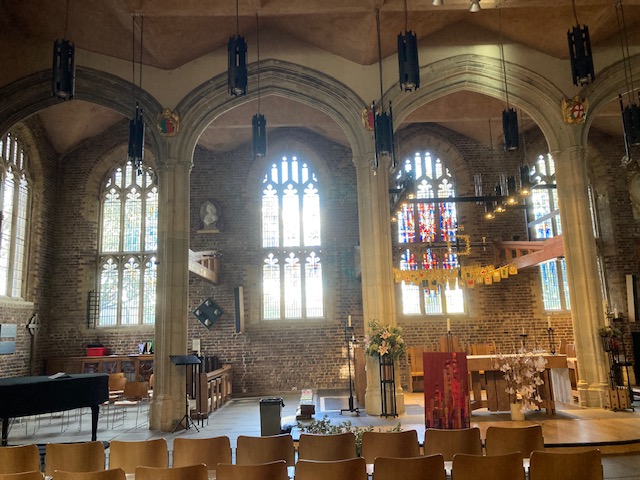
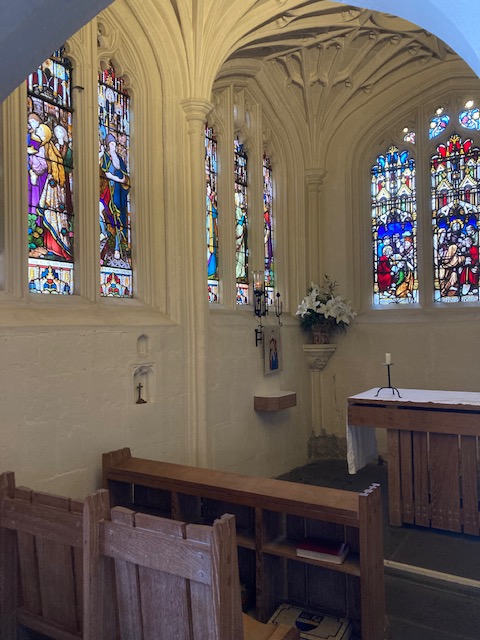
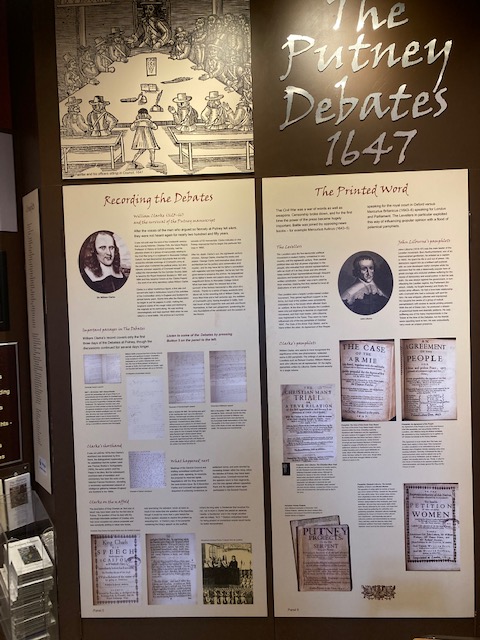
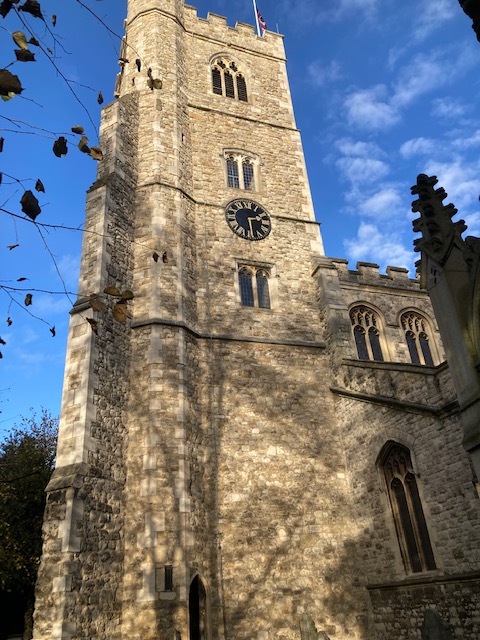
Back round the corner to St Mary’s Church. There has been a centre of Christian worship on this site from at least the 12th century. The parts of the medieval church which survive today are the tower, some of the nave arcading (mid-15th century) and the Bishop West Chapel. During the Civil War, the HQ of Oliver Cromwell’s army was briefly located in Putney. In 1647, meetings of the Army Council were held in the then Chancel of the church. These discussions on the future government of the realm were published as the “Putney Debates”. There is a small but fascinating exhibition inside the church to explain this period of history.
8. Putney Bridge
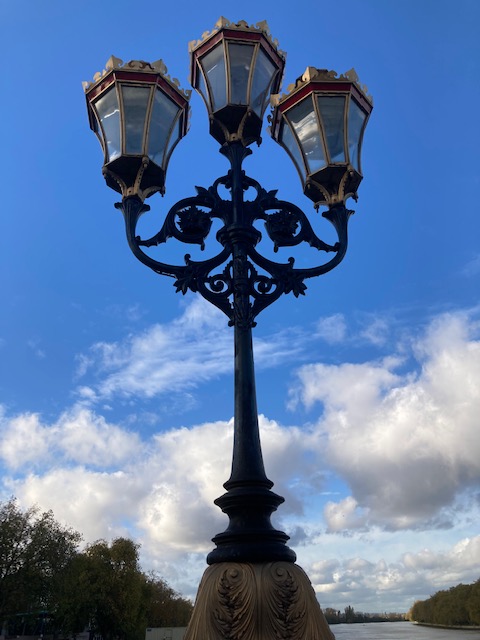
This is the last stop on the route, but there is plenty to see here, starting with the bridge itself. The first bridge of any kind between the two parishes of Fulham and Putney, Putney Bridge was built during the Civil War: after the Battle of Brentford in 1642. At one time, it was a toll bridge, with toll booths positioned on either end. The bridge has many ornate, Victorian cast-iron lamp posts and lanterns along either side.
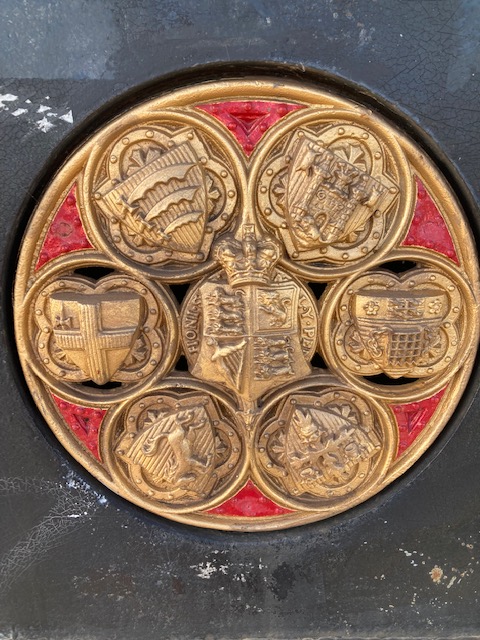
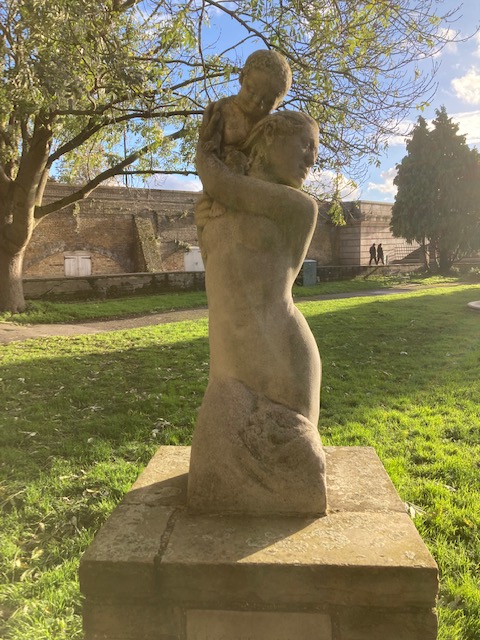
On the north side of the bridge is Fulham and All Saints Church. The dedication of the church to All Saints is first documented in 1445 at the time when the present Kentish ragstone tower was being built. It is now the only surviving part of the 15th century building. The stained glass windows inside the church are a delight to see. Outside is the Sculpture Park with 4 sculptures in each corner, representing Protection, Adoration, Idea and Grief.
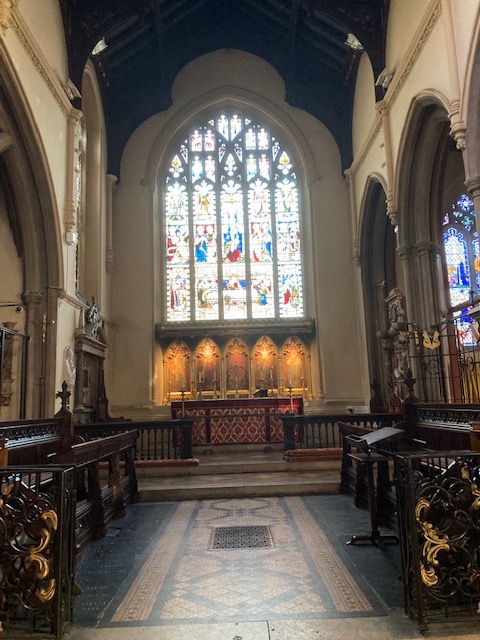
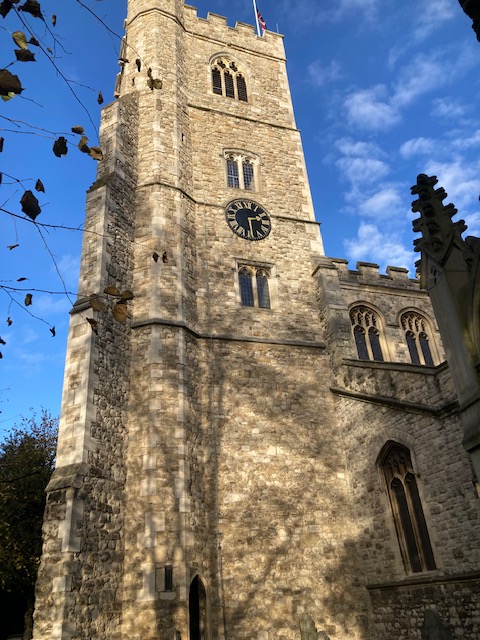
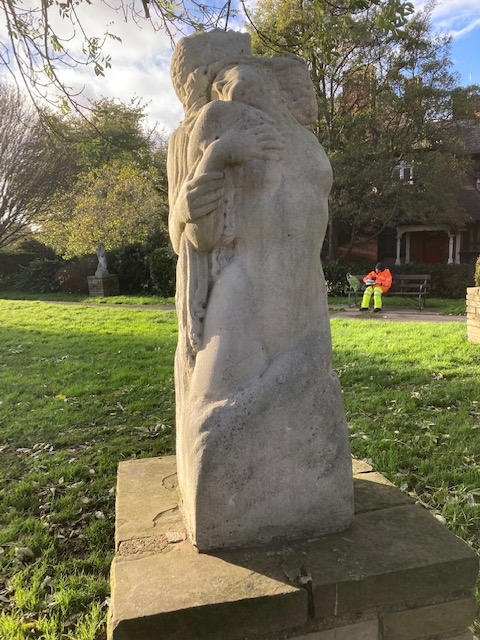
It’s interesting to note that Putney Bridge is the only bridge in Britain that’s flanked by churches at both ends, being St Mary’s in Putney and All Saints in Fulham.
Toilets that are free and available on this route:
Café inside Wimbledon LTC
 london routemistress
2 responses to “Bus route 39”
This is so interesting – I’ve lived in and around this area for 45 years and you’ve pointed out several things I didn’t know.
LikeLike
That’s what I love about doing these bus journeys – it’s a revelation to find so many interesting, less-known places around the city! Glad you’re also finding it interesting …
LikeLike