
Clapham Junction to Shoreditch
Highlights
- Orangery at Clapham
- Mural of Romeo & Juliet and bronze statue of Shakespeare in New Inn Broadway
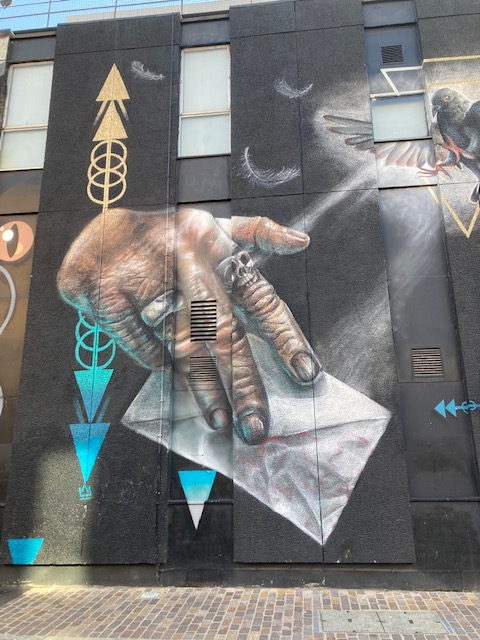
- Street art in New Inn Yard
Start of the route at Clapham Junction
The start of the journey is at Clapham Junction but before getting on the bus, it’s worth looking at the Grand, a magnificent building that dates back to 1900, when it was built as a Music Hall. Such illustrious entertainers as Marie Lloyd and Charlie Chaplin gave regular performances here.
1. Eccles Road stop
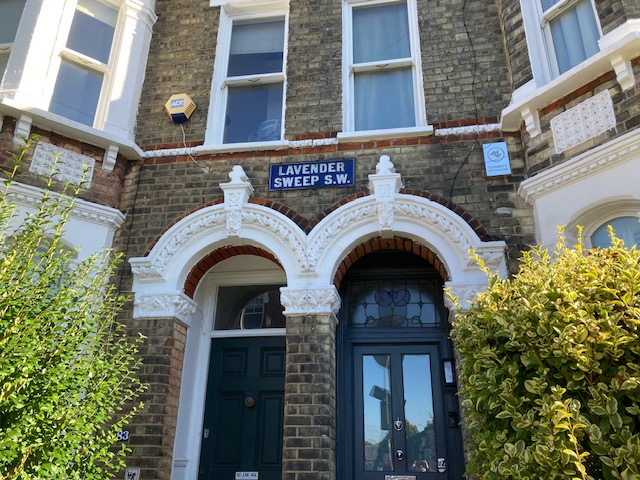
Walk to the bus stop and alight at Eccles Road for a great-sounding street – Lavender Sweep. Originally laid out as a carriage drive serving four large mansions with a gate lodge at either end. Lavender Sweep is the name by which the large house – owned by Tom Taylor, an editor of Punch – became known.


2. Rookery Road
After looking around this area, take the 35 to Clapham Common and cross the road towards Notre Dame Housing Estate. Nestled in the middle of the estate you’ll find the remains of an Orangery that was part of Thornton House. Now a grade II listed building, it had been built by a Mr Robert Thornton, a merchant who later became a director at the Bank of England. It was used to grow plants throughout the year and to entertain guests. Queen Charlotte (wife of George III) and her daughters were entertained by Thornton here in 1808.
3. Clapham Common station
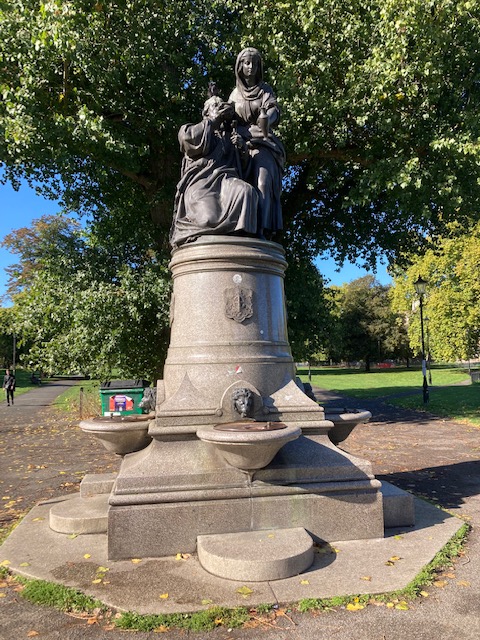
Walk back to the common and cross the road to see the Temperance Fountain, a statue that depicts a woman giving water to a beggar. The purpose of fountains like this, was to encourage people not to drink beer by supplying safe and free water. Beer was the main alternative to water, and generally safer. The temperance societies had no real alternative as tea and coffee were too expensive, so drinking fountains were seen as an attractive alternative. The common itself is huge and well worth a visit – with three ponds, one of which is easily accessed near the Fountain.



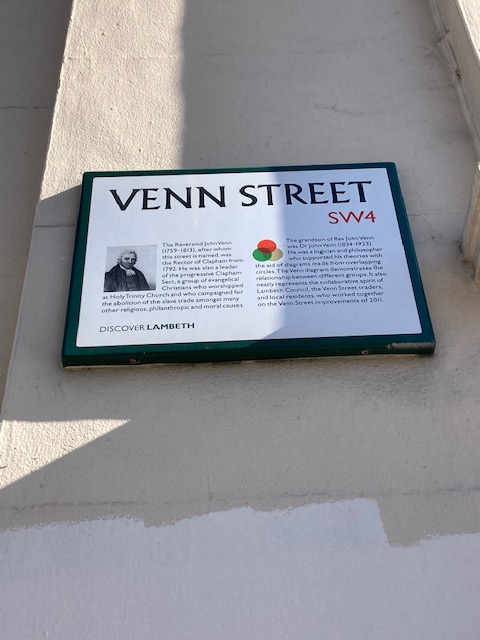
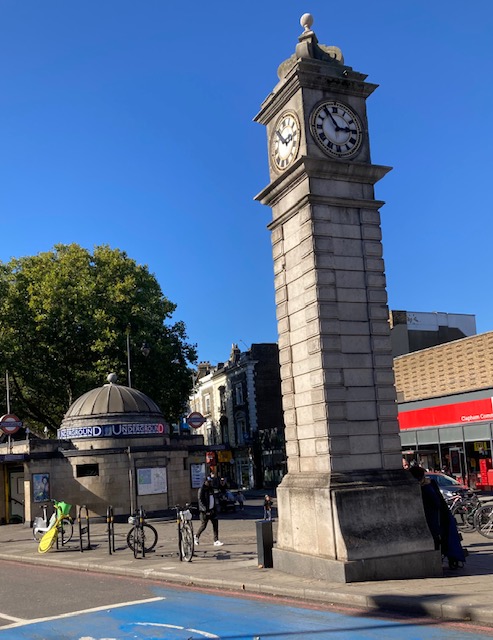
Also set within the common, is Holy Trinity Church, a grade II listed building, which was completed in 1776 and with a Thwaites clock as a main feature. Around the corner in Venn Street is the Clapham Picture House, originally built as the Electric Picture Palace in 1910. A plaque on the corner of the street tells of Rev John Venn, a local priest and after whom the street was named. And whose grandson was John Venn, who invented the Venn diagram! Clapham Common station, built in 1900 is a local landmark as is the nearby Clock Tower which was erected not long after and is often used as a convenient meeting place.


4. Lambeth Town Hall
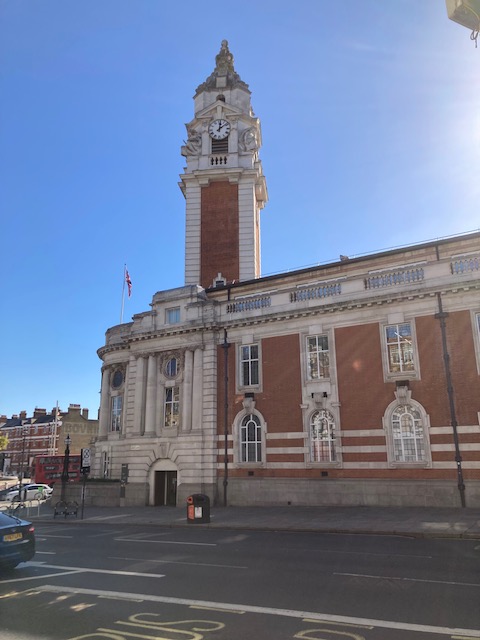
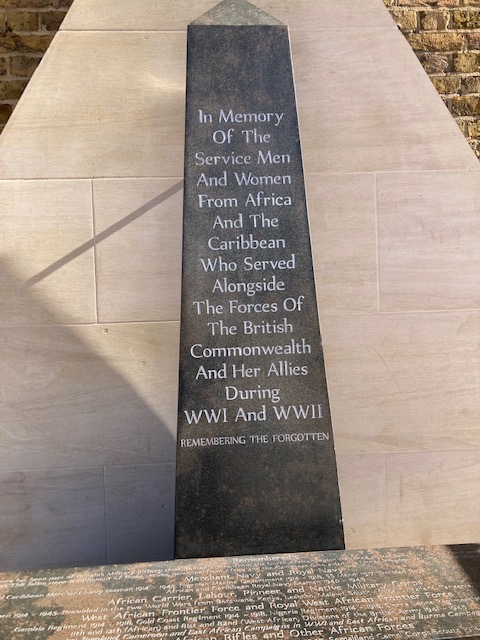
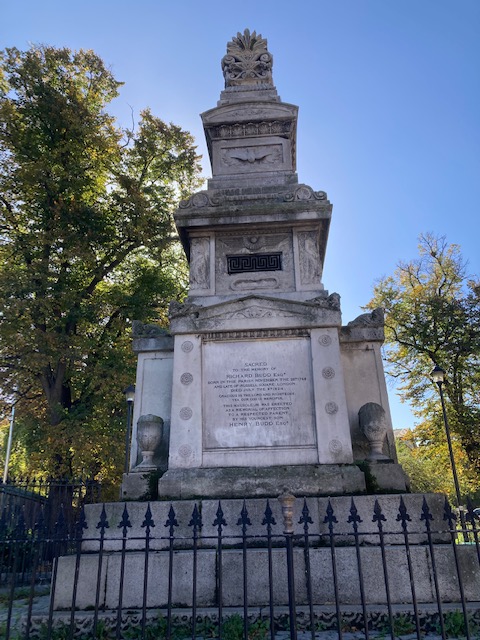
After exploring this part of Clapham and its surroundings, the number 35 will take you to Lambeth Town Hall in Brixton. This whole area is fascinating – over the road is Windrush Square to pay tribute to those who came over on the boats and there is a Windrush memorial to those of African and Caribbean descent who served during WWI and WWII. Set between the roads is the Budd Mausoleum, a structure built by a son for his father and is proof of the wealth and influence of the Budd family.

5. Gresham Road/Brixton Police station
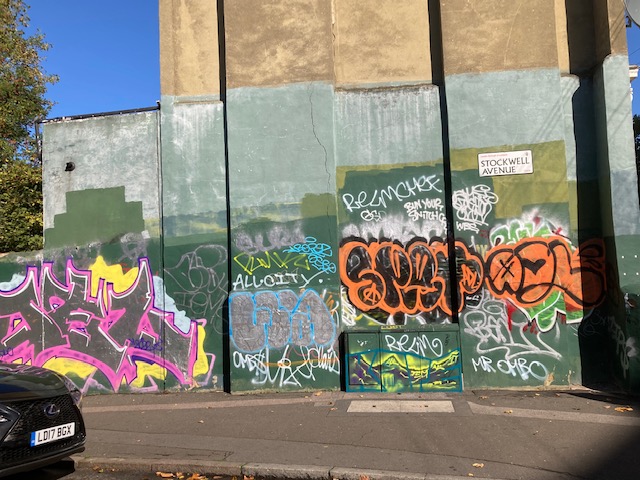
Now time to get back on the bus and alight at Gresham Road/Brixton Police station to visit Wallflower Brixton, an ongoing portrait photography project set up by local photographers in 2021. They placed a chair and lights in front of the big green wall and waited to see who would turn up. Now sadly, there is graffiti and no-one’s photo is being taken. A short walk away from here is Max Roach Park and a Soweto Sculpture – a haunting reminder of the 116 children who died in Soweto in 1976.


6. Bowyer Place
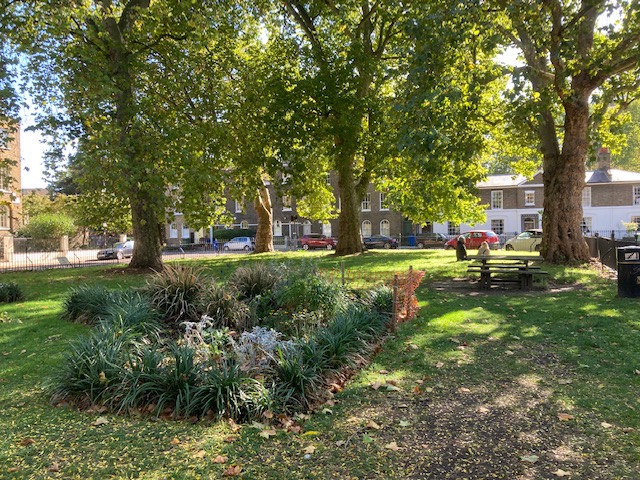
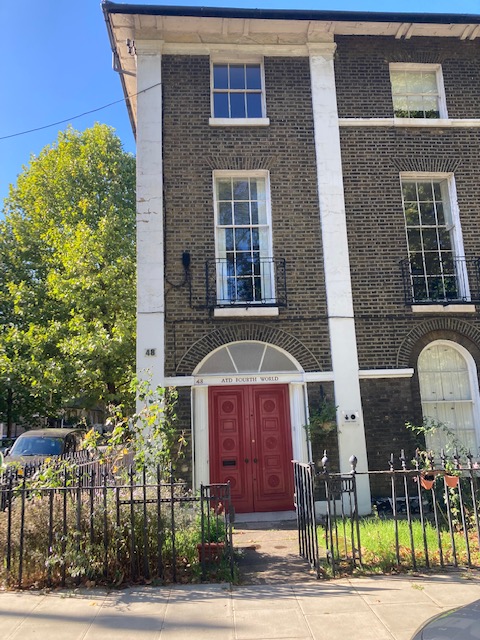
Next stop was at Bowyer Place and a walk round to Addington Square, a Georgian and Regency square named after the then PM Henry Addington. It was once the home of the Richardson Gang (rivals to the Krays) and at one time had a public baths and swimming pool, now the garden in the middle of the square.

7. Hampton Street
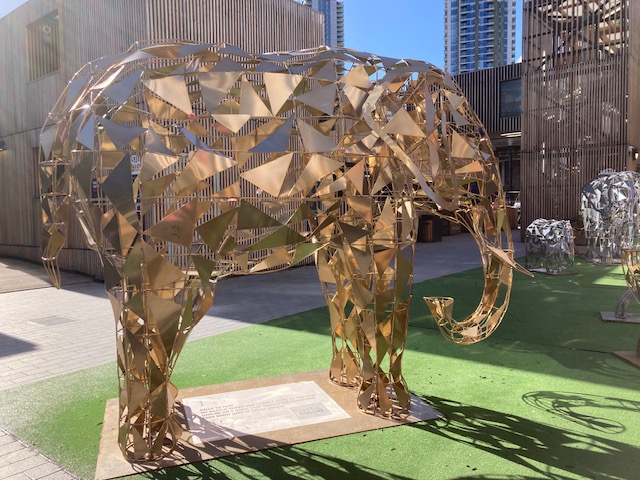
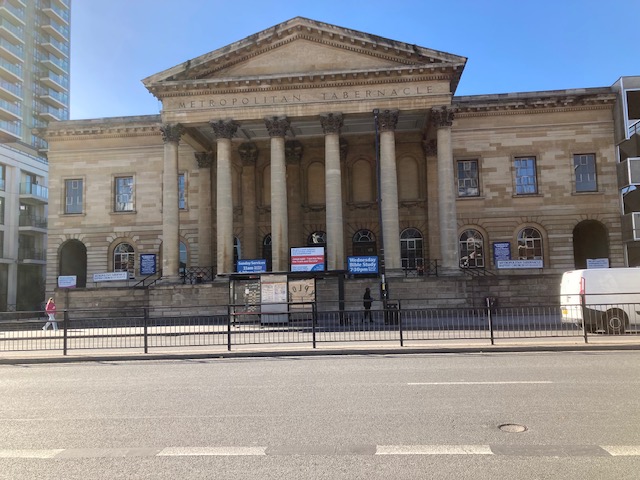
Bus 35 then goes to Hampton Street stop where Elephant Park is situated. There are numerous statues of elephants dotted around the park, which is being renovated to include many retail outlets as well as homes in what is now called Castle Square. Plenty of eating places and places for kids to climb and enjoy. Not too far away is the Metropolitan Tabernacle, a large Baptist church. The present site was acquired for the Tabernacle partly because of its prominent situation and partly because it was thought to be the site of the burning of the Southwark Martyrs. For this reason the foundation-stone bears the words: ‘The blood of the martyrs is the seed of the church’.

8. Shoreditch Town Hall
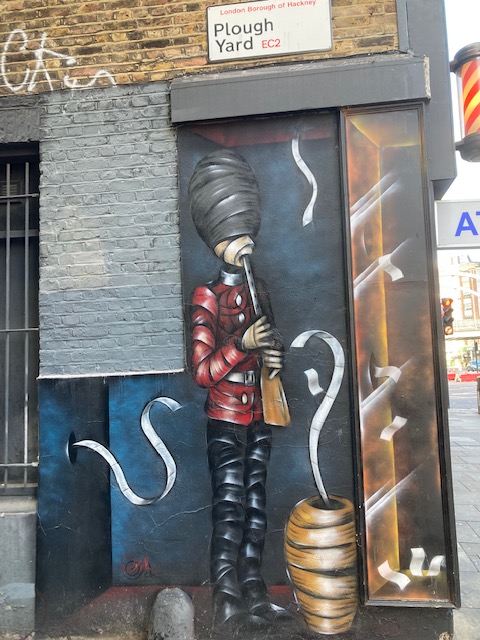
Getting near the end of the route, you’ll find Plough Yard, a small passageway that’s inhabited by artisans with some interesting graffiti at one end. Round the corner is New Inn Broadway which has an extraordinary mural depicting Romeo and Juliet on the site of the first performance of the tragic play – before the Globe Theatre was built. Known simply as The Theatre, it was built just outside the city walls, since it was outlawed to perform plays within the walls, in order to prevent the plague from spreading. Also here is a bronze seated statue of Shakespeare himself.
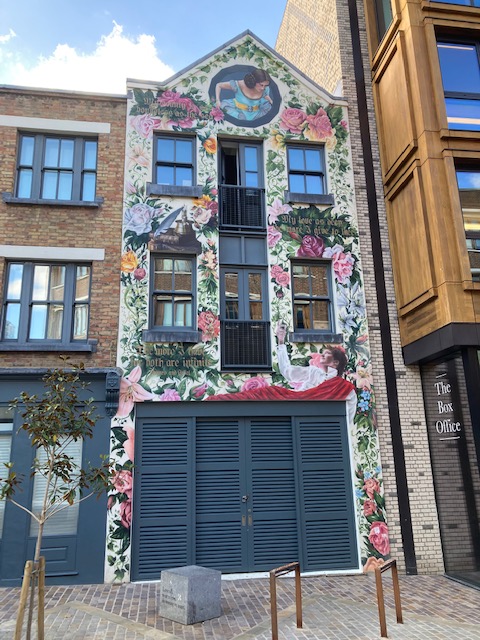

The street art in New Inn Yard is legendary and well worth taking a look.


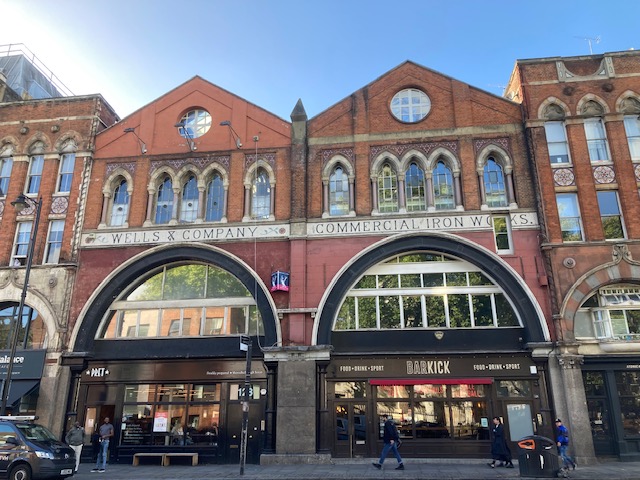
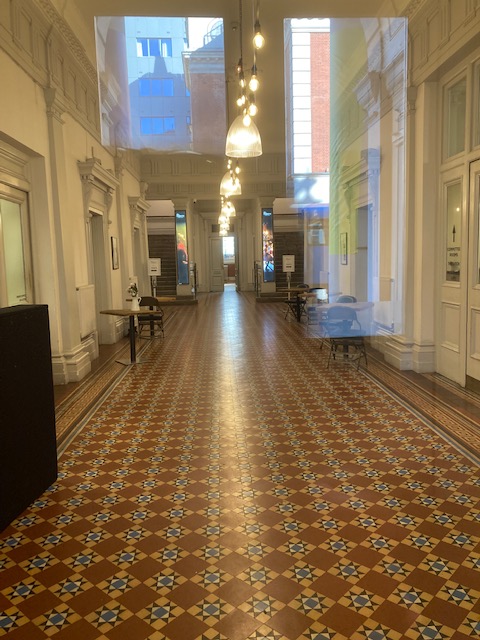
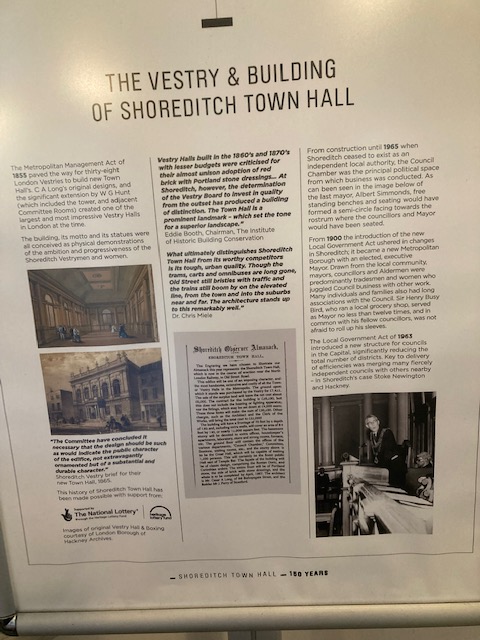
At the end of bus route 35, is the building formerly Wells & Company Commercial Iron Works in Shoreditch High Street. Built in 1877 this was the showroom, shop and factory of Edward Wells who ran a wholesale ironmongers here. Opposite this building is Shoreditch Town Hall, opened in 1866 as a Vestry Hall and was used as a music hall then later as a venue for boxing matches.

 london routemistress