
Royal Free Hospital to Pimlico
Highlights:
- Lismore Circus
- Fitzroy Square
- Methodist Central Hall
- Westminster Cathedral
- Start of the route at Royal Free Hospital
Fairly easy journey to the start of the route today. I walked down from Belsize Park underground station and passed Hampstead Green Wildflower Meadow, which was glorious at this time of the year. I arrived at South End Green where I found the fountain that had been erected by a Miss Crump of Hereford House in 1880.


2. Mansfield Road
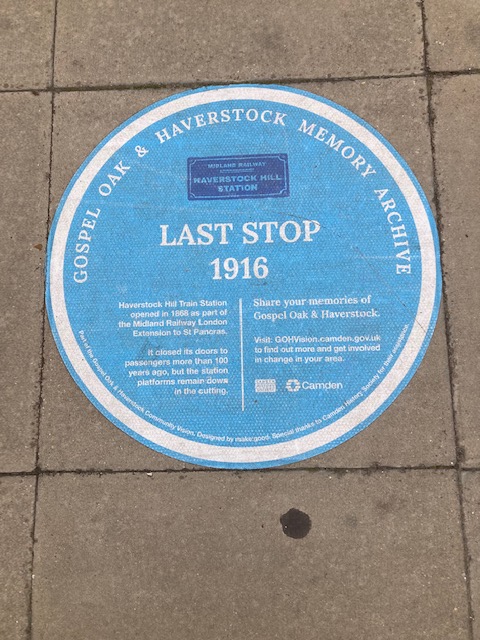
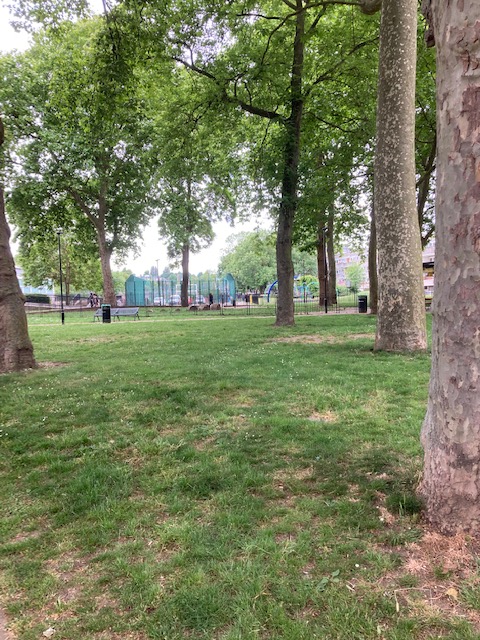
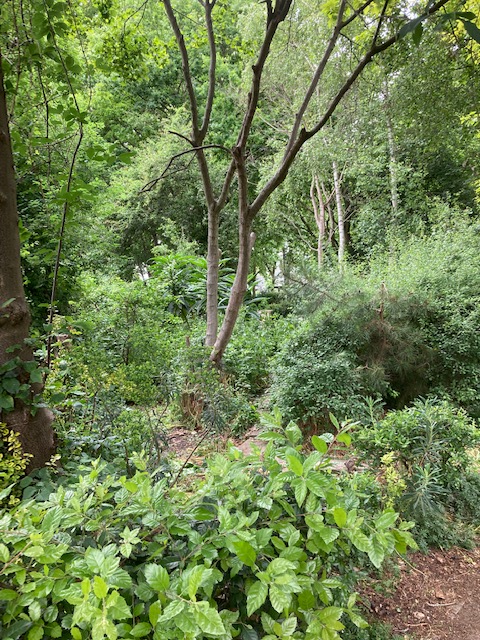
I took the bus to Mansfield Road and walked round the corner to Lismore Circus. This was a former Victorian circus with six streets radiating from it, built in the 1850s. In 1868, Haverstock Hill station opened and was situated in the southwest of the circus.

3. Hawley Road
Back on the bus to Camden Town, heading for the lock. Alighting the bus at Hawley Road, I came across Jeffreys’ Street, a lovely Georgian Terrace. The history of the street is interesting – it is the link between Camden Town and Kentish Town. Round the corner from here is Prowse Place, where Amy Winehouse had lived. I passed the Pancake Art Café in Hawley Wharf which looked like a great place but was sadly closed as it was before noon.

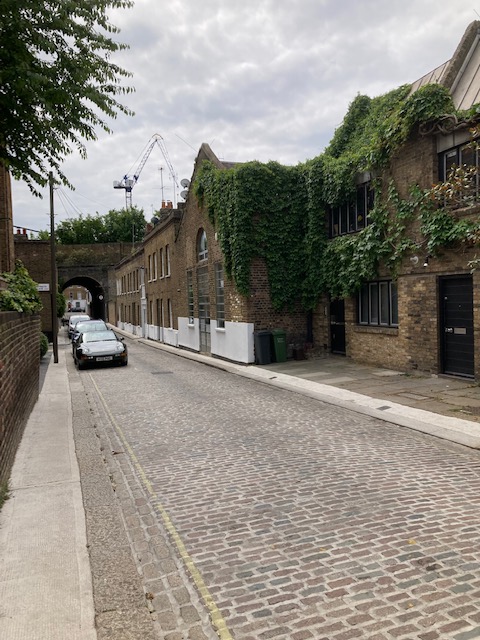

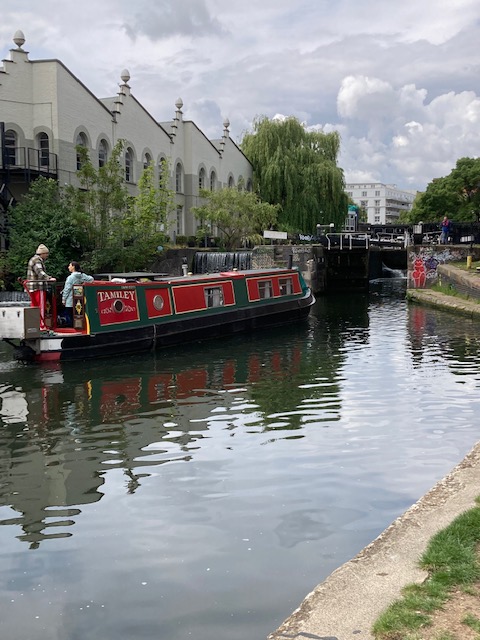
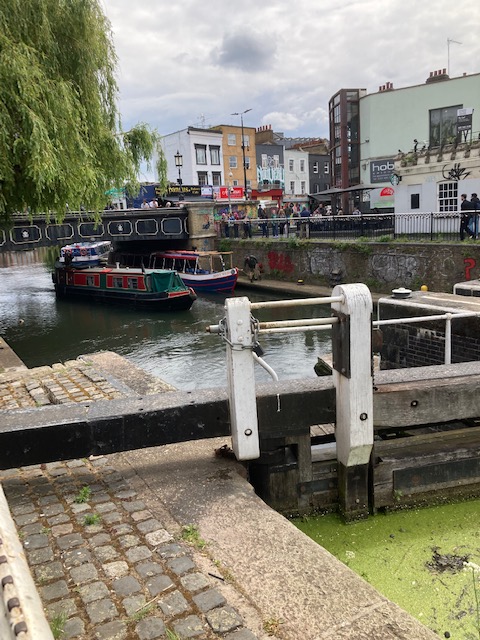
I found my way to Hawley Lock and then Camden Lock, where I was lucky enough to see a canal boat wending its way in. I took a walk down Camden High Street with its array of shops and stalls.


I then tried to find the Museum of Culinary History & Alimentation in Bayham Place but it wasn’t obvious that I could enter. I need to contact them for opening hours.
4. Mornington Crescent station
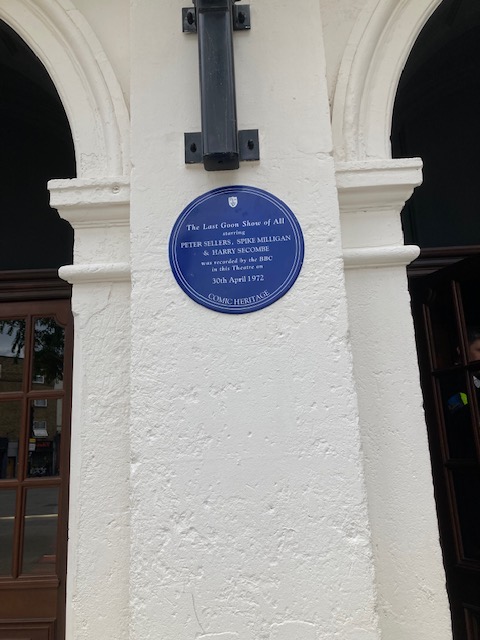
Near the station, I found a statue of Robert Cobden, the MP who instigated the repeal of the Corn Laws in the 1840s. Also nearby was Koko, an entertainment venue, in fact the final Goon Show was recorded there in 1972.

5. Warren Street
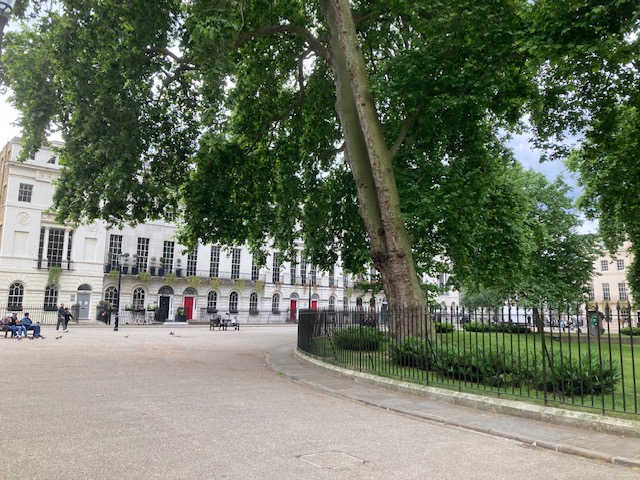
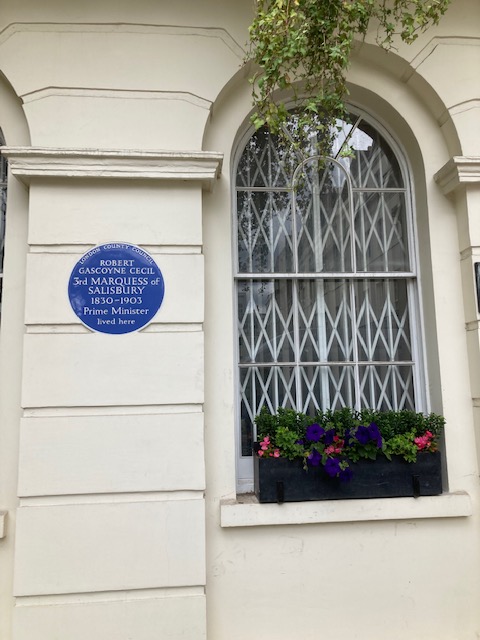
Hopped back on the 24 to Warren Street and went round to Fitzroy Square and Gardens. On the corner with Grafton St, I came across a statue of Francisco de Miranda, a Venezuelan who is regarded as a forerunner of Simón Bolívar. Fitzroy Square itself is a Georgian masterpiece and quite breath-taking. Building of the houses was started in 1792 by Robert Adam. The square has been used for films – such as Jane Austen’s Emma – and is and has been home to many famous residents including Prime Minister Lord Salisbury at 22, Virginia Woolf and George Bernard Shaw both at 28.


6. Trafalgar Square
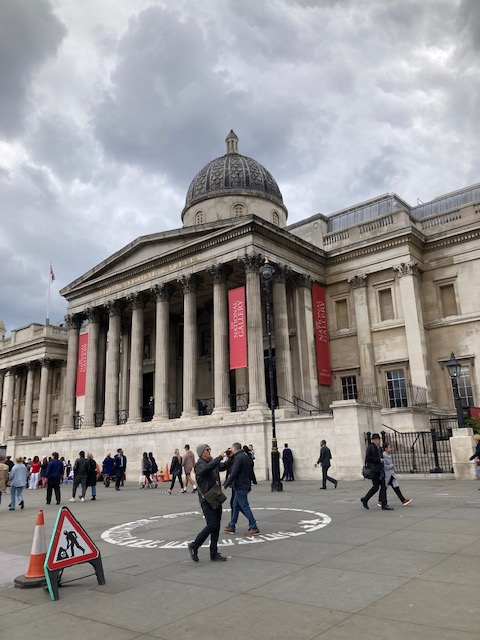
Next stop was Trafalgar Square where I had been on a previous bus route. So this time, I decided to go into the National Gallery and take a look at some of the beautiful art on display. As I wasn’t intending staying long, I headed over to see some paintings by Rubens and Van Dyck. I wasn’t disappointed and will definitely return to spend some glorious hours roaming through the galleries. It’s really amazing that all these can be seen free of charge – you only need to pay for special exhibitions.


7. Parliament Square
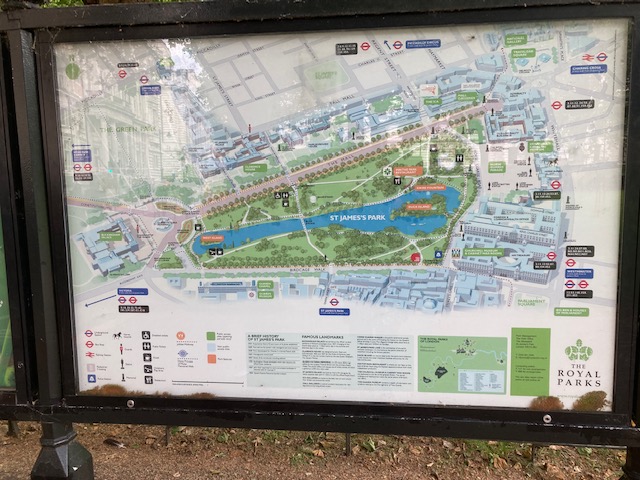
After this cultural delight, I got back on the bus to Parliament Square and then walked round to St James’s Park. For some reason, this seems to be lesser known than the other major London Parks such as Hyde, Regents and Green, but it is no less wonderful. It’s opposite Buckingham Palace and Wellington Barracks so is suitably situated for tourists.


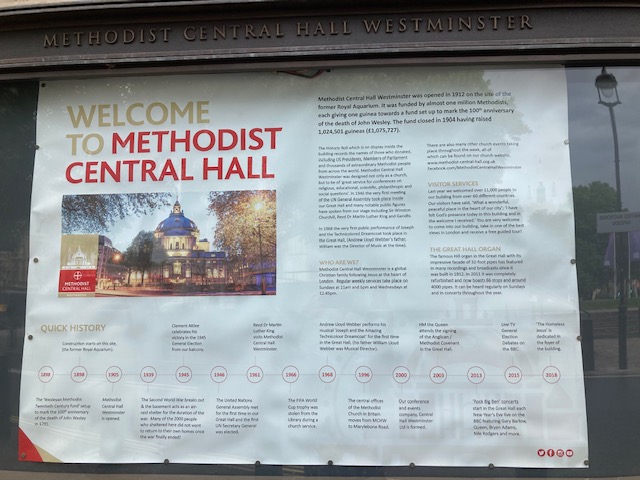
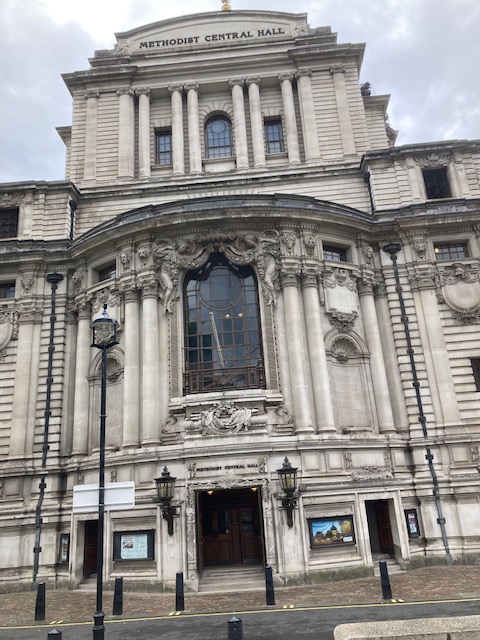
Whilst I was in the area, I came across the Methodist Central Hall in Storey’s Gate. The building was initially erected as a meeting space for the public and the Methodist Church and is famous for having hosted the first ever United Nations meeting in 1946. It’s not possible to have a tour of the building at present but it would be worth trying at another time.
8. Westminster Cathedral
From there I got back on the bus and intended to continue for a while but it stopped outside Westminster Cathedral, the sight of which made me decide to alight and take a look. Quite different from Westminster Abbey, this is a Catholic church, made from brick in a modern style (for the 1890s) unlike the Gothic Abbey. In the late 19th century, Catholicism in England was enjoying a resurgence, boosted by an immigrant Irish population fleeing from famine and poverty, and the churches attracted large congregations. Hence the need for a large interior space.


9. Warwick Way
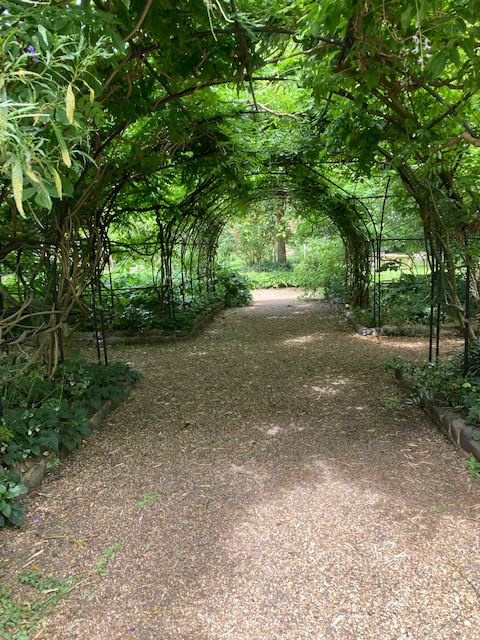
Next to Eccleston Square, where once Winston Churchill lived at number 33. Dating back to the 1830s, the square is yet another architectural delight. I’ve come to really appreciate Georgian and Victorian London and some of the beautiful buildings that were built to a very high standard, both aesthetically and structurally. Other famous residents include politicians and writers such as Bertha Jane Grundy (novelist) and Alfred Hillier (Tory MP who committed suicide at number 20). The gardens look lovely but are only open to the public for the National Gardens Scheme once a year.


10. Belgrave Road
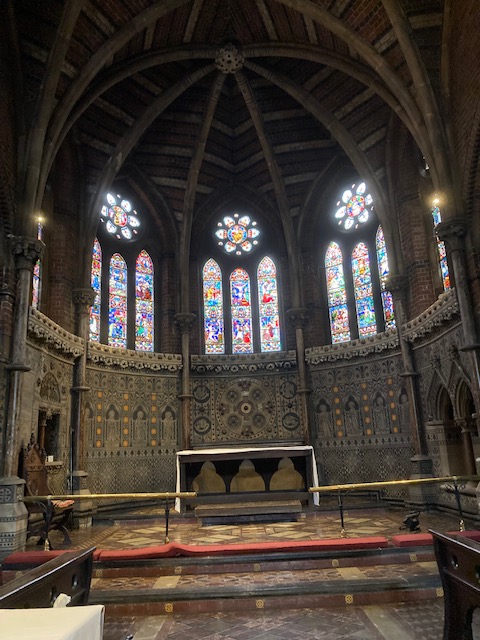
Final stop was at Belgrave Road where I walked round to St James the Less Church. A grade I listed building, it has been described as “one of the finest Gothic Revival churches anywhere”. It’s quite a contrast to Westminster Cathedral and it had been commissioned by the three daughters of the Bishop of Gloucester (James Henry Monk) to construct a church in their father’s memory in what was, at the time, an area of slums and run-down tenements in a very poor part of London – quite astonishing to think this now! The interior has a certain charm and a feeling of intimacy.



A lot of this route is along others that I’ve already done but nevertheless, I still managed to find lots of places of interest to visit that I hadn’t done before. A highlight today was definitely Fitzroy Square for its grandeur but I also loved St James’s Park where I will visit again.
 london routemistress