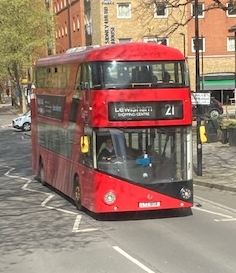
Monday 11th April 2022
Found my way to Lewisham Centre where the number 21 starts. Before getting on the bus, I walked round to the Clock Tower. The tower was built to commemorate Queen Victoria’s diamond jubilee of 1897. On the top of the tower is a crown and the structure is a grade II listed building.
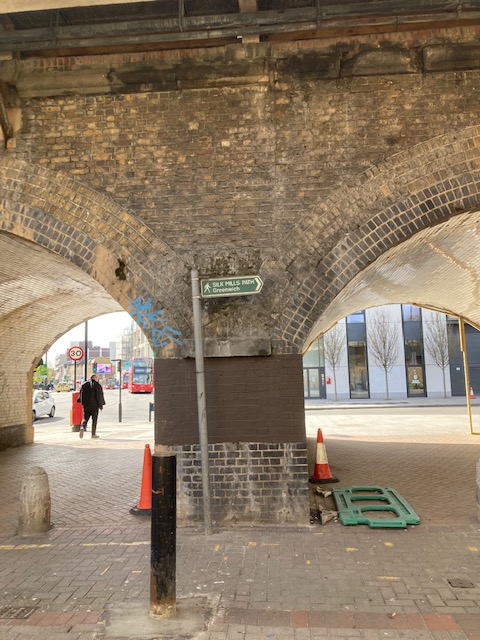
I walked round the corner to Silk Mills Path, a name that intrigued me. I found out that according to the Domesday Book, there were 11 corn mills in this area, along the river Ravensbourne and subsequently mills for higher value goods such as silk were also along the route.


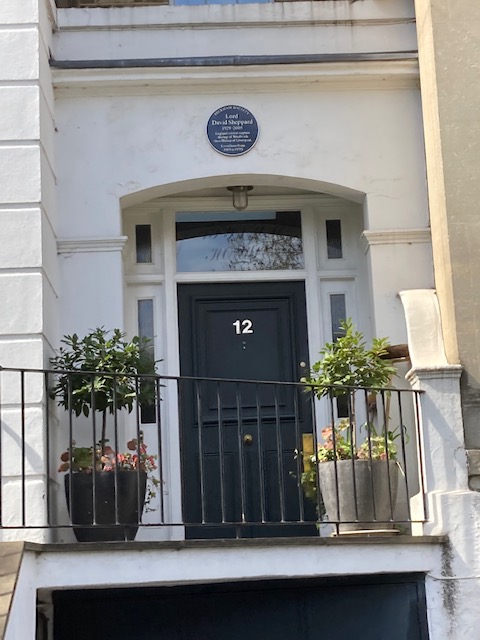
I started route 21 and stayed on the bus to Commercial Way stop and walked round to Asylum Road, where I found Asylum Chapel inside Caroline Gardens. Established about 1827, Caroline Gardens Chapel formed the heart of London’s largest complex of almshouses. The Grade II listed site was not a sanctuary (not asylum in the now-accepted meaning) and was actually a home for elderly, retired pub landlords. Further along Asylum Road at number 12, I discovered a blue plaque for Lord David Shepherd, cricketer and bishop.


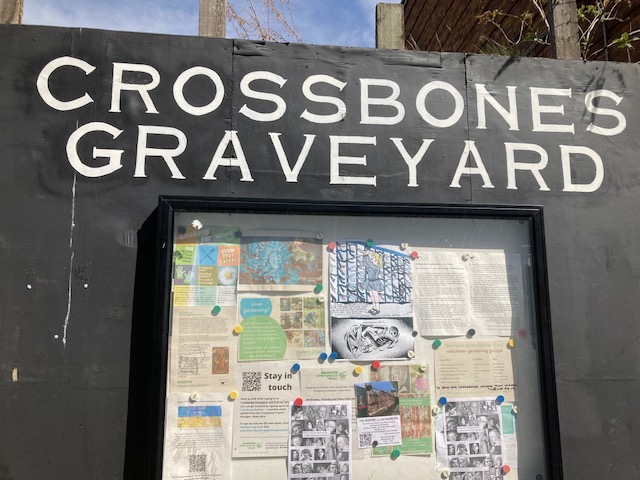
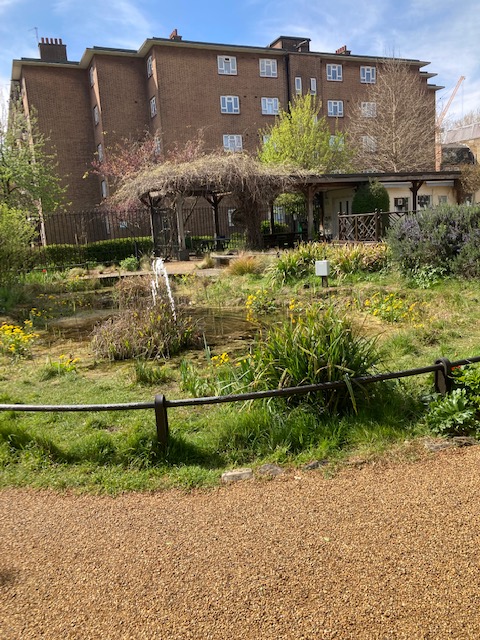
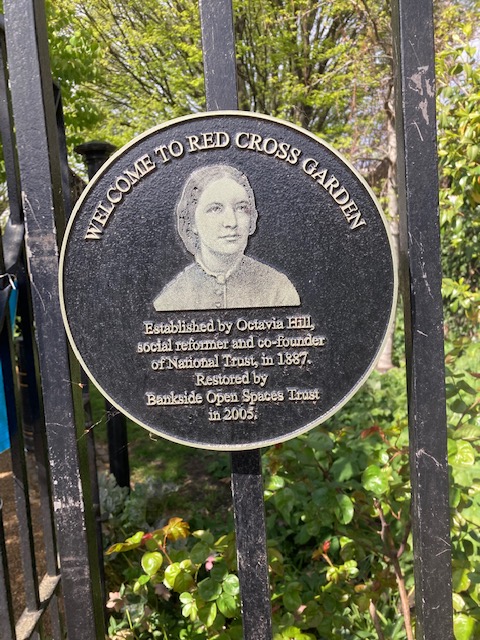
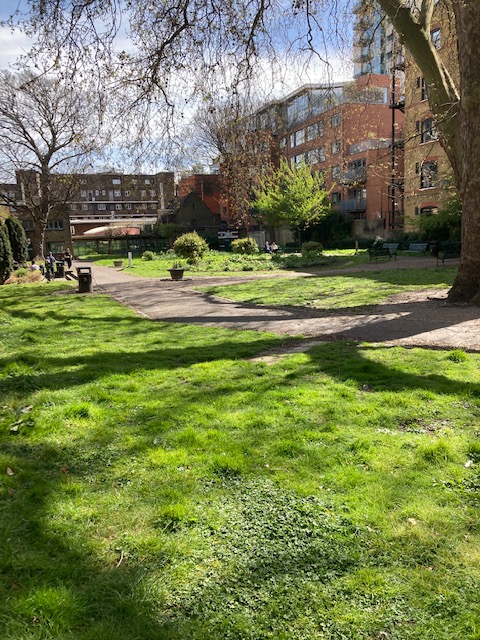
There was a lot to see on this route so I had to be selective. My next stop was to visit Red Cross Garden, Crossbones Graveyard and the site of Marshalsea Prison. Sadly, the graveyard was closed – though I caught a glimpse from the road – and the prison no longer exists, but there are still remnants; however I wasn’t disappointed with the Garden which was the original scheme of Octavia Hill – the lady who co-founded the National Trust. It’s a gem of a park and is tranquil and pretty.
Crossbones had been a paupers’ graveyard and allegedly the final resting place of the Winchester Geese, a group of sex workers who had been given permission to trade by the Bishop of Winchester

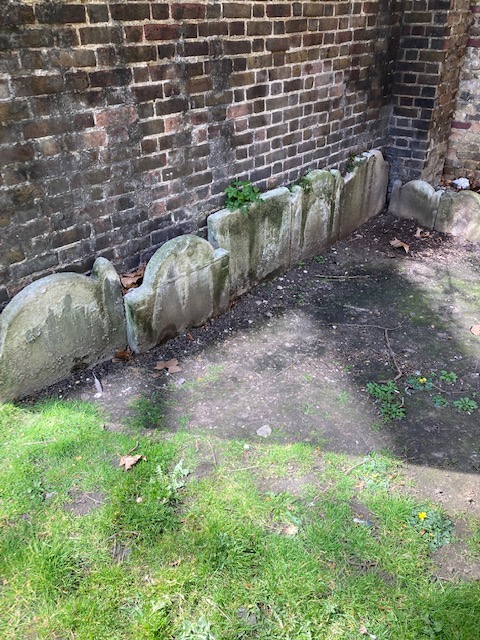

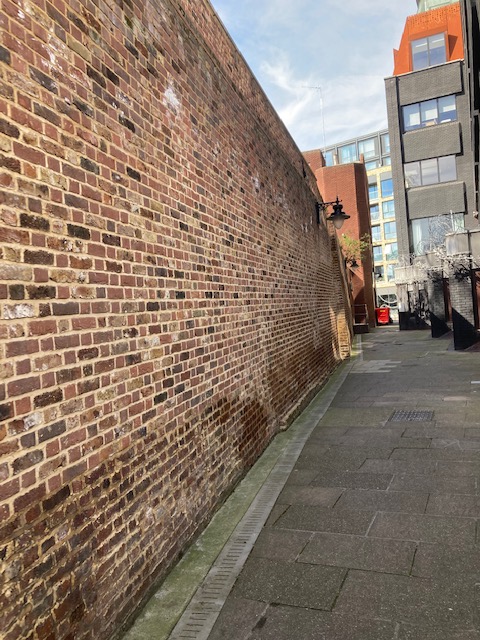
Marshalsea was prison to the poorest in society, in particular a debtors’ prison and found fame with Charles Dickens whose own father was imprisoned there – Dickens subsequently wrote about the prison, in particular in his novel Little Dorrit.
I then took the bus with a brief stop at London Bridge to see Nancy’s Steps, so called because it was here that Dickens depicted the horrific murder of Nancy in the novel Oliver Twist.
Back on the number 21 to Bank/Princes St where I wandered round to Old Jewry, a small street which had been the hub of a medieval Jewish community, with William the Conqueror himself having encouraged Jews to settle in England.
From here, I walked to Guildhall that I had surprisingly never been to before. And it was such a delight! Not only does it house a wonderful collection of art – both old and contemporary – but it also has on show one of the five existing Magna Cartas – pretty awesome – and an original seal from Elizabeth I.

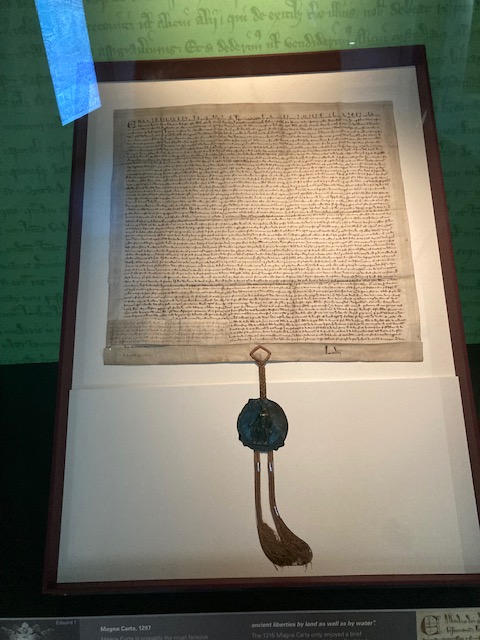
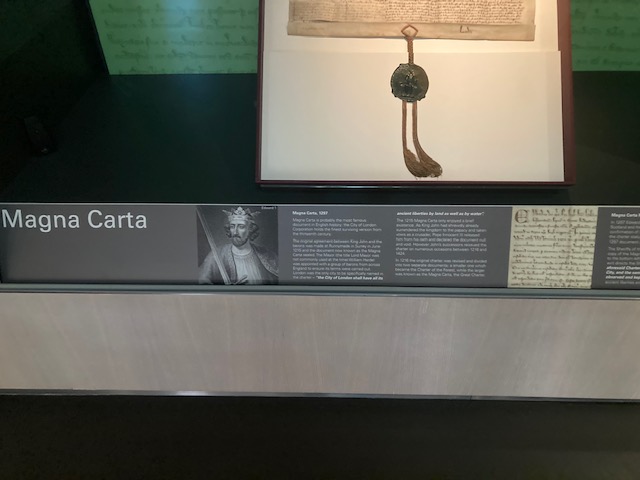
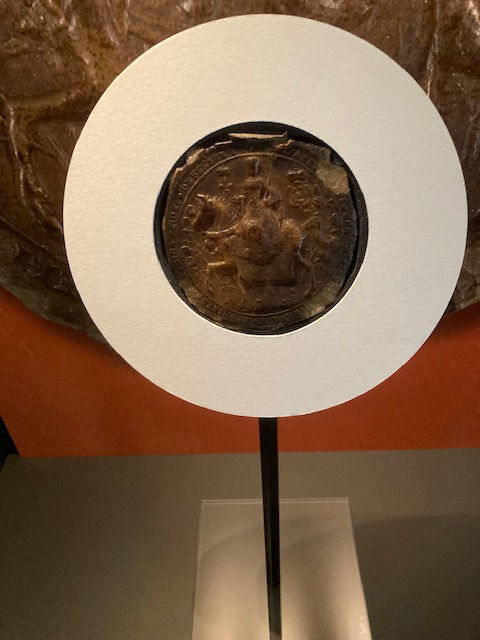
I had wanted to visit Guildhall because the Roman Amphitheatre was recently reopened and I was very keen to see it. I found it breath-taking to think that there were games and fighting as a spectator sport here in what’s now the heart of London and that it’s possible to see the remnants – it’s also brilliantly done with holograms to depict how it looked.
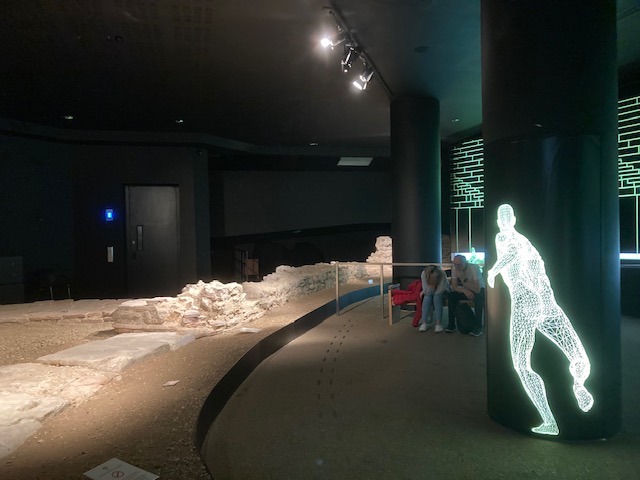
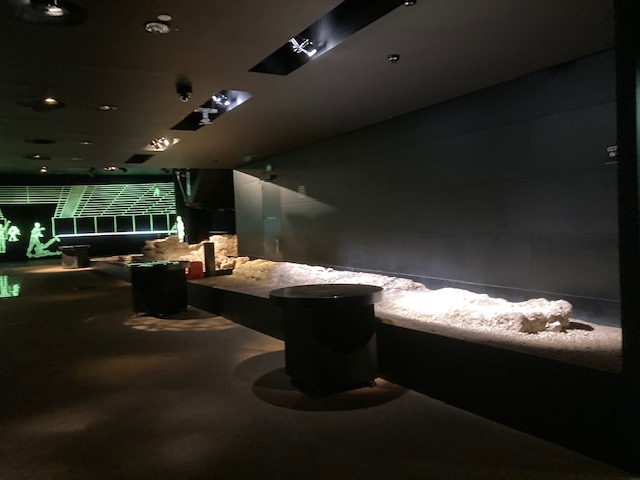


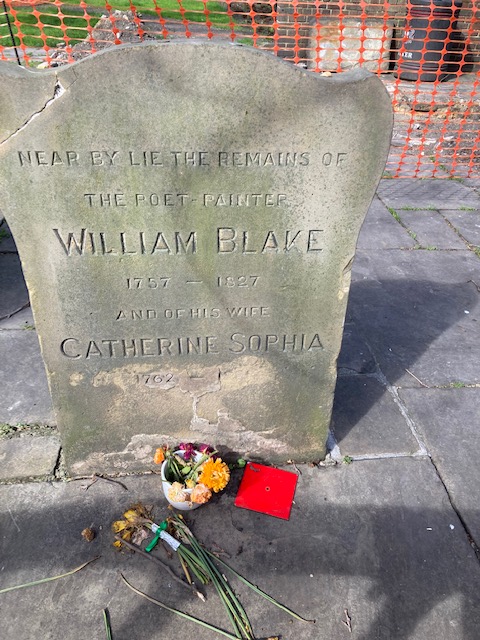
After spending a lot longer there than I had expected, thanks to a thorough guided tour from the curator of the Art Gallery, I got back on the bus to Bunhill Fields, a former burial ground dating back to 1665. Famous people buried here are Daniel Defoe (Robinson Crusoe), John Bunyan (Pilgrim’s Progress) and William Blake (artist). It’s listed Grade I on the Register of Historic Parks and Gardens. The name Bunhill is thought to derive from Bone Hill, probably due to the many people buried there.



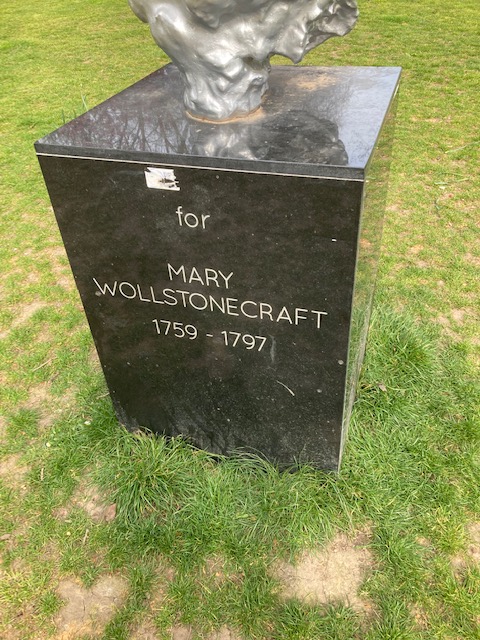
After all these stops and places of interest, I got back on the 21 until the end of the line at Newington Green. In the green itself is a statue of Mary Wollstonecraft by Maggi Hambling. The structure is controversial because of its depiction of nudity. This is the world’s only memorial to Wollstonecraft who is seen as the mother of Feminism.


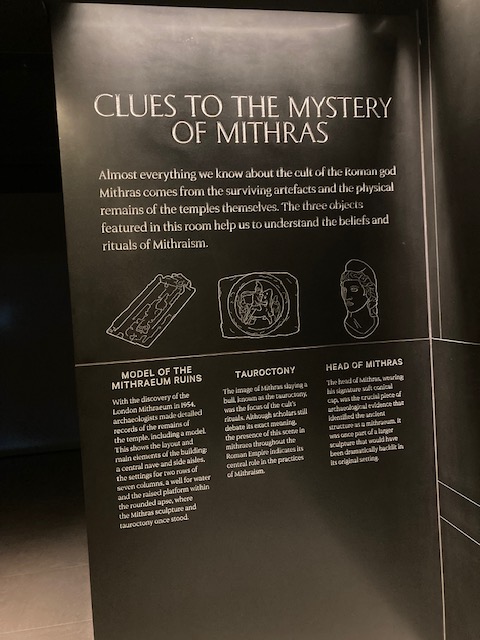
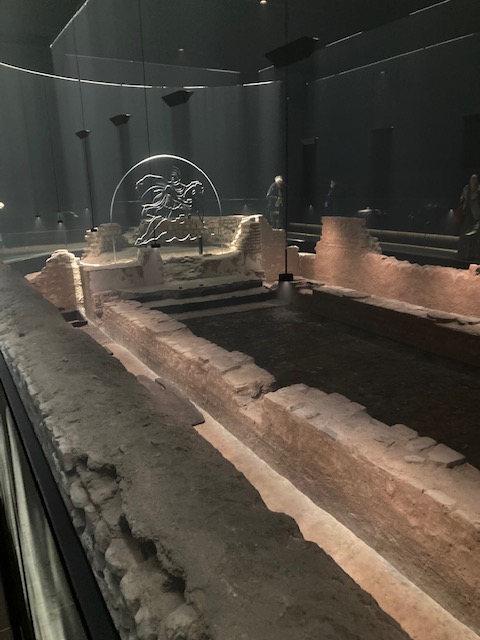
And that was the end of my journey on Monday but … the Thursday before, I decided to visit one of the places on the route that isn’t open on a Monday and chose to go to the London Mithraeum in Walbrook. It’s a Roman temple to the god Mithras and it’s underneath the Bloomberg offices. This is another amazing find and well worth a visit. It originates from approx 240 AD but was only discovered in 1954. A large majority of the stones and bricks are original. The wood, render and lime mortar are new, but based on mortar samples from contemporary Roman London structures.The temple is displayed with a selection of artefacts found on the site.


Since starting this Routemistress venture, I seem to find more and more places to visit that are of interest, hopefully not just to me. I love the fact that each new bus route finds different things to see, even if the routes overlap with previous ones. There’s certainly something for everyone in this wonderful city – and I can’t wait to keep finding more as each week passes.
 london routemistress