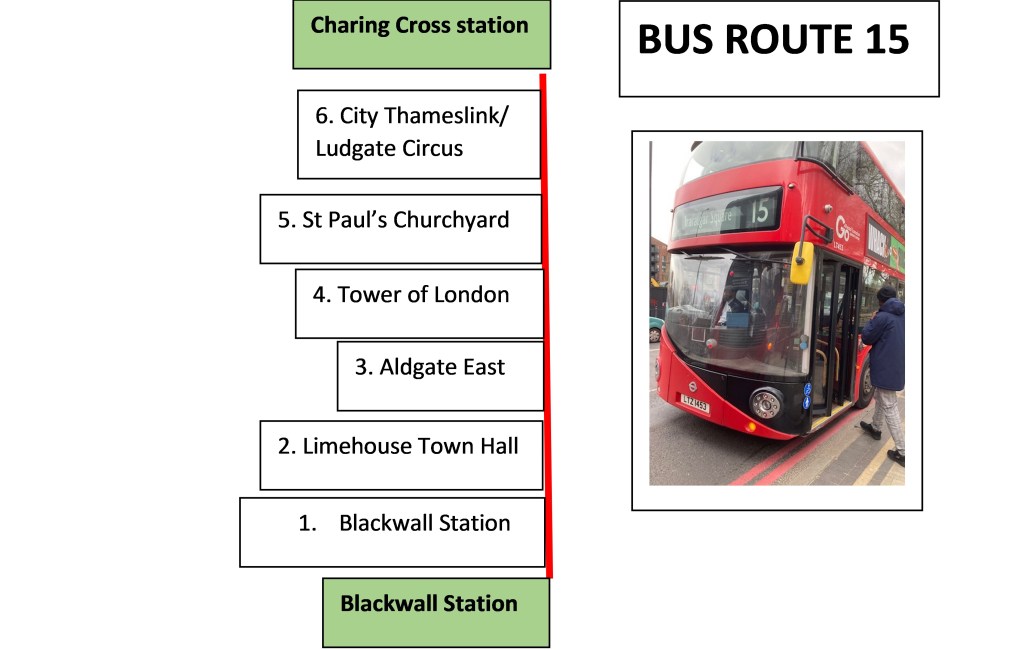
Blackwall Station to Charing Cross
Highlights:
- Dr Johnson’s House (entrance fee)
- Wisdom of Solomon pyramid
- Trinity Square Gardens
- St Bride’s Foundation
Addendum – visited Dr Johnson’s House in August 2024
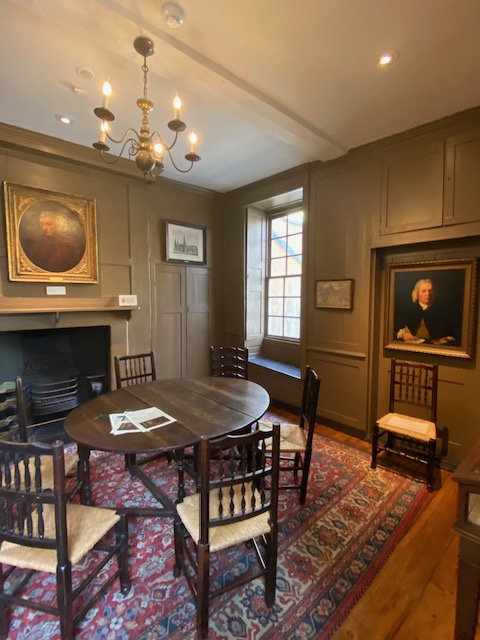
There’s plenty to see and say about Dr Johnson’s House in Gough Square (bus stop City Thameslink/Ludgate Circus). The building itself is a lovely example of a 17th century town house, and it was here that Dr Johnson and his wife moved and paid the (then exorbitant) sum of £30 pa rent. However, he needed the space as he was a highly sociable man who needed to have people around him at all times, often staying in the house, short or long term.
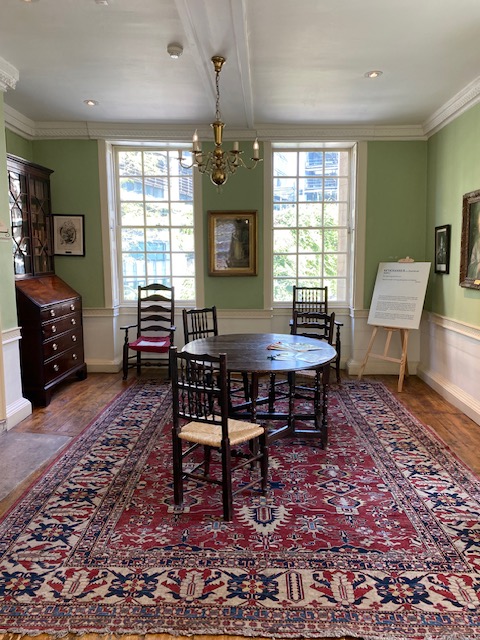
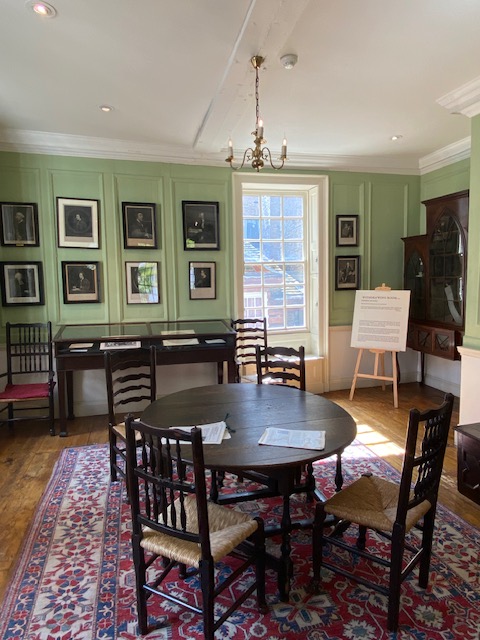
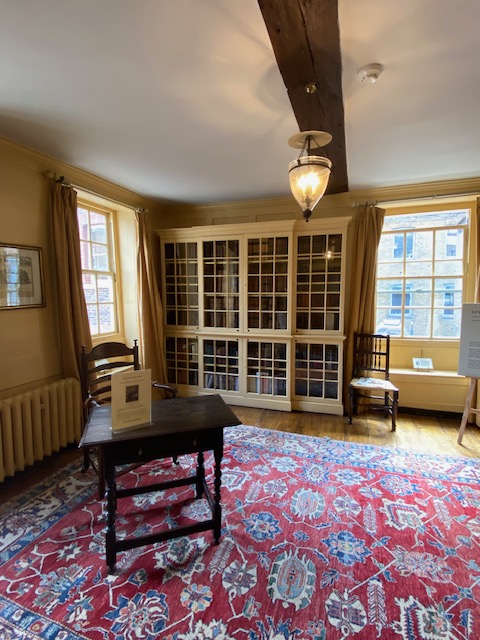
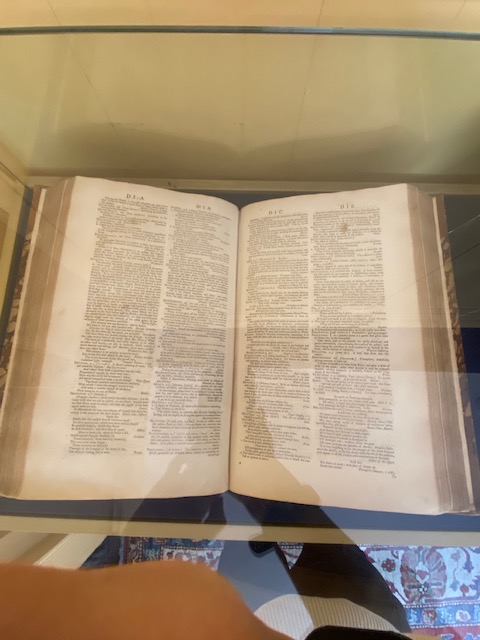
The rooms are laid out over four floors and each one is a pleasure to explore and examine, with original furniture and paintings and they provide a wonderful insight into the life of the man who gave us his Dictionary in 1755. He had been given the commission by a group of London booksellers in 1746 and was paid £1,500 guineas (equivalent to over £300,000 today).
A summary of a selection of the rooms follow but I would really recommend a visit in person – and you definitely won’t be disappointed.
The rooms inside the house:
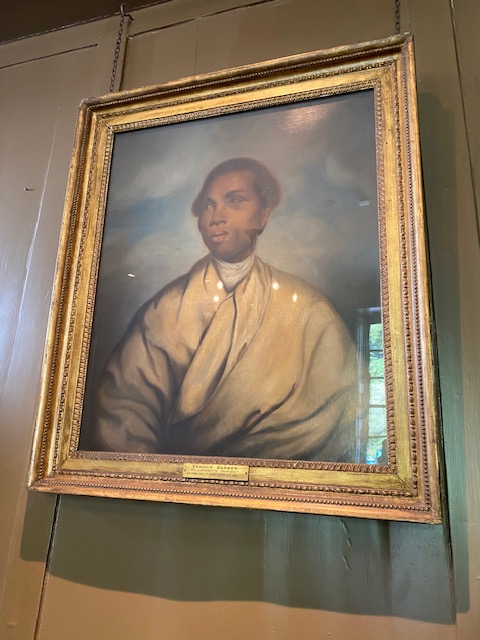
1. The Parlour with a portrait of Dr Johnson himself. Samuel Johnson loved company and was famously reputed to have said “I look upon every day to be lost, in which I do not make a new acquaintance”. His servant Francis Barber would show visitors into the parlour on arrival. There is a portrait of Mr Barber here too.
2. Anna Williams’ Room. Anna was a friend & housekeeper to Johnson from early 1750s until her death in 1783. He supported the impoverished Williams who was the daughter of a failed inventor. In the corner of the room is a bureau belonging to Elizabeth Carter, one of many female intellectuals whom Johnson championed & who was a leading Bluestocking.
3. The Withdrawing Room is hung with portraits of Johnson’s male friends, including the writer Oliver Goldsmith, & Rev Samuel Parr. Johnson also counted the painter, Sir Joshua Reynolds & politician Henry Thrale among his close companions.
4. The well-stocked Library contains books, manuscripts & pamphlets relating to Dr Johnson. It includes first editions of Johnson’s Dictionary & some books that were owned by the great lexicographer & his friends.
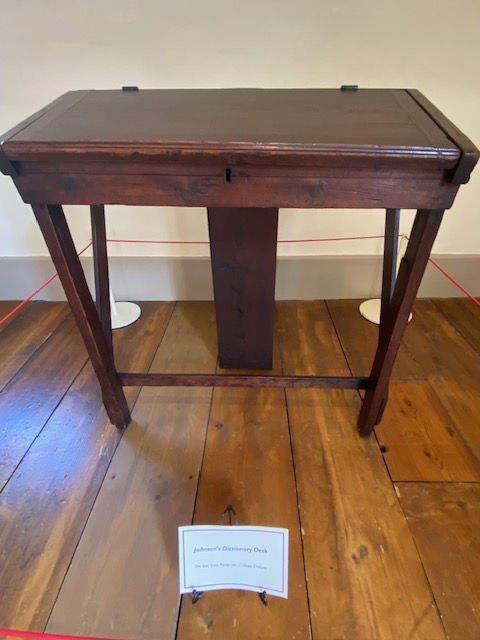
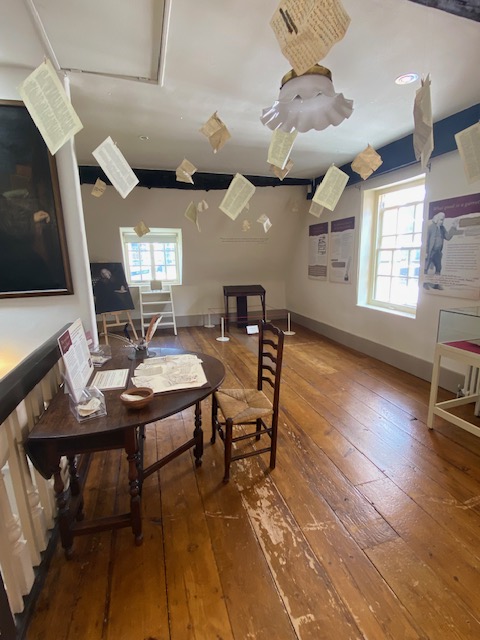
5. The Garret currently has an exhibition, the star attraction being Johnson’s ‘dictionary desk’. The exhibition charts the journey of the desk over the past 250 years & how the dictionary was compiled. You can thumb your way through the dictionary & enjoy the same view that Dr Johnson would have had from the fourth floor windows.
Caught the northern line to Tottenham Court Road, changed to Central line to Bank then DLR to Blackwall. Before I embarked on the bus, I walked round the corner to see the Traffic Light Tree – there are so many traffic lights on different branches, I’m not sure how you’d know which one to look at!
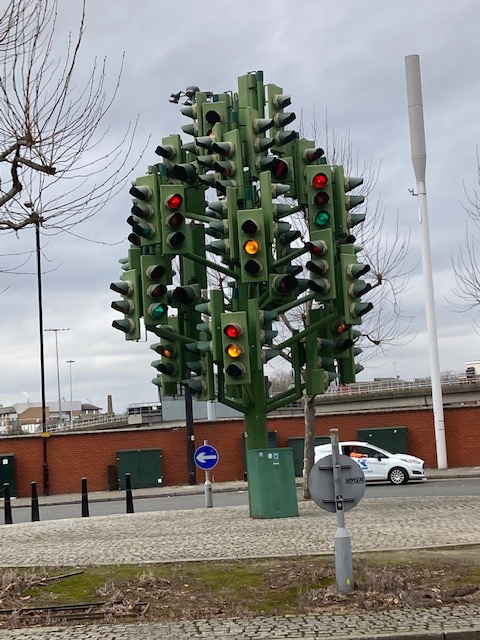
Traffic Light Tree near Blackwall station
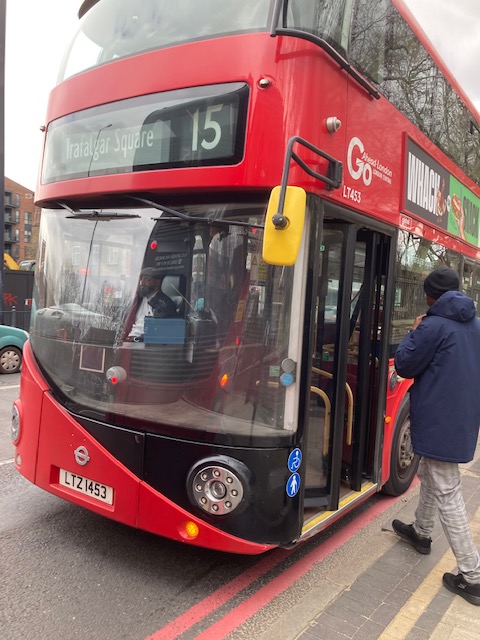
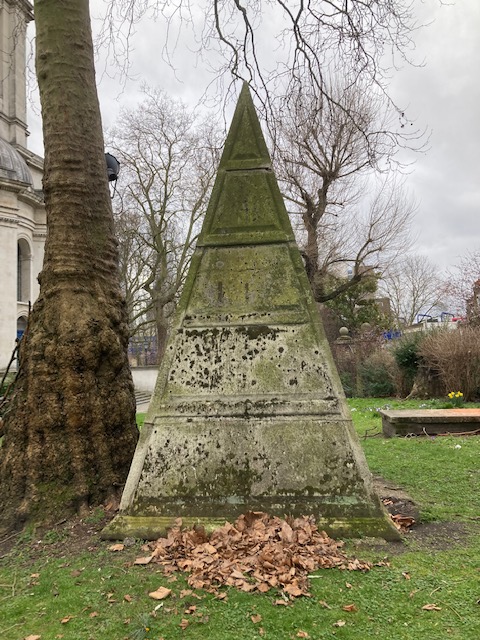
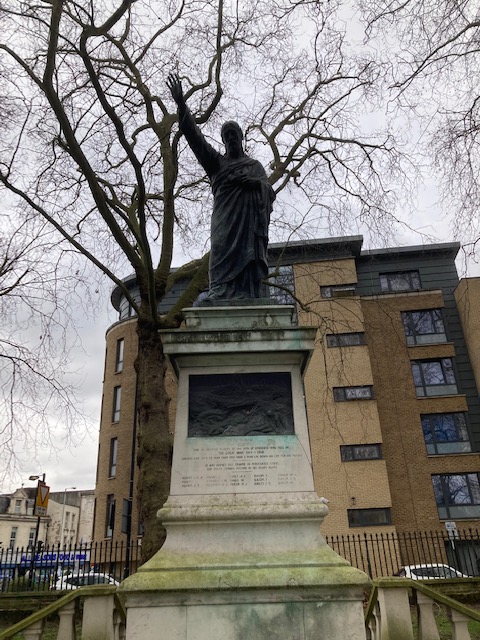
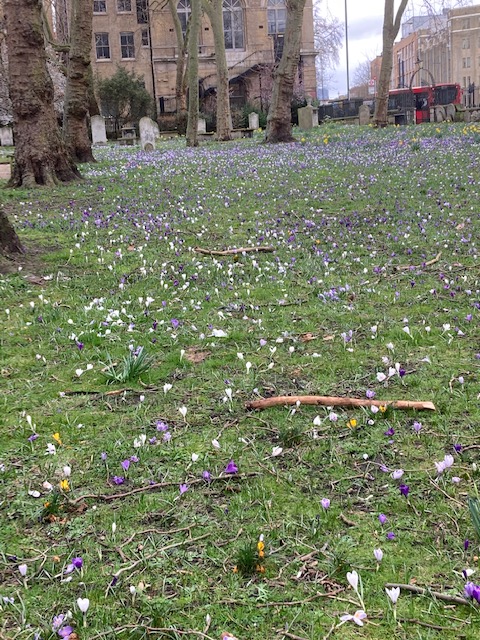
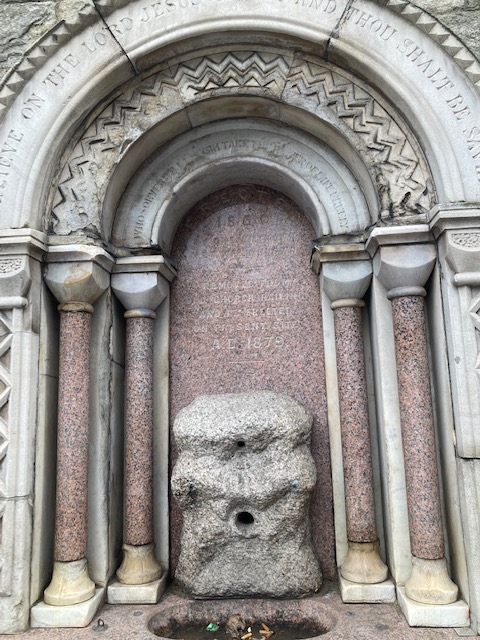
Back to the station and the number 15 was about to leave so I hopped on. First stop today was at Limehouse Town Hall. This building only opens for Open House weekend so I was unable to see it from the inside. It’s a grade II listed building so I would like to come back another time. But next door was St Anne’s Church which I didn’t enter but walked round the garden to see the Pyramid “The Wisdom of Solomon” and a brass sculpture of Jesus Christ, which had been erected in 1879. There was a sea of crocuses throughout the garden which made it a delightful stop.
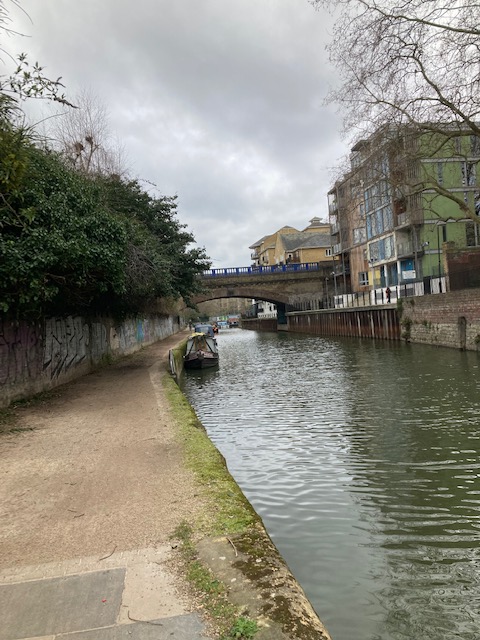
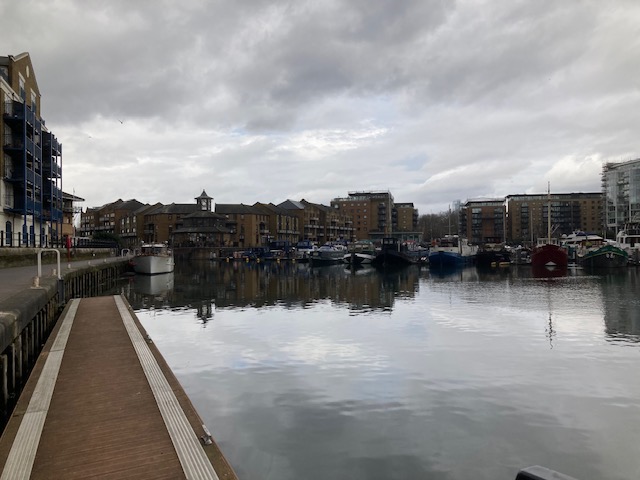
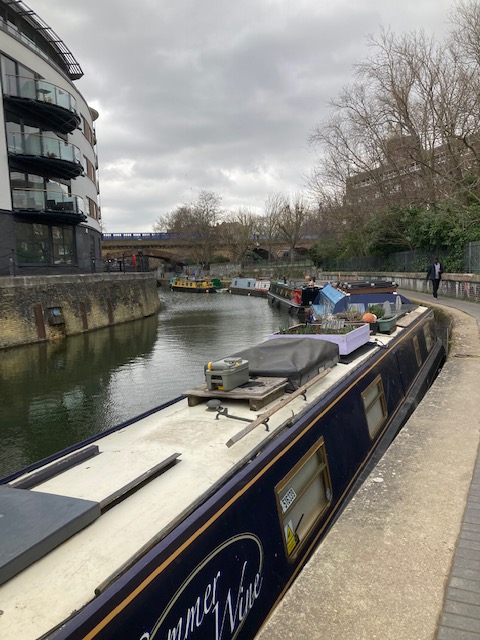
I walked round the corner and found Limehouse Cut, a straight, broad canal and the oldest in London. There were many canal boats moored along the side and even more at Limehouse Basin, just a short walk away.
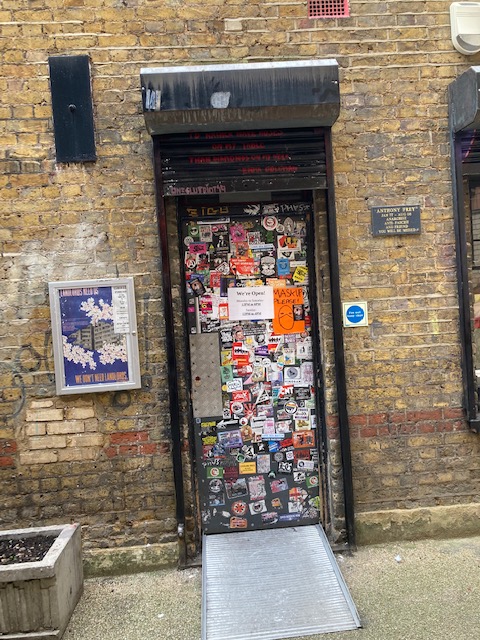
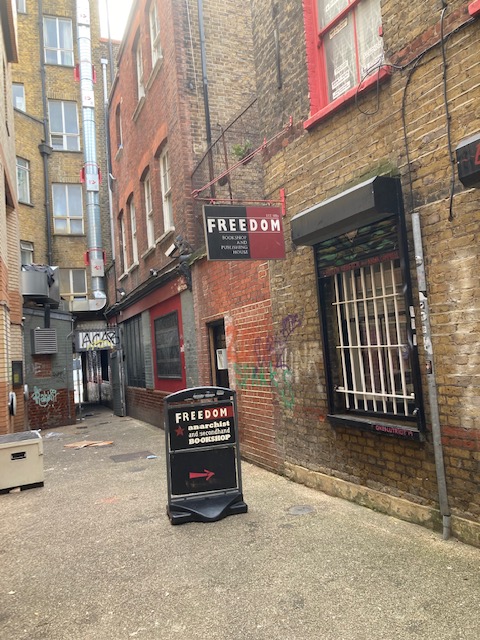
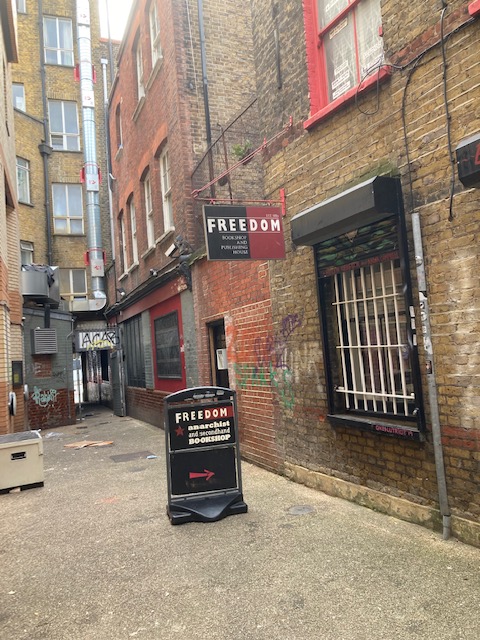
Back on the bus to Aldgate East where I got out and walked towards Altab Ali Park, stopping at the Freedom Bookshop in Angel Alley off Whitechapel High St. It’s the oldest Anarchist Bookshop in London and stocks books, newspapers & pamphlets on everything from history to sex, philosophy to workers’ struggles, fiction to anti-fascism.
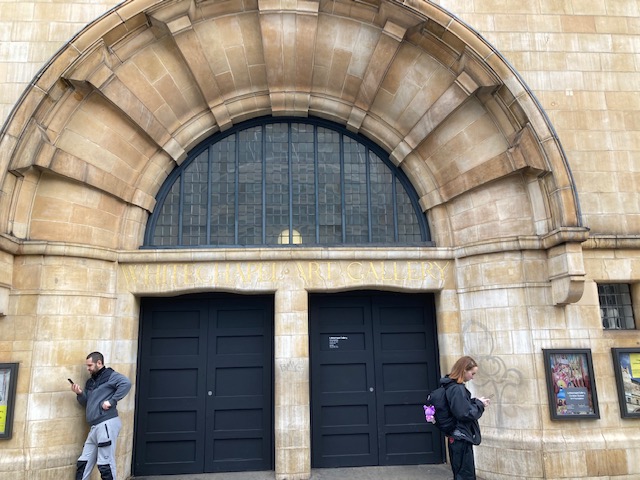
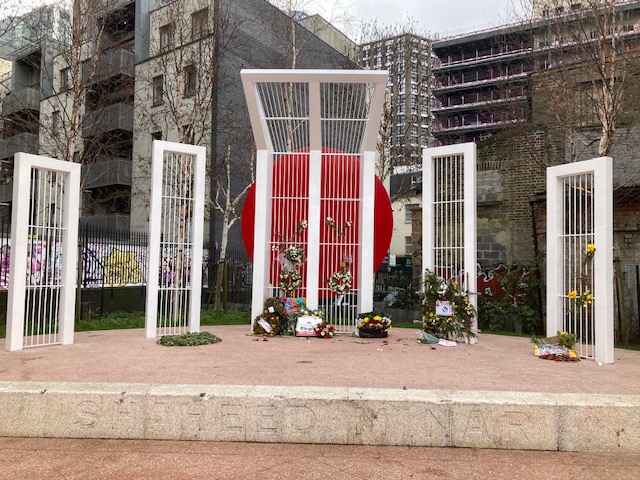
As it was a Monday, the Whitechapel Gallery was closed so it’s another place to return to on a different day of the week (see Bus Route 25). Over the road was the Altab Ali park, so named after a young British Bangladeshi clothes worker who was murdered there in 1978. At the entrance to the park is an arch put there as a memorial to Altab Ali and other victims of racist attacks. Inside the park is a replica of the Shaheed Minar Memorial, symbolising a mother and her martyred sons.
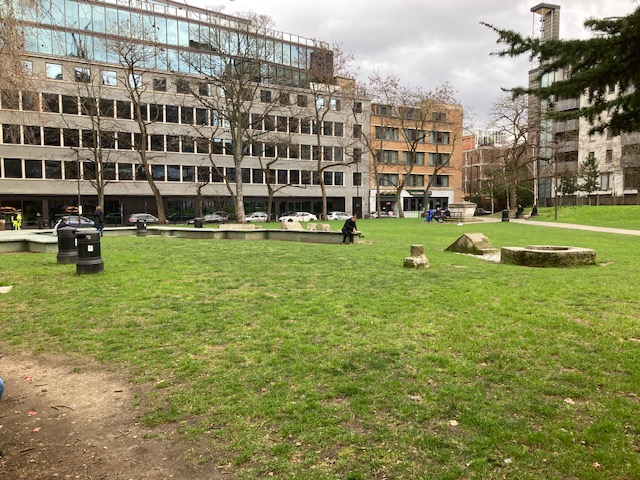
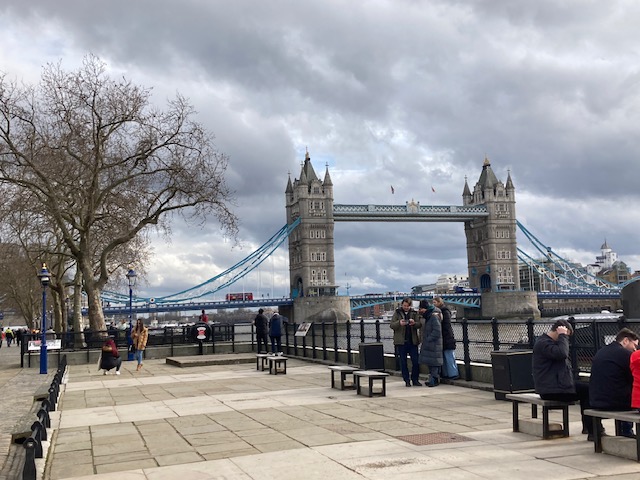
From there I took the 15 to the Tower of London and made for Trinity Square Gardens. This is a real gem opposite the Tower itself – so much to see here. It’s the site of many public executions of traitors and criminals, including Sir Thomas More, Thomas Cromwell, George Boleyn (Anne’s brother) and even a former Archbishop of Canterbury and many lords of the land. Also in these gardens is a fitting tribute and memorial to the Merchant Navy personnel who died in WW1 as well as merchant seamen who died fighting in the Falklands War.
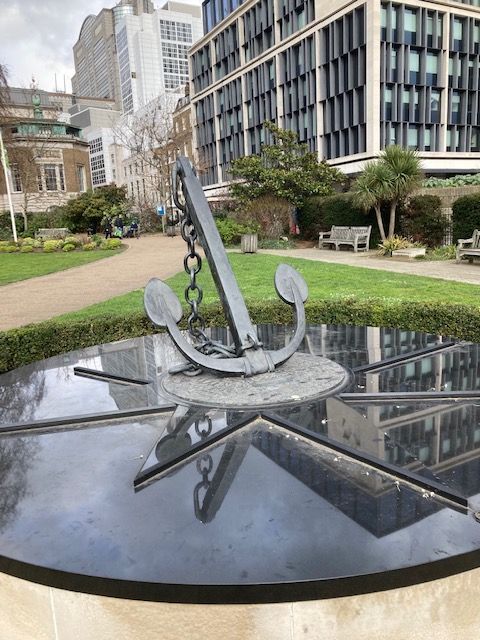
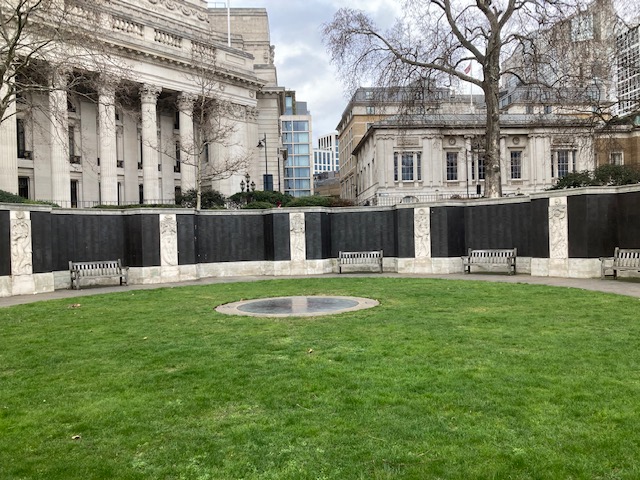
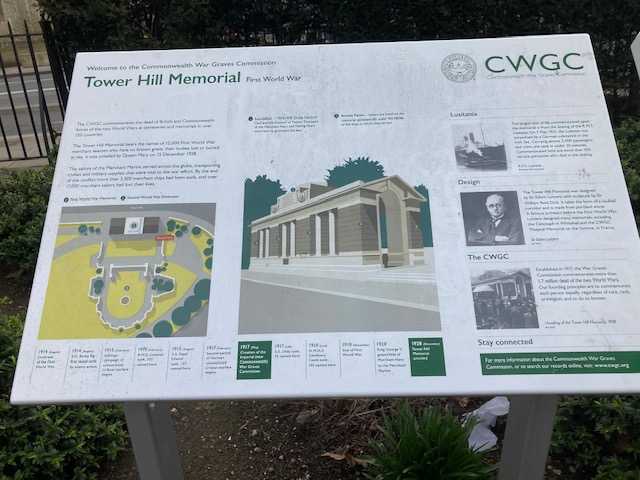
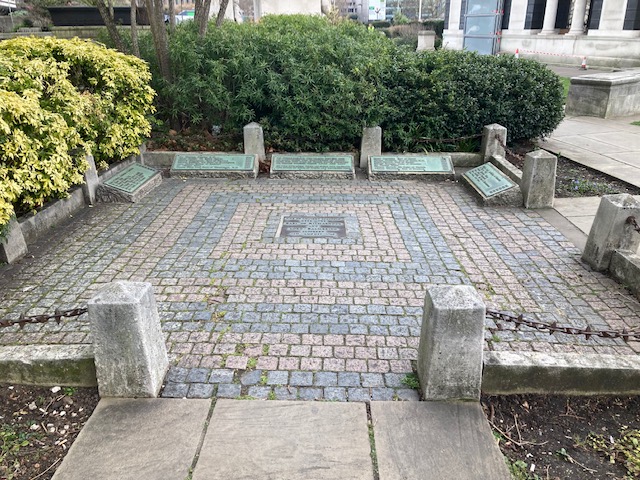
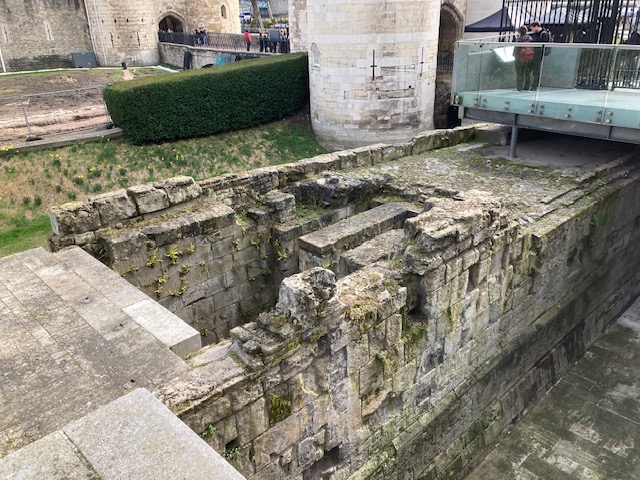
I walked over the road and found what is left of London Wall – this was a defensive wall first built by the Romans around the strategically important port town of Londinium (now London) in c. AD 200. The remnants of the wall are adjacent to the Tower which was busy with visitors. That’s another place to visit on a different day.
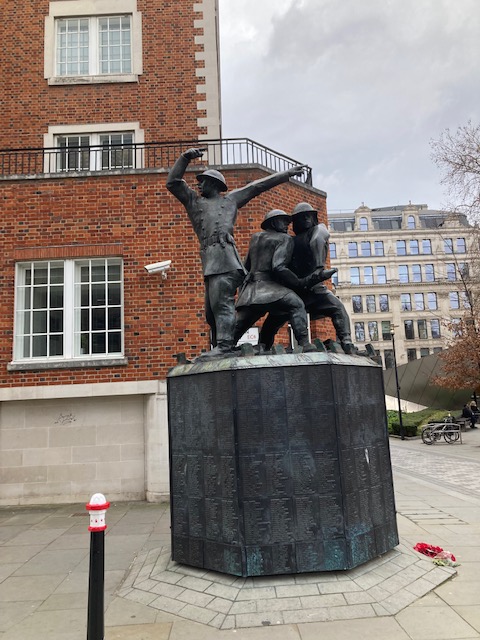
Back on the bus to St Paul’s where I got off to find the National Firefighters Memorial at the top end of Peter’s Hill. This commemorates the firefighters from WW2 with the names of the fallen all around the plinth.
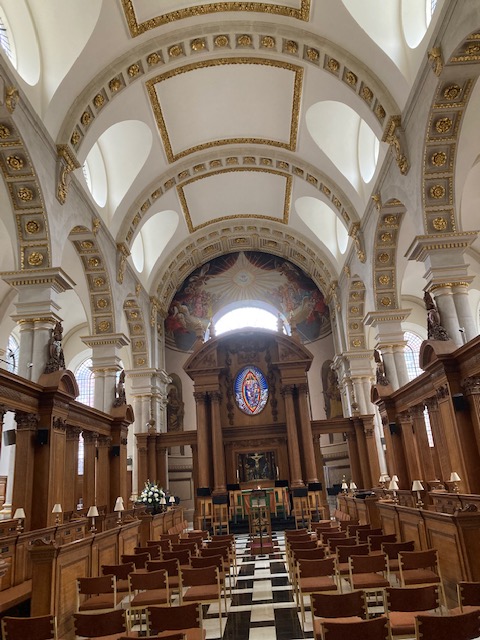
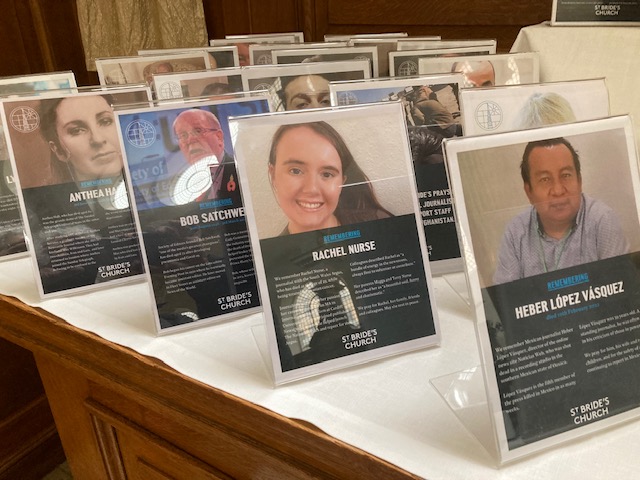
As the next 15 bus was 10 minutes away, I decided to walk to my next destination which was Hanging Sword Alley. Unfortunately, there was so much redevelopment going on in the area, that it wasn’t possible to find it or have access to it. However I went into St Bride’s Church which is very beautiful inside. Originally designed by Sir Christopher Wren, it was gutted during the blitz in 1940. The church has a long association with journalists and newspapers, being so close to Fleet Street. It’s touching that the pews are sponsored or donated by newspapers or the families of individuals who have died, often in the course of their work. I found seats dedicated to Malcolm Muggeridge, Lord Beaverbrook and Octavia Hill (founder of National Trust).
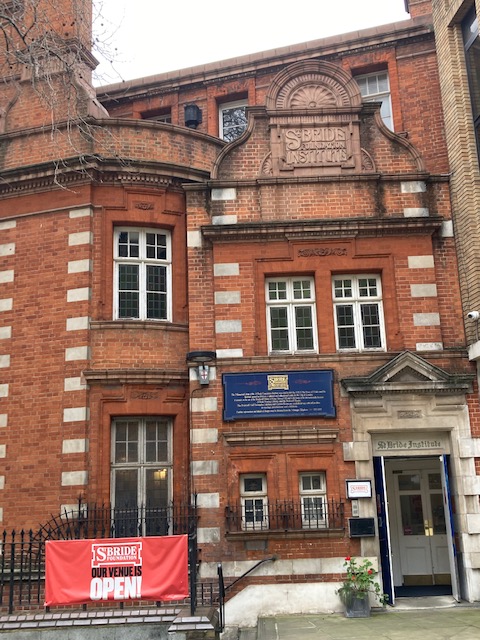
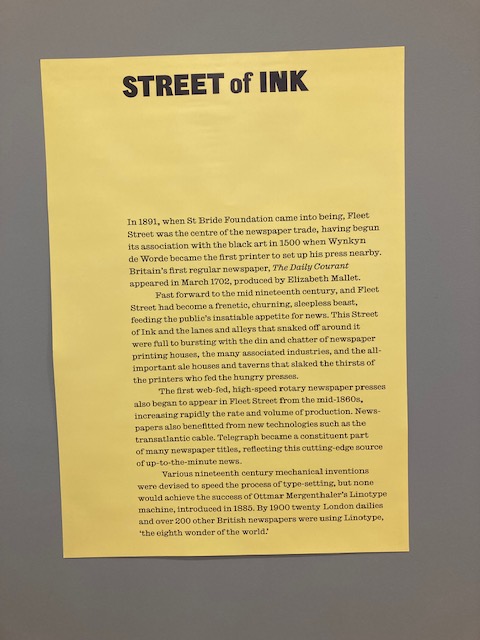
I then walked round the corner to the St Bride’s Foundation building. Another grade II listed building, it was originally set up to serve the newly established print/publishing trade in nearby Fleet St. It’s now has a new audience of designers, printmakers and typographers. There was a small exhibition gives a potted history of the foundation and is well worth a visit or detour.
Having had quite a number of stops today, I decided to get back on the bus till its final destination of Charing Cross station, from where I took the northern line home.
This has been a really good bus route, with lots of interesting places to visit. I enjoyed each one for its own sake, and loved the fact there was a variety of things to see.
 london routemistress