
Took the northern line to Embankment and changed to District line to Bow Lane station, then walked to the start of the route. Before getting on the bus, I looked around the vicinity and went to the grounds of Bow Church which wasn’t open. However it was a lovely building and had a statue of Gladstone in the grounds as well as a plaque stating it’s part of the Bow Heritage Trail. I then ventured over the road and found Nunnery Café and art gallery. In former years, it was a convent and had been converted to its present usage. The art gallery champions the work of local artists (see Bus Route 25).


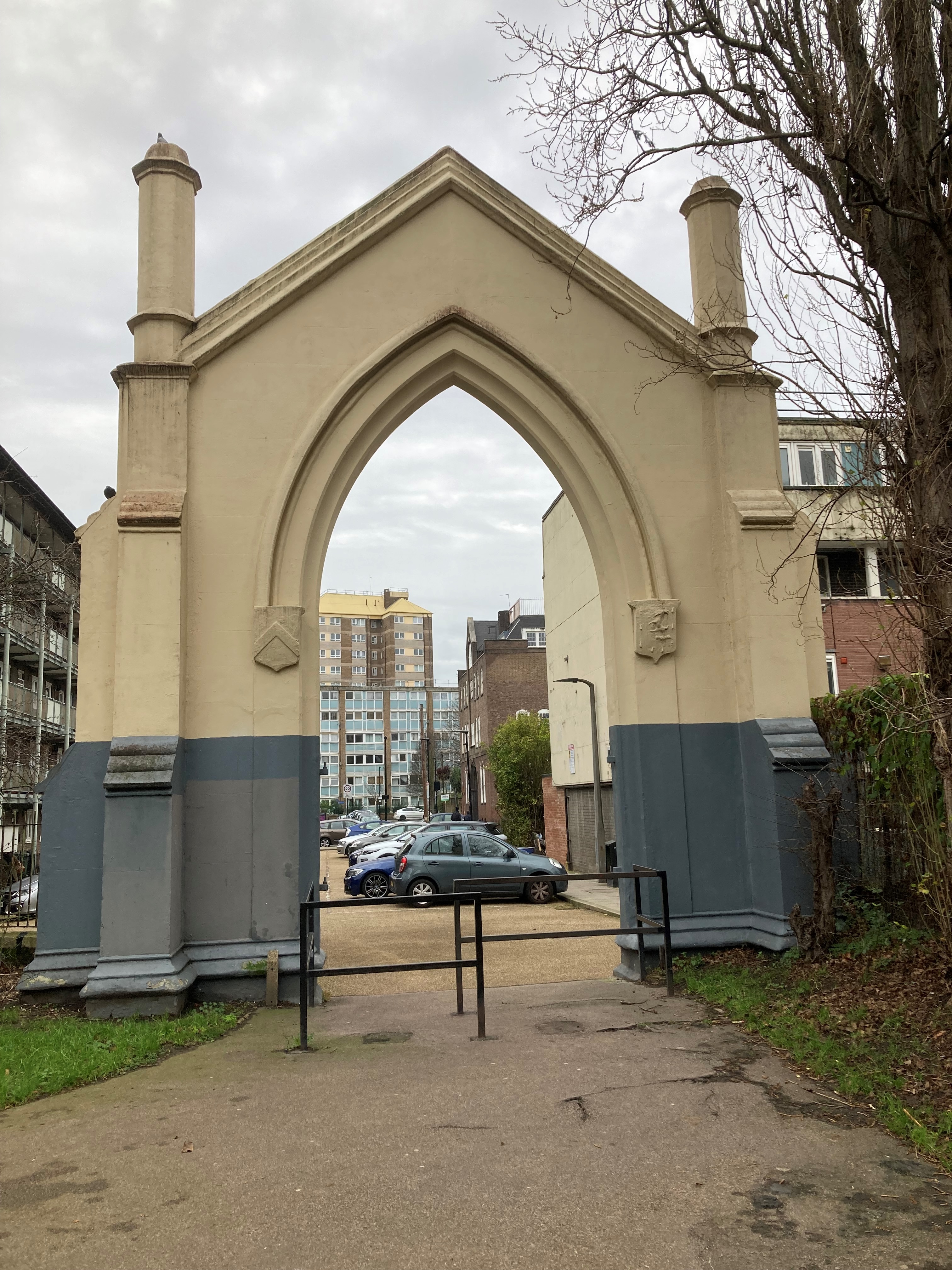
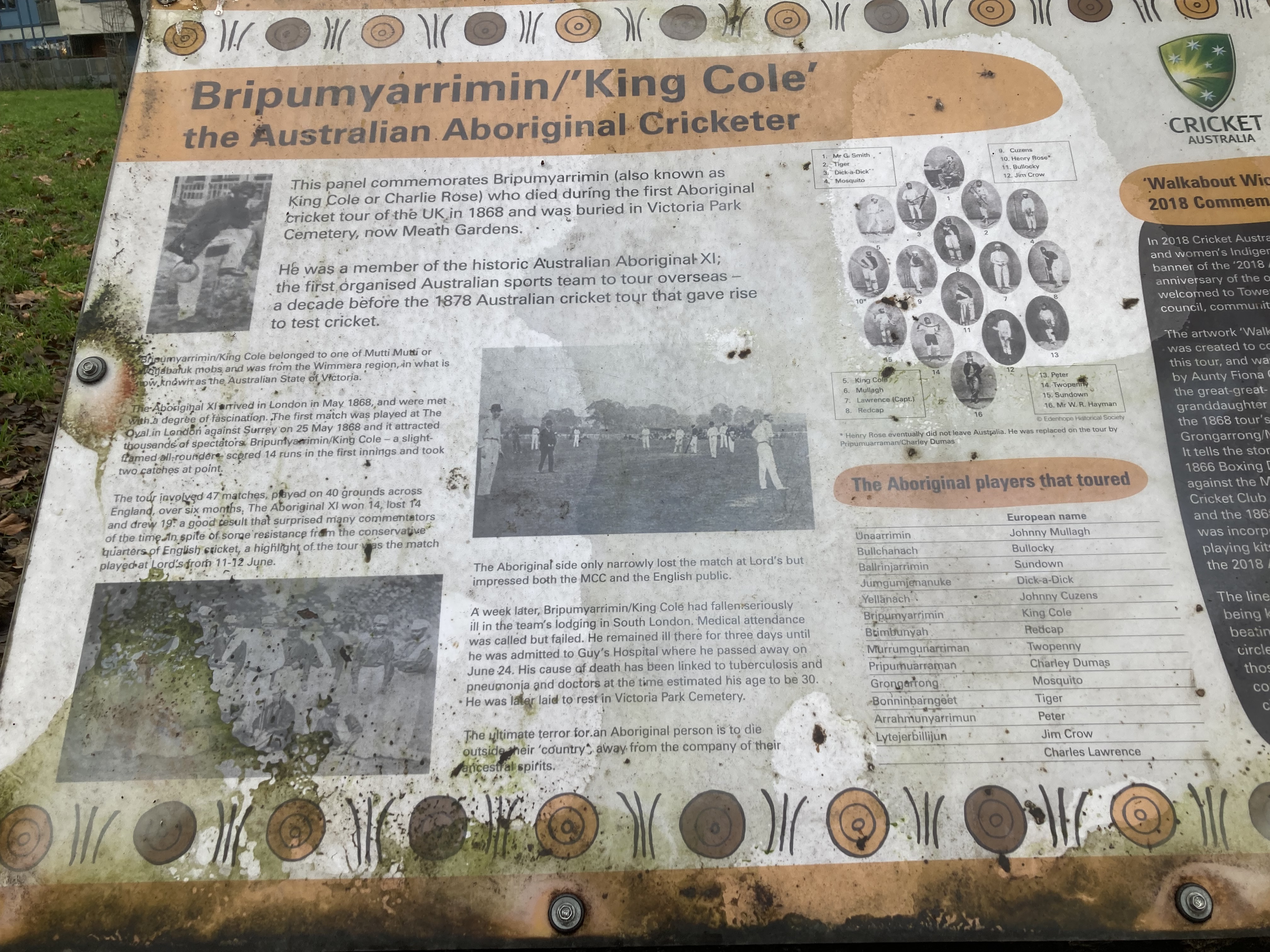
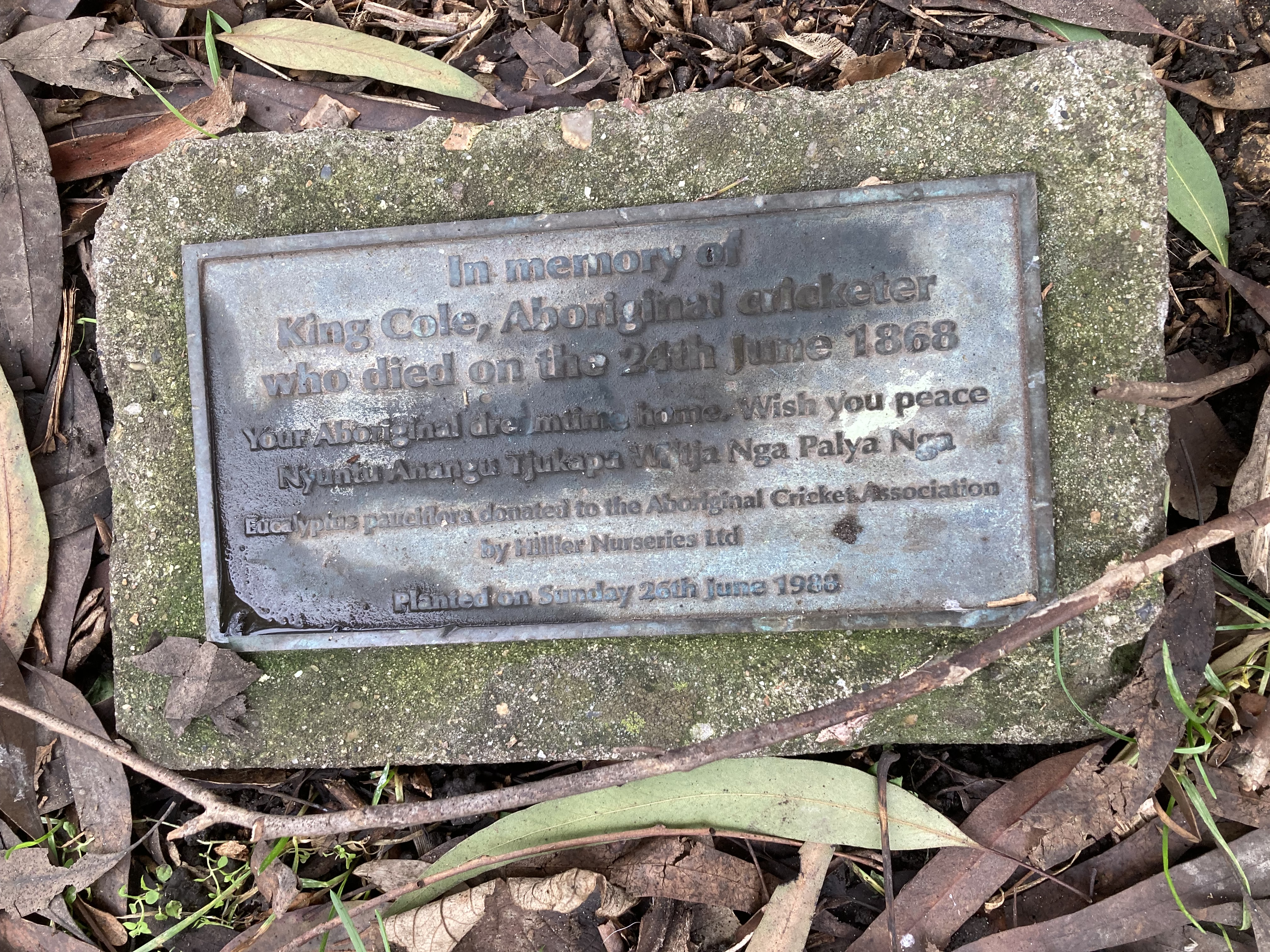
From there, I started my bus route and went to Meath Gardens (at Bonner St stop) which is the site of an old Victorian cemetery. The cemetery was very badly kept and ceased trading in 1876. One of the burials in the cemetery was Bripumyarrimin, known as King Cole, who was a member of the Australian Aboriginal cricket team in England in 1868, the first representative cricket team to tour England from Australia. Bripumyarrimin died on the tour from TB & pneumonia and was buried in an unmarked grave in the cemetery. A commemorative plaque was set into the ground by the Aboriginal Cricket Association.
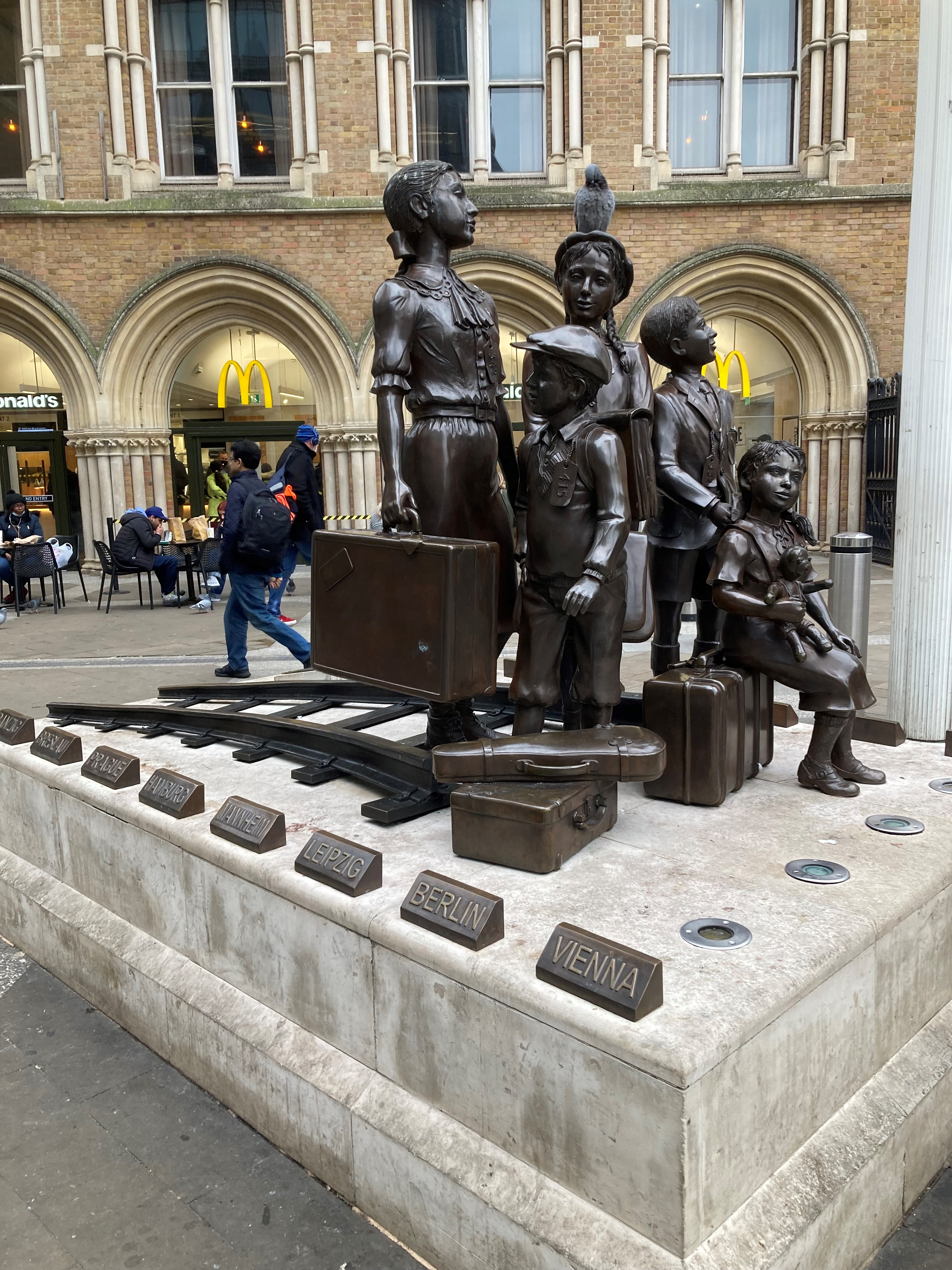
I left Meath Gardens and went back on the bus to Liverpool St Station where I went to see the Kindertransport memorial. It’s a bronze memorial sculpture located in the forecourt of the station. It commemorates the 10,000 orphaned Jewish children who escaped Nazi persecution and arrived at the station during 1938–1939. Very moving memorial and worth a visit.

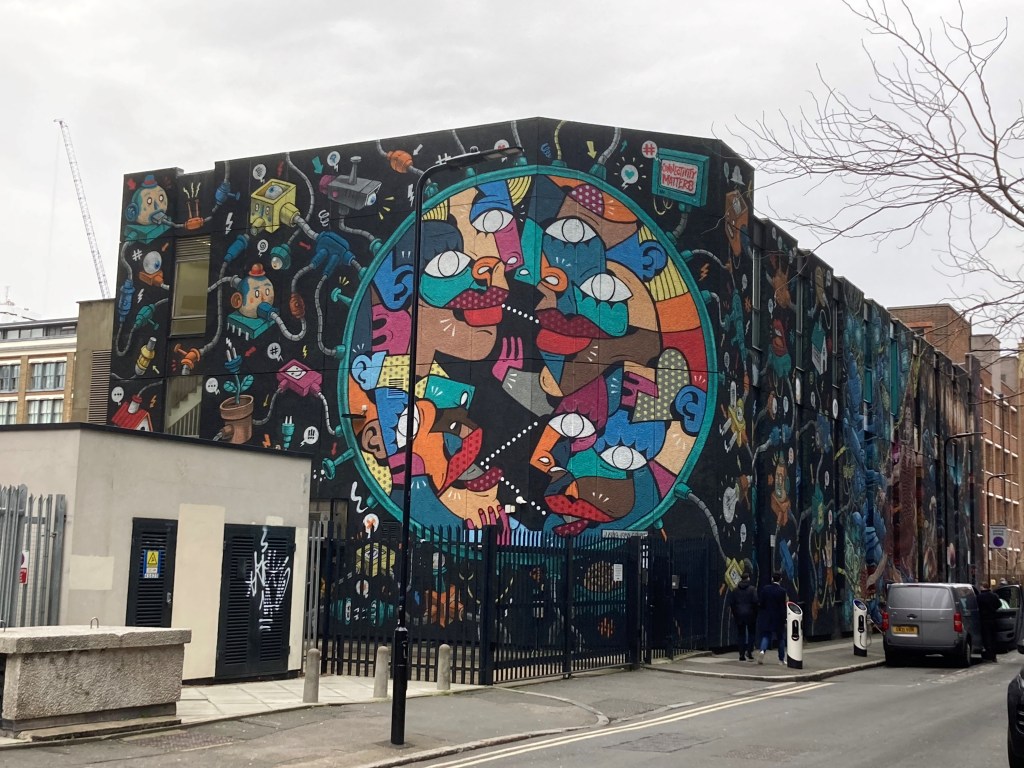
I got out at Shoreditch so that I could see some Banksy murals in Rivington St. I had to hunt for them but was rewarded when I got to the site of the old Cargo bar.


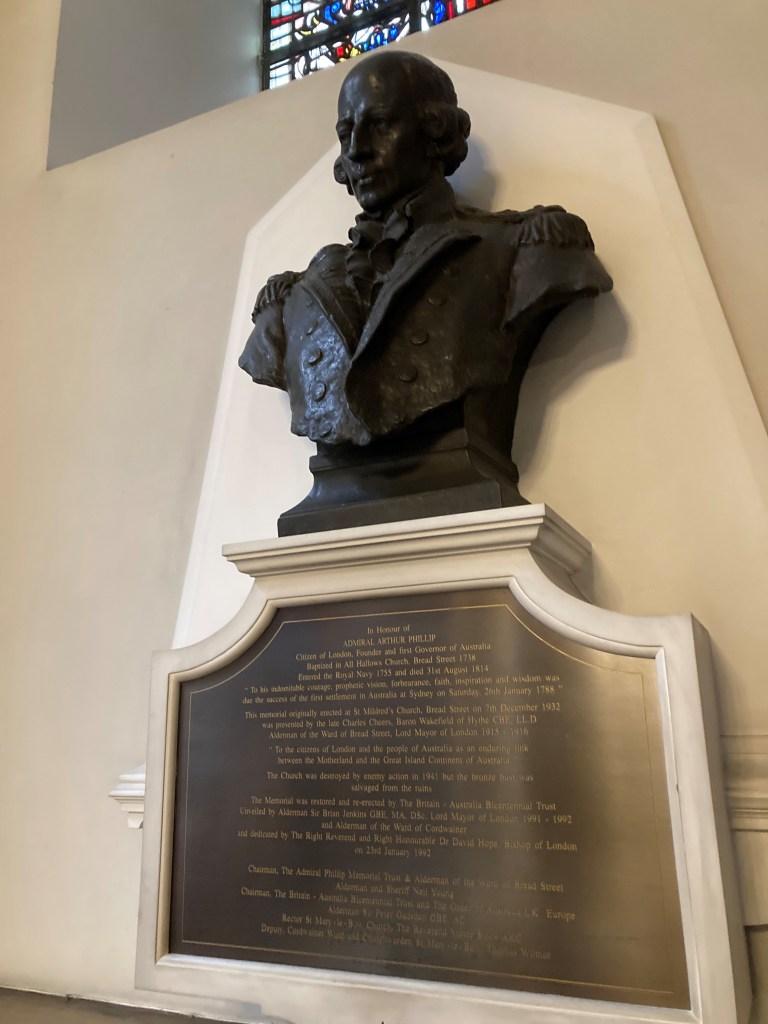
Back on the number 8 and went to St Mary le Bow church. People living within earshot of Bow Bells are considered to be “Cockney”, with a reference in the nursery rhyme “Oranges and Lemons”. The church was rebuilt after the Great Fire of 1666 by Sir Christopher Wren. Inside the church there is a bust of Admiral Arthur Phillip, who was born in the area near the church. He was a British Royal Navy officer who became the founding governor of the Colony of New South Wales.



Outside the church is a statue of Captain John Smith, who was an English soldier, explorer, colonial governor, Admiral of New England, and author. He played an important role in the establishment of the colony at Jamestown, Virginia, the first permanent English settlement in America, in the early 17th century.
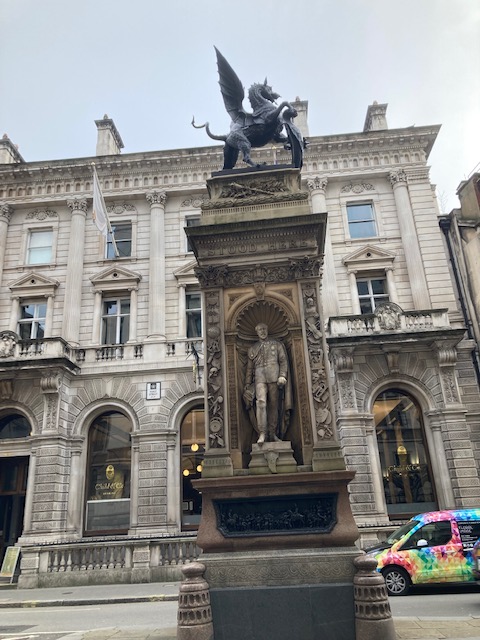
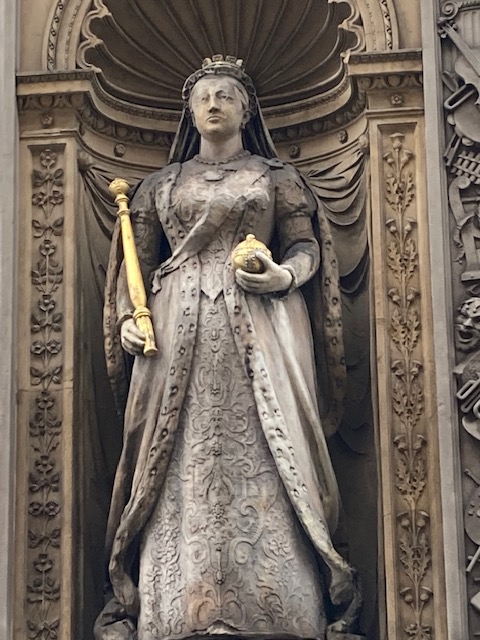
Next and final stop was at Temple Bar Memorial in Temple. At Temple Bar, the Corporation of the City of London formerly erected a barrier to regulate trade into the City. The term ‘Temple Bar’ strictly refers to a notional bar or barrier across the route, but it is also commonly used to refer to the 17th-century ornamental Baroque arched gateway designed by Christopher Wren, which spanned the road until its removal in 1878. A memorial pedestal topped by a dragon symbol of London, and containing an image of Queen Victoria, was erected to mark the bar’s location in 1880. Wren’s arch was preserved and was re-erected in 2004 in the City, in Paternoster Square next to St Paul’s Cathedral. (see route 11 for images of the gate).

Back on the bus until the end of the route near Tottenham Court Road tube.
 london routemistress